Plant Features
- Size: Typically about 35 cm (14 in) tall; forms small clumps/tufts from underground bulbs.
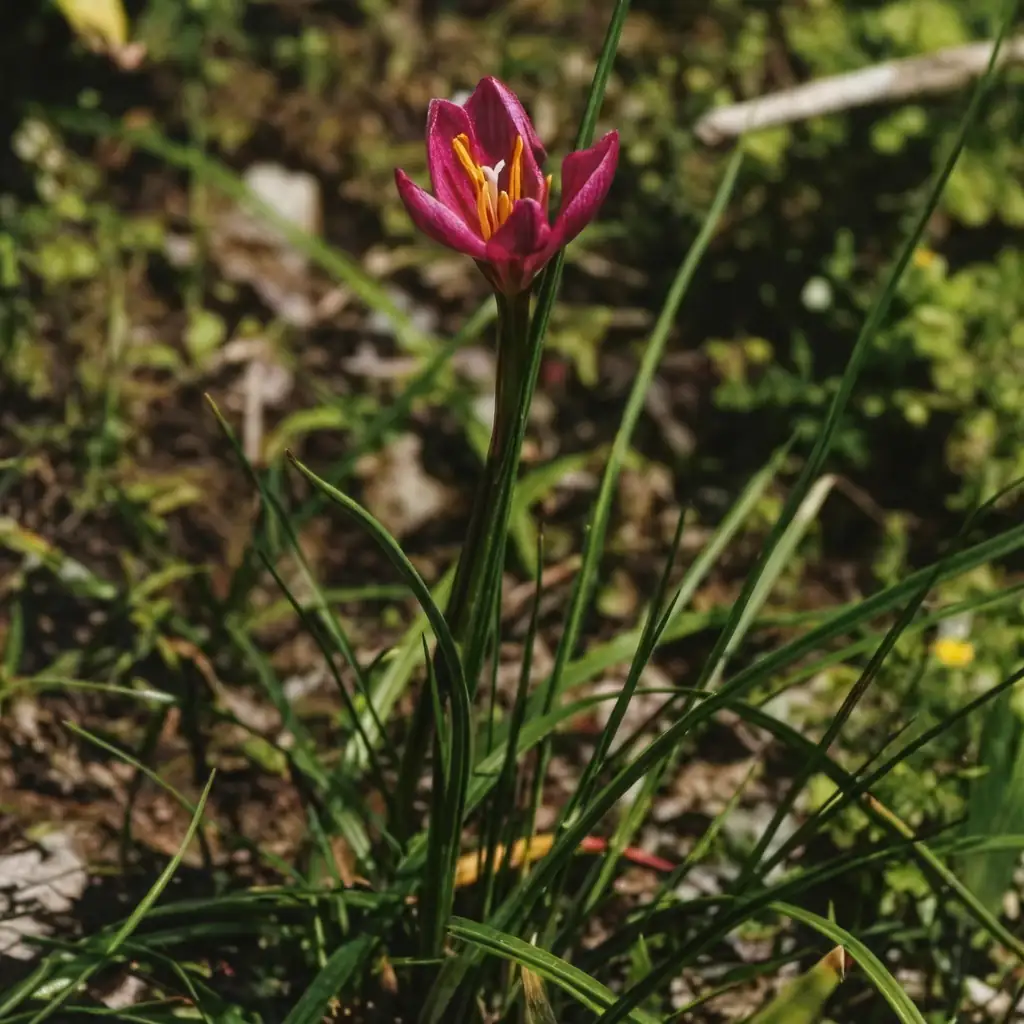
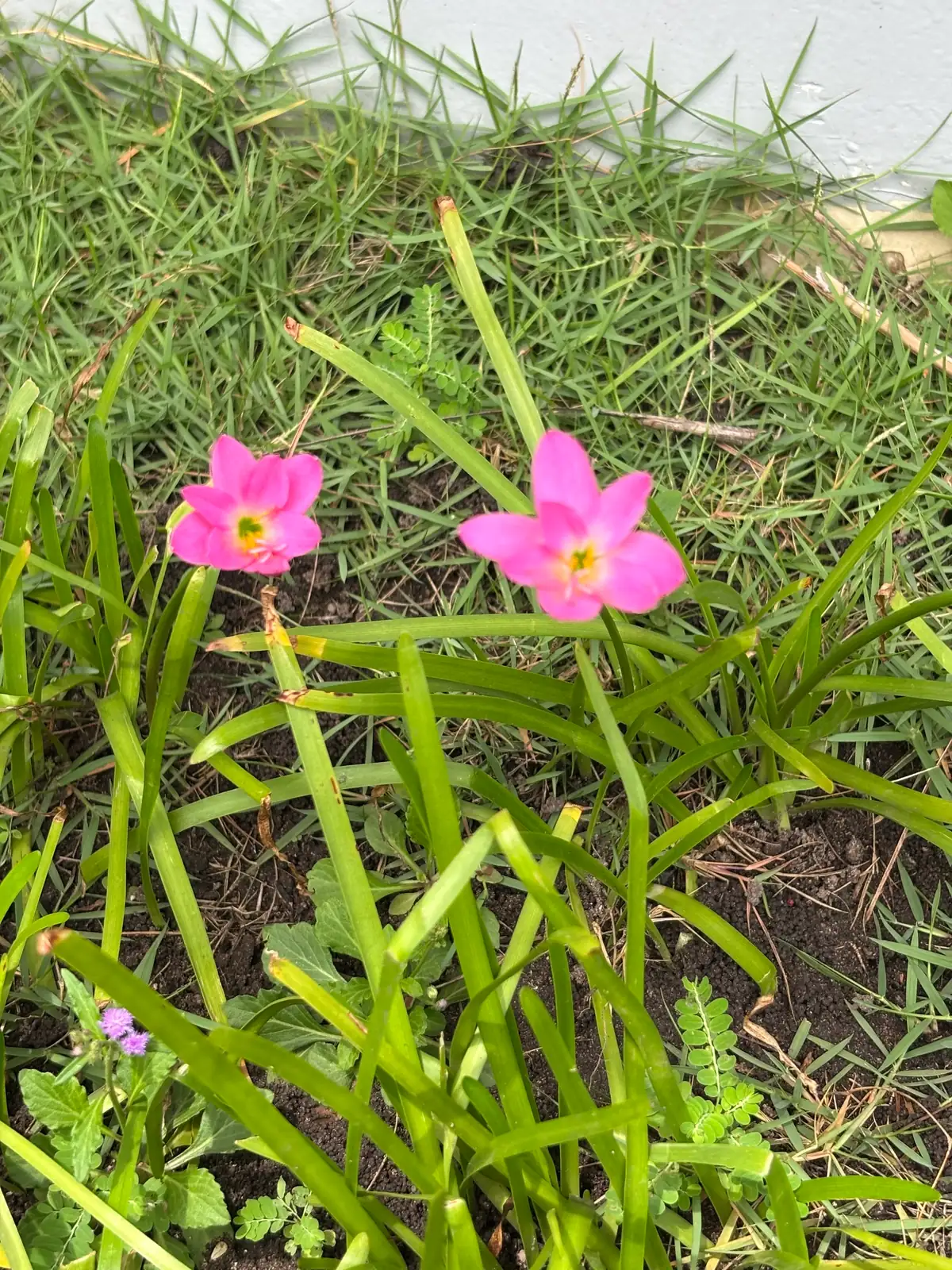
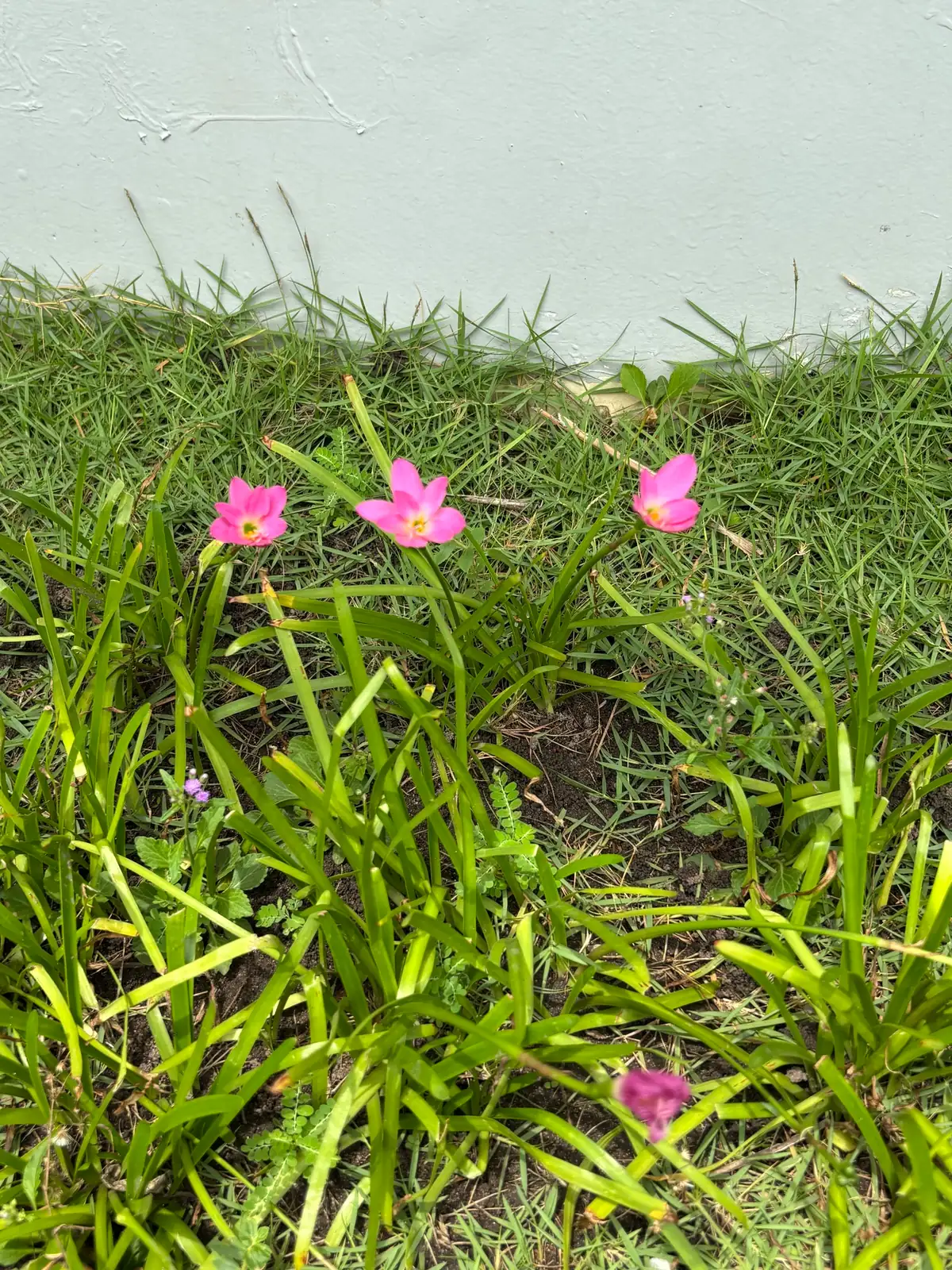
- Foliage: Narrow, linear, strap-like leaves that resemble chives or fine grass; foliage arises in tufts from bulbs and gradually builds into small clumps.
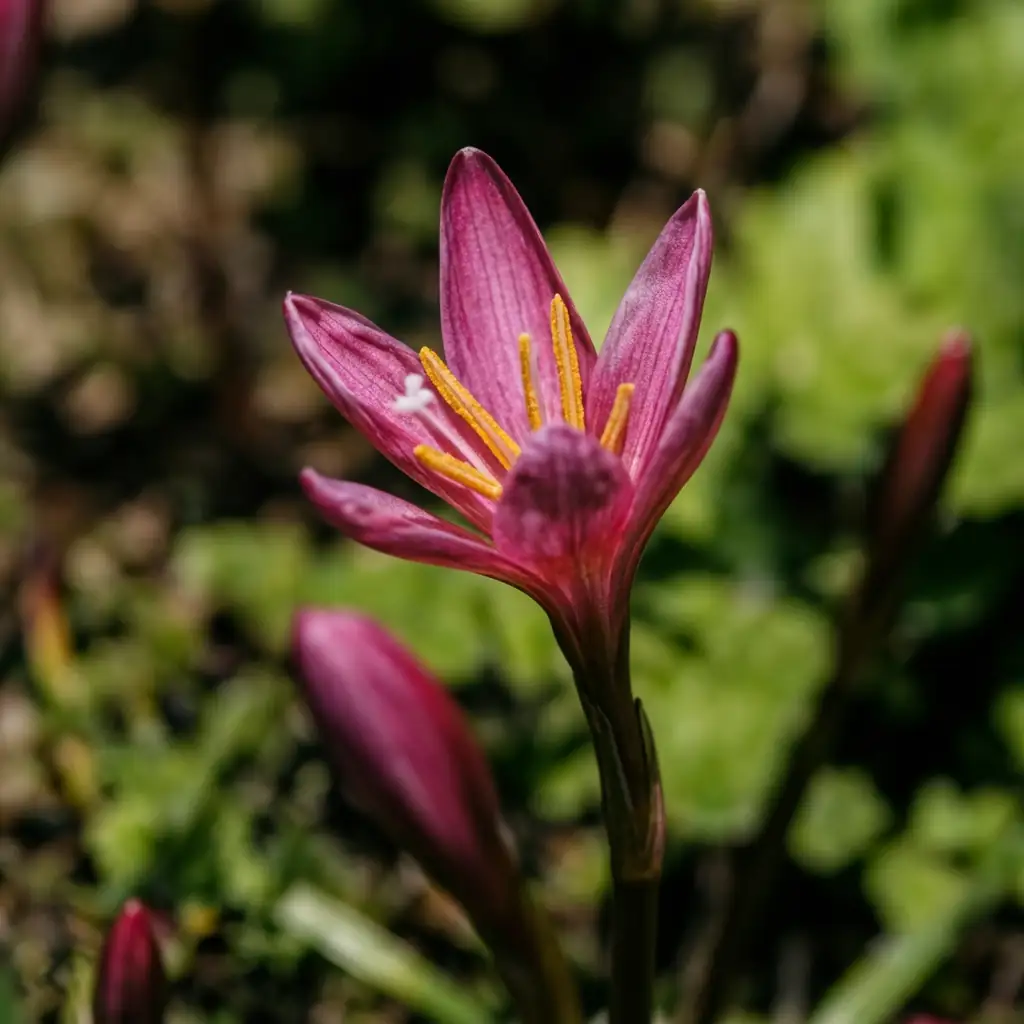
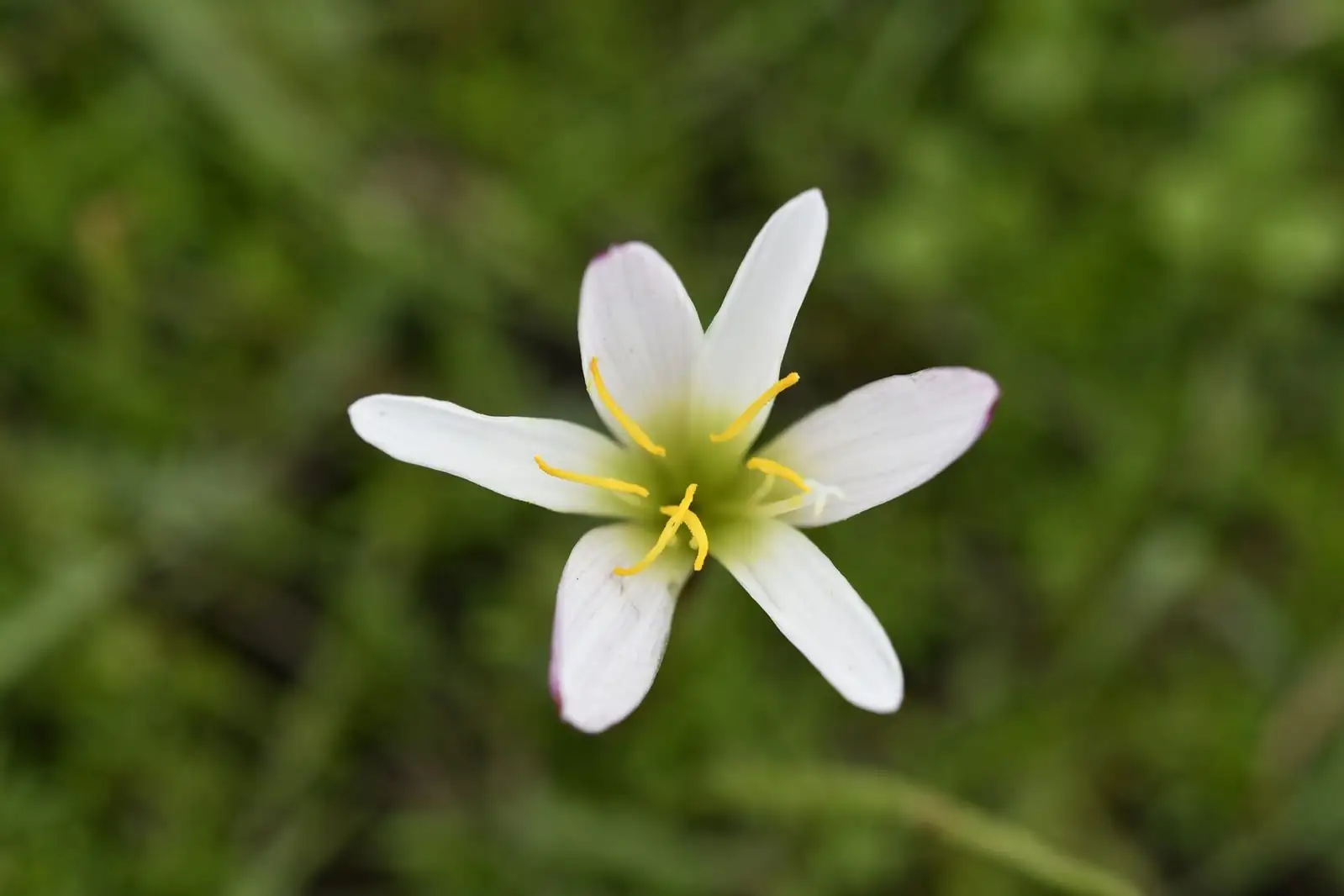
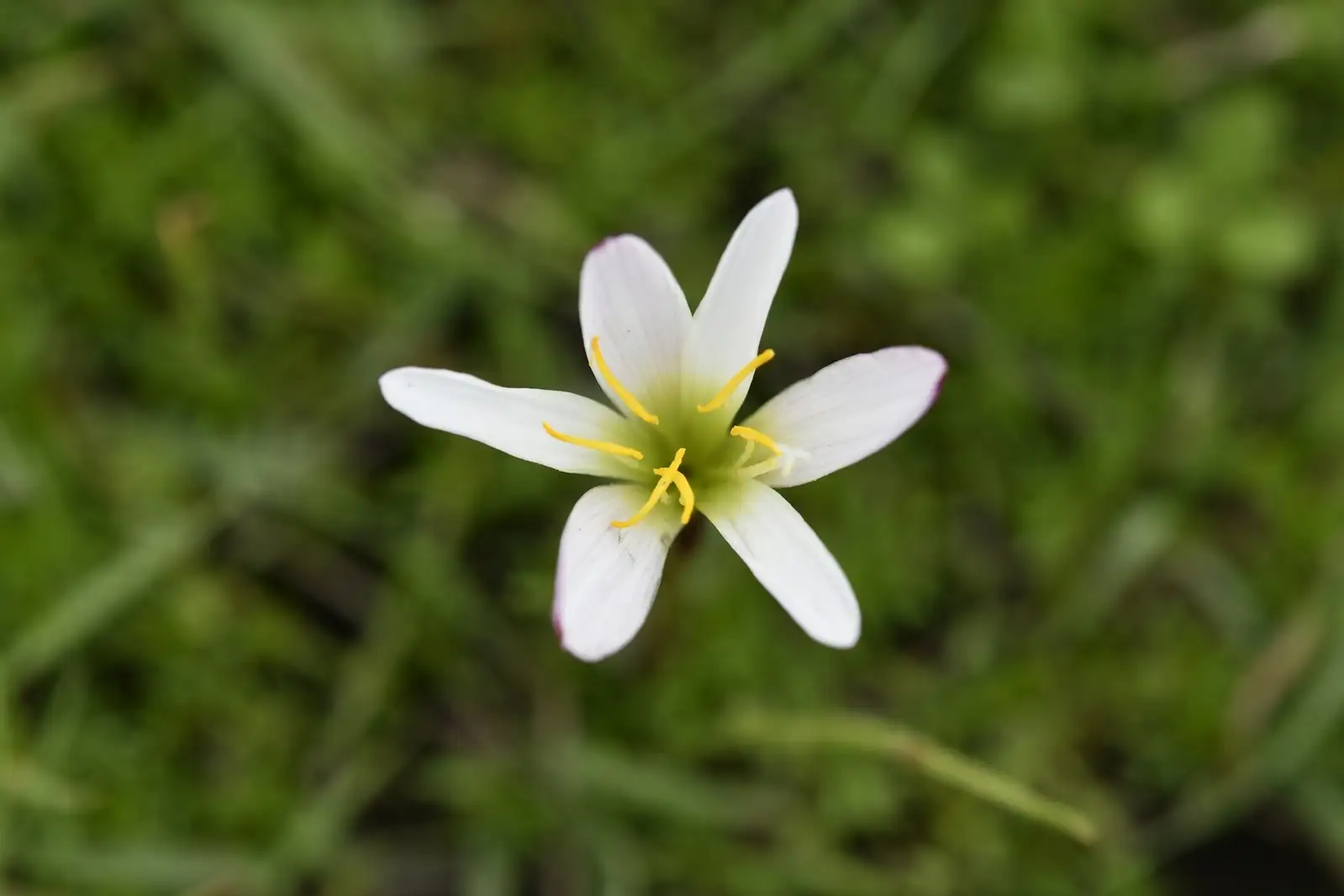
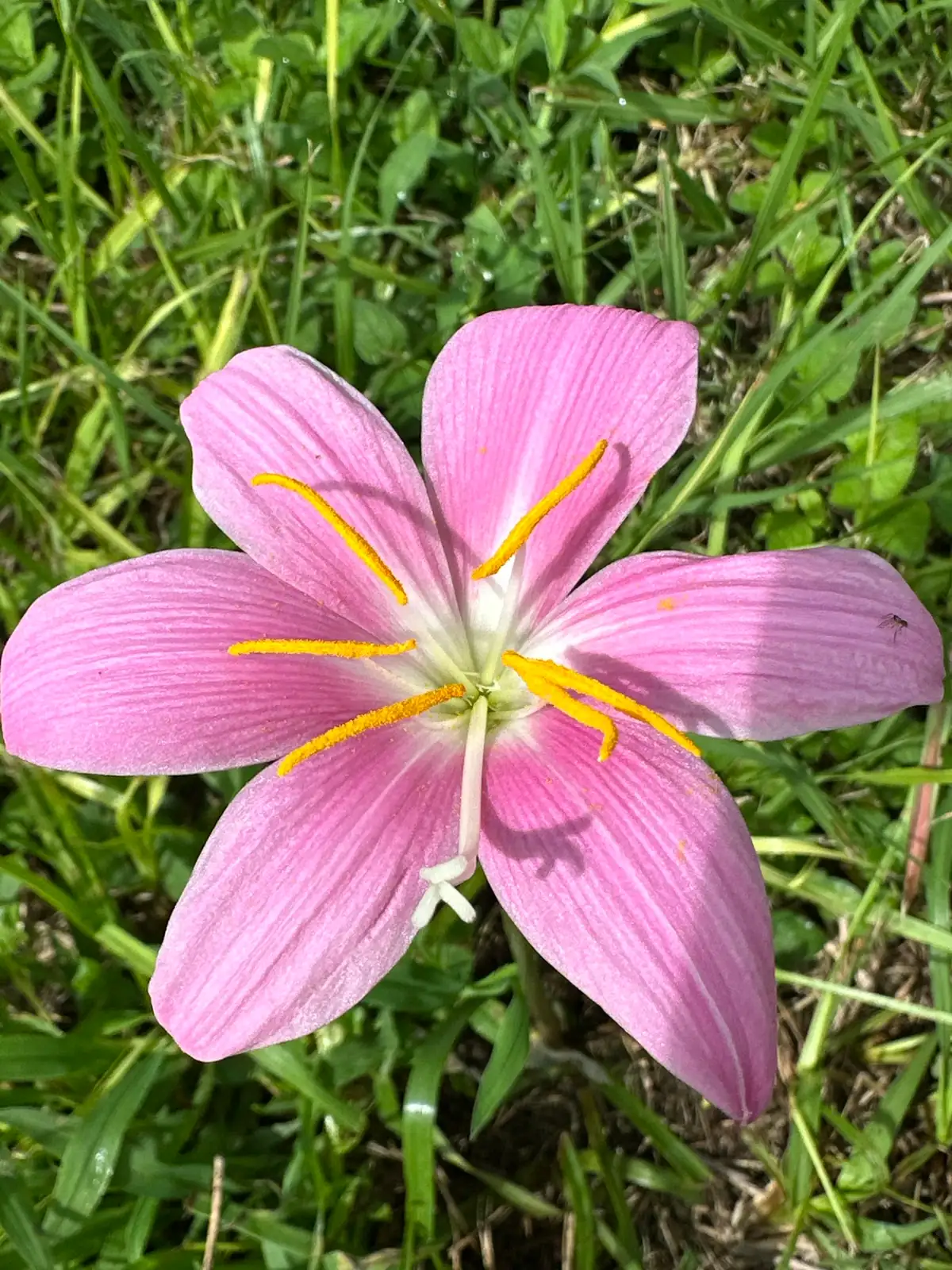
- Flower: Showy, funnel- to trumpet-shaped flowers (daffodil-like in form) in rose-pink to soft pink tones, held above the grassy leaves; blooms can appear quickly after rainfall or a sudden increase in moisture.
- Flowering Season: April–September
- Growth Habit: Clump-forming, bulbous perennial herb; grows in tufts from underground bulbs.
Environment
Sunlight
Full sun to partial shade. For the best flowering, give bright light (full sun or light shade), though it will tolerate some shade.
Temperature
Prefers warm conditions; generally grows best around 15–30°C (59–86°F) and tolerates summer heat.
Humidity
Likes evenly moist soil during active growth and flowering, but handles short dry spells once established (especially when not in active bloom).
Soil
Well-drained, moderately fertile soil is key. A loam or sandy-loam mix works well; avoid waterlogged sites to prevent bulb rot.
Placement
Borders, flower beds, and lawn edges; can be mass-planted as seasonal groundcover or grown in pots/containers in a bright spot.
Hardiness
Best in warm climates and not reliably frost-hardy; roughly USDA Zone 8–11. In colder areas, grow in containers or protect/overwinter bulbs from freezing.
Care Guide
Difficulty
Easy to moderate: very accommodating in warm, bright conditions with good drainage. Blooming improves with more sun and steady moisture during the growing season.
Buying Guide
Choose firm, healthy bulbs with no soft spots, mold, or damage. If buying potted plants, look for fresh green leaves and no signs of pests.
Watering
Water thoroughly during active growth and flowering, then let the top layer of soil dry slightly before watering again. Reduce watering during dormancy or cooler periods. Avoid soggy soil—bulbs rot easily if kept waterlogged.
Fertilization
Feed lightly in spring and through the main growth period with a balanced fertilizer (about monthly at half strength). Reduce or stop feeding when growth slows.
Pruning
Deadhead spent flowers for a tidy look. Let leaves die back naturally so the bulbs can recharge; only trim foliage once it has yellowed and dried.
Propagation
Most easily propagated by dividing bulb offsets (splitting clumps) after flowering or during dormancy. Can be grown from seed, but offset division is faster and more reliable for home gardeners.
Repotting
Repot or divide crowded clumps every 2–3 years. Use a free-draining mix and a pot with drainage holes; avoid oversized pots that stay wet too long.
📅 Seasonal Care Calendar
Main flowering period: April–September. Fruit/seed period: September–October.
Pests, Diseases & Safety
Common Pests & Diseases
Main risk is bulb rot in poorly drained soil or from overwatering. Occasional aphids or spider mites may appear on foliage. Prevent problems with sharp drainage and sensible watering; manage pests by rinsing and, if needed, using insecticidal soap or horticultural oil.
Toxicity
Bulbs may cause stomach upset if eaten, and can be irritating if ingested by pets or children (typical of many amaryllis-family plants). Keep bulbs out of reach and wash hands after handling if you have sensitive skin.
Culture & Symbolism
Symbolism: Often linked with renewal and pleasant surprises—thanks to its quick, “out of nowhere” blooms after rain.
History & Legends: Widely called “rain lily” in horticulture because flowering is frequently triggered by rainfall or a sudden rise in soil moisture after a dry spell.
Uses: Ornamental planting in beds and borders, lawn edging, mass groundcover displays in warm regions, and container gardening.
FAQ
Why does my rain lily bloom right after rain?
After a dry spell, a sudden soak (rain or deep watering) can trigger the bulb to push up flower stalks quickly, so blooms often appear soon after the soil rehydrates.
Can it grow in partial shade?
Yes. It grows well in partial shade, but it usually flowers more heavily in brighter light—full sun to light shade.
Fun Facts
- Its grass-like leaves can make it look like an ordinary tuft of lawn—until the pink flowers pop up suddenly.
- It grows from underground bulbs and slowly multiplies into clumps via offsets.
- Rain-triggered blooming is a real garden phenomenon: moisture shifts can cue rapid flowering in Zephyranthes.