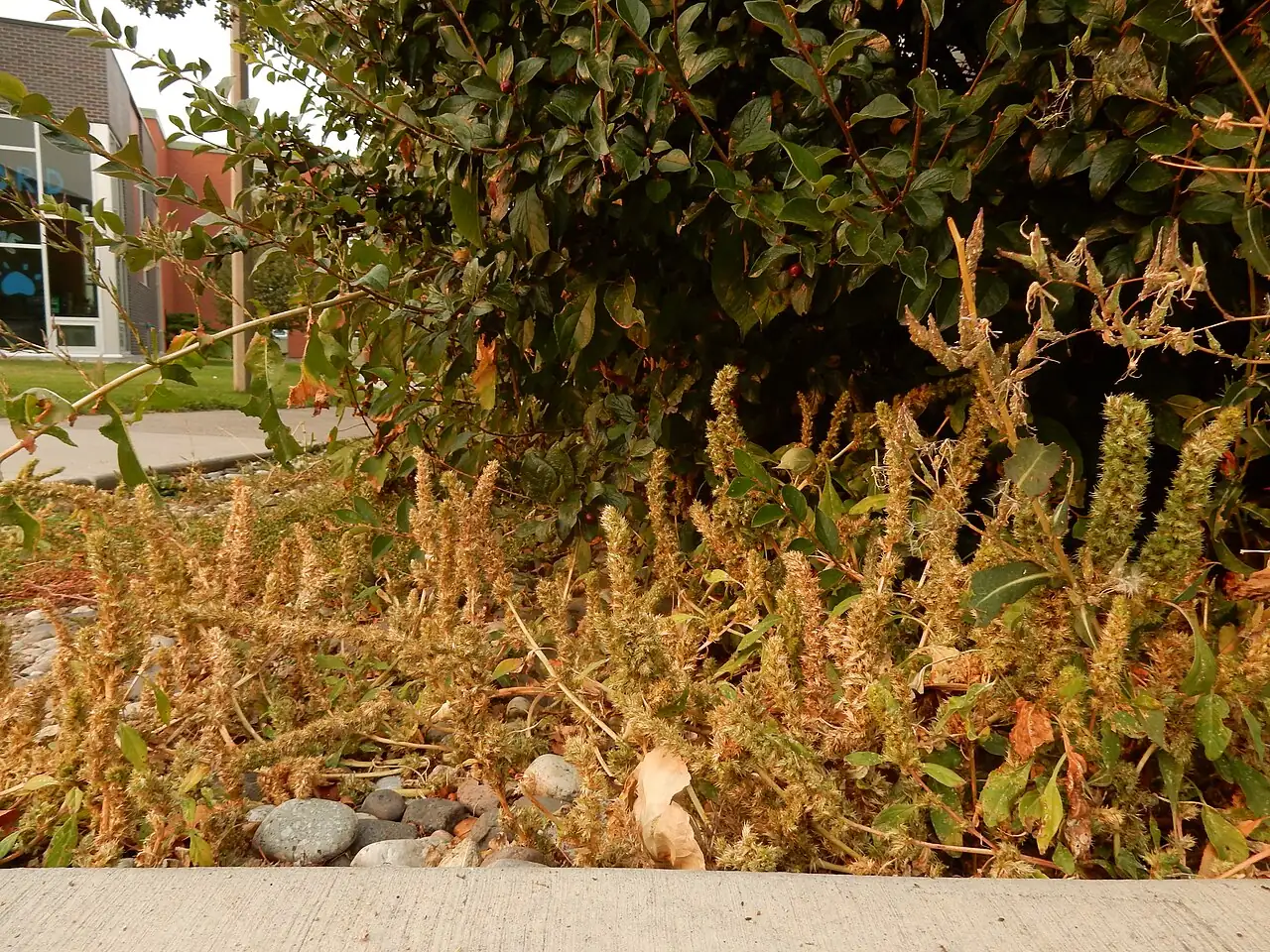
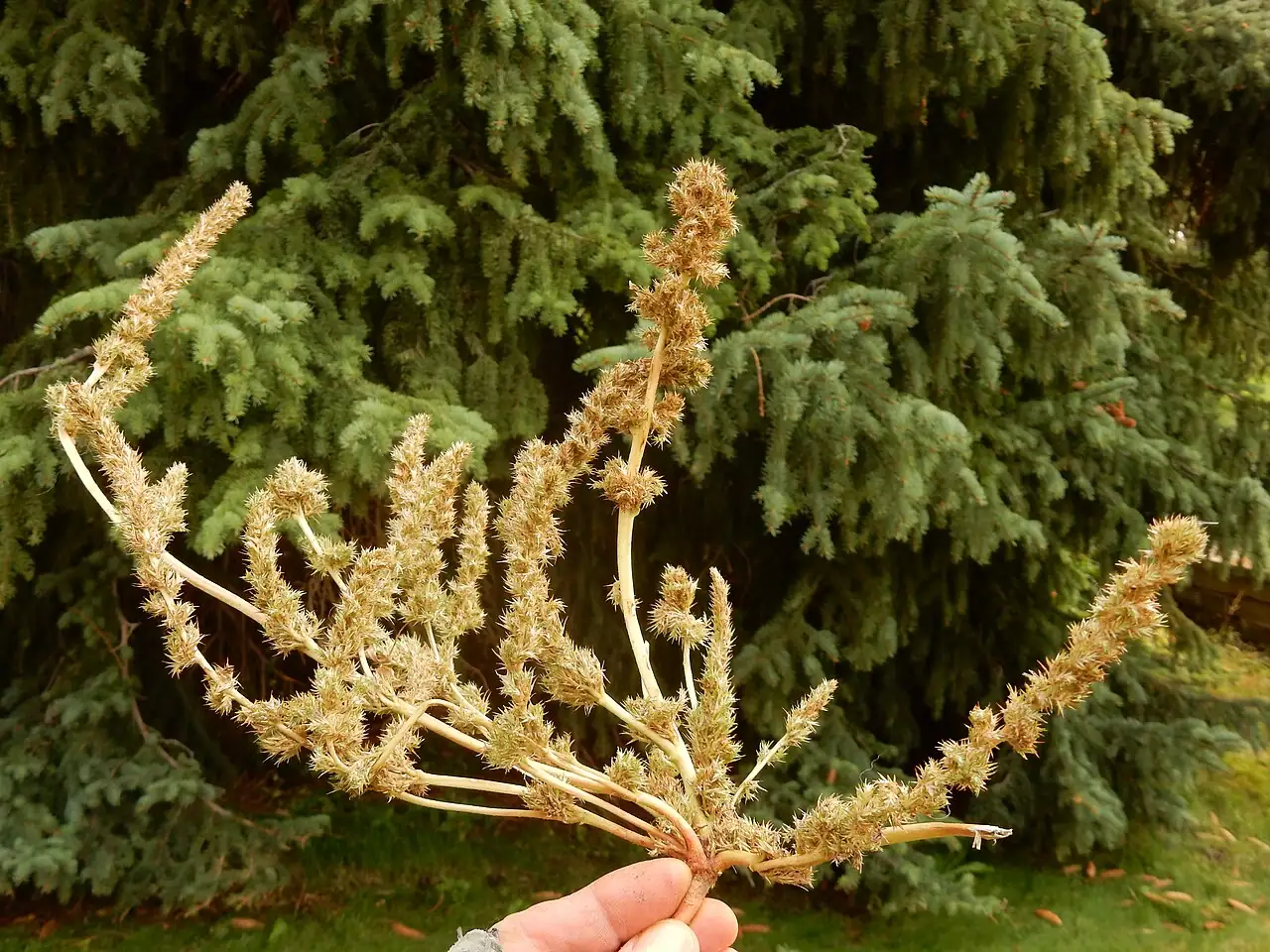
Plant Features
- Size: Typically 30–50 cm (12–20 in) tall.
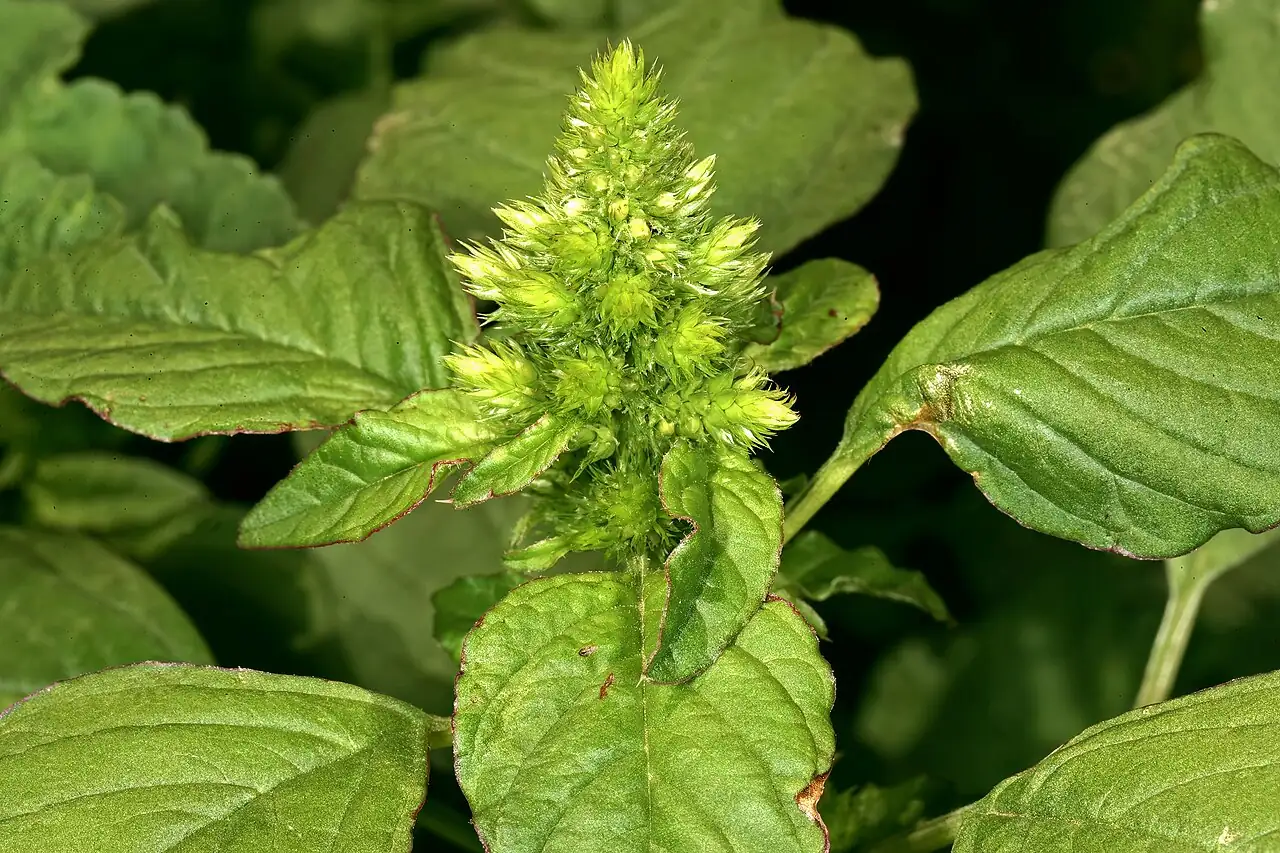
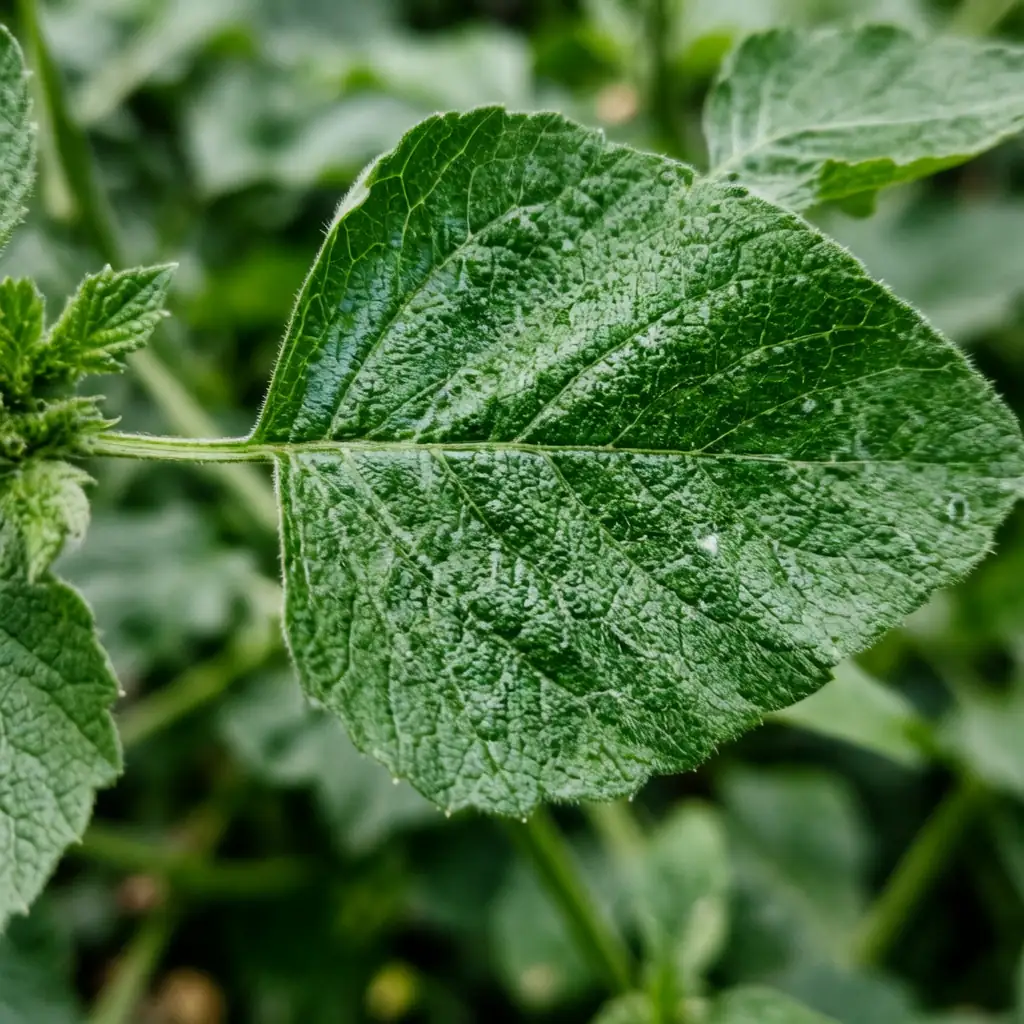
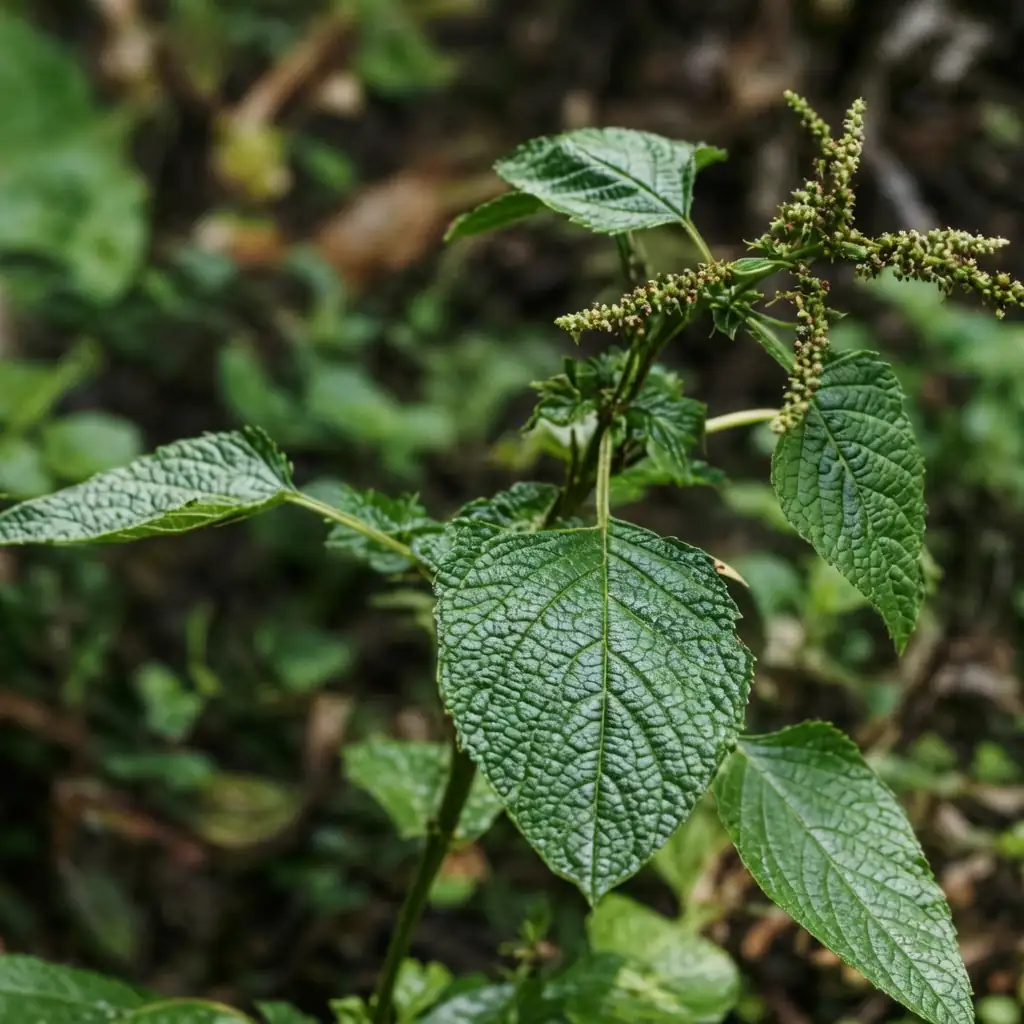
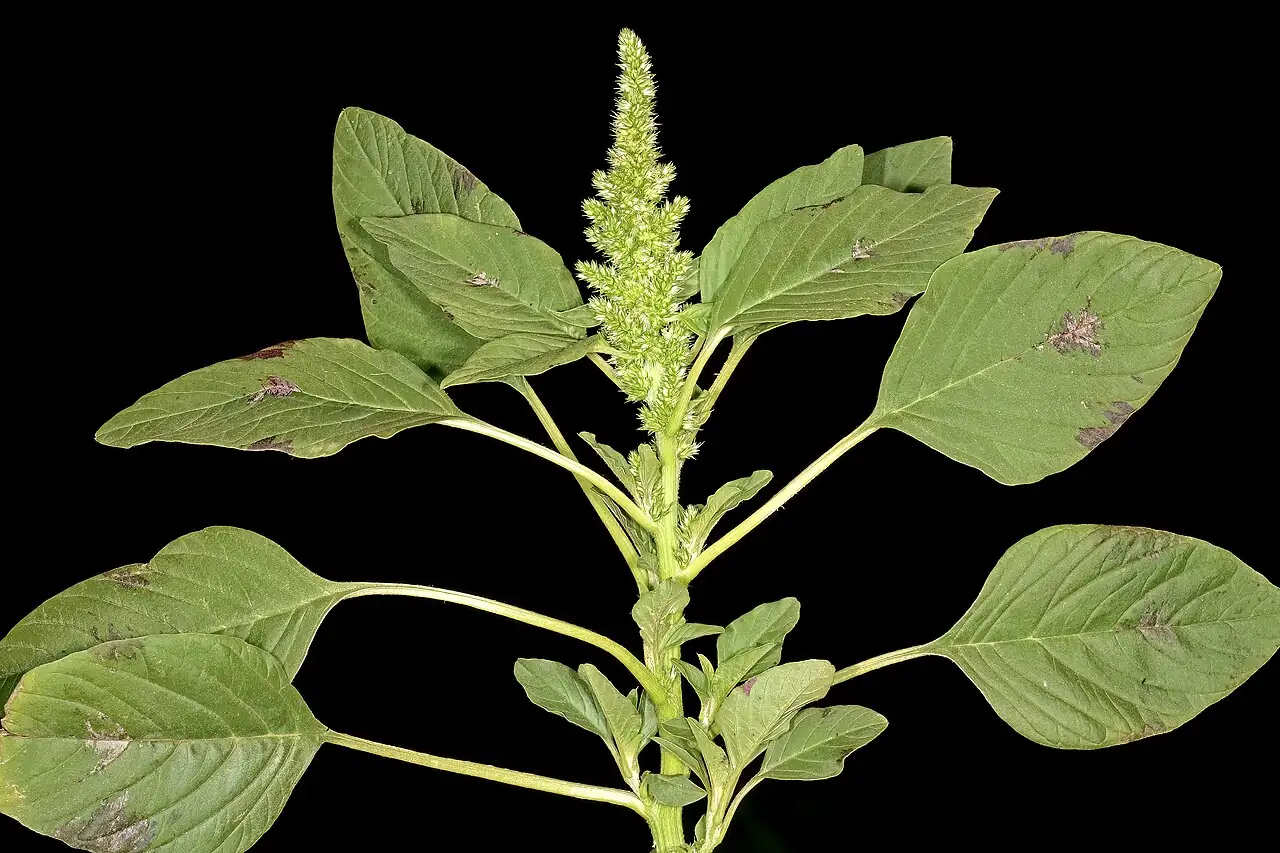
- Foliage: Leaves are ovate (egg-shaped) with a wedge-shaped base. The upper surface is nearly hairless, while the underside may carry sparse, soft hairs. Leaf stalks are softly hairy.
- Flower: Flowers are borne in terminal, slender inflorescences that look like spike-like clusters; the central spike is usually the longest. Bracts are narrow, pointed, and green with a firm midrib. Fruits are egg-shaped and split open around a circumferential seam; seeds are nearly spherical.
- Flowering Season: July–August
- Growth Habit: Upright annual herb with vigorous branching, abundant foliage, and a well-developed root system.
Environment
Sunlight
Full sun to partial sun; strongest light encourages sturdier, less floppy growth.
Temperature
Warm-season annual; best growth around 20–30°C (68–86°F). Frost-tender—protect from temperatures below 0°C (32°F).
Humidity
Adaptable; tolerates dry air and average outdoor humidity.
Soil
Very adaptable. Performs well in well-drained soils and tolerates a broad pH range of about 5.5–8.6 (acidic to alkaline). Avoid constantly waterlogged ground.
Placement
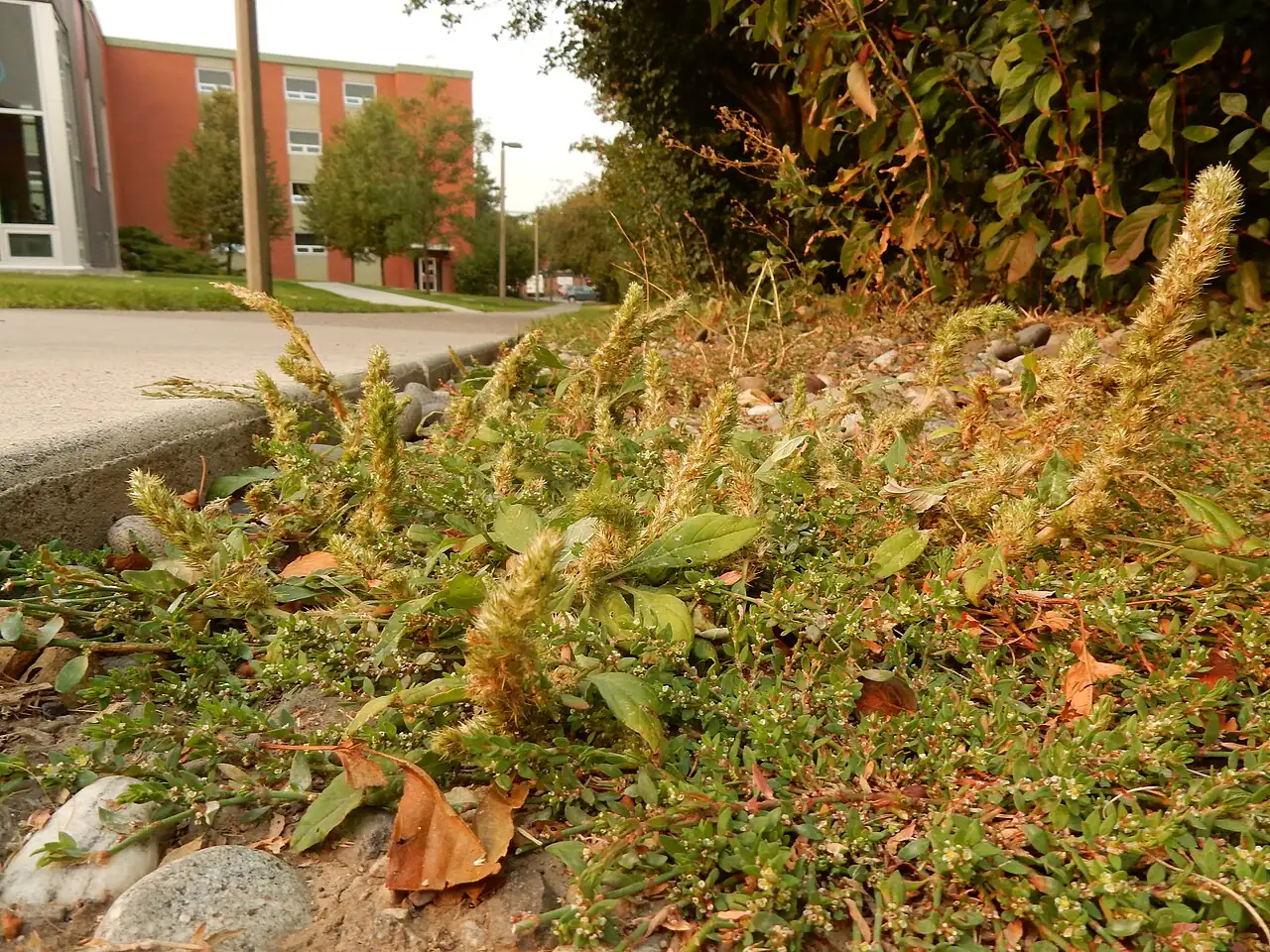
Best outdoors in open, sunny ground—fields, disturbed sites, wasteland, and sunny slopes; also useful on restoration sites or erosion-prone areas.
Hardiness
Not frost-hardy; typically grown as an annual in temperate regions. Drought-tolerant once established.
Care Guide
Difficulty
Easy. A quick-to-establish, resilient plant that tolerates poor soils and notable drought thanks to its strong roots.
Buying Guide
Choose vigorous, clean plants or seed lots with no signs of stunting, leaf spotting, or insect damage. For ecological/restoration plantings, source region-appropriate seed where possible.
Watering
Water consistently to establish seedlings, then let the top layer of soil dry between waterings. Once established, it tolerates extended dry spells; avoid persistently wet soil.
Fertilization
Often unnecessary in average soils. If you want fuller growth, use a light, balanced fertilizer during active growth; avoid heavy feeding, which can lead to weak, floppy stems.
Pruning
Usually not needed. Remove damaged stems as you notice them. If you want to reduce self-seeding, remove seed heads before they mature.
Propagation
Primarily by seed. Sow after the last frost when the soil has warmed; lightly cover seed and keep evenly moist until germination.
Repotting
Not typically grown as a houseplant. If grown in containers, pot up when roots fill the container; use a free-draining mix and avoid waterlogging.
📅 Seasonal Care Calendar
Spring: sow after frost; keep evenly moist until established. Summer: low maintenance; water only during prolonged drought. Late summer: flowering and seed set—remove seed heads if you want to limit spread.
Pests, Diseases & Safety
Common Pests & Diseases
Generally resilient. If stressed, it may attract aphids or develop leaf spots; poor drainage can contribute to root problems. Improve airflow, avoid overcrowding, and keep soil from staying soggy.
Toxicity
No specific toxicity noted in the source. As a practical precaution with many Amaranthus species, avoid allowing pets or livestock to consume large quantities—especially plants from roadsides or heavily fertilized areas.
Culture & Symbolism
Uses: Often appreciated for its sturdy stems and strong root system, which help resist lodging and can aid in windbreak effects, sand fixation, and reducing soil erosion. Also noted for relatively strong resistance to many common pests and diseases.
FAQ
Does smooth amaranth need frequent watering?
Not once established. Water regularly at the seedling stage, then reduce watering and let the soil surface dry between waterings—this plant is notably drought-tolerant.
What kind of soil pH can it tolerate?
It’s unusually adaptable and can grow in both acidic and alkaline soils, roughly pH 5.5–8.6.
Fun Facts
- It can tolerate a very wide soil pH range—about pH 5.5 to 8.6—making it unusually adaptable.
- Its strong, well-developed root system helps it cope with drought and can contribute to stabilizing loose soils.
- The central flower spike is often the longest, giving the plant a distinct, tapered seed-head profile in midsummer.