

Plant Features
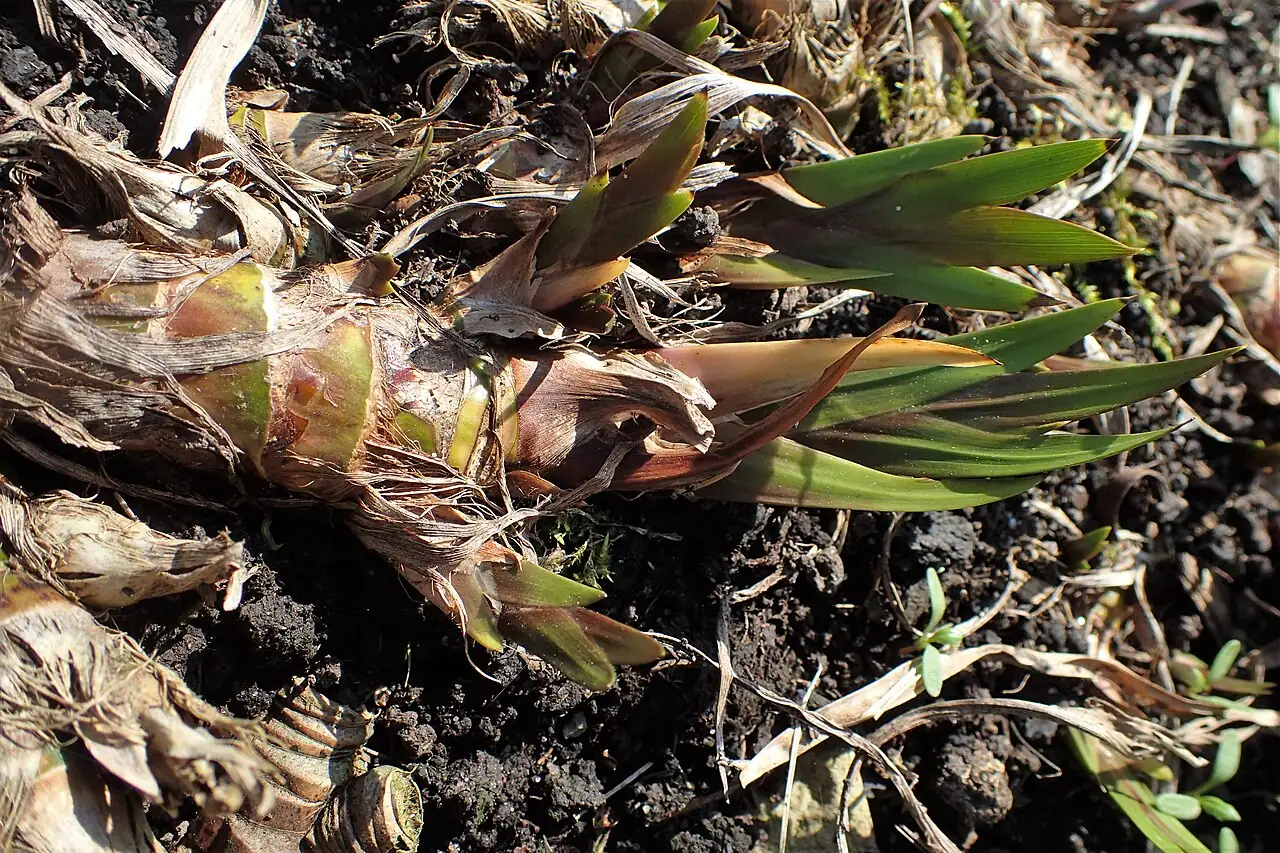
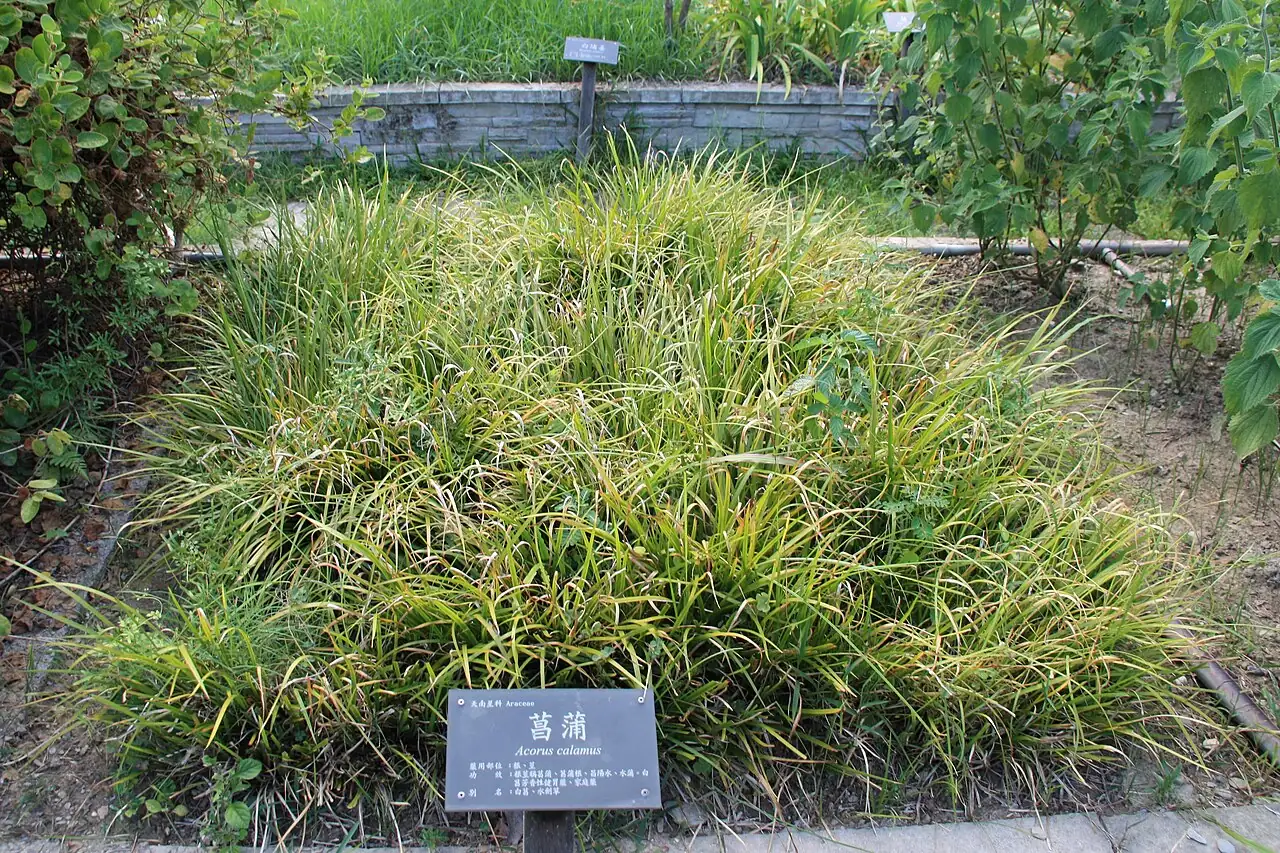
- Size: Typically 40–60 cm (16–24 in) tall; forms spreading clumps from thick rhizomes.
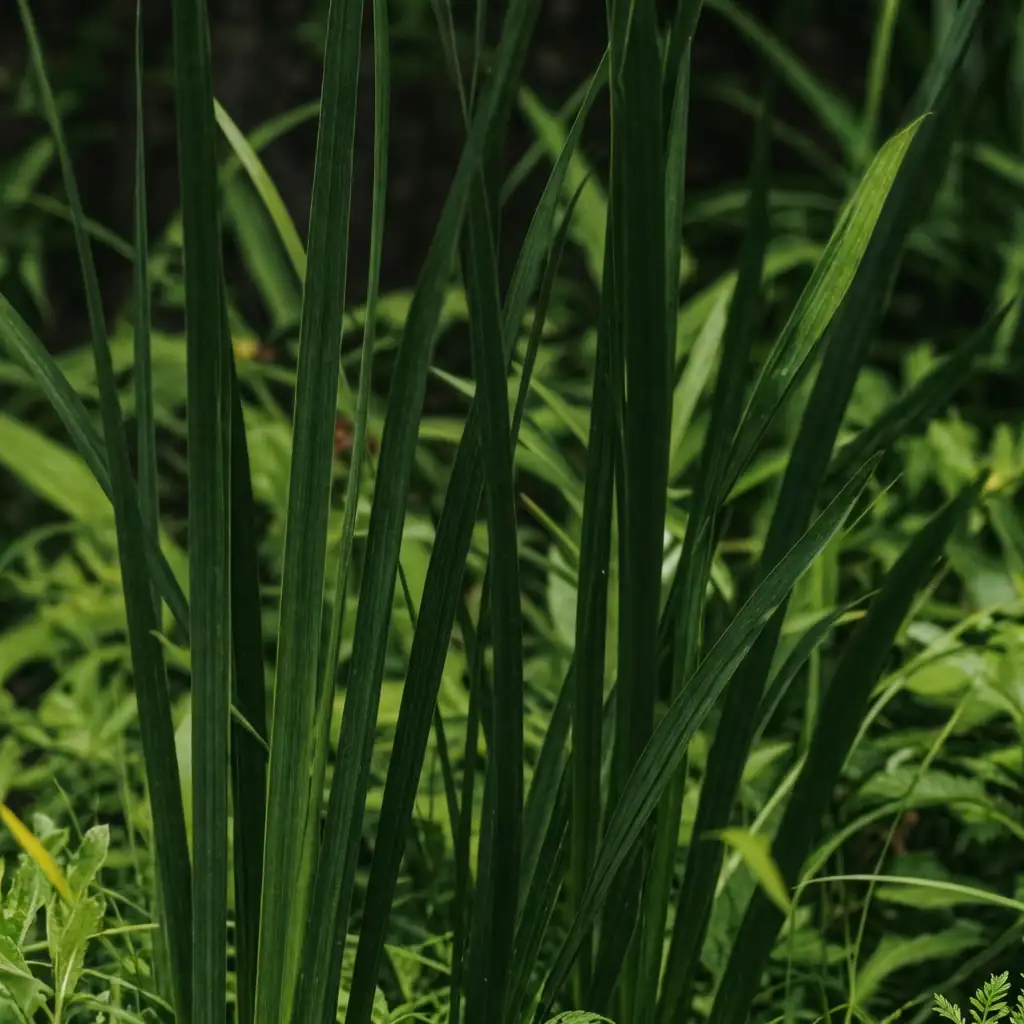
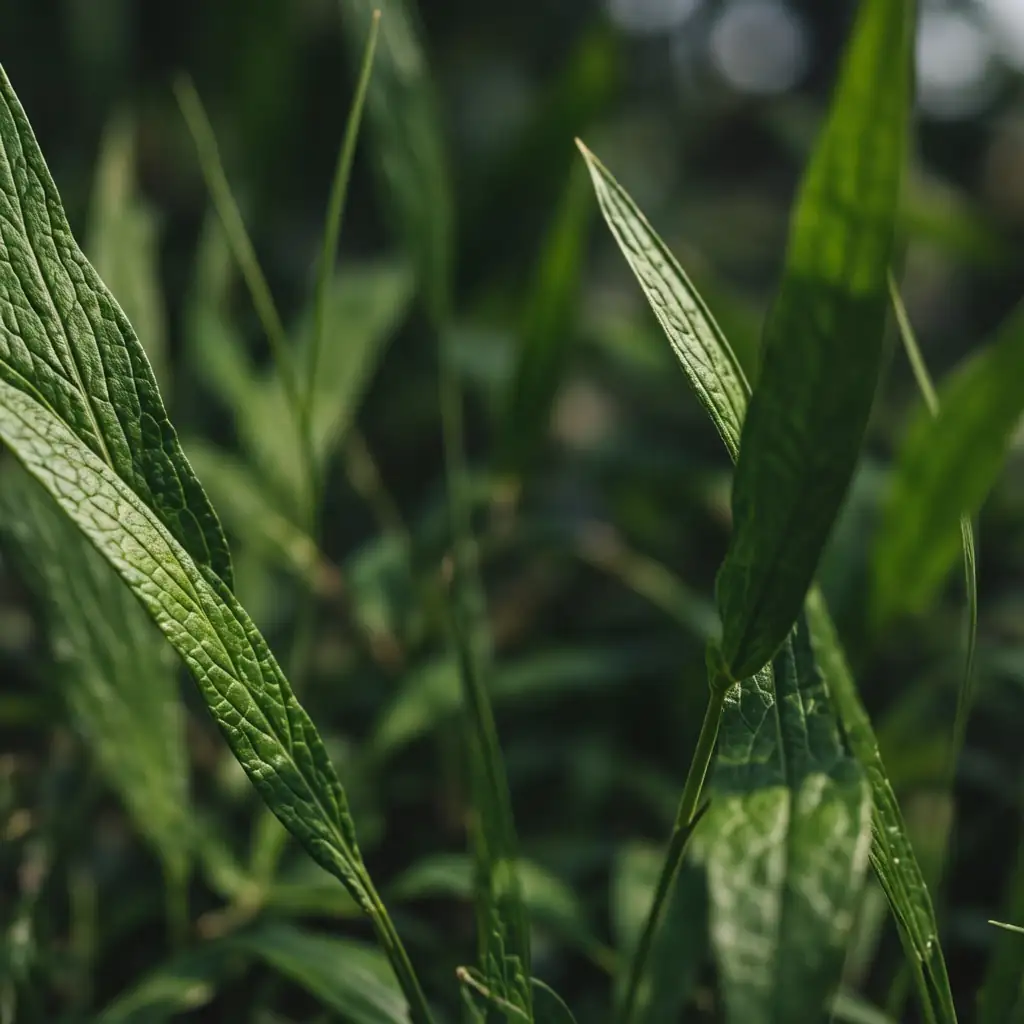
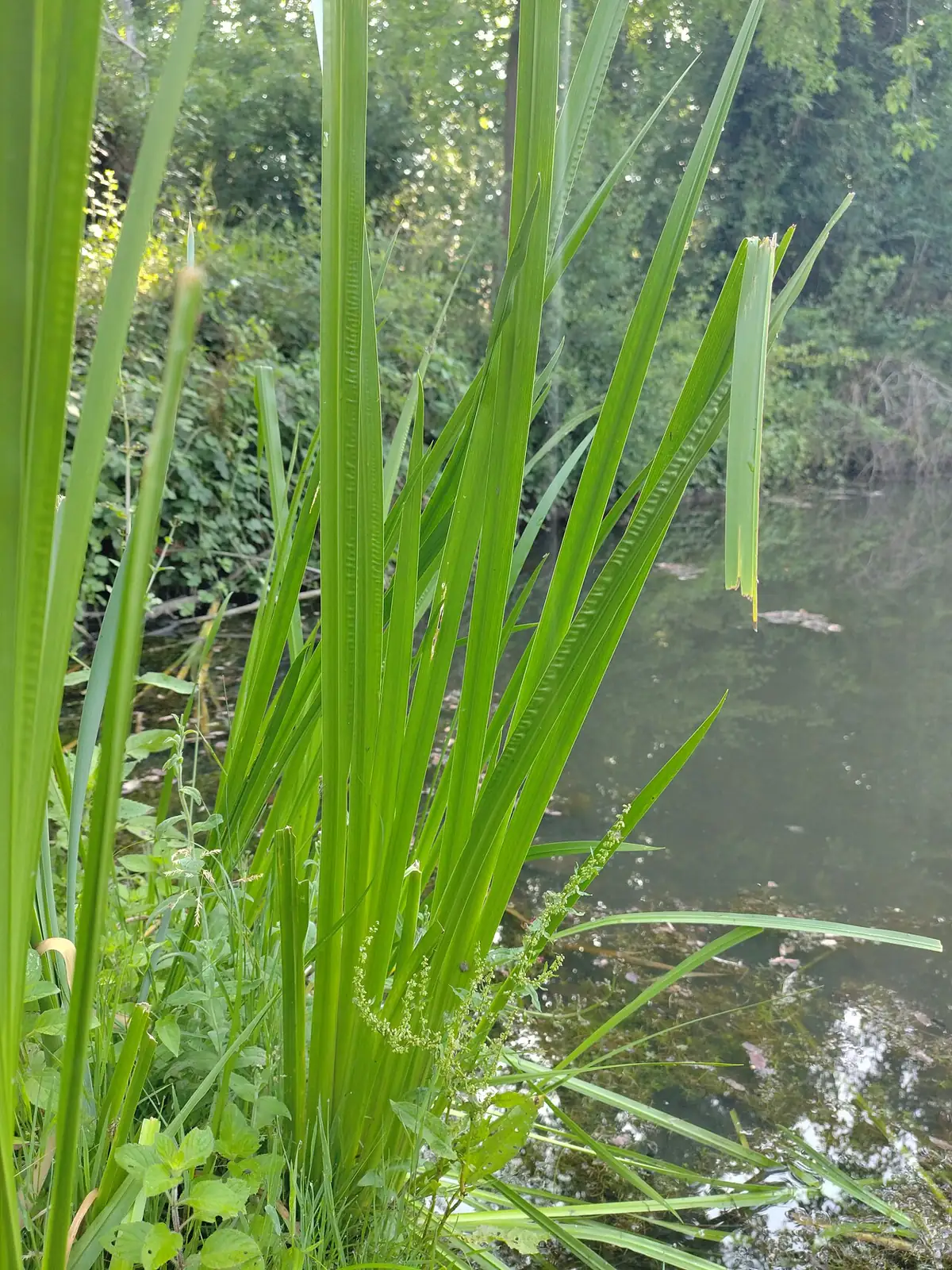
- Foliage: Basal, upright, sword-shaped leaves with a prominent midrib. Leaf bases overlap into sheaths, and the leaf margins can be thin and membranous, giving the plant a crisp, architectural look.
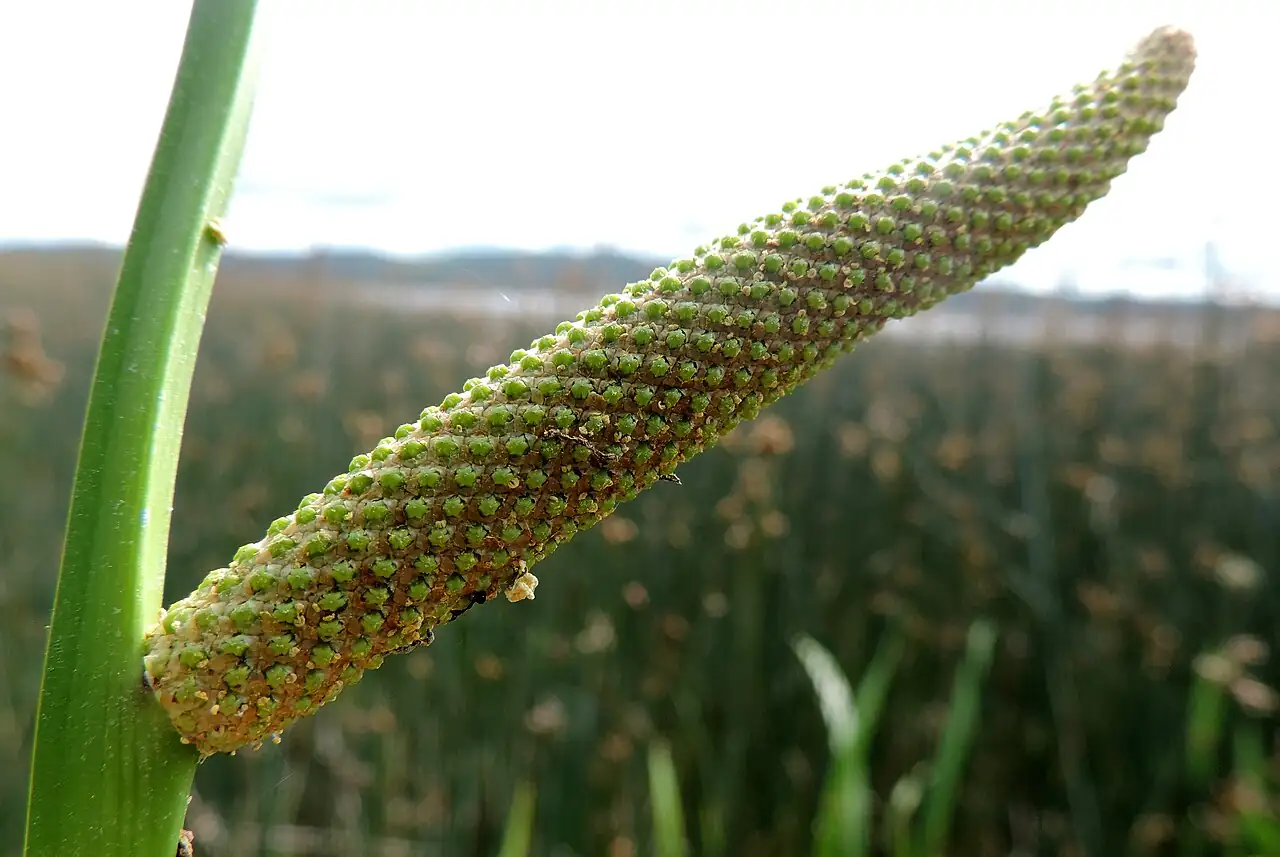
- Flower: Produces a cylindrical spadix (flower spike), usually angled to near-upright, accompanied by a narrow, leaf-like spathe. Where fruit forms, it may develop oblong berries that turn red when ripe.
- Flowering Season: June–September
- Growth Habit: Rhizomatous, clump-forming perennial herb; spreads gradually when grown in consistently wet soils.
Environment
Sunlight
Full sun to partial shade. Performs best in cool, damp conditions and appreciates some shelter from hot, drying sun.
Temperature
Prefers cool to mild conditions and is generally hardy in temperate climates. Avoid prolonged heat paired with dry conditions; keep roots consistently wet. Typical comfort range when moist: 10–25°C (50–77°F).
Humidity
Medium to high; thrives in consistently moist, humid settings and tolerates very humid sites well.
Soil
Fertile, moisture-retentive soil. Ideal in bog soil or at pond margins in shallow water. Constantly wet substrate is ideal (even waterlogged is acceptable), but keep the crown from being buried too deeply.
Placement
Pond edges, bog gardens, wet ditches, rain gardens, or in containers that cannot dry out (e.g., a pot set in a tray of water).
Hardiness
Cold-hardy in many temperate regions; commonly grown outdoors in USDA Zones 4–10 (approx.). Not drought-tolerant.
Care Guide
Difficulty
Easy—as long as it never dries out. The main issue is drought stress, which can quickly cause browning and decline.
Buying Guide
Look for firm, pale-to-tan rhizomes and crisp green leaves. Avoid plants that have repeatedly dried out (often shown by brown tips and weak growth). If shopping for a pond or bog area, confirm it’s correctly labeled as Acorus calamus (it’s sometimes confused with irises or ornamental grasses).
Watering
Keep constantly moist to wet. In containers, never allow the mix to dry—standing the pot in a water tray works well. Outdoors, plant into boggy soil or shallow water with the crown positioned just above the waterline/saturated soil level.
Fertilization
Light feeder. In spring and summer, use a balanced slow-release fertilizer at label rate, or half-strength liquid feed every 4–6 weeks. Go easy with fertilizer in water features to avoid encouraging algae.
Pruning
Remove yellow or damaged leaves at the base as needed. Cut back tired foliage in late winter to early spring before fresh growth starts.
Propagation
Divide rhizomes in spring or early autumn. Lift the clump, cut rhizomes into sections (each with at least one growth point), and replant immediately into wet soil.
Repotting
For pot-grown plants, repot or divide every 1–2 years in spring (or whenever crowded). Use a heavy, moisture-retentive mix and a stable container so it won’t tip in a water tray.
📅 Seasonal Care Calendar
Spring: divide/repot; begin light feeding. Summer: keep constantly wet; trim browned tips if desired. Autumn: reduce feeding; continue consistent moisture. Winter: plants may go semi-dormant—keep damp, and protect containers from freezing solid in very cold climates.
Pests, Diseases & Safety
Common Pests & Diseases
Usually trouble-free in suitable wet conditions. Possible issues include aphids on tender new growth, leaf spot in stagnant/overcrowded plantings, and rhizome rot if planted too deeply. Improve airflow and keep the crown just above saturated soil or water level.
Toxicity
Not recommended for ingestion. Sweet flag contains bioactive compounds and is sometimes flagged for potential toxicity concerns with internal use. Keep out of reach of children and pets, and don’t treat it as an edible or medicinal herb without expert guidance.
Culture & Symbolism
Symbolism: Commonly linked with purification and protection, especially in traditional East Asian cultural contexts.
History & Legends: Sweet flag has a long history as an aromatic wetland plant. In parts of Asia, it has been hung or placed indoors during seasonal festivals as a traditional cleansing and protective plant.
Uses: A top choice for pond margins, bog gardens, and wetland-style landscaping. Also works well as a container plant if kept consistently wet. Foliage and flower spikes are sometimes used as cut material for line and texture in arrangements.
FAQ
When does sweet flag flower?
Usually from June to September.
When does it fruit?
Typically August–October, where fruit is produced.
How tall does sweet flag get?
About 40–60 cm (16–24 in) tall.
What growing conditions does it prefer?
Cool, consistently wet conditions. It’s cold-hardy but strongly dislikes drying out.
What is it used for in gardens and indoors?
Mostly for pond-edge and wetland plantings, or in pots kept wet. The foliage and flower spikes can also be used as cut material.
Fun Facts
- It spreads via thick rhizomes, gradually forming wider clumps over time.
- The “flower” you notice is actually a spadix—one of sweet flag’s signature structures.
- In the right spot, it acts like a natural vertical accent at the water’s edge.
- Its natural marsh-and-streamside habitat explains why it sulks quickly if allowed to dry.
- Florists and plant stylists sometimes use the foliage and spikes for strong lines and texture.


