


Plant Features
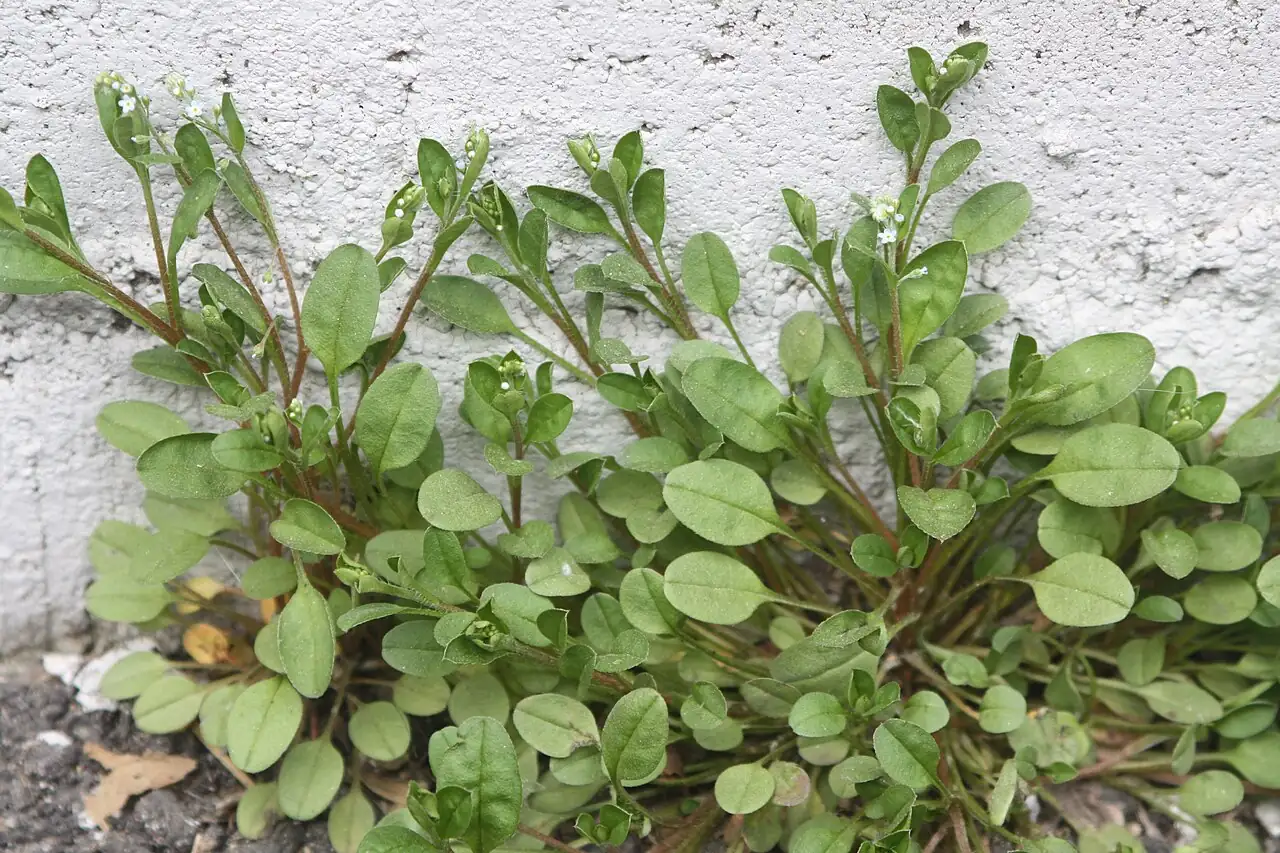
- Size:15–30 cm (6–12 in) tall; typically forms a low, spreading mat
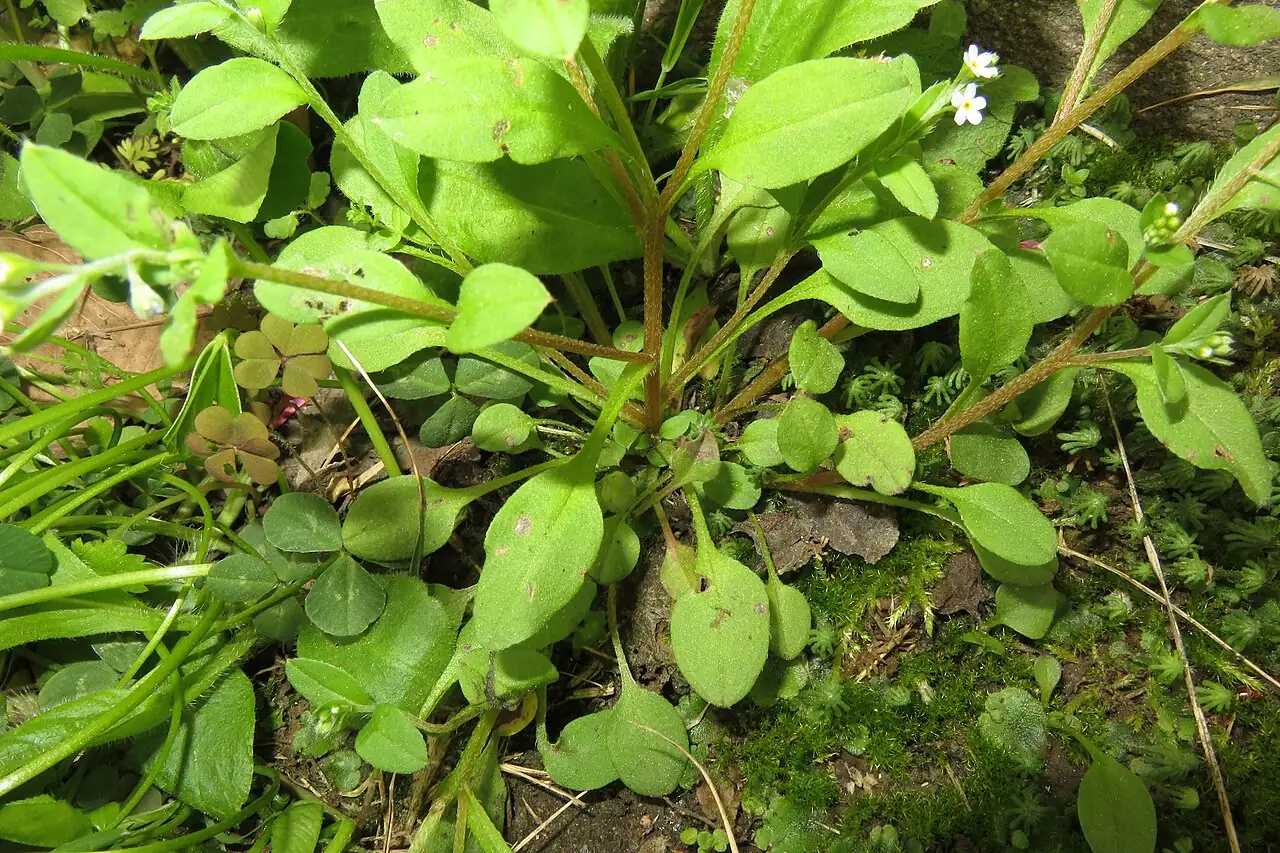
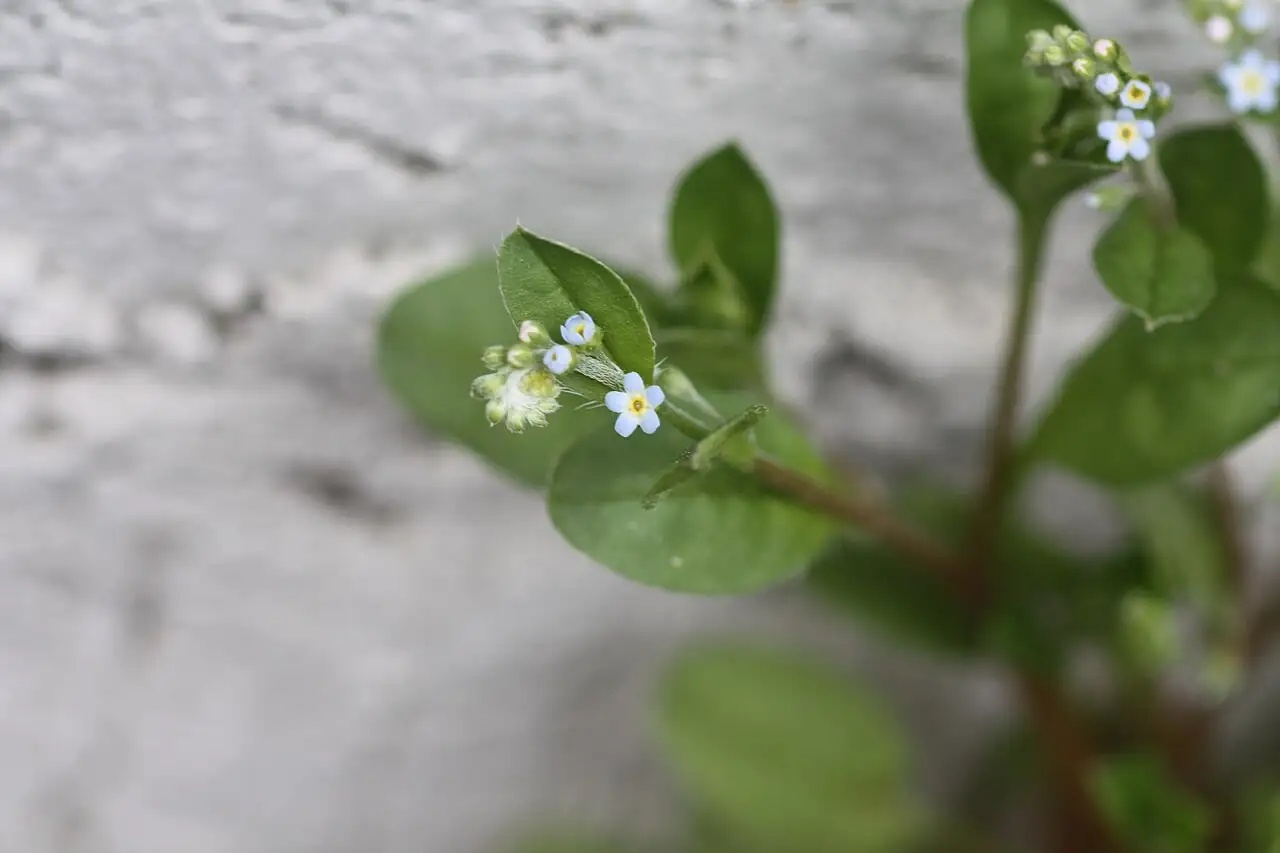
- Foliage: Leaves are ovate to elliptic, sometimes lance-shaped, arranged alternately and tapering toward the base. Both leaf surfaces are covered in flattened, coarse hairs, giving the plant a slightly rough, bristly texture.
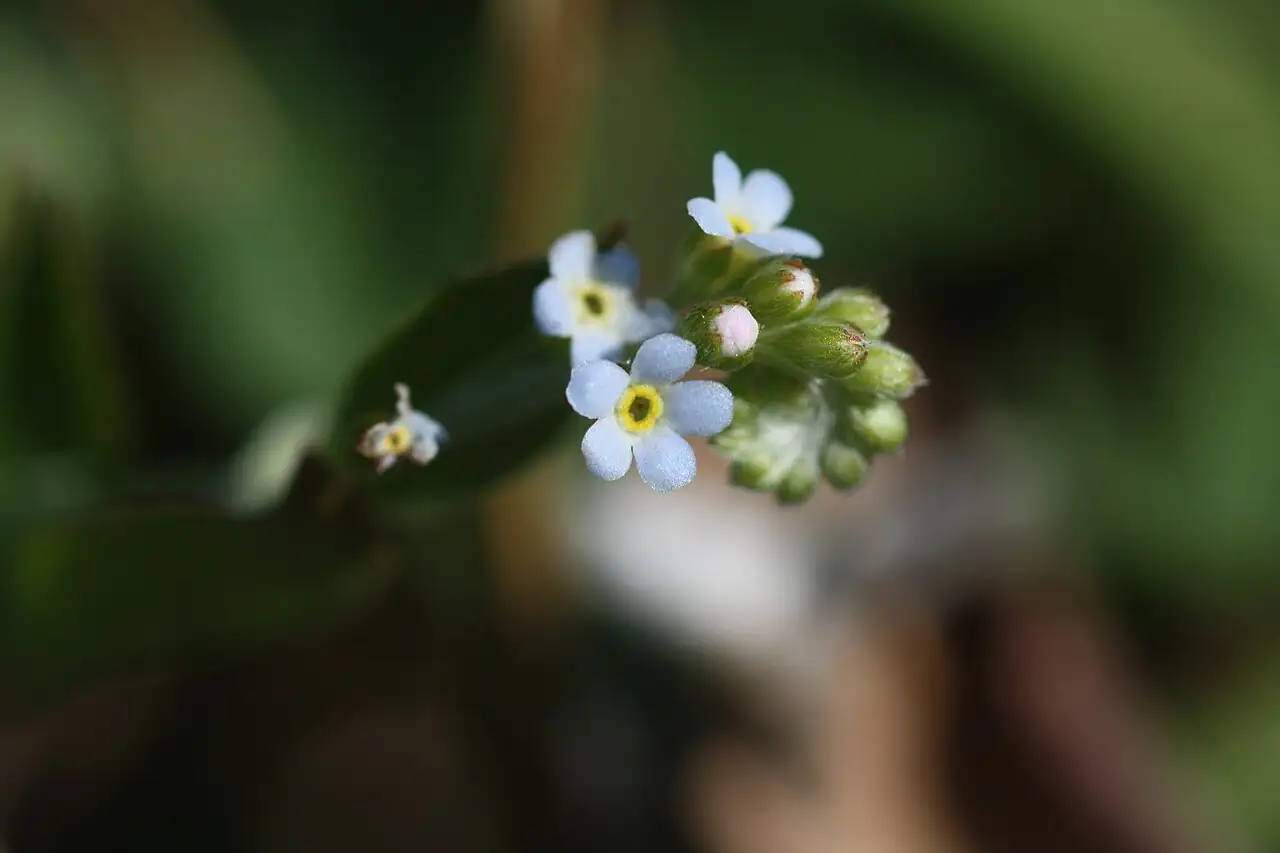
- Flower: Produces tiny, five-lobed blue flowers carried in curled, coiled clusters (scorpioid cymes) that slowly unfurl as blooming progresses. After flowering, it forms small, angled nutlets that are three-edged and pyramid-like.
- Flowering Season: May–July
- Growth Habit: Low, creeping/sprawling annual or biennial herb. Slender stems often branch from the base and spread along the ground, making it well-suited to carpeting open soil in a relaxed, natural way.
Environment
Sunlight
Full sun to partial shade. Best in bright light; in hotter areas it appreciates some protection from harsh midday sun.
Temperature
Prefers cool to mild conditions; roughly 10–25°C (50–77°F) during active growth.
Humidity
Average outdoor humidity; tolerant of a range as long as the soil isn’t kept soggy.
Soil
Moist but well-drained soil is ideal (loam or sandy loam). Will tolerate poorer soils if drainage is good; avoid waterlogged sites.
Placement
Woodland edges, shrub borders, wildflower meadows, grassy slopes, and naturalistic garden beds; also workable in containers for a seasonal display.
Hardiness
Cold-tolerant in many temperate areas; often treated as a cool-season annual where winters are harsh (approx. USDA Zone 6–10, depending on local conditions).
Care Guide
Difficulty
Easy—adaptable and generally undemanding when given decent drainage and moderate moisture.
Buying Guide
Choose sturdy, compact seedlings with clean, unspotted leaves and no obvious pests. If buying seed, pick fresh seed from a reputable wildflower/native supplier for better germination and vigor.
Watering
Keep soil lightly moist while establishing. Once settled outdoors, water mainly during prolonged dry spells. Avoid overwatering and standing water, which can invite rot and leaf spot.
Fertilization
Usually not needed in average garden soil. If plants look weak or pale, feed once in spring with a light, balanced fertilizer at 1/4–1/2 strength.
Pruning
Light deadheading helps keep plants tidy and can stretch the bloom season. If you want to limit self-seeding, remove spent stems after flowering/fruiting.
Propagation
Primarily by seed. Let plants self-sow naturally, or collect mature nutlets and sow on the soil surface in autumn or early spring.
Repotting
Not typically necessary. In containers, refresh potting mix and re-sow or transplant seedlings each season rather than keeping old plants long-term.
📅 Seasonal Care Calendar
Spring: sow or transplant; keep evenly moist. Late spring–summer: enjoy blooms; water during drought and give good airflow. Late summer: seeds mature; collect or allow self-seeding. Autumn: sow for next season in mild-winter areas.
Pests, Diseases & Safety
Common Pests & Diseases
Generally trouble-free. In crowded or overly wet conditions, it may develop fungal leaf spots or rot—improve spacing, drainage, and airflow. Aphids can appear on tender growth; rinse off with water or use insecticidal soap if needed.
Toxicity
No well-documented toxicity in typical garden use. As a sensible precaution, avoid eating it and discourage pets from chewing.
Culture & Symbolism
Symbolism: Often appreciated in a “forget-me-not” spirit—gentle remembrance and quiet affection—mainly because of its delicate blue blooms and common name association.
Uses: Mainly ornamental: a charming, small-scale wildflower for naturalistic plantings, woodland-edge gardens, and meadow-style borders where it can lightly self-sow and weave between other plants.
FAQ
When does it flower?
Typically May–July.
When does it set fruit/seed?
Usually around August, depending on local climate.
How tall does it grow?
About 15–30 cm (6–12 in), usually spreading wider as a low mat.
Where does it grow naturally?
Across many parts of China, commonly along woodland edges, in shrubland, and on grassy slopes.
What is its growth habit like?
Low, creeping/spreading, and notably adaptable—great for a softly natural look.
Fun Facts
- Its flower clusters begin tightly curled and slowly uncoil as new blooms open—classic Boraginaceae “scorpioid cyme” behavior.
- After flowering, it forms distinctive nutlets that look like tiny, angled, three-edged pyramids.
- Its broad distribution across China is a good clue to how adaptable it can be in gardens.
- A single plant looks modest, but a patch in bloom can create a gentle, blue ‘haze’ effect.


