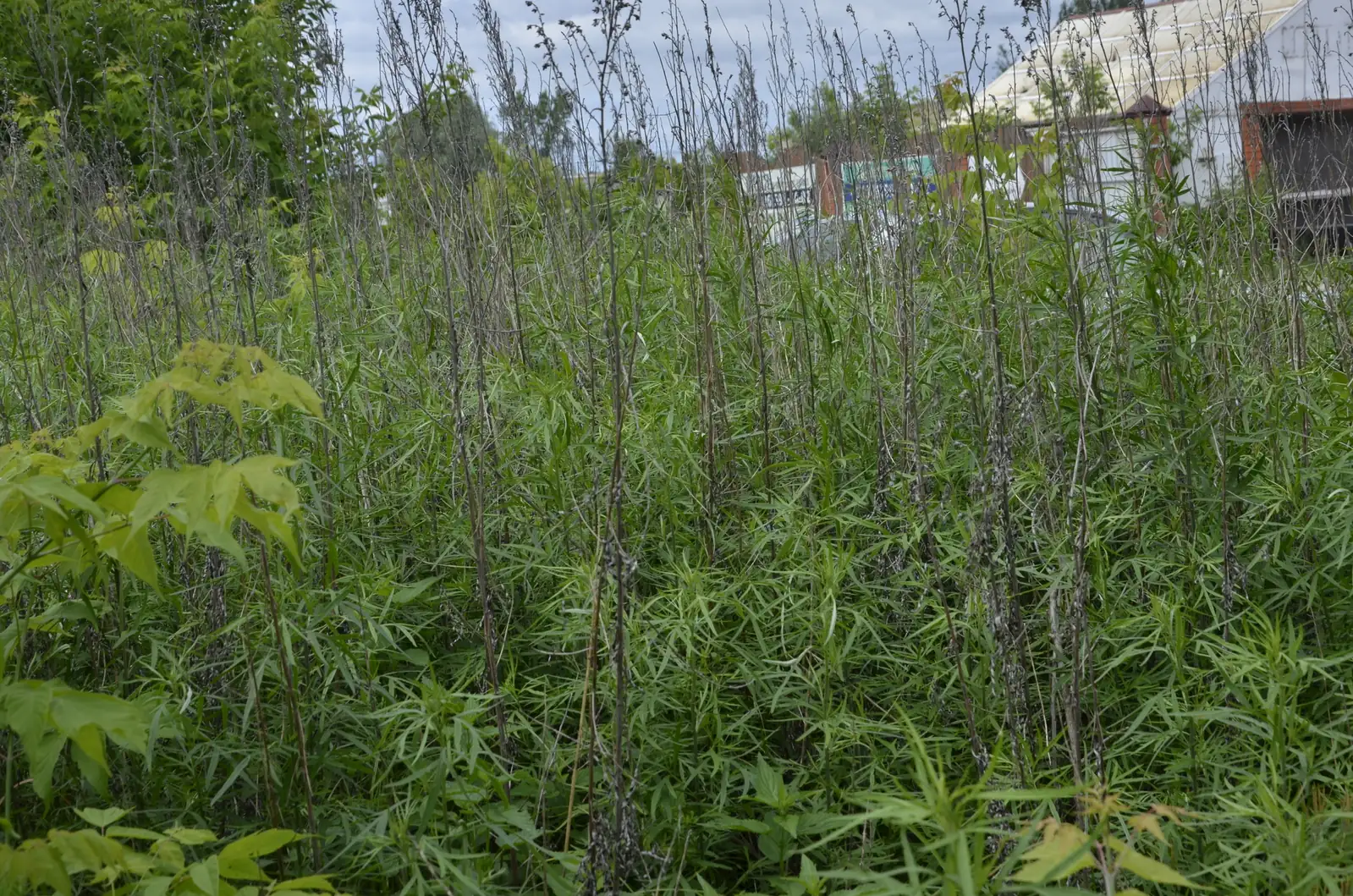
Plant Features
- Size:50–120 cm (20–47 in) tall
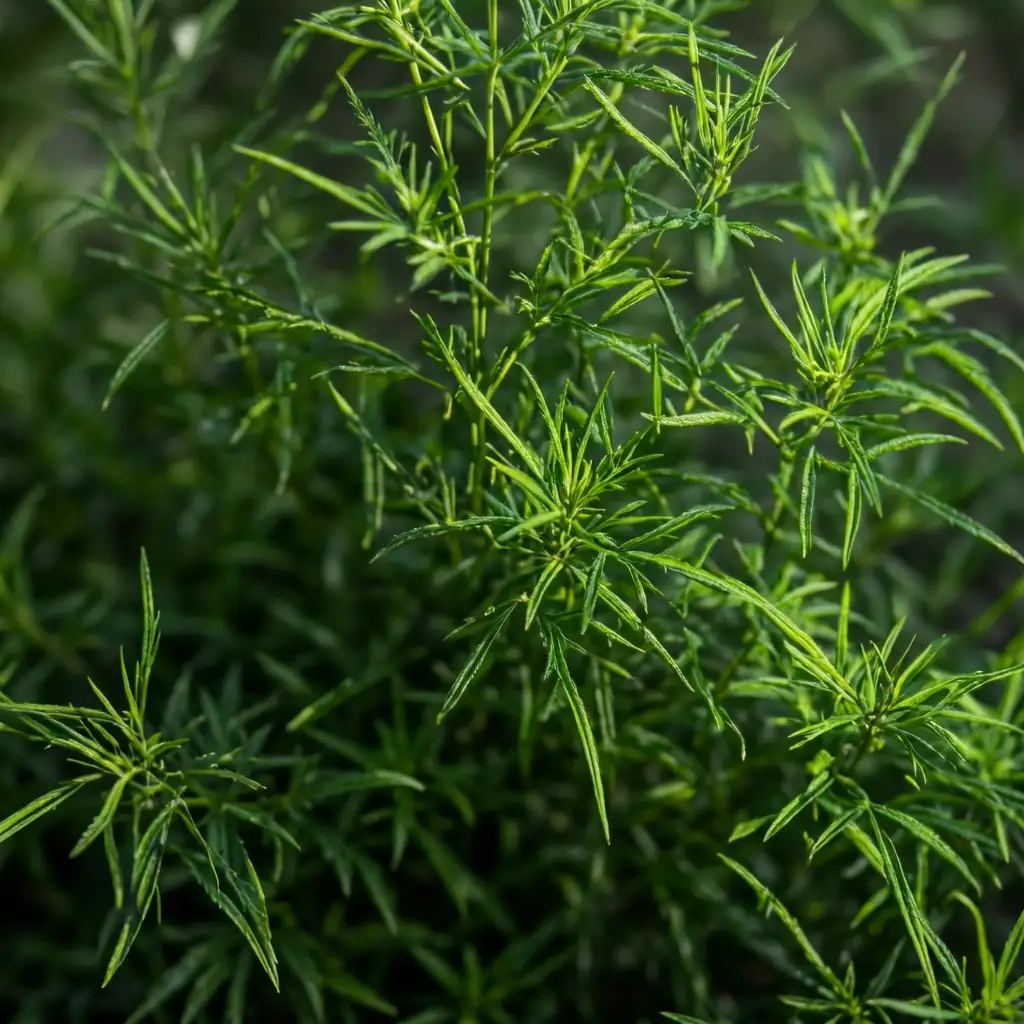
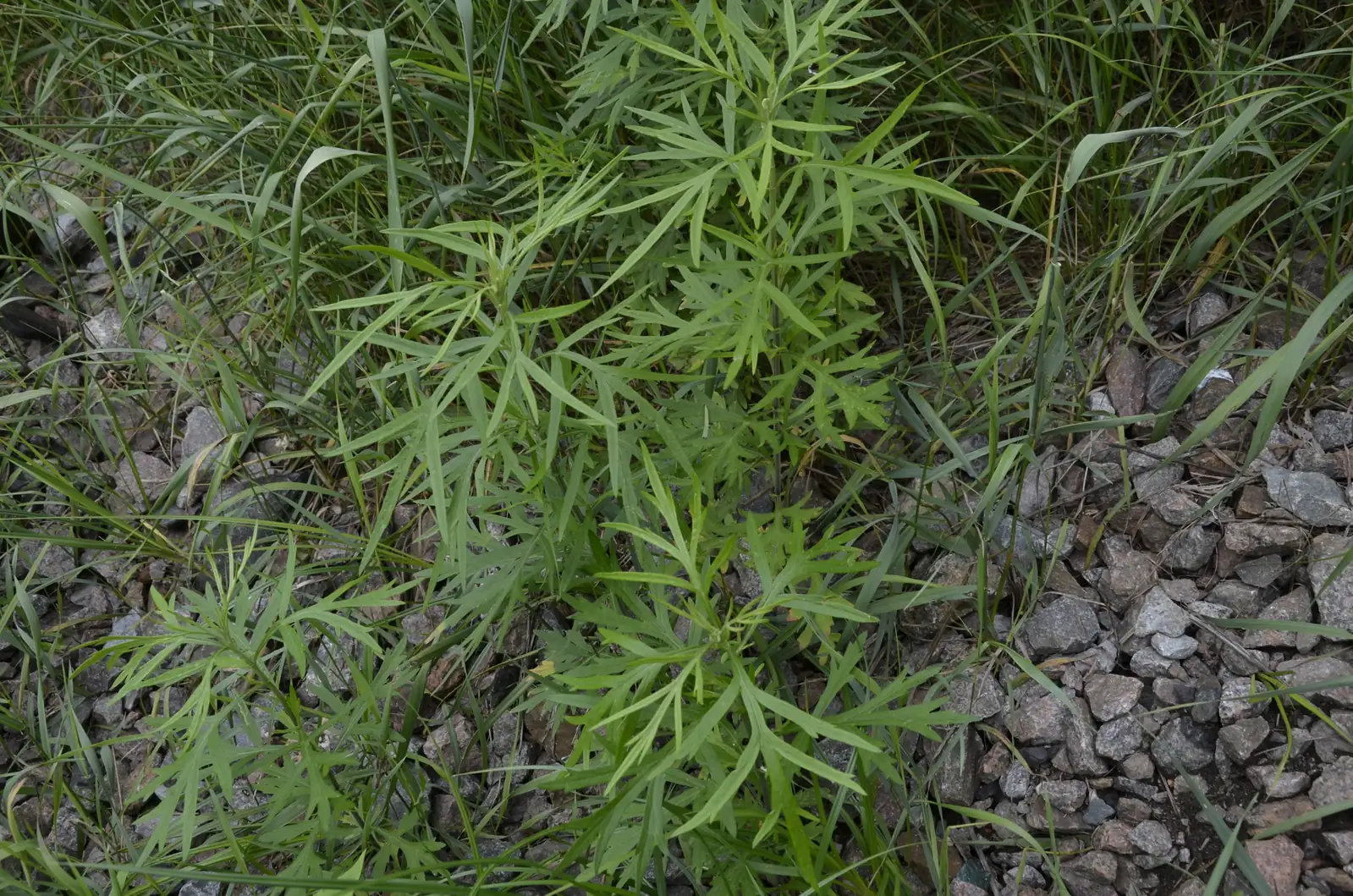
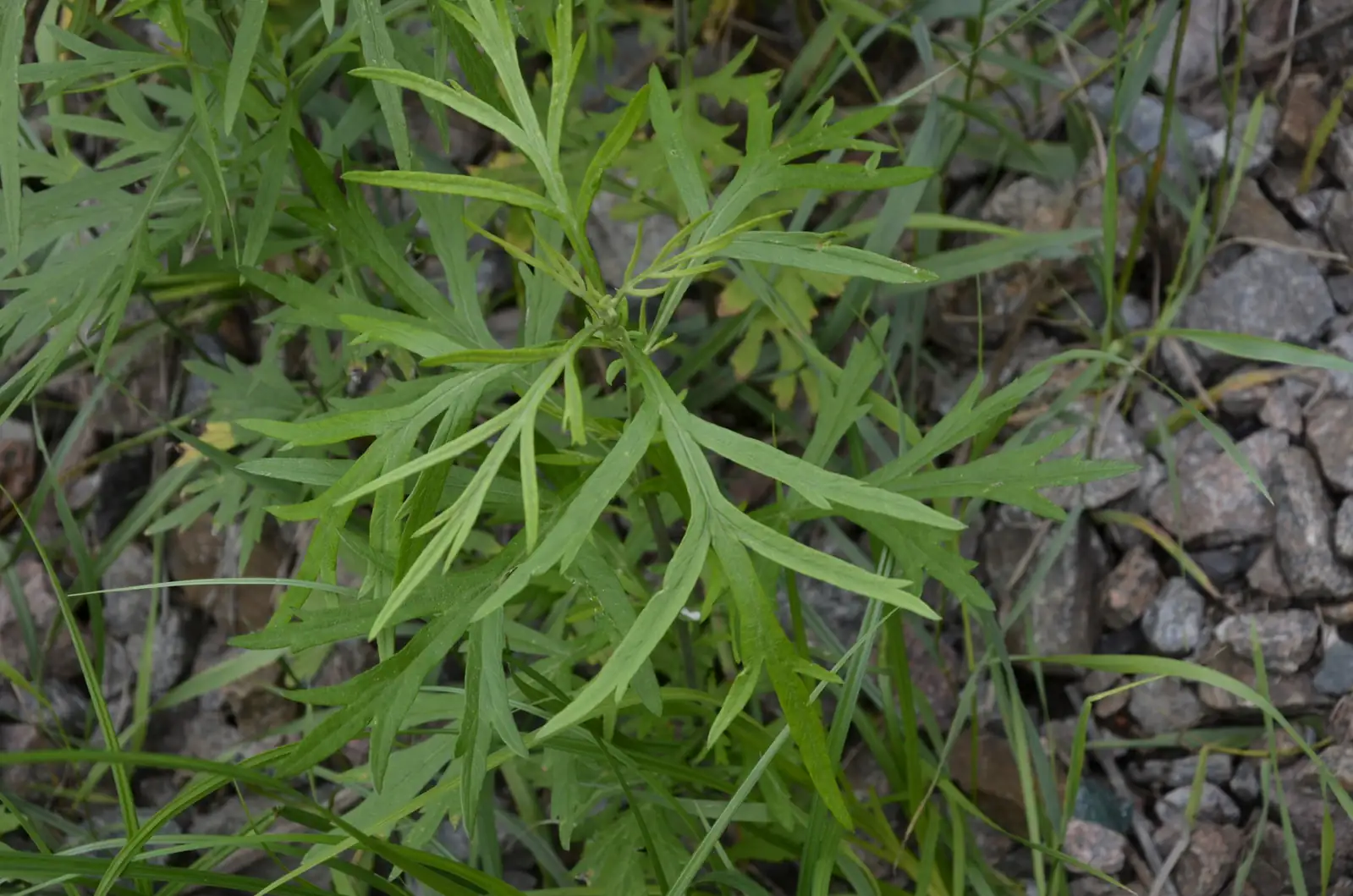
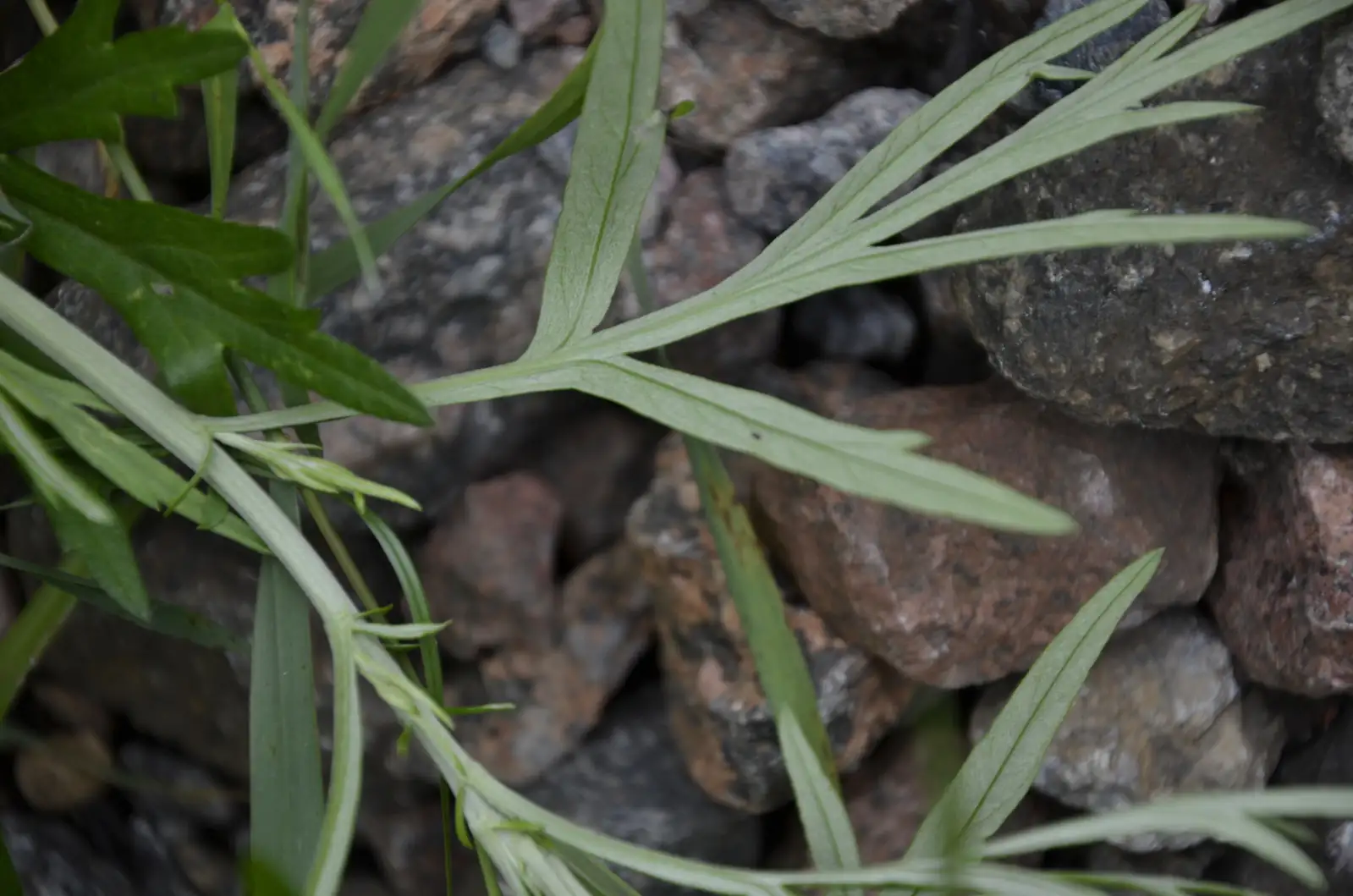
- Foliage: Erect stems are typically covered with dense short hairs. Lower leaves are borne on longer stalks, while the upper portions of the stems carry ascending flowering branches. Like many Artemisia, the foliage is aromatic when crushed due to essential-oil compounds.
- Flower: Produces many small, oval to oblong composite flower heads (capitula) arranged along branched inflorescences. The tiny florets are narrow-tubed and are often described as showing a purplish-red tone.
- Flowering Season: August–October
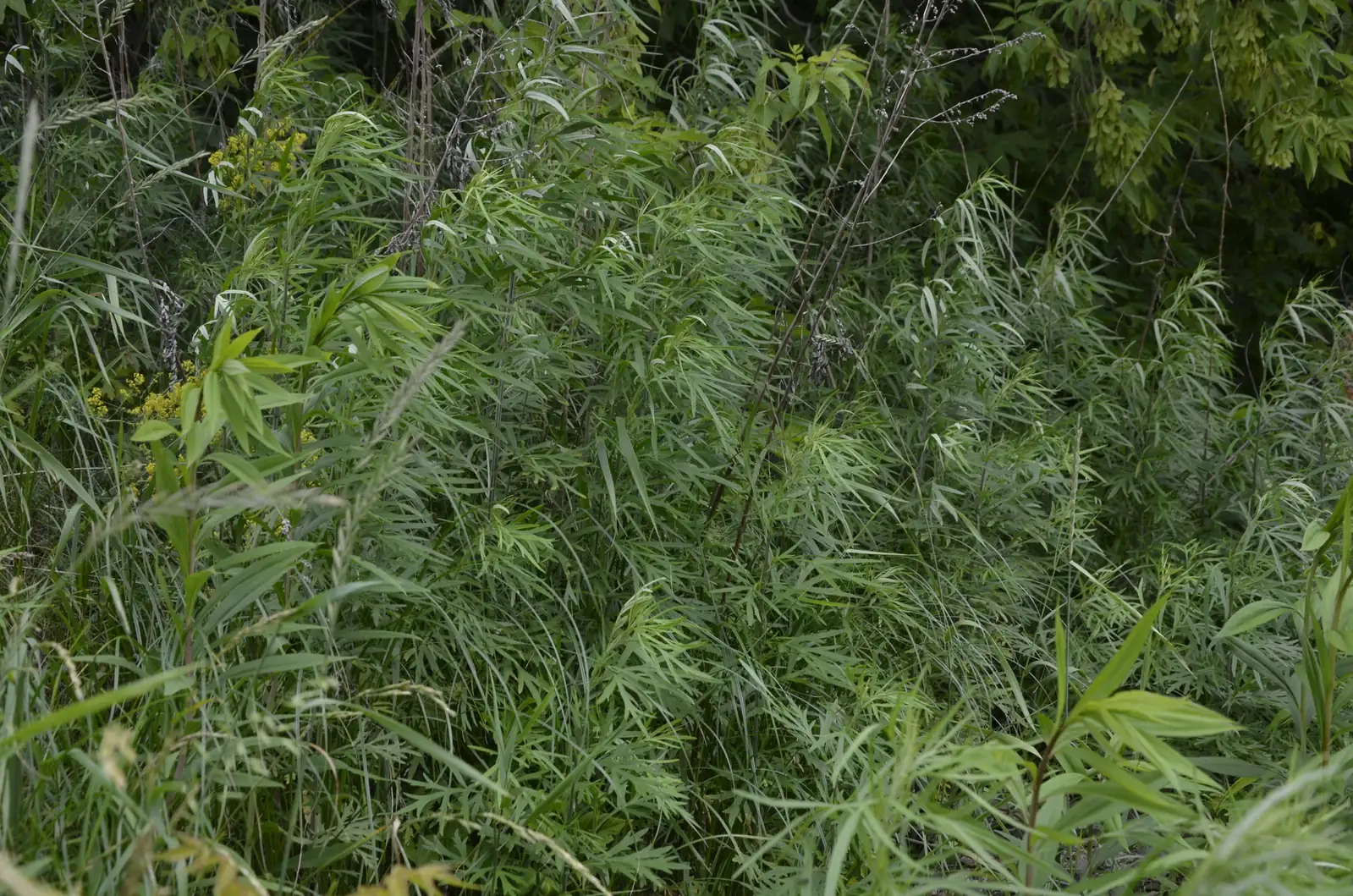
- Growth Habit: Perennial herb with upright (erect) stems and ascending flowering branches, creating a naturalistic, meadowy silhouette.
Environment
Sunlight
Full sun for best growth; tolerates light shade.
Temperature
Cold hardy; grows well in cool to warm conditions (approx. 5–30°C (41–86°F) as a practical growing range).
Humidity
Prefers evenly moist conditions, especially while establishing; adaptable once established.
Soil
Adaptable in most well-drained garden soils. Avoid saline-alkaline soils, where performance declines.
Placement
Sunny outdoor beds, meadow-style or naturalistic plantings, lightly managed slopes, and path/woodland-edge transitions. Works well where you want a hardy, wildlife-friendly, ‘wild’ look.
Hardiness
Cold tolerant; generally suitable for temperate climates (approx. USDA Zone 5–9, depending on local ecotype). Not suited to saline-alkaline sites.
Care Guide
Difficulty
Easy. A hardy, cold-tolerant perennial that adapts to many soils (except saline-alkaline ground) and doesn’t demand frequent feeding.
Buying Guide
Pick plants with firm, upright stems and fresh, unblemished leaves. Avoid plants sitting in sour-smelling, waterlogged mix, or those with obvious heavy pest damage.
Watering
Keep soil lightly and consistently moist during establishment. After it’s rooted in, water mainly during extended dry spells. Avoid permanently soggy conditions (especially in containers) to reduce stress and disease risk.
Fertilization
Often not needed in average soils. If growth looks weak, use a light balanced fertilizer in spring at label rates. Avoid heavy nitrogen, which can cause soft, floppy growth.
Pruning
Cut back after flowering/seed set in autumn, or leave stems standing for winter structure and cut back in late winter to early spring before new growth starts.
Propagation
Divide established clumps in spring or early autumn. Can also be grown from seed when available; sow on the surface and keep lightly moist until germination.
Repotting
If grown in containers, repot every 1–2 years in spring into a fresh, well-draining mix and a pot with drainage holes.
📅 Seasonal Care Calendar
Spring: tidy up old stems; divide if needed. Summer: maintain even moisture during hot, dry spells. Late summer to autumn (August–October): main flowering and seed period. Autumn: cut back after flowering if desired, or leave standing and cut back in late winter/early spring.
Pests, Diseases & Safety
Common Pests & Diseases
Generally trouble-free. Watch for aphids on soft new growth. In persistently humid, still-air conditions, occasional leaf spots can appear—improve airflow and avoid frequent overhead watering if you notice spotting.
Toxicity
Not consistently standardized for this exact species in widely used safety references. As with many Artemisia (mugworts), aromatic compounds in the foliage may irritate sensitive people or pets, especially if eaten in quantity. Use caution around pets and always seek professional guidance before using it medicinally.
Culture & Symbolism
Symbolism: Often linked with resilience and protection in folk traditions associated with mugworts, though meanings vary by region.
History & Legends: Mugwort relatives have a long history in East Asian folk practice. This species is used locally in traditional contexts, but specific, widely documented legends in English sources are limited.
Uses: Used in folk medicine (often described traditionally as “warming,” associated with dispelling cold/damp and supporting circulation, and sometimes referenced in bleeding-related contexts). Young shoots may be eaten as greens or preserved as pickles. Fresh herbage is also sometimes used as livestock fodder.
FAQ
When does it flower?
August–October.
When does it set seed?
Usually August–October, often overlapping with flowering.
How tall does it get?
Typically 50–120 cm (20–47 in) tall.
Where does it grow naturally?
Across much of China, commonly at low to mid elevations along roadsides, woodland edges, hillsides, grasslands, valleys, shrubland, and lakeside/riverside meadows.
What conditions does it like best?
Full sun and evenly moist, well-drained soil. It tolerates cold and average soils but performs poorly in saline-alkaline ground.
What is it used for?
Local folk medicinal use, edible young shoots (fresh or pickled), and fresh fodder in some rural settings.
Fun Facts
- Despite its delicate-looking flower sprays, it’s a genuinely tough perennial that handles cold and ordinary soils well.
- In some regions, the tender shoots are gathered as seasonal greens and can also be pickled.
- Like many Artemisia species, it’s naturally aromatic thanks to essential oils in the foliage.