Plant Features
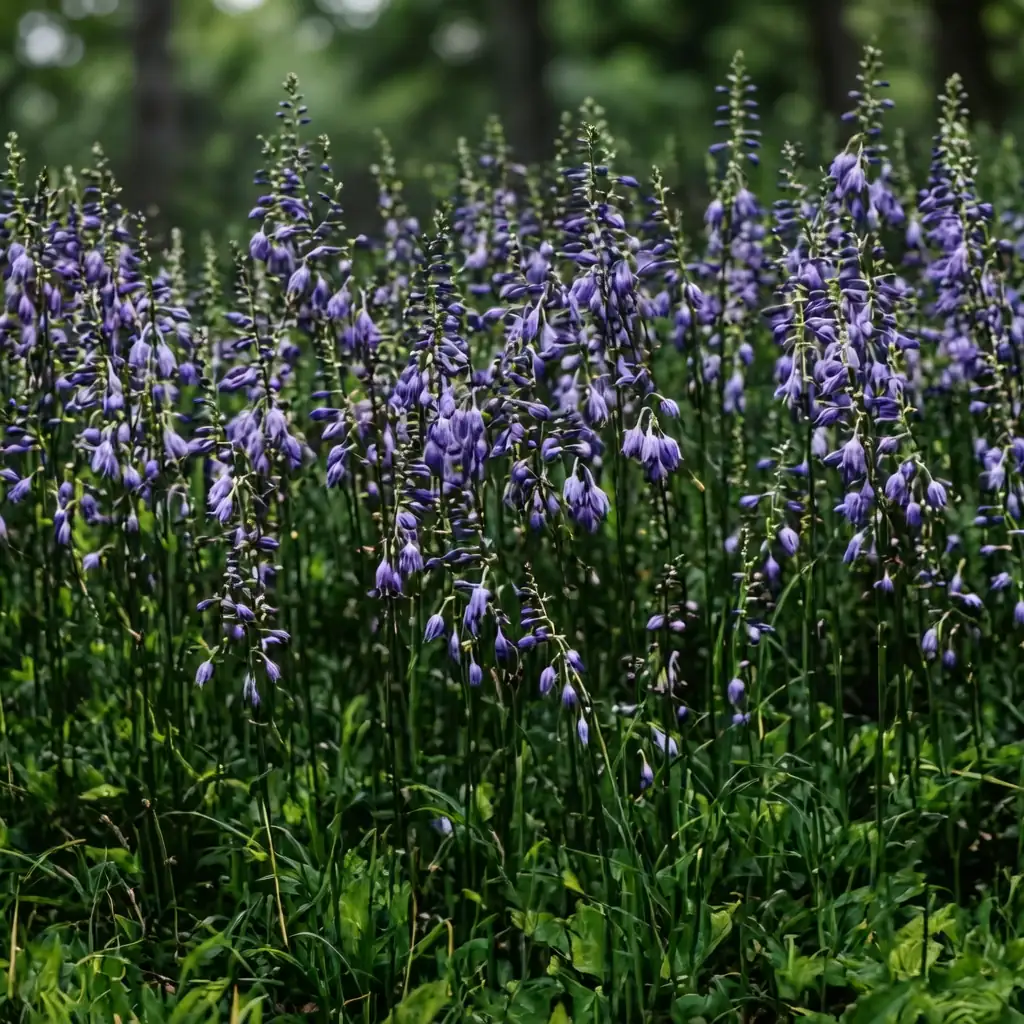
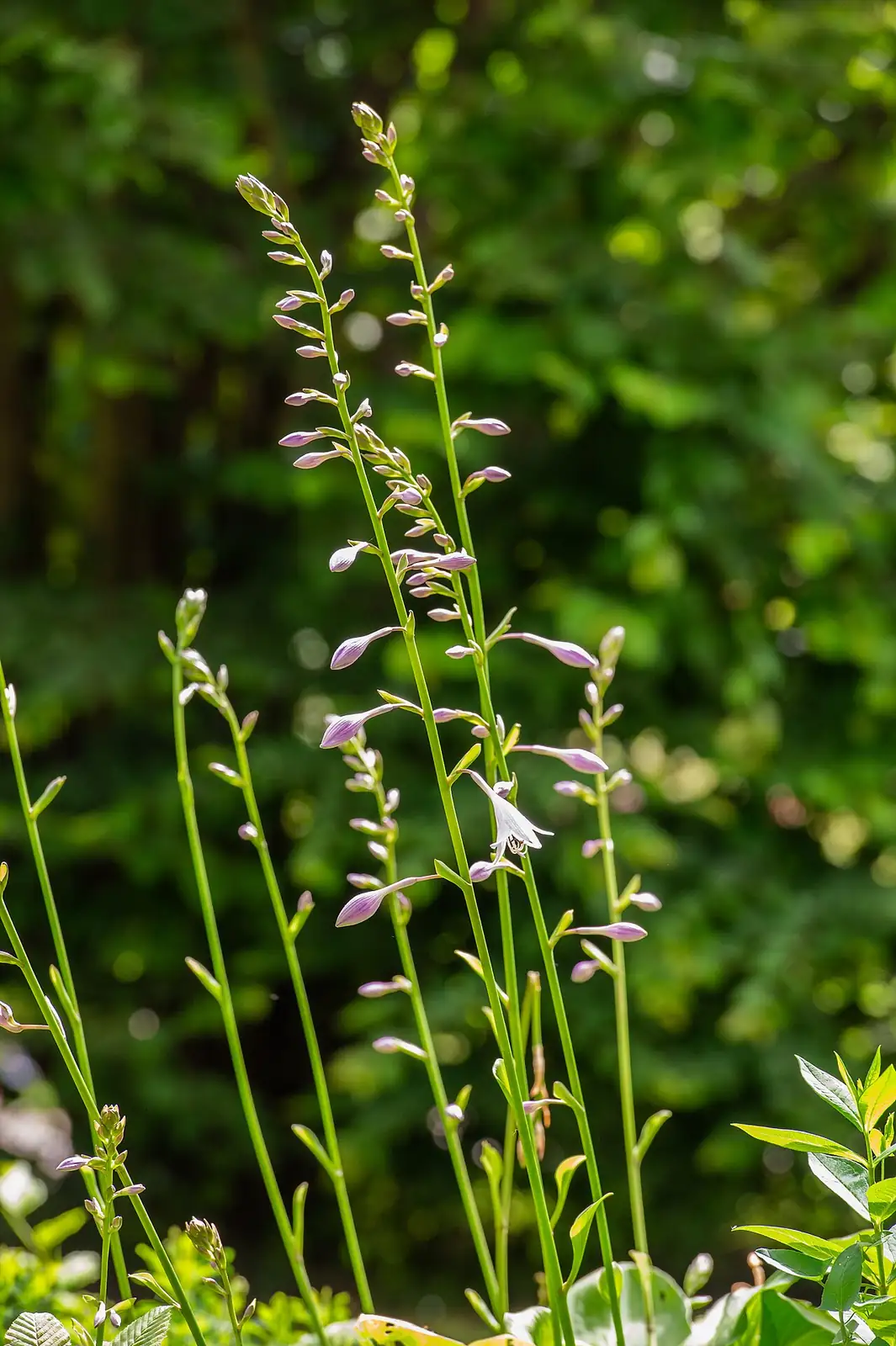
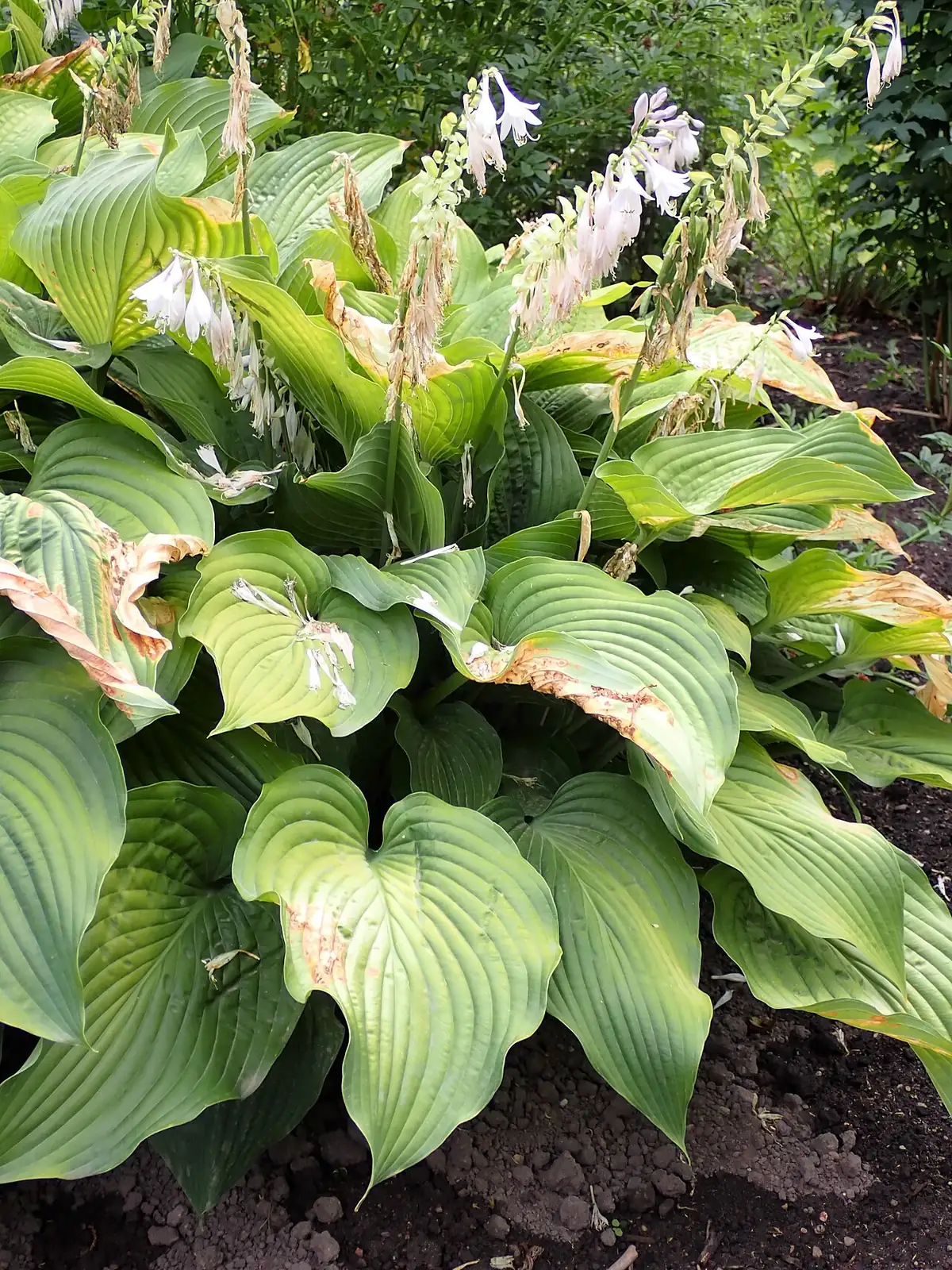
- Size: Flowering scapes typically 30–100 cm (12–39 in) tall; the plant forms a dense, expanding clump over time.
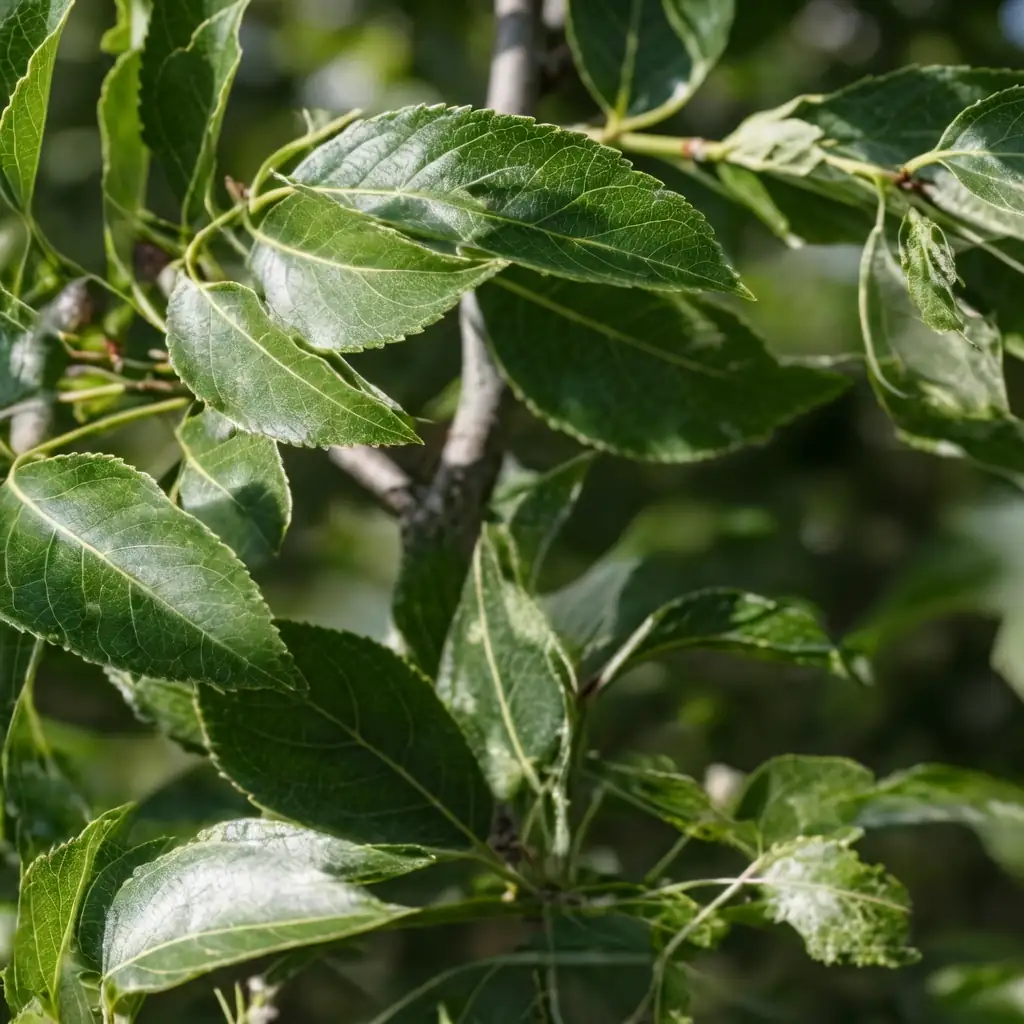
- Foliage: Leaves emerge from a stout rhizome on distinct petioles. The blades are broadly ovate to ovate-heart-shaped, with a cordate to nearly squared base and a pointed tip, creating a bold, leafy mound.
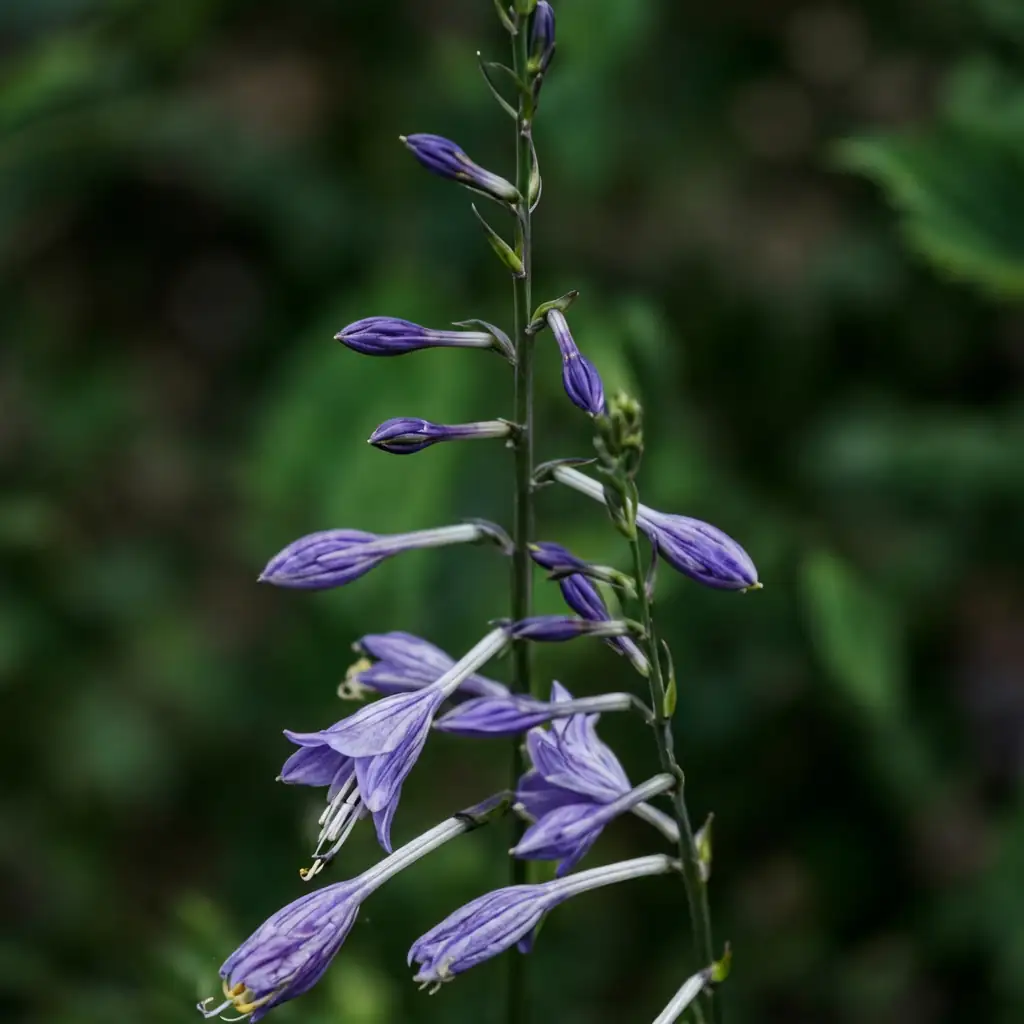
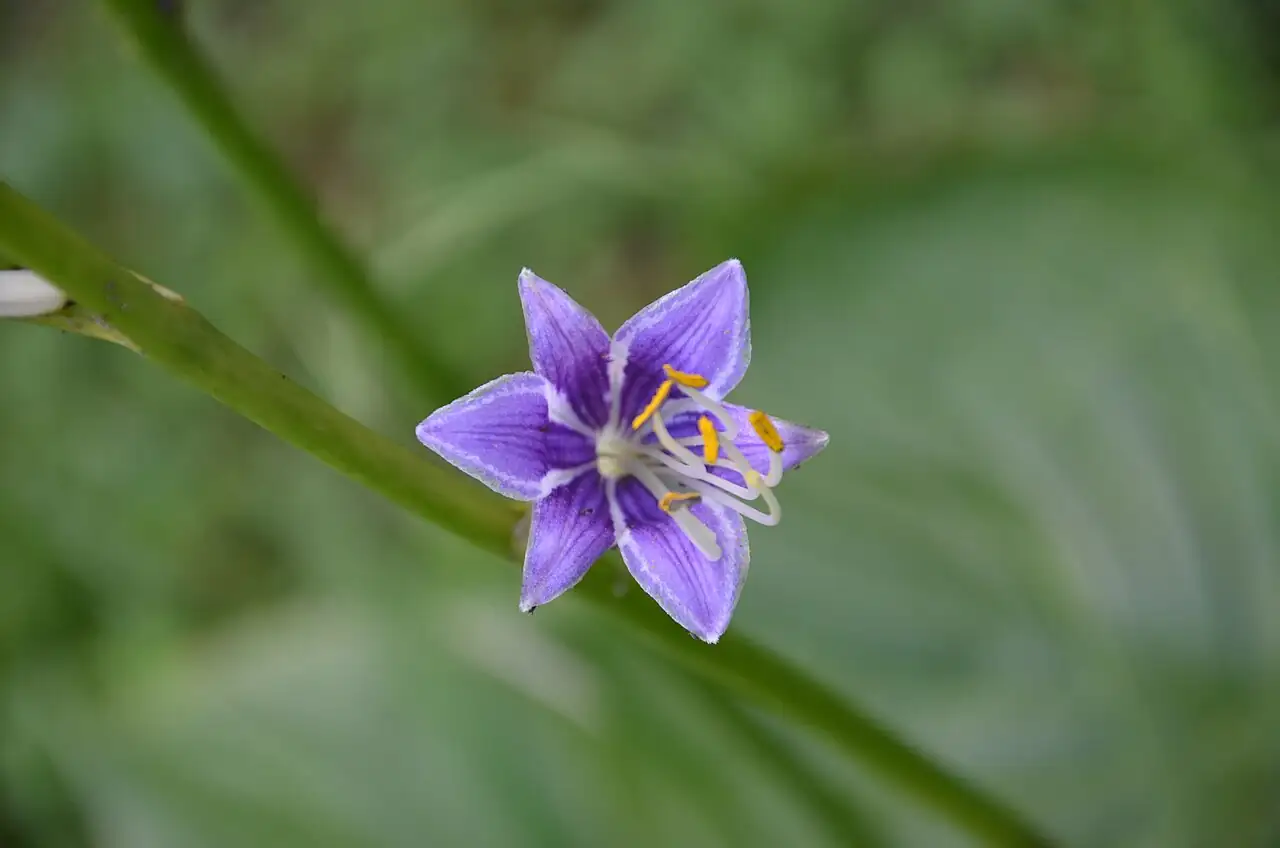
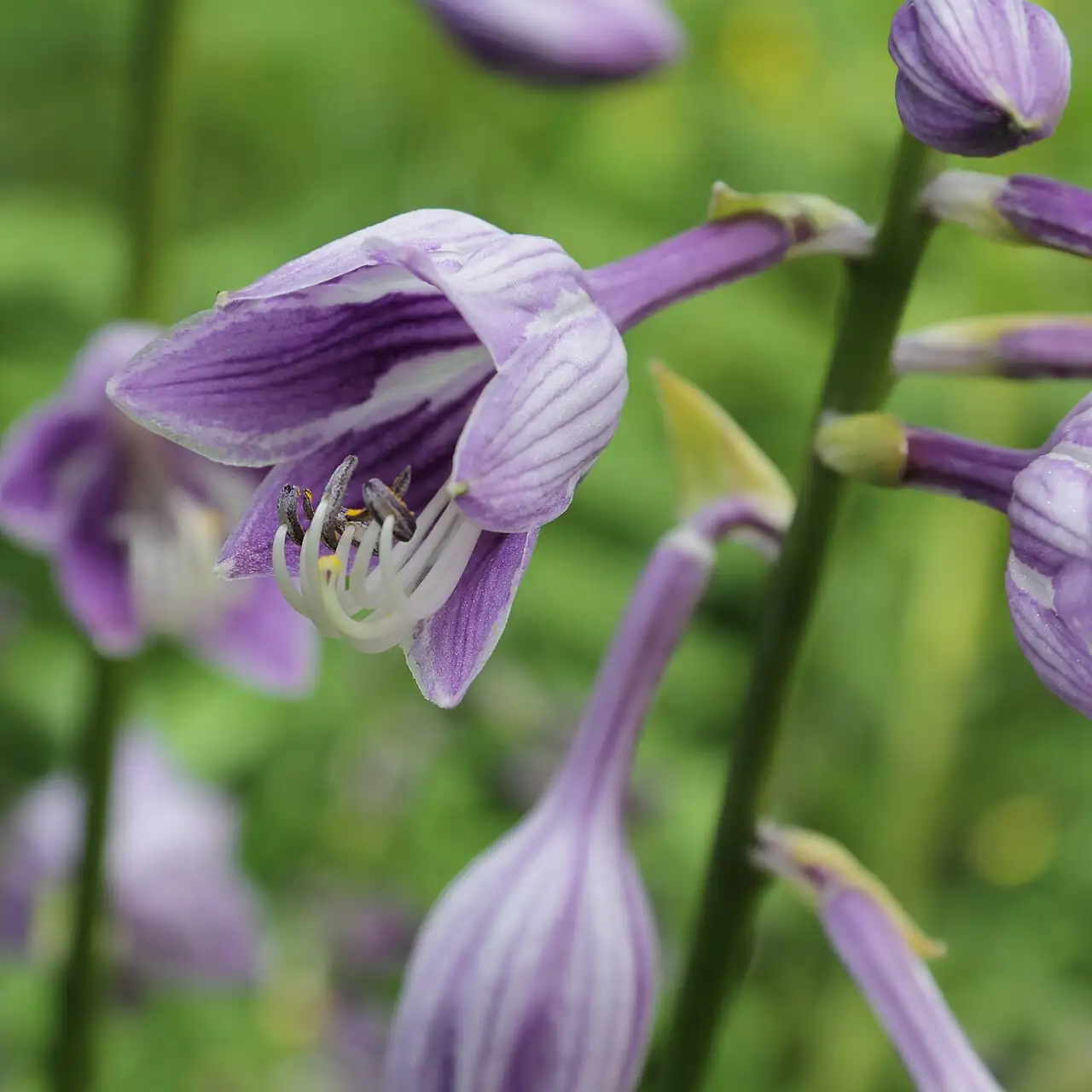
- Flower: Purple flowers open along the tall scape, each with a flared, funnel-like shape; stamens extend beyond the perianth. After flowering, the plant can form cylindrical seed capsules.
- Flowering Season: June–July
- Growth Habit: Herbaceous, clump-forming perennial. Best in cool, moist shade; strong direct sun can stress the foliage.
Environment
Sunlight
Partial to full shade. Outdoors, avoid harsh midday sun; in containers (including indoors), aim for bright, indirect light.
Temperature
Cold-hardy; performs best in cool to mild conditions around 10–25°C (50–77°F).
Humidity
Likes consistent moisture and moderate to higher humidity; prolonged dryness leads to stress and leaf damage.
Soil
Moist, humus-rich, well-drained soil. Tolerates many soil types as long as moisture is steady and drainage prevents sogginess.
Placement
Woodland gardens, shaded borders, and underplanting as groundcover; also excellent in containers on shaded balconies/patios. Indoors, place near a bright window with no direct sun and keep the mix evenly moist.
Hardiness
USDA Zone 3–9 (approx. −40 to −7°C / −40 to 19°F, depending on local conditions).
Care Guide
Difficulty
Easy to moderate: very forgiving in shade when kept evenly moist; most problems come from hot sun, drought, or waterlogged soil.
Buying Guide
Pick plants with firm crowns/rhizomes and multiple healthy buds (“eyes”). Avoid limp or yellowing leaves, soft crowns, obvious rot, or heavy slug/snail chewing. For potted plants, look for a healthy, well-established root system that isn’t severely root-bound.
Watering
Water deeply and aim for evenly moist soil (never swampy). In beds, water when the top 2–5 cm (1–2 in) dries; in pots, check more frequently since containers dry faster. Mulch helps conserve moisture. Reduce watering during cool weather and dormancy.
Fertilization
In spring, top-dress with compost or use a balanced slow-release fertilizer. During active growth, feed lightly every 4–6 weeks with a balanced liquid fertilizer. Avoid heavy nitrogen late in the season.
Pruning
Snip off spent flower stalks after blooming if you prefer a cleaner look or don’t want seed pods. Once foliage yellows after frost (or naturally declines), cut it back and remove debris to reduce overwintering pests.
Propagation
Division is the easiest and most reliable method: divide in early spring as shoots emerge or in early fall. Each division should have roots and at least 1–3 buds. Growing from seed is possible but slower and may produce variable offspring.
Repotting
Repot or divide every 2–3 years in spring. Use a moisture-retentive but well-draining mix in a pot with drainage holes. If not dividing, size up by about 2–5 cm (1–2 in) in diameter.
📅 Seasonal Care Calendar
Spring: divide/repot, top-dress with compost, restart regular watering. Summer: keep consistently moist, shield from hot sun, remove spent scapes. Fall: optional division, reduce feeding, tidy declining foliage. Winter: dormant; keep barely moist in pots and protect containers from severe freezes if needed.
Pests, Diseases & Safety
Common Pests & Diseases
Slugs and snails are the classic problem (ragged holes). In pots, vine weevil can be troublesome; aphids may appear on soft growth. Leaf spot fungi can develop when foliage stays wet and crowded—improve airflow, water at soil level, and remove affected leaves. Crown/root rot happens in waterlogged soil, so prioritize drainage.
Toxicity
Generally considered non-toxic to humans, but Hosta species are commonly listed as toxic to cats and dogs if eaten, potentially causing vomiting and diarrhea. Keep pets from chewing the leaves.
Culture & Symbolism
Symbolism: Often linked with calm, shelter, and quiet elegance—perfect for a plant that shines in shady spaces.
History & Legends: Hostas have long been appreciated in East Asian gardening traditions and later became beloved worldwide as reliable shade perennials, prized for their lush foliage and dependable summer flowers.
Uses: Primarily ornamental: a classic shade groundcover and border plant, and a standout container perennial for shaded patios or bright, indirect indoor display.
FAQ
Why are the leaves scorched, bleached, or turning pale?
Most often it’s sun scorch or drought stress. Move it into deeper shade (or protect it from midday sun) and keep moisture consistent. Mulching and regular deep watering usually prevent repeat damage.
Does it need to be cut back in winter?
In cold areas the foliage naturally dies back. Cutting it down after frost (or once it yellows) helps tidy the plant and reduces overwintering pests.
Fun Facts
- It’s a rhizomatous perennial, so the clump thickens and expands steadily over time.
- The purple flowers are funnel-shaped with stamens that noticeably protrude.
- After flowering, it can form cylindrical seed capsules.
- Wild populations are widespread across China, especially in moist, shaded mountain and valley habitats.
- Flowering typically peaks in June–July, with scapes about 30–100 cm (12–39 in) tall.