

Plant Features
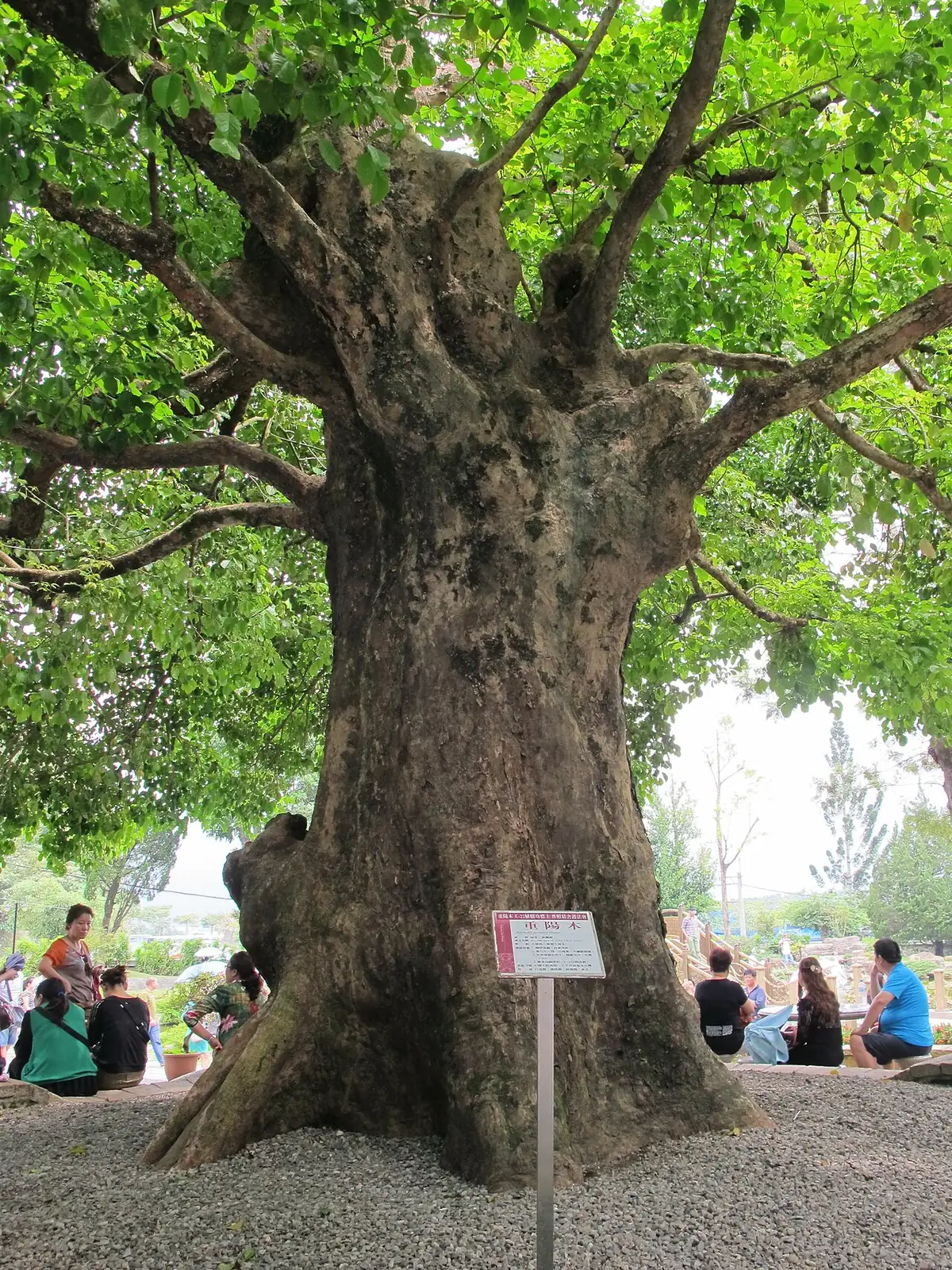
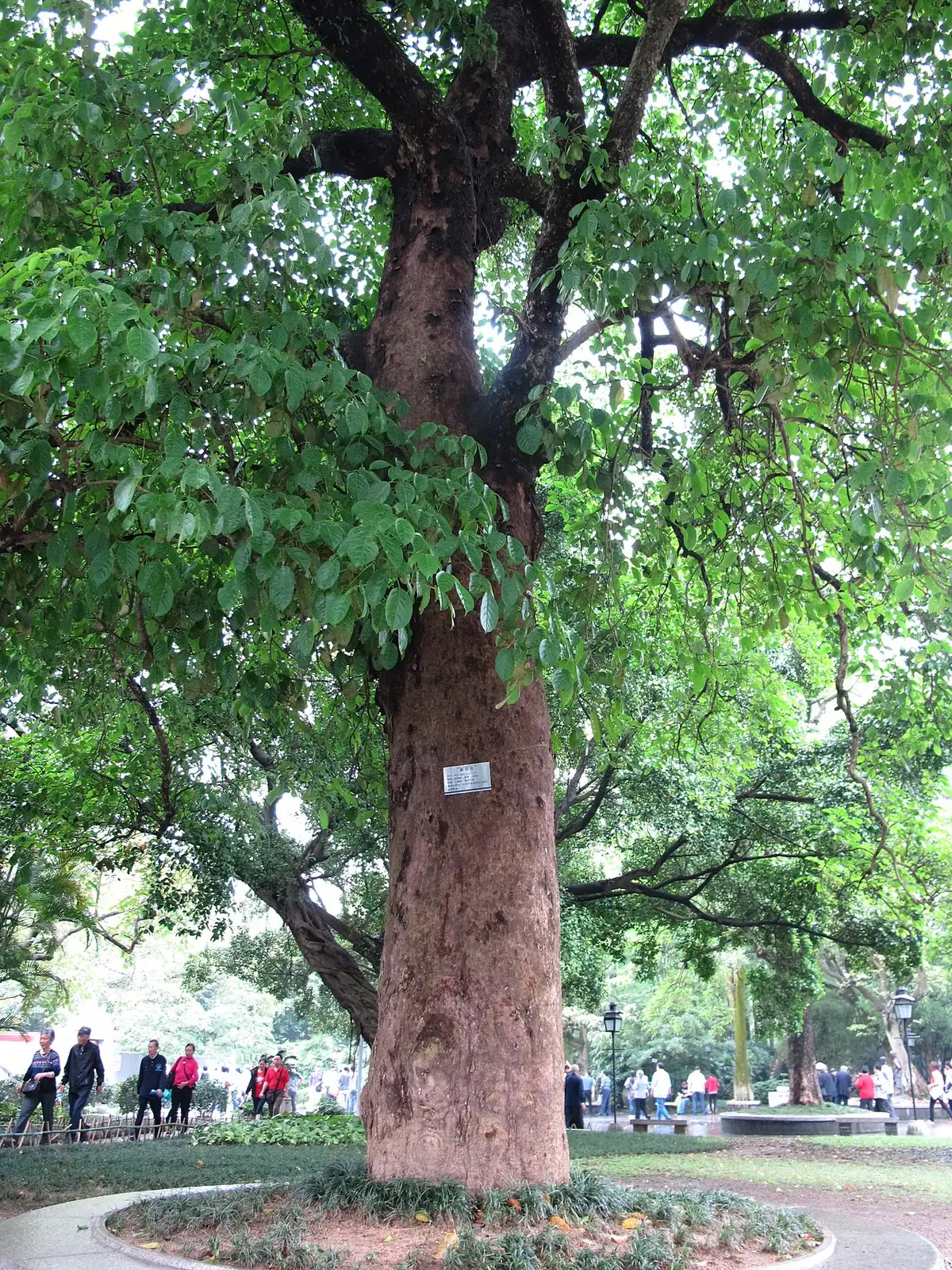
- Size: A medium-to-large deciduous tree, reaching up to about 15 m (49 ft) tall with a broad, spreading crown and large limbs angled outward.
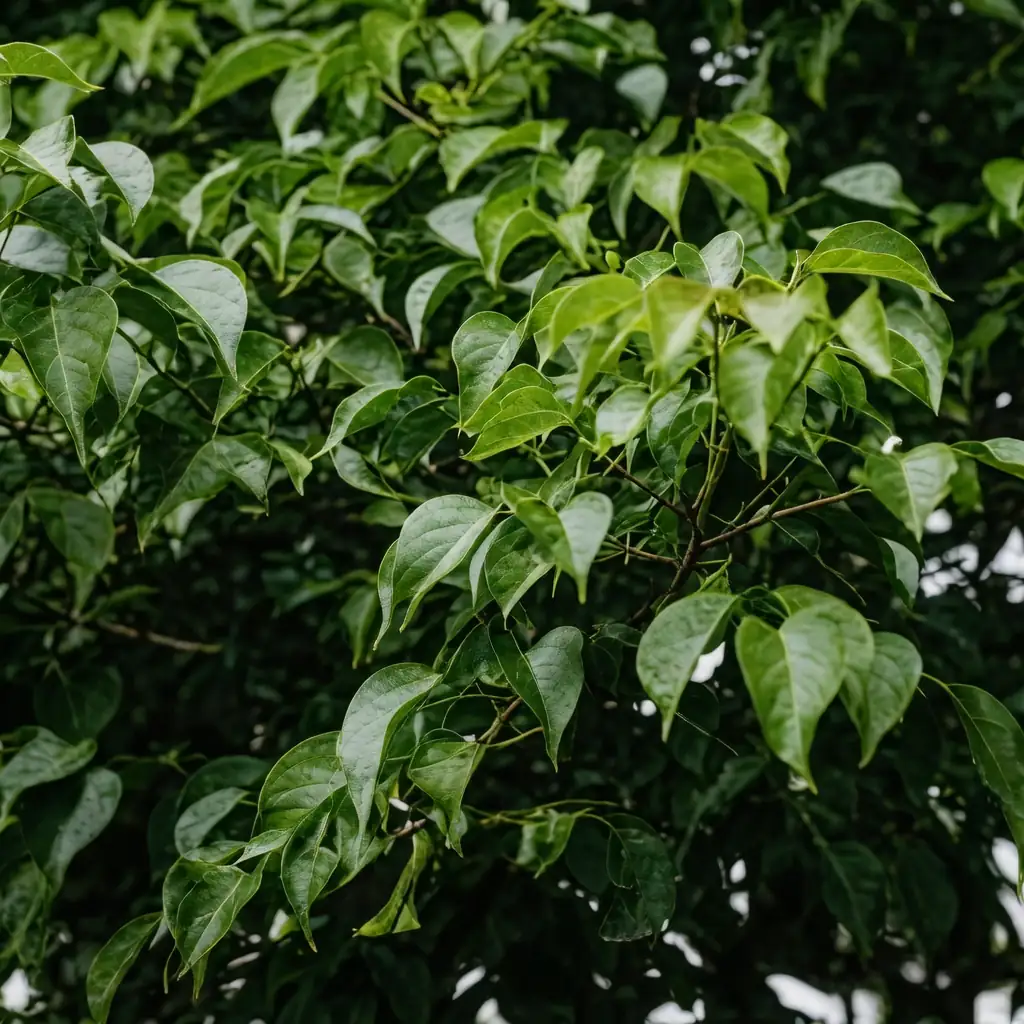
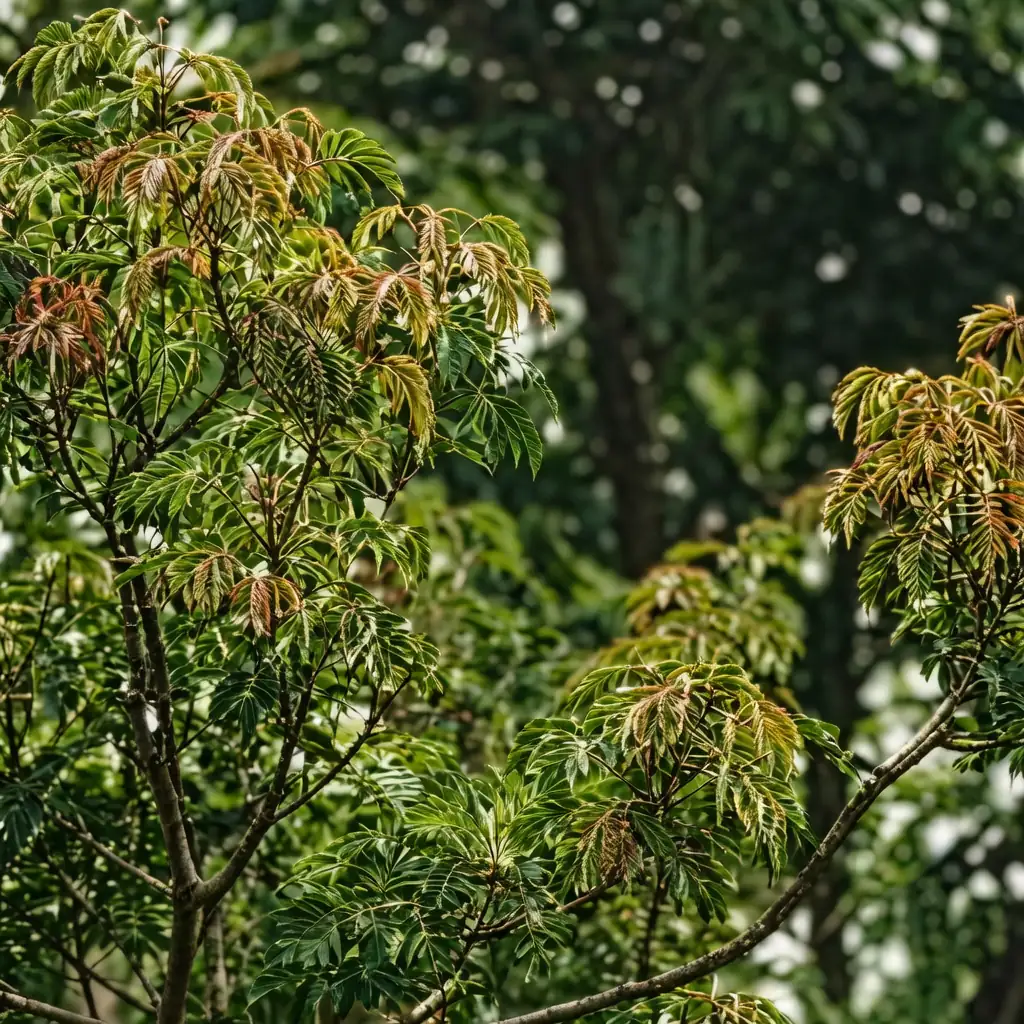
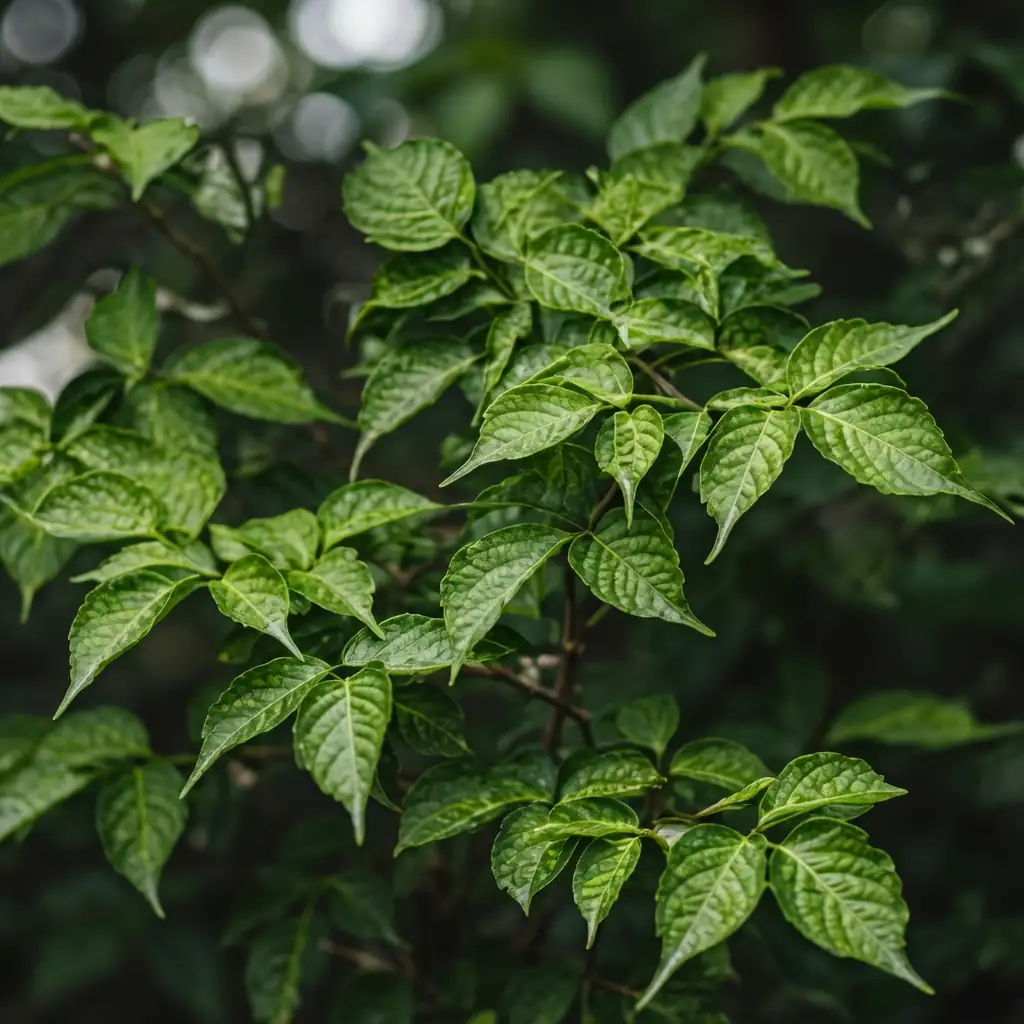
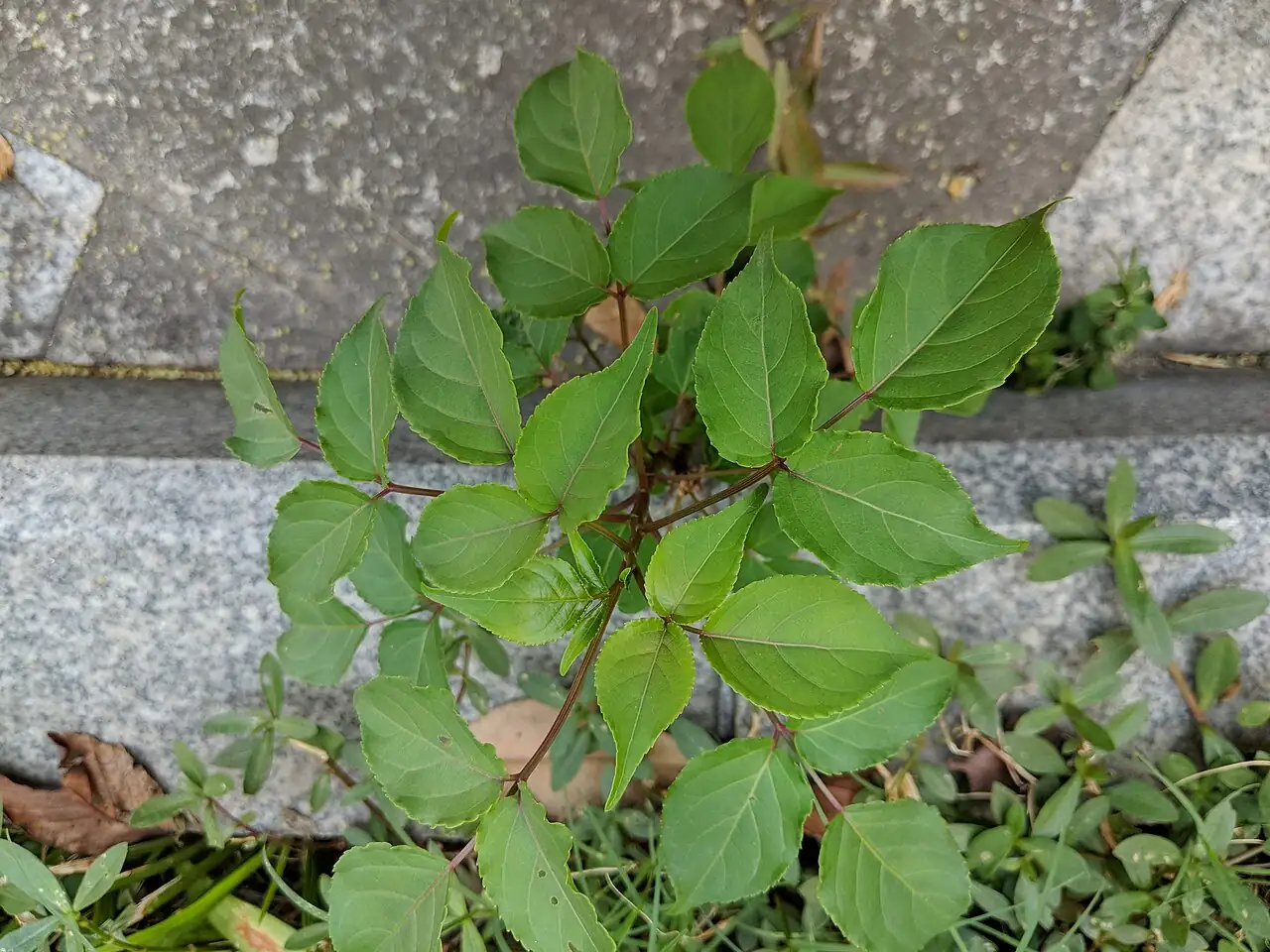
- Foliage: Leaves are alternate and trifoliate. Leaflets are oval to elliptic-ovate with fine, sharp teeth along the margins; foliage can color up to a bright red in autumn.
- Flower: Flowers are small and inconspicuous, arranged in racemes and appearing around leaf-out. These are followed by small, fleshy, berry-like fruits that ripen to a reddish-brown.
- Flowering Season: April–May (Apr–May)
- Growth Habit: Deciduous tree with an umbrella-like canopy and stout, obliquely spreading branches; forms dense shade when mature.
Environment
Sunlight
Full sun to light shade; best growth and strongest fall color in full sun.
Temperature
Prefers warm-temperate to subtropical climates. Sensitive to hard freezes; protect from severe frost. Performs best where winter lows generally stay above about -3°C (27°F).
Humidity
Enjoys consistent moisture and does well in humid conditions; appreciates evenly moist sites, especially while establishing.
Soil
Adaptable, but grows fastest in moist, fertile sandy loam. Tolerates periodically wet ground as long as water is not stagnant and the site is not chronically waterlogged.
Placement
Best used outdoors where it has room to spread: a street tree, park or large-garden shade tree, or as a shelterbelt/windbreak in open landscapes.
Hardiness
Approximately USDA Zone 9–11; not reliably frost-hardy in colder regions.
Care Guide
Difficulty
Moderate (outdoors): generally adaptable and cooperative, but needs warmth and can struggle or suffer damage in strong frost.
Buying Guide
Pick a healthy young tree with a straight central leader, evenly spaced scaffold branches, and a firm, intact root ball. Avoid stock with girdling roots, trunk wounds, weak branching structure, or clear signs of drought stress.
Watering
Water regularly during establishment (about the first 1–2 years). After that, it still prefers evenly moist soil—water during prolonged dry spells, especially in summer. Don’t let young trees dry out completely.
Fertilization
Often unnecessary in good soil. If growth is weak, apply a balanced, slow-release fertilizer in spring, following label rates.
Pruning
Prune in late winter to early spring to build a strong framework and remove crossing, damaged, or crowded branches. Avoid heavy pruning during active growth.
Propagation
Most commonly propagated by seed; fresh seed usually germinates more reliably. Cuttings may also be used in nursery production in some cases.
Repotting
Not typically relevant for landscape trees. For container-grown young plants, pot up in spring before vigorous growth, keeping the root collar at the same height as before.
📅 Seasonal Care Calendar
Flowers: April–May (Apr–May). Fruits ripen: October–November (Oct–Nov).
Pests, Diseases & Safety
Common Pests & Diseases
No specific major problems were noted. As with many landscape trees, keep an eye out for common issues like scale insects and aphids, plus occasional leaf-spot diseases. Good airflow, sensible watering, and avoiding chronic waterlogging help reduce disease pressure.
Toxicity
Clear toxicity details weren’t provided in the source. As a general precaution, discourage children and pets from chewing leaves or fruits and wash hands after handling sap/plant debris.
Culture & Symbolism
Uses: Primarily grown as an ornamental shade tree for its attractive form, dense canopy, and striking red autumn foliage. Commonly planted as a street tree and in large landscapes. Its strong root system and wind resistance also make it useful for shelterbelts and protective plantings.
FAQ
Why isn’t my bishop wood turning a strong red in autumn?
Fall color is usually best in full sun. Trees grown in too much shade, or those stressed by drought, poor fertility, or other site problems, may color less intensely. Aim for full sun and steady moisture, especially during summer.
Can bishop wood handle wet soil?
It can tolerate periodically wet ground, but it performs best where the soil stays moist yet not stagnant. Avoid sites that remain waterlogged for long periods.
When is the best time to prune it?
Late winter to early spring is ideal for shaping and structural pruning, before active growth begins.
Fun Facts
- Its leaves come in sets of three leaflets (trifoliate), giving the canopy a textured, layered look.
- Flowers appear in April–May (Apr–May), right around leaf-out.
- Fruits typically ripen in October–November (Oct–Nov) and turn a reddish-brown.
- In cultivation it’s widely used as a street and shade tree in warmer parts of China.
- A strong root system helps it stand up well to wind, which is why it’s sometimes planted as a windbreak.


