

Plant Features
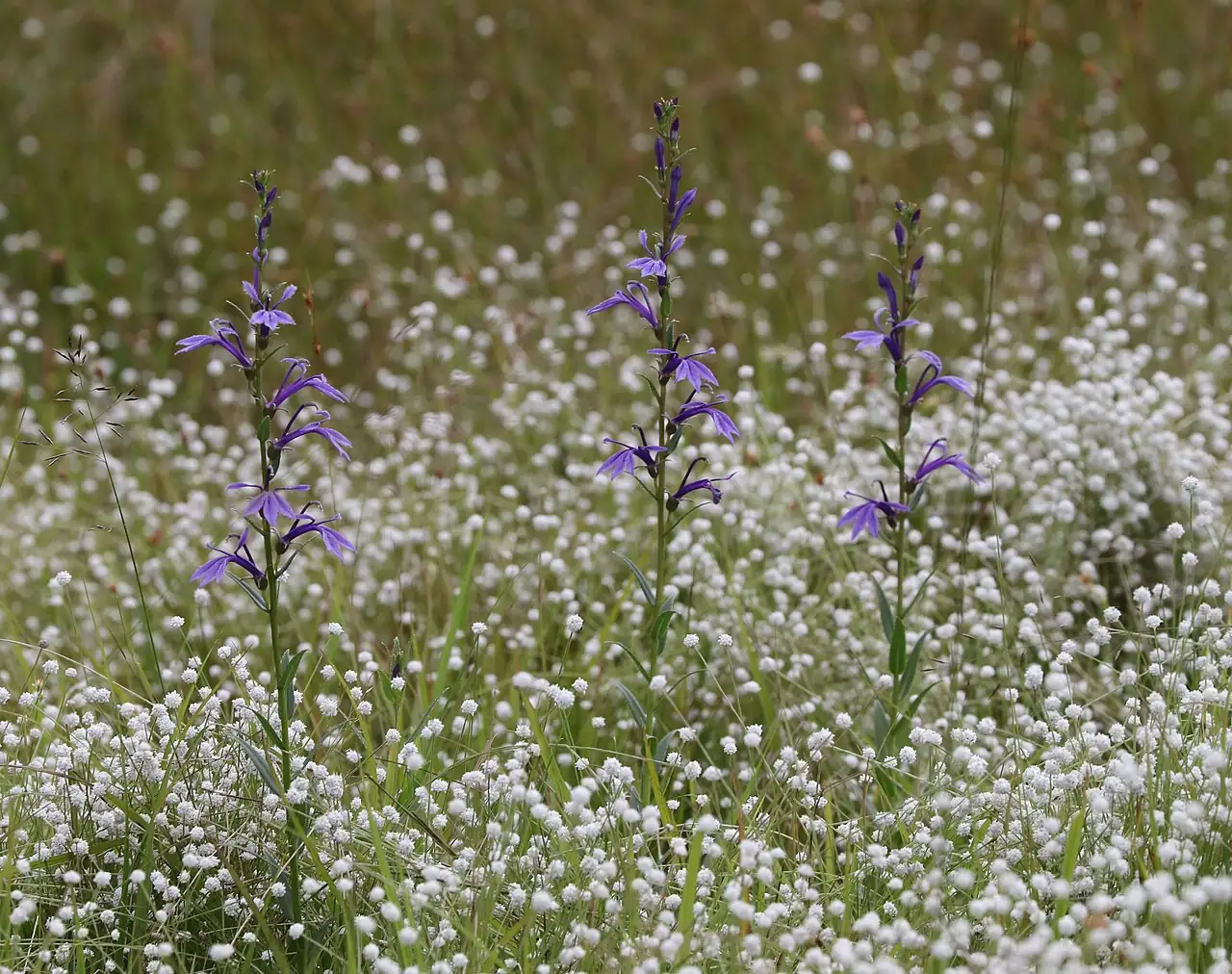
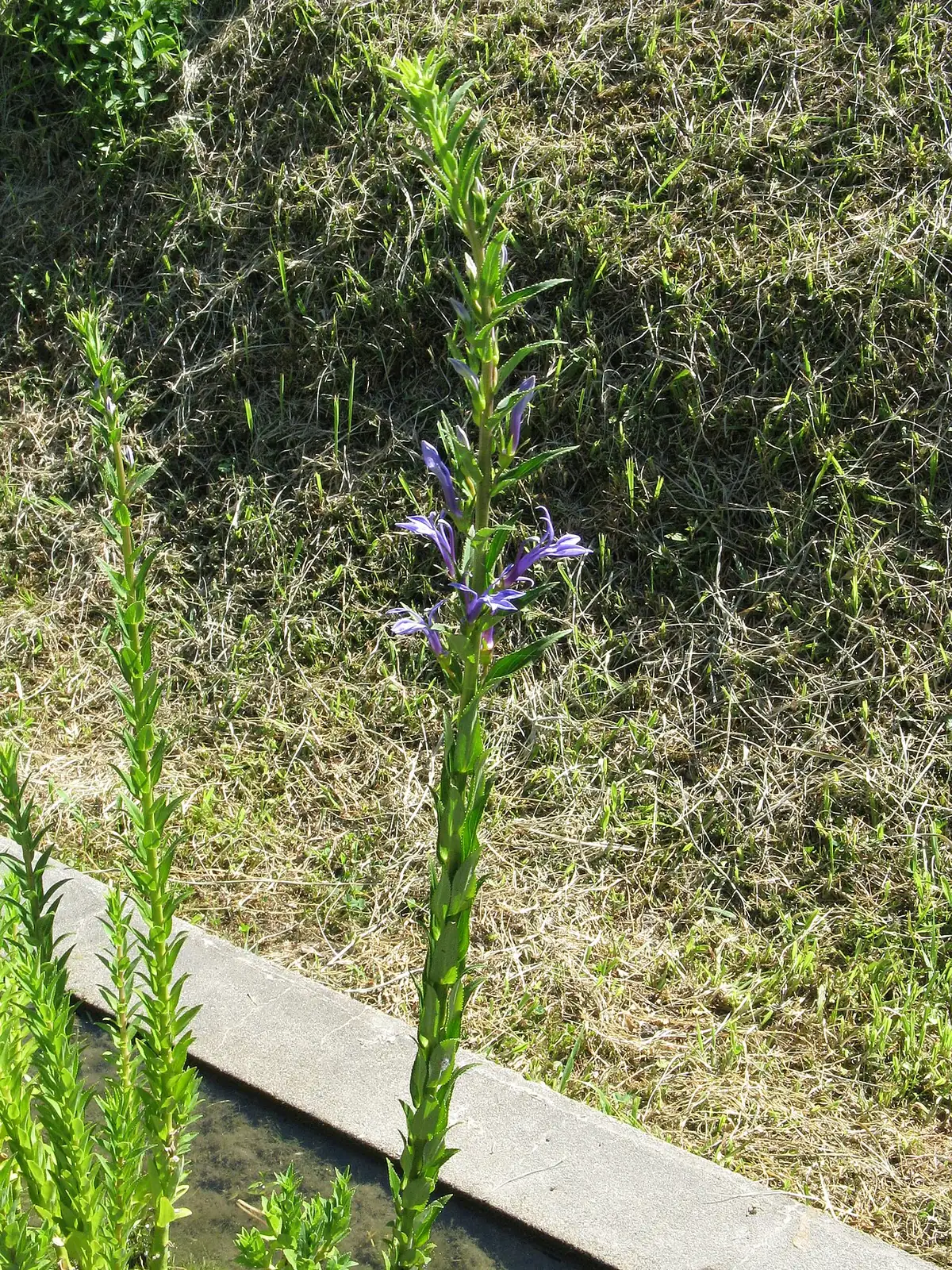
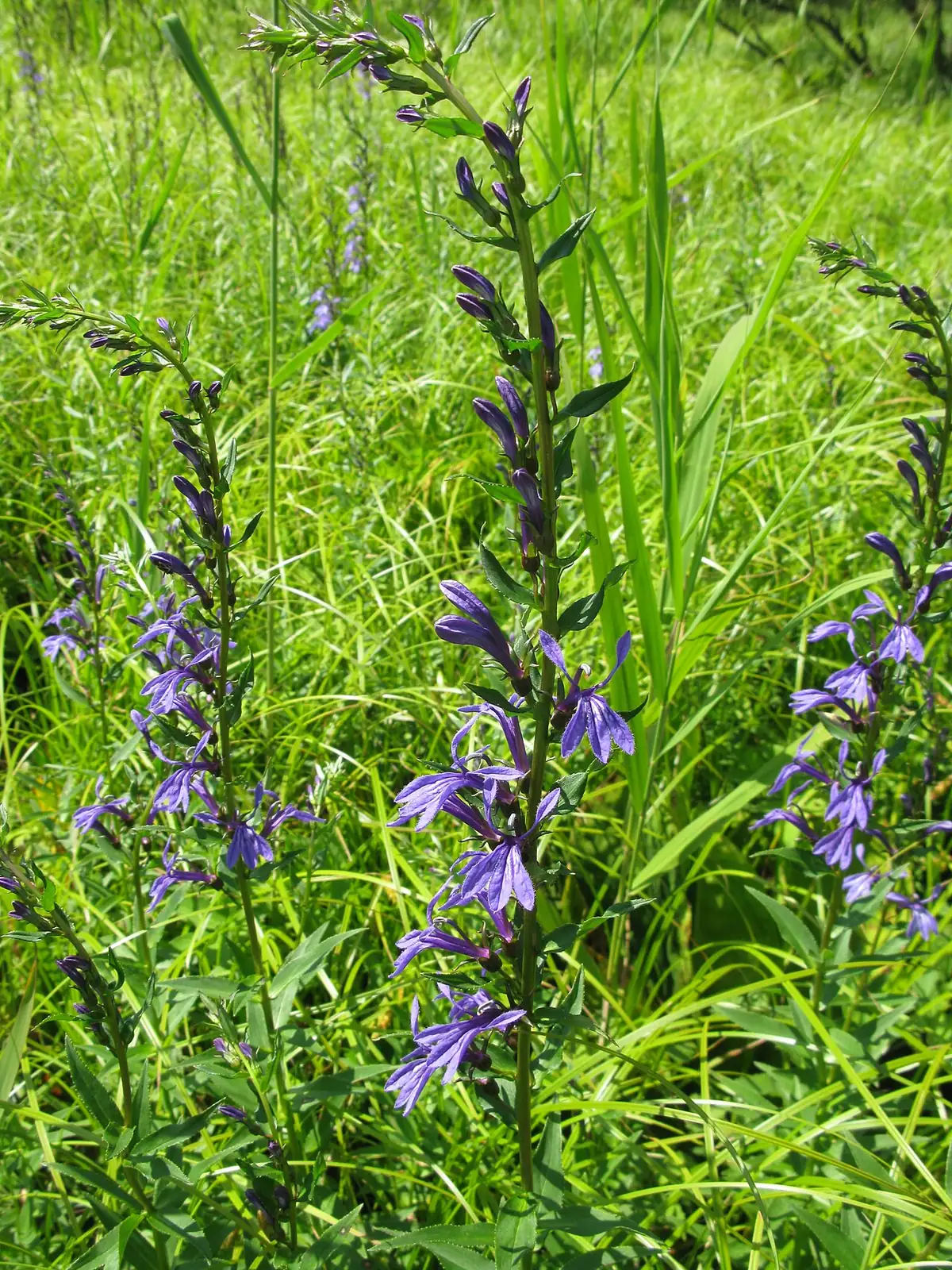
- Size: Typically 60–120 cm (24–47 in) tall; forms upright clumps.
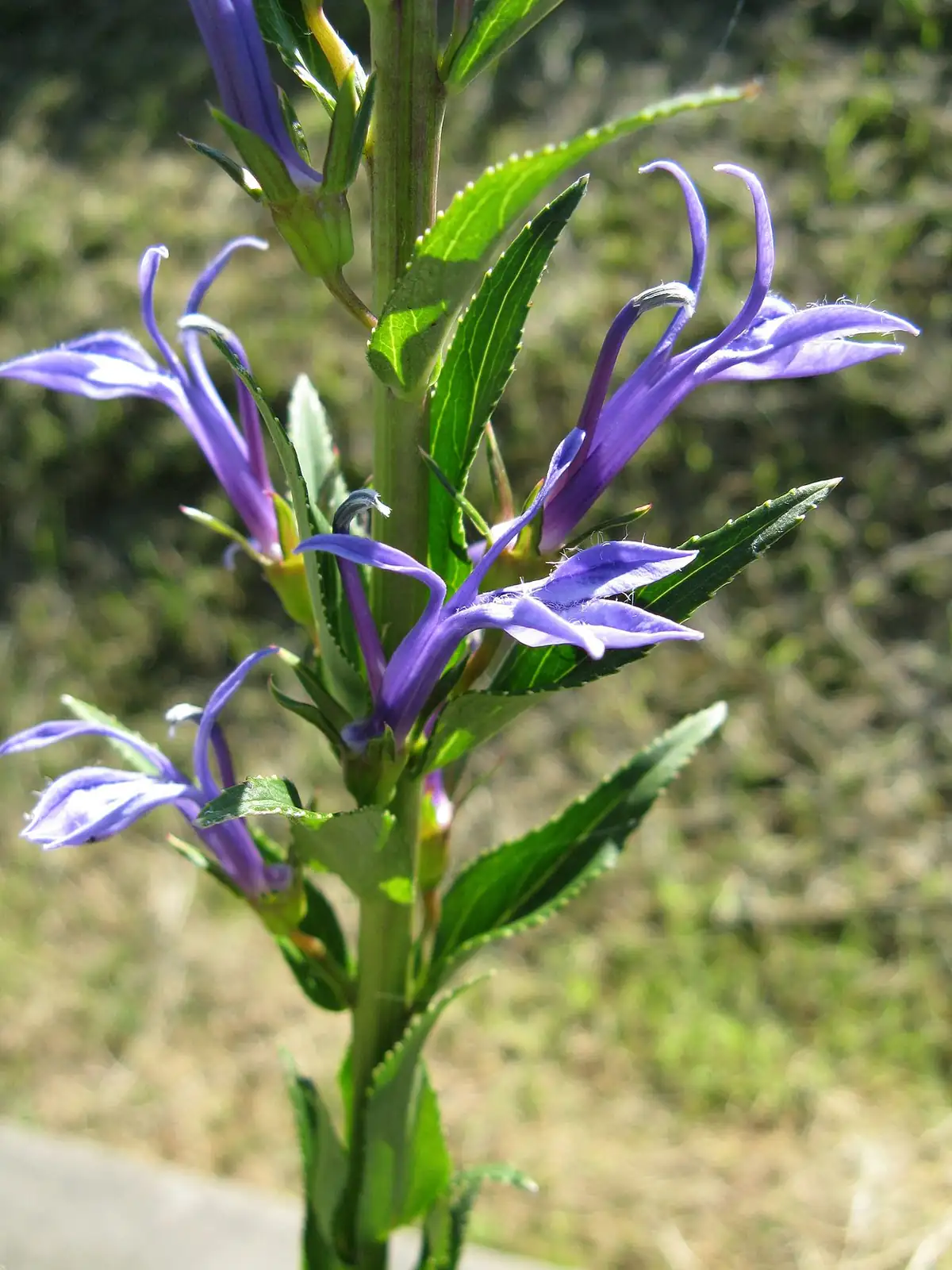
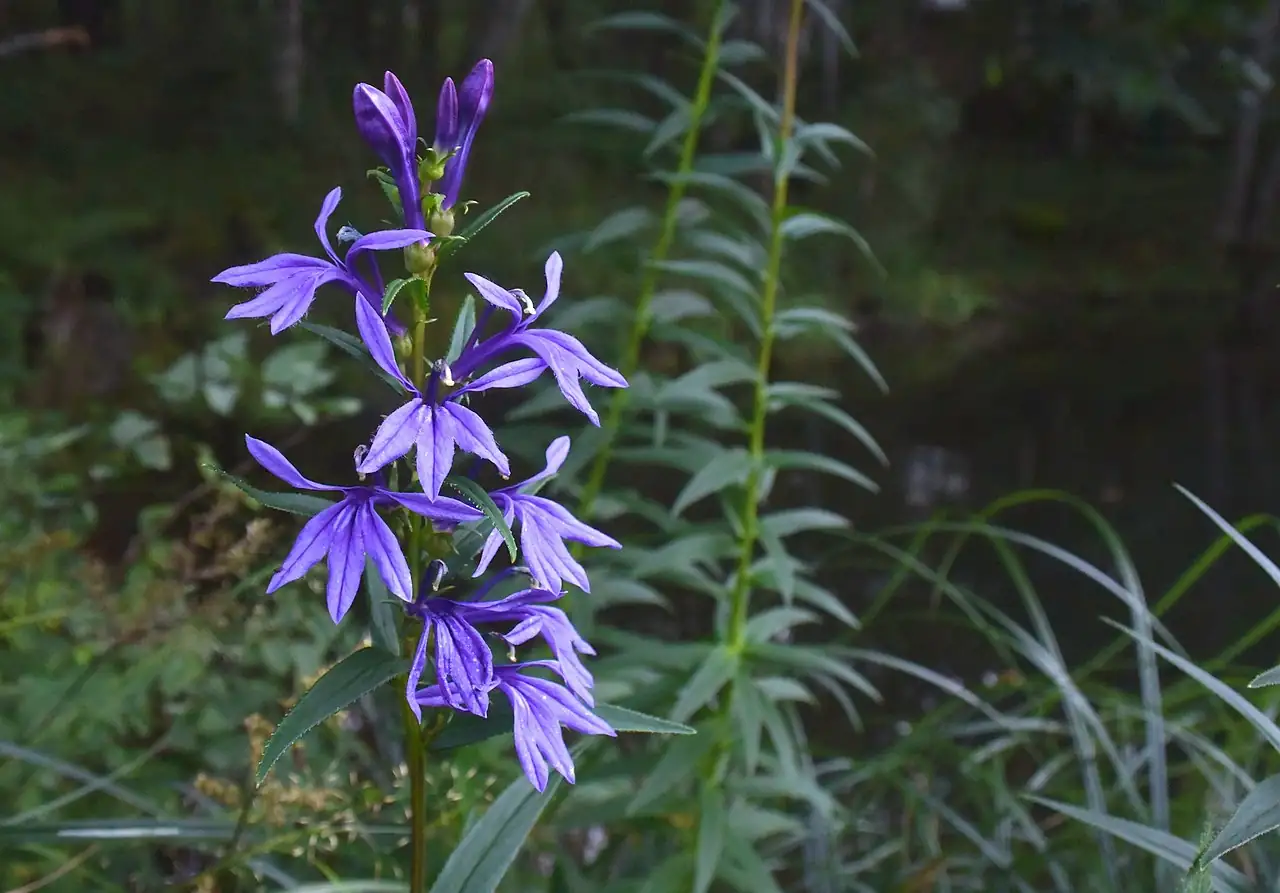
- Foliage: Leaves are thick and papery, usually broadly lance-shaped, and commonly appear sessile—attached close to the stem with little to no petiole (leaf stalk).
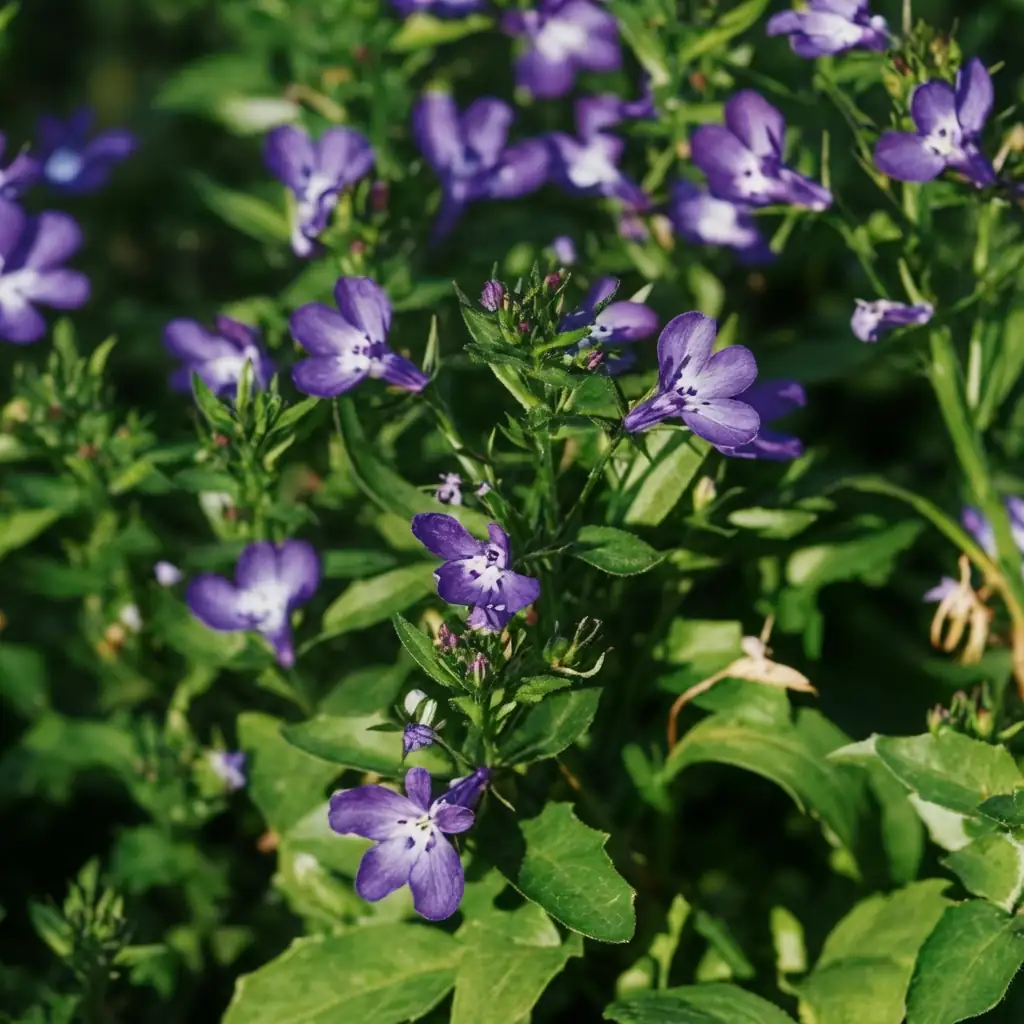
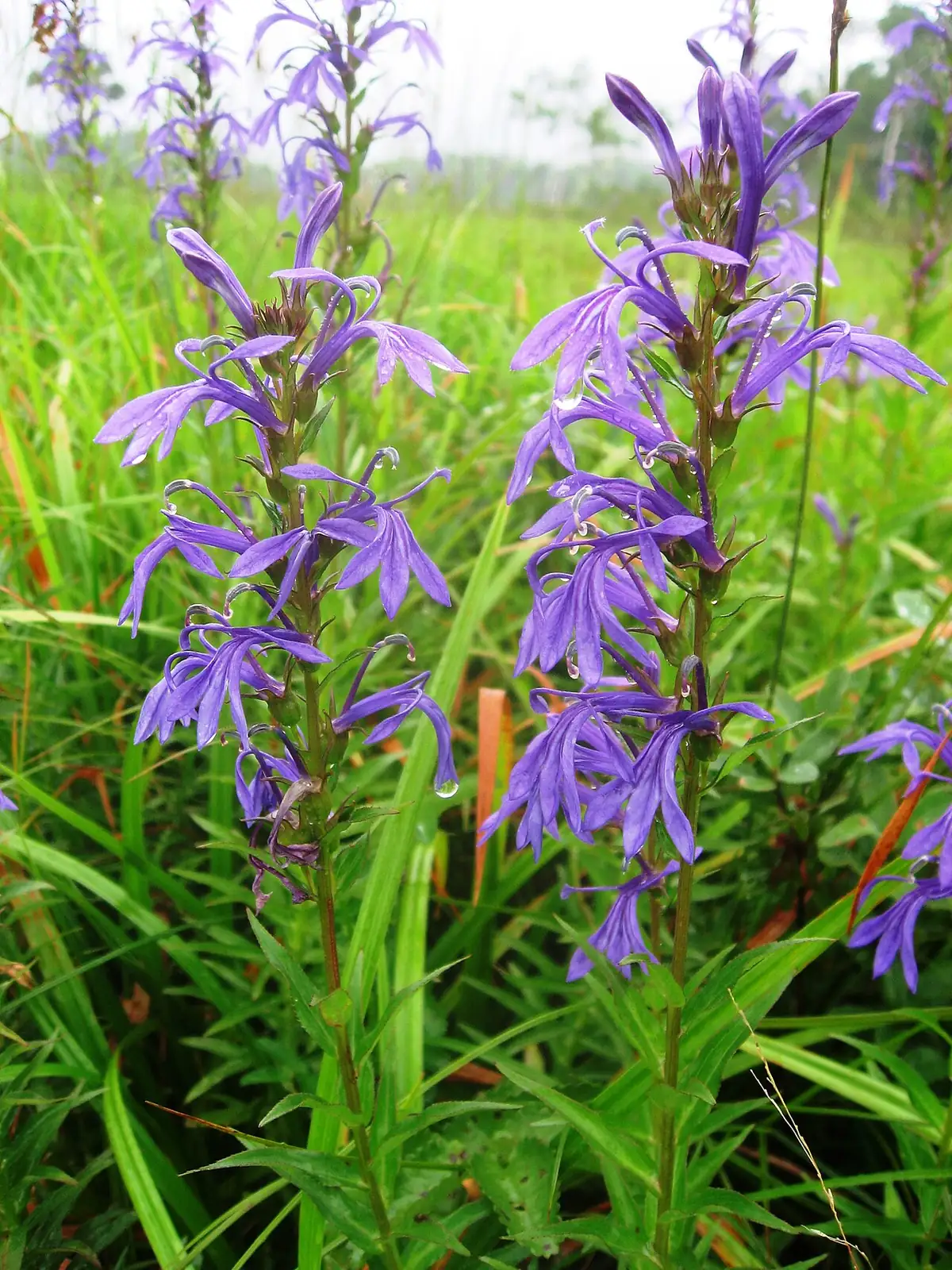
- Flower: Flowers are borne in terminal racemes (upright flower spikes), with many tubular lobelia blooms in blue to blue‑violet tones. After flowering, the plant forms ovoid to obovoid capsules containing brownish-red seeds.
- Flowering Season: July–September
- Growth Habit: Upright, clump-forming perennial herb. It thrives with consistent moisture and performs best in part shade; it tends to struggle in hot, drying sites.
Environment
Sunlight
Part shade to dappled light; tolerates gentle morning sun if the soil remains consistently moist.
Temperature
Prefers mild summer conditions; prolonged heat can cause stress. For best growth, aim for roughly 15–25°C (59–77°F).
Humidity
Enjoys humid conditions and steady moisture; dislikes the combination of dry air and dry soil.
Soil
Moist to wet, humus-rich soil that stays evenly damp but still has good aeration. Excellent for wet meadows, pond edges, rain gardens, or reliably moist borders.
Placement
Rain-garden edges, pondside plantings, moist flowerbeds and borders, and woodland-edge spots where the soil doesn’t dry out.
Hardiness
Often treated as a tender perennial in colder regions; protect from hard freezes. Approx. USDA Zone 8–10 (local performance can vary).
Care Guide
Difficulty
Moderate: very straightforward in part shade with steady moisture, but it declines quickly if allowed to dry out or bake in intense heat.
Buying Guide
Pick plants with firm, upright stems and fresh green leaves. Avoid specimens that are bone-dry, badly root-bound, or showing heat stress (wilting or scorched leaf edges).
Watering
Keep the soil consistently moist. Water deeply when the top 2–3 cm (about 1 in) begins to dry, and don’t allow the root zone to dry out for long stretches.
Fertilization
In the ground, a spring top-dressing of compost is usually sufficient. In containers, feed a balanced fertilizer at half strength every 2–4 weeks during active growth (spring to mid-summer).
Pruning
Deadhead spent flower spikes to keep it tidy and to reduce self-seeding. After flowering (or after the first frost), cut stems back to about 5–10 cm (2–4 in).
Propagation
Divide clumps in spring, or grow from seed. Sow seed on the surface of a moist seed-starting mix (light helps germination). Maintain about 18–22°C (64–72°F) and keep evenly moist.
Repotting
For container plants, repot in spring every 1–2 years into a moisture-retentive mix in a pot with drainage. Containers must not be allowed to dry out.
📅 Seasonal Care Calendar
Spring: divide if needed, refresh soil/compost, and resume regular watering. Summer: keep moisture constant; provide afternoon shade during hot spells. Late summer–early fall: peak bloom; deadhead if desired. Winter: mulch crowns against hard freezes, or overwinter containers in a cool, frost-free place around 2–10°C (36–50°F).
Pests, Diseases & Safety
Common Pests & Diseases
Most problems come from water stress (too dry/too hot) or root issues in stagnant, poorly aerated conditions. Watch for slugs and snails on tender growth and occasional aphids. Provide airflow and avoid sour, waterlogged soils to reduce rot.
Toxicity
Toxicity is not well documented for this exact species in many common houseplant references. Since many Lobelia species contain biologically active compounds, it’s sensible to avoid ingestion and keep it away from pets and children unless a trusted local reference confirms safety.
Culture & Symbolism
Symbolism: Often linked with calm, cooling energy—thanks to its clear blue‑violet late-summer flowers.
History & Legends: No widely cited legends are commonly recorded for this species in mainstream English-language horticulture sources.
Uses: Mainly ornamental. A great choice for adding blue‑violet color to moist borders, rain gardens, and naturalistic plantings in part shade.
FAQ
Why is my sessile-leaved lobelia wilting even though it was fine last week?
It wilts fast if the root zone dries out. Check moisture a little below the surface, then water deeply. Move it to part shade and add mulch to keep the soil evenly moist.
Can I grow it in full sun?
Sometimes—if the soil stays consistently moist and your summers aren’t intensely hot. In warmer climates, afternoon shade is usually much more reliable.
Fun Facts
- It often flowers and sets seed in the same general window, typically July–September.
- Blue to blue‑violet is a standout late-summer color that pairs beautifully with silver foliage and warm-toned blooms.
- Its natural home is wet grasslands and other consistently moist habitats—so it has very low drought tolerance.


