

Plant Features
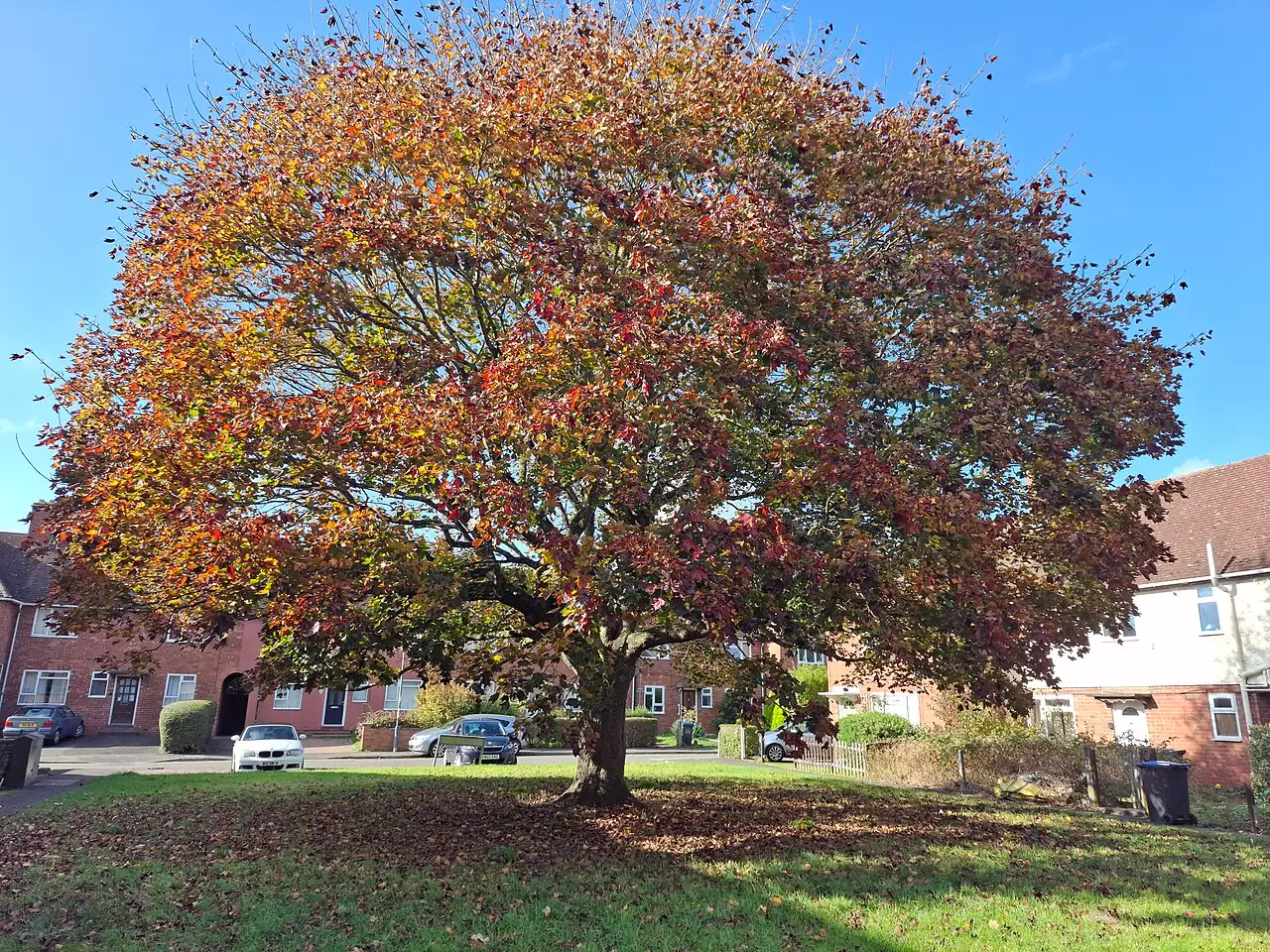
- Size: Up to about 45 m (148 ft) tall; crown broad and rounded with age.
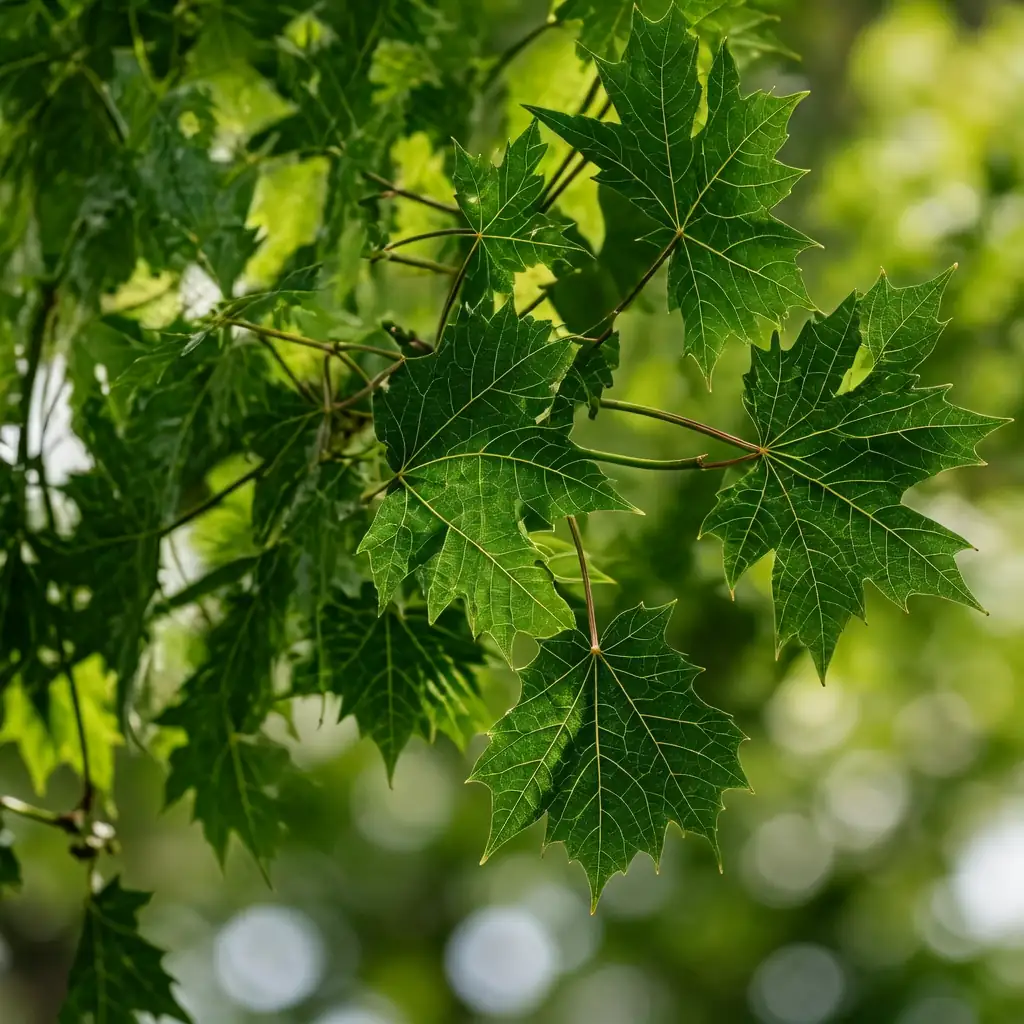
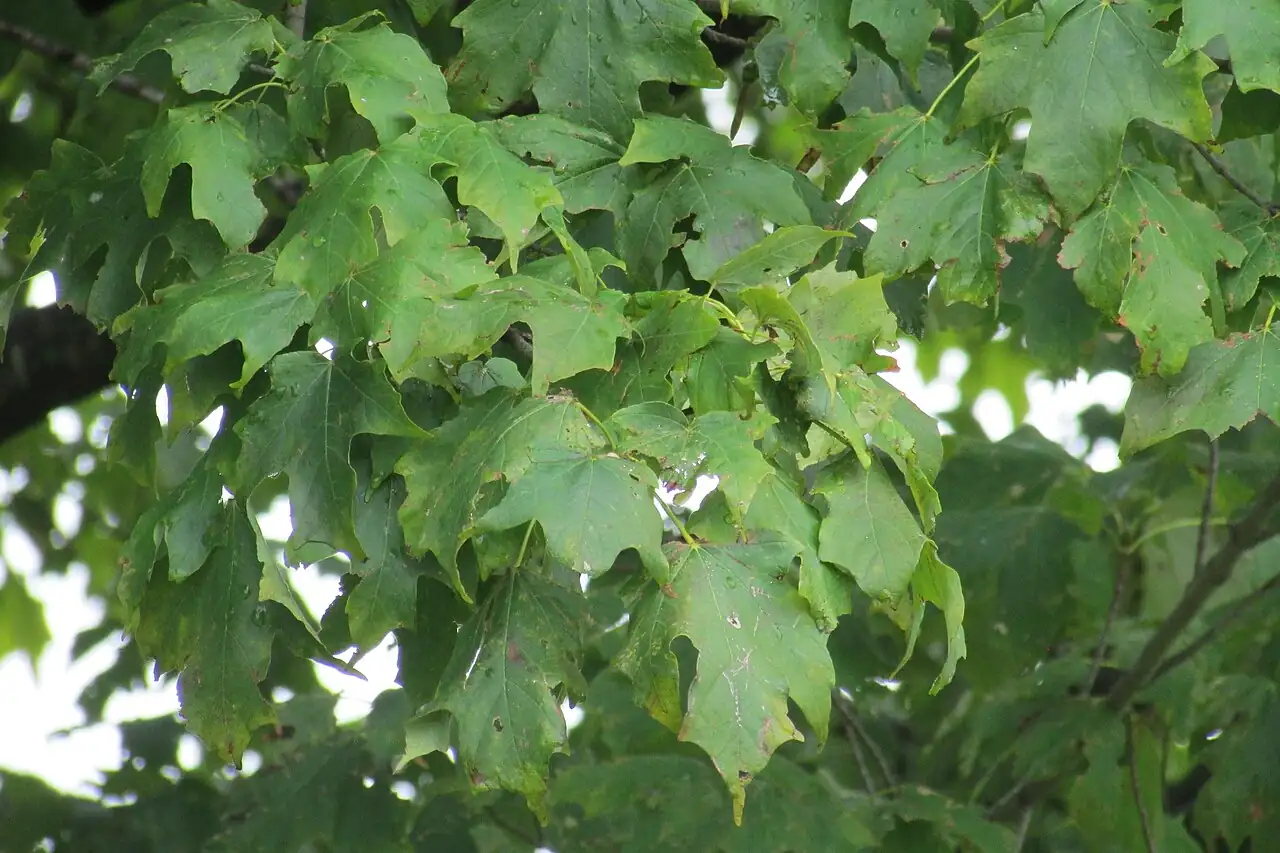
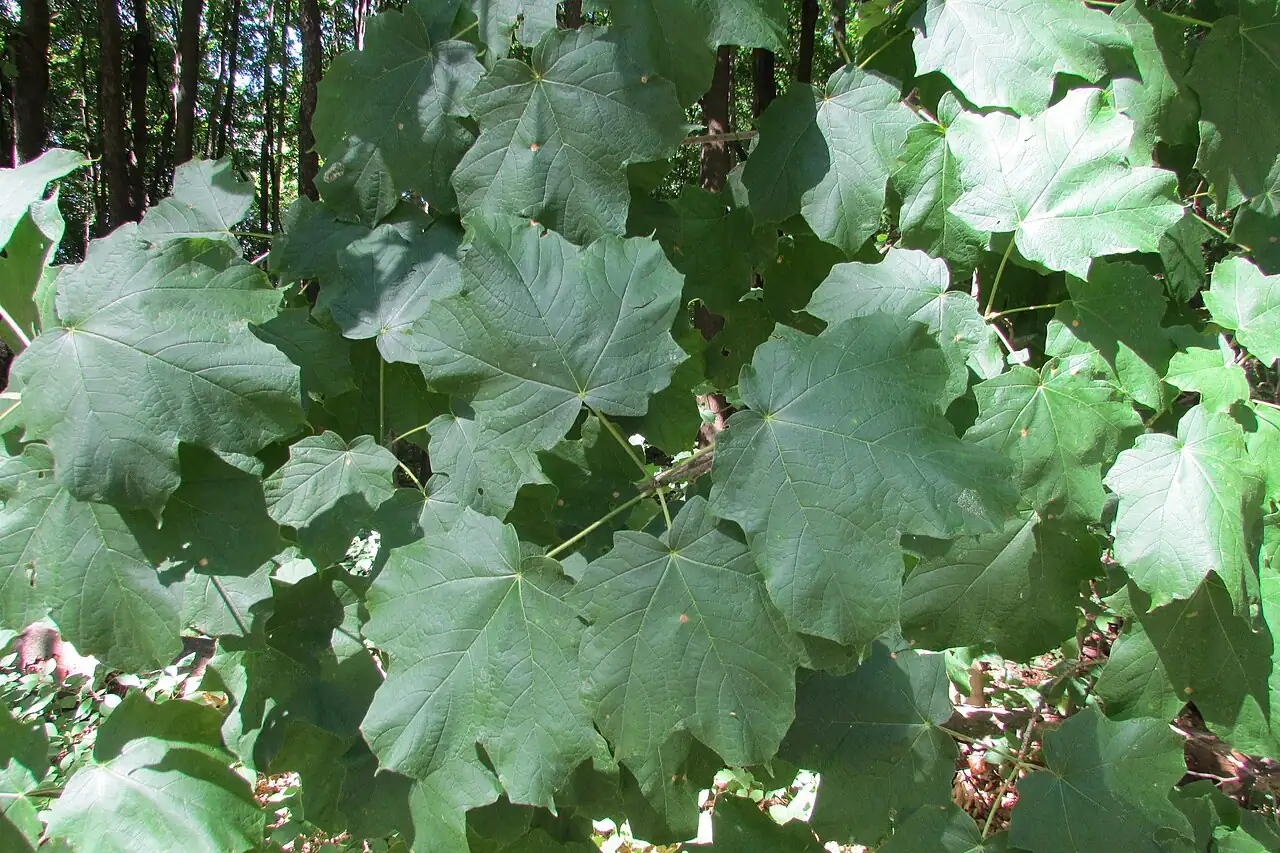
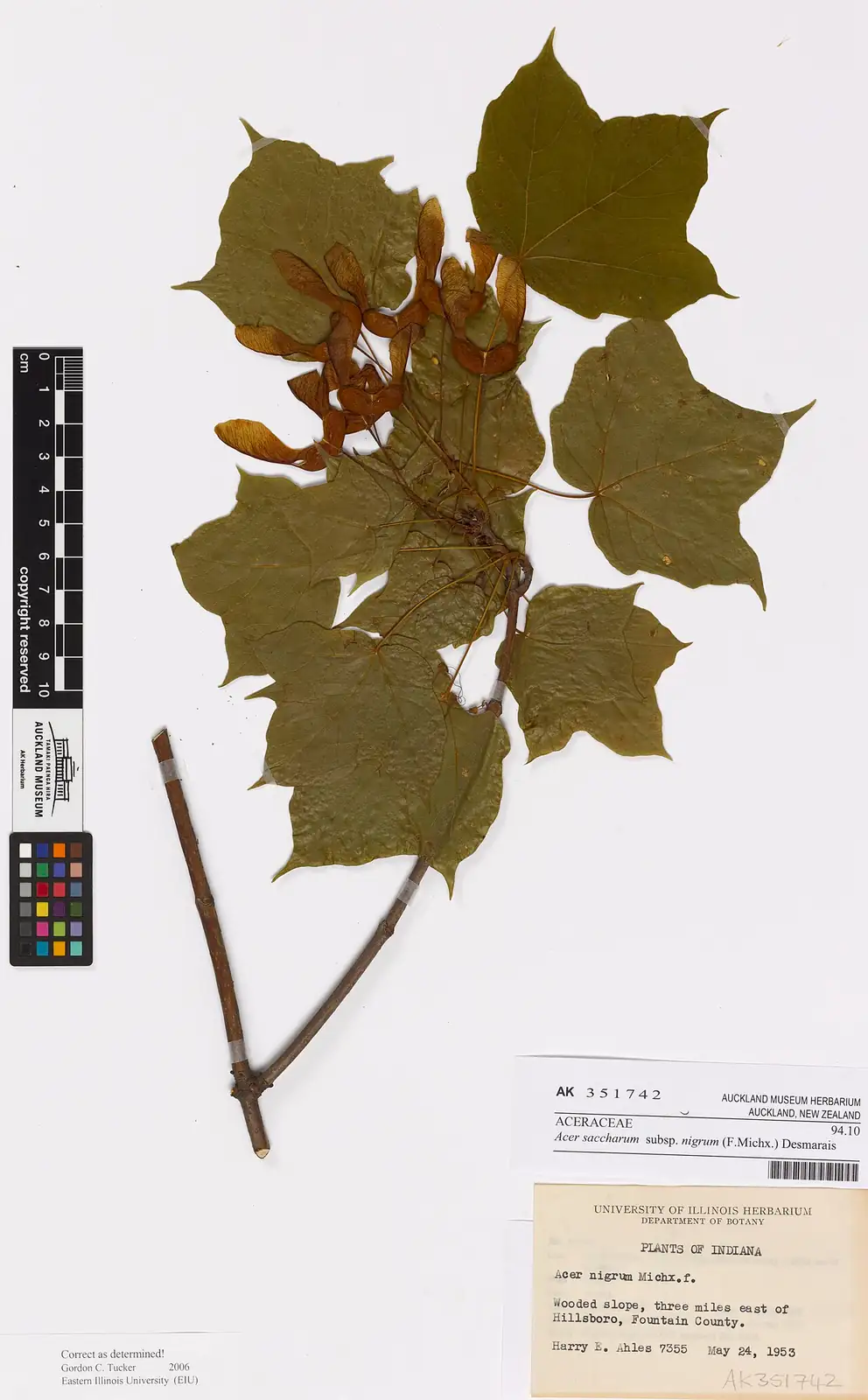
- Foliage: Leaves are opposite and palmately lobed, most often with 5 pointed lobes and fine teeth along the edges. The leaf base can be slightly heart-shaped. When the tree is cut or wounded, it may “bleed” noticeably sweet sap.
- Flower: Small yellow-green flowers held in clusters, with petals absent or very reduced (a typical maple trait). Flowers appear before the leaves fully expand, or right as new foliage emerges.
- Flowering Season: April–May
- Growth Habit: Long-lived, upright deciduous tree with a stately habit; often exceeds 100 years in age.
Environment
Sunlight
Full sun to partial shade (best fall color in full sun).
Temperature
Prefers cool-temperate climates; typical growth range about 10–25°C (50–77°F).
Humidity
Moderate moisture preferred; tolerates some dryness once established but dislikes prolonged drought.
Soil
Deep, well-drained loam is ideal. It can cope with less-than-perfect soils, but is sensitive to saline/alkaline conditions and de-icing salts, which can contribute to stress and leaf scorch.
Placement
Outdoors only—best as a street tree, park tree, or large-garden shade tree with plenty of room for canopy spread and roots. In China, it is generally more successful in cooler northern areas such as the Northeast and North China.
Hardiness
USDA Hardiness Zone 3–8 (cold hardy; not suited to hot, humid subtropics).
Care Guide
Difficulty
Generally easy in the right climate: cold hardy and adaptable, and it tolerates some shade and imperfect soil. It performs best in deep, well-drained ground and may struggle in heat, in compacted sites, or where soils are alkaline/salty (including areas exposed to de-icing salts).
Buying Guide
Pick a vigorous young tree with a straight central leader, well-spaced branches, and no trunk injuries. Avoid plants that are badly pot-bound or showing girdling roots. Look for healthy foliage—scorched edges or early browning can hint at stress or poor site suitability.
Watering
Water deeply during establishment (roughly the first 1–2 years). Aim for evenly moist soil, never soggy. In hot or dry spells, provide extra water to prevent drought stress and leaf scorch. Mulch 5–8 cm (2–3 in) to conserve moisture, but keep mulch pulled back from direct contact with the trunk.
Fertilization
Usually needs little to no feeding. If growth is weak, apply a balanced slow-release fertilizer in early spring following label directions. Avoid heavy nitrogen late in the season.
Pruning
Prune in late winter while dormant to shape structure and remove dead, weak, or crossing branches. Avoid heavy pruning in spring when sap flow is strong.
Propagation
Most commonly grown from seed (winged samaras) after cold stratification. Named ornamental selections are typically grafted or budded onto suitable rootstock to stay true to type.
Repotting
Not applicable for trees planted in the ground. For container-grown young trees, pot up only when needed and plant into the landscape before the root system becomes tightly bound.
📅 Seasonal Care Calendar
Spring: plant and water well; fertilize lightly only if needed. Summer: watch for drought stress and leaf scorch; water during prolonged dry periods. Autumn: enjoy the color; collect seed if desired. Winter: structural pruning during dormancy; protect young trees from mechanical damage and salt exposure.
Pests, Diseases & Safety
Common Pests & Diseases
Possible pests include aphids, scale insects, and caterpillars. Diseases may include tar spot, anthracnose, and cankers. Leaf scorch is a frequent issue in heat/drought or in salty, compacted, or alkaline soils—improving watering, mulching, and overall site conditions is usually more effective than spraying.
Toxicity
Generally considered non-toxic to people and to dogs/cats. Important exception: wilted or dried maple leaves (including sugar maple) can be toxic to horses—do not allow equines access to fallen leaves.
Culture & Symbolism
Symbolism: Often linked with endurance and strength, and cherished as a symbol of the beauty of seasonal change—an iconic “autumn tree” in North America.
History & Legends: Indigenous peoples of northeastern North America developed methods to collect and concentrate maple sap long before European settlement. Over time, sugar maple became the backbone of the maple syrup tradition and a celebrated landscape tree.
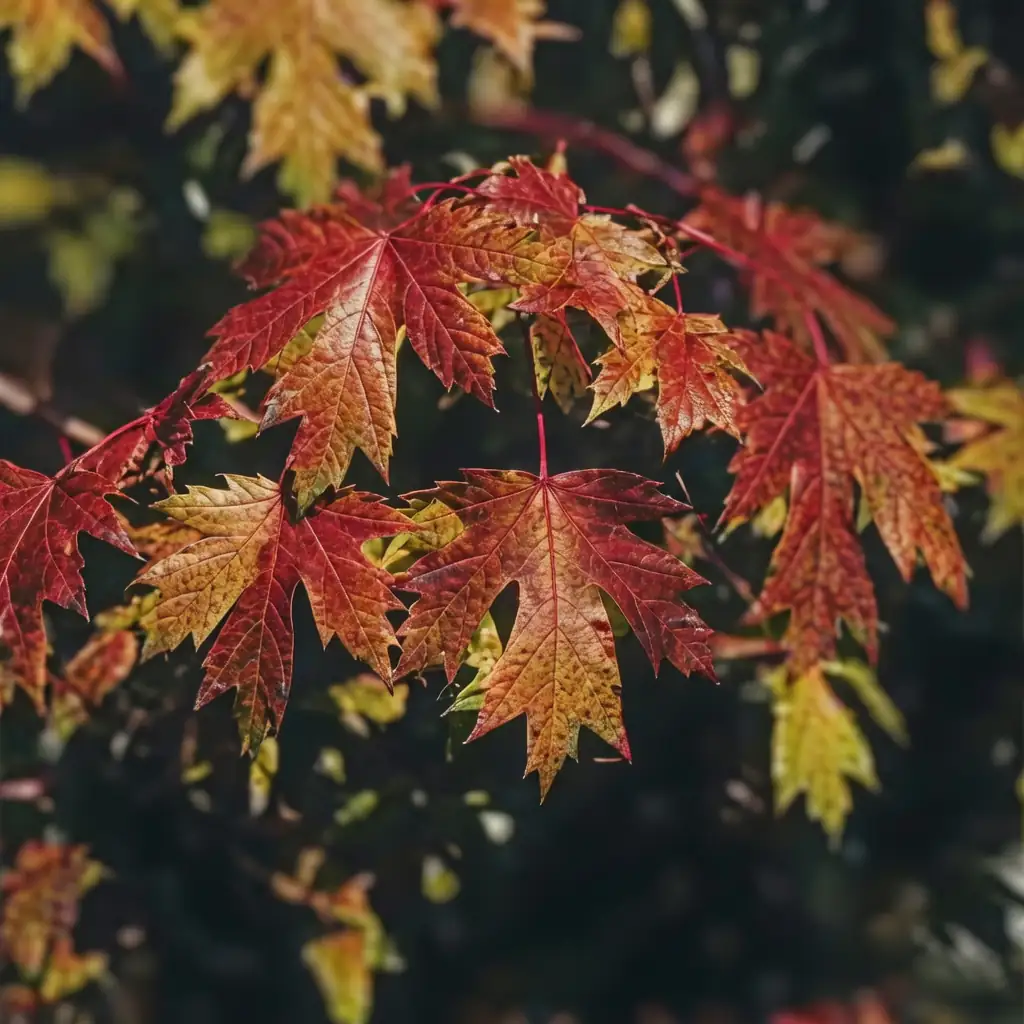
Uses: A premier shade and street tree prized for its elegant form and intense fall foliage (often glowing yellow, orange, and red). Its sweet sap is tapped for maple syrup and maple sugar. The timber—sold as hard maple—is valued for flooring, furniture, and other durable wood products.
FAQ
When does it flower?
April–May.
When does it fruit?
September–October, when the winged samaras mature and disperse.
How tall can it grow?
Up to about 45 m (148 ft) in ideal conditions.
Where is it native and where is it grown?
It’s native to eastern North America and has been introduced to China, where it generally performs best in cooler northern regions such as Northeast and North China.
What is it mainly used for?
As a high-quality landscape and street tree with outstanding fall color; it’s also tapped for sweet sap to make maple syrup.
How long can it live?
Often more than 100 years, and sometimes much longer when grown in good conditions.
Fun Facts
- Sugar maple is one of the main trees used for maple syrup production.
- Its sap is noticeably sweet compared with many other tree saps.
- A well-sited tree can live for well over a century.
- Mature specimens can reach around 45 m (148 ft) tall.
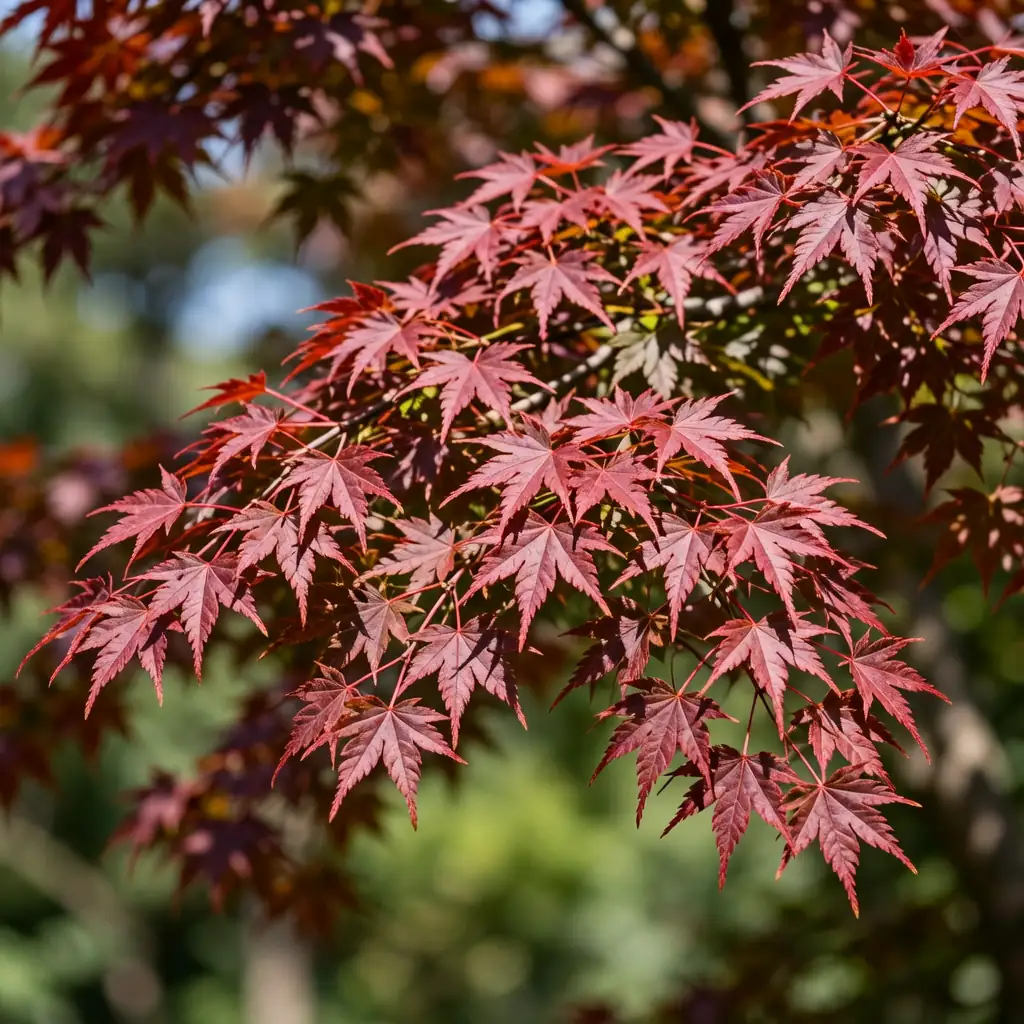
- Fall foliage can light up in brilliant gold, orange, and red tones.


