

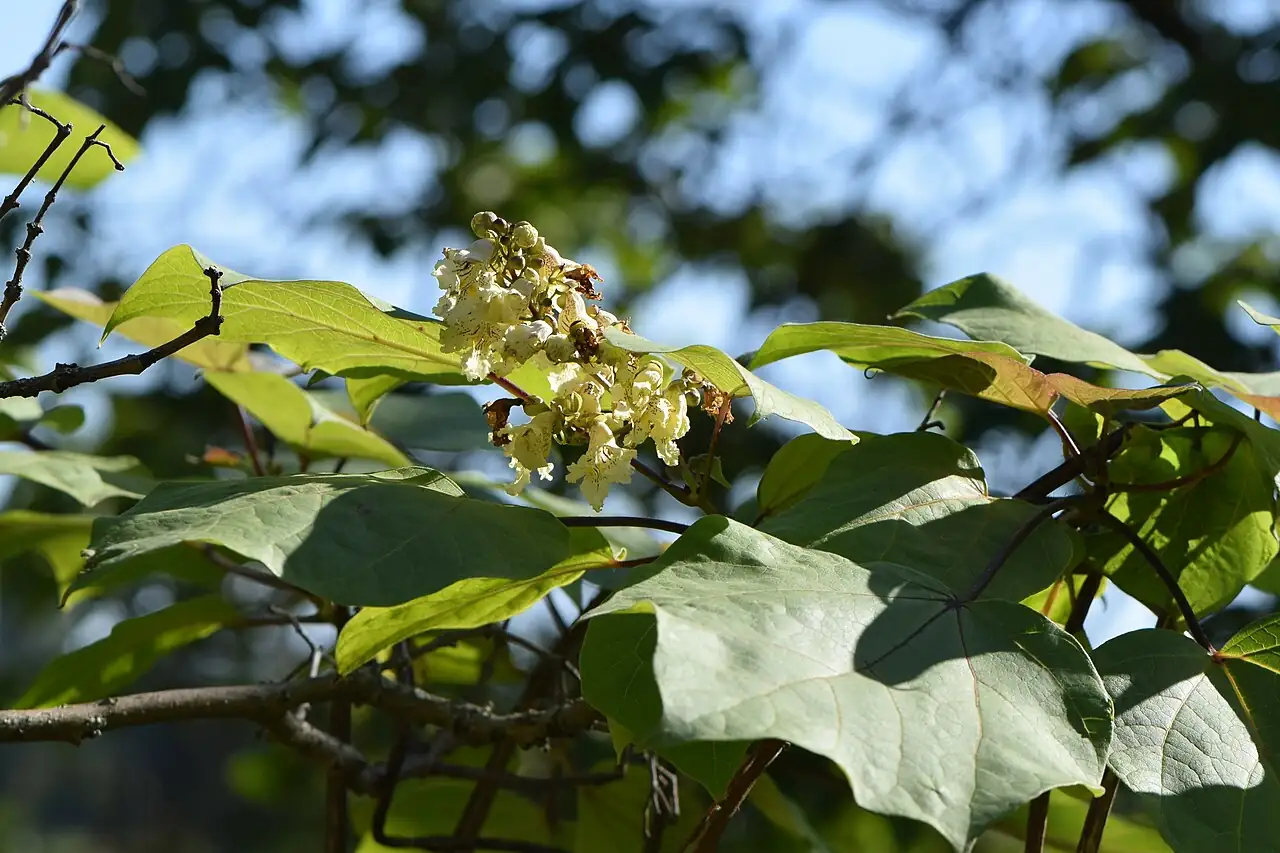
Plant Features
- Size: Up to about 15 m (49 ft) tall; crown spread varies with site and age.
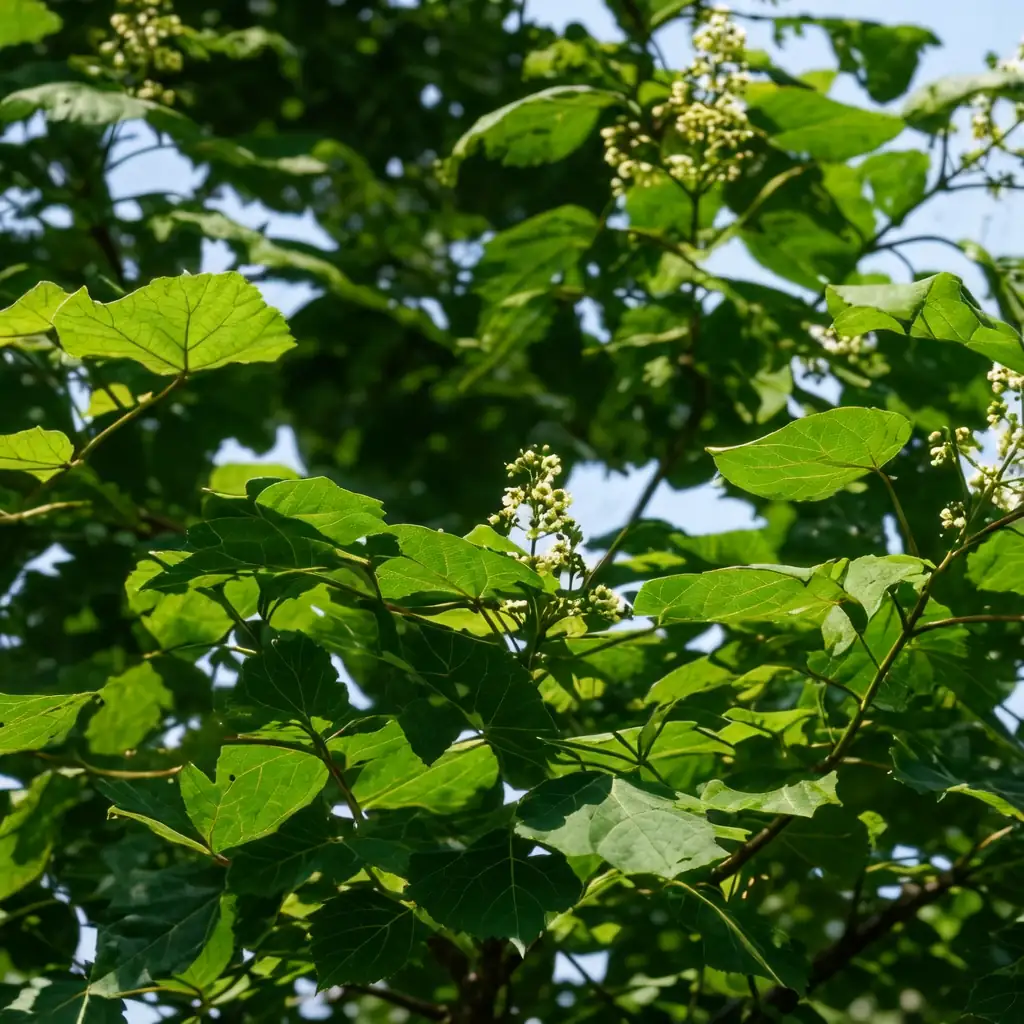
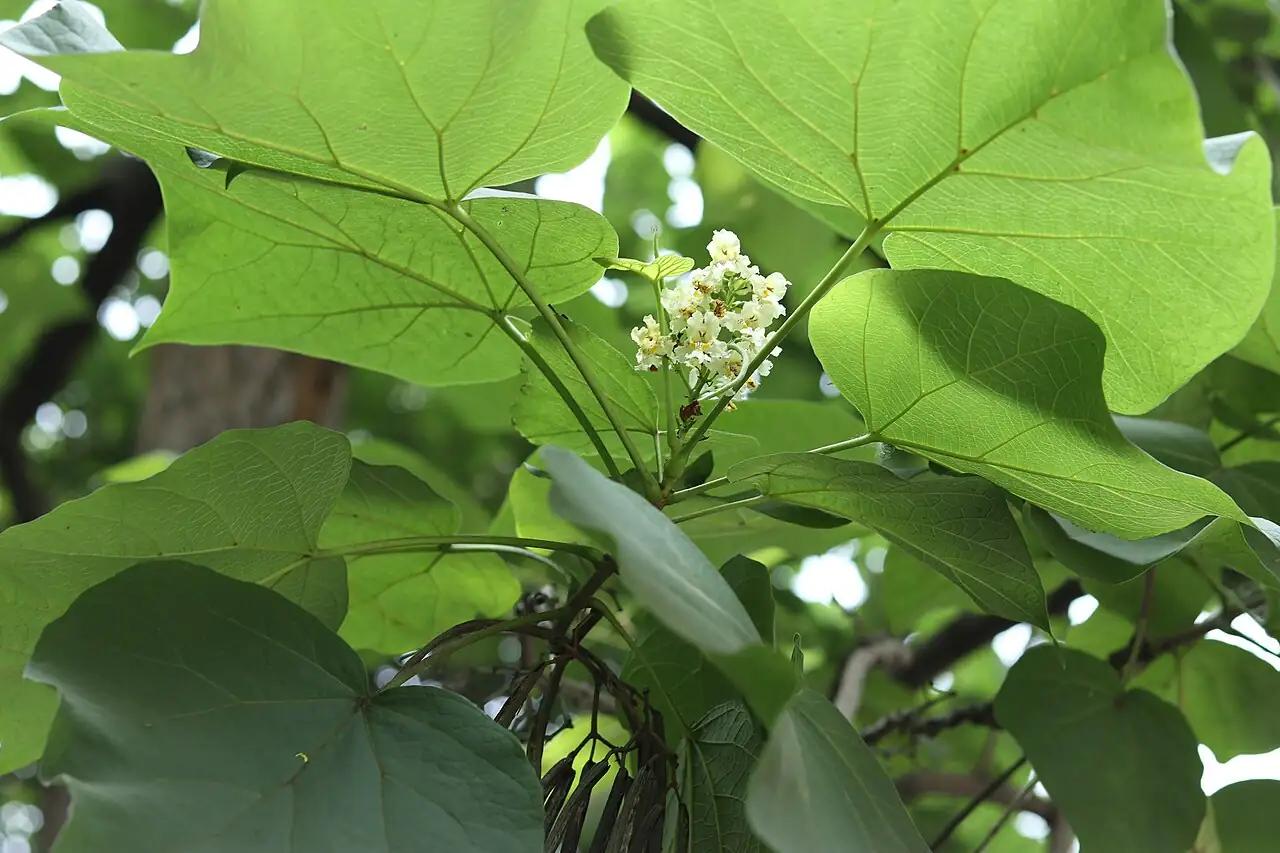
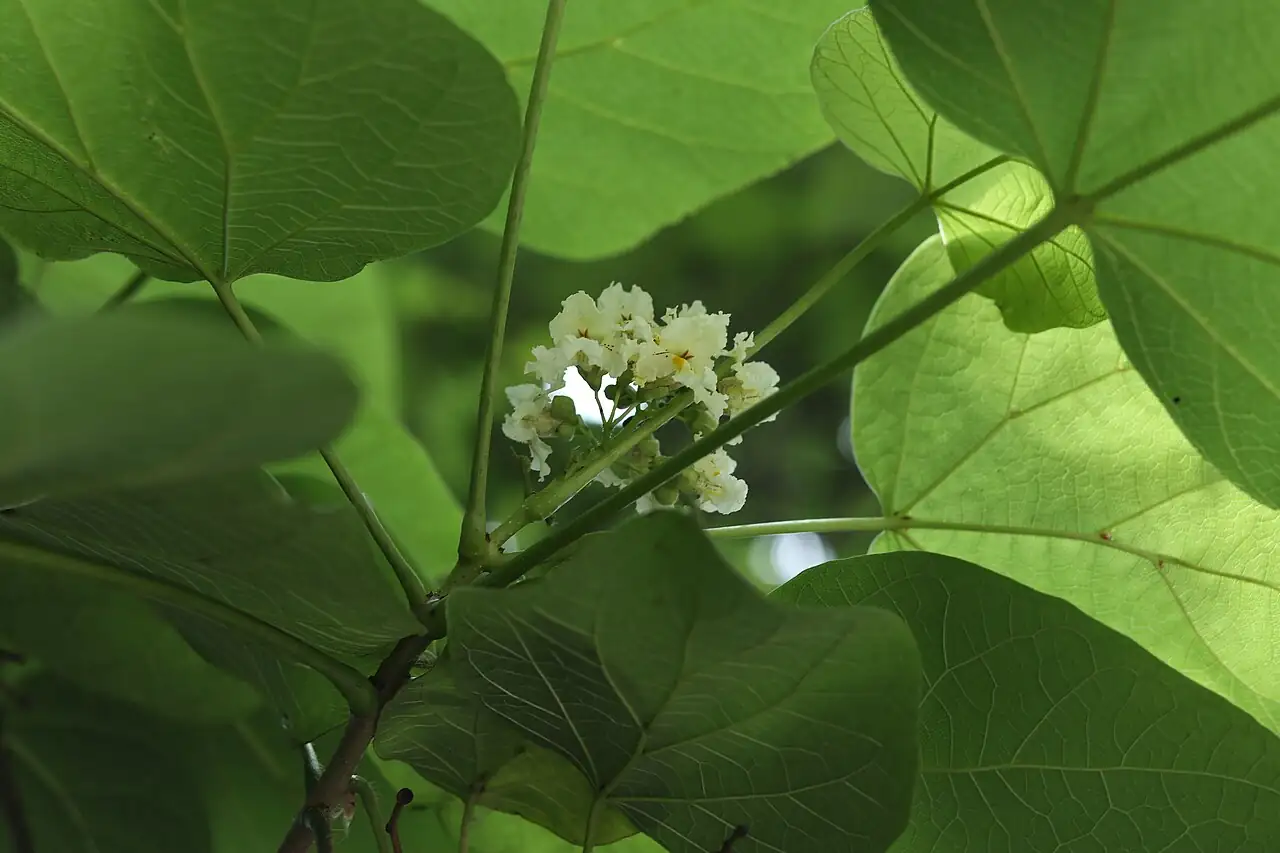
- Foliage: Leaves are opposite or nearly opposite (sometimes appearing in whorls), broadly ovate with a heart-shaped base and a tapered tip. Margins are entire to slightly wavy; leaves are often shallowly 3-lobed.
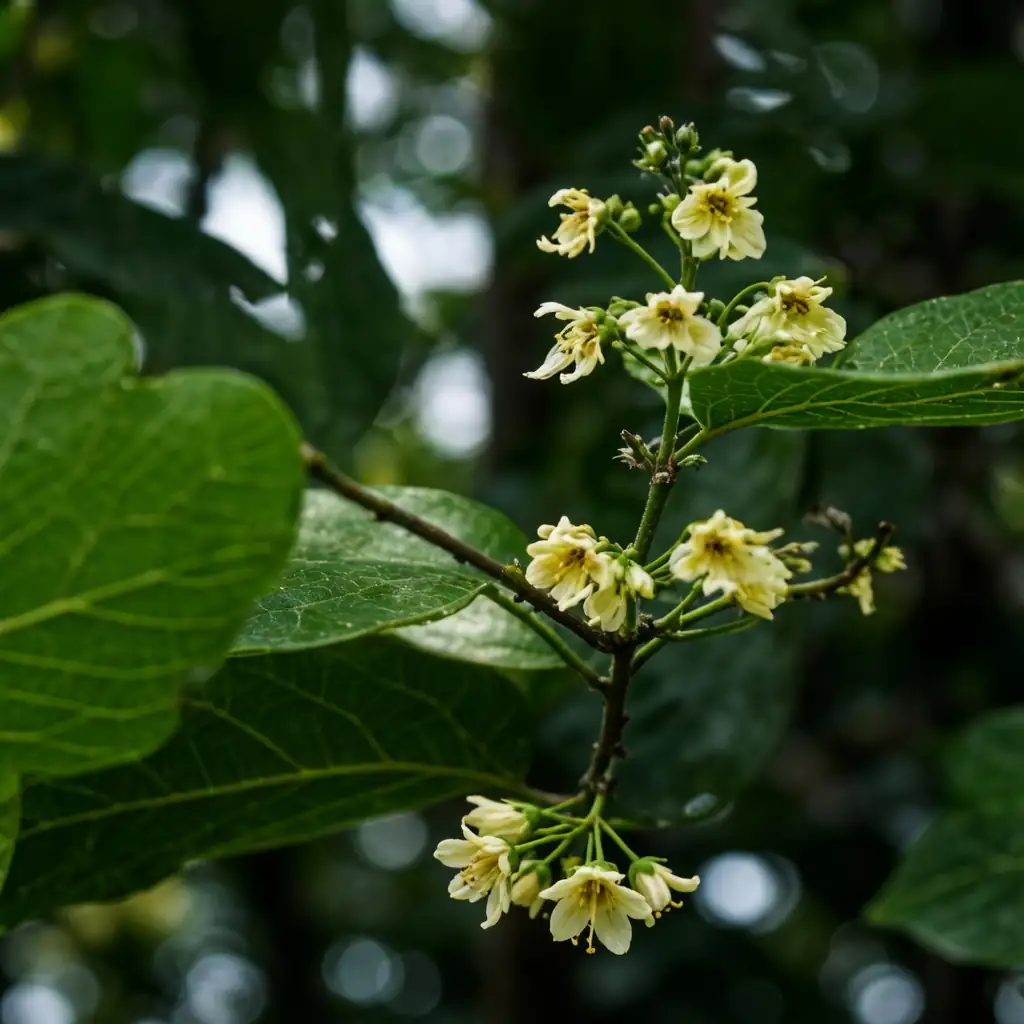
- Flower: Flowers are borne in terminal panicles. The corolla is bell-shaped and pale yellow, with two yellow stripes and purple spotting inside, creating a distinctly patterned throat.
- Flowering Season: May–June
- Growth Habit: Deciduous, upright tree with a straight main trunk; young shoots may be lightly hairy.
Environment
Sunlight
Full sun is best; tolerates light/partial shade.
Temperature
Cold-hardy and adaptable; best growth around 10–30°C (50–86°F) and tolerant of winter cold once established.
Humidity
Average outdoor humidity is fine; not fussy provided the soil drains well.
Soil
Adaptable: grows in slightly acidic to neutral soils and can also tolerate mildly calcareous (lime-containing) soils; prefers well-drained loam.
Placement
Outdoors in full sun for best flowering—ideal as a street, park, or shade tree, and commonly used in urban-greening and ecological landscape plantings. In nature it’s often associated with moist valleys, river valleys, and low-lying gullies.
Hardiness
USDA Zone 5–8 (approx.); avoid severe late frosts on tender young growth.
Care Guide
Difficulty
Easy to moderate; generally tough and adaptable once established.
Buying Guide
Choose a tree with a straight leader, healthy buds, and no cankers or dieback. Avoid pot-bound stock; look for a clear root flare and minimal circling roots.
Watering
Water regularly for the first 1–2 growing seasons to establish deep roots. After establishment, water during prolonged dry spells; avoid constantly waterlogged soil.
Fertilization
Usually minimal. If growth is weak, use a balanced slow-release fertilizer in spring at label rates. Avoid heavy nitrogen, which can push soft growth that’s more vulnerable to frost.
Pruning
Prune in late winter to early spring: maintain a single leader, remove crossing/damaged branches, and raise the canopy if used as a street tree. Avoid heavy pruning during active growth.
Propagation
Typically grown from seed: sow in spring and keep evenly moist and warm for best germination. Named ornamental selections may be propagated by cuttings or grafting.
Repotting
Not applicable for in-ground trees. For container-grown young plants, up-pot in spring into a deeper container and prevent root circling.
📅 Seasonal Care Calendar
Spring: plant, mulch, and keep young trees evenly watered; watch budbreak. Late spring–early summer: flowering period; monitor for pests. Summer: deep water during drought. Autumn: reduce watering; allow leaf drop; avoid late fertilizing. Winter: structural pruning and general inspection.
Pests, Diseases & Safety
Common Pests & Diseases
May attract aphids, scale insects, and caterpillars; leaf spots can show up in humid weather. Keep the tree vigorous with correct watering and spacing, prune out heavily infested growth, and use horticultural oil or appropriate controls if outbreaks become severe.
Toxicity
Not generally considered highly toxic to people or pets. Still, chewing or ingesting non-food plant parts can cause mild stomach upset—discourage pets from gnawing and avoid contact with sap if you have sensitive skin.
Culture & Symbolism
Symbolism: Often linked with “home,” “roots,” and remembrance in East Asian cultural context, reflecting its long history as a village and timber tree.
History & Legends: Long planted around settlements for its practical wood value, it later became a popular urban-greening tree thanks to its tolerance of smoke, dust, and industrial air pollution.
Uses: Ornamental and environmental planting for streets, parks, and ecological landscape forests. It can help trap dust and tolerates certain air pollutants (including sulfur dioxide and smoke). The timber is used for furniture and other woodworking uses.
FAQ
When does Chinese catalpa flower?
Typically May–June (late spring to early summer).
When does it set fruit?
Usually October–November (autumn), forming long pods typical of catalpas.
How tall can it grow?
Up to about 15 m (49 ft) under good conditions.
Where does it grow naturally?
Mainly in China—especially the Yangtze River basin and areas to the north—often in low-lying mountain gullies and river valleys.
What growing conditions does it prefer?
Full sun for best growth and flowering, though it tolerates light shade. It’s cold-hardy and adaptable, preferring well-drained loam but tolerating slightly acidic to neutral soils and even mildly calcareous soils.
Fun Facts
- The flower’s throat has yellow stripes and purple spotting, giving each bloom a hand-painted look.
- It’s widely used in city landscaping because it tolerates dust and certain air pollutants better than many ornamental trees.
- Its wood has a long tradition of practical use, including furniture-making.
- Although commonly planted, truly wild trees can be locally uncommon; natural habitat is often tied to moist valleys and gullies.


