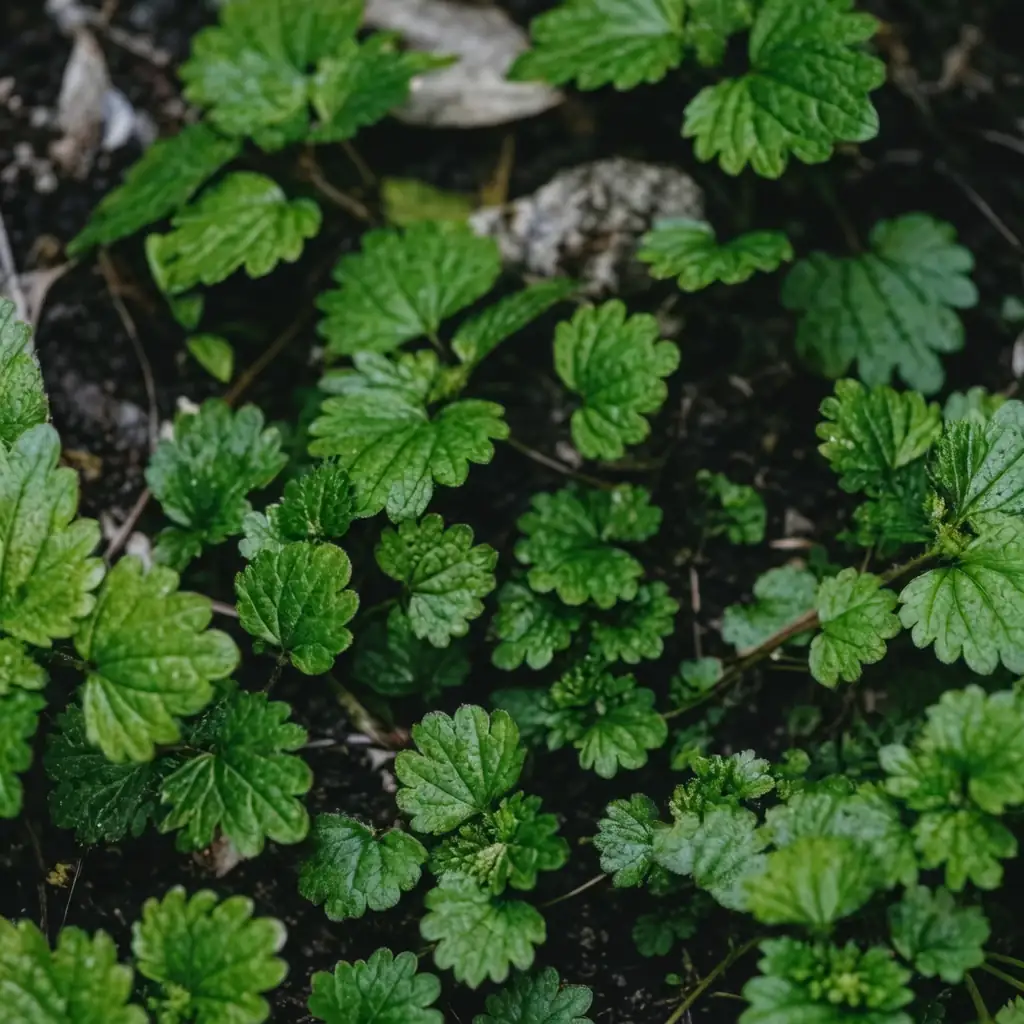
Plant Features
- Size: Typically 10–30 cm (4–12 in) tall; spreads outward by creeping, rooting stems to form mats.
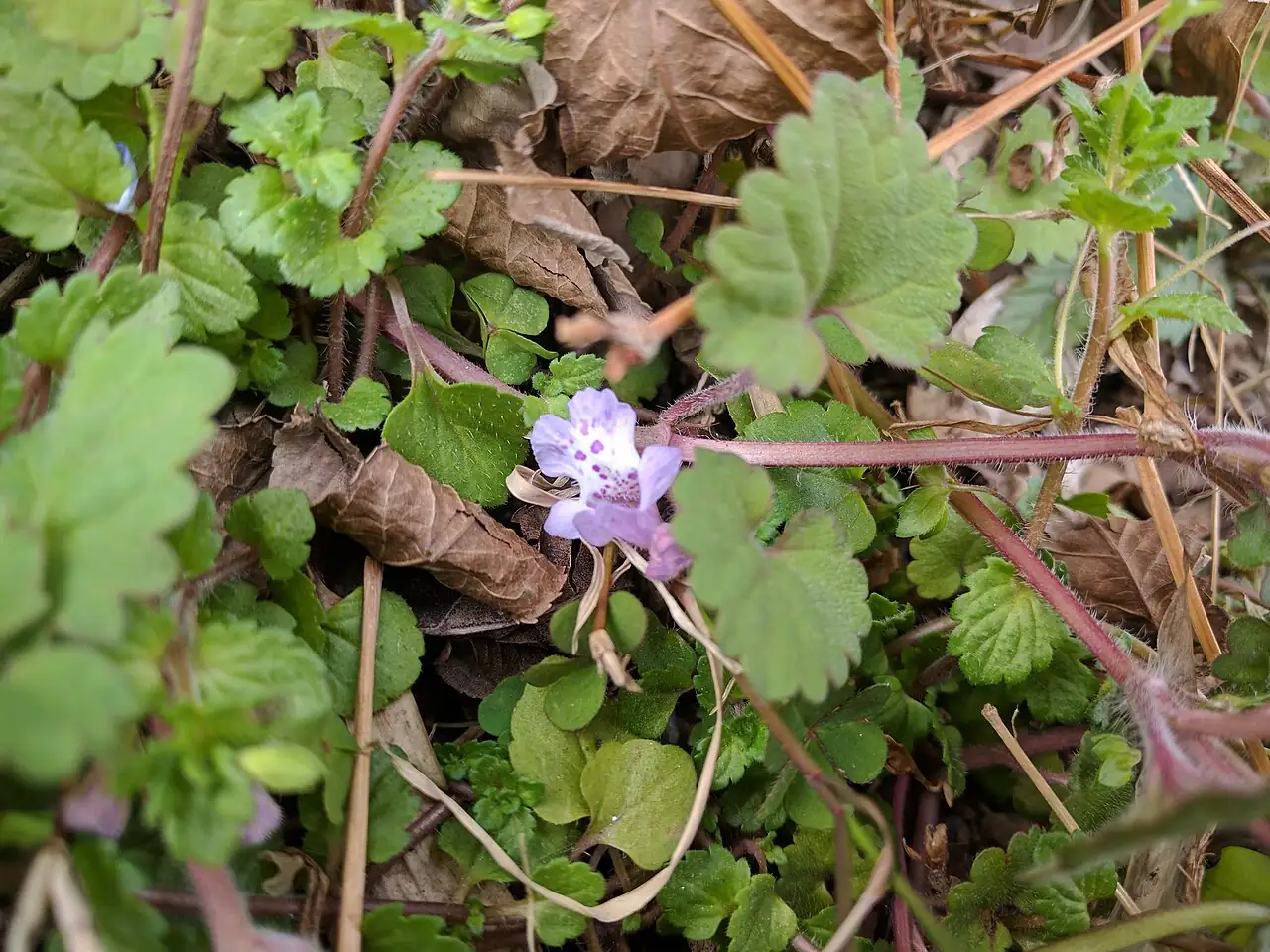
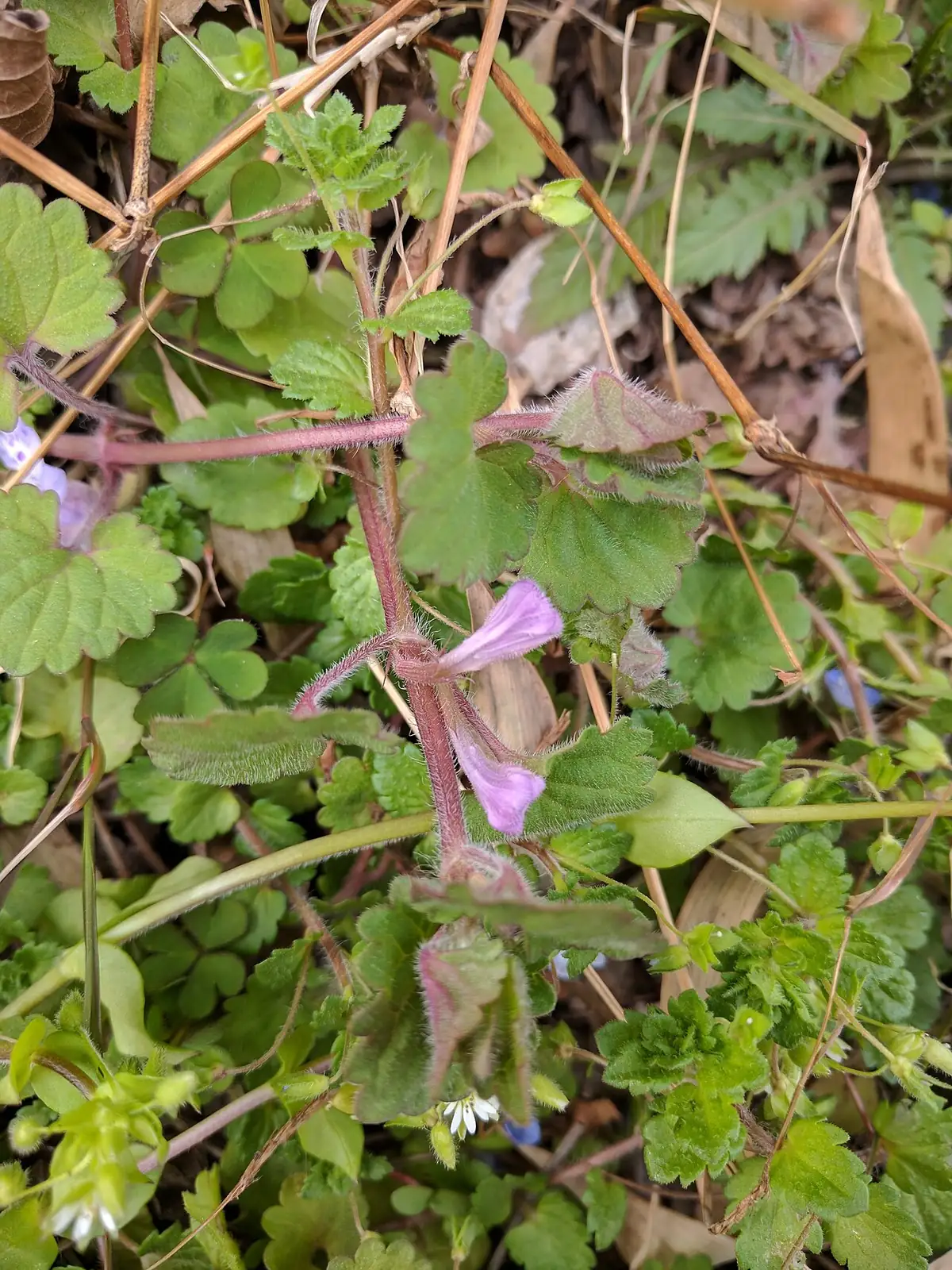
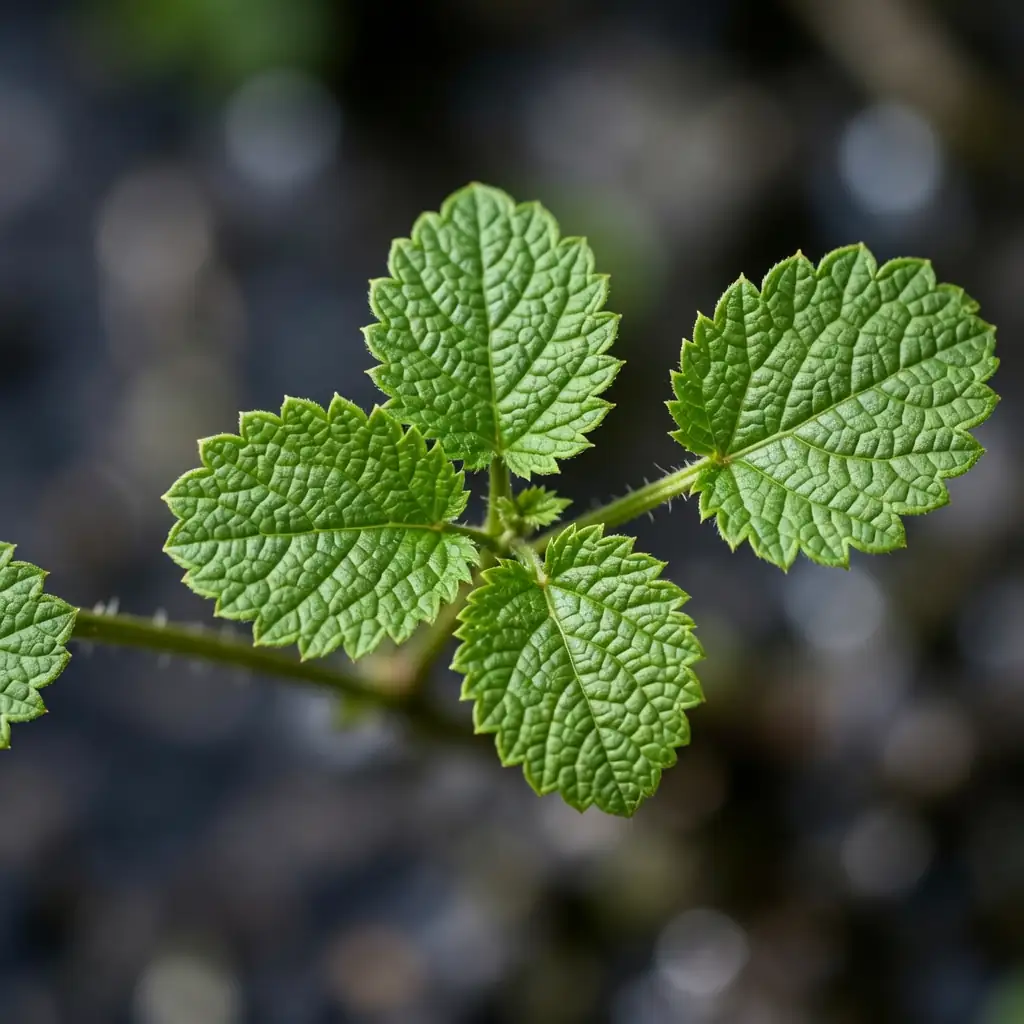
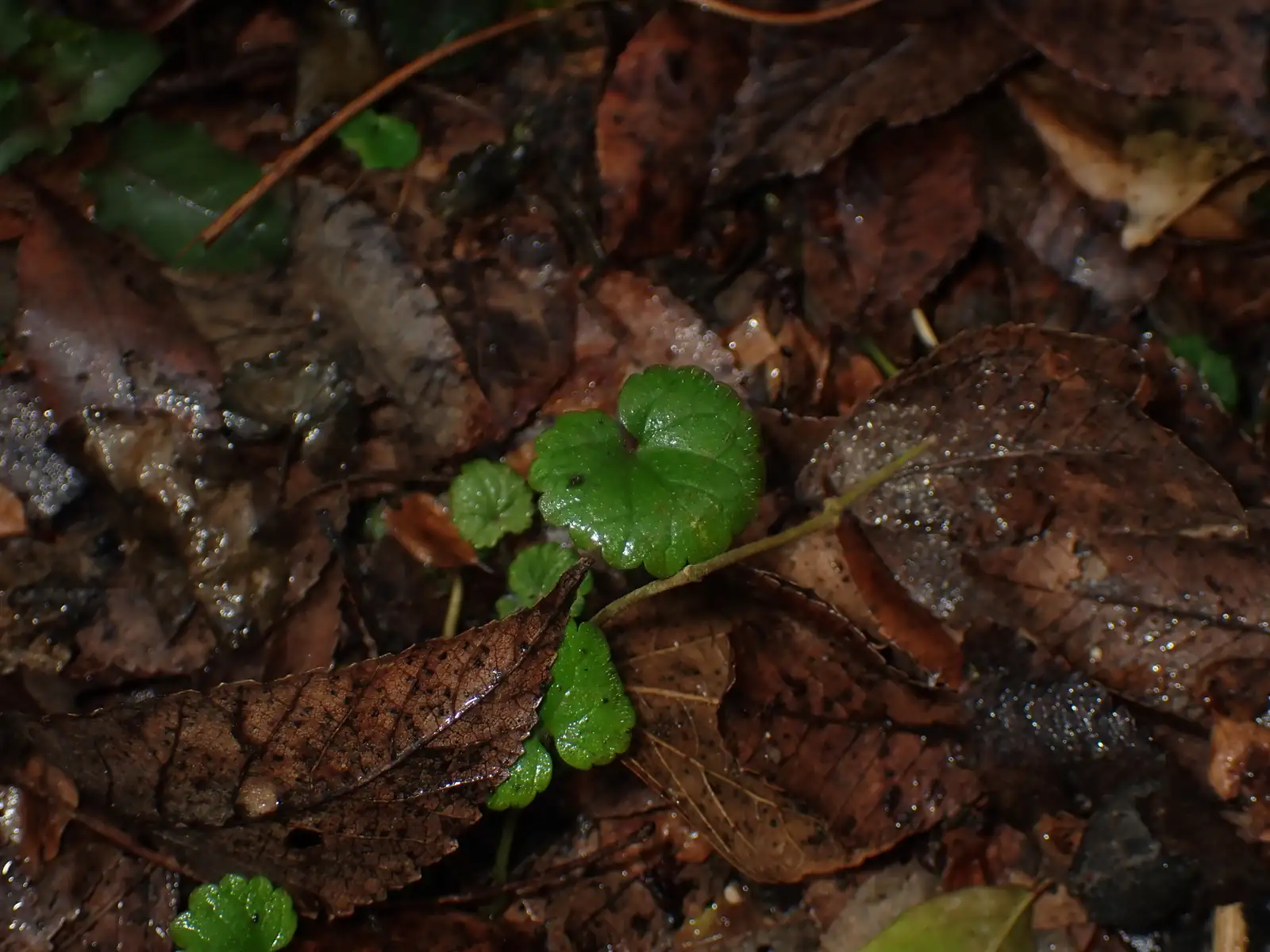
- Foliage: Soft, herbaceous leaves with a fresh green look; blades are heart-shaped to kidney-shaped with lightly scalloped margins. Lower leaves may be smaller, especially along trailing stems.
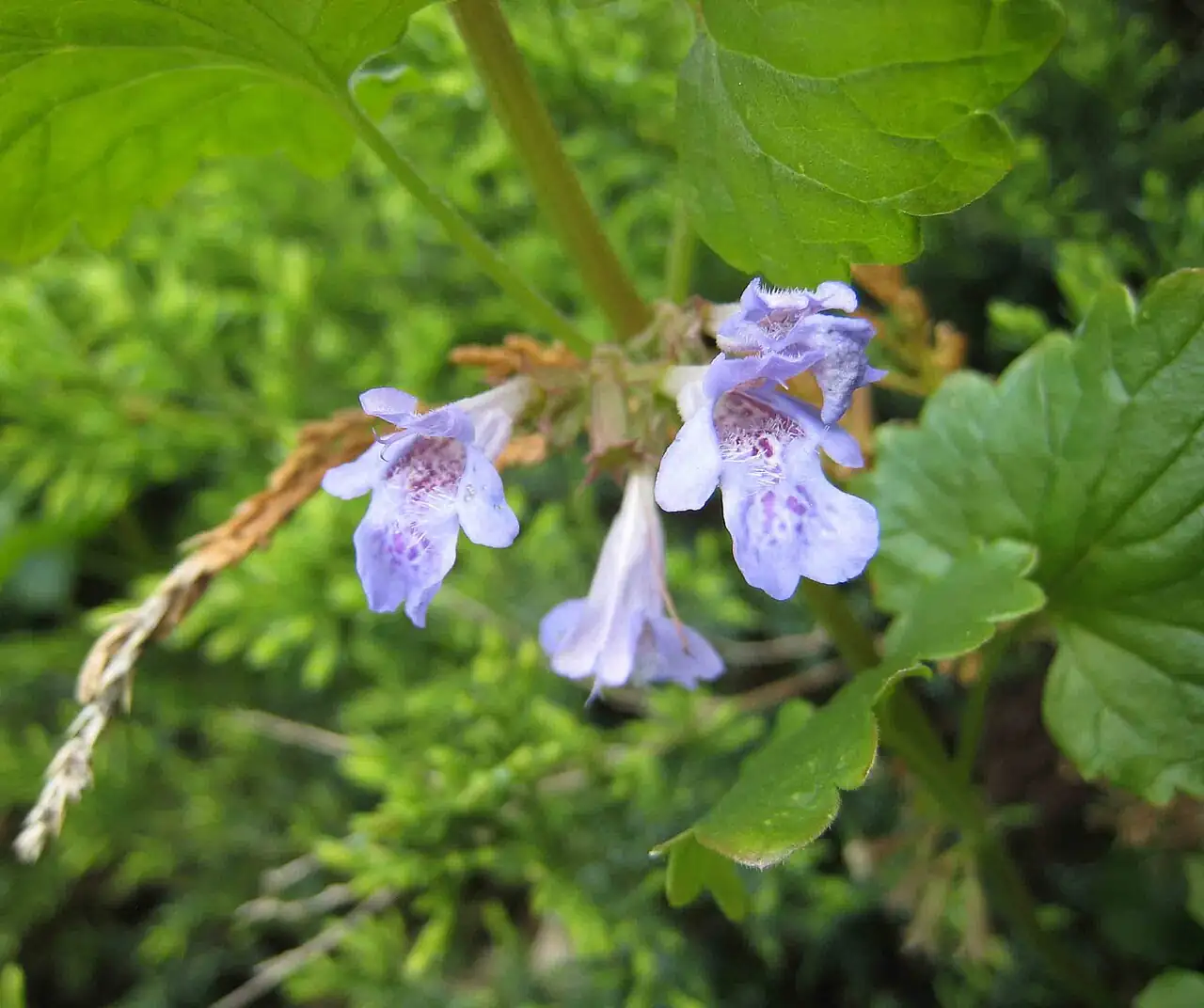
- Flower: Small, mint-family (two-lipped) flowers produced in whorled clusters, commonly with about 2 flowers per node. After flowering, it forms dark brown nutlets that are oblong to ovoid when mature.
- Flowering Season: April–May
- Growth Habit: Creeping, mat-forming perennial herb; stolon-like stems trail and root readily at the nodes.
Environment
Sunlight
Partial shade to shade; happiest in bright, dappled light and can struggle in harsh, hot direct sun.
Temperature
Cool to warm temperate conditions; best growth around 10–25°C (50–77°F).
Humidity
Prefers consistently moist air and soil—think woodland-edge or streamside conditions rather than dry indoor heat.
Soil
Adaptable, but performs best in loose, fertile, well-drained soil kept evenly moist; a humus-rich mix is ideal (avoid heavy, waterlogged soils).
Placement
Great as a shaded groundcover under trees, along woodland borders, or near water features. In pots, place in a cool bright-shade position such as a north- or east-facing balcony/patio.
Hardiness
Cold-hardy temperate perennial; commonly suitable outdoors in USDA Zones 5–9 (about −29 to −1°C / −20 to 30°F, depending on local conditions and winter wet).
Care Guide
Difficulty
Easy. It’s vigorous and forgiving once settled; the main “care task” is simply keeping it from wandering where you don’t want it.
Buying Guide
Look for fresh, evenly green leaves and firm, healthy creeping stems. Avoid plants sitting in sour-smelling, waterlogged soil, or with blackened, mushy stem bases (a rot warning sign).
Watering
Keep soil evenly moist during active growth. Water when the top 1–2 cm (0.4–0.8 in) starts to dry, then water thoroughly; avoid prolonged sogginess, which can invite rot.
Fertilization
Light feeder. Use a balanced fertilizer diluted to 1/4–1/2 strength every 4–6 weeks in spring and early summer. Reduce or stop in late summer and autumn.
Pruning
Trim runners to control spread and encourage bushier growth. Remove yellowing leaves, and thin dense mats to improve airflow (especially in humid, still sites).
Propagation
Very easy: root stem cuttings or divide established mats. You can also “peg” a creeping stem onto moist soil so it roots at the nodes, then snip and pot up the new plant. Seed is possible where available.
Repotting
Repot in spring as needed (often every 1–2 years), especially if pot-grown and root-bound. Refresh with a loose, humus-rich mix and ensure good drainage.
📅 Seasonal Care Calendar
Spring: peak growth and flowering—keep evenly moist; lightly trim after blooming. Summer: give shade and steady moisture; pinch back to prevent legginess. Autumn: reduce feeding; keep slightly drier but don’t let it fully dry out. Winter: in cold areas, mulch outdoor plants; keep container plants cool and just lightly moist.
Pests, Diseases & Safety
Common Pests & Diseases
Usually trouble-free. In poorly drained or constantly wet conditions, root/stem rot can occur. Indoors or in stressed containers, aphids or spider mites may appear—improve airflow, avoid overfeeding, and treat with insecticidal soap if needed.
Toxicity
Not commonly listed as highly toxic, but chewing may cause mild stomach upset in sensitive people or pets. Do not eat or use medicinally unless correctly identified and sourced; folk use is not a substitute for medical advice.
Culture & Symbolism
Symbolism: Often linked with vitality and resilience—once it finds a comfortable spot, it roots, spreads, and greens up bare ground with ease.
History & Legends: It has a history of use in regional Chinese folk practices, typically using the above-ground parts (stems and leaves) in traditional preparations.
Uses: Ornamental: a shade-tolerant groundcover with sweet spring blooms. Traditional/Folk: the aerial parts have been used in folk herbal traditions for “clearing heat” and easing swelling or bruising (traditional concepts; not medical guidance).
FAQ
When does it flower?
Most often in spring, typically April–May, though timing shifts with local climate.
When does it set fruit?
Usually May–June; the nutlets mature to a dark brown color.
How tall does it get?
Around 10–30 cm (4–12 in) tall, while spreading outward by creeping stems.
What kind of habitat does it prefer?
Shady, moist places such as woodland edges, open woods, grasslands, and stream banks. It’s adaptable, but looks best in loose, fertile soil kept evenly moist.
What other common names might it be sold under?
It may be labeled as Ground Ivy or Creeping Charlie in English-speaking markets, but those names can also be used for related species, so the scientific name is the safest identifier.
Fun Facts
- Its creeping stems root at each node, letting it “stitch” living groundcover surprisingly fast.
- Flowers often appear as pairs at a node—an eye-catching little mint-family detail.
- Like many Lamiaceae plants, it produces nutlets (rather than a fleshy fruit) when mature.
- It’s commonly found in cool, damp, lightly shaded habitats across much of China.