Plant Features
- Size: Typically 10–30 cm (4–12 in) tall; forms low, tight clumps and can spread into a ground-hugging mat in favorable sites.
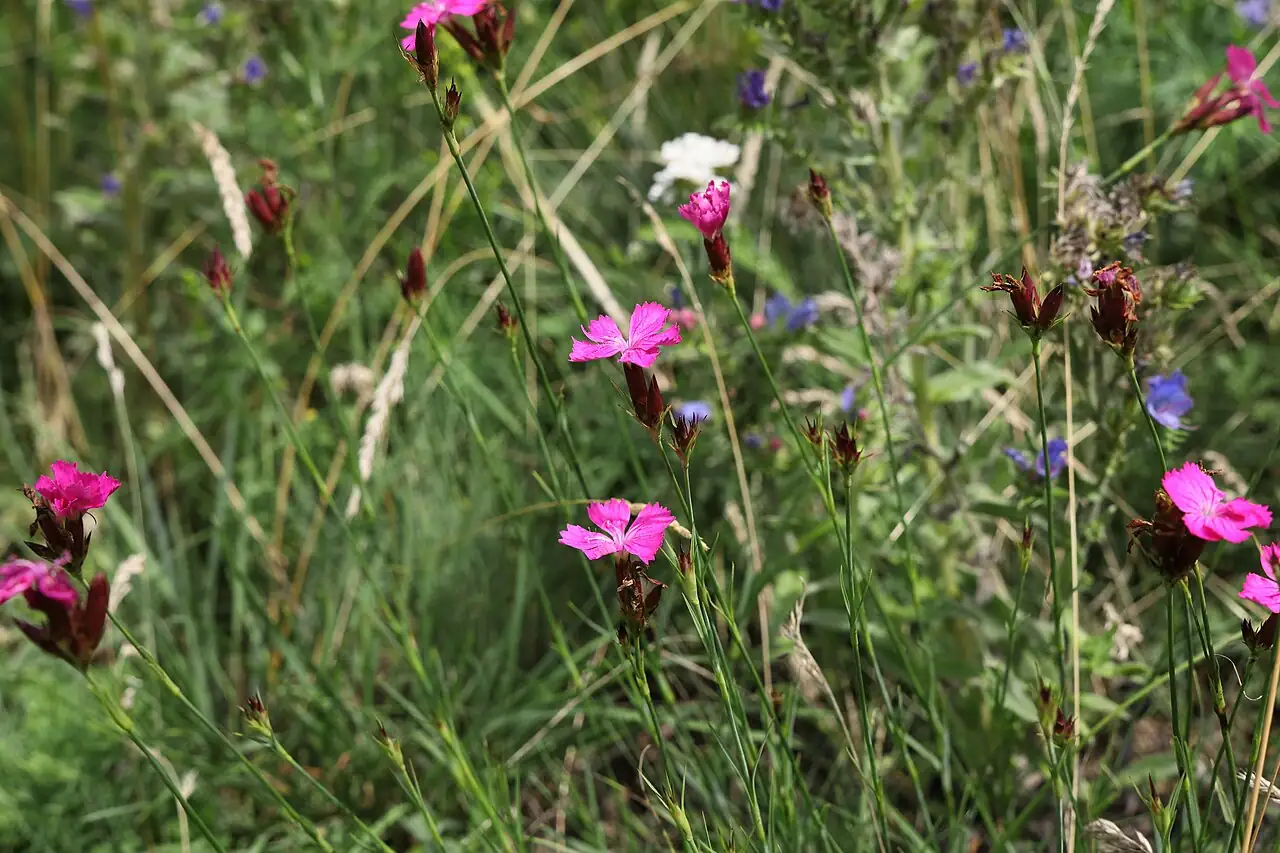
- Foliage: Hairless stems with narrow, grass-like basal leaves held in dense tufts; leaves form a noticeable sheath where they meet the stem. Often evergreen to semi-evergreen in milder or well-drained conditions.
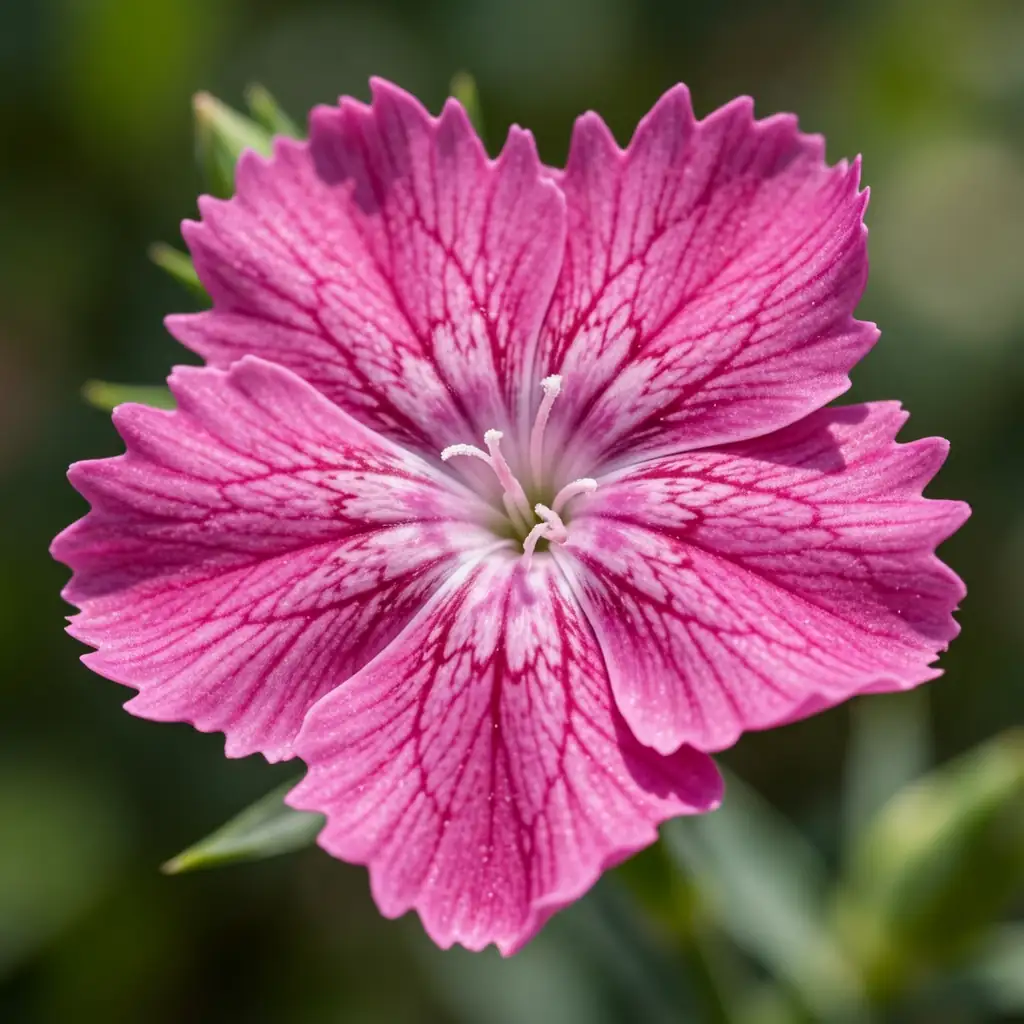
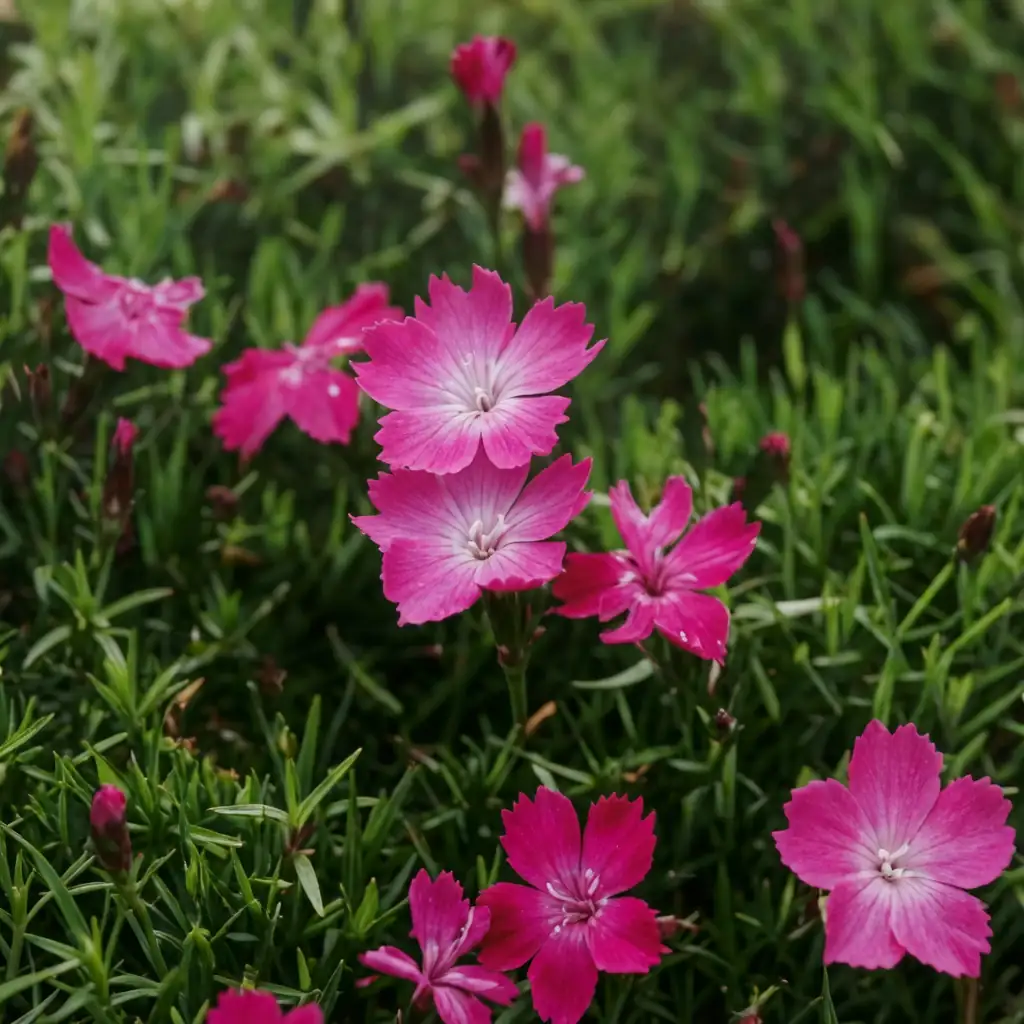
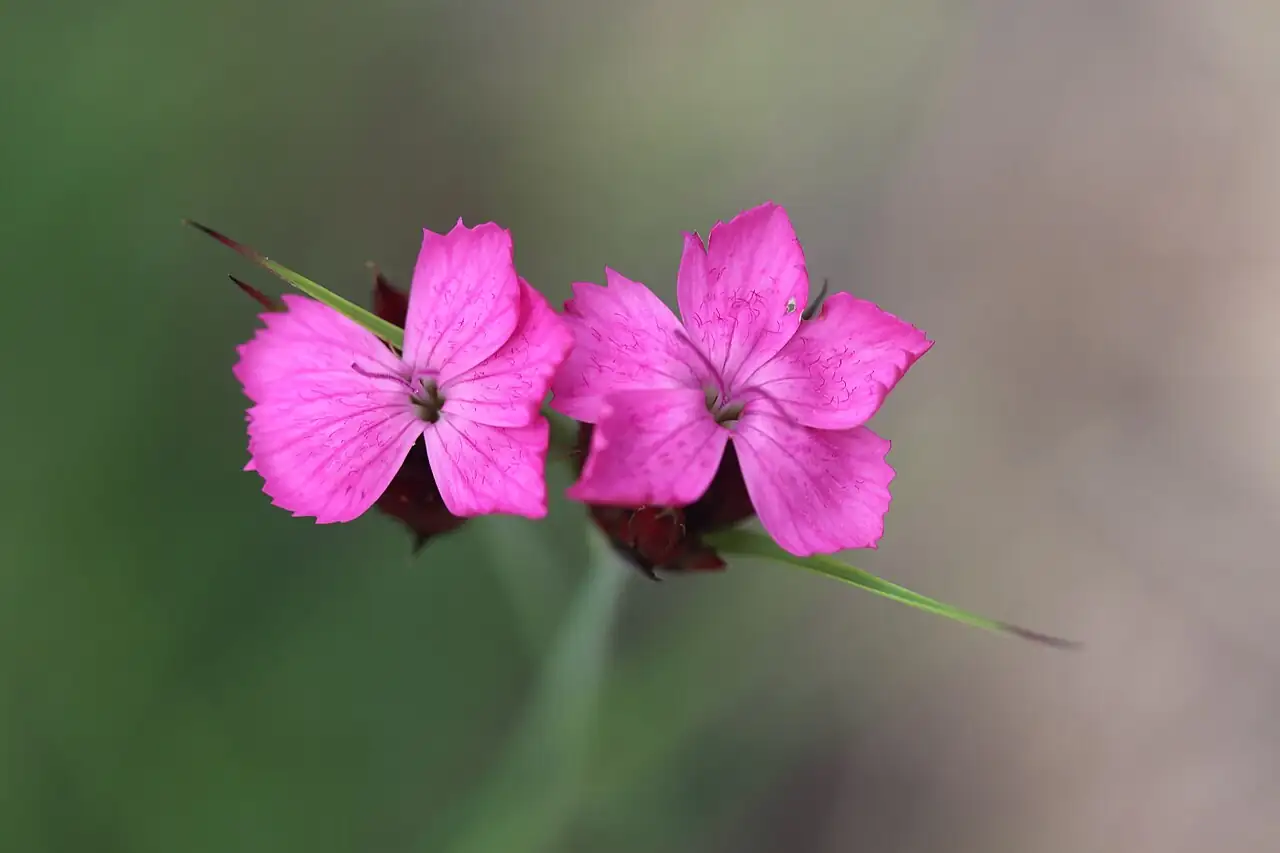
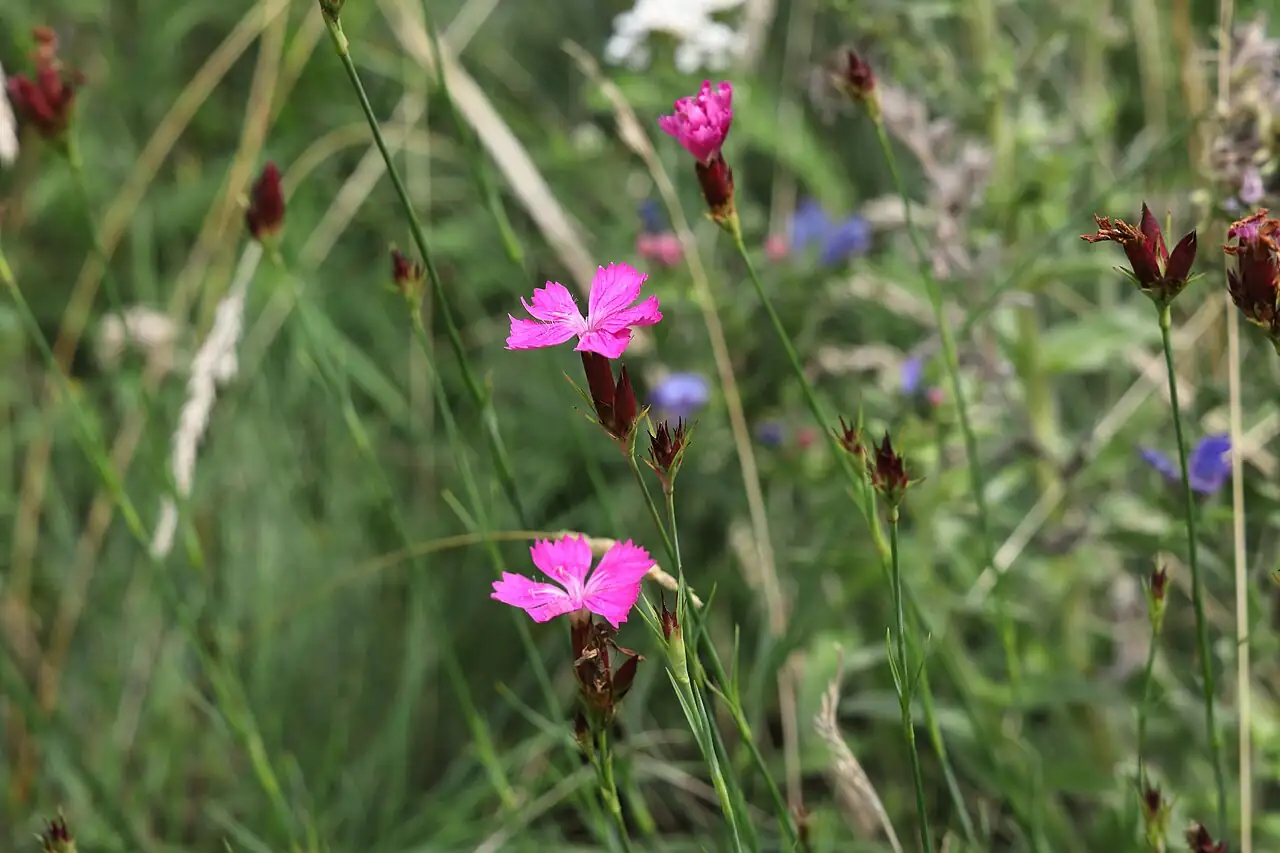
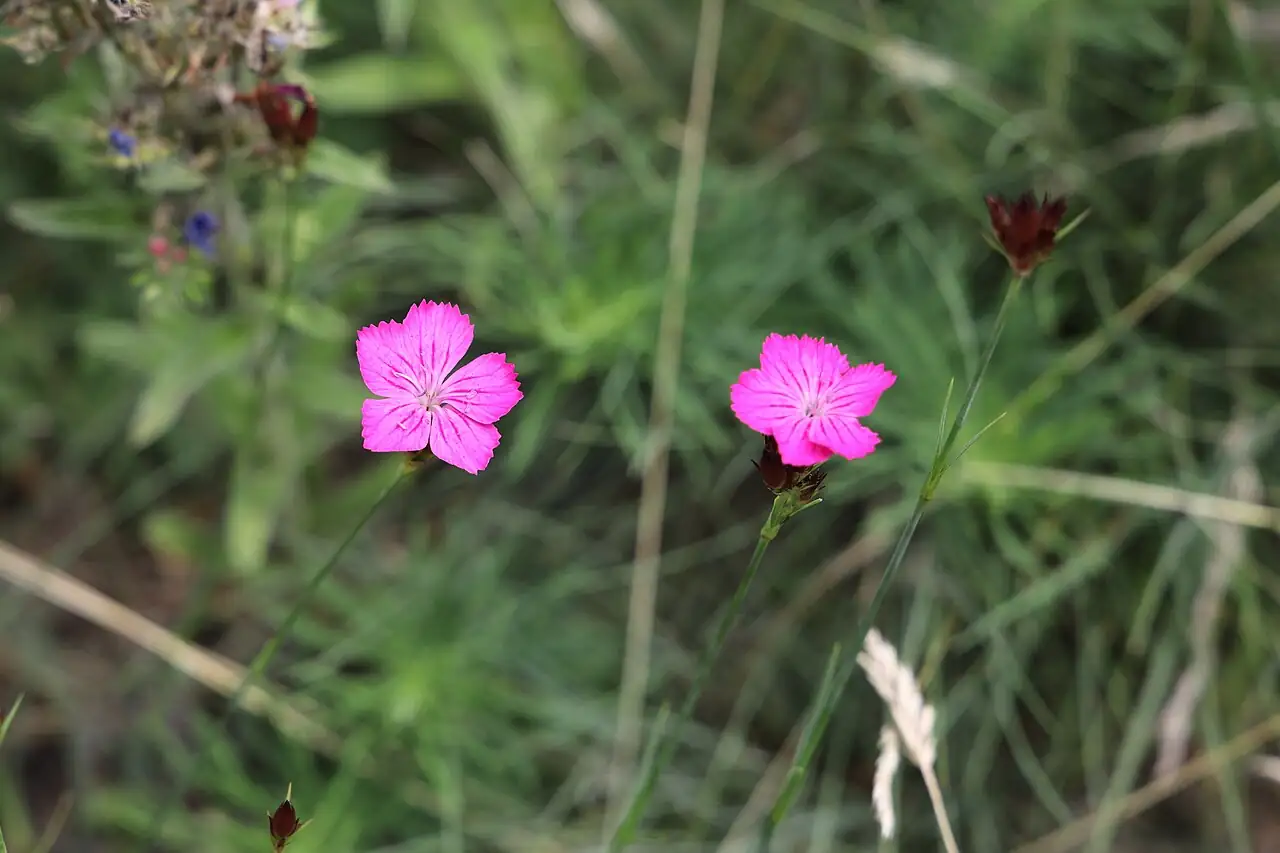
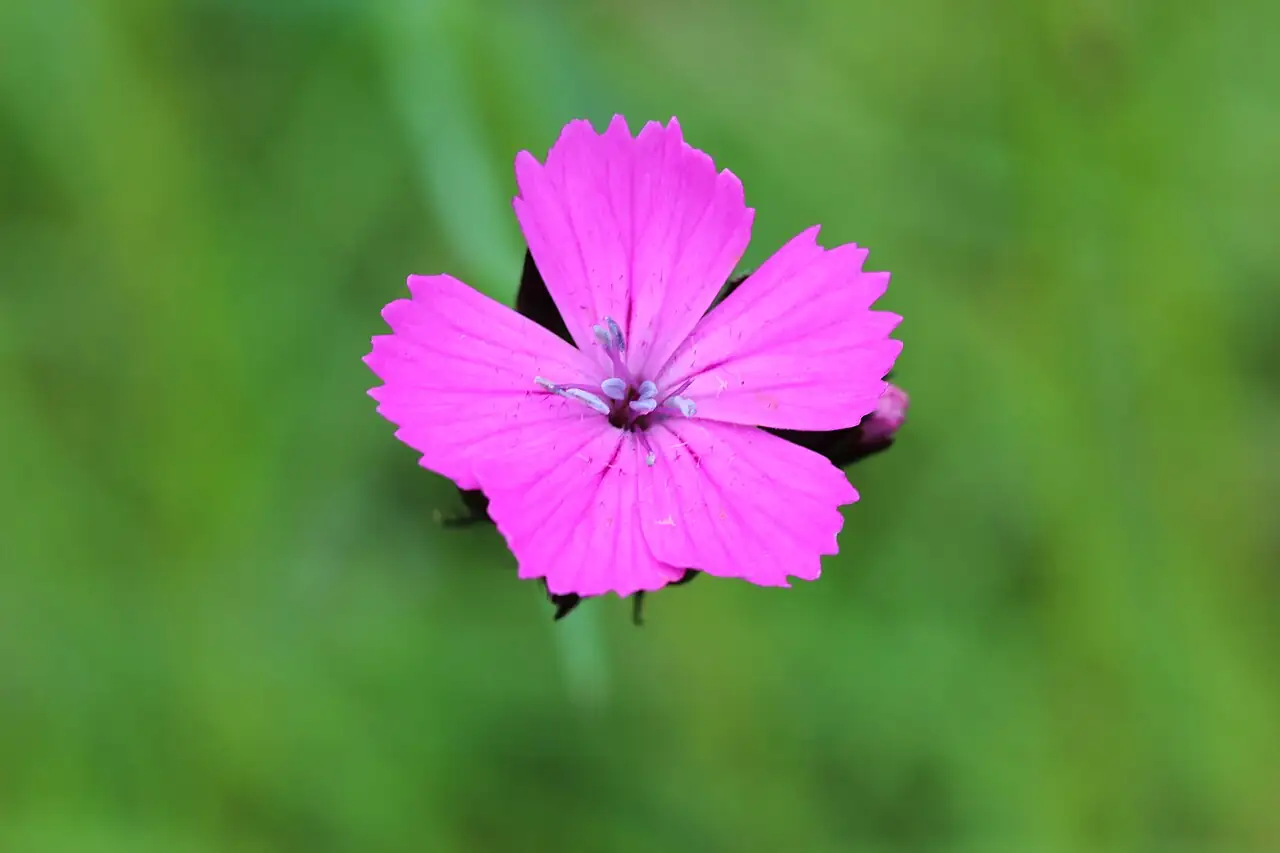
- Flower: Flowers are carried in tight clusters. Each bloom is about 20–30 mm (0.8–1.2 in) across and a strong deep pink with visible veining. The cylindrical calyx slightly narrows toward the top and is surrounded by opposite bracts about half the calyx length. Petals are five in number, with a toothed/fringed edge that gives the flowers a delicately ruffled look.
- Flowering Season: Late spring to early autumn (often May–September; may extend longer in mild climates).
- Growth Habit: Low, compact, clump-forming perennial herb; often evergreen or semi-evergreen; works well as a flowering groundcover.
Environment
Sunlight
Full sun for best flowering; tolerates light shade.
Temperature
Very cold-hardy once established. With sharp drainage it can tolerate winter lows around about -30°C (-22°F), though real-world hardiness depends on soil drainage and snow cover.
Humidity
Prefers drier air and well-drained conditions; drought tolerant once established.
Soil
Well-drained soil is essential; tolerates poor/lean soils. Best in neutral to slightly alkaline soil, about pH 6.5–7.5.
Placement
Sunny borders, rock gardens, slopes/embankments, roadside plantings, and large landscape beds; also great for low edging and groundcover-style mass planting.
Hardiness
USDA Zone 4–8 (approx.).
Care Guide
Difficulty
Easy. A reliable sun-lover that handles cold, drought, and lean soils, but strongly dislikes waterlogged ground—especially in winter.
Buying Guide
Choose compact plants with firm, green foliage and no blackened stems. Avoid pots with sour-smelling, soggy media. If buying in bloom, pick plants with multiple buds and clean, unspotted leaves.
Watering
Water regularly to establish, then water sparingly. Let the top few centimeters of soil dry out between waterings. Avoid consistently wet soil, particularly in winter—good drainage matters more than frequent watering.
Fertilization
Light feeder. In spring, use a small amount of balanced slow-release fertilizer or a thin top-dressing of compost. Avoid heavy nitrogen, which can reduce flowering and make growth floppy.
Pruning
Deadhead spent flower clusters to encourage repeat blooming. After the main flush, shear lightly to keep a tidy, dense mound and stimulate fresh growth.
Propagation
Divide clumps in spring or early autumn. Take stem cuttings in late spring to summer. Seed is also possible (especially for non-cultivar plants).
Repotting
In containers, repot every 1–2 years into a gritty, free-draining mix and make sure the pot has excellent drainage holes.
📅 Seasonal Care Calendar
Blooms from late spring through early autumn; seed capsules commonly mature in late summer (often around August). Reduce watering in cool seasons and keep crowns on the dry side through winter.
Pests, Diseases & Safety
Common Pests & Diseases
Usually trouble-free. Watch for aphids and, in hot/dry spells, spider mites. The biggest risk is crown/root rot if soil stays wet—improve drainage and airflow to prevent fungal issues.
Toxicity
Generally low-toxicity, but eating large amounts may cause mild stomach upset. Sap can irritate sensitive skin. Discourage pets from chewing.
Culture & Symbolism
Symbolism: Often linked with admiration and affection—classic Dianthus “pink” vibes in a meadow-friendly form.
History & Legends: A traditional European wildflower Dianthus. The common name references Carthusian monks, and it has long been appreciated in meadow, cottage-garden, and naturalistic plantings.
Uses: Ornamental: a compact flowering perennial for sunny beds, rock gardens, slopes, roadside/median plantings, and large public green spaces; also effective as low edging and in massed, groundcover-style drifts.
FAQ
When does it flower?
Late spring to early autumn—often May–September—and it can keep going longer in mild climates.
When does it set seed (fruit)?
Seed capsules typically mature in late summer, often around August.
Where is it native to?
It’s native across much of Europe (from western to central and southeastern regions) and is not native to the United Kingdom.
How cold-hardy is it?
Very hardy; with good drainage it can handle severe winters—roughly down to about -30°C (-22°F), depending on local conditions.
How tall does it grow?
About 10–30 cm (4–12 in) tall.
Fun Facts
- The flowers are small but punchy—about 20–30 mm (0.8–1.2 in) wide—with pretty darker veining that shows up best in sun.
- It’s a satisfying mix of traits: low and tidy, often evergreen/semi-evergreen, yet still a generous bloomer.
- In winter, wet soil is a bigger enemy than cold—sharp drainage is the secret to long-lived clumps.