Plant Features
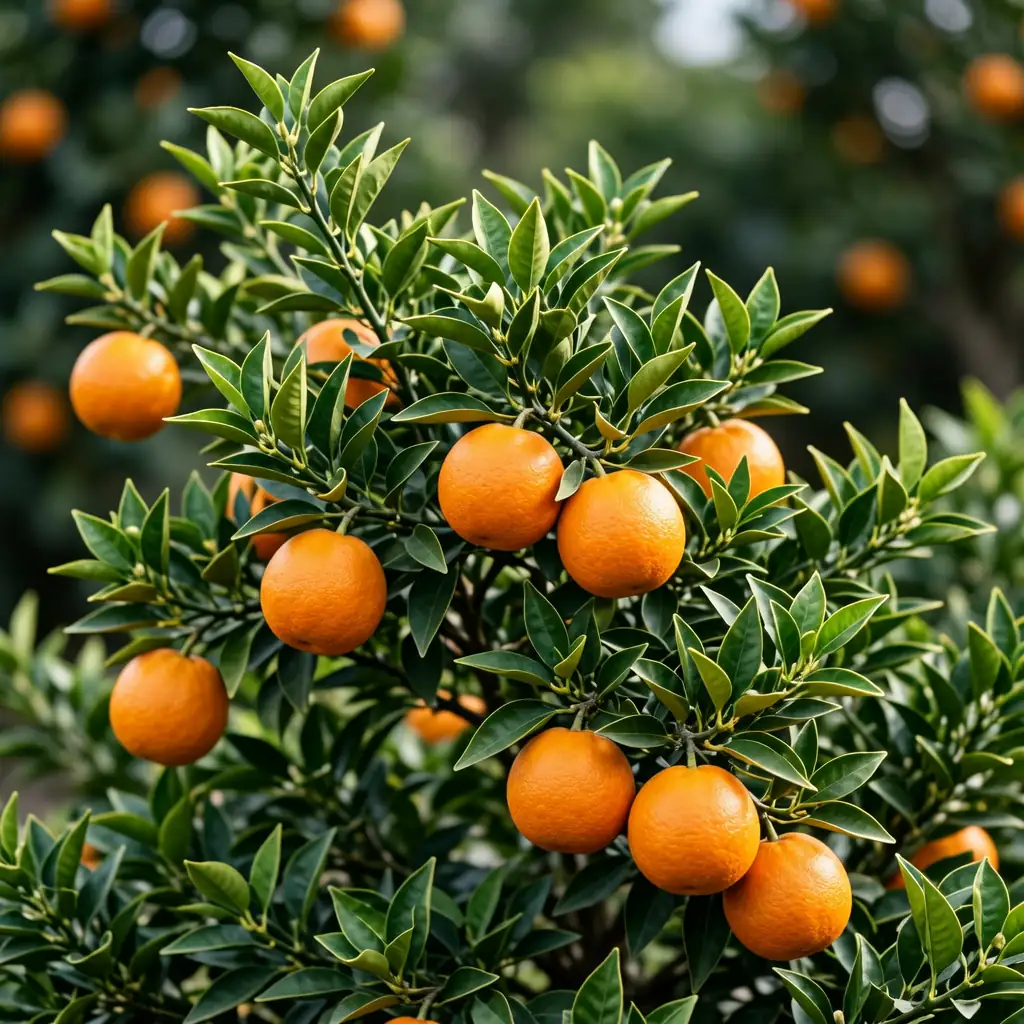
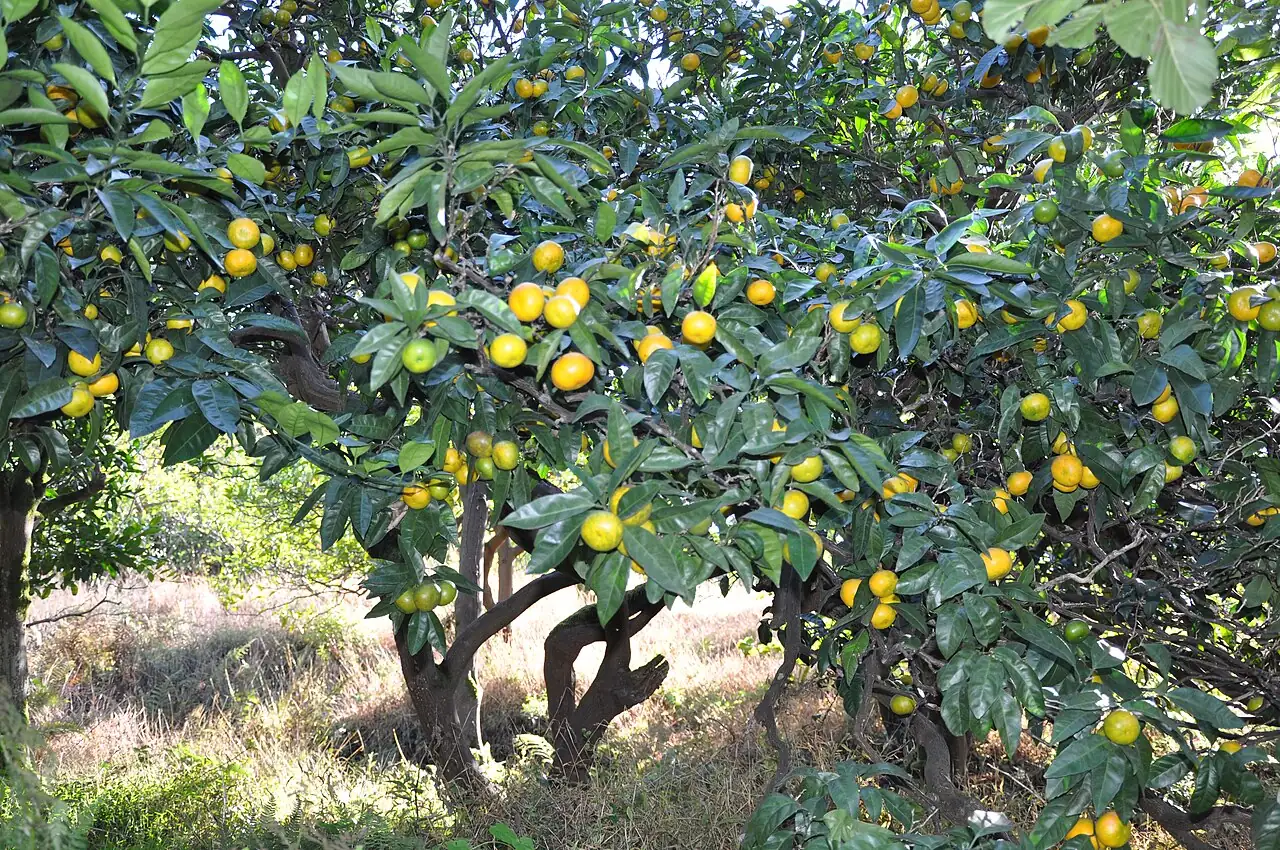
- Size: Typically 2–3 m (6.6–9.8 ft) tall as a small tree; often smaller when grown in containers.
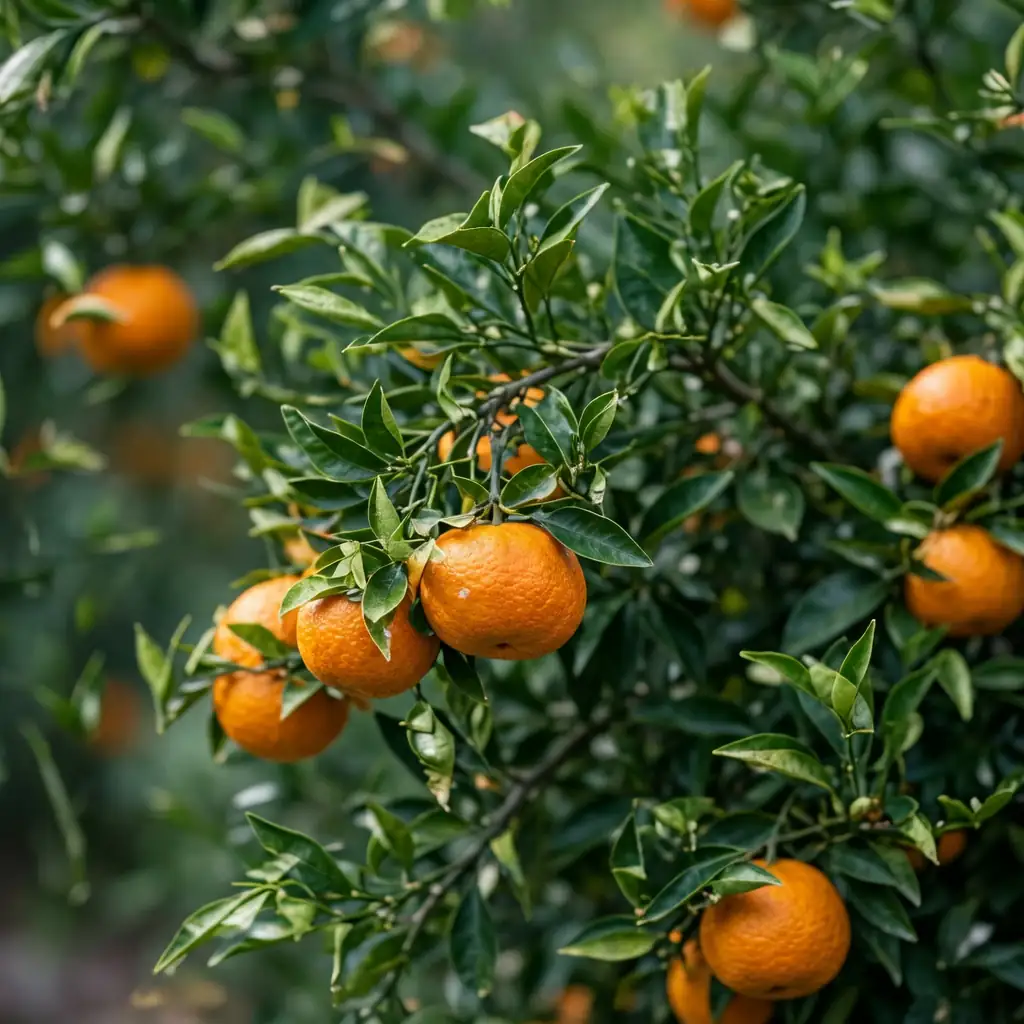
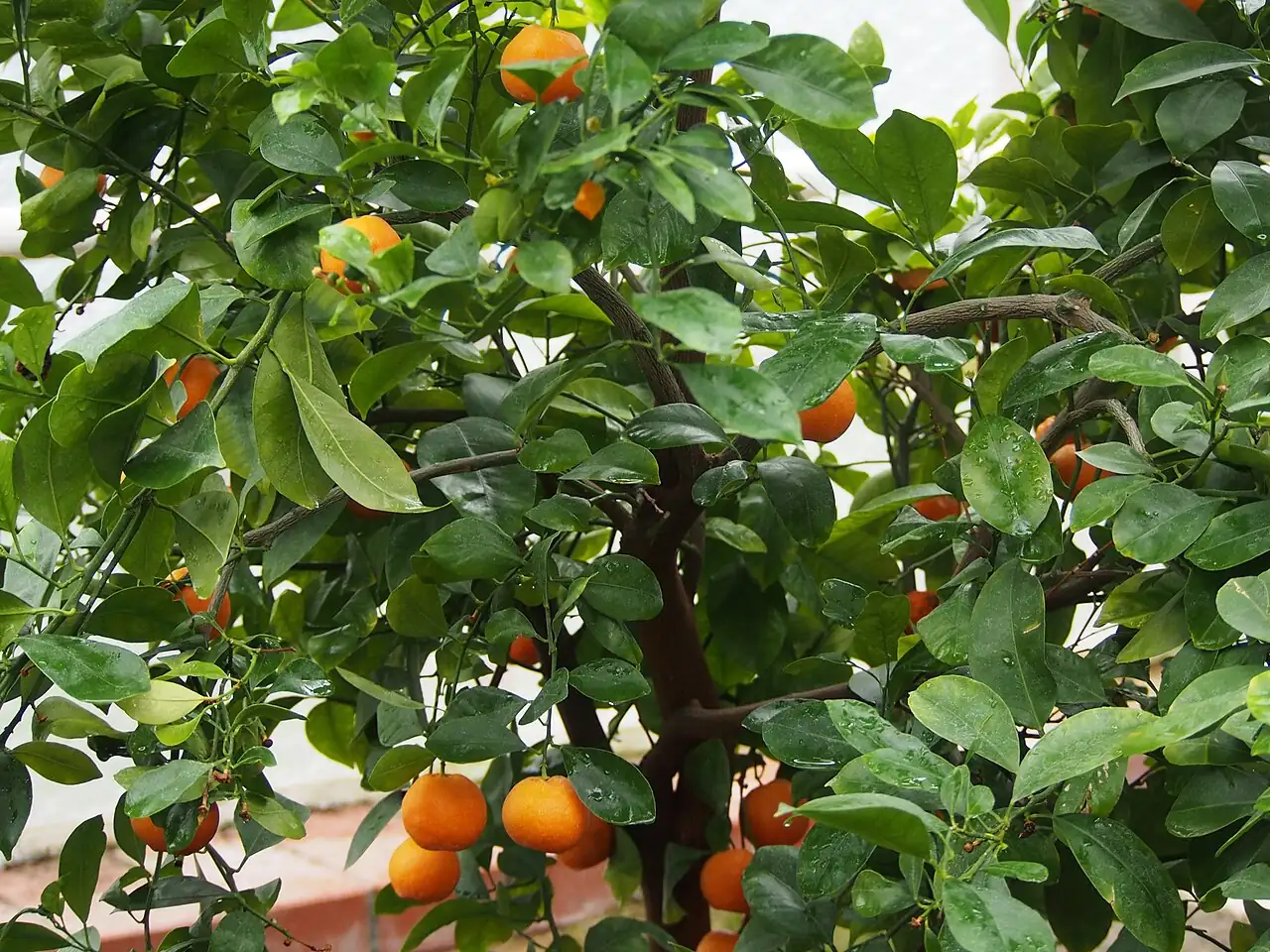
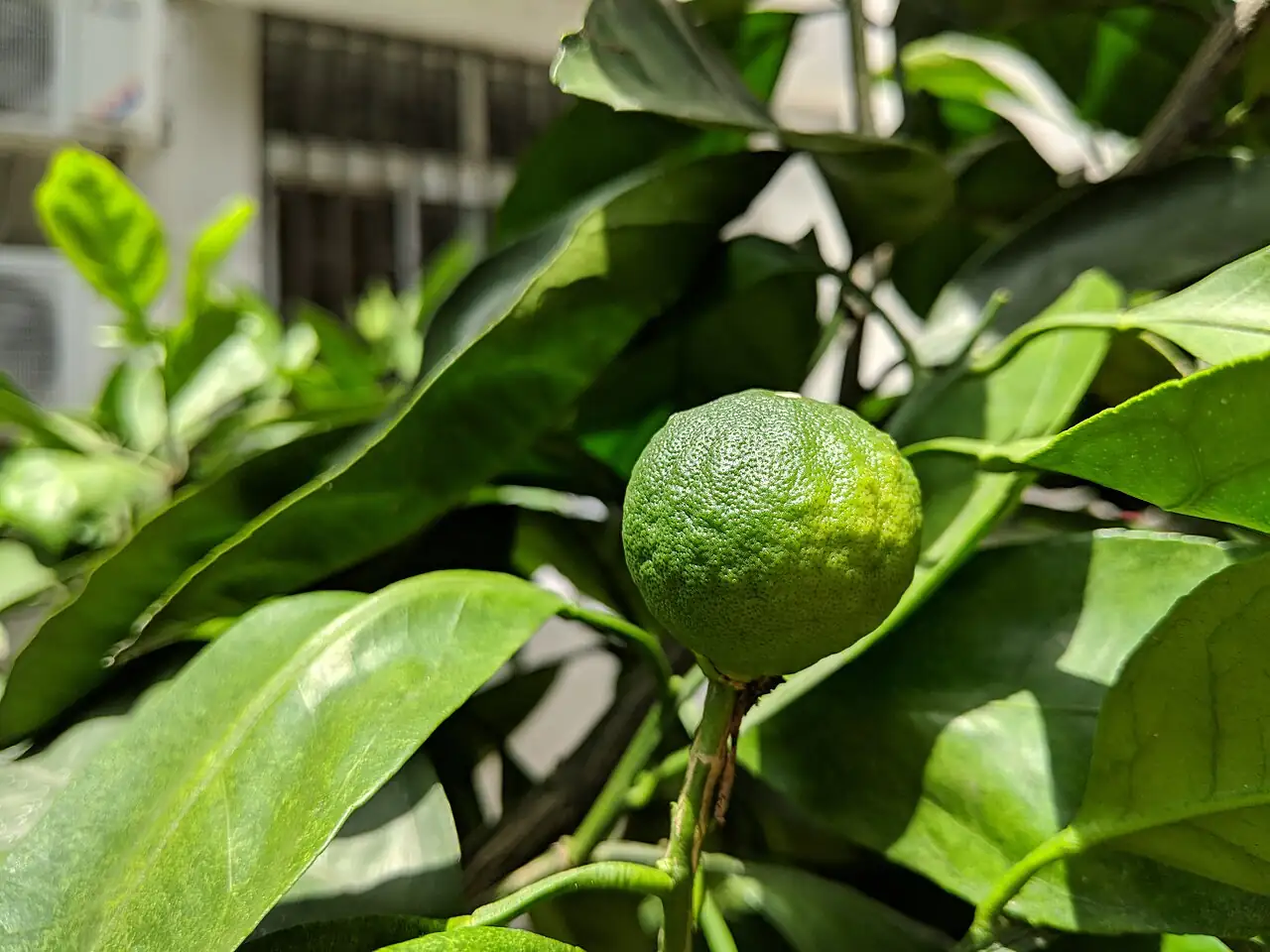
- Foliage: Evergreen leaves, usually lance-shaped to oval or broadly egg-shaped. The margins commonly show fine teeth or shallow scalloping on at least the upper half, though some leaves can appear nearly smooth. Overall, the foliage is dense, glossy, and decorative year-round.
- Flower: Small, strongly fragrant white flowers, borne singly or in small clusters of 2–3. The calyx is irregularly 3–5 shallow-lobed. Petals are usually up to about 1.5 cm (0.6 in) long. Flowers typically carry about 20–25 stamens, with a slender style and a rounded (capitate) stigma.
- Flowering Season: April–May (spring)
- Growth Habit: Evergreen small tree with a well-shaped canopy; neat, ornamental form suited to gardens, courtyards, and large pots.
Environment
Sunlight
Full sun to very bright light for best flowering and fruiting; aim for at least 6–8 hours of direct sun daily.
Temperature
Prefers warm conditions; best growth around 15–30°C (59–86°F). Cold tolerance is limited—protect from frost and prolonged cold below about 0°C (32°F).
Humidity
Prefers moderate to high humidity, especially in warm weather. Good airflow helps keep foliage healthier and reduces pest pressure.
Soil
Fertile, well-drained soil or potting mix; slightly acidic to neutral is ideal. Avoid waterlogging—citrus roots dislike soggy conditions.
Placement
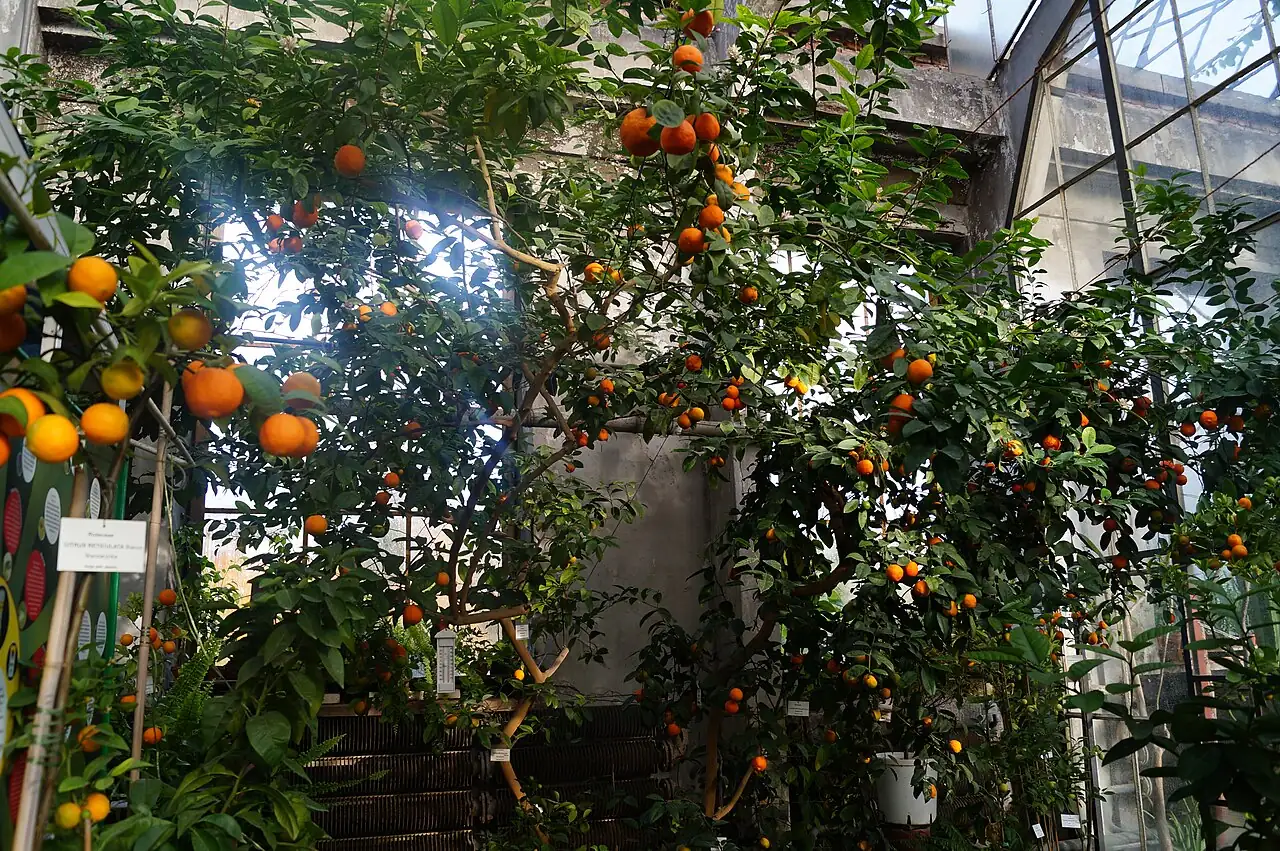
Outdoors in a sunny courtyard, patio, balcony, or garden. In cooler climates, grow in a container so it can be moved to a bright, frost-free place for winter.
Hardiness
Generally USDA Zone 9–11; frost tender (hardiness varies by cultivar and local conditions).
Care Guide
Difficulty
Moderate. Straightforward in warm, sunny climates with good drainage; more demanding in cold-winter regions because it needs reliable frost protection and careful winter watering.
Buying Guide
Choose a plant with glossy, healthy green leaves and sturdy stems. Avoid sticky residue (often from sap-sucking pests), heavy leaf drop, black sooty mold, or any soft/damaged areas at the trunk base. If you want dependable fruiting, pick a named cultivar suited to your climate and check whether the tree is grafted (grafted plants usually fruit more reliably and sooner).
Watering
Water deeply, then let the top few centimeters of soil dry before watering again. Keep moisture more even during active growth and fruit development, but never leave the roots in soggy soil. In winter or in cool, low-light conditions, reduce watering substantially to avoid root problems.
Fertilization
Feed in the growing season with a citrus fertilizer or a balanced fertilizer that includes micronutrients. A common routine is every 2–4 weeks in spring and summer, tapering in autumn; pause or greatly reduce feeding in winter if growth slows.
Pruning
Prune lightly after flowering or after harvest to keep a pleasing shape, remove dead/crossing branches, and improve airflow and light penetration. On grafted trees, remove any strong shoots arising from below the graft union.
Propagation
Most commonly propagated by grafting or budding onto suitable rootstocks. It can be grown from seed, but seedlings may not come true to type and typically take longer to fruit.
Repotting
For container-grown trees, repot about every 2–3 years in spring into a slightly larger pot with fresh, well-draining mix. Avoid overpotting; strong drainage is essential.
📅 Seasonal Care Calendar
Spring (Apr–May): flowering—maximize sun, keep watering steady, begin regular feeding. Summer: support fruit development with consistent moisture and nutrients; watch for pests. Autumn (Oct–Dec): fruit ripening—adjust feeding downward; harvest as fruit colors and sweetens. Winter: protect from frost, keep in bright light, and reduce watering to match slower growth.
Pests, Diseases & Safety
Common Pests & Diseases
Common pests include scale insects, aphids, mealybugs, spider mites, and citrus leaf miner. Sooty mold may appear on honeydew left by sap-suckers. Improve airflow, rinse foliage when needed, and treat with horticultural oil or insecticidal soap; keep watering balanced to reduce root stress and related decline.
Toxicity
The fruit is edible. Oils in the peel and foliage can irritate sensitive skin. Generally not considered highly toxic to pets, but chewing leaves/peel or eating large amounts can cause gastrointestinal upset.
Culture & Symbolism
Symbolism: Often linked with good luck, prosperity, and abundance in East Asian traditions, thanks to its bright, golden fruit.
History & Legends: Native to China and cultivated for centuries in southern regions, mandarin later spread broadly through Asia and the world as both an important fruit crop and a beloved ornamental.
Uses: Grown for sweet fresh fruit and culinary uses, and widely planted (or potted) as an evergreen ornamental for courtyards, patios, and gardens.
FAQ
Why does my mandarin tree flower but not set fruit?
The most common reasons are not enough sun, temperature swings or cold nights during bloom, weak pollination, or stress from irregular watering. Give it full sun, keep soil moisture steady during flowering, and protect from chilly nights; outdoors, better insect activity often improves fruit set for some cultivars.
Can I grow mandarin orange in a pot?
Yes. Use a large container with excellent drainage, keep it in full sun, fertilize through the growing season, and move it to a bright, frost-free place when temperatures approach 0°C (32°F).
Fun Facts
- Mandarin orange is both a practical fruit tree and a handsome evergreen ornamental.
- Its blossoms are famously fragrant and often appear singly or in small clusters of 2–3.
- A typical flower may have around 20–25 stamens.
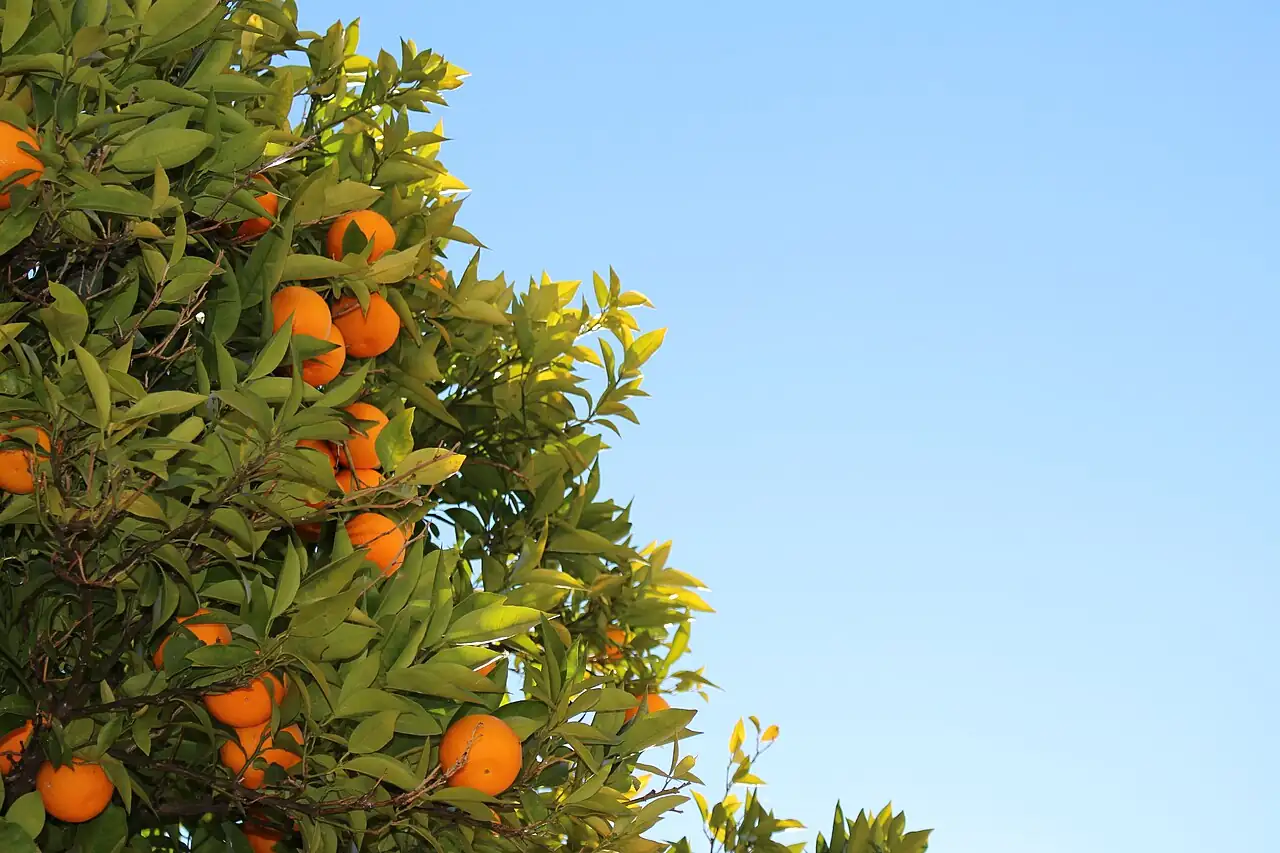
- Bloom commonly happens in April–May, with fruit often ripening from October to December (depending on climate and cultivar).
- It has been cultivated in southern China for centuries and remains one of the most beloved home-garden citrus trees.