Plant Features
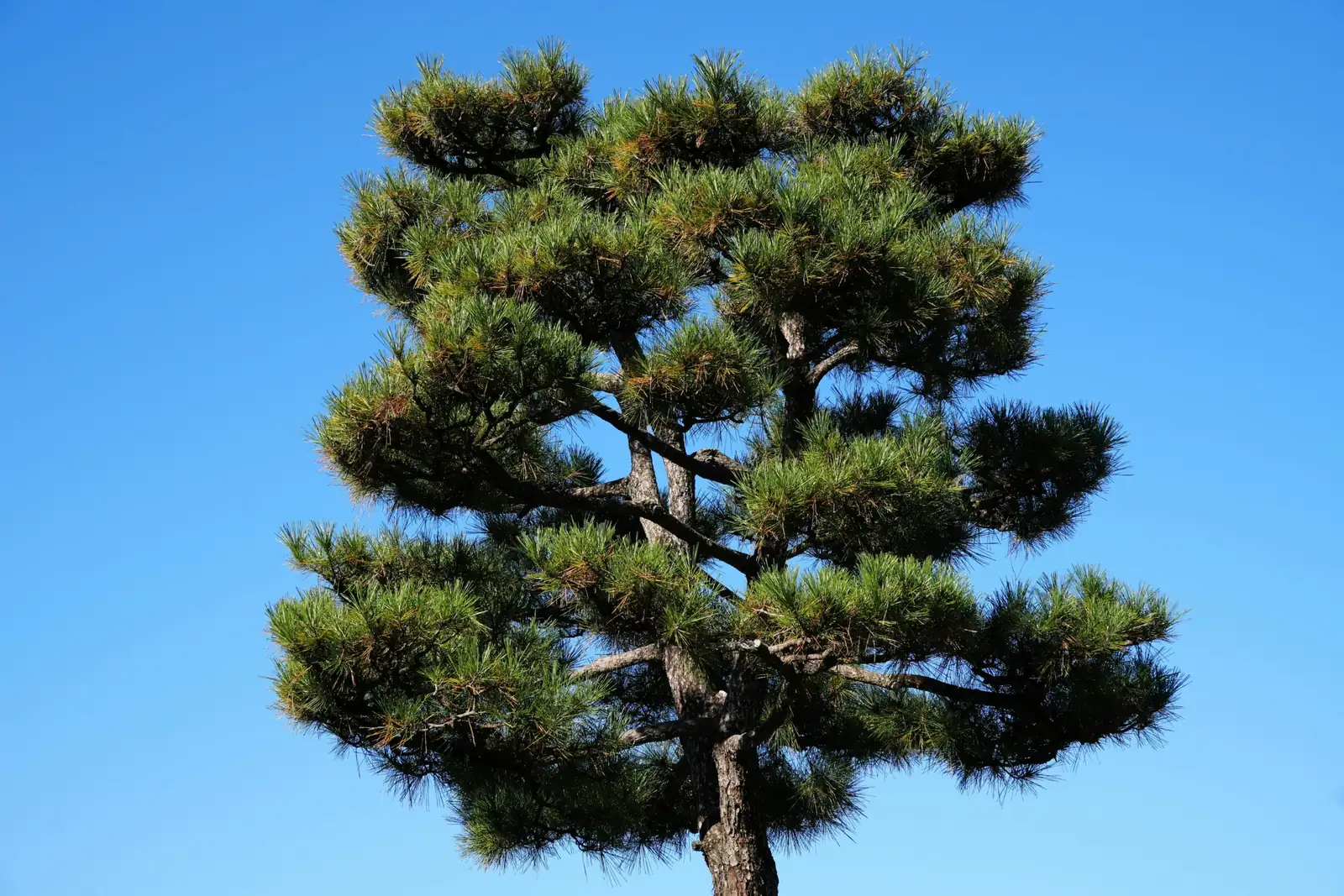
- Size: Up to about 45 m (148 ft) tall; typically a tall, straight-trunked tree that develops a broader crown with age.
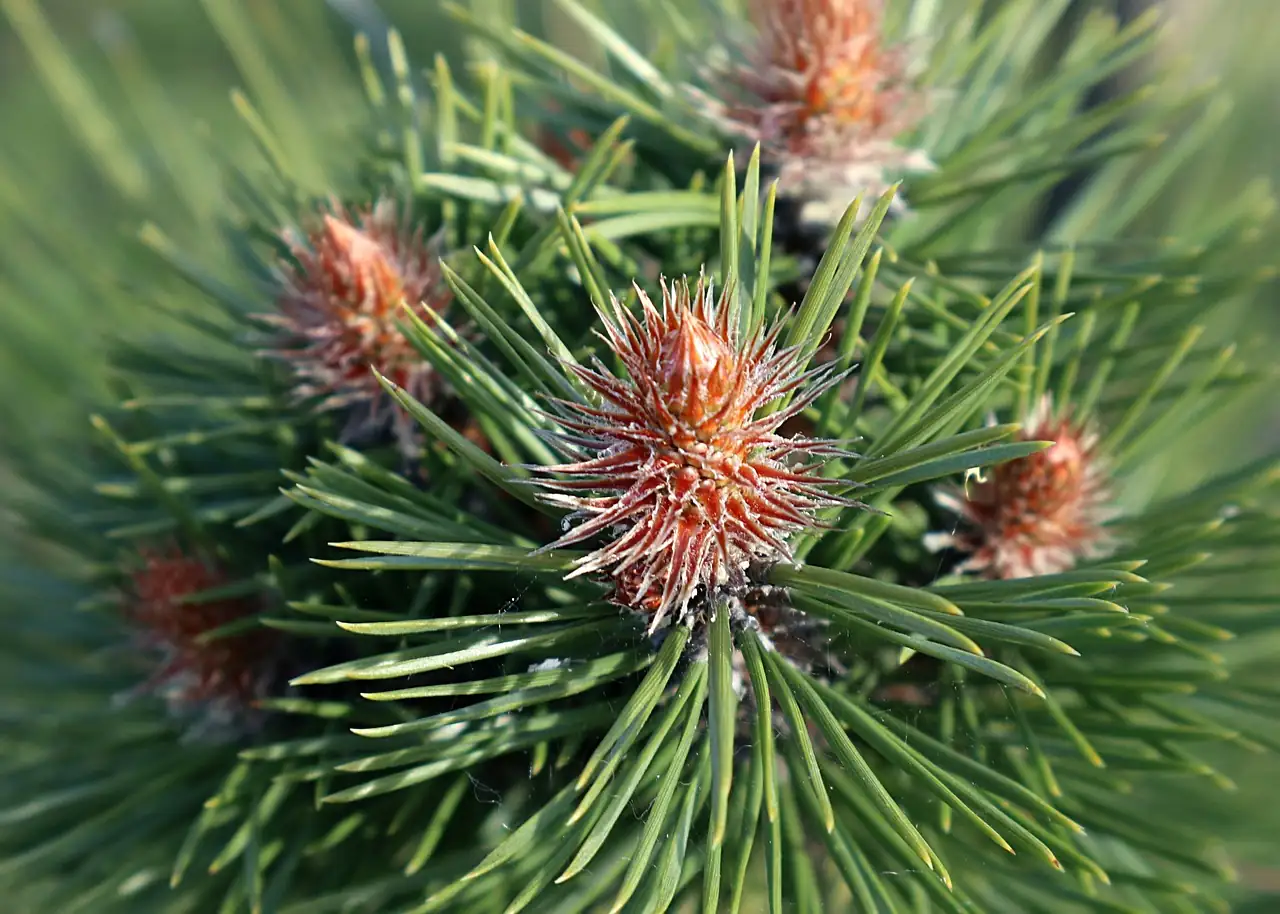
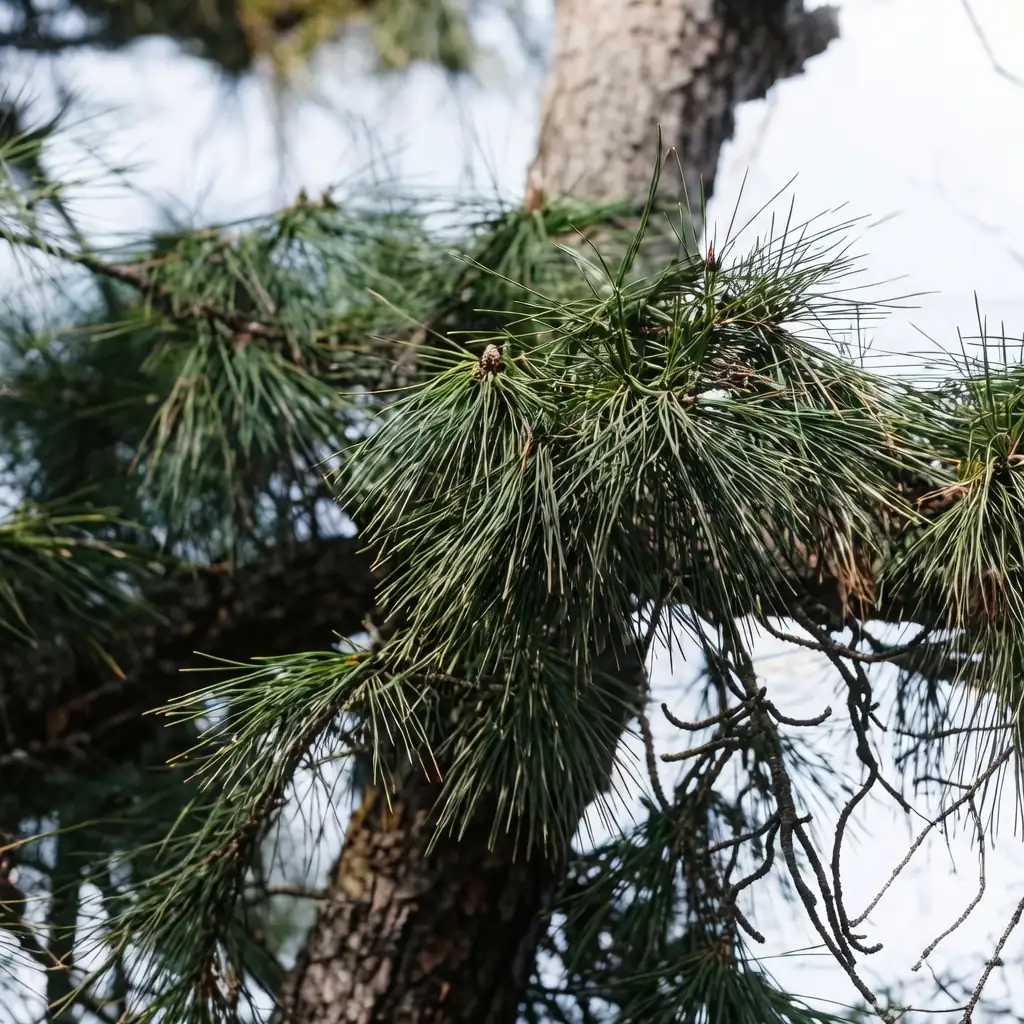
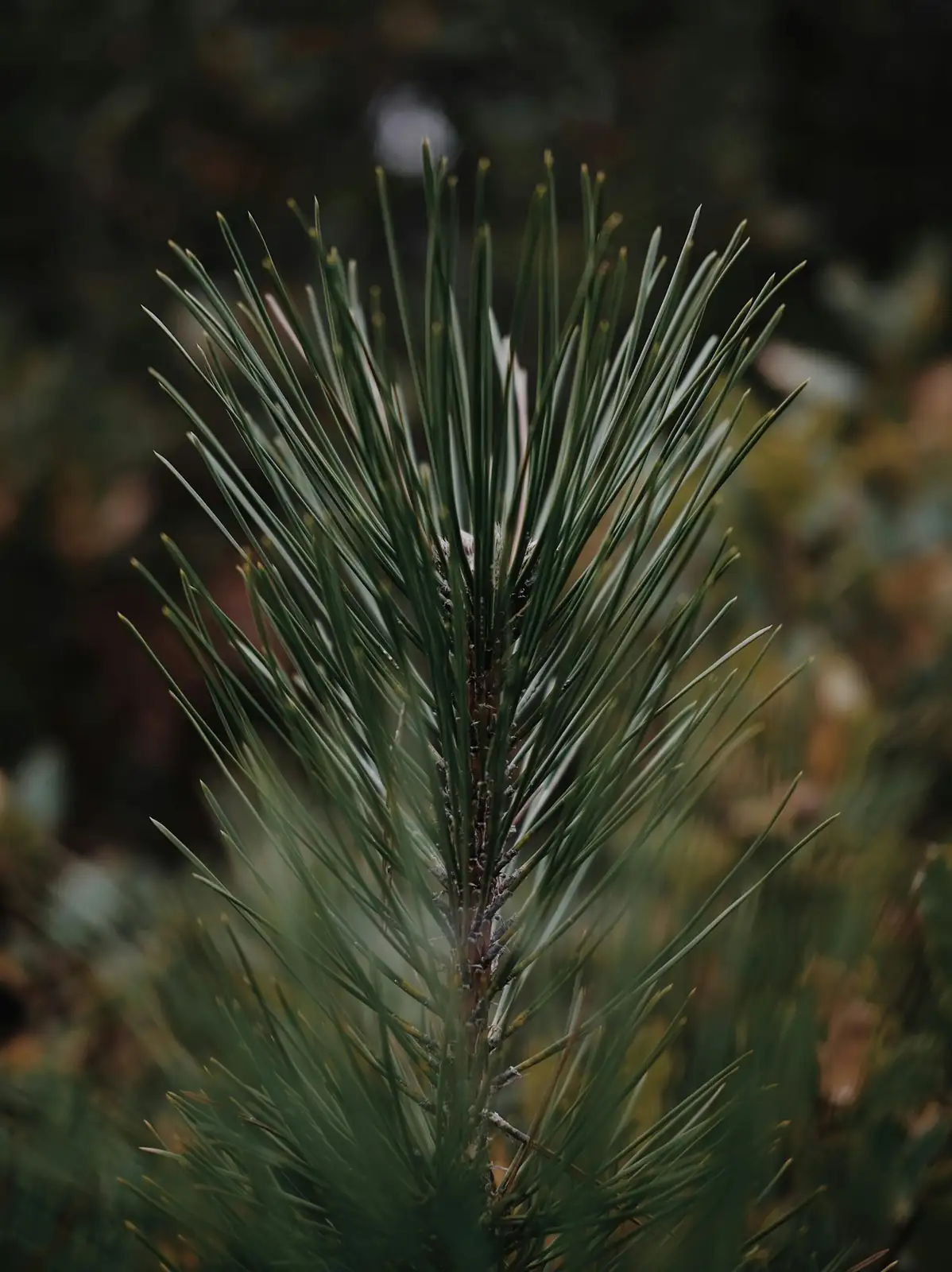
- Foliage: Evergreen needles are borne in bundles of two. New shoots are pale yellow-brown and often appear in whorls, and the overall spray of needles and branchlets can resemble a horse’s tail.
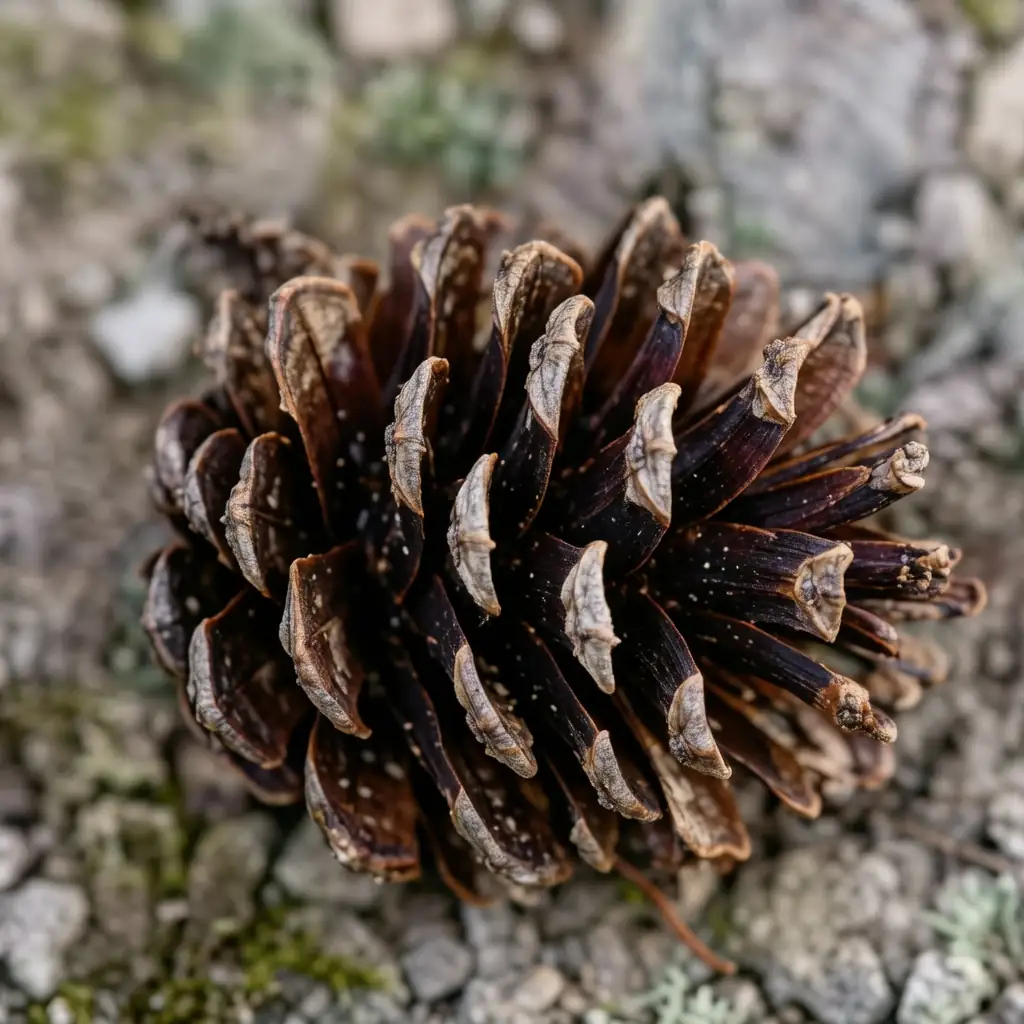
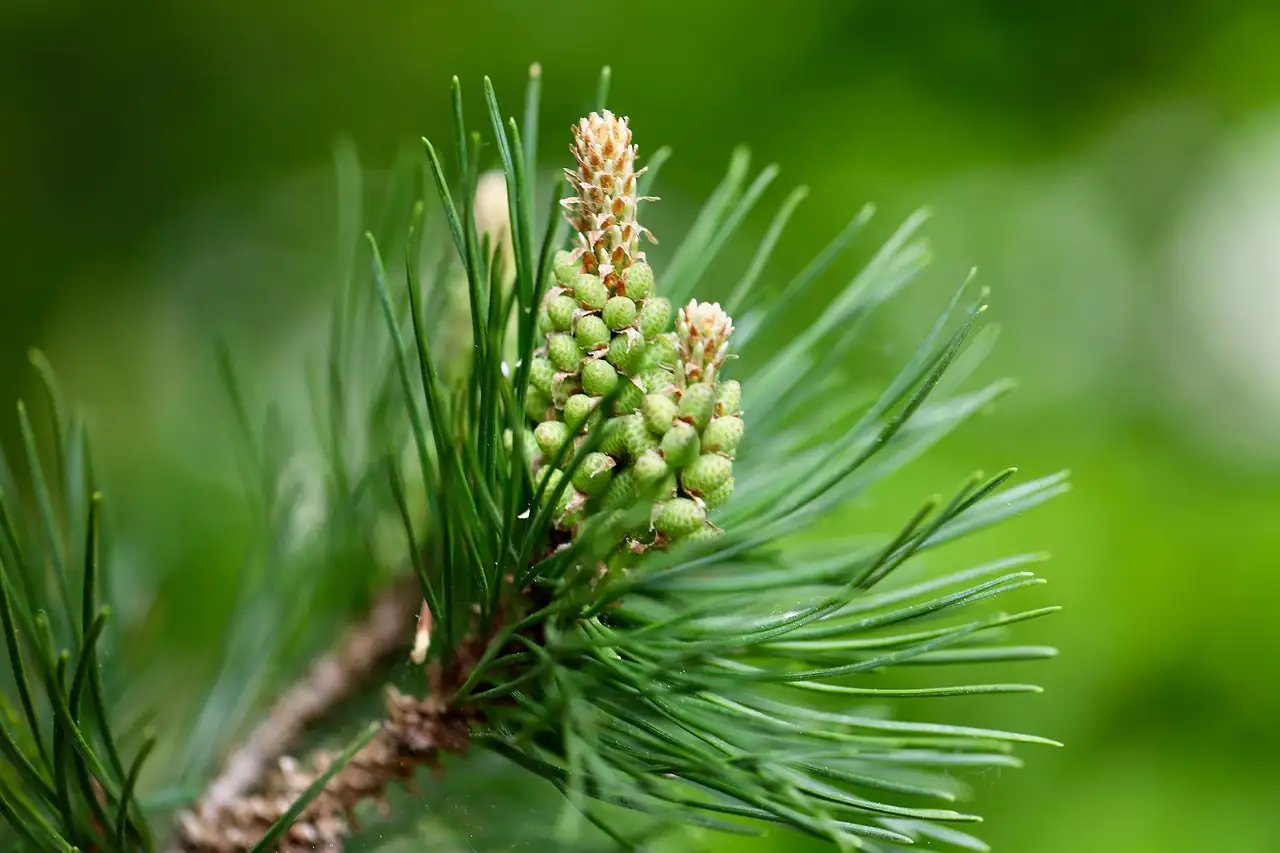
- Flower: Like most pines, it bears both male and female cones on the same tree. Seed cones are long-ovoid (often described as egg-shaped) with a short stalk, maturing to chestnut-brown and falling when ripe.
- Flowering Season: April (spring)
- Growth Habit: An evergreen, strongly sun-loving pine with a deep root system (including many lateral roots). Typically upright and straight-trunked; best growth in warm, moist climates and generally less tolerant of severe cold.
Environment
Sunlight
Full sun; grows best in open, bright, unshaded sites.
Temperature
Prefers warmth; best growth often around 15–30°C (59–86°F). Generally not well-suited to severe cold or exposed frost pockets.
Humidity
Does best in warm, moderately humid climates, but becomes quite tolerant of seasonal dryness once established.
Soil
Prefers slightly acidic, well-drained clay-loam to loam, yet adapts to poorer and drier soils if drainage is good. Avoid saline/alkaline soils and strongly calcareous (lime-rich) soils; avoid persistently waterlogged ground that can trigger root problems.
Placement
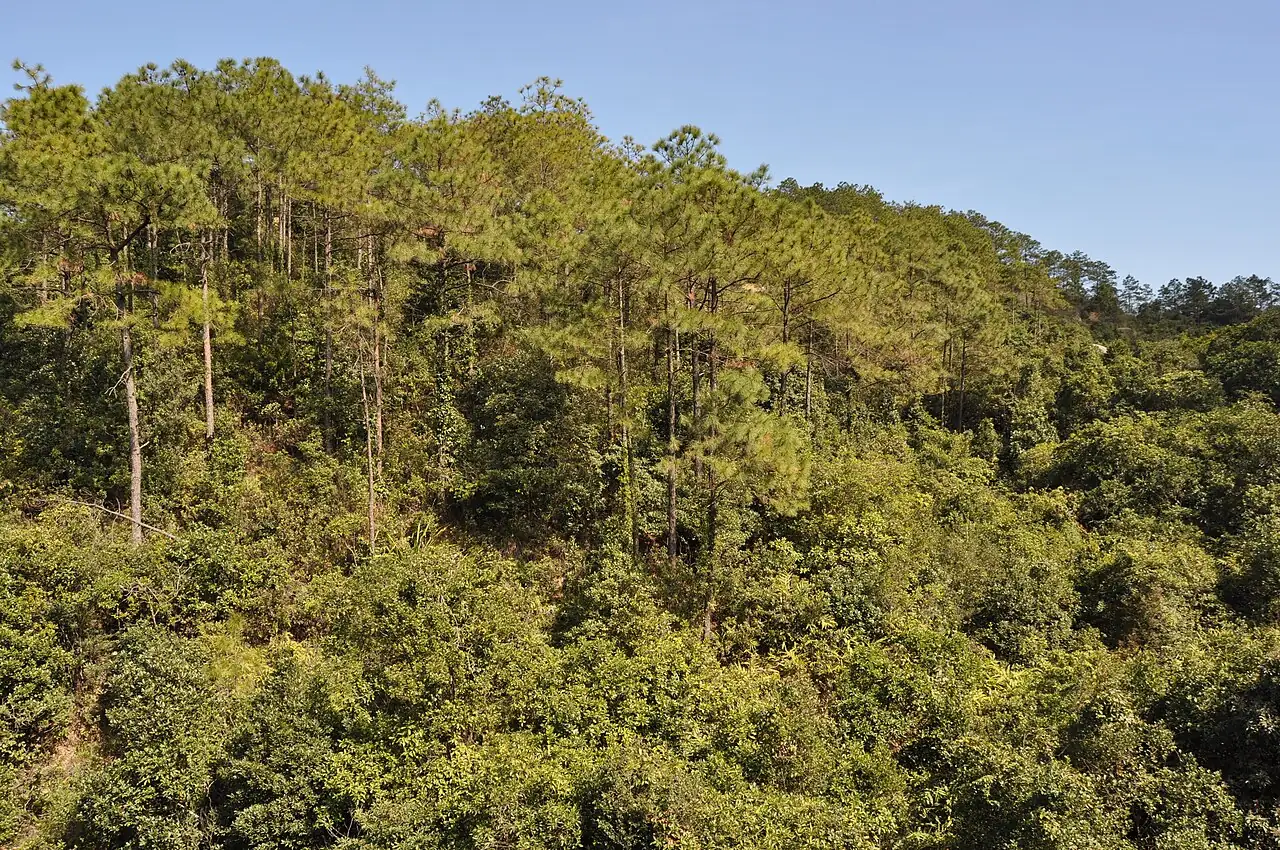
Outdoors in full sun. Commonly used for afforestation, landscape greening, and restoration plantings—especially on slopes and hillsides in warmer regions.
Hardiness
Roughly comparable to USDA Zone 8–10 (10–40°F / -12–4°C), varying with provenance and site exposure; not reliably frost-hardy in colder regions.
Care Guide
Difficulty
Easy in the ground in warm climates with good sun and drainage; difficult where winters are cold because it has limited frost tolerance.
Buying Guide
Pick plants with fresh green needles (in pairs) and healthy shoot tips with no browning. Avoid pot-bound trees; choose a firm rootball without sour smells, blackened roots, or mushy spots. For best results, select locally adapted seed sources/provenance when available.
Watering
Water consistently during establishment (about the first 1–2 growing seasons). After that, it’s drought-tolerant and usually only needs supplemental watering during prolonged dry spells. Avoid waterlogging and soggy soils.
Fertilization
Usually needs little feeding in the ground. If growth is weak, apply a balanced slow-release fertilizer in spring following label directions. Avoid heavy nitrogen, which can cause soft, weak growth.
Pruning
Minimal pruning is best. Remove dead, damaged, or crossing branches, ideally in late winter to early spring. Don’t top the tree; maintain a single leader for strong structure and a classic pine form.
Propagation
Primarily by seed. Sow fresh seed in spring; some seed lots germinate better after cold stratification. Seedlings are often raised in nursery beds or containers before planting out.
Repotting
Not ideal as a long-term container tree. If grown in a pot when young, move up in early spring into a deeper container to accommodate the developing taproot, using a free-draining, slightly acidic mix.
📅 Seasonal Care Calendar
Spring: plant and help new trees establish; light feeding if needed. Summer: water young trees during heat or drought. Autumn: reduce irrigation; in mild climates, prep for planting. Winter: minimal work; where winters are mild, remove deadwood and do light structural pruning.
Pests, Diseases & Safety
Common Pests & Diseases
Can be affected by pine caterpillars/defoliators, bark beetles, scale insects, needle blights, and root rots—especially in poorly drained soils. Promote airflow, avoid waterlogging, remove heavily infested or diseased material, and use targeted controls when outbreaks occur.
Toxicity
Generally not considered highly toxic, but ingesting needles or resin may cause mild stomach upset in people or pets. Sap can irritate sensitive skin.
Culture & Symbolism
Symbolism: A classic pine symbol: resilience, steadfastness, and longevity.
Uses: Widely planted for afforestation and ecological restoration in southern China, and also valued as a landscape tree in suitable climates. Economically important: used for timber, tapped for pine resin, and historically used for materials such as tannin from bark. Trunks and roots have also been used as substrates for cultivating fungi.
FAQ
Can Masson pine tolerate drought?
Yes. Once established, it’s notably drought-tolerant and can handle relatively poor soils, but young trees need steady watering during the first 1–2 years.
Does it need full sun?
Yes—this species is strongly sun-loving and performs best in open, bright locations.
What soil should I avoid?
Avoid saline/alkaline soils, strongly calcareous (lime-rich) soils, and heavy, poorly drained ground that can encourage root rot.
Fun Facts
- It can be tapped to collect pine resin.
- Its wood is widely used where it’s locally abundant.
- Its bark has been used as a source of tannins.
- Its root system helps it act as a pioneer tree for stabilizing and restoring degraded hillsides.
- Its “horse-tail” needle sprays are the inspiration behind the name 马尾松.