

Plant Features
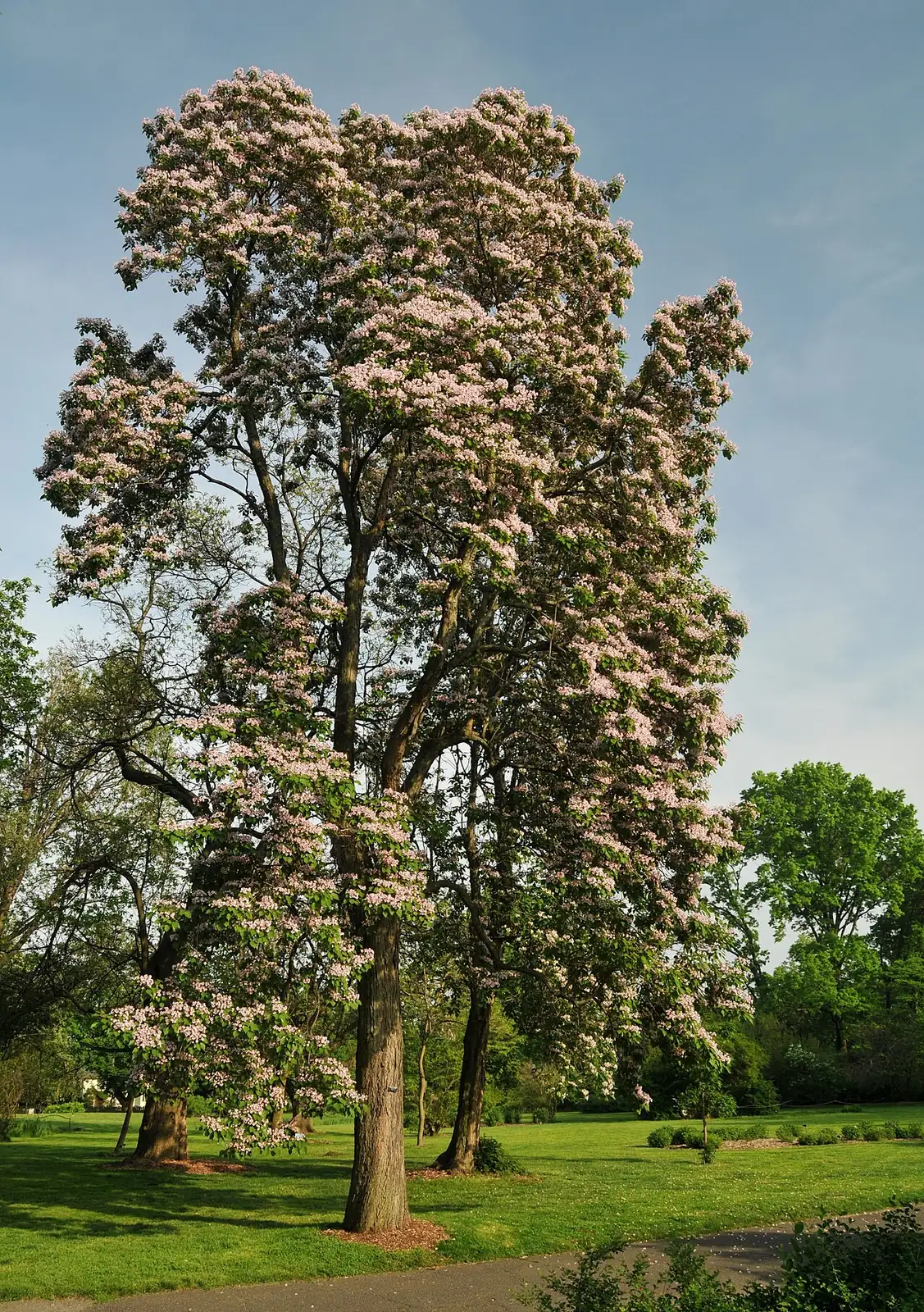
- Size: Typically 8–12 m (26–39 ft) tall, forming a medium-sized deciduous tree canopy.
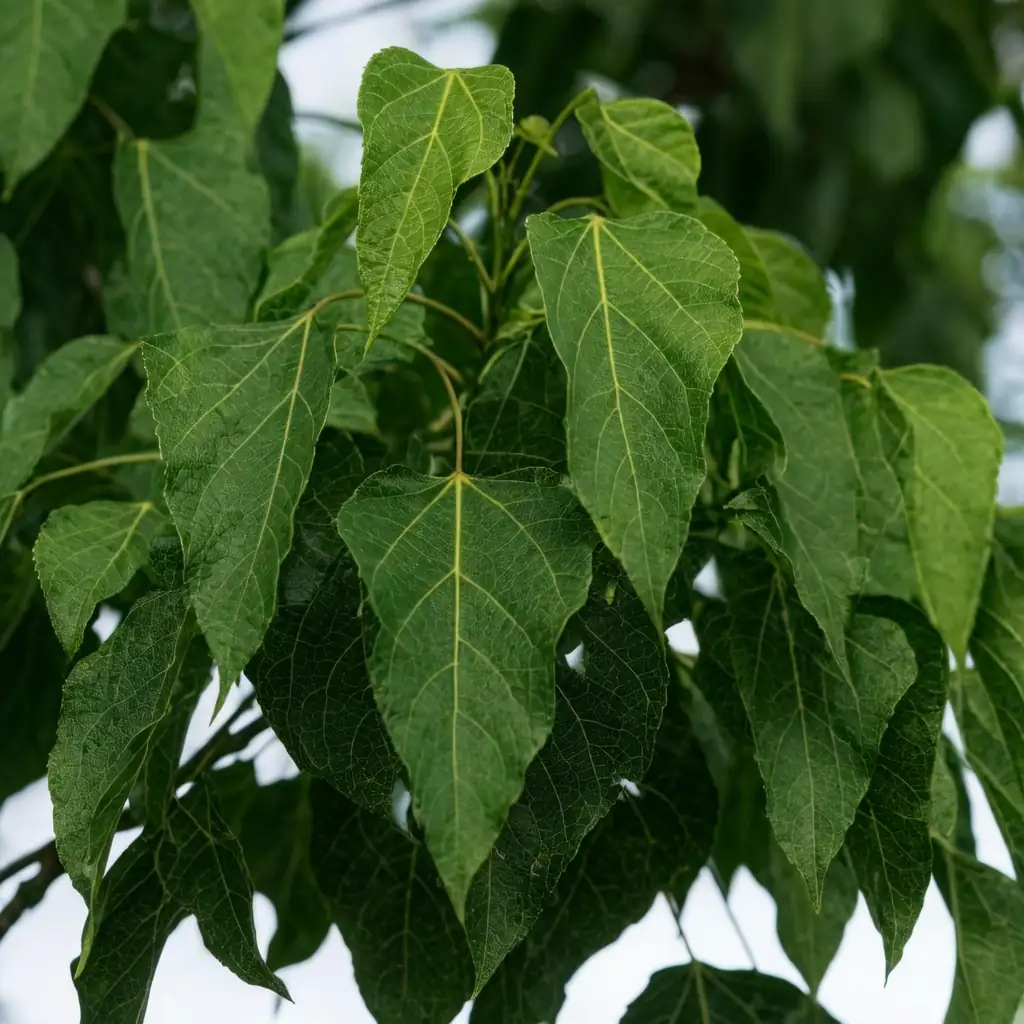
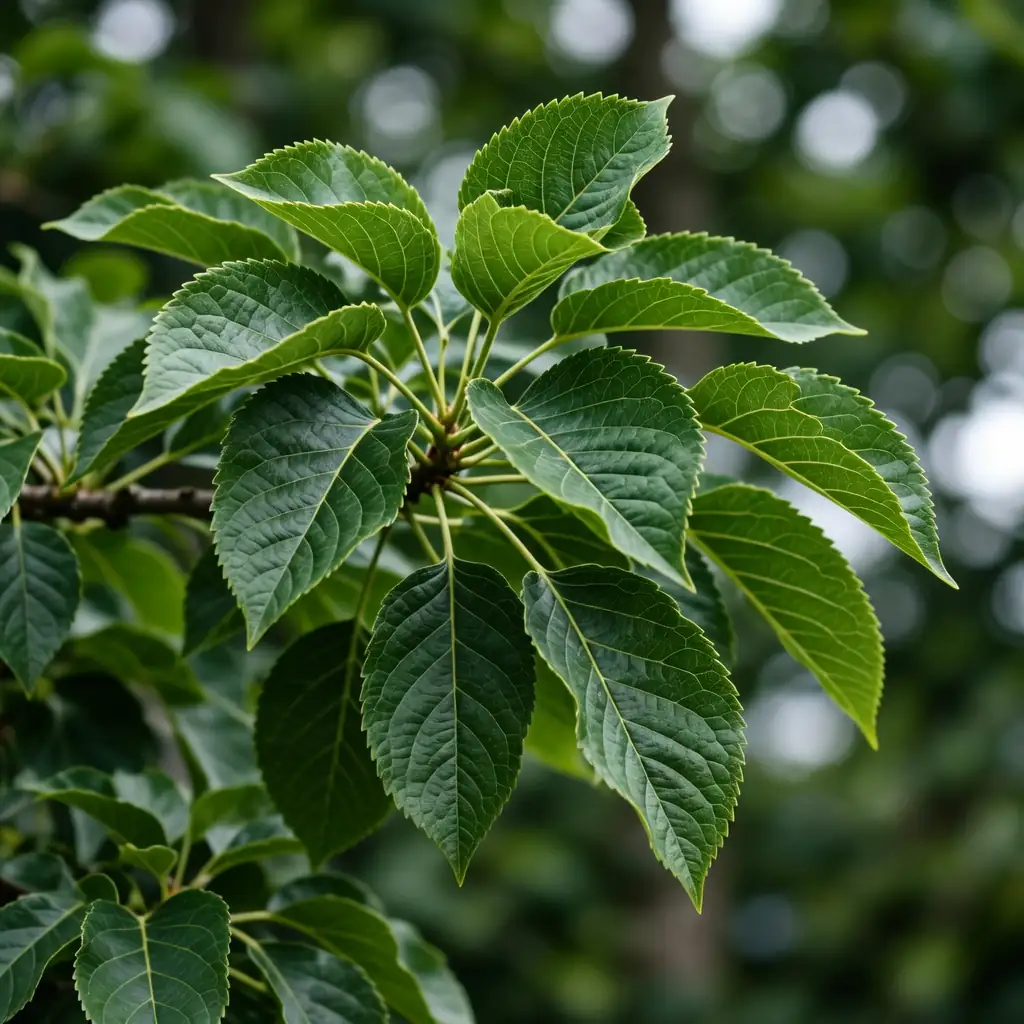
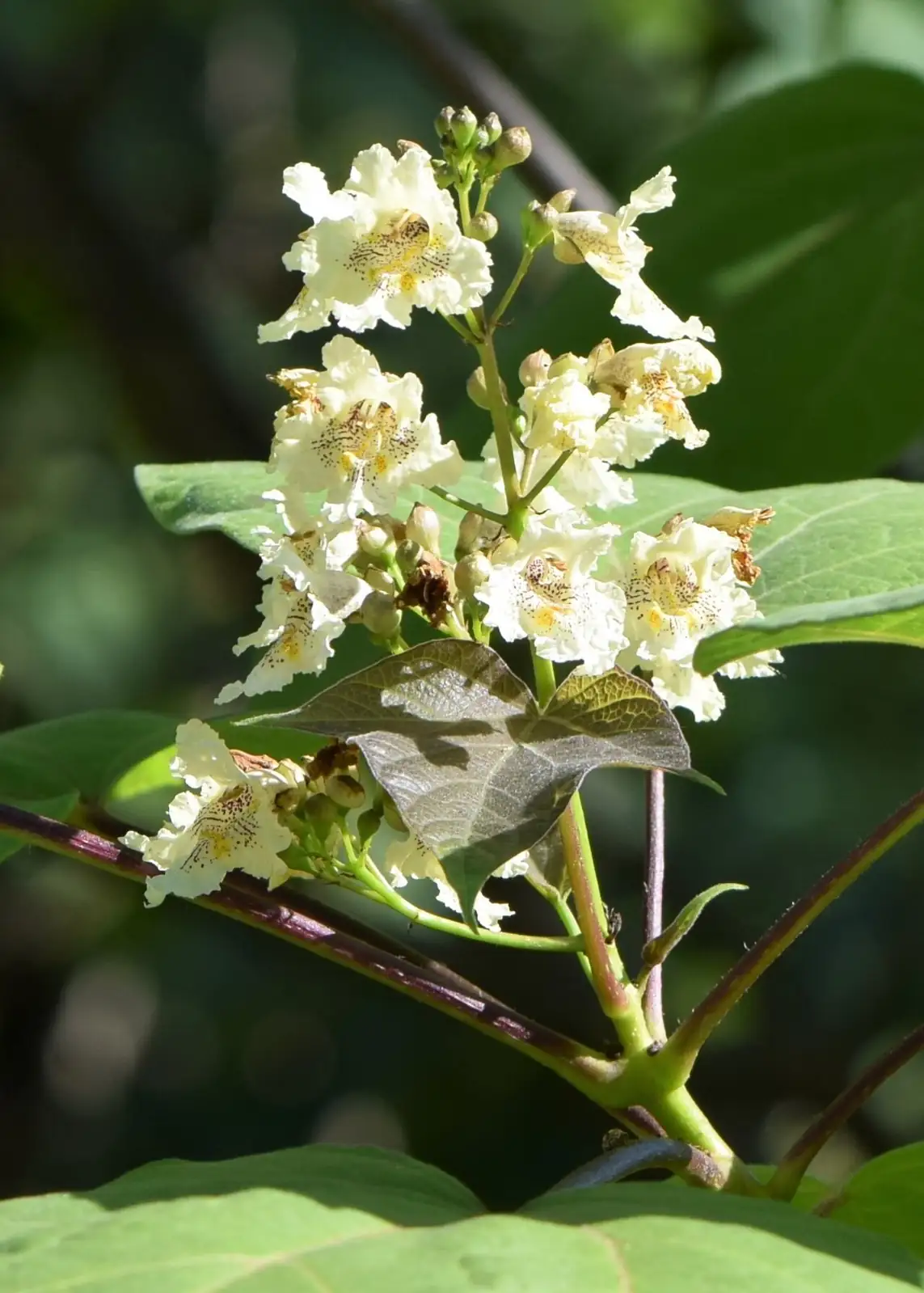
- Foliage: Leaves are broadly ovate to triangular-ovate, deep green, and distinctly hairy, giving the canopy a slightly textured, velvety look; young shoots can also be densely hairy.
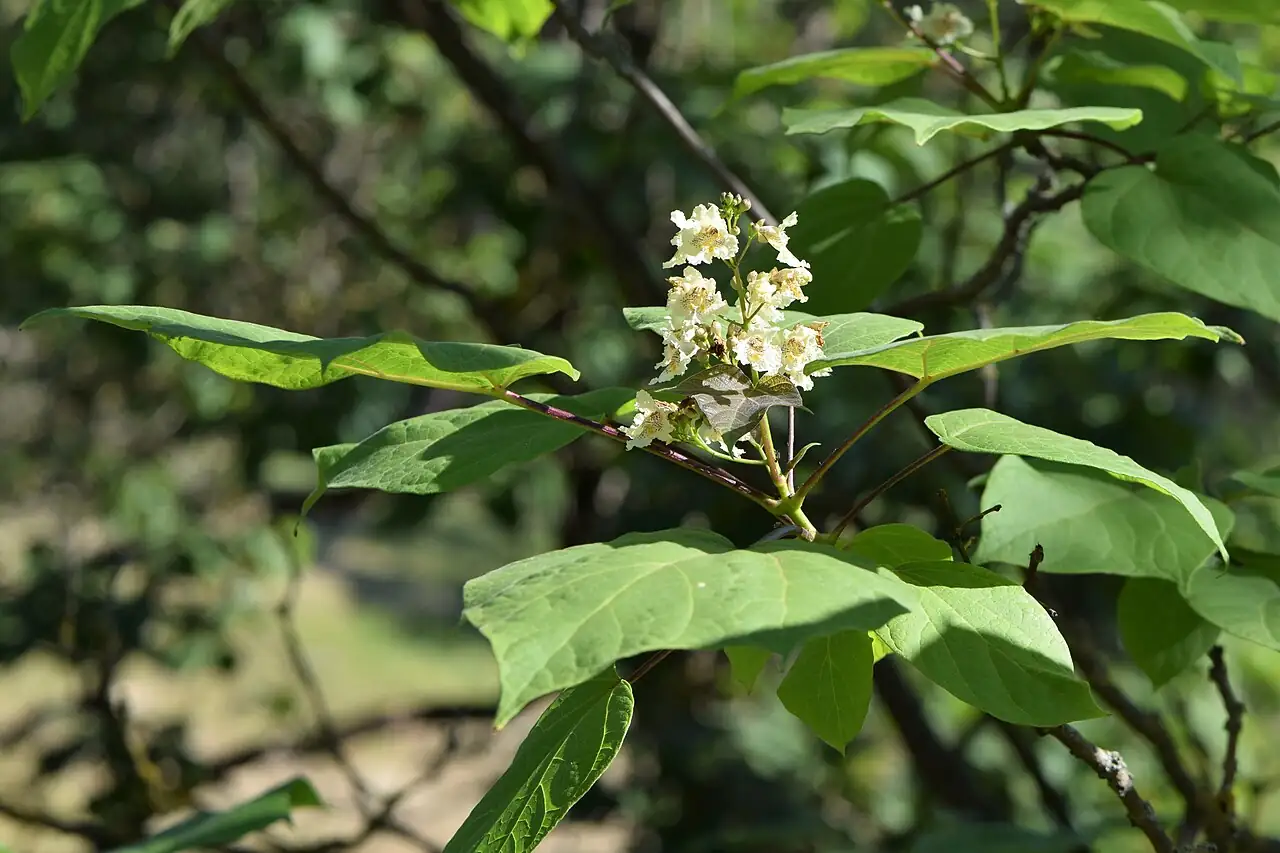
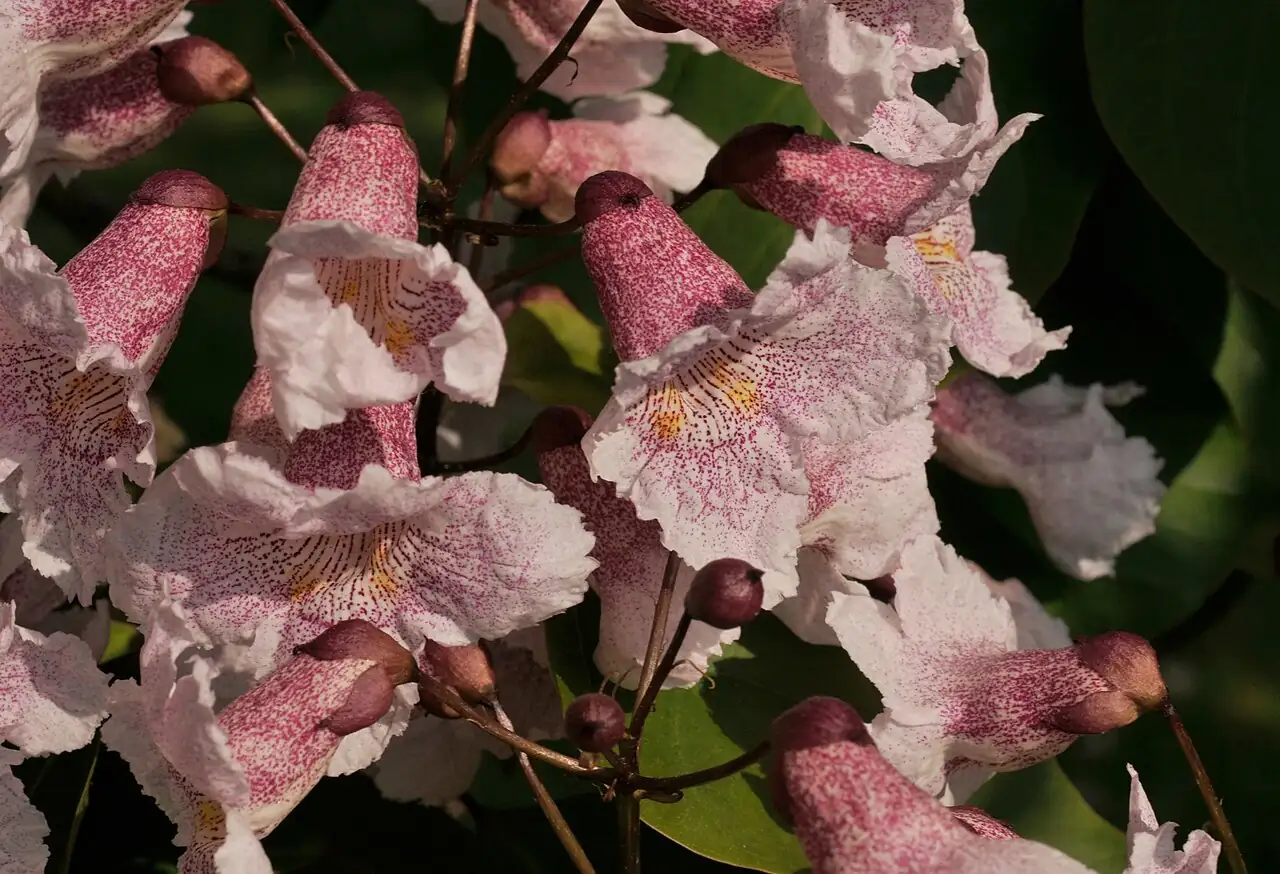
- Flower: Flowers appear in terminal clusters (often about 2–12 blooms per cluster). Each bloom is large and trumpet-shaped, pale pink with yellow striping inside and darker purple spotting in the throat. After flowering, the tree forms long, narrow pod-like capsules; seeds inside are slender and elongated.
- Flowering Season: May–June
- Growth Habit: Upright, sun-loving deciduous tree that develops a broad shade canopy with age.
Environment
Sunlight
Full sun for best flowering and sturdy growth.
Temperature
Grows best where the annual mean is about 10–15°C (50–59°F). It dislikes severe cold; young trees may need protection in harsh winters.
Humidity
Prefers moderately humid to humid conditions, but once established it generally handles typical outdoor humidity well.
Soil
Best in well-drained loam. Avoid low-lying sites, standing water, and areas with high groundwater—poor drainage and waterlogging can cause decline.
Placement
Outdoors in open, sunny places with room to spread—parks, large gardens, campuses, and street plantings; prioritize good drainage.
Hardiness
Not reliably hardy in very harsh-winter climates; avoid frost pockets and exposed sites if winters are severe.
Care Guide
Difficulty
Moderate: straightforward in a sunny, well-drained site, but sensitive to waterlogging and harsh winter exposure (especially when young).
Buying Guide
Pick a vigorous young tree with a straight central leader, intact bark, and no dieback. Check for healthy roots—avoid pot-bound plants with circling roots. For landscape use, choose stock suited to your local winter conditions and plan to plant it where drainage is reliably good.
Watering
Water regularly for the first 1–2 growing seasons while roots establish. After that, water mainly during extended drought. Aim for deep, infrequent watering rather than frequent shallow splashes, and never let the root zone stay soggy.
Fertilization
In spring, feed lightly with a balanced slow-release fertilizer if the soil is poor or growth is weak. In decent soil, it often needs little feeding. Avoid heavy nitrogen, which can push leafy growth at the expense of flowers.
Pruning
Prune in late winter to early spring while dormant: remove dead, damaged, or crossing branches and build a strong framework. Avoid heavy pruning during active growth unless necessary.
Propagation
Usually propagated from seed or from cuttings (softwood or hardwood, depending on local practice). Seeds are collected from mature pods and sown when viable.
Repotting
Not ideal as a long-term container plant. If started in a pot, up-pot to prevent root binding, then transplant into the ground once established.
📅 Seasonal Care Calendar
Spring: plant, water consistently, and feed lightly if needed. Summer: water during heat/drought; mulch to conserve moisture (keep mulch off the trunk). Autumn: taper watering as temperatures drop; collect pods for seed if desired. Winter: prune while dormant; protect young trees from severe frost and drying winds in colder areas.
Pests, Diseases & Safety
Common Pests & Diseases
Can see common landscape-tree pests such as aphids, scale insects, and caterpillars. Fungal troubles are more likely when air circulation is poor or soils stay overly wet. Best prevention is correct siting (sun + drainage), good airflow, and avoiding waterlogging; manage outbreaks with appropriate horticultural controls when needed.
Toxicity
Generally not considered highly toxic to people or pets, but chewing or ingesting plant material may still cause mild stomach upset. Discourage pets from nibbling and seek professional advice if ingestion occurs.
Culture & Symbolism
Symbolism: Often linked with dignified beauty and a celebratory summer display thanks to its large, decorative blossoms.
History & Legends: Long used as an ornamental and shade tree in China, traditionally planted along streets and in gardens for its pleasing form and seasonal flowering.
Uses: Primarily an ornamental shade tree for parks and urban greening. Its hairy foliage can help capture dust and may slightly reduce noise, and it is noted for tolerating certain air pollutants (including sulfur dioxide and ammonia) in suitable planting conditions.
FAQ
Why is my Bunge’s catalpa struggling in a low area of the yard?
It hates wet feet. Low spots and high groundwater keep roots too wet, leading to stress and decline. Replant in a raised, well-drained spot or improve drainage before planting.
How can I get better flowering?
Give it full sun, avoid high-nitrogen fertilizer, and keep moisture steady during establishment—while still ensuring the soil drains well. Soggy roots reduce vigor and bloom.
Fun Facts
- Its noticeably hairy leaves and young shoots can trap dust—one reason it’s appreciated in city plantings.
- The yellow striping and purple spotting inside the flower throat are classic Bignoniaceae “nectar guide” markings.
- For this tree, drainage matters more than frequent watering—waterlogged soil is a common cause of failure.
- Flower clusters form at shoot tips and often carry around 2–12 blooms per cluster.


