Plant Features
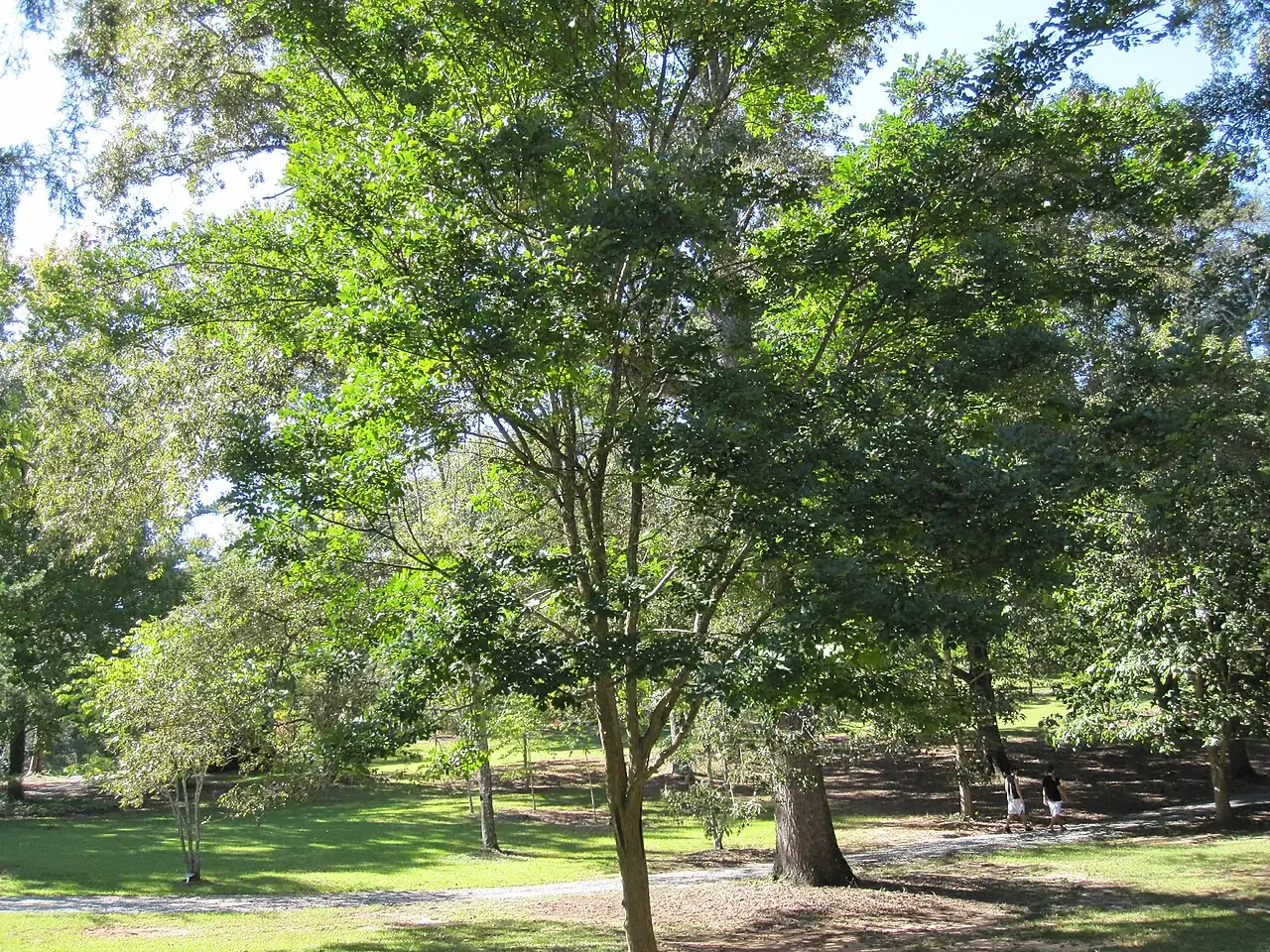
- Size: Typically 10–20 m (33–66 ft) tall; crown spread varies with site conditions and pruning.
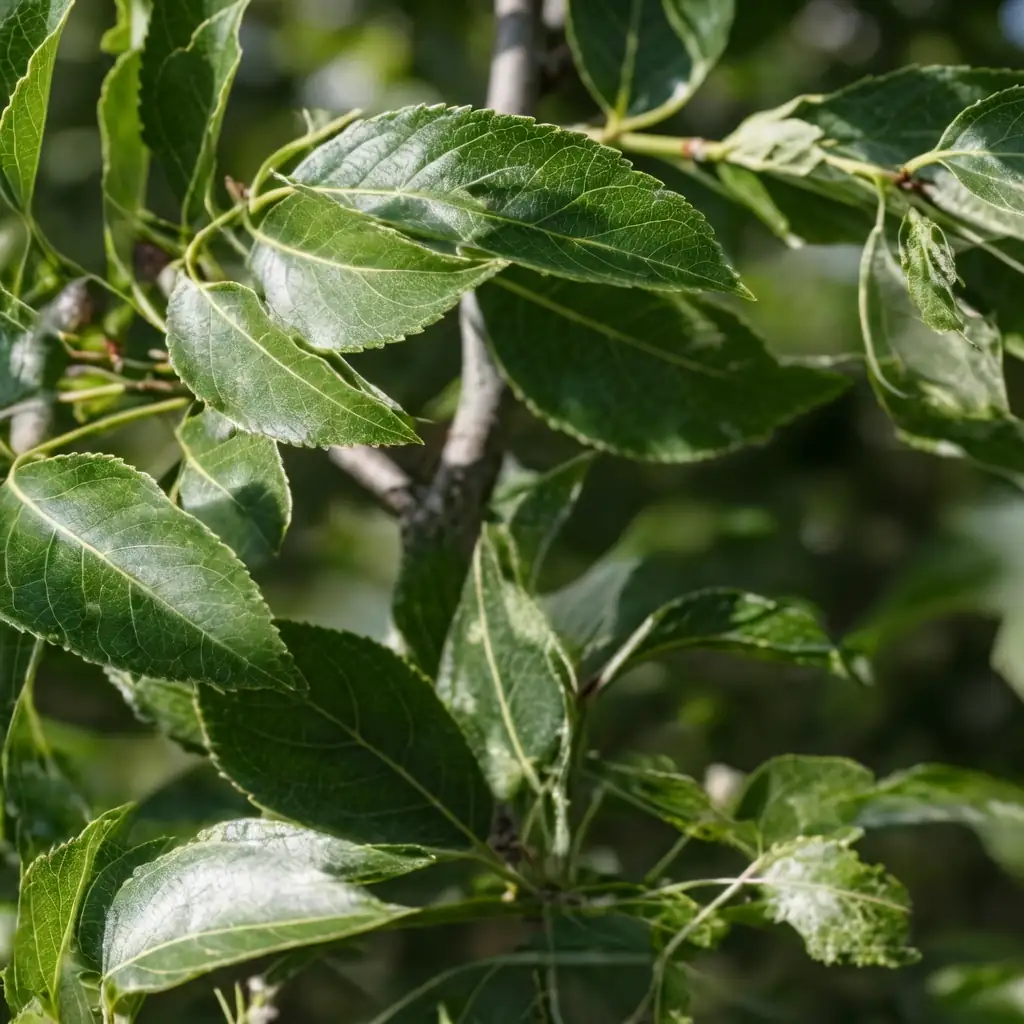
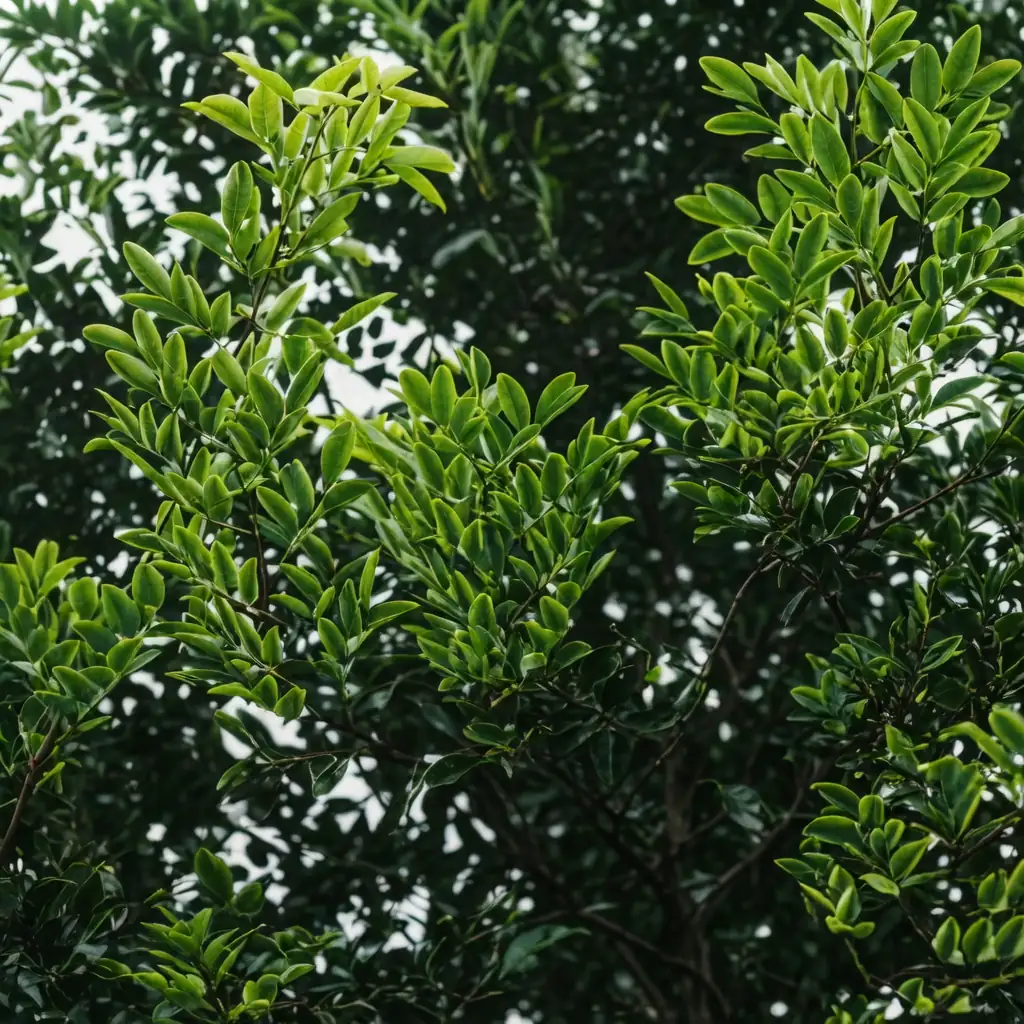
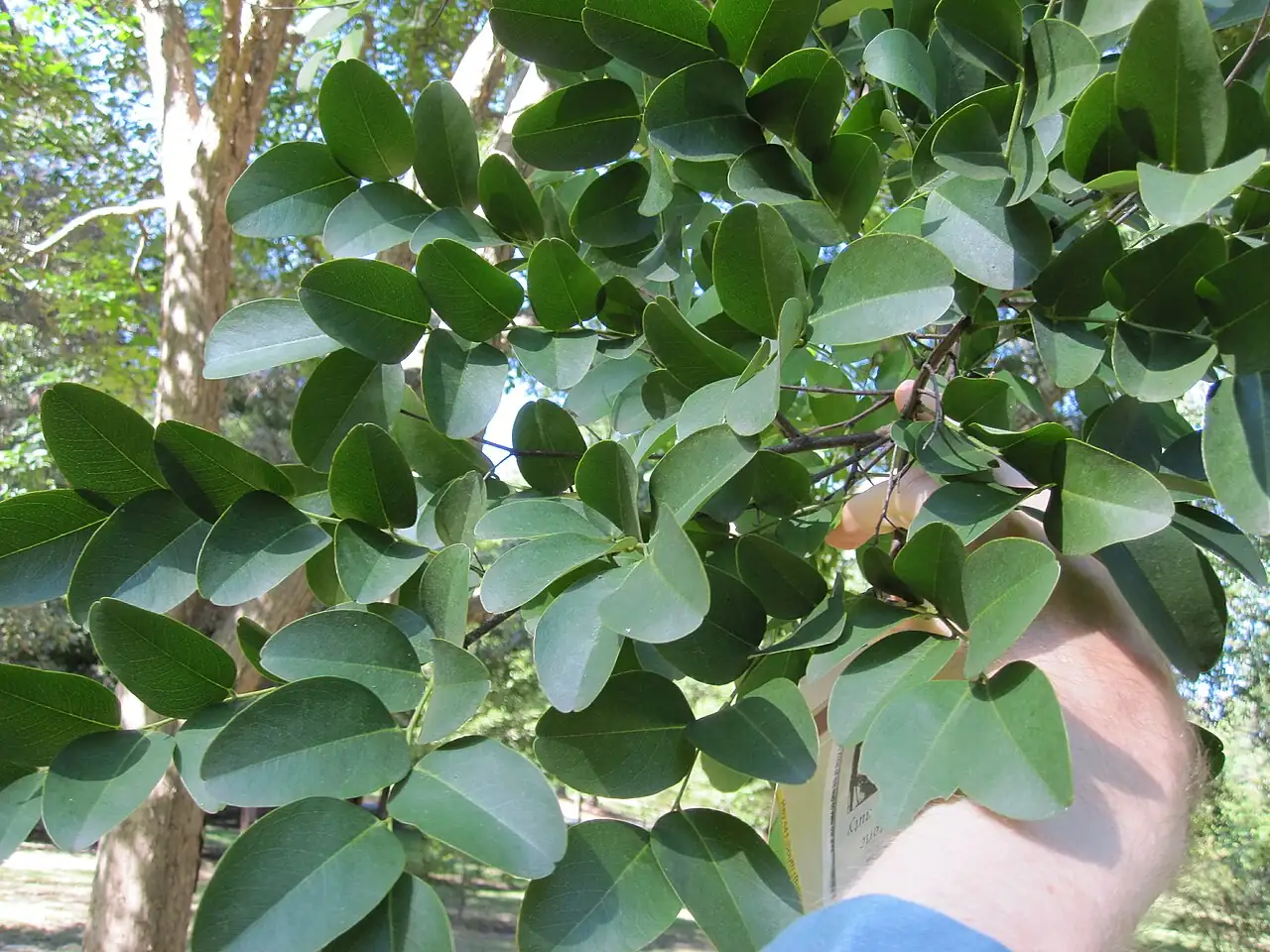
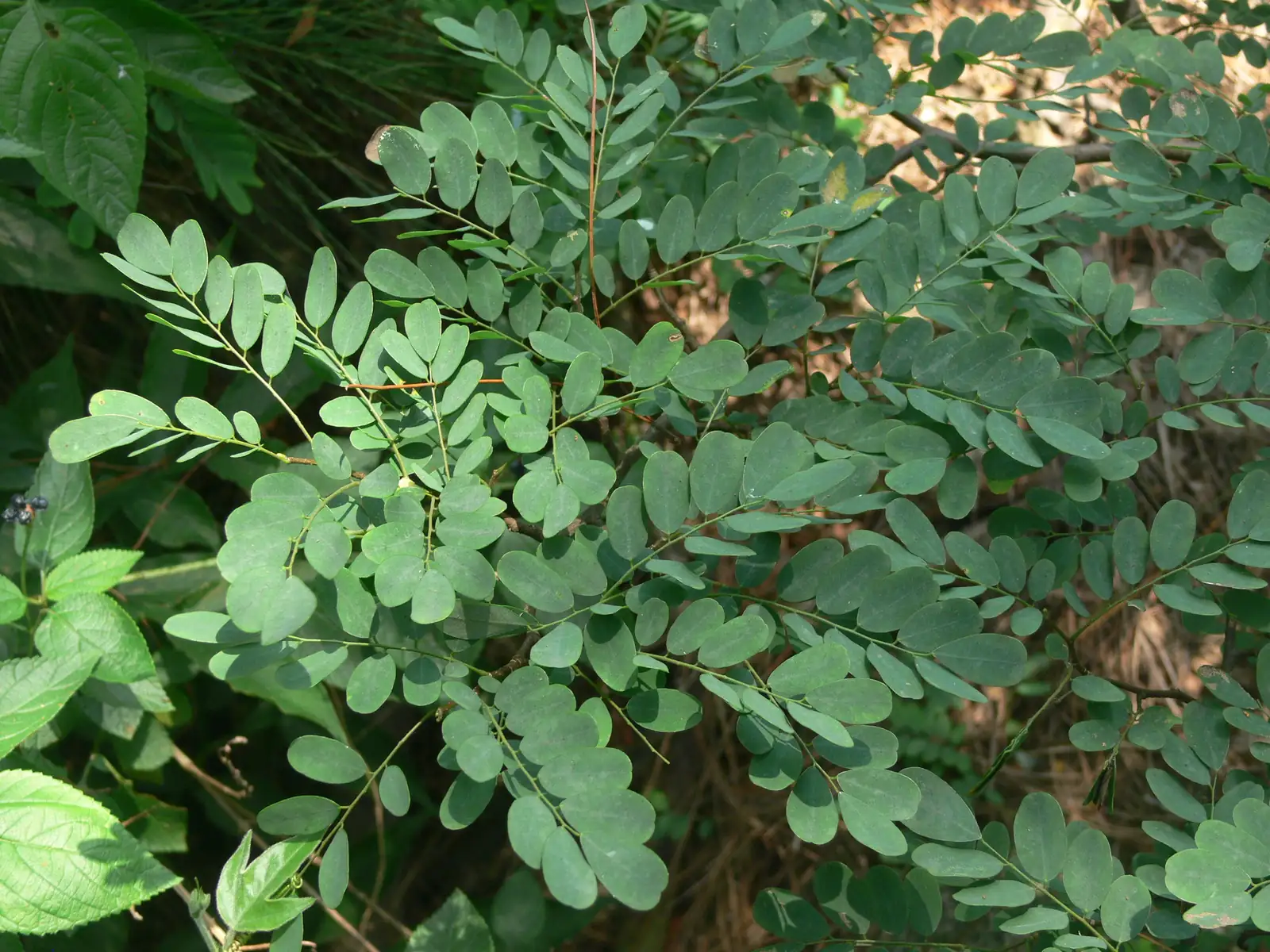
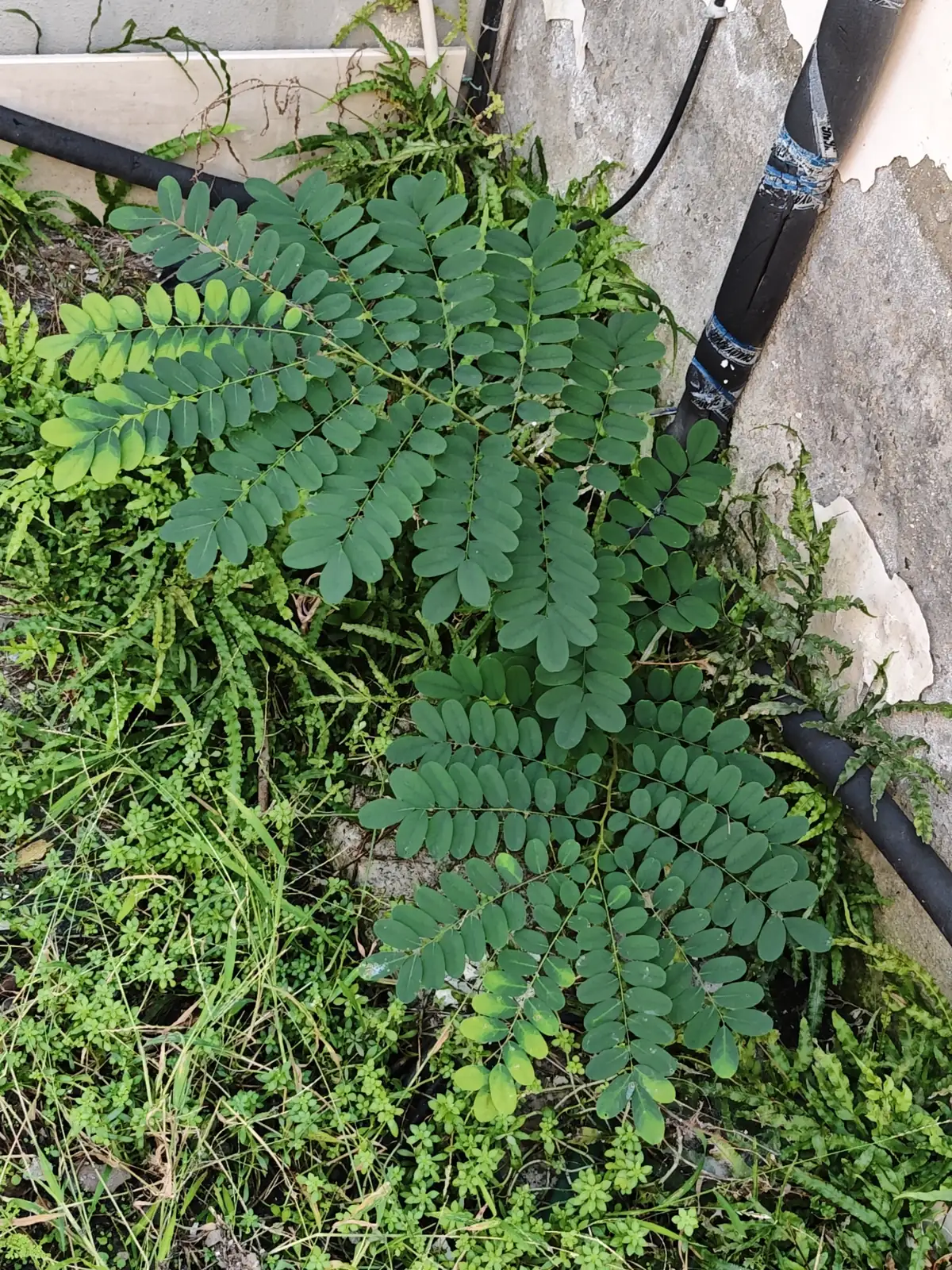
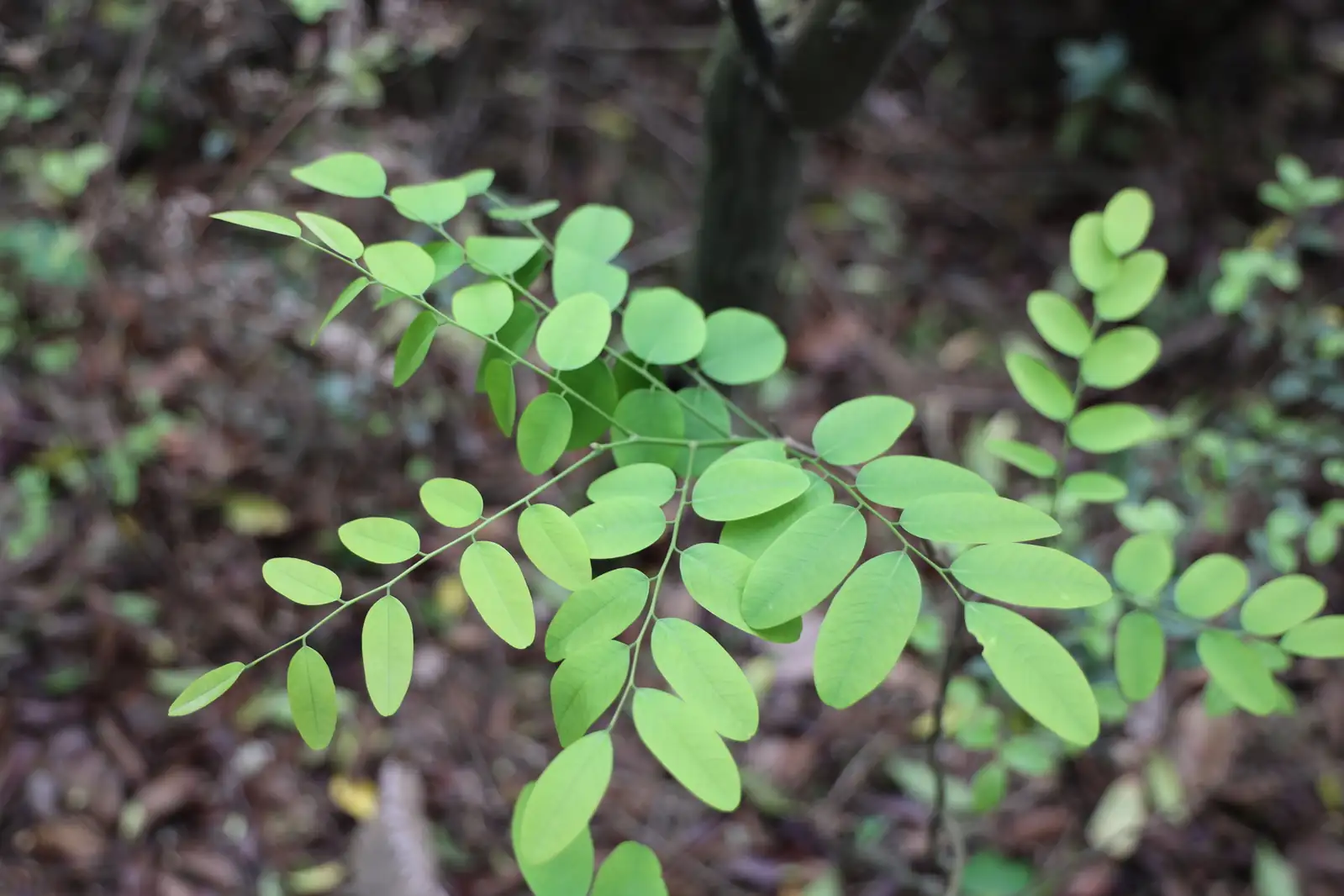
- Foliage: A deciduous tree with dark gray bark and pinnate (compound) leaves typical of the pea family, forming a neat, upright crown that provides good summer shade.
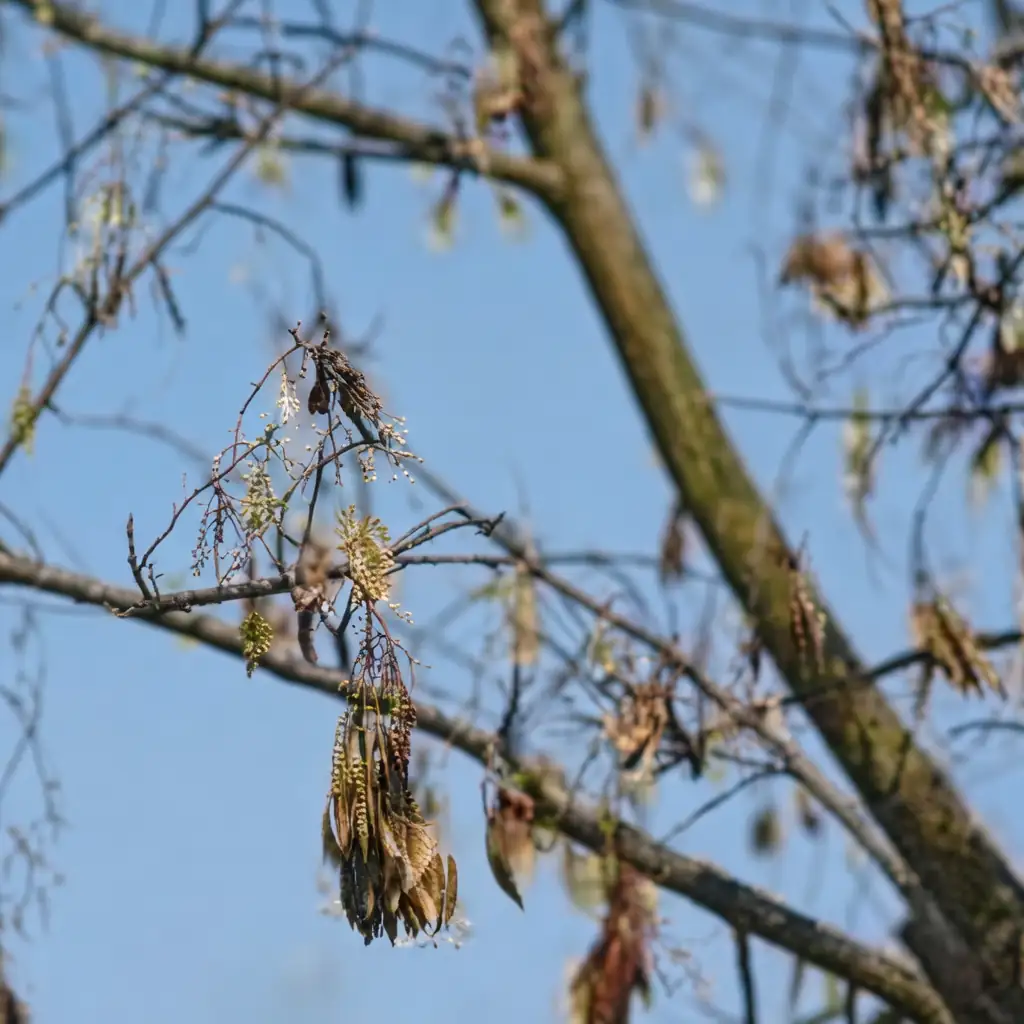
- Flower: Airy panicles of small pea-type flowers in pale lavender to white; after flowering it sets flattened, oblong pods.
- Flowering Season: May–October
- Growth Habit: Upright, tree-form habit with a strong tendency to form a tidy crown. Deep-rooted and capable of vigorous resprouting after cutting or damage. Sun-loving and generally tolerant of drought and poorer soils once established, but performs best in deep, moist, well-drained ground; avoid saline or strongly alkaline sites.
Environment
Sunlight
Full sun for best growth and flowering; tolerates light shade.
Temperature
Temperate to warm-temperate conditions. Young trees benefit from protection from hard freezes; minimum tolerance can vary by provenance.
Humidity
Adaptable under normal outdoor humidity. Avoid persistently stagnant, waterlogged conditions.
Soil
Adaptable, including relatively poor soils, but grows best in deep, fertile soil that stays evenly moist yet drains well. Avoid saline soils and strongly alkaline soils.
Placement
Outdoors—ideal as a shade tree, street tree, or park specimen; also suitable for large-scale greening projects (industrial areas, campuses, and broad landscape plantings) where space allows.
Hardiness
Fairly drought-tolerant once established; not suited to saline/alkaline sites. A consistent USDA zone rating is not widely published for this species.
Care Guide
Difficulty
Moderate (outdoors): tough once established, but needs sun, space for its mature canopy, and well-drained soil; avoid saline/alkaline ground.
Buying Guide
Pick a plant with a straight central leader, well-spaced scaffold branches, and a healthy, non-girdling root system (avoid severely pot-bound stock). Check for dieback, trunk wounds, and signs of borers or scale before purchase. Match the tree size to the planting site and plan for future canopy spread.
Watering
Establishment is key: water regularly for the first 1–2 growing seasons so the root zone stays evenly moist but never soggy. After it’s established, water deeply during extended droughts, letting the surface soil dry slightly between waterings. Avoid frequent shallow watering, which encourages weak, shallow roots.
Fertilization
Usually minimal feeding is needed in reasonably fertile ground. If growth is weak, use a balanced slow-release fertilizer in spring. Avoid overdoing nitrogen, which can push soft, breakable growth and reduce flowering and structure quality.
Pruning
Prune in late winter to early spring. Focus on building a strong framework (especially for street-tree form), removing dead, crossing, or weak branches. Because it can resprout strongly, remove unwanted shoots early and consistently.
Propagation
Most commonly grown from seed. Sow fresh seed in spring in a well-drained medium; light scarification can improve germination for hard-seeded legumes. In some cases, vigorous basal shoots can be trained when available.
Repotting
Not typically grown as a long-term container plant. If kept in a large pot temporarily, up-pot in spring into a deeper container to suit developing roots, and transplant into the ground when practical.
📅 Seasonal Care Calendar
Spring: plant or transplant, stake if needed, begin training/pruning, and water steadily. Summer: deep-water during dry spells; watch for pests on stressed trees. Autumn: reduce extra watering as weather cools; collect pods/seed if desired. Winter: do structural pruning and plan/prepare sites for new plantings.
Pests, Diseases & Safety
Common Pests & Diseases
Can be affected by typical woody-plant problems such as scale insects, borers, and leaf-spot diseases, especially if the tree is stressed. Keep it vigorous with proper watering and drainage, prune out dead wood, and maintain airflow through sensible canopy thinning.
Toxicity
No widely cited toxicity warnings specific to this species for household exposure. As with many hardwoods, sawdust can irritate skin and airways—use eye and respiratory protection when cutting or sanding.
Culture & Symbolism
Symbolism: Often linked with steadiness and endurance—an upright, resilient tree that quietly does its job: shade, structure, and long-term presence in the landscape.
History & Legends: As a Dalbergia species, it has a long-standing local reputation for hard, attractive wood used in practical and decorative wooden goods, while also being valued as a reliable street and park tree in parts of China.
Uses: Landscape use as a shade tree, street tree, and park specimen, including large-scale greening projects. Wood use: pale yellow to creamy-white timber that is hard and dense with attractive grain—used for durable woodenware, tool handles, and carving, appreciated for abrasion and impact resistance.
FAQ
When does it flower?
Typically from May to October, depending on local climate.
When does it fruit?
Fruiting often overlaps flowering from May to October, producing flattened pods.
How tall does it grow?
Usually about 10–20 m (33–66 ft), with crown spread influenced by site and pruning.
Where is it native?
China, reported from provinces including Shandong, Jiangsu, Anhui, Zhejiang, Jiangxi, Fujian, Hubei, Hunan, Guangdong, Guangxi, Sichuan, Guizhou, Yunnan—often in mountain woodland/shrubland and along streams, gullies, and slopes.
What family and genus is it in?
Fabaceae (pea family), genus Dalbergia.
Fun Facts
- Its pale yellow to creamy-white wood is notably hard and dense, which is why it’s favored for carving and long-lasting wooden goods.
- The flowers are classic “pea-family” blooms, carried in light, airy panicles that can look lavender-tinted or nearly white.
- Flowering and pod formation frequently overlap through the warm months, so you may see blooms and pods at the same time.
- Deep roots and strong resprouting ability help it recover from damage and cope with dry spells once established.
- Its neat form and reliable shade make it a practical choice for streets and parks where a clean canopy silhouette matters.