Plant Features
- Size: Typically 20–45 cm (8–18 in) tall in leaf, with flowering stems about 40–60 cm (16–24 in); spread about 30–60 cm (12–24 in).
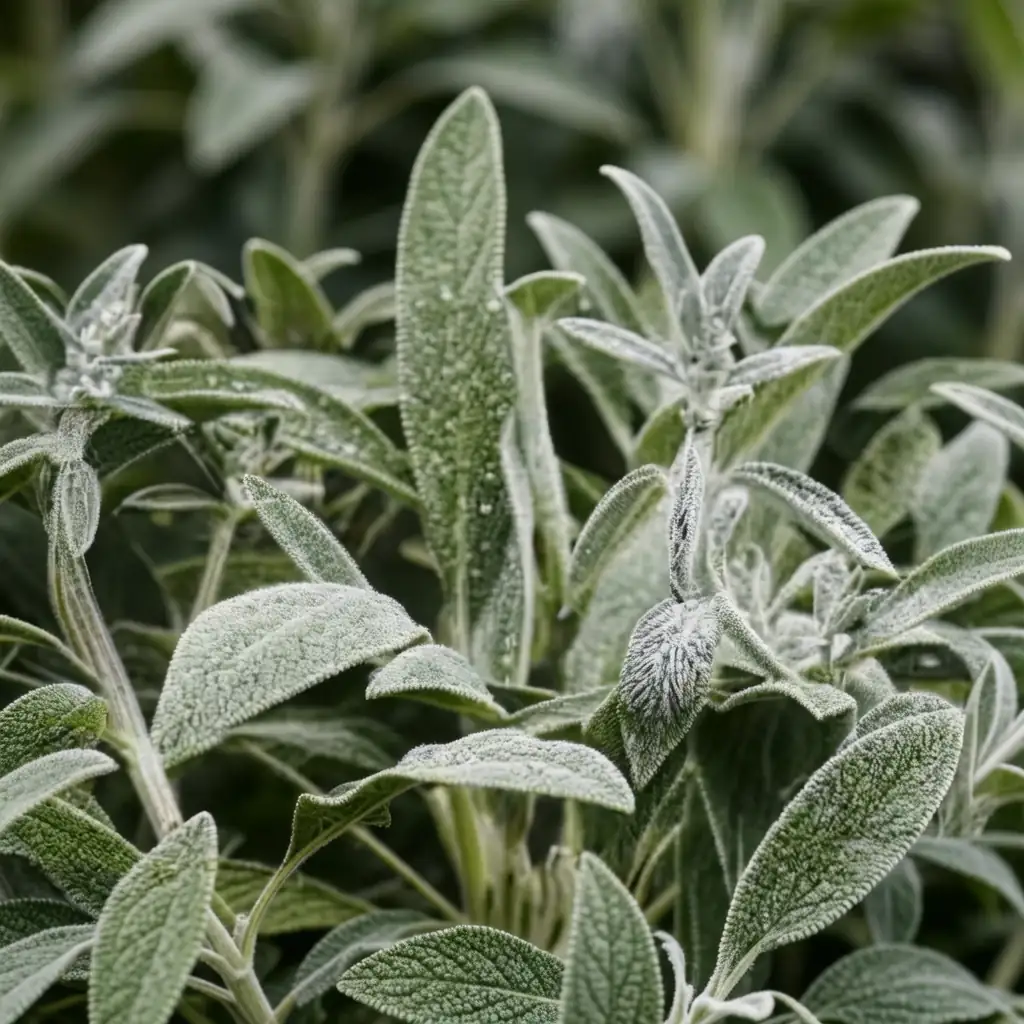
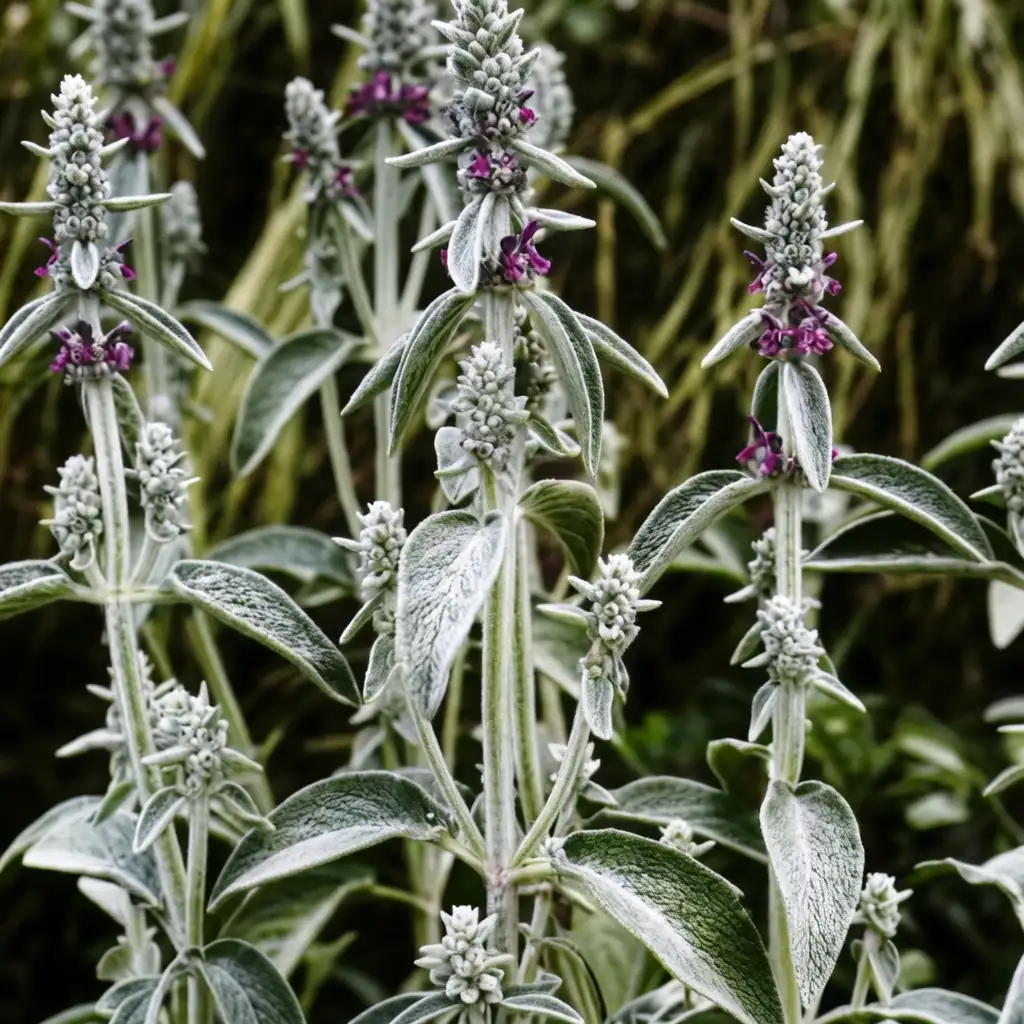
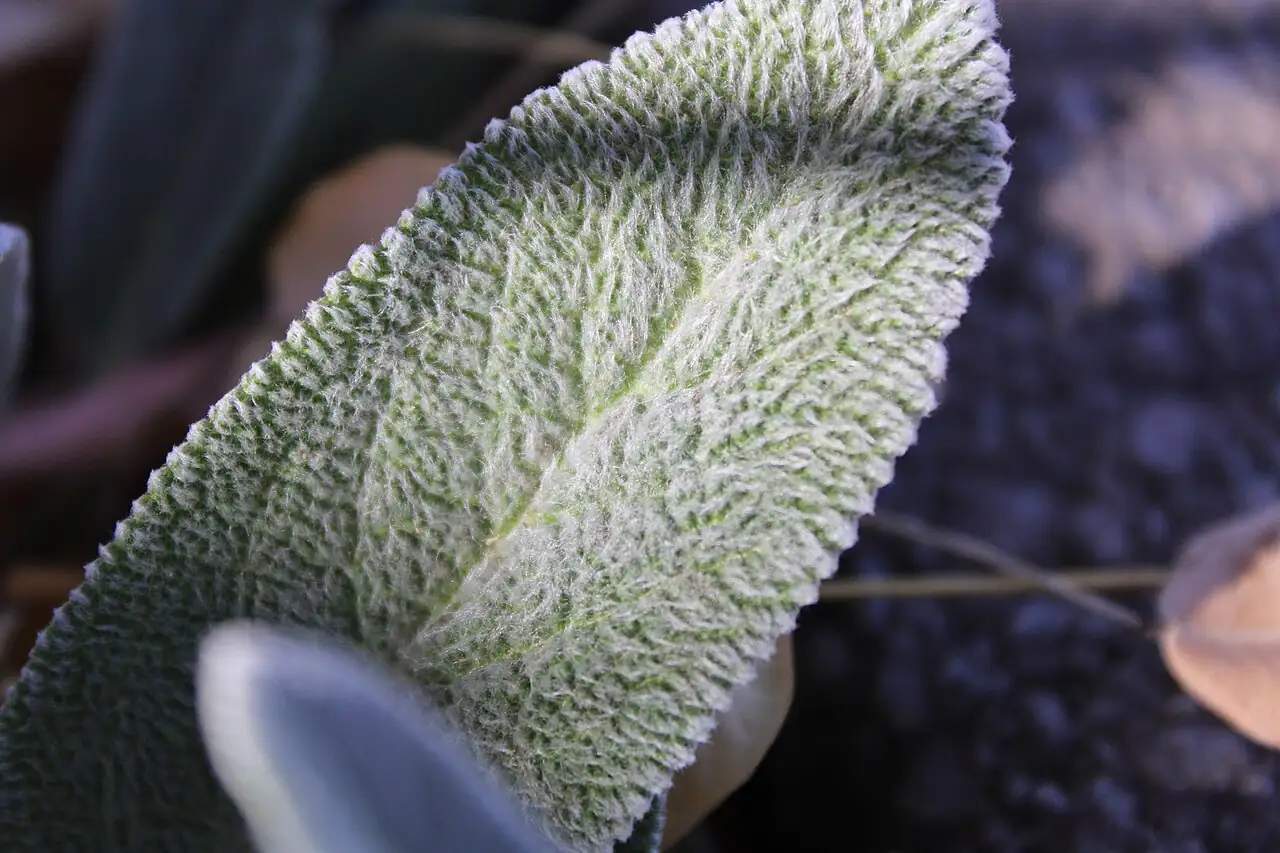
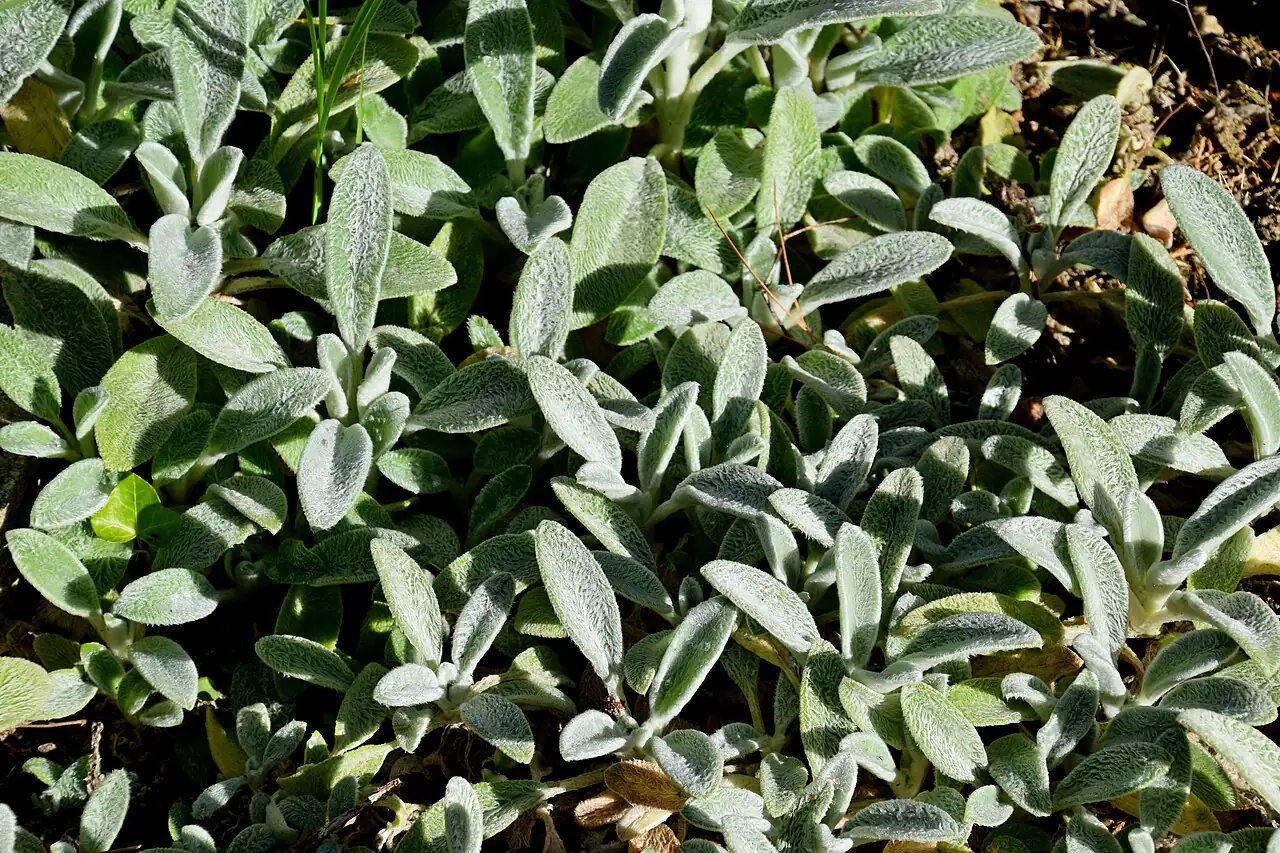
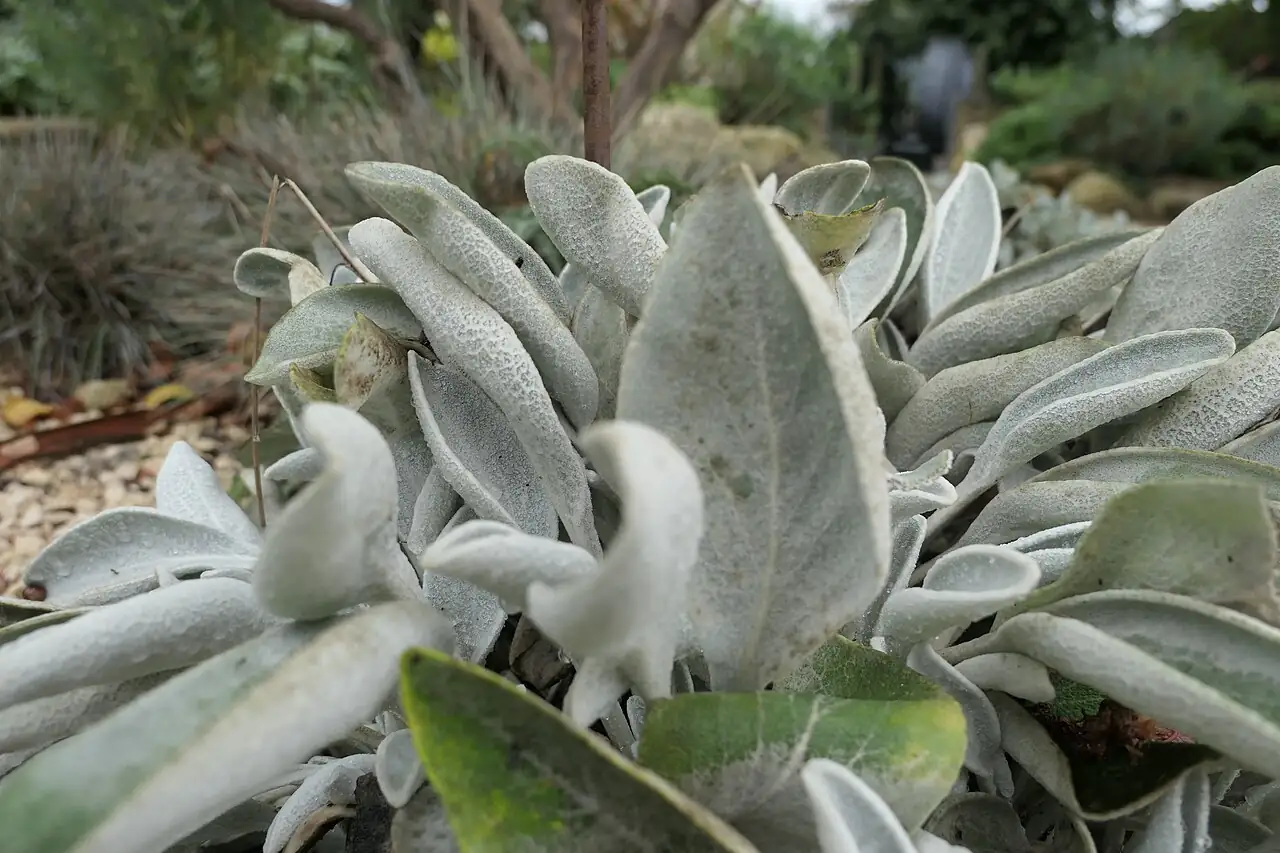
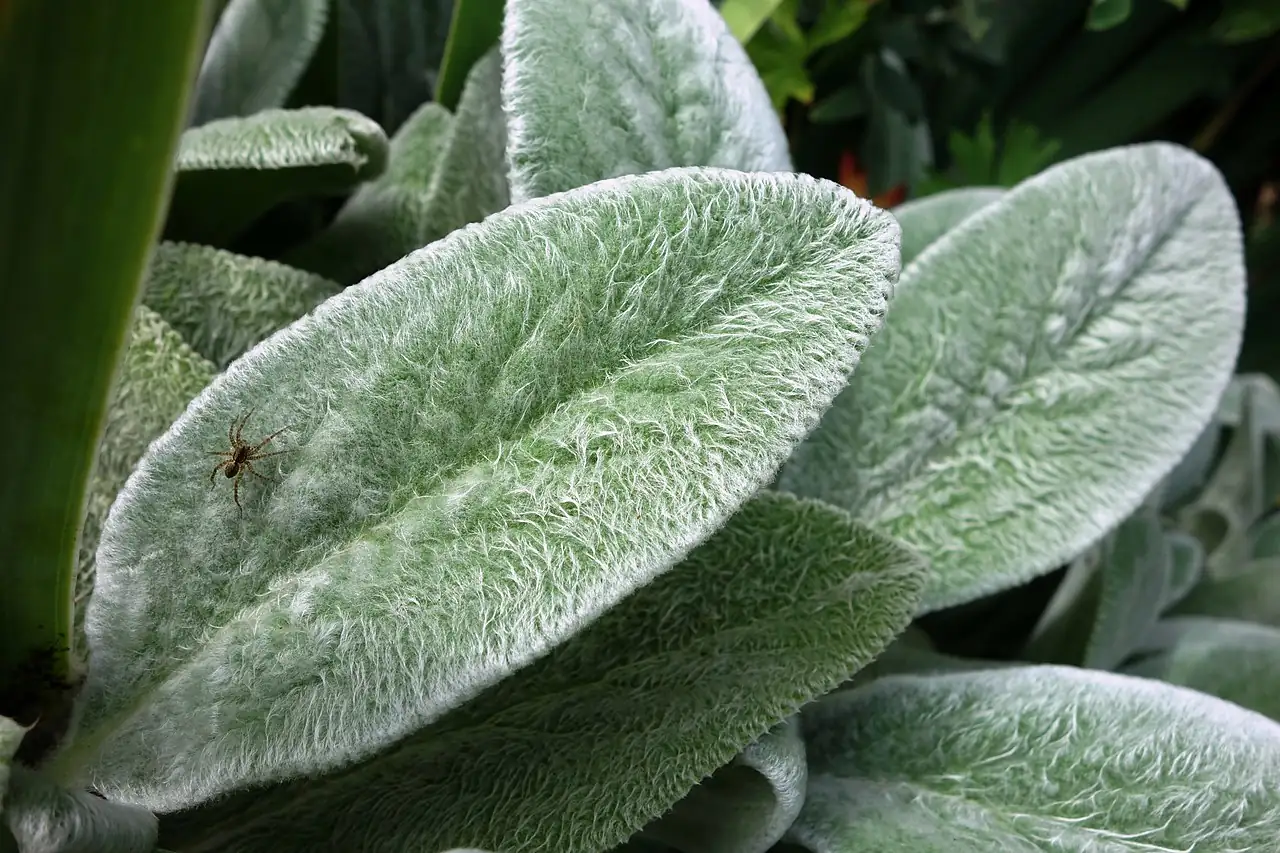
- Foliage: Basal and stem leaves are oblong to elliptic, thick and densely covered on both sides with soft, silvery-white hairs. This gives the plant a plush silver-gray look and the signature “lamb’s ear” velvety feel.
- Flower: Dense, whorled flowers are carried in spike-like clusters above the foliage. The blooms are small and tubular, usually purple to pinkish-purple, held on upright stems.
- Flowering Season: Late spring to midsummer (about May–July); seed set often follows in early to mid-summer (about June–July).
- Growth Habit: Herbaceous perennial with upright, square stems; forms neat clumps that can slowly expand into colonies in suitable conditions.
Environment
Sunlight
Full sun to light shade; for the brightest silver leaves and most compact growth, aim for full sun.
Temperature
Very cold-hardy once established; tolerates down to about -29°C (-20°F). Winter wet is a bigger problem than winter cold—avoid waterlogged sites.
Humidity
Prefers average to dry air. In high humidity or still air, leaves are more likely to rot—give it breathing room.
Soil
Well-drained, loose soil is essential; sandy or gritty loam is ideal. Moderately fertile soil is plenty—overly rich soil can cause floppy, weak growth.
Placement
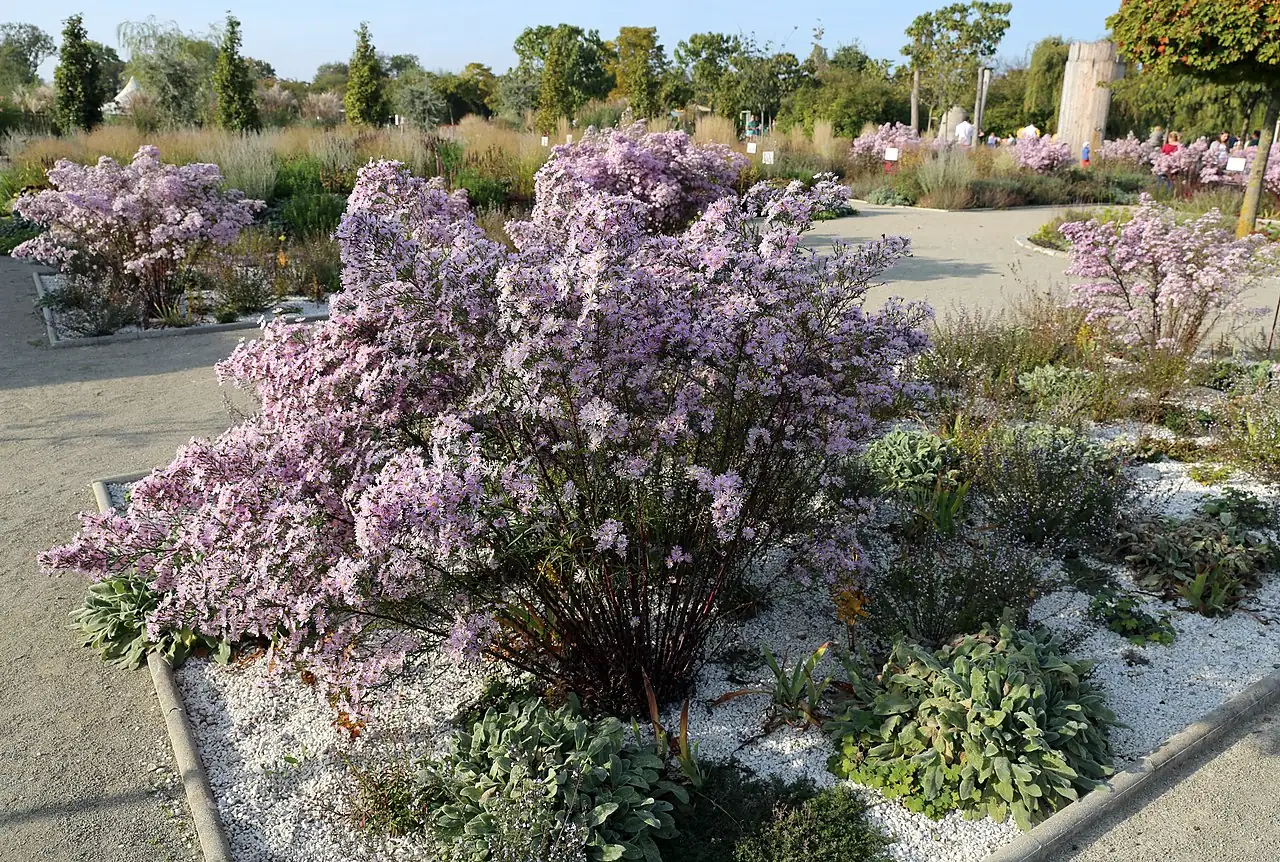
Great for border edging, rock gardens, and mass planting as groundcover, or grown in containers. Place it where drainage is strong and the foliage can dry quickly after rain or watering.
Hardiness
USDA Zone 4–8 (approximately).
Care Guide
Difficulty
Easy overall. The main trick is keeping the crown and fuzzy leaves from staying wet—good drainage and airflow make it almost carefree.
Buying Guide
Look for compact plants with bright silver, firm leaves. Avoid any pot with blackened, mushy crowns or a sour smell, which can signal rot.
Watering
Once established, water sparingly. Let the top of the soil dry between waterings and never leave it sitting in water. In rainy periods, focus on drainage rather than adding more water.
Fertilization
Light feeder. If growth seems weak, use a small amount of balanced slow-release fertilizer in spring; avoid heavy feeding to prevent lush but floppy stems.
Pruning
Deadhead spent flower spikes to keep the clump tidy. In damp climates, remove old/damaged leaves and thin crowded growth to improve airflow and reduce rot.
Propagation
Best propagated by dividing clumps in spring or early autumn (fast, reliable). Softwood cuttings can also be taken during the growing season.
Repotting
In containers, repot every 1–2 years (or when crowded) into a fresh, free-draining mix. Always use a pot with drainage holes.
📅 Seasonal Care Calendar
Spring: clean up winter-damaged foliage; divide if needed. Late spring–midsummer (May–July): flowering; deadhead for neatness. Summer: avoid overwatering. Autumn: optional division; keep crowns drier going into winter.
Pests, Diseases & Safety
Common Pests & Diseases
Usually trouble-free. The main issues are crown/root rot and leaf rot in overly wet conditions—improve drainage and airflow. Slugs and snails may nibble leaves in damp gardens.
Toxicity
Not generally considered toxic to people or pets. However, the hairy leaves may irritate sensitive skin, and chewing any plant can cause mild stomach upset—discourage nibbling and seek advice if symptoms occur.
Culture & Symbolism
Symbolism: Often linked with softness, comfort, and gentle warmth—thanks to its famously touchable leaves.
History & Legends: Native to southeastern Europe and nearby western Asia, lamb’s ear became popular worldwide as an ornamental for its striking silver foliage. It was introduced to China in the 1980s and has since been used in landscape plantings across multiple regions.
Uses: Primarily ornamental: ideal for edging, borders, groundcover, rock gardens, and containers. Flowers add early-summer color and can attract pollinators. Leaves and stems can be dried for wreaths and dried-flower crafts.
FAQ
When does lamb’s ear flower?
Typically from May to July (late spring through midsummer), depending on local climate.
When does it set seed/fruit?
Usually June to July (early to mid-summer) after flowering.
How cold-hardy is lamb’s ear?
It can tolerate temperatures down to about -29°C (-20°F) when established and grown in well-drained soil.
Where is the best place to plant it?
Choose a sunny, well-drained site—borders, rock gardens, mass groundcover plantings, or containers. Avoid spots that stay wet.
What is special about the leaves?
They’re thick, silver-gray, and densely covered with soft hairs, making them velvety to the touch and wonderfully bright in the garden.
Fun Facts
- Its name comes from the leaf texture—soft, fuzzy, and shaped a bit like a lamb’s ear.
- Silver foliage makes an excellent contrast with dark green or purple-leaved plants.
- Once established, it tolerates drought better than many perennials.
- The leaves dry well and are often used in wreaths and dried arrangements.
- Lean soil often produces a tidier, more compact plant than rich soil.