

Plant Features
- Size: Up to 20 m (66 ft) tall; typically a medium to large deciduous tree.
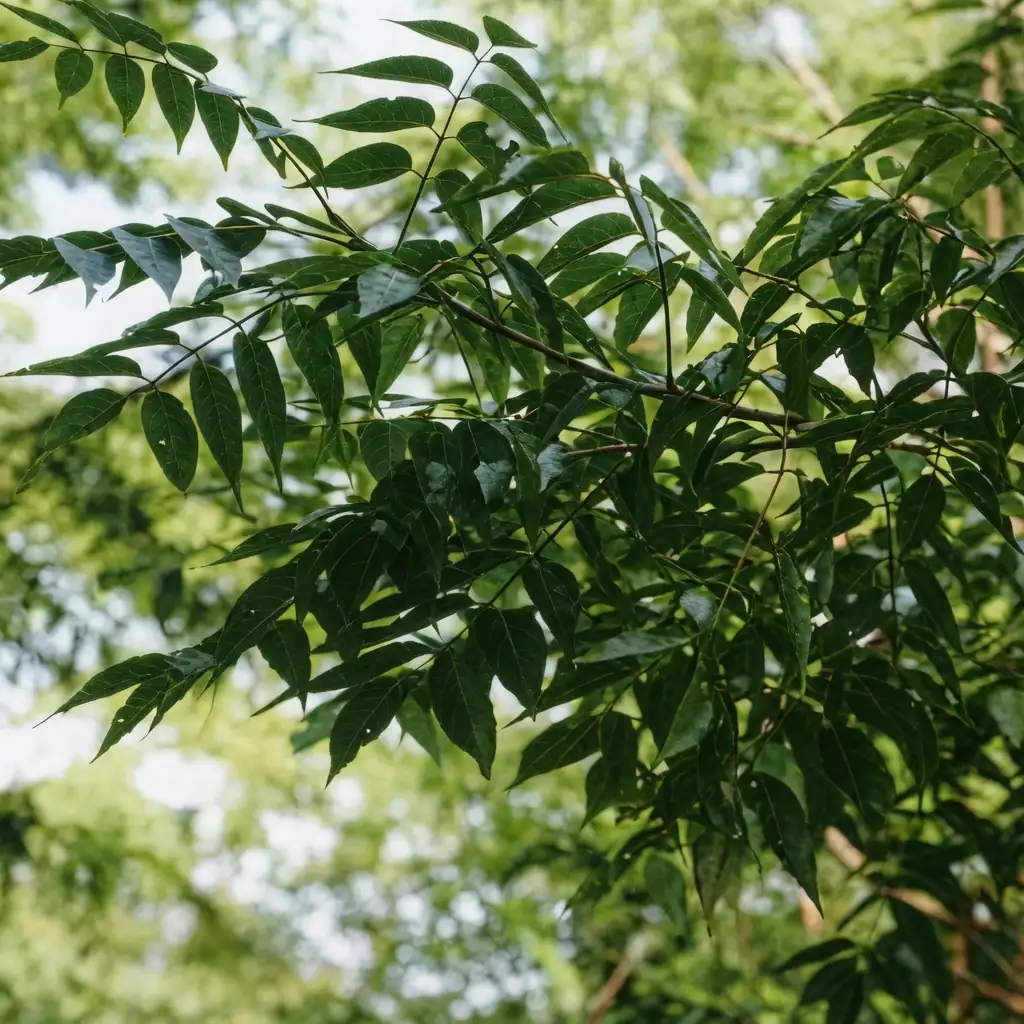
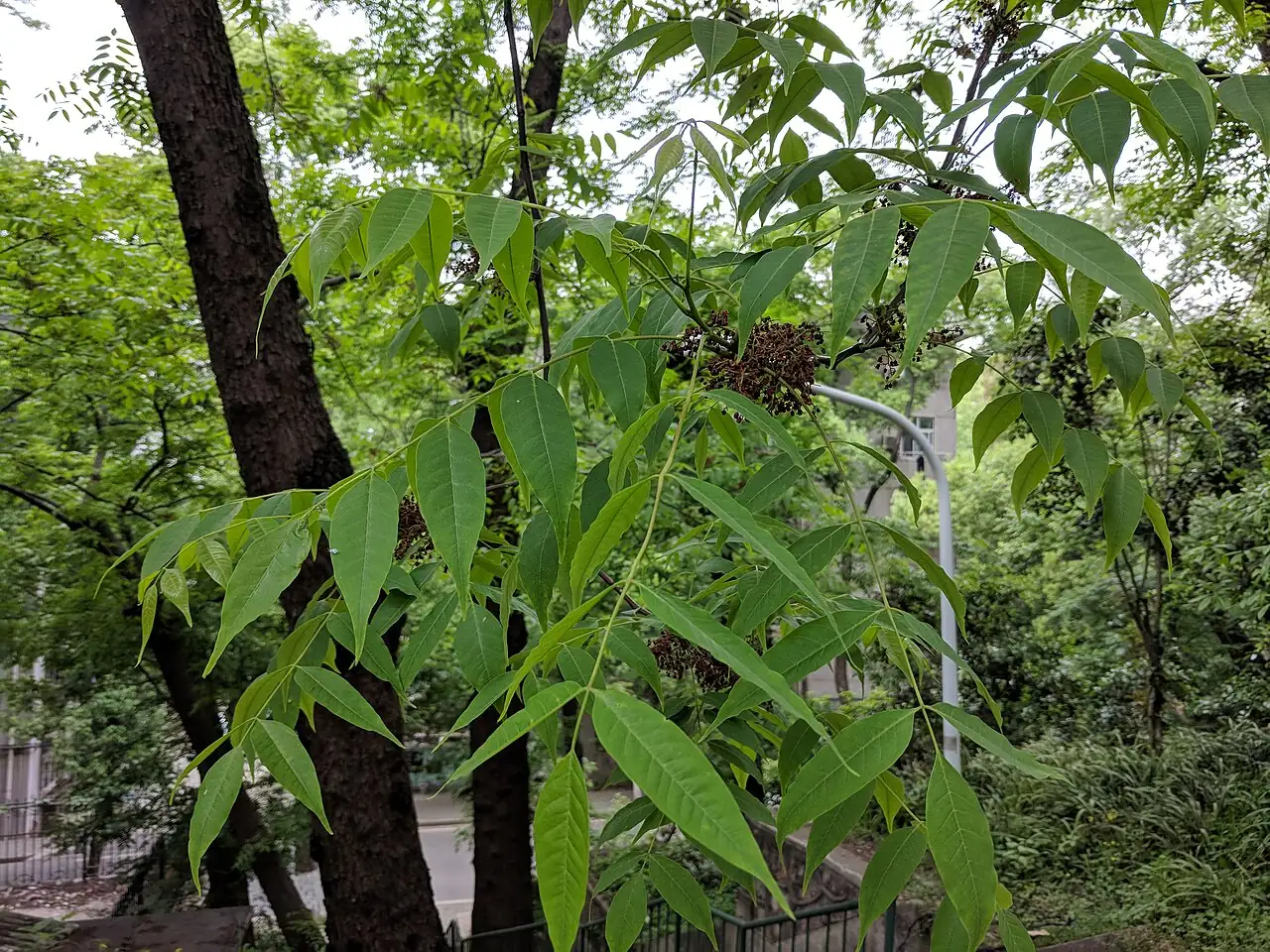
- Foliage: Leaves are alternate and odd-pinnate (compound). The bark is gray-brown.
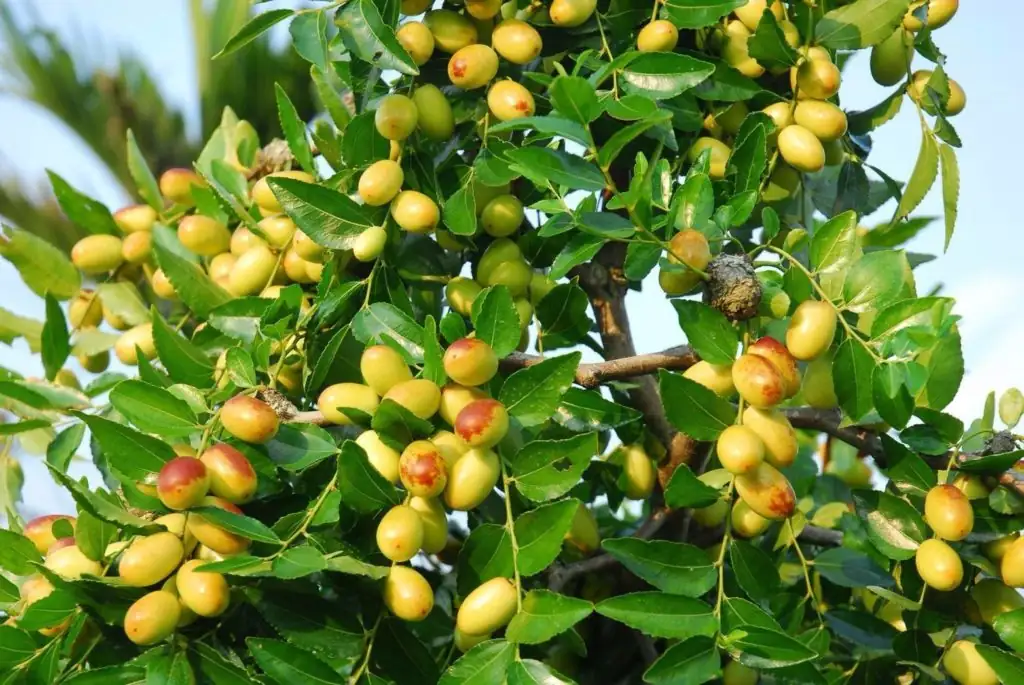
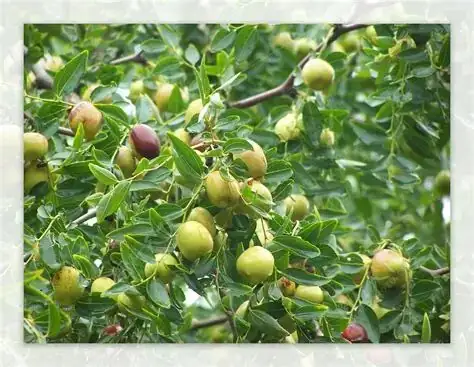
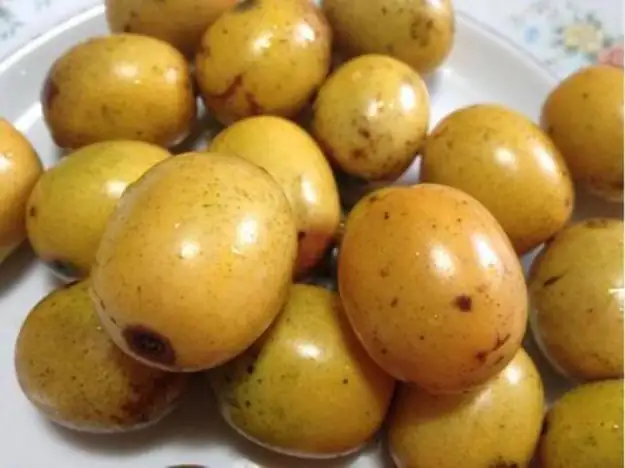
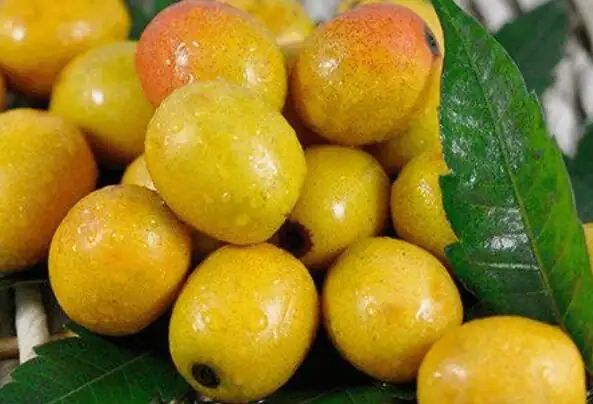
- Flower: Small, pale purplish-red flowers appear in terminal or axillary branched clusters. Trees may show different flower types. The fruit is an oval to obovate drupe that ripens yellow, with a fleshy, juicy, sweet-tart pulp.
- Flowering Season: April
- Growth Habit: Fast-growing deciduous tree with a relatively shallow root system and strong resprouting (coppicing) ability.
Environment
Sunlight
Full sun is best for strong growth and reliable fruiting; it will tolerate light shade but usually with reduced productivity.
Temperature
Warm-temperate to subtropical. A practical growth range is about 10–30°C (50–86°F). It tolerates light frost, but protect it from prolonged freezes below 0°C (32°F) and from harsh winter winds when young.
Humidity
Prefers a consistently humid, moist-growing environment.
Soil
Deep, fertile, well-drained soil is ideal; slightly acidic to neutral. Avoid waterlogged or poorly drained ground—this species dislikes standing water.
Placement
Outdoors in full sun (orchards, gardens, parks). In cooler margins of its range, choose a sheltered site and avoid low-lying, soggy areas.
Hardiness
Best in mild-winter climates (roughly USDA Zone 9–11). Not hardy to severe frost; only tolerates light frosts. Under good conditions, trees are reported to live up to about 300 years.
Care Guide
Difficulty
Moderate (outdoors, in suitable climates). It’s vigorous and rewarding once established, but it needs sun, consistent moisture, and good drainage; hard freezes can damage growth.
Buying Guide
Pick a healthy young tree with a straight central leader, clean bark (no wounds), and a well-developed root system. Avoid plants with circling/girdling roots or clear signs of waterlogging stress (e.g., sour smell or blackened roots).
Watering
Keep evenly moist while establishing. Water deeply, then wait until the top layer of soil starts to dry before watering again. Do not allow standing water; poor drainage can quickly lead to stress.
Fertilization
Feed in spring with balanced slow-release fertilizer or well-rotted compost. For better fruiting, a second light feed in early summer can help. Avoid heavy nitrogen late in the season so new growth isn’t overly tender going into cool weather.
Pruning
Prune in late winter to early spring to build a strong framework and remove dead, weak, or crossing branches. A light thinning after harvest can improve airflow and encourage better fruiting wood for the following season.
Propagation
Seed propagation is possible, but seedlings can vary. The tree also resprouts strongly from buds (useful for coppicing). For consistent fruit quality, grafting onto suitable rootstock may be used where practiced.
Repotting
Not usually grown long-term in containers. If started in a pot, up-pot in spring into a deeper container and plant out as soon as practical to match its fast, tree-sized growth.
📅 Seasonal Care Calendar
Spring (Mar–Apr): prune, feed, flowering begins. Summer: keep moisture steady; avoid waterlogging. Late summer to autumn (Aug–Oct): fruits ripen and are harvested. Winter: protect young trees from hard freezes and cold winds.
Pests, Diseases & Safety
Common Pests & Diseases
May attract sap-suckers like scale insects and aphids, and can develop leaf-spot diseases in humid weather. Improve airflow, avoid late-day overhead watering, and treat outbreaks with horticultural oil or insecticidal soap when needed.
Toxicity
The ripe fruit is widely eaten and not known for major toxicity concerns. However, as a member of Anacardiaceae, the sap may irritate sensitive skin—wear gloves when pruning if you react easily.
Culture & Symbolism
Symbolism: Often linked with abundance and harvest—thanks to its heavy fruiting and usefulness as both a food and timber tree.
History & Legends: Used and cultivated across parts of South and East Asia; in several regions the fruits are traditionally preserved or fermented into local specialties.
Uses: Ornamental and productive orchard tree; valued for fast-growing timber used in general woodwork and handicrafts. Fruits are eaten fresh and processed into preserves, fruit pastes/cakes, and fermented beverages such as fruit wine.
FAQ
When does it flower?
Typically in April (spring).
When does it fruit?
Fruits usually ripen from August to October (late summer to autumn).
How tall can it grow?
In good conditions it can reach about 20 m (66 ft) tall.
Where does it grow naturally or commonly in cultivation?
It grows from tropical to mid-subtropical climates and is found widely in southern China, including Zhejiang, Fujian, Hubei, Hunan, Guangdong, Guangxi, Yunnan, and Guizhou.
What growing conditions does it prefer?
Full sun, a humid/moist environment, and deep, fertile, well-drained slightly acidic to neutral soil. It tolerates light frost but not severe cold, and it dislikes waterlogged ground.
Fun Facts
- With the right climate and care, individual trees are reported to live for around 300 years.
- The ripe yellow fruits are drupes with a juicy, fleshy pulp and a distinctly sweet-tart flavor.
- It’s appreciated not only for fruit, but also as a fast-growing timber tree used for general woodwork and handicrafts.
- In some regions, the fruit is traditionally fermented into local alcoholic drinks.


