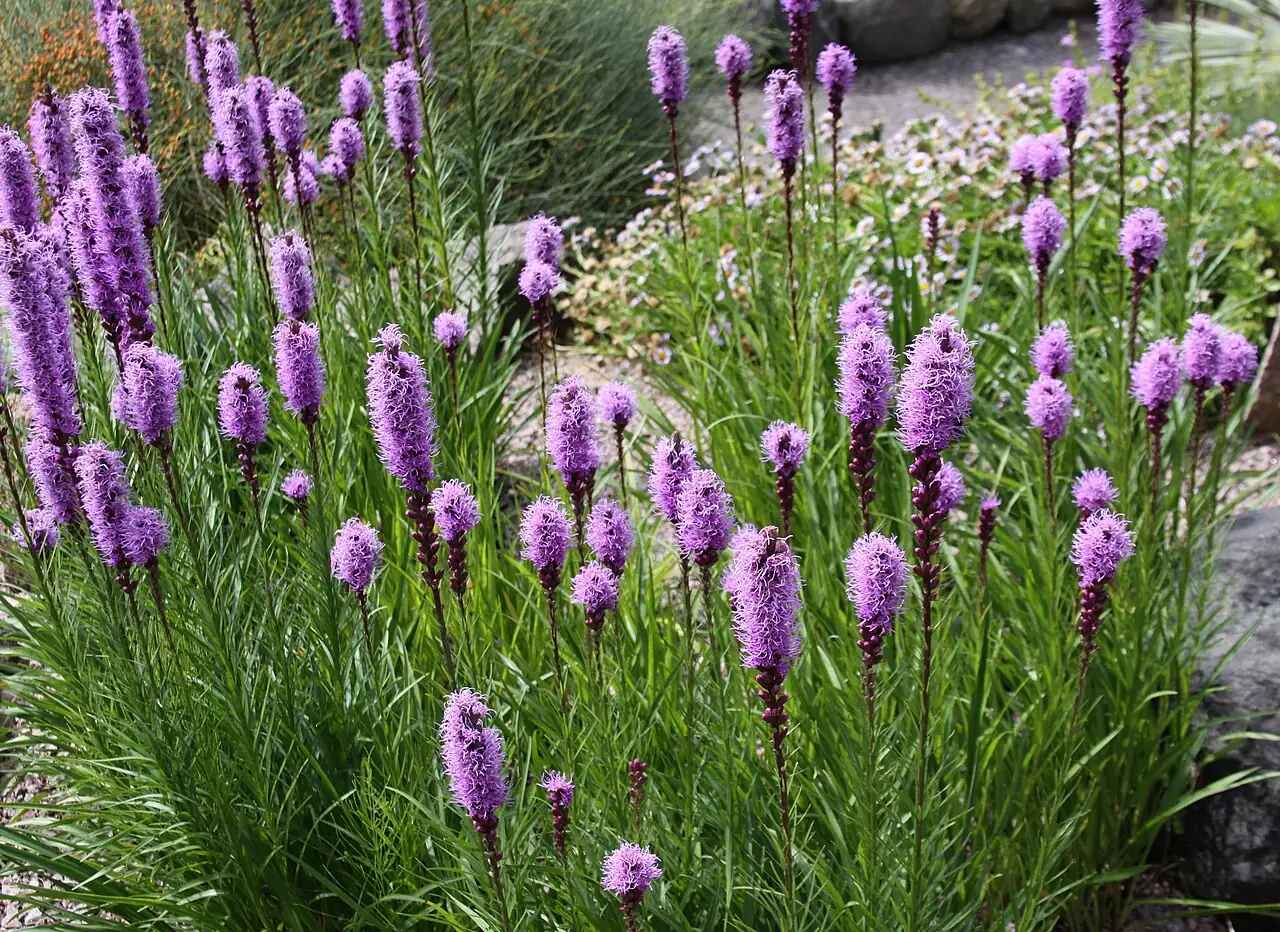
Plant Features
- Size: Typically 60–120 cm (24–48 in) tall; spread about 30–45 cm (12–18 in), depending on cultivar and growing conditions.
- Foliage: Forms a neat basal clump of narrow, grass-like to linear-lanceolate leaves. From this clump rise upright, leafy flowering stems that keep the plant looking tidy and vertical.
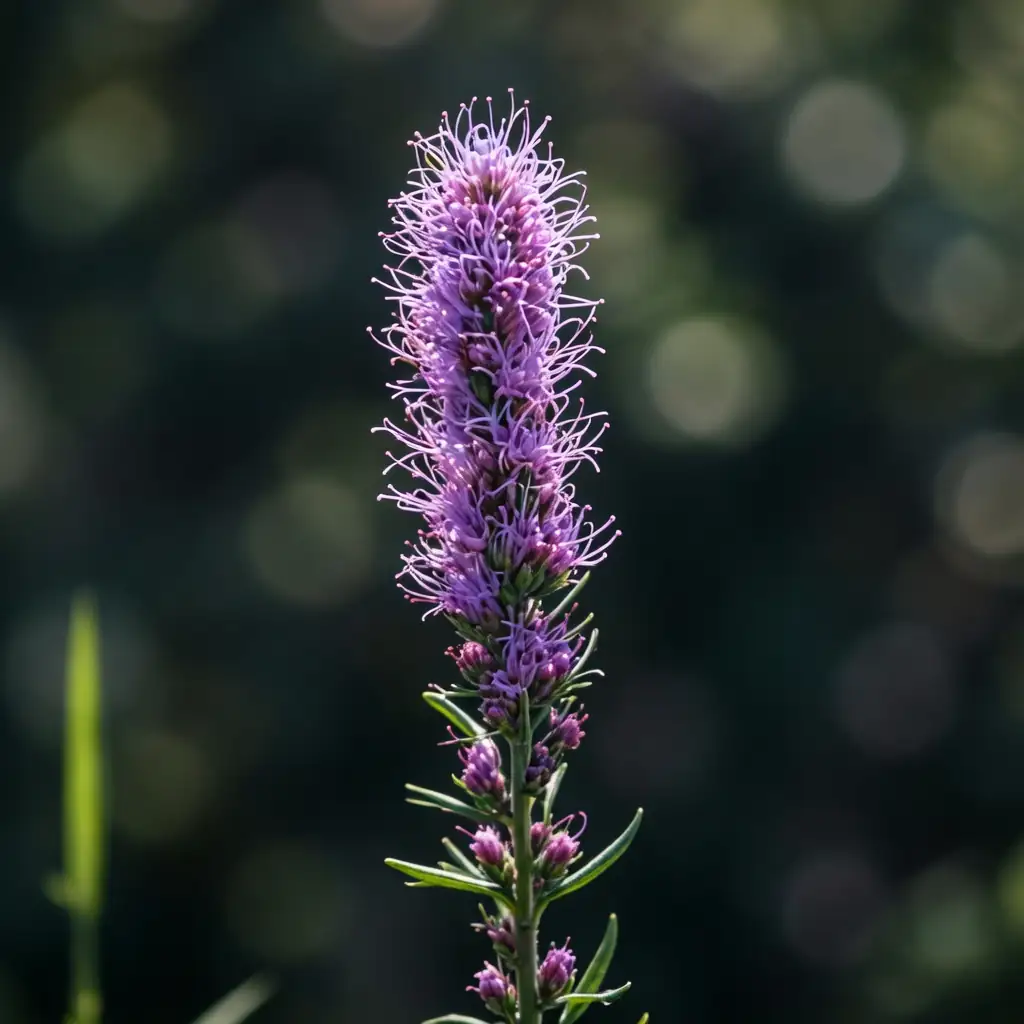
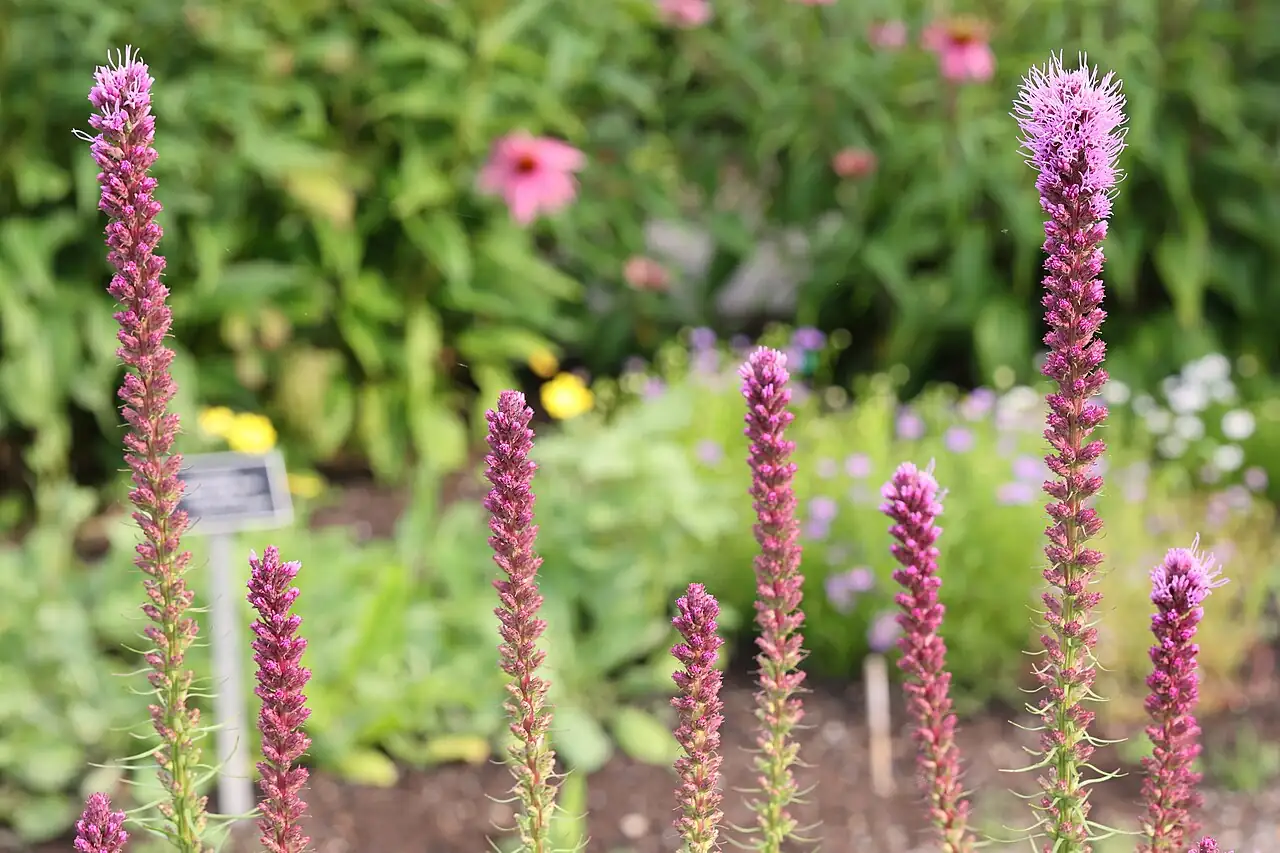
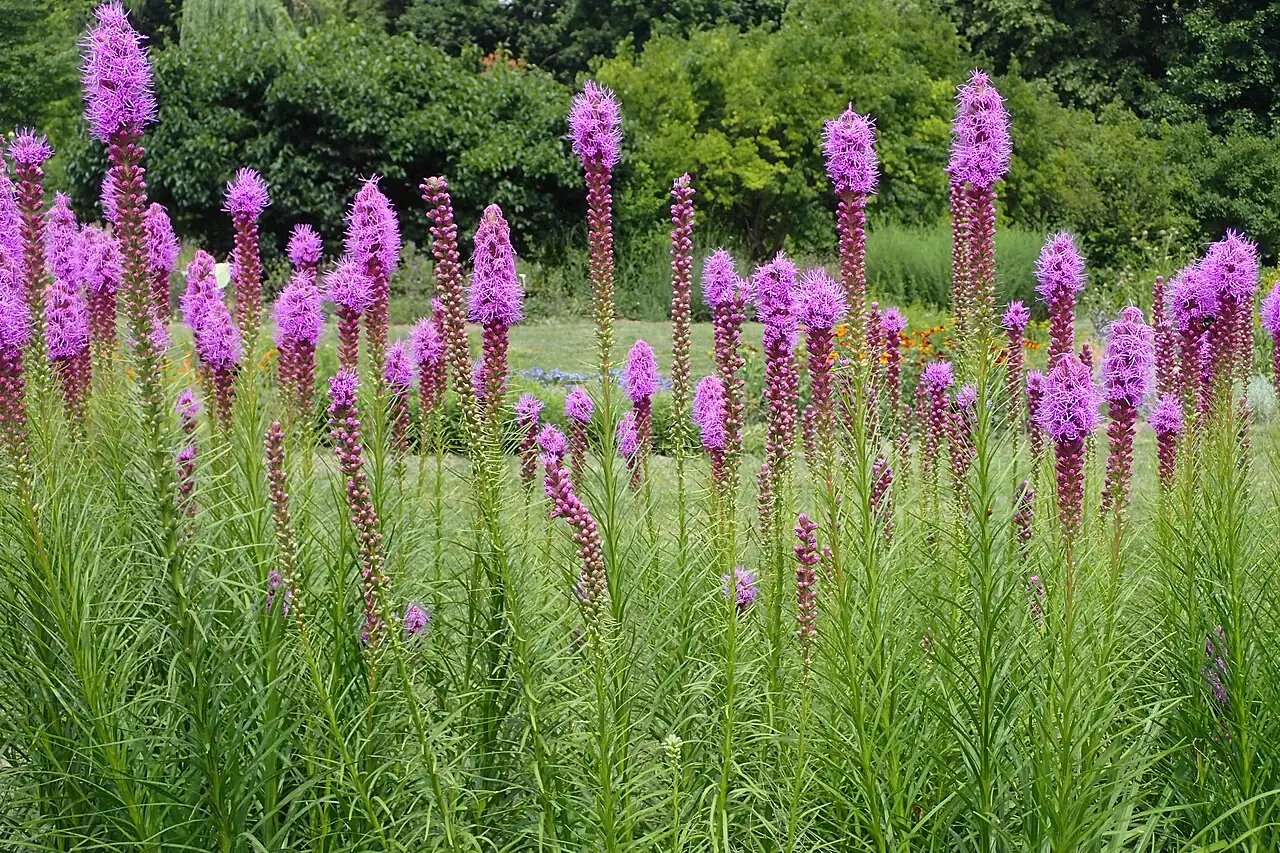
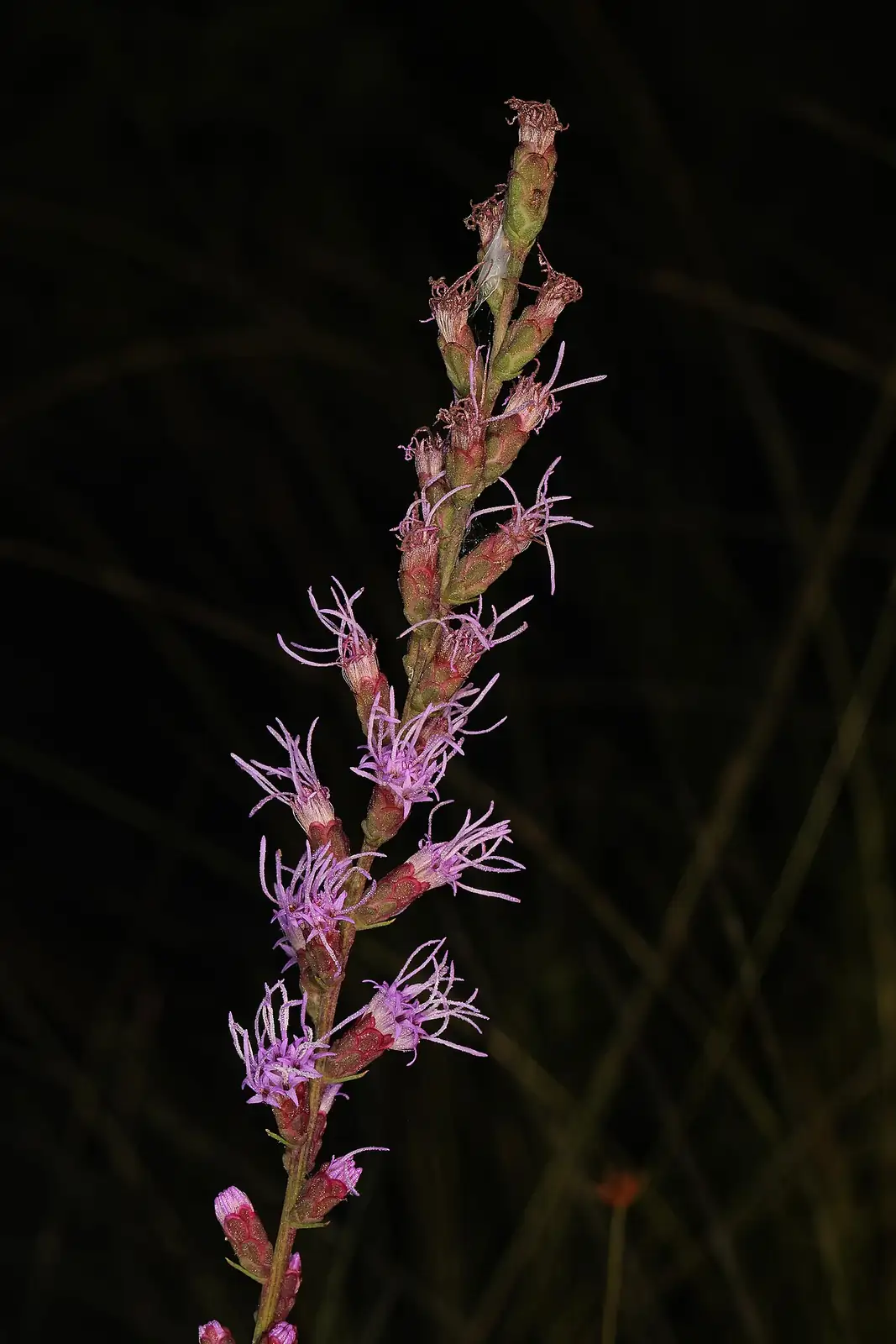
- Flower: Produces dense, vertical spikes made of many small, tufted flower heads that read like a fuzzy bottlebrush. Blooms are most commonly purple to lavender, with white-flowered forms also found. Strong plants can carry spikes up to about 60 cm (24 in) long.
- Flowering Season: Mid to late summer (July–August).
- Growth Habit: Clump-forming herbaceous perennial with upright, columnar stems arising from a corm-like base; naturally vertical and architectural.
Environment
Sunlight
Full sun for the strongest stems and best flowering; tolerates light shade but often blooms less and may lean.
Temperature
Prefers cool-to-warm temperate conditions; thrives around 10–27°C (50–81°F) and is very cold-hardy in winter.
Humidity
Comfortable in average outdoor humidity. Handles periodic moisture, but does best with good air movement and soil that doesn’t stay soggy.
Soil
Adaptable and not fussy—will grow in relatively poor soils—but performs best in well-drained sandy or loamy ground. Avoid persistently waterlogged sites to prevent crown/root problems.
Placement
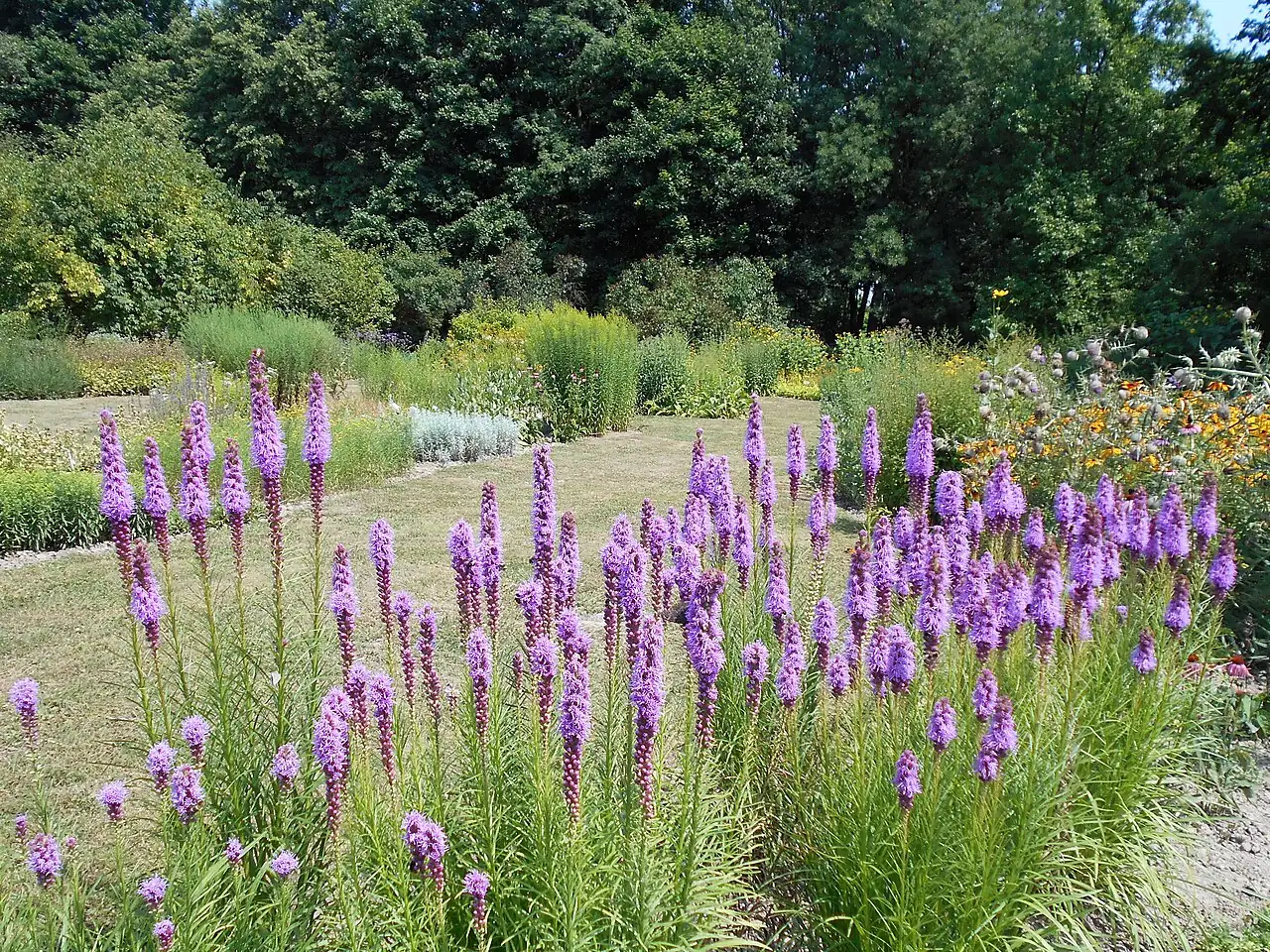
Sunny borders, meadow/prairie-style plantings, mass or ribbon plantings, and cutting gardens; excellent as a long-lasting cut flower.
Hardiness
USDA Zone 3–9.
Care Guide
Difficulty
Easy. Give it sun, reasonable drainage, and a little attention while establishing; after that it’s reliably hardy and low-fuss.
Buying Guide
Pick plants with firm, healthy crowns/corms and clean green foliage. Avoid pots with sour-smelling, soggy mix or any crown that feels soft (a common sign of rot). If you want cut flowers, look for cultivars known for tall, straight stems.
Watering
Water regularly during establishment. Once established, water when the top 2–5 cm (1–2 in) of soil dries. The main rule: don’t keep it constantly saturated.
Fertilization
Usually minimal. If growth is weak, feed lightly in spring with a balanced slow-release fertilizer at label rates. Overfeeding can make plants lush but less sturdy (more likely to flop).
Pruning
Deadhead spent spikes to keep the plant neat and reduce self-seeding. Cut stems back to near ground level after flowering or in late fall/winter once foliage has died back.
Propagation
Divide clumps in early spring or fall and replant promptly. Can also be grown from seed, though it may take longer to reach flowering size.
Repotting
If grown in containers, repot in spring into a deeper pot with a free-draining mix. Divide when crowded, typically every 2–3 years.
📅 Seasonal Care Calendar
Spring: divide if needed; apply light feeding if growth is weak. Summer: stake in windy sites; water during extended drought. Late summer: deadhead or harvest spikes for bouquets. Fall/Winter: cut back after dieback; mulch lightly in very cold areas.
Pests, Diseases & Safety
Common Pests & Diseases
Generally trouble-free. In crowded or shaded spots it may develop powdery mildew; poorly drained soils can lead to crown/root rot. Occasional aphids or leaf spot may appear. Best prevention is sun, airflow, and well-drained soil; remove affected foliage and correct conditions if problems show up.
Toxicity
Not known to be toxic to people or pets in normal garden use. As with many Asteraceae plants, sensitive individuals may prefer to avoid sap/leaf contact, and ingestion should be discouraged.
Culture & Symbolism
Symbolism: Often linked with remembrance, pride, and resilience—fitting for a plant that stands tall and performs reliably year after year.
History & Legends: A native wildflower of eastern North America that has become a modern garden favorite for prairie-style designs and pollinator-friendly planting schemes, and is now widely grown well beyond its home range.
Uses: Primarily ornamental: excellent for sunny borders, mass planting, and naturalistic meadows. Also prized in cutting gardens because the long, straight spikes make distinctive, long-lasting bouquets.
FAQ
Why is my dense blazing star flopping over?
Most often it’s too little sun, overly rich soil/too much fertilizer, or strong wind. Move it to full sun, feed lightly (or not at all), and stake tall cultivars where wind is a problem.
Can it grow in wet soil?
It can handle occasional moisture, but constant wetness often leads to crown/root rot. If your site stays wet, improve drainage, plant on a slight mound/raised bed, or choose a better-drained spot.
Fun Facts
- The name “blazing star” refers to the bright tufts packed along its tall flower spike.
- Purple-lavender is the classic color, but white-flowering forms are also popular.
- A single flower spike can reach about 60 cm (24 in), making it a dramatic cut flower.
- Although native to the United States and Canada, it’s widely cultivated in many regions, including across China.