Plant Features
- Size: Typically 10–30 cm (4–12 in) tall, forming a basal rosette; flowering stalks may reach about 30 cm (12 in).
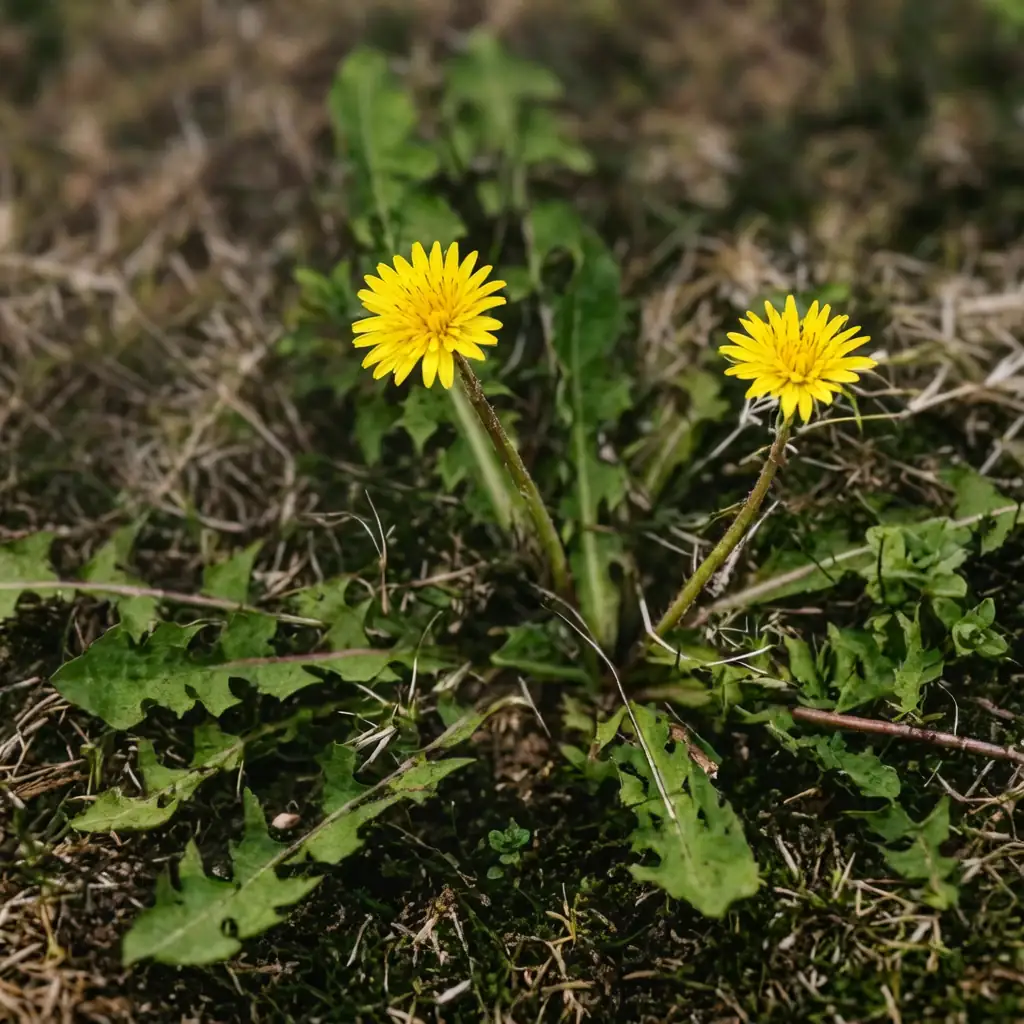
- Foliage: A perennial, rosette-forming herb with leaves that range from wavy-toothed to deeply lobed. The leaf bases taper into a petiole, and the petioles plus the main midrib often show reddish-purple tones. Flower stalks can also look purplish toward the top and may carry fine, cobweb-like white hairs.
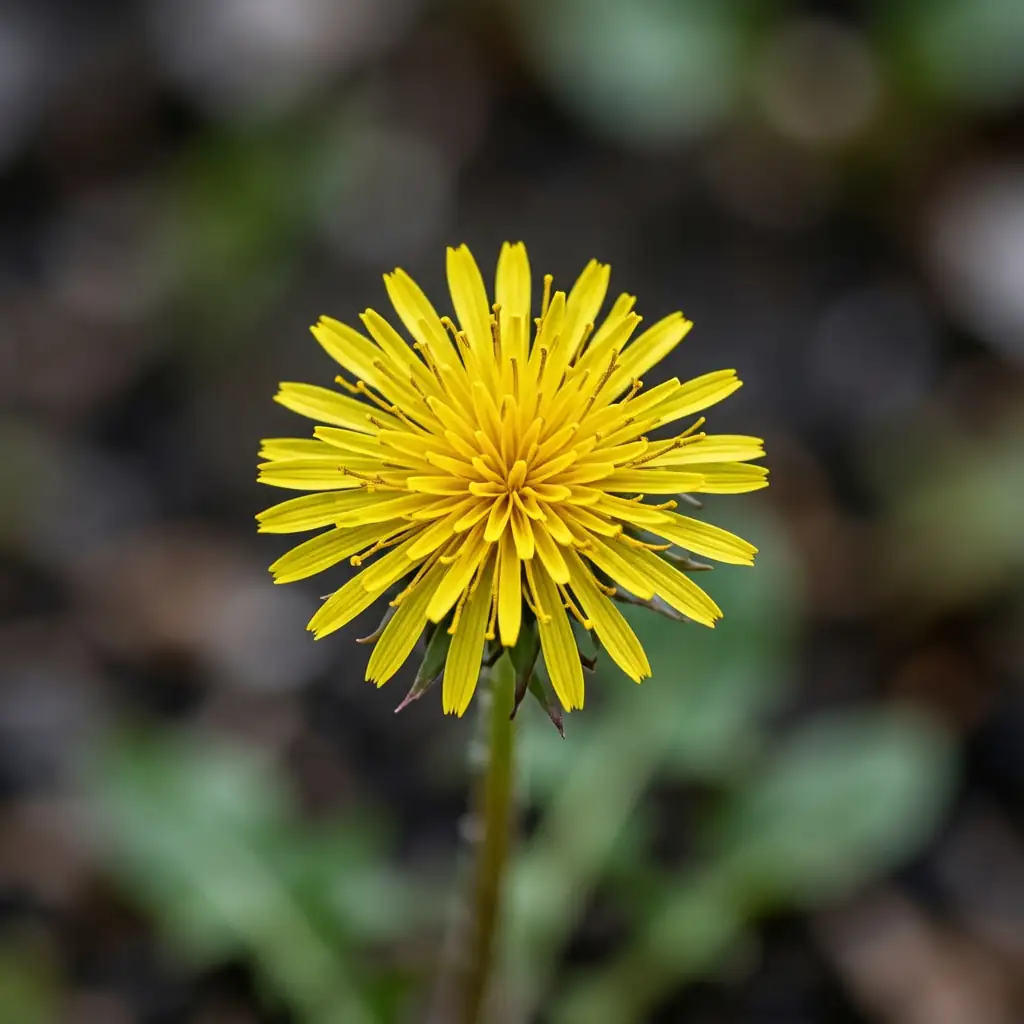
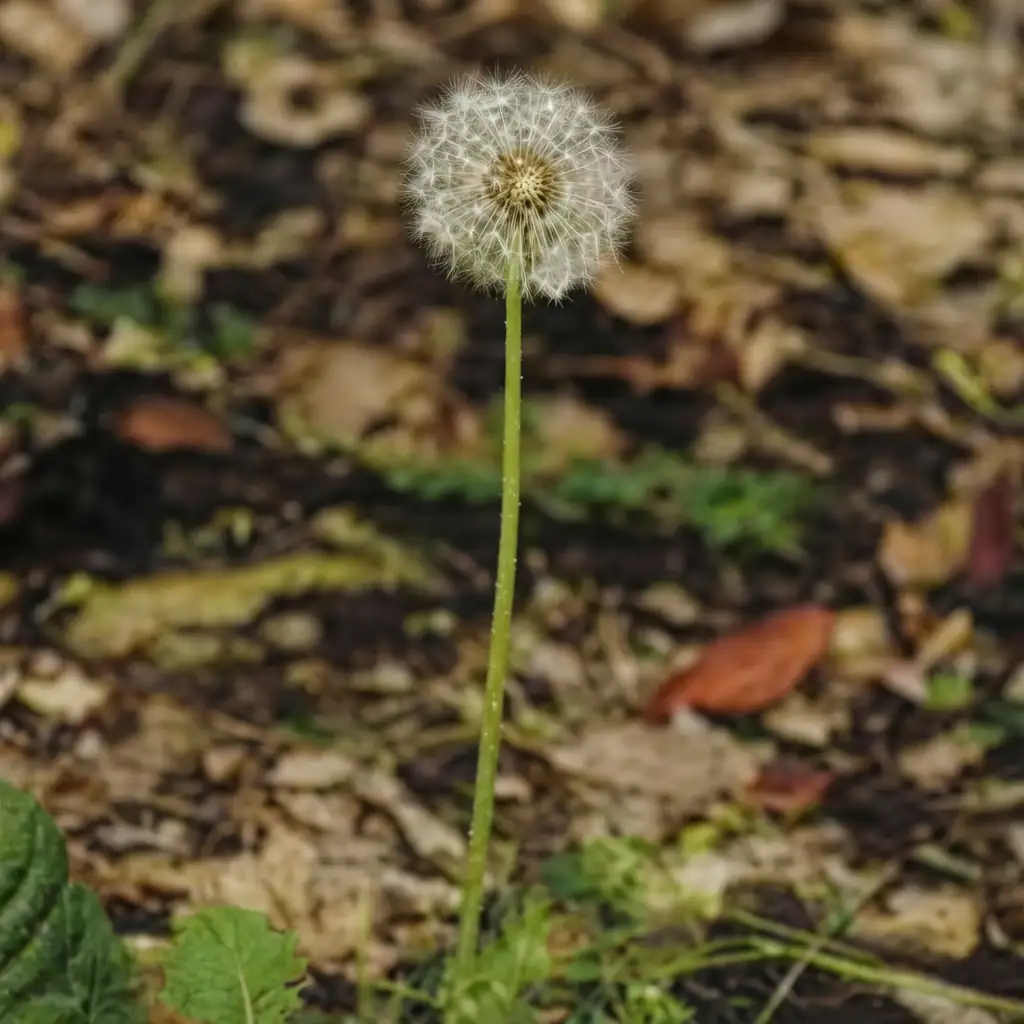
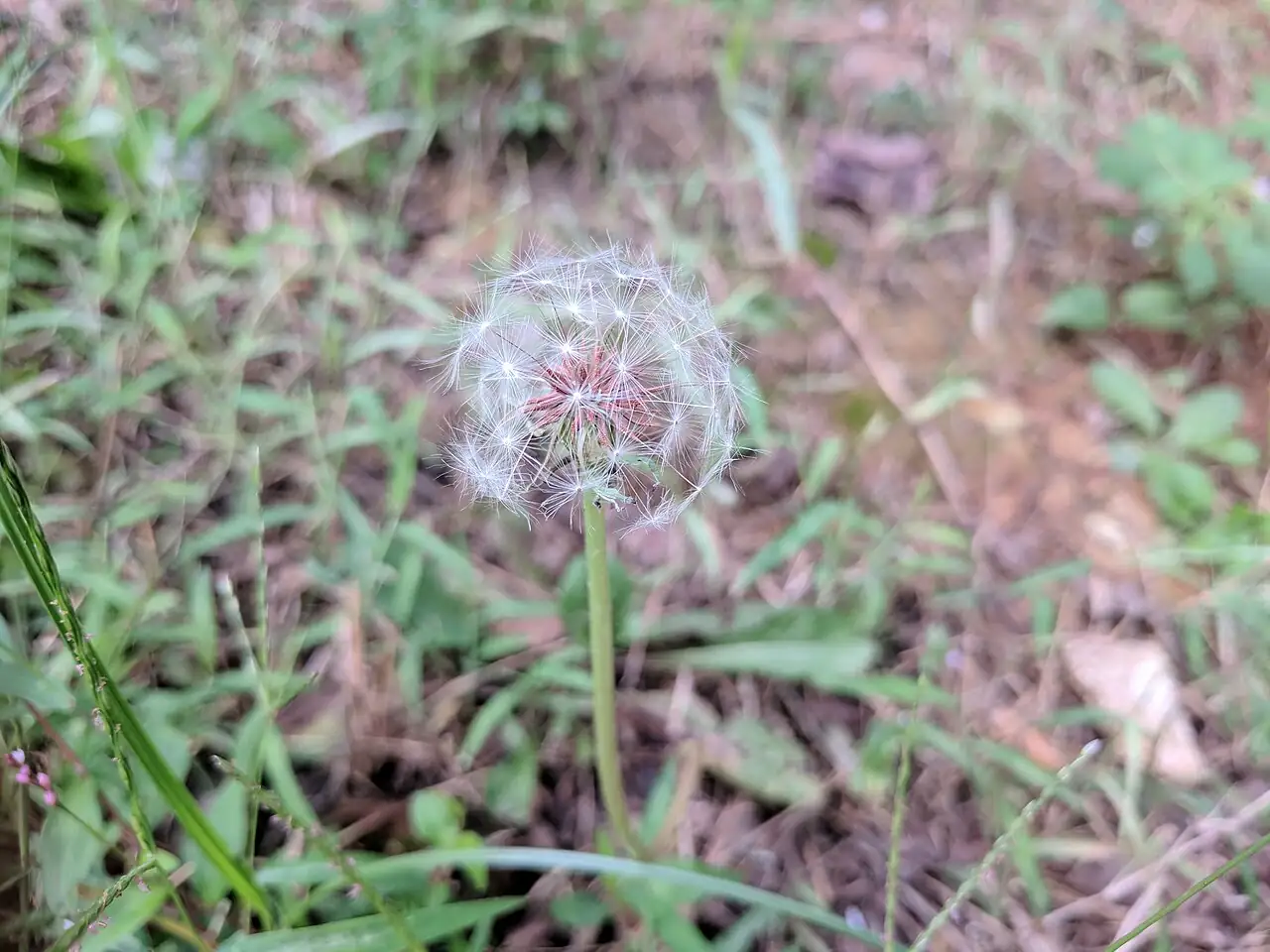
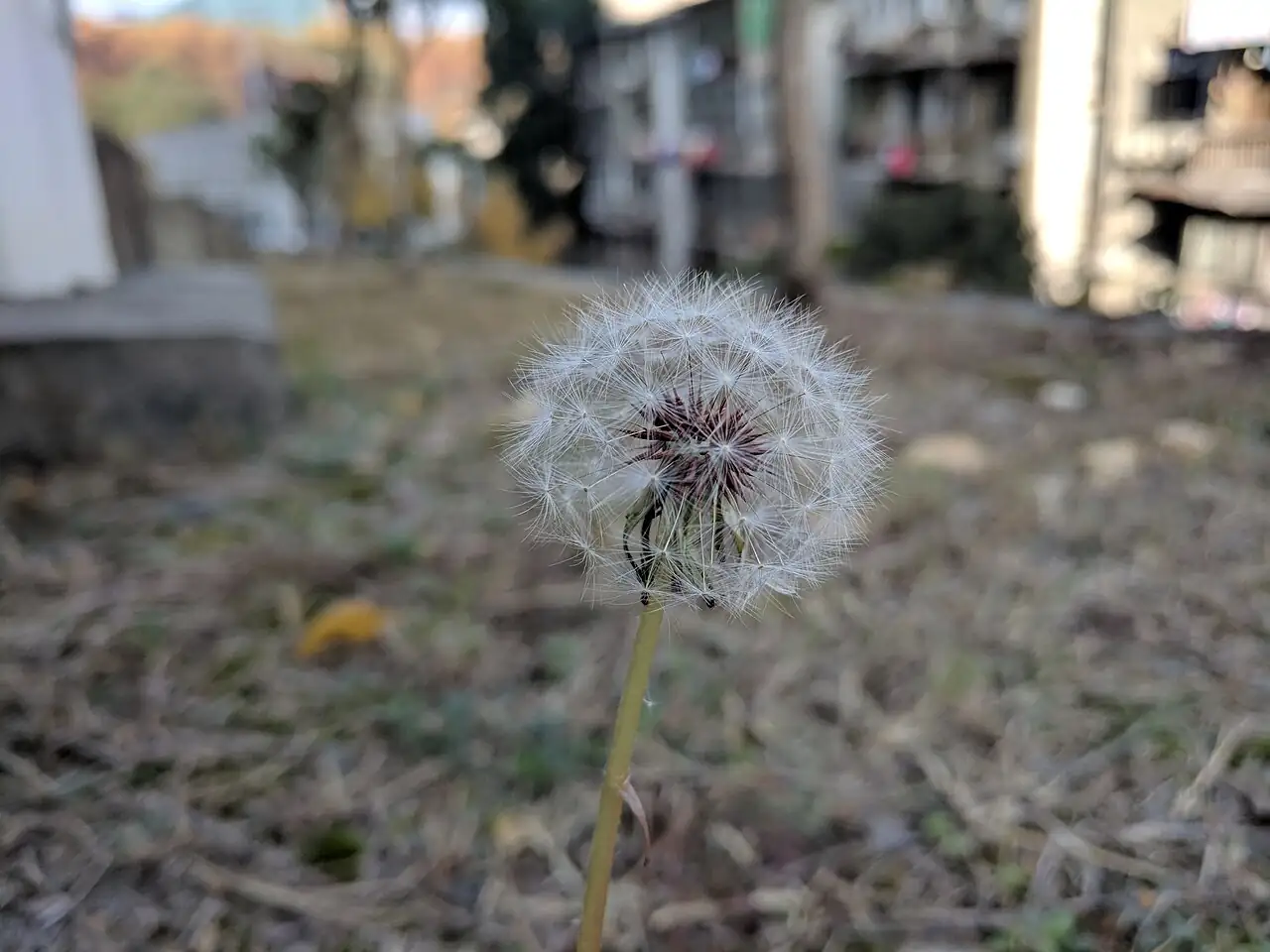
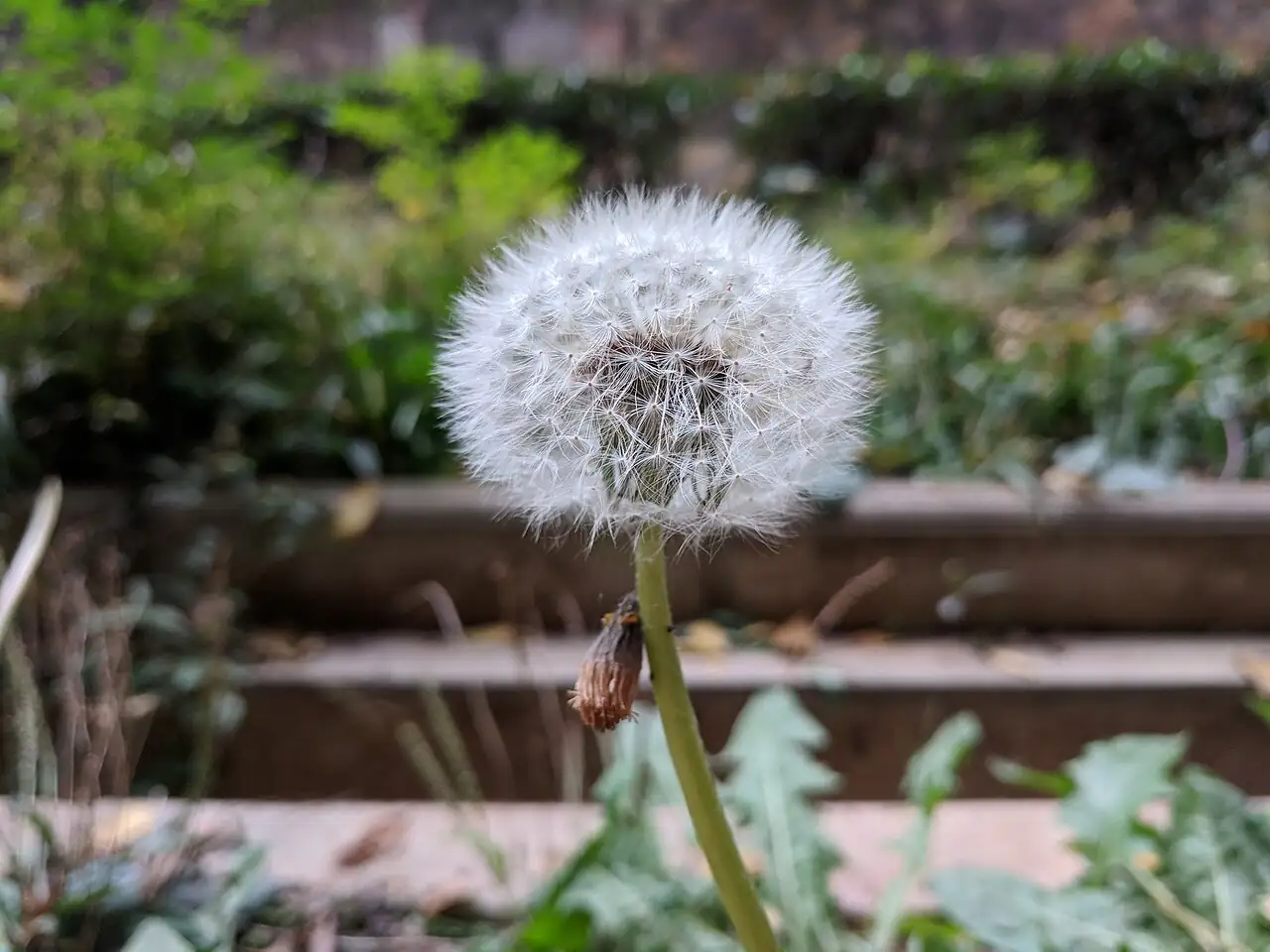
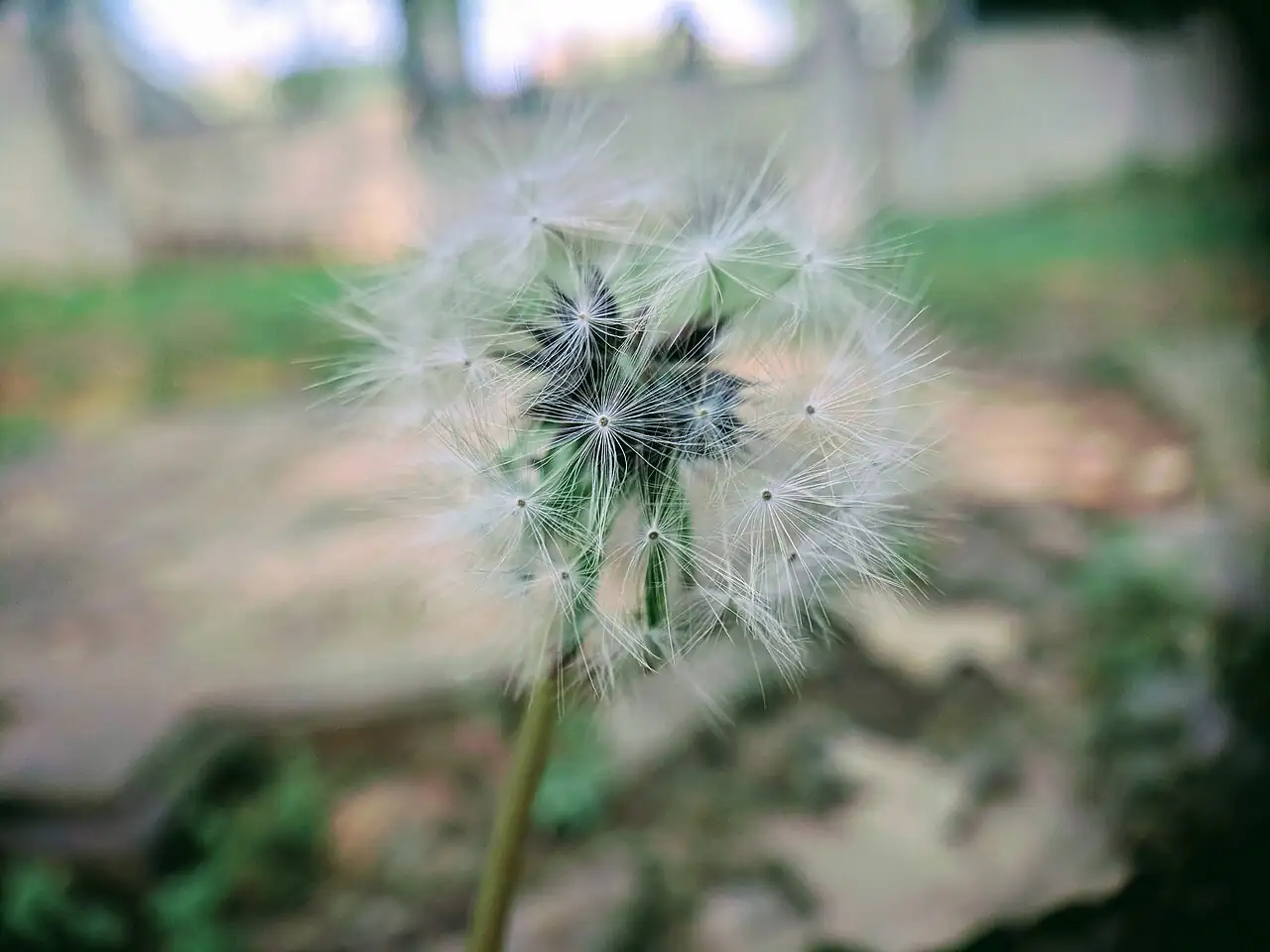
- Flower: Bright yellow composite flower heads (capitula) are held on leafless stalks. After blooming, each head transforms into a spherical white seed head made of many parachute-like pappus hairs, letting the seeds travel easily on wind.
- Flowering Season: April–September (4–9); seed set commonly May–October (5–10).
- Growth Habit: Hardy perennial herb that establishes quickly in open, disturbed ground. Tolerant of a wide range of conditions (including cold and heat), and often self-sows readily.
Environment
Sunlight
Full sun to partial shade; best flowering in full sun (at least 6 hours/day).
Temperature
Prefers cool to mild conditions but is very tolerant; roughly 5–25°C (41–77°F) for active growth. Established plants often survive below 0°C (32°F) and can tolerate summer heat when moisture is available.
Humidity
Adaptable; average outdoor humidity is fine. Avoid persistently stagnant, overly humid conditions in dense plantings.
Soil
Adaptable to many soils; best in moderately fertile, well-drained soil. Tolerates sandy to loamy soils and occasional compaction, but performs poorly in waterlogged ground.
Placement
Meadows, wildflower borders, lawn naturalization areas, and as a low groundcover in open beds; also common on slopes, roadsides, fields, and riverbanks at low to mid elevations.
Hardiness
Cold-hardy and heat-tolerant; commonly grown/occurs in USDA Zones 3–9 (approx.).
Care Guide
Difficulty
Easy. Extremely adaptable and often self-sows; more effort is usually needed to contain it than to keep it alive.
Buying Guide
Choose plants with a firm, healthy basal rosette and no blackened crown. For edible use, select stock grown without herbicides/pesticides and avoid collecting from roadsides or contaminated soils.
Watering
Water to establish, keeping soil lightly moist for the first 1–2 weeks. Once established, water only during prolonged dry spells; allow the top 2–3 cm (0.8–1.2 in) of soil to dry between waterings in garden beds.
Fertilization
Usually unnecessary in average garden soil. If growth is weak, feed lightly in spring with a balanced fertilizer at half strength; avoid heavy nitrogen, which can reduce flowering and encourage overly lush leaves.
Pruning
Deadhead flower heads if you want to reduce self-seeding. Remove spent leaves or cut back the rosette to tidy; wear gloves if sensitive to the milky sap.
Propagation
Primarily by seed (wind-dispersed). Can also be propagated by root division: lift and split roots in spring or early fall; even small root pieces may resprout.
Repotting
If grown in containers, repot in spring into a deep pot to accommodate the taproot (at least 20–25 cm (8–10 in) deep). Refresh soil annually for best leaf quality.
📅 Seasonal Care Calendar
Spring: new rosettes and flowering begin; optional light feeding. Summer: deadhead to limit seeding; water during drought. Fall: possible second flush; harvest roots/leaves where appropriate; divide if needed. Winter: dormant in cold climates; minimal care.
Pests, Diseases & Safety
Common Pests & Diseases
Generally trouble-free. Possible issues include aphids, slugs/snails on young leaves, and occasional powdery mildew in crowded, humid conditions. Improve airflow, avoid overhead watering late in the day, and remove heavily infected foliage.
Toxicity
Generally considered non-toxic and widely eaten. The milky latex sap may cause skin irritation in sensitive individuals, and people with ragweed-family (Asteraceae) allergies may react. Consult a professional before medicinal use, especially during pregnancy or when taking diuretics or anticoagulants.
Culture & Symbolism
Symbolism: Often associated with resilience, hope, and wishes—especially because blowing the seed “puffball” is tied to making a wish.
History & Legends: Long used in East Asian herbal traditions and as a spring wild edible. Its windborne seed head has also made it a familiar motif in stories about travel, change, and new beginnings.
Uses: Ornamental: naturalistic borders, meadow plantings, and groundcover in open areas. Edible: young leaves eaten fresh or cooked, including in soups. Traditional use: used in herbal practice with appropriate guidance.
FAQ
Why does it keep coming back after I pull it?
It has a strong taproot; if any root remains, it can resprout. Dig out as much of the taproot as possible (often 10–20 cm (4–8 in) or more), or repeatedly remove new growth to exhaust the root.
How can I reduce the fluffy seed heads?
Deadhead the yellow flower heads soon after they fade, before the seed head forms. Regular mowing also prevents seed production in lawns.
Fun Facts
- The familiar white “puffball” is a seed head made of many tiny parachutes (pappus hairs) designed for wind dispersal.
- It thrives in disturbed places—roadsides, fields, and riverbanks—thanks to its strong taproot and wide environmental tolerance.