Plant Features
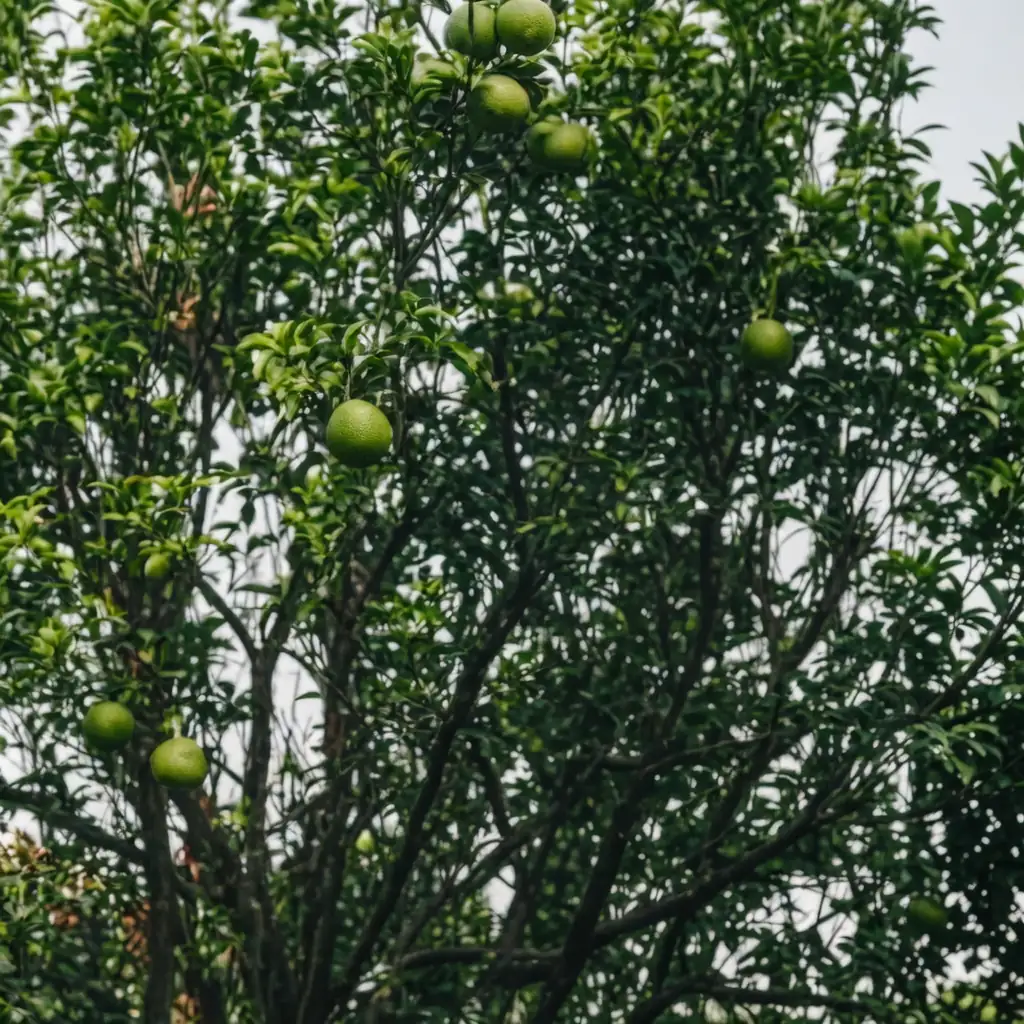
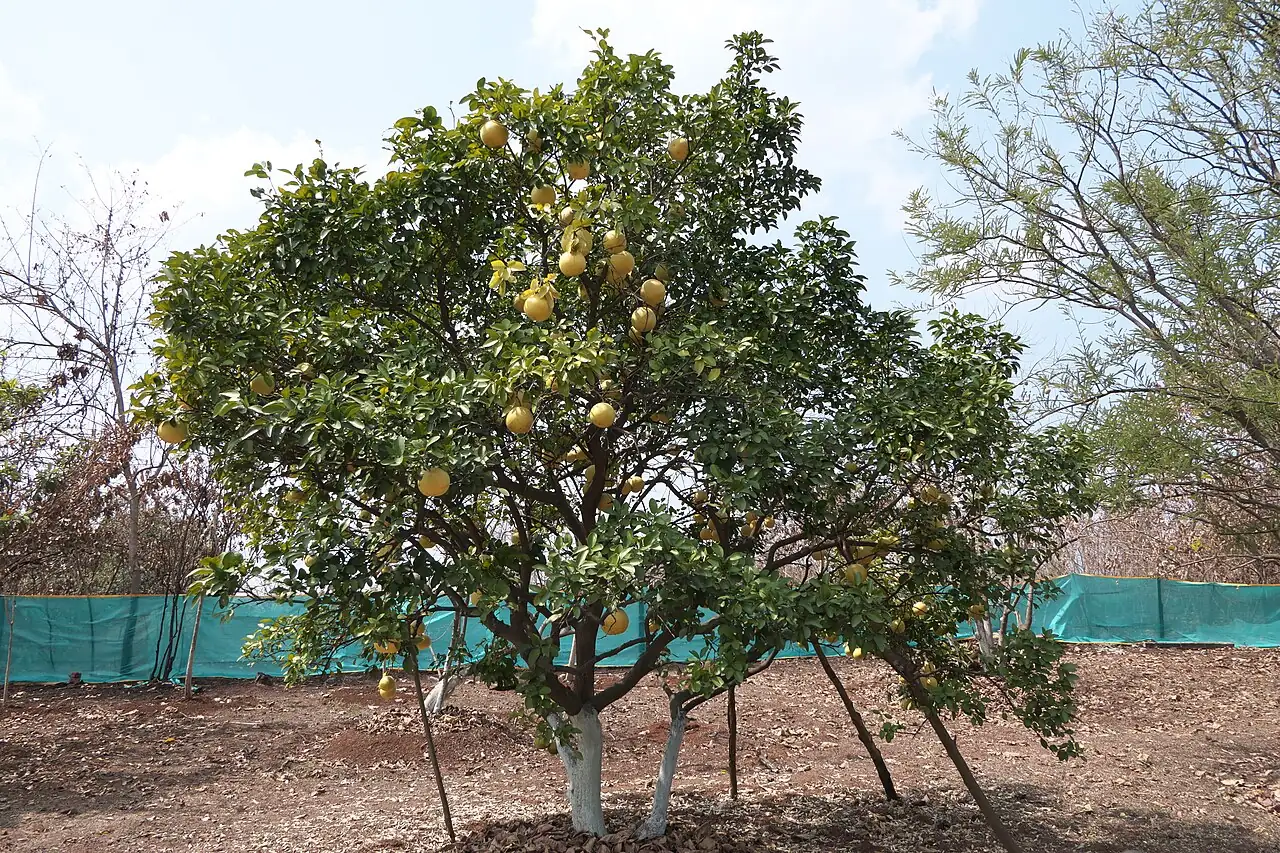
- Size: Typically 5–6 m (16–20 ft) tall; crown spread varies with pruning and site.
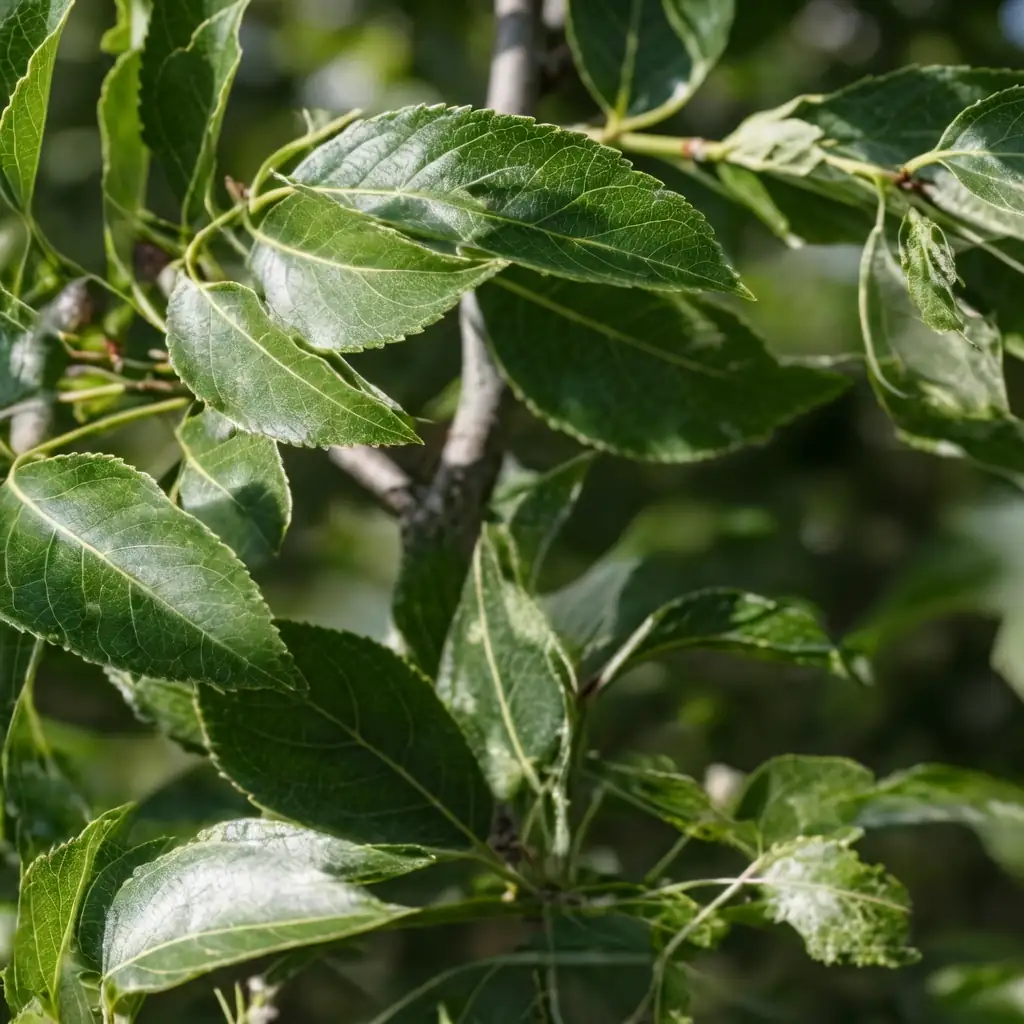
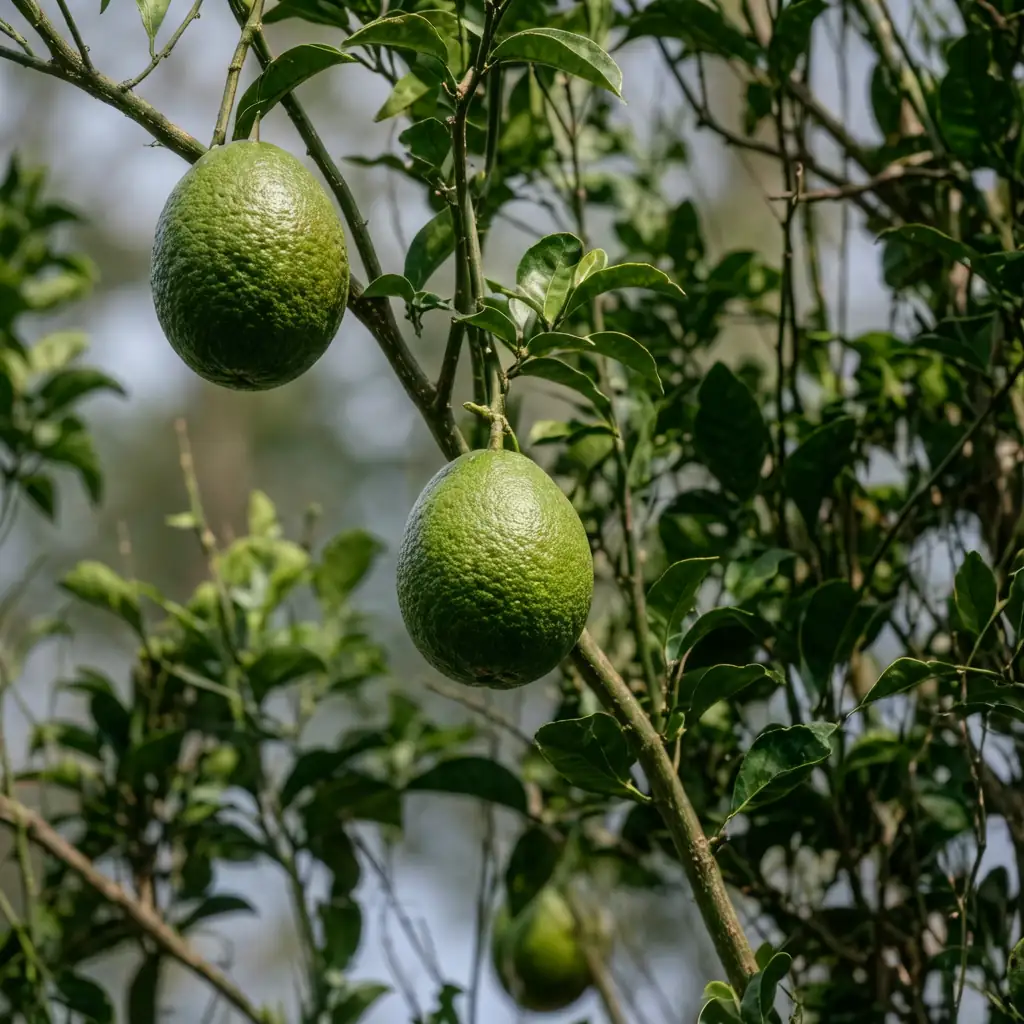
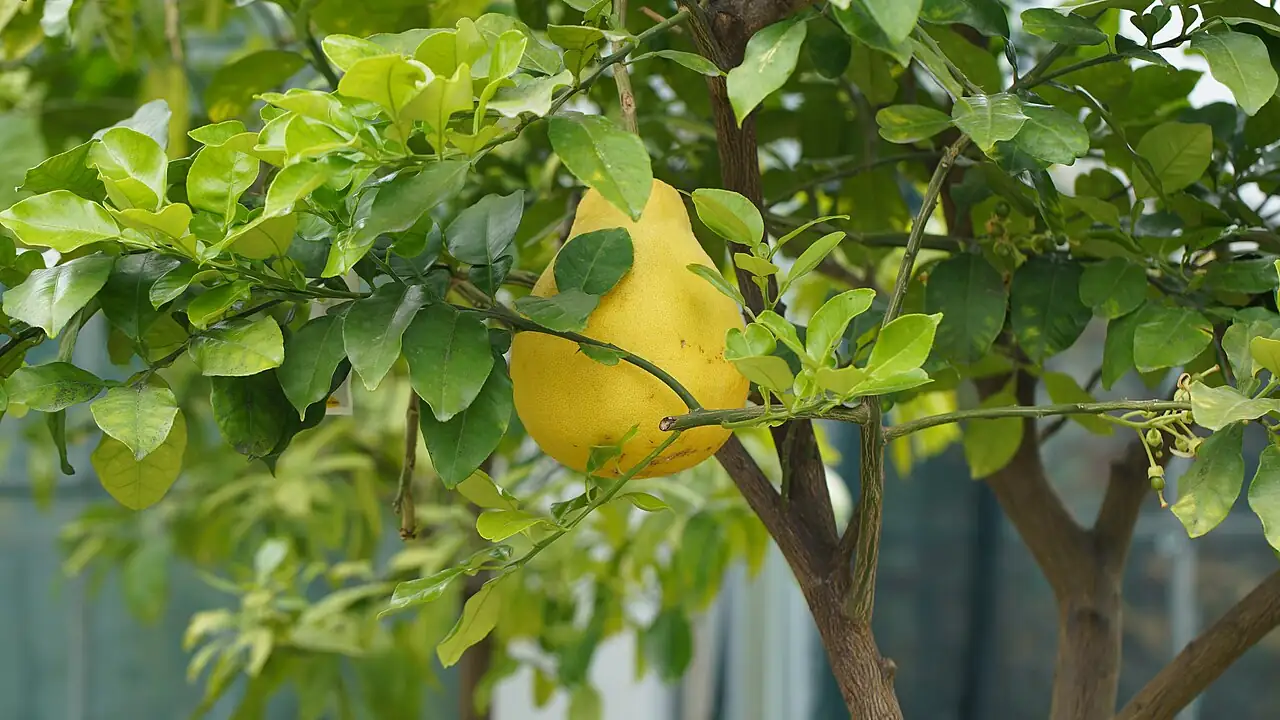
- Foliage: Leaves are thick-textured, deep green, broadly ovate to elliptic, about 9–16 cm (3.5–6.3 in) long. Tips are blunt to rounded (sometimes shortly pointed) with a rounded leaf base, giving the canopy a lush, glossy look.
- Flower: Flowers are lightly fragrant and appear in clusters (racemes) and sometimes singly in leaf axils. Buds are often pale purplish-red, occasionally creamy white. The calyx is irregularly 3–5 shallow-lobed.
- Flowering Season: April–May (spring)
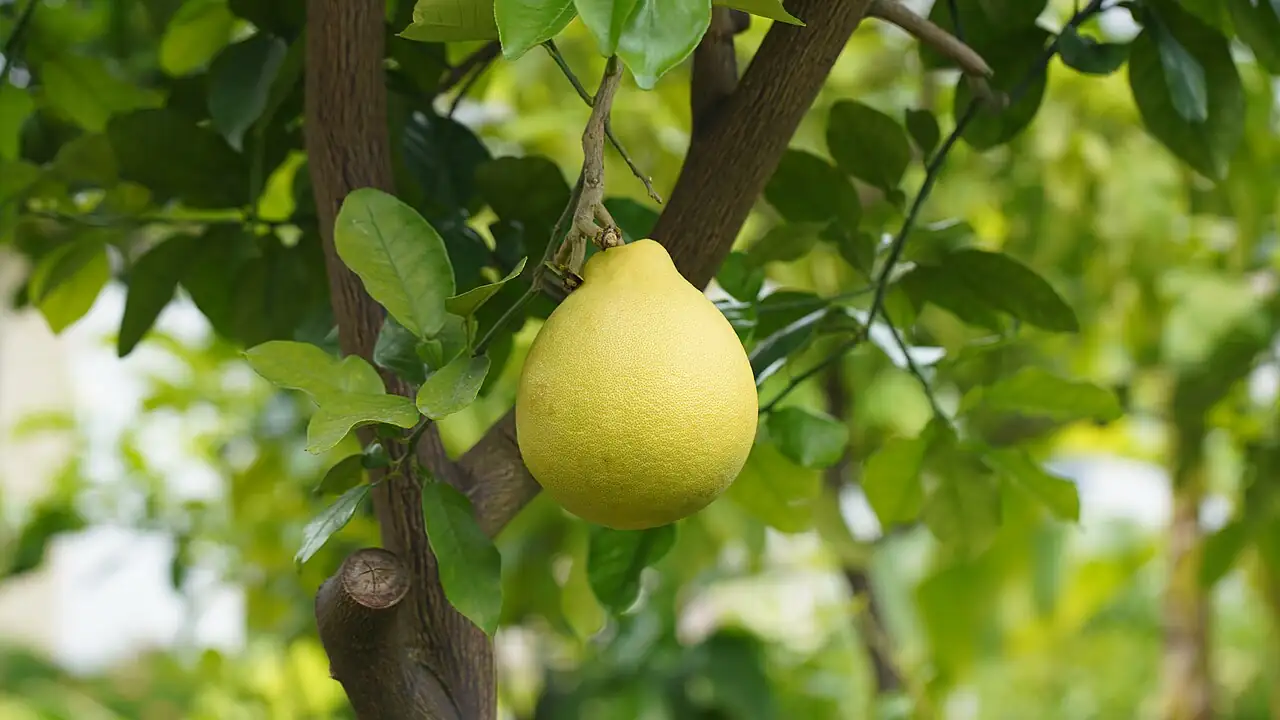
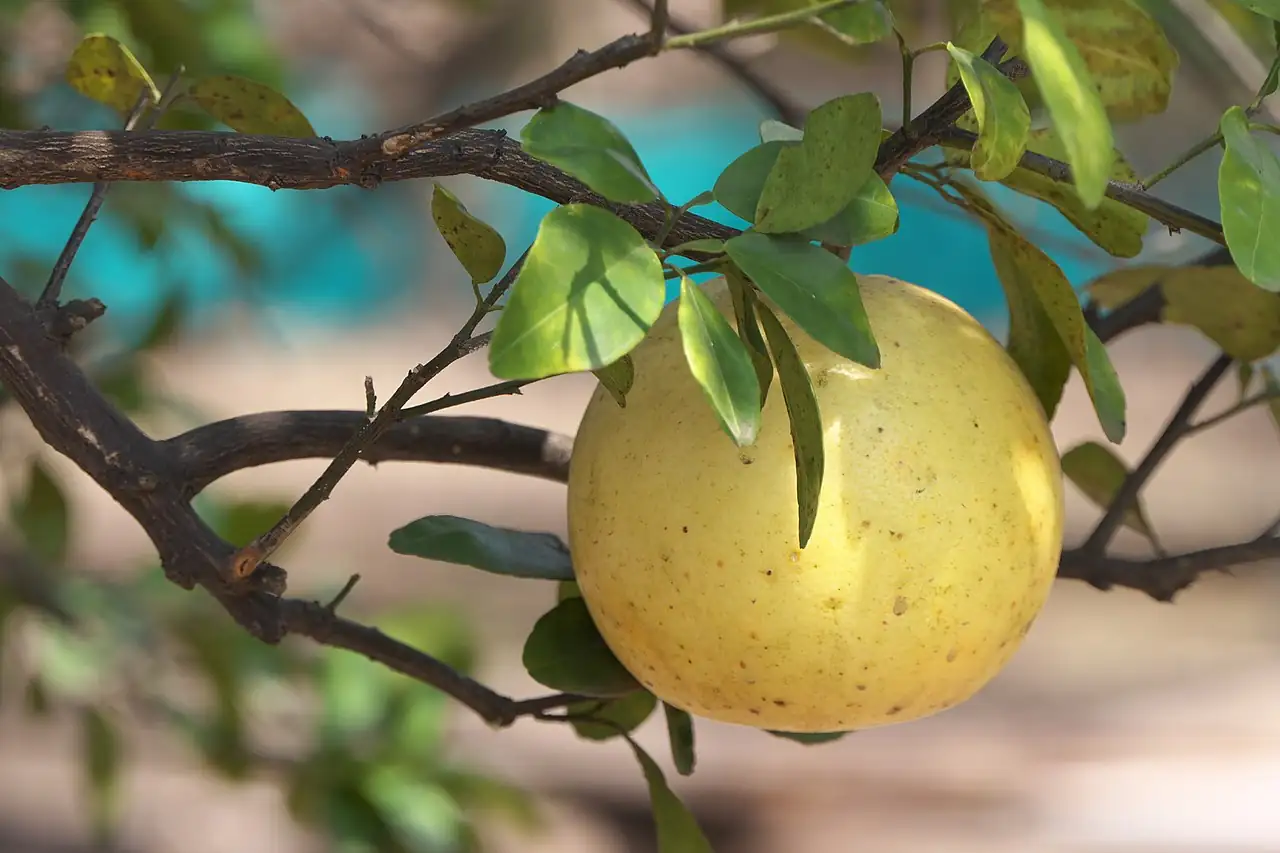
- Growth Habit: Evergreen shrub to small tree with a dense canopy; commonly grown for both ornamental value and fruit production.
Environment
Sunlight
Full sun to light shade; best flowering and fruiting in full sun (about 6–8+ hours/day).
Temperature
Warm-loving and sensitive to hard frost. Best growth around 18–30°C (64–86°F). Protect when temperatures approach about 2–5°C (36–41°F).
Humidity
Prefers moderate to high humidity but can handle average outdoor humidity with appropriate watering.
Soil
Slightly acidic, deep, fertile, well-drained sandy loam is ideal. Avoid waterlogged soil; improve drainage and add organic matter if needed.
Placement
Outdoors in a sunny, sheltered courtyard or garden; choose a site protected from cold winds (containers can be moved to shelter in winter).
Hardiness
Frost-tender; generally suitable for USDA Zone 9–11 (approx.).
Care Guide
Difficulty
Moderate. Straightforward in warm, frost-free climates; more demanding in cooler regions because cold protection is often needed.
Buying Guide
Pick a healthy (ideally grafted) tree with glossy leaves, a firm trunk, and no signs of scale insects. Avoid yellowing foliage, sticky honeydew residue, or potting mix that smells sour or stays wet.
Watering
Water deeply during active growth, letting the top 2–5 cm (1–2 in) dry slightly between waterings. Reduce watering in cooler months. Never leave roots in standing water—poor drainage is a common cause of decline.
Fertilization
Use a citrus fertilizer through the growing season. A common routine is every 4–6 weeks in spring and summer, then reduce or stop in late autumn and winter. Include micronutrients (especially iron and magnesium) if leaves yellow, particularly in alkaline conditions.
Pruning
Prune lightly after fruiting or in late winter/early spring to keep an open canopy, remove dead/crossing branches, and improve airflow. Avoid heavy pruning that removes too much flowering wood.
Propagation
Most often propagated by grafting/budding onto suitable citrus rootstocks for vigor and reliable fruit quality. Seed-grown plants may not come true to type and typically take longer to fruit.
Repotting
For container plants, repot every 2–3 years in spring into a free-draining citrus mix. Increase pot size gradually, ensure strong drainage, and keep the graft union above the soil line.
📅 Seasonal Care Calendar
Spring: resume regular watering and feeding; monitor for pests during bloom. Summer: keep moisture consistent and fertilize; thin fruit if branches are overloaded. Autumn: harvest as fruit matures; ease off nitrogen late season. Winter: protect from frost (covers or move containers); water sparingly.
Pests, Diseases & Safety
Common Pests & Diseases
Common pests include scale insects, aphids, mealybugs, spider mites, and citrus leaf miner. Sooty mold may appear as a secondary problem after sap-sucking pests produce honeydew. Root rot can occur in poorly drained soils. Improve airflow, inspect regularly, and treat early with horticultural oil or insecticidal soap as appropriate.
Toxicity
Generally non-toxic to people when used as food. For pets, chewing large amounts of leaves or peel may cause mild stomach upset; peel essential oils can be irritating for some animals.
Culture & Symbolism
Symbolism: In Chinese folk culture, pomelo is linked with blessings and protection for children, so its flowers and fruit are often associated with good fortune and family well-being.
History & Legends: An ancient citrus native to South and Southeast Asia, pomelo has been cultivated for centuries across southern China, where it became a beloved courtyard tree valued for both beauty and harvest.
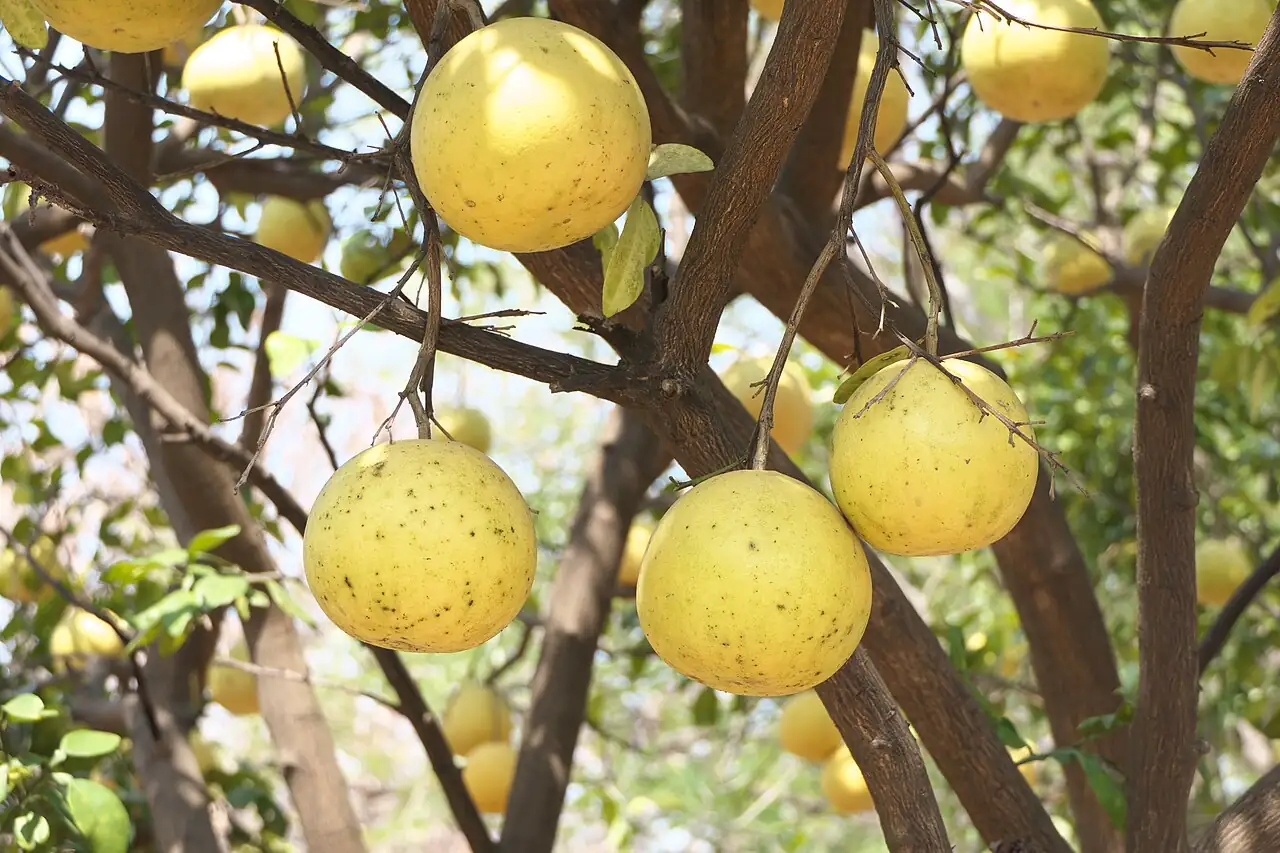
Uses: Grown as an ornamental and fruit tree. The fruit is enjoyed fresh and used in desserts and drinks; the fragrant peel is sometimes candied or used to scent foods.
Fun Facts
- Pomelo is one of the original (“true”) citrus species and is a parent of grapefruit.
- Its flower buds are often pale purplish-red, but can also be creamy white.
- With good shaping and pruning, a pomelo can be a landscape focal point and a productive fruit tree in the same year.
- If there’s one care rule to remember: pomelos hate waterlogged roots—drainage makes or breaks success.