Plant Features
- Size: Typically 0.5–3 m (1.6–10 ft) tall; can reach about 5 m (16 ft) with support. Spread often 1–3 m (3–10 ft) depending on training and pruning.
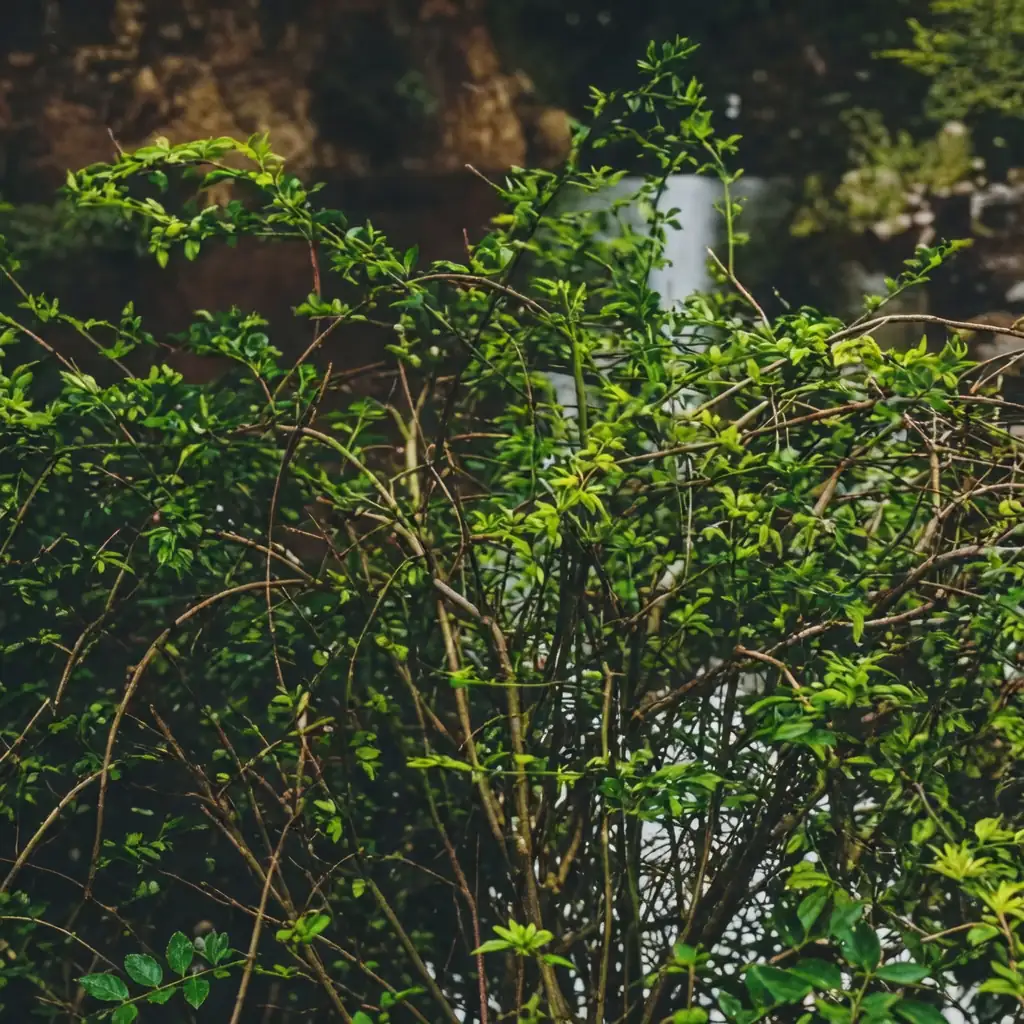
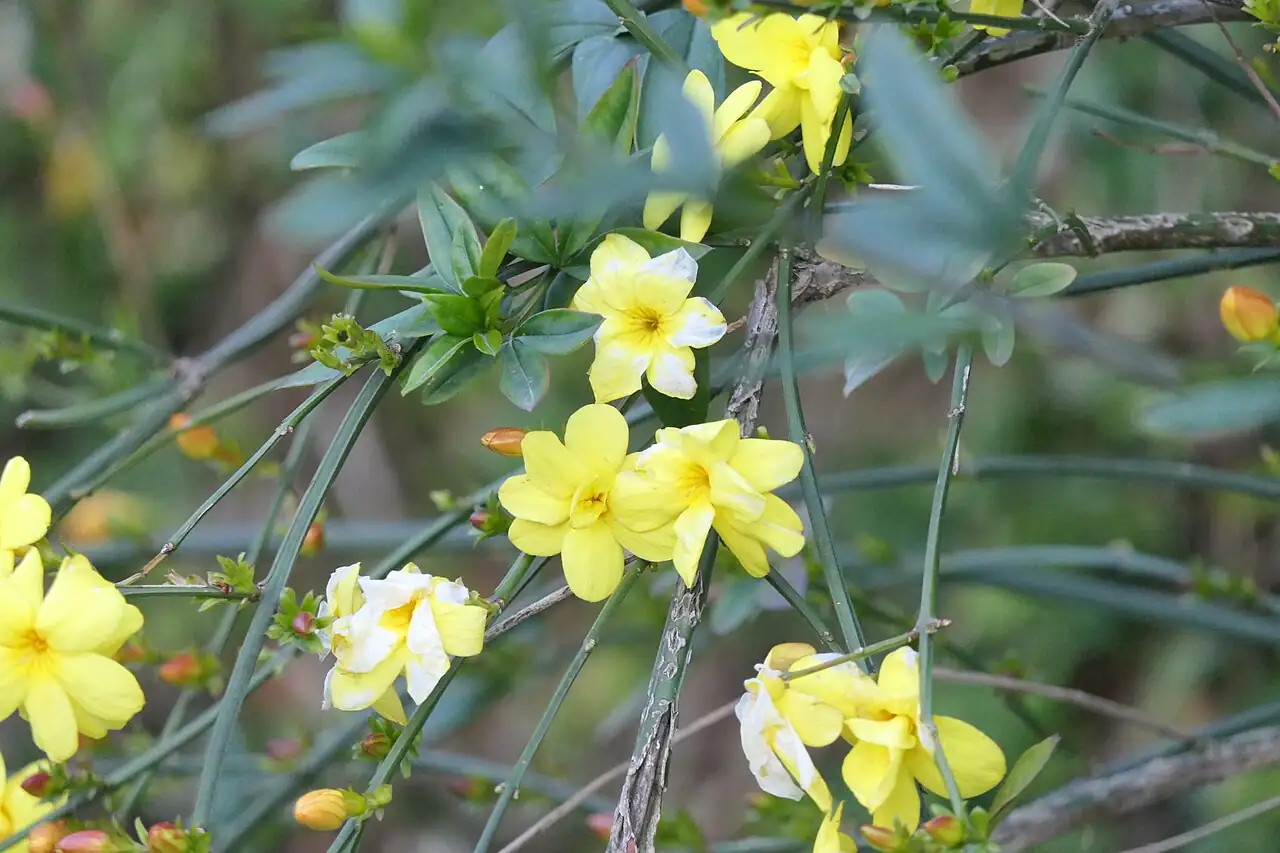
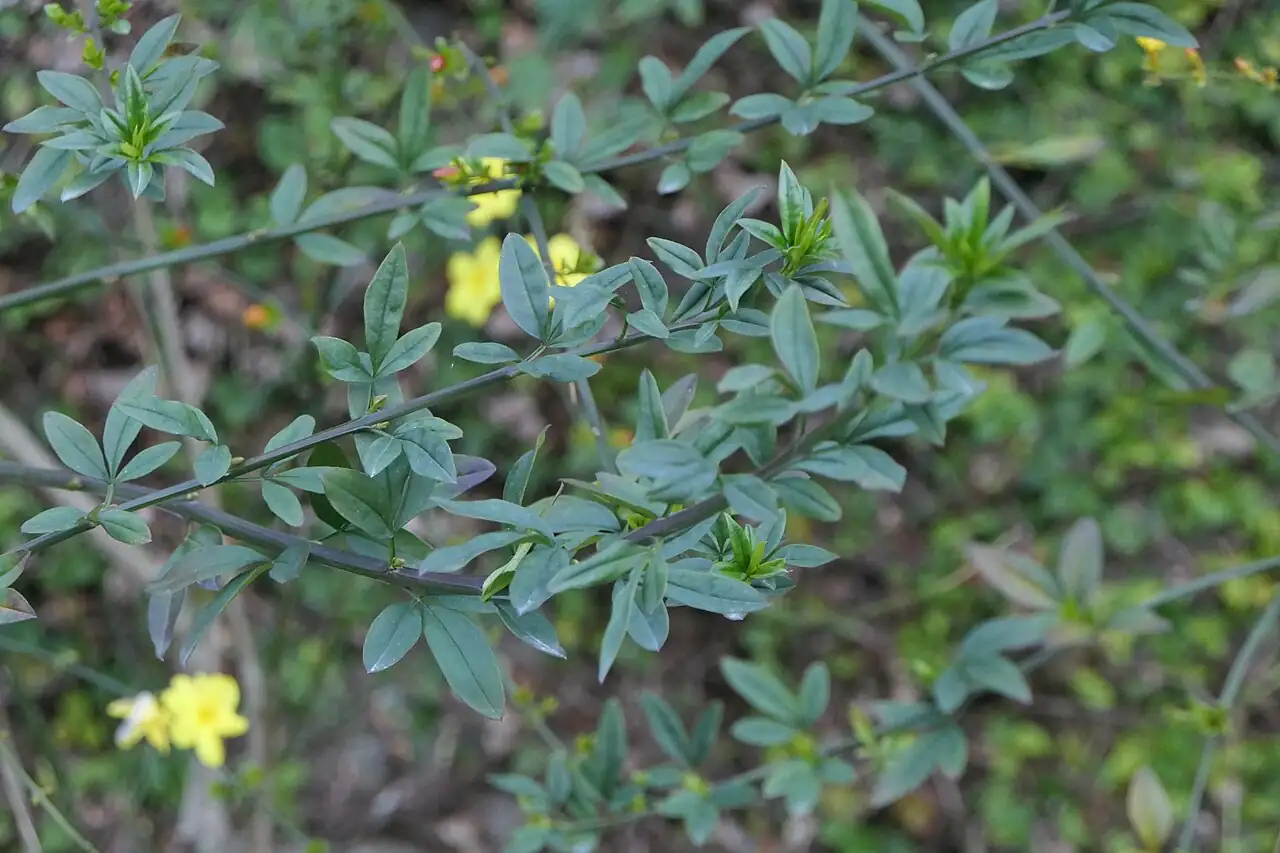
- Foliage: Leaves are opposite and usually trifoliate, with smooth, glossy leaflets. Young stems are green, long, and arching, often appearing angled or 4-sided.
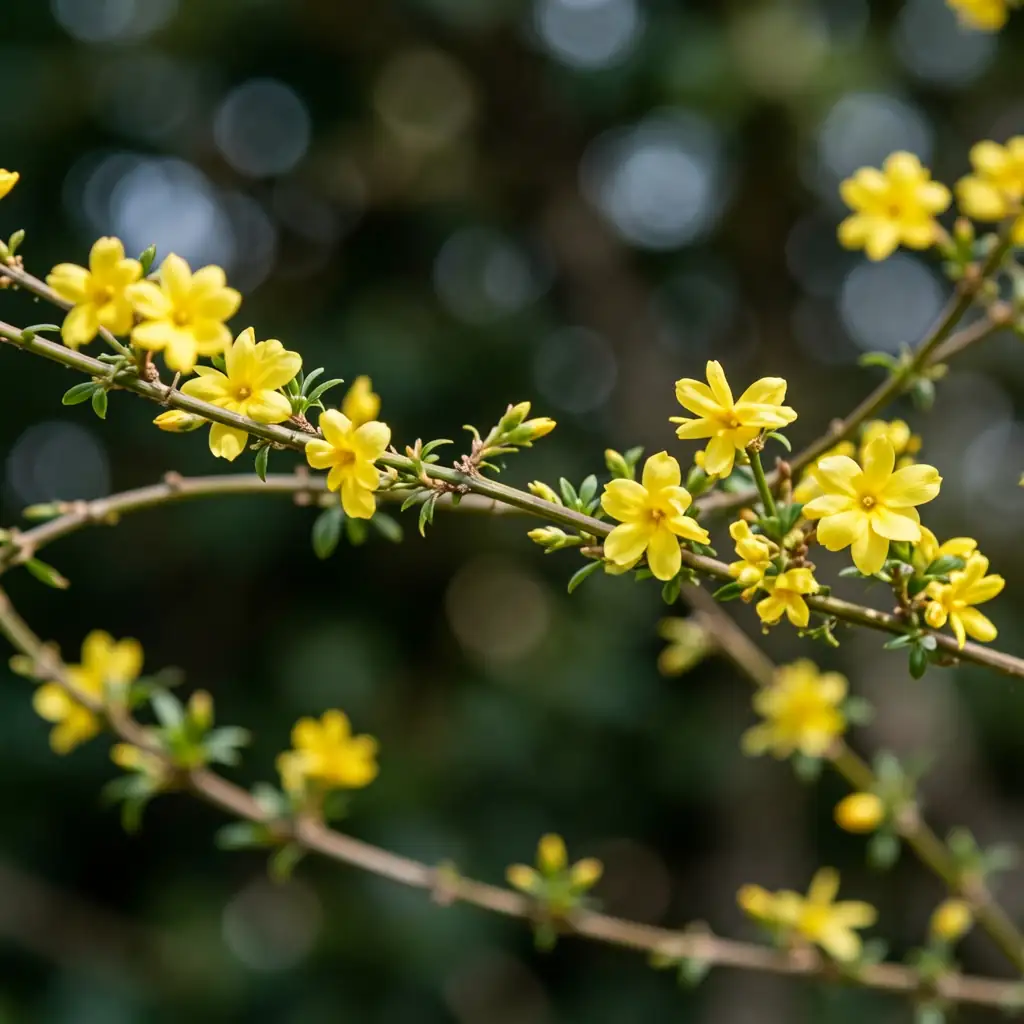
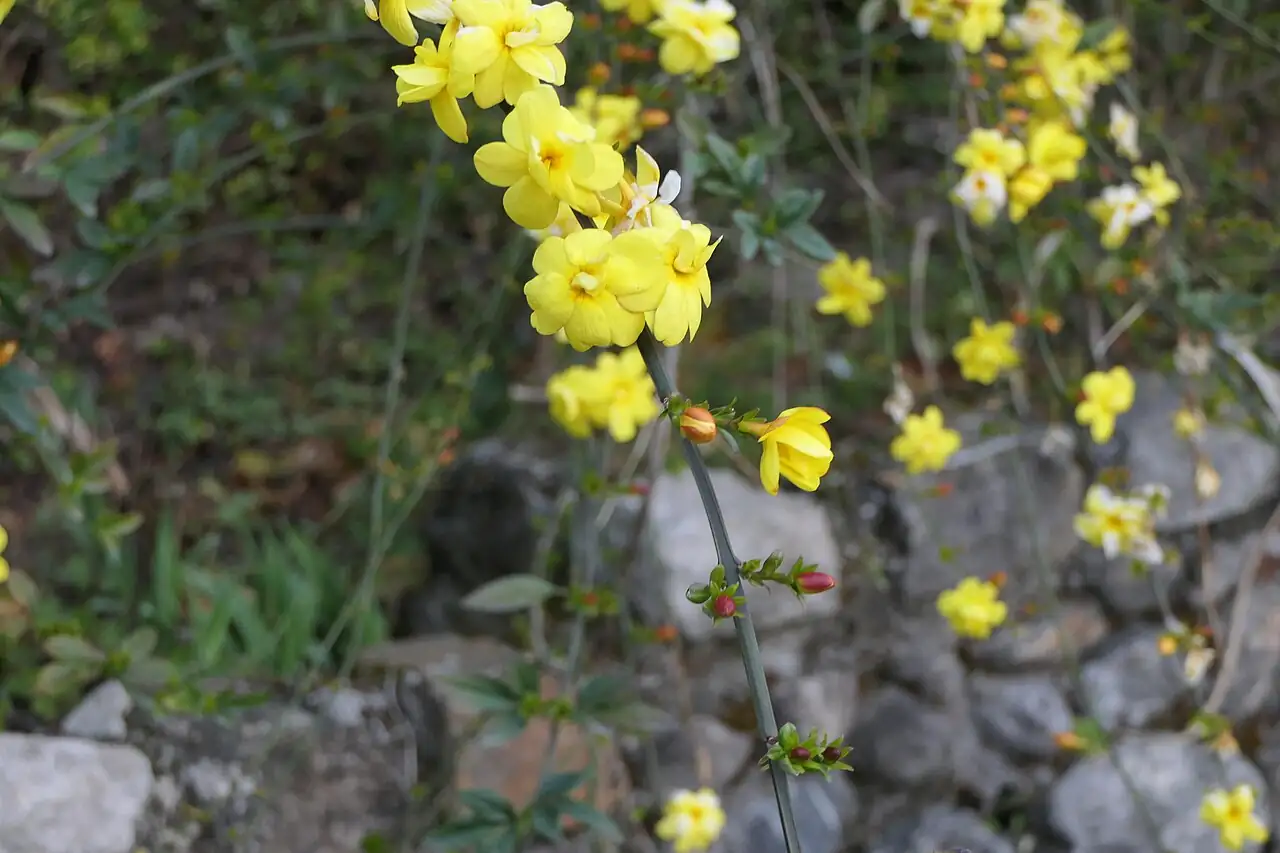
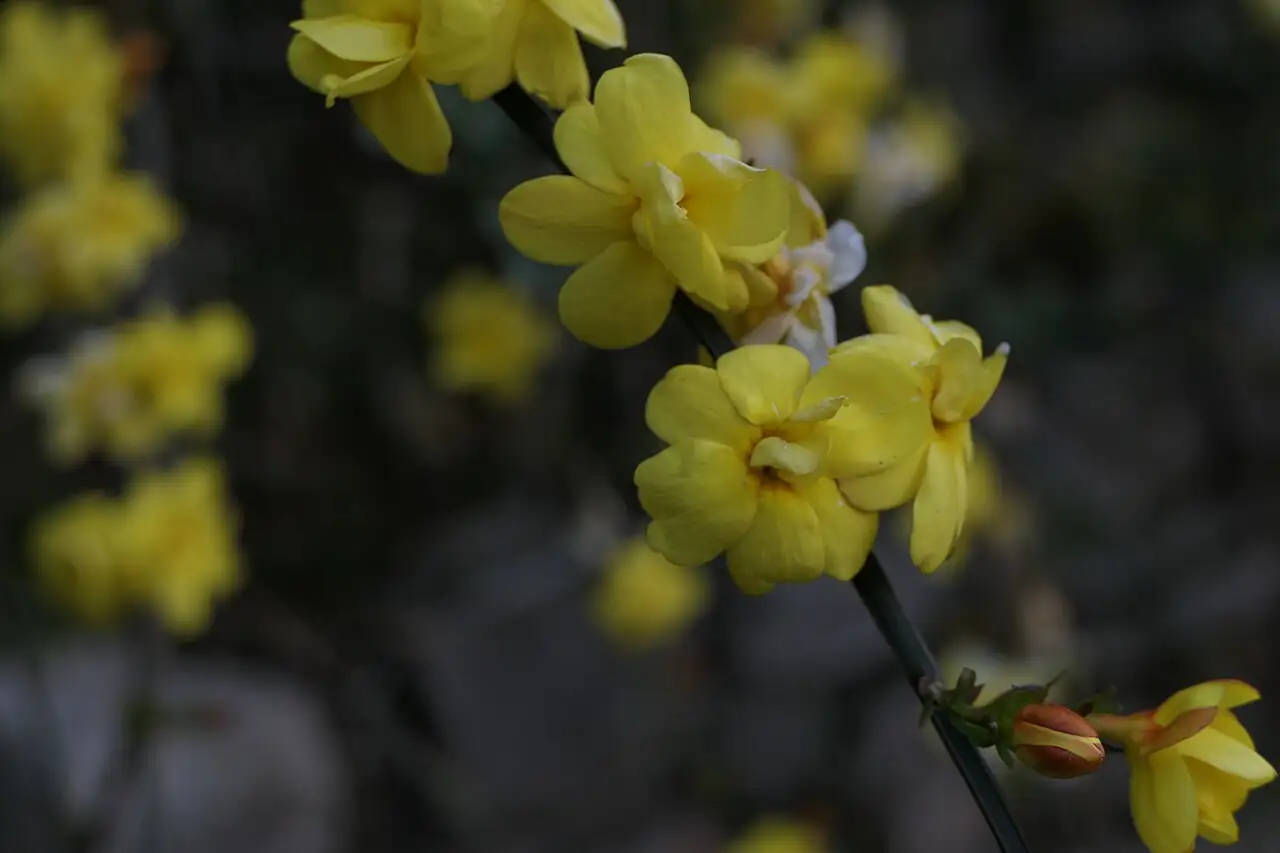
- Flower: Showy, bright yellow flowers about 3.5–4.5 cm (1.4–1.8 in) across, with a 6-lobed corolla. Blooms are commonly borne singly near shoot tips, creating a vivid yellow-on-green display.
- Flowering Season: Late winter to spring; may flower intermittently from November to August in mild climates (Nov–Aug).
- Growth Habit: Evergreen, arching to scrambling shrub; can be trained as a loose climber or allowed to cascade.
Environment
Sunlight
Full sun to partial shade. Tolerates shade, but flowers best with more light.
Temperature
Prefers warm conditions; best growth around 15–28°C (59–82°F). Protect from frost—damage is likely around 0°C (32°F) or below.
Humidity
Prefers moderate to high humidity, but adapts to average garden humidity with appropriate watering.
Soil
Well-drained, moderately fertile soil. Tolerates many soil types if drainage is good; for pots, improve drainage with grit/perlite.
Placement
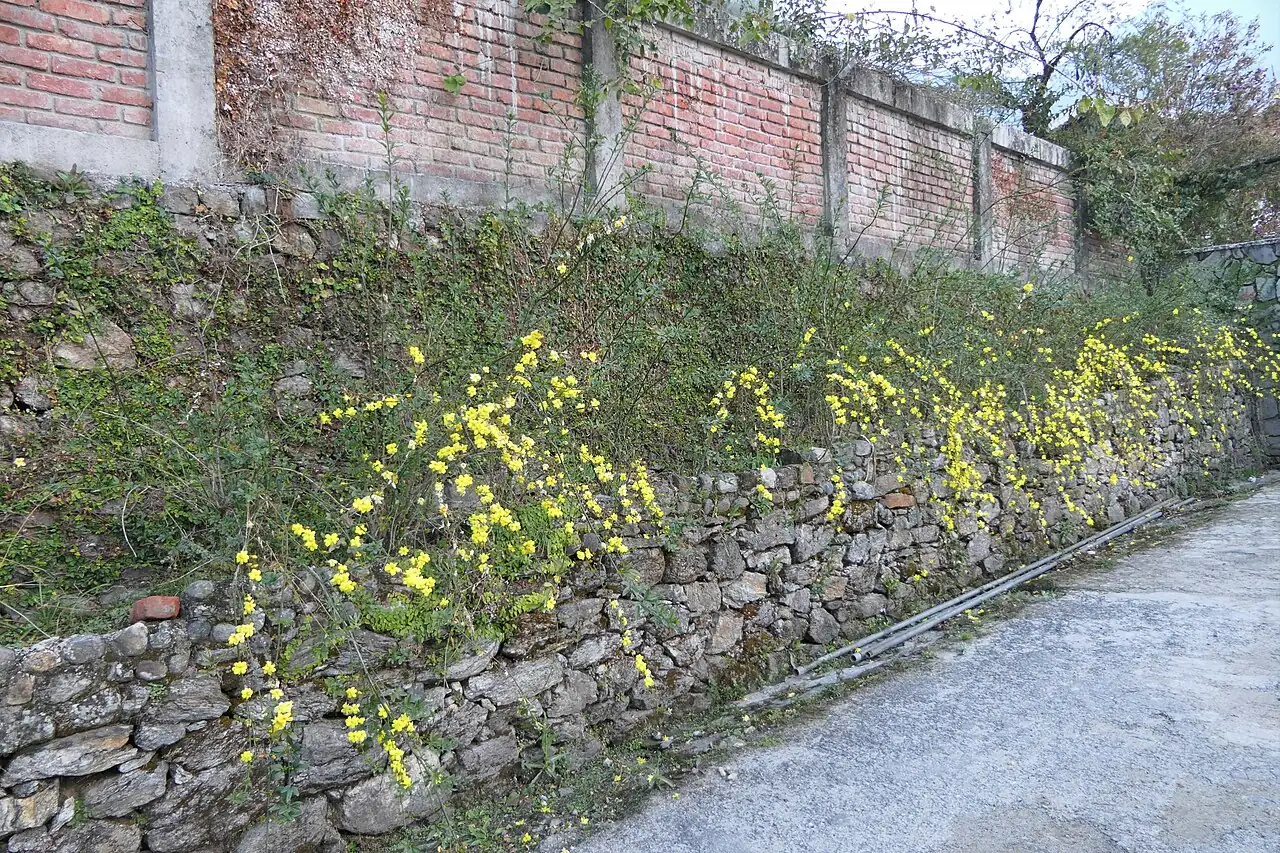
Best outdoors in a bright courtyard, balcony, or garden bed. Excellent over walls, on slopes, or in containers where stems can trail; can also be trained on a support as a loose climber.
Hardiness
Frost tender; roughly USDA Zone 8–11 (provide protection in colder areas).
Care Guide
Difficulty
Easy to moderate: vigorous and forgiving once established, but sensitive to hard frost and looks best with regular pruning after flowering.
Buying Guide
Pick plants with firm green stems and healthy glossy leaves. Avoid waterlogged, sour-smelling pots or plants with lots of bare, brittle stems. If buying in bud, look for plump buds and check for aphids/mites on tender growth.
Watering
Water thoroughly, then let the top 2–5 cm (1–2 in) of soil dry before watering again. Keep more evenly moist during active growth and flowering; reduce watering during cool, low-light periods to avoid root problems.
Fertilization
Feed from spring through midsummer with a balanced fertilizer at half strength every 2–4 weeks, or use a slow-release fertilizer as directed. Reduce or stop feeding in late summer through autumn.
Pruning
Prune right after the main flowering flush. Remove weak, tangled, or damaged stems and shorten long shoots to shape. Light thinning improves airflow and encourages new flowering wood.
Propagation
Semi-hardwood cuttings in late spring to summer, or layering flexible stems (often very reliable).
Repotting
For containers, repot every 1–2 years in spring, moving up about 2–5 cm (1–2 in) in pot diameter. If not repotting, refresh the top layer of soil annually.
📅 Seasonal Care Calendar
Spring: prune after bloom and begin feeding. Summer: water as needed and lightly trim for shape. Autumn: reduce fertilizer and keep slightly drier. Winter: protect from frost and avoid overwatering, especially in low light.
Pests, Diseases & Safety
Common Pests & Diseases
Common issues include aphids on soft new growth, spider mites in hot/dry spells, and scale insects. Root rot can happen in poorly drained soil. Improve airflow, avoid waterlogging, and treat outbreaks with insecticidal soap or horticultural oil.
Toxicity
Not commonly considered highly toxic, but chewing or ingestion may cause mild stomach upset in people or pets. It’s still best to keep it out of reach and discourage nibbling.
Culture & Symbolism
Symbolism: A bright symbol of optimism and the promise of spring—especially because it blooms when the weather is still cool.
History & Legends: Long cultivated in China as an ornamental, then embraced worldwide for its early-season color and easy, trainable habit.
Uses: Primarily ornamental: prized for vivid yellow flowers and evergreen foliage. Used in garden beds and borders, on slopes for a spilling effect, over walls, and in containers; can also be trained onto supports.
FAQ
Why is my primrose jasmine not flowering well?
It usually needs more light or better-timed pruning. Give it brighter conditions (sun to partial shade) and prune right after flowering—cutting at the wrong time can remove the shoots that would carry blooms.
Can primrose jasmine grow indoors?
Only temporarily, and only in very bright light. It performs best outdoors with strong light and airflow. If overwintered indoors, keep it cool, bright, and on the dry side.
How do I protect it in winter?
In colder areas, grow it in a pot so you can move it to a bright, sheltered, cool spot. In the ground, mulch the base and use frost cloth during cold snaps; avoid wet, heavy soil in winter.
Fun Facts
- Despite the common name, the blooms are usually not strongly fragrant like many other jasmines.
- In mild climates it may bloom on and off for an unusually long season—sometimes from November to August (Nov–Aug).
- Its long, flexible stems make it easy to train as a loose climber or let it cascade dramatically over walls and pots.
- Each flower is typically 3.5–4.5 cm (1.4–1.8 in) across, with a distinctive 6-lobed corolla.