

Plant Features
- Size: Typically 90–120 cm (35–47 in) tall and 45–60 cm (18–24 in) wide, depending on cultivar and growing conditions.
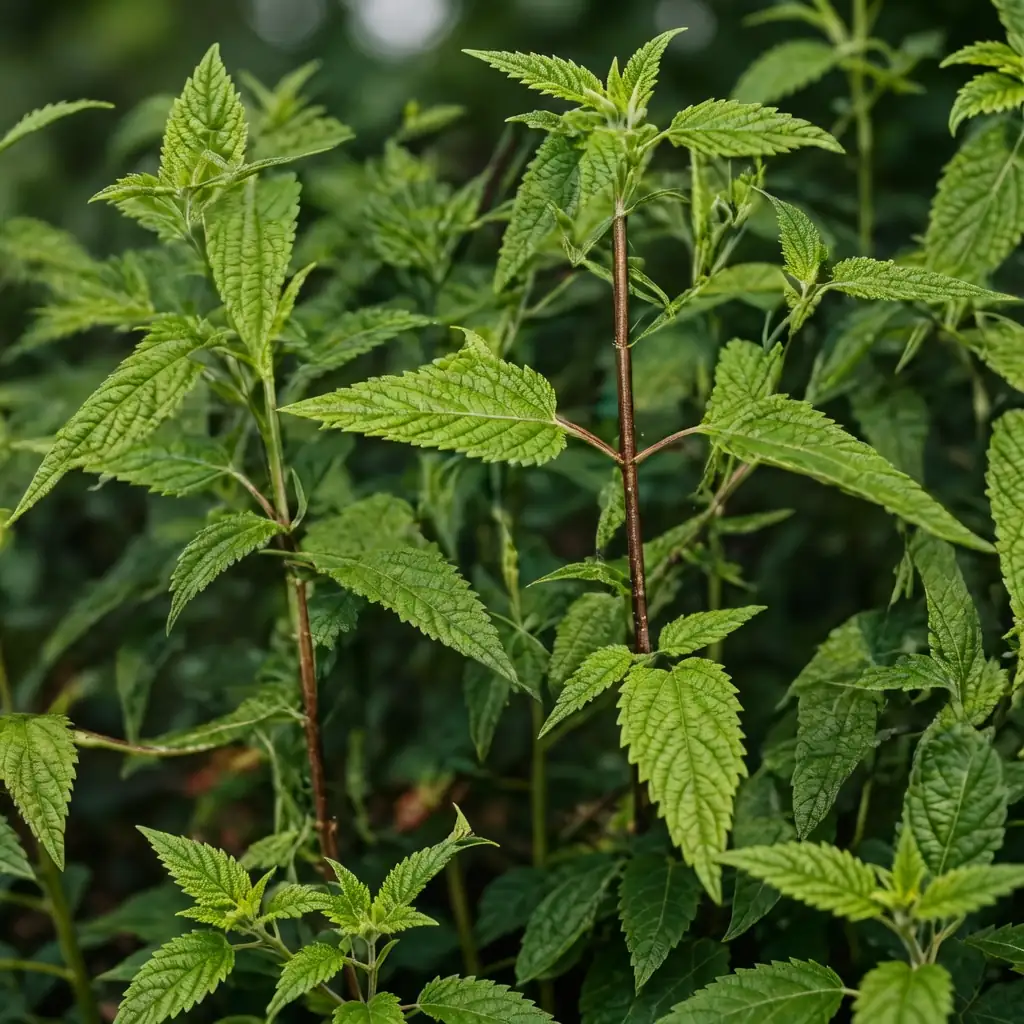
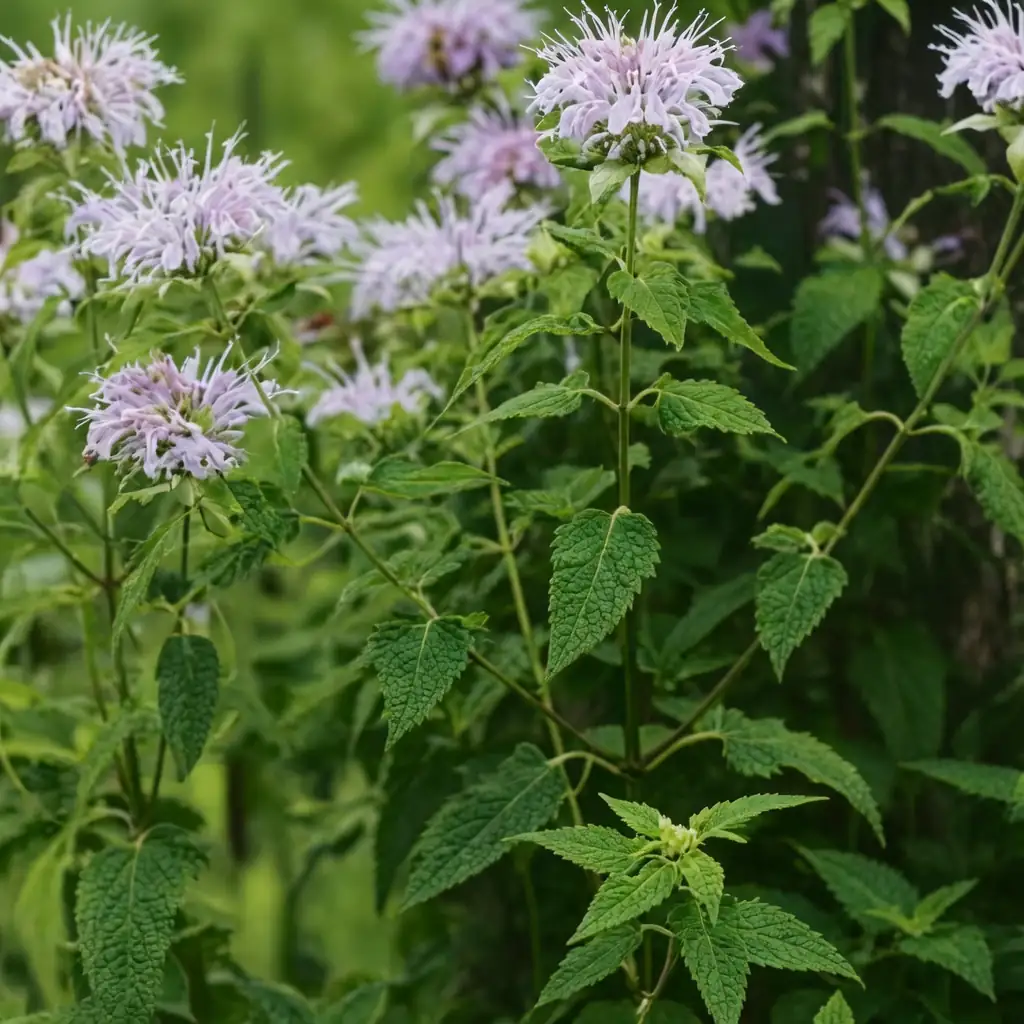
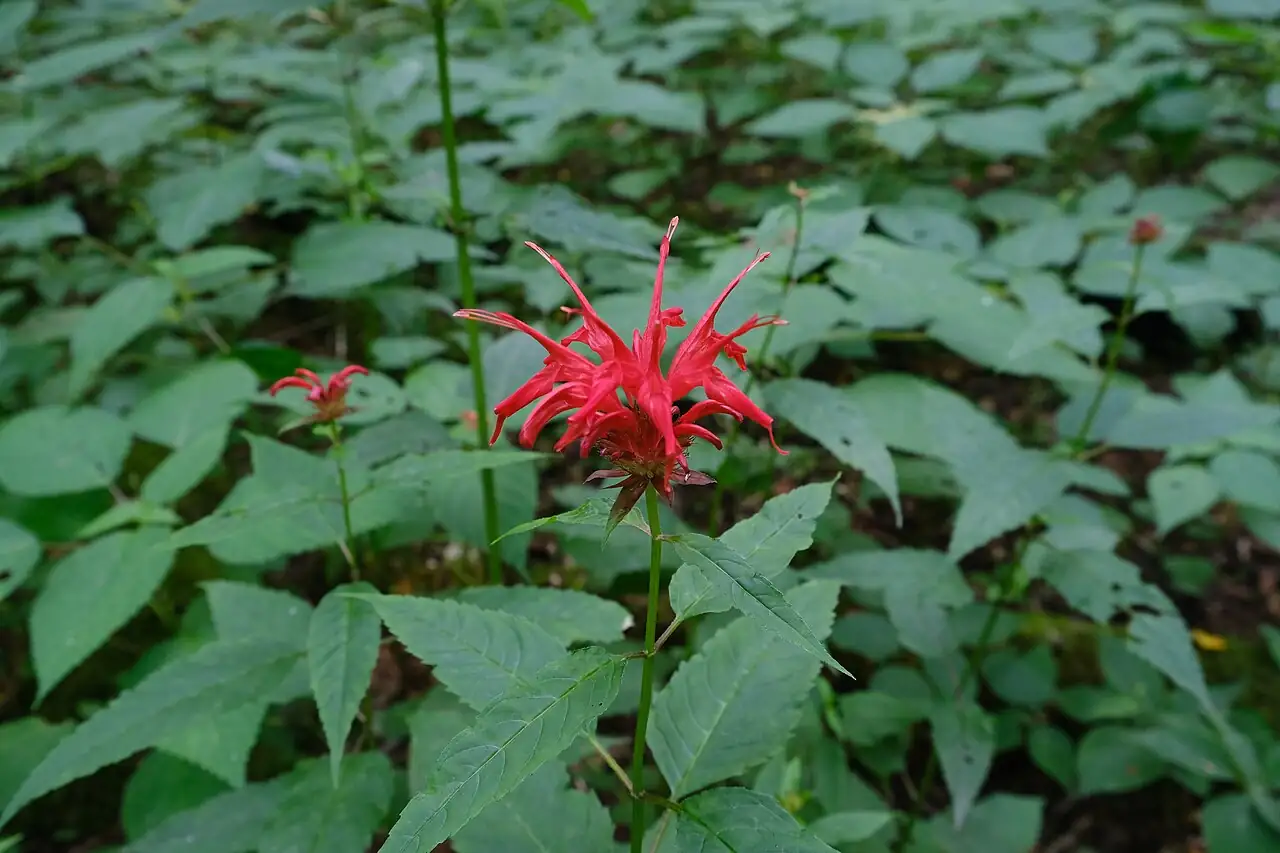
- Foliage: Upright, square stems with opposite, ovate to ovate-lanceolate leaves. The leaf edges are toothed; foliage is often slightly hairy beneath and releases a strong, pleasant aroma when crushed—classic mint-family character.
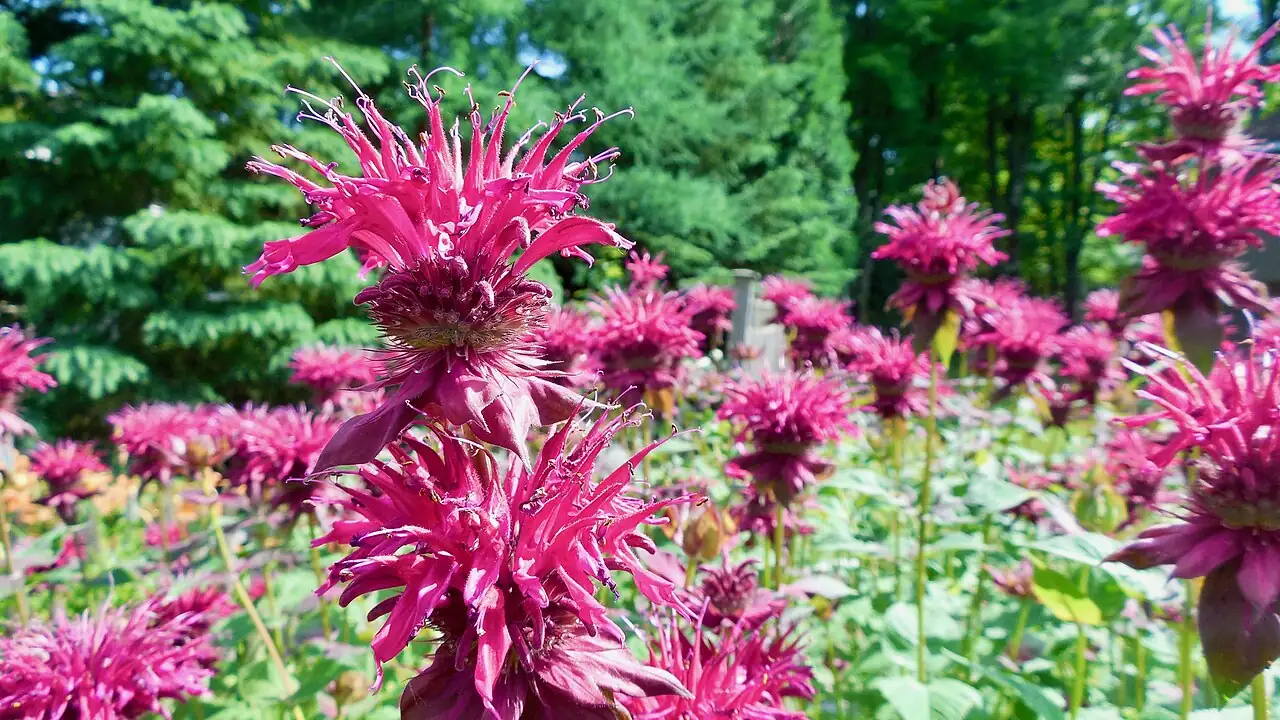
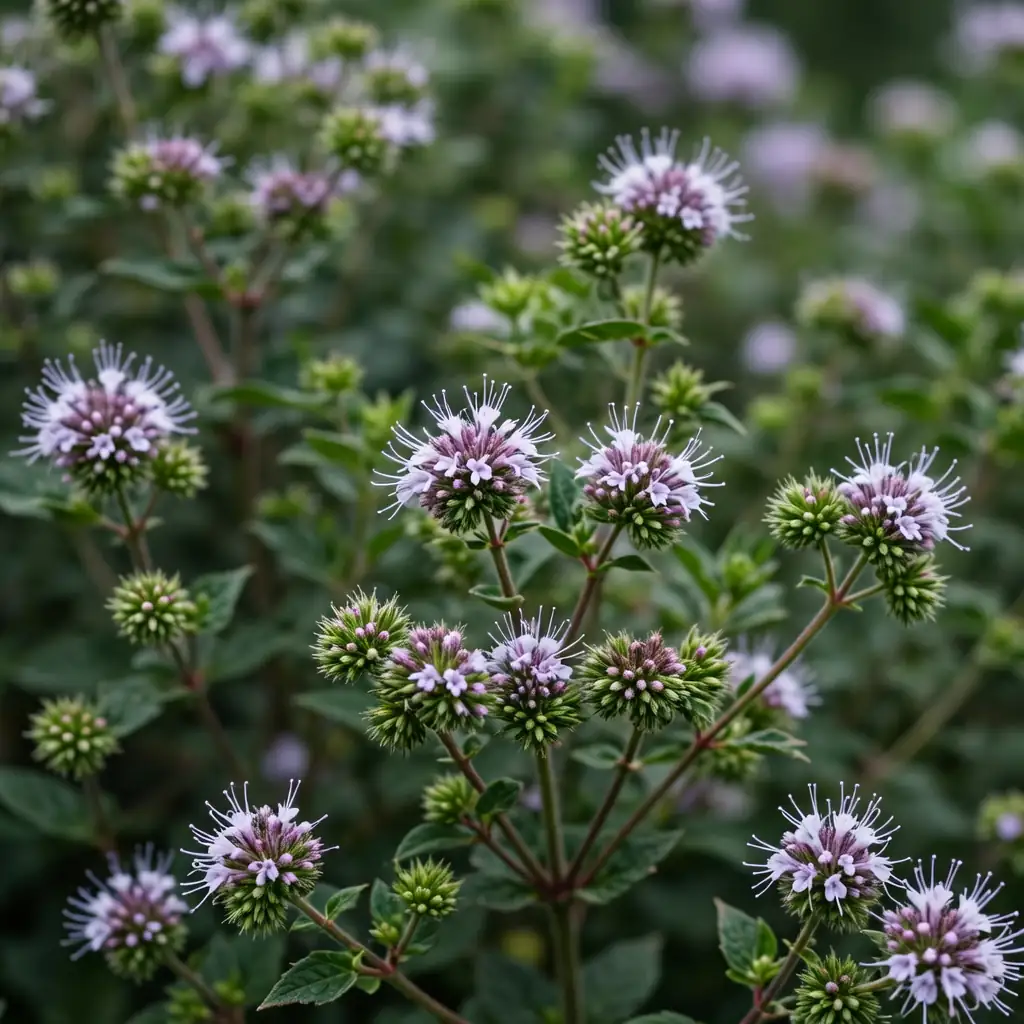
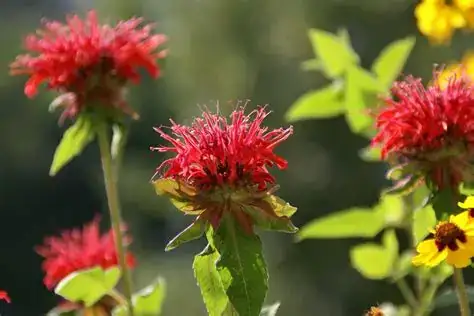
- Flower: Dense terminal flower clusters made of many tubular blooms with a slightly two-lipped look. Colors are most often vivid red through pinkish-purple, though they can vary by cultivar. The showy heads are nectar-rich and highly attractive to pollinators.
- Flowering Season: Mid to late summer (often July).
- Growth Habit: Herbaceous perennial with an upright habit, forming clumps that slowly spread via rhizomes. In the wild it’s often found in moist sites and along open woodland edges.
Environment
Sunlight
Full sun to part shade. Flowering is strongest in sun, but light shade is helpful in hot summers.
Temperature
Prefers cool to moderate conditions; avoid prolonged hot, dry stress. A comfortable growing range is about 15–25°C (59–77°F).
Humidity
Enjoys evenly moist conditions and tolerates moderate to higher humidity, but good air circulation is important to help prevent powdery mildew.
Soil
Best in moist, well-drained, humus-rich soil. Adaptable to many soils as long as it doesn’t dry out completely.
Placement
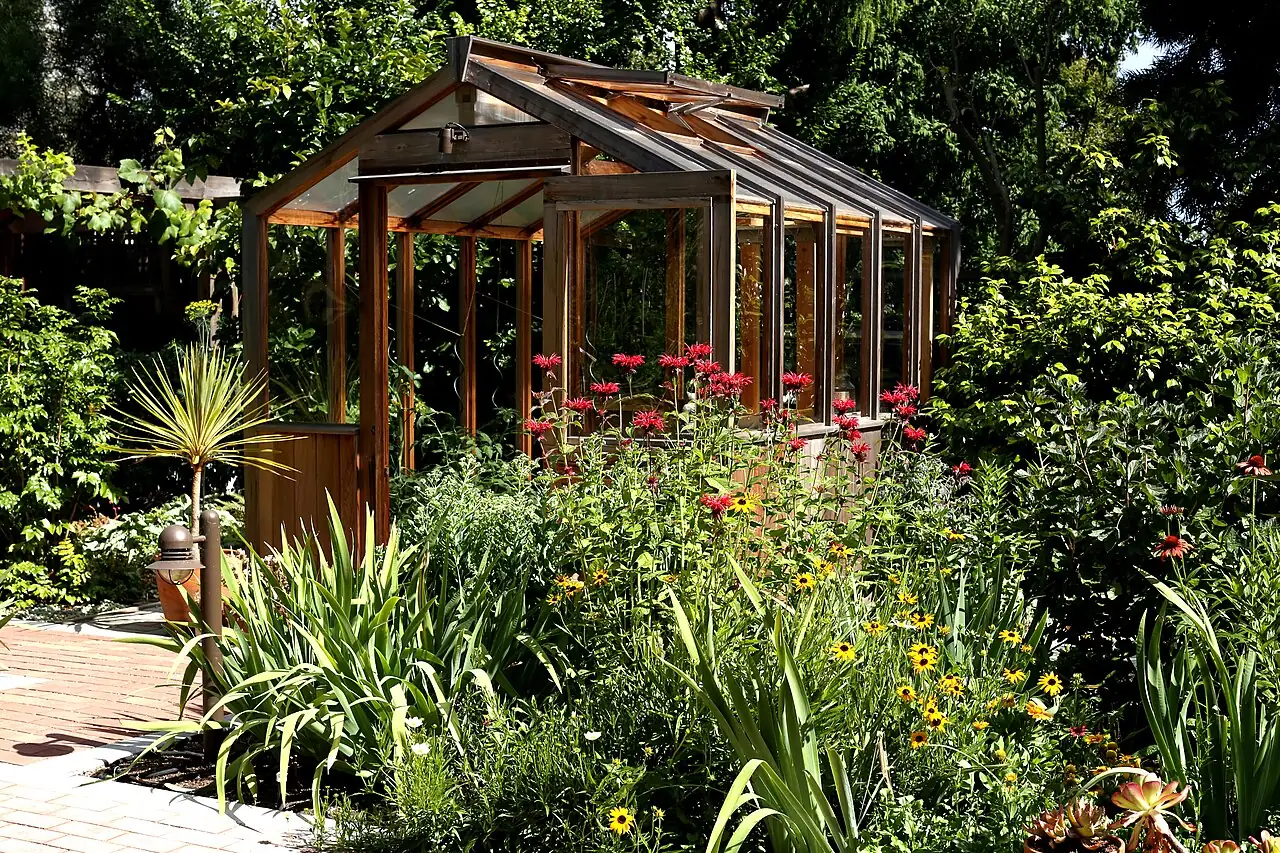
Ideal for borders, cottage/pollinator gardens, mixed perennial beds, and rain-garden edges—choose a spot with even moisture and decent airflow.
Hardiness
USDA Zone 4–9 (about -34 to -1°C / -30 to 30°F depending on local winter lows).
Care Guide
Difficulty
Easy to moderate: generally vigorous and cold-hardy, but it dislikes drought and can develop powdery mildew when crowded or grown in still, humid air.
Buying Guide
Pick plants with fresh, strongly aromatic leaves and sturdy, upright stems. Avoid any with heavy mildew, blackened stems, or soggy/waterlogged potting mix. If mildew is common in your area, choosing mildew-resistant cultivars is a smart shortcut to success.
Watering
Keep the soil consistently moist, especially during summer growth. Water at the base (not over the leaves) to reduce mildew risk. As a guide, aim for about 2.5–4 cm (1–1.5 in) of water per week from rain/irrigation during active growth, adjusting for heat, wind, and soil type.
Fertilization
A spring top-dress of compost is often enough in garden beds. If growth is weak, feed lightly in spring with a balanced fertilizer (for example 5-5-5) at label rates; avoid overfeeding because soft, lush growth can worsen mildew issues.
Pruning
Deadhead spent flower heads to encourage a longer bloom window. Cut stems back close to ground level in late fall or early spring. If plants are dense, thin stems to improve airflow through the clump.
Propagation
Divide clumps every 2–3 years in spring or early fall to keep plants vigorous. Also propagates from seed or from softwood cuttings taken in early summer.
Repotting
In containers, repot or divide every 1–2 years in spring into a moisture-retentive but well-drained mix. Always use a pot with drainage holes and don’t let the root ball dry out completely.
📅 Seasonal Care Calendar
Mid-summer flowering (often July). Seed set typically in autumn (around October). Divide in spring or early fall; cut back in late fall or early spring.
Pests, Diseases & Safety
Common Pests & Diseases
Most common problems are powdery mildew, rust, and leaf spot—especially when airflow is poor. Aphids and spider mites may show up when plants are stressed. Space plants well, thin crowded stems, water at soil level, remove infected debris, and consider mildew-resistant cultivars for easier maintenance.
Toxicity
Generally considered non-toxic to people and pets in normal culinary use. As with many aromatic herbs, concentrated essential oils may irritate sensitive skin or stomach—use reasonably, and keep essential oils away from pets.
Culture & Symbolism
Symbolism: Often linked with vitality and attraction—fitting for a plant that practically throws a party for bees, butterflies, and hummingbirds.
History & Legends: Historically used as a tea plant in North America; the name “Oswego tea” connects to traditional and colonial-era tea use.
Uses: A standout ornamental for borders and mass plantings. Leaves and flowers can be used fresh or dried for herbal tea and to flavor foods (salads, sauces, baking, pickles). It has also been used traditionally for fragrant baths and aromatic steam/smoke uses.
FAQ
Why are my bee balm leaves getting a white powdery coating?
That’s usually powdery mildew. Increase airflow (space plants, thin stems), water at the base, avoid drought stress, and consider mildew-resistant cultivars.
Can bee balm grow in part shade?
Yes. It tolerates part shade well, especially in hotter climates, though flowering is usually best with at least 6 hours of sun.
Is bee balm edible?
Yes—both leaves and flowers are commonly used to flavor teas and foods. Use pesticide-free plants and try small amounts first if you’re new to it.
Fun Facts
- It’s native to North America and widely grown worldwide as a garden ornamental and tea herb.
- The leaves are strongly aromatic and can be brewed as an herbal infusion.
- Its bold flower heads are a magnet for pollinators—especially bees and hummingbirds.
- It naturally favors evenly moist soils, similar to woodland edges and moist thickets in its native range.


