


Plant Features
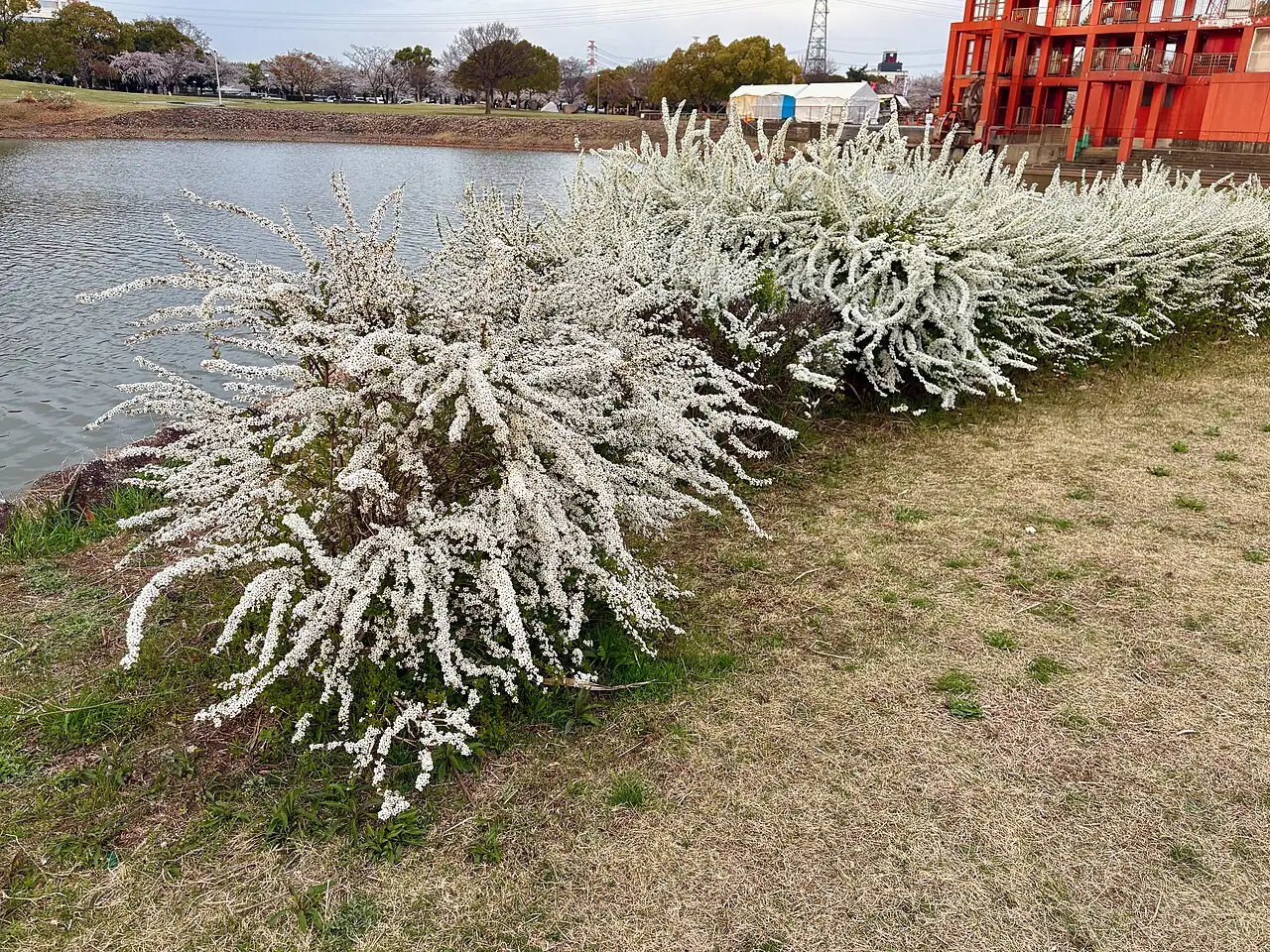
- Size: Up to about 1.5 m (5 ft) tall; typically forms a rounded, arching mound.
- Foliage: Leaves are alternate and simple, with foliage often emerging around the flowering period. The plant forms clumps with many slender, spreading, arching stems; young twigs can show slight angles or ridges.
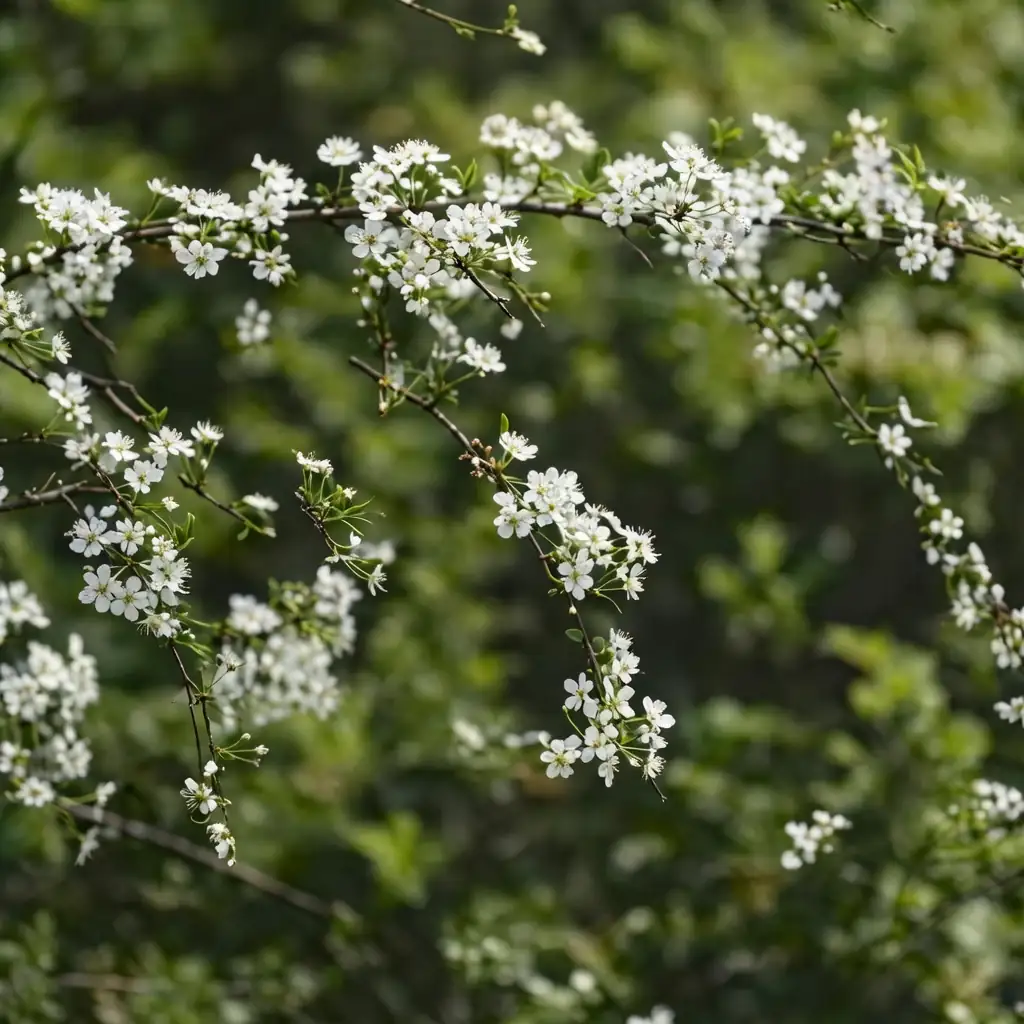
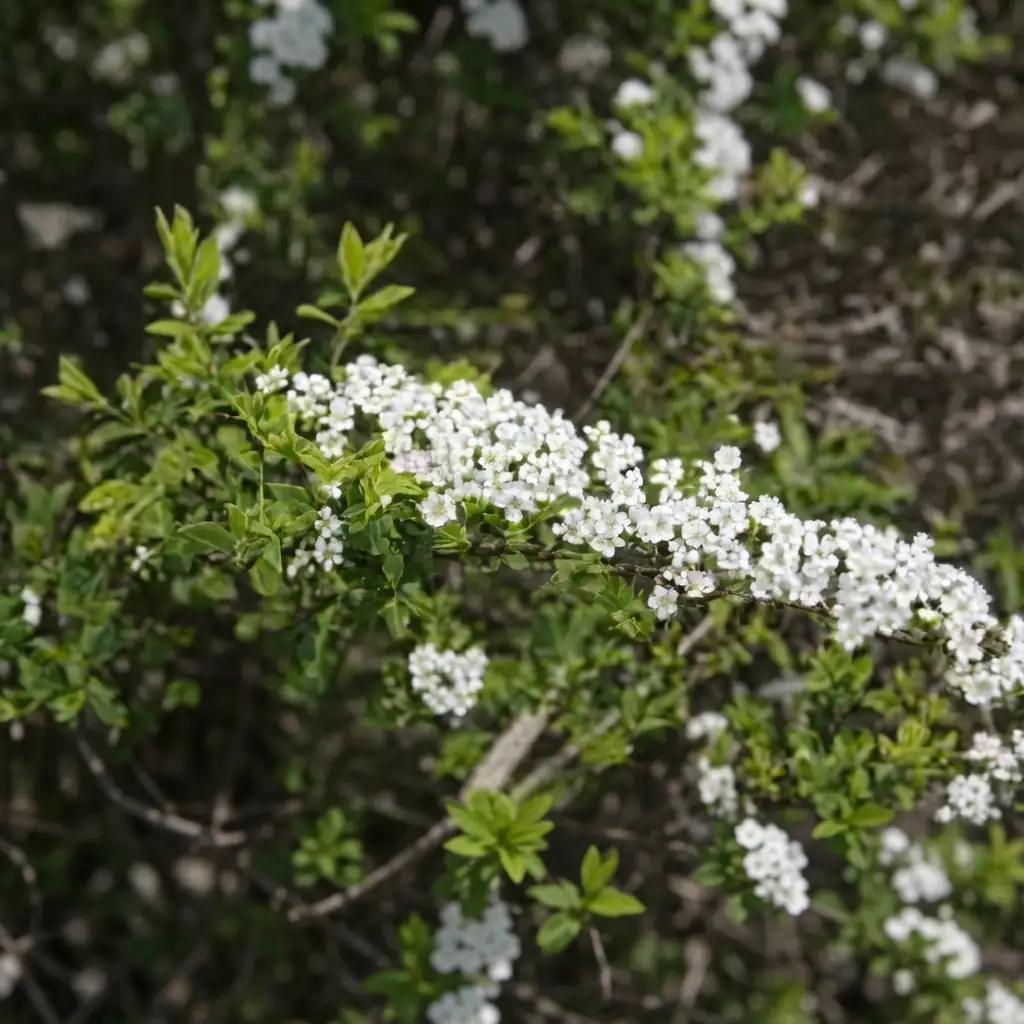
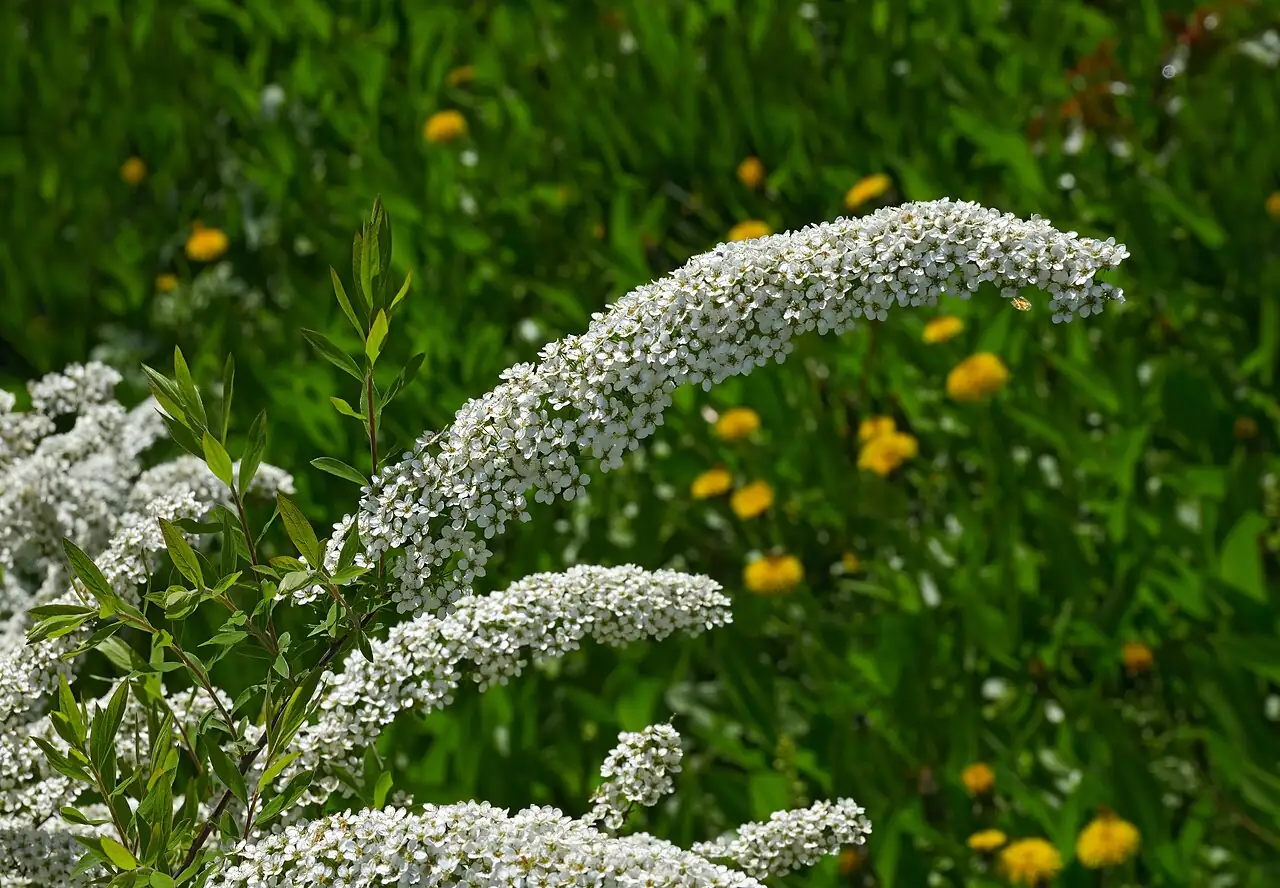
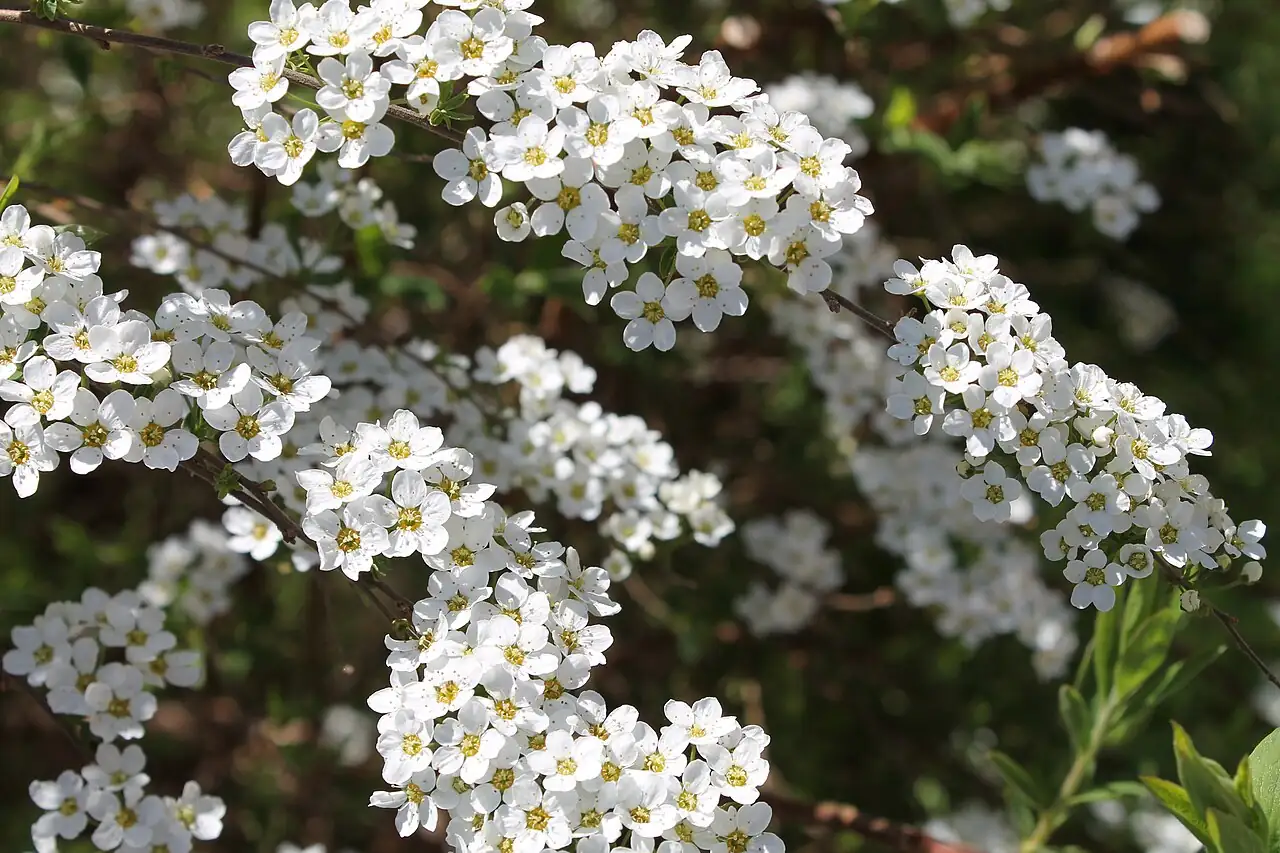
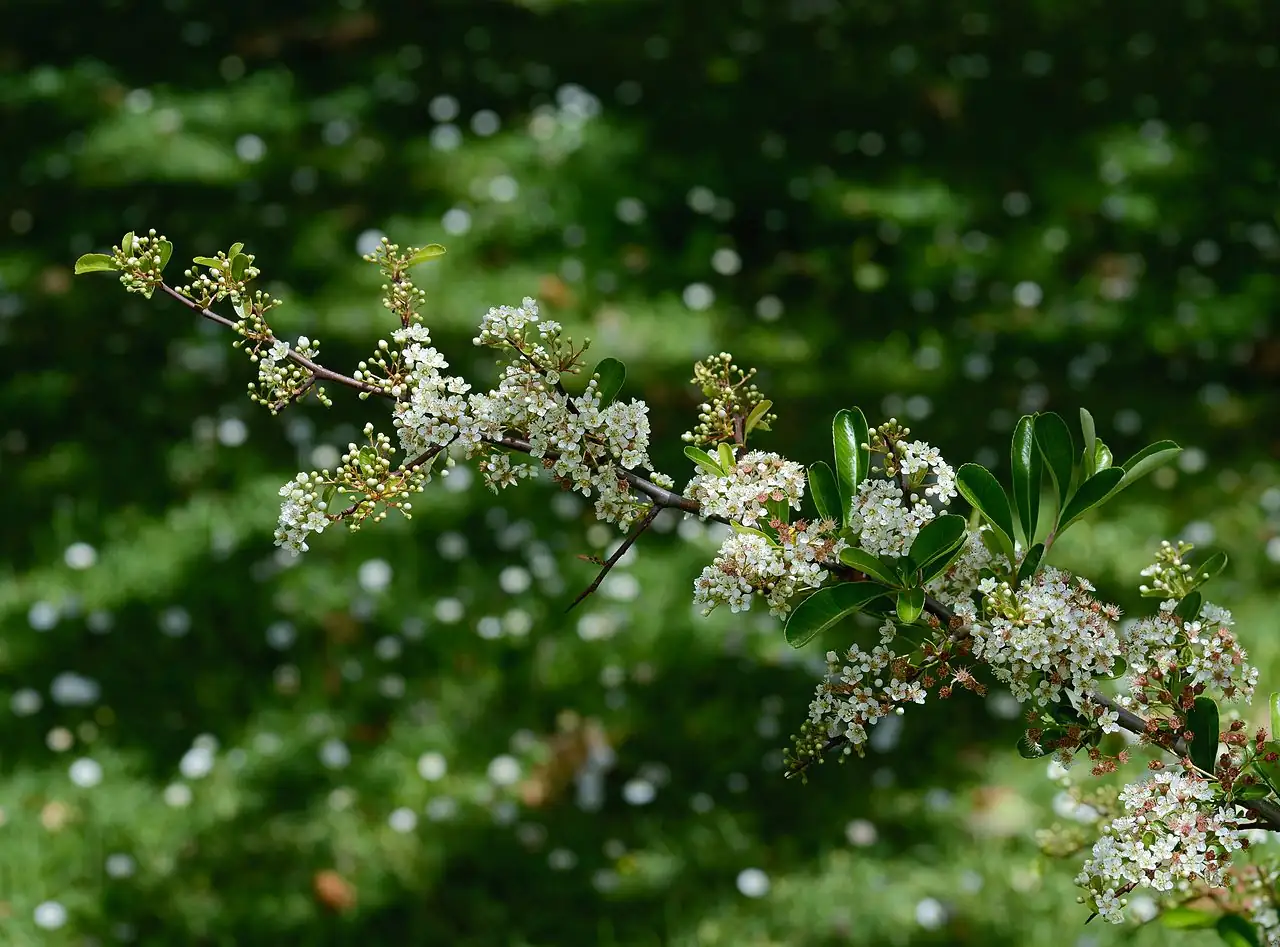
- Flower: Produces masses of small white flowers densely lined along the stems, commonly grouped in small umbel-like clusters (often 3–5 flowers) on fine stalks, creating a bright, snow-dusted look.
- Flowering Season: March–May (early to mid-spring, depending on climate)
- Growth Habit: Deciduous, multi-stemmed shrub with a naturally arching form; vigorous sprouter from the base and responds very well to thinning and post-bloom pruning.
Environment
Sunlight
Full sun to partial shade; flowering is heaviest in full sun, but it will tolerate light shade.
Temperature
Cold-hardy and happiest in cool to temperate conditions; typical growing range about 5–25°C (41–77°F).
Humidity
Adaptable to average outdoor humidity; tolerates short wet periods and, once established, handles dry spells better than many flowering shrubs.
Soil
Adaptable to most well-drained garden soils. It grows more vigorously in moist, fertile soil, but dislikes persistently waterlogged ground—good drainage is key.
Placement
Outdoors: borders, foundation plantings, slopes, hedging or mass plantings; also excellent as a specimen shrub where the arching “snowfall” bloom can be enjoyed.
Hardiness
USDA Zone 4–8 (approx.).
Care Guide
Difficulty
Easy. A hardy, adaptable shrub that isn’t picky about soil and bounces back strongly after pruning. After establishment it copes well with some drought, and it’s generally low-maintenance for a spring-flowering display plant.
Buying Guide
Pick plants with multiple healthy stems and firm, plump buds. Avoid shrubs with blackened tips, obvious cankers, or severely rootbound pots. In spring, check tender new growth for aphids before buying.
Watering
Water regularly through the first growing season to establish roots. After that, water when the top 5–8 cm (2–3 in) of soil is dry. Aim for deep, infrequent watering rather than frequent light sprinkles.
Fertilization
Usually needs little feeding. If growth looks weak, use a balanced slow-release fertilizer in early spring at label rates. Avoid heavy nitrogen, which can push leafy growth at the expense of flowers.
Pruning
Prune right after flowering in spring to protect next year’s bloom (it flowers on last year’s wood). Remove dead or weak stems, and every few years thin out some older stems at the base to maintain the graceful arching shape and encourage fresh new shoots.
Propagation
Easy to propagate from softwood cuttings in late spring to early summer, or hardwood cuttings from late fall into winter. It can also produce vigorous basal shoots that may be divided and replanted.
Repotting
Most often grown in the ground. If kept in a container, repot every 2–3 years into fresh, well-draining mix—either step up one pot size or root-prune and refresh the soil. Ensure excellent drainage.
📅 Seasonal Care Calendar
March–May: peak bloom. Prune immediately after flowering. Late winter (if needed): light thinning of older stems. August–October: fruits/seed set.
Pests, Diseases & Safety
Common Pests & Diseases
Generally trouble-free. Watch for aphids on spring flush, spider mites during hot/dry spells, and occasional leaf spot or powdery mildew. Improve airflow, avoid frequent overhead watering, and treat early outbreaks with horticultural soap or oil as needed.
Toxicity
Not commonly listed as toxic to people or pets. Still, chewing or ingesting ornamental plant parts may cause mild stomach upset—discourage pets from nibbling.
Culture & Symbolism
Symbolism: Often linked with purity and fresh beginnings—its white blooms can look like a gentle spring snowfall.
History & Legends: A long-cultivated East Asian ornamental shrub, widely grown for its early-season flower show and naturally graceful, arching silhouette.
Uses: Primarily ornamental: ideal for borders, hedging, foundation planting, slopes, and mass plantings; also striking as a specimen shrub thanks to its “snowfall” bloom effect and durable nature.
FAQ
Why does my Thunberg spirea have lots of leaves but few flowers?
The usual culprits are too much shade or pruning at the wrong time. Give it more sun and prune only right after it finishes blooming, since it flowers on last year’s wood.
When is the best time to prune it?
Immediately after flowering in spring. That timing preserves the buds that will become next year’s blooms.
Fun Facts
- Its arching branches can look “snow-covered” when the small white flowers open all along the stems.
- It typically blooms from March to May, with fruits forming later in the season (often August–October).
- In good conditions it can reach about 1.5 m (5 ft) tall.
- It is native to China and Japan.


