

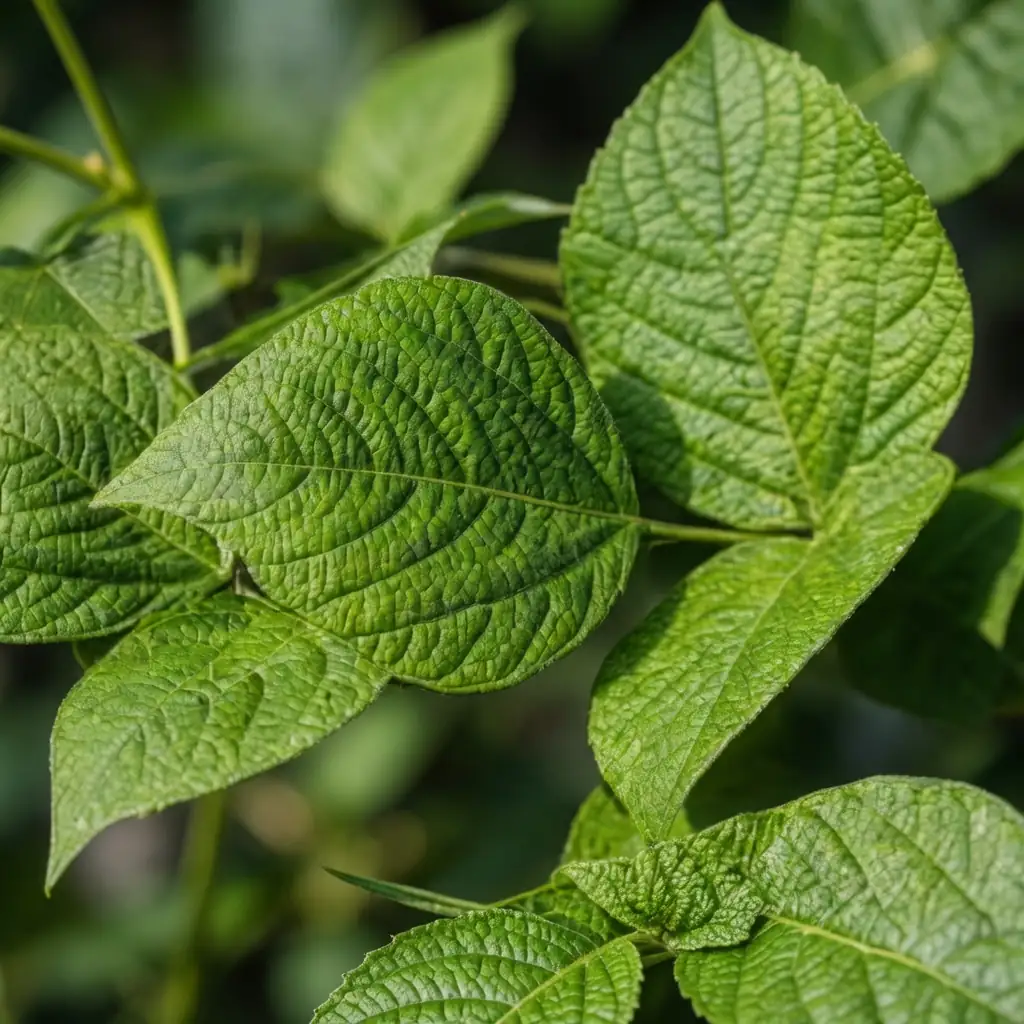
Plant Features
- Size: A slender annual twiner; trailing or climbing length commonly about 30–150 cm (12–59 in), depending on support and site conditions.
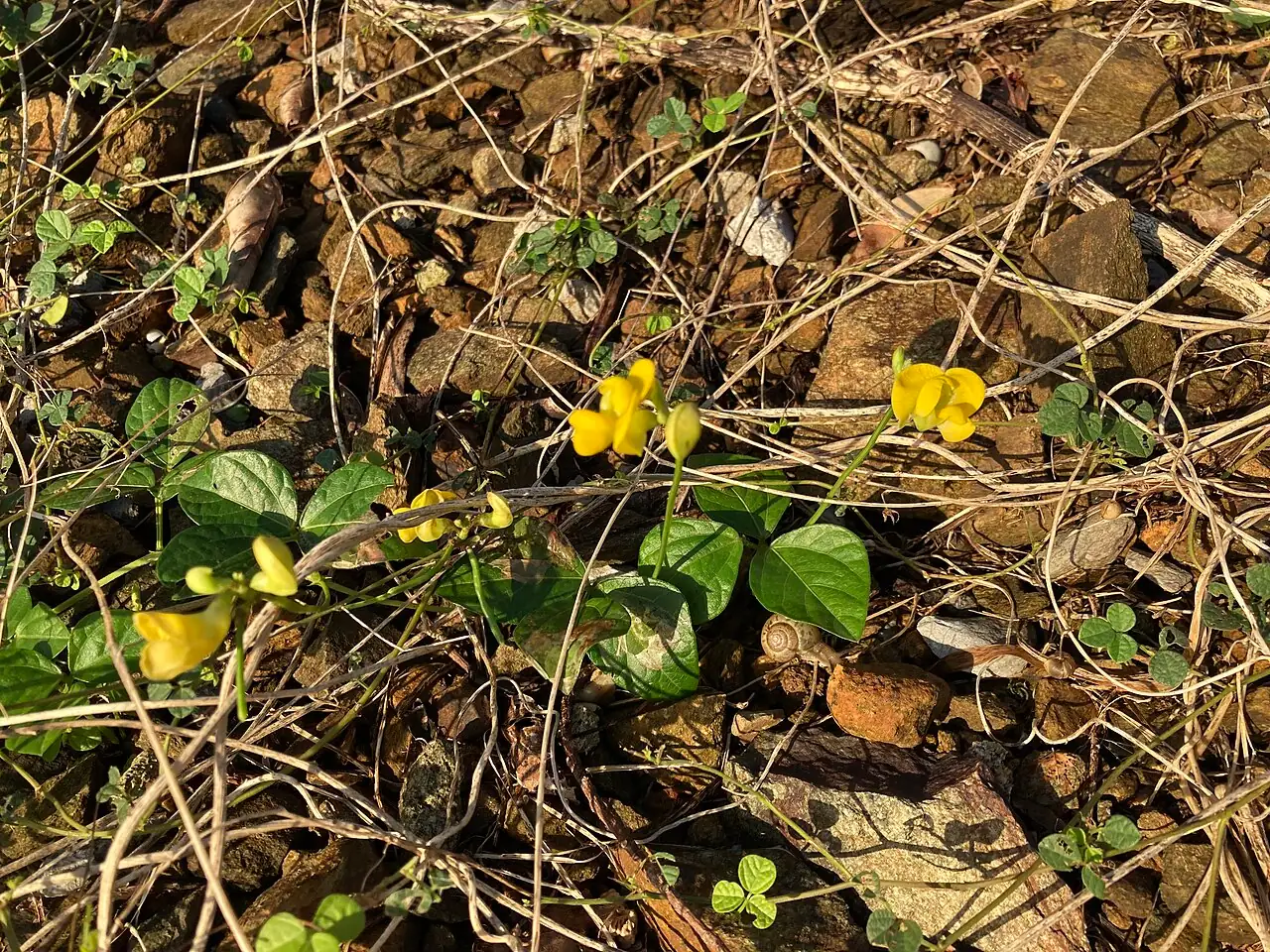
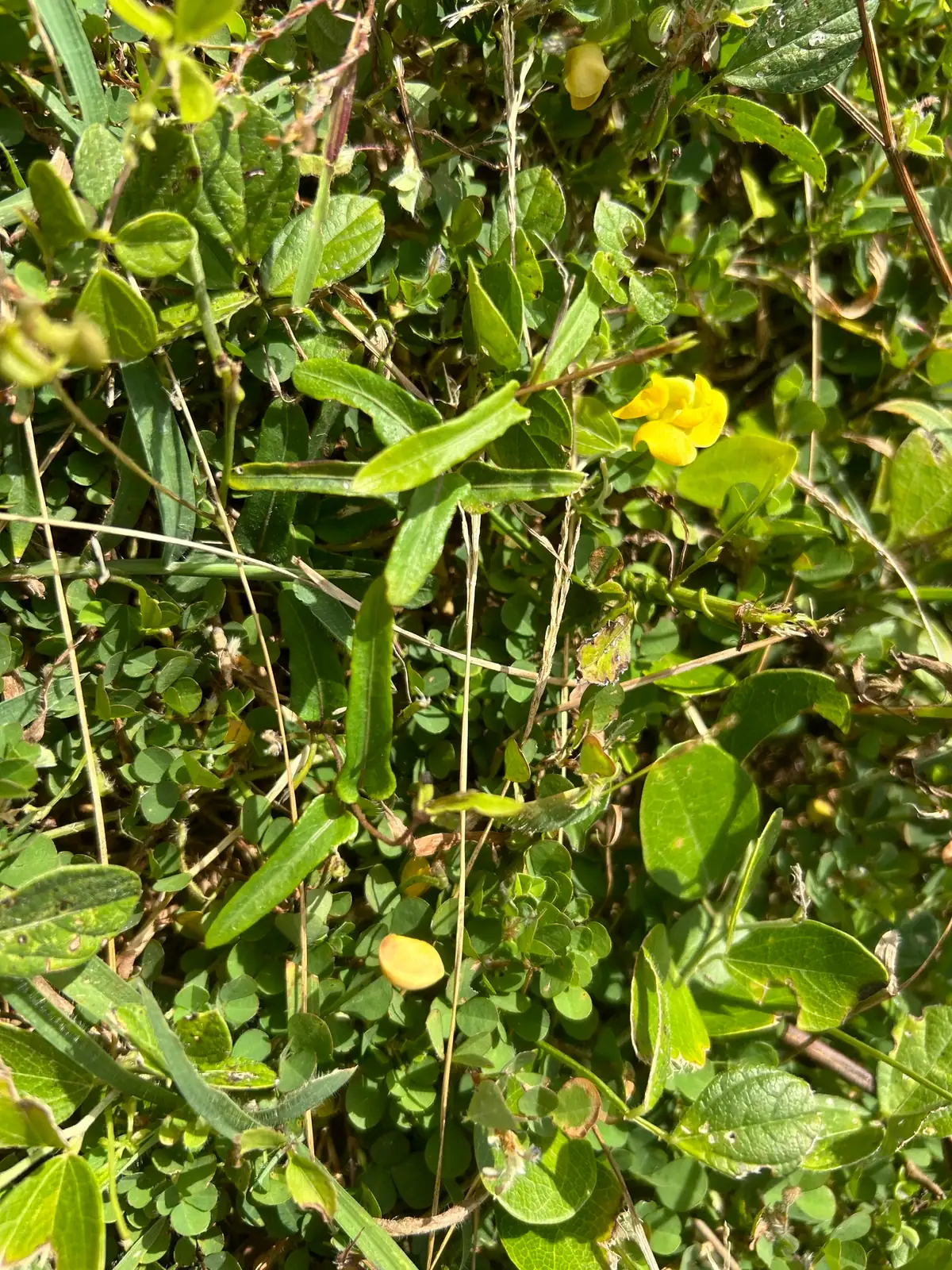
- Foliage: Leaves are trifoliate (3 leaflets) with lance-shaped stipules. The leaflets are famously variable—ovate, lanceolate, or even very narrow/linear—with tips ranging from acute to blunt and bases rounded to broadly wedge-shaped. Surfaces are nearly hairless or lightly covered with fine, appressed hairs.
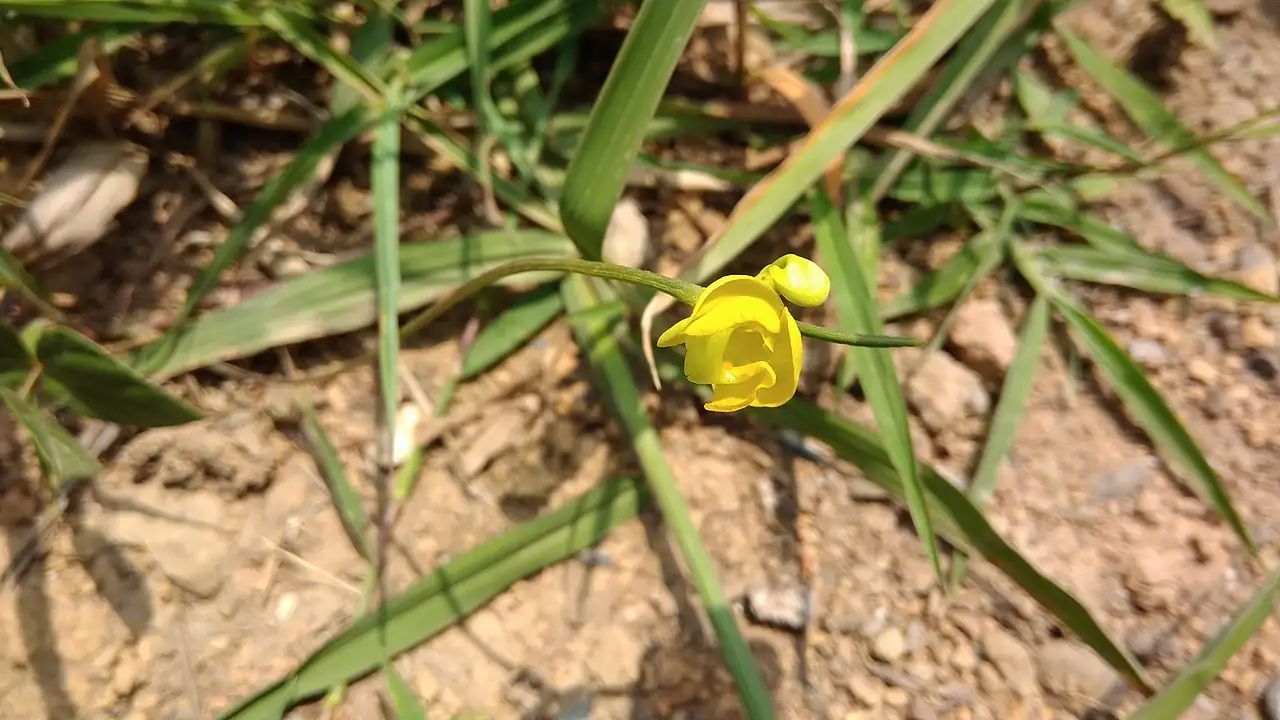
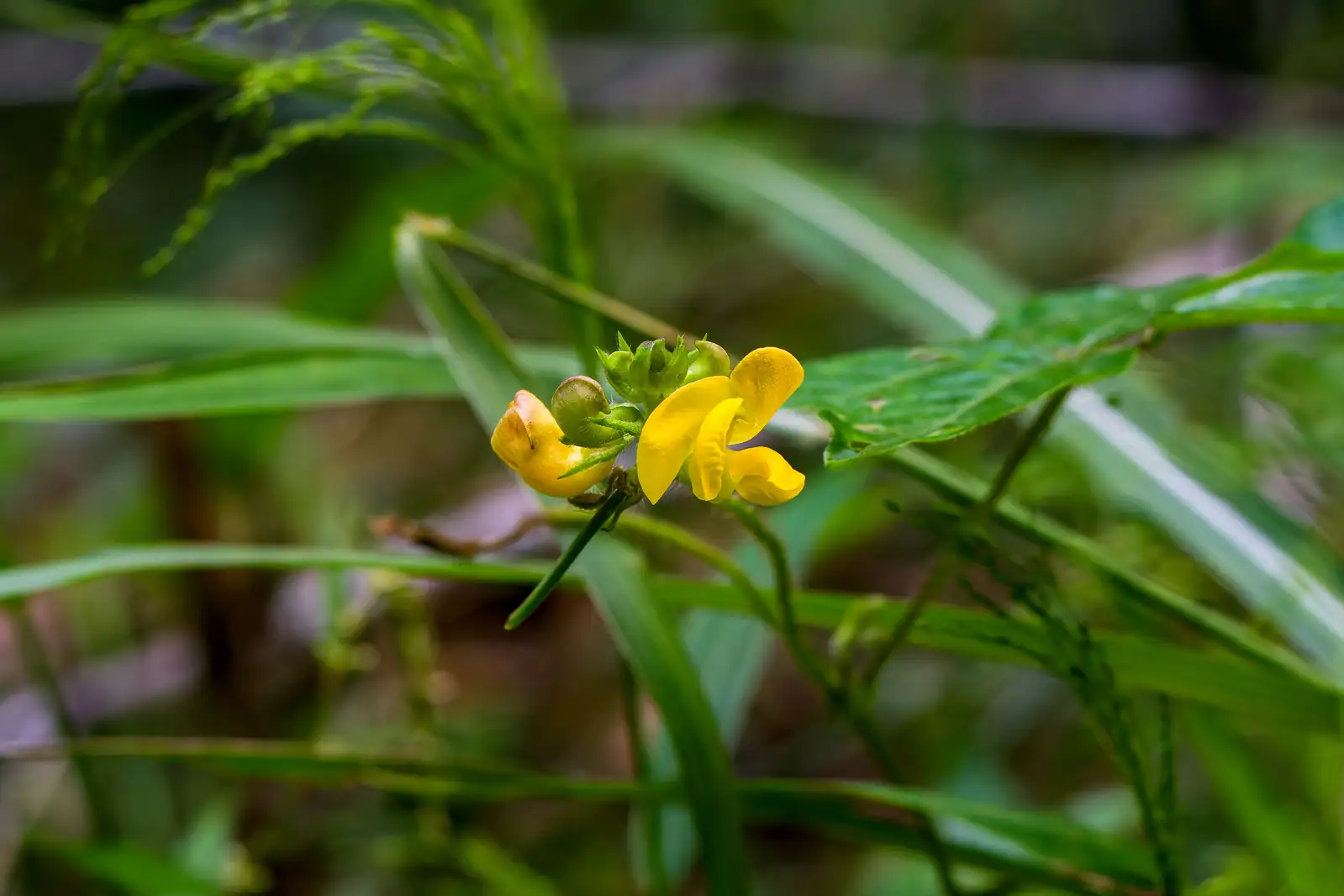
- Flower: Produces delicate racemes that typically carry about 3–4 small pea-flowers. The calyx is bell-shaped. After flowering, it forms cylindrical pods, usually holding 4–8 oblong seeds per pod.
- Flowering Season: August–October
- Growth Habit: Annual, twining herb with thin stems; stems are glabrous or sparsely hairy. It trails, climbs, and threads itself through nearby vegetation.
Environment
Sunlight
Partial shade to bright filtered light; tolerates shade and is often found growing beneath hedges or roadside trees. Deep shade may reduce flowering.
Temperature
Warm-season annual; best growth around 20–30°C (68–86°F). Frost-tender—damaged or killed below 0°C (32°F).
Humidity
Prefers consistently moist, humid microhabitats, but can adapt to average outdoor humidity as long as soil moisture is fairly reliable.
Soil
Adaptable, but happiest in well-drained soil that stays evenly moist. In nature it’s common in rough grassland, riverbanks, ditches, reedbeds, shrub thickets, and other disturbed ground.
Placement
Naturalistic plantings, wildlife corners, informal trellises, or as a light groundcover in semi-shaded areas with moderate moisture.
Hardiness
Not frost-hardy; grown as an annual in temperate climates (killed by freezing).
Care Guide
Difficulty
Easy outdoors in suitable conditions; largely hands-off once established, especially where it’s allowed to self-sow and mingle naturally.
Buying Guide
Look for correctly labeled Vigna minima seed or starts. Choose plants with healthy trifoliate leaves and thin, flexible stems. Avoid yellowing foliage and obvious pest damage.
Watering
Keep soil evenly moist during establishment. After that, water during dry spells, but avoid prolonged waterlogging. In containers, water when the top 2–3 cm (0.8–1.2 in) begins to dry.
Fertilization
Usually light-feeding (as a legume, it can partner with nitrogen-fixing bacteria). If growth is weak, use a balanced fertilizer at 1/4–1/2 strength every 4–6 weeks during the growing season. Avoid high-nitrogen feeding, which can push leafy growth at the expense of flowers and pods.
Pruning
Pinch or trim to control spread and encourage branching. Remove tangled or damaged stems. Cut back after seed set if you want to limit self-seeding.
Propagation
Primarily by seed. Sow in spring after frost danger has passed, ideally at about 20–30°C (68–86°F). Can be direct-sown where it will grow. Scarification is usually unnecessary, but soaking seeds for 6–12 hours can speed germination.
Repotting
If grown in pots, repot once into a slightly larger container when roots fill the pot. Provide a small trellis or let it trail. Use a free-draining mix and avoid overpotting.
📅 Seasonal Care Calendar
Spring: sow after the last frost. Summer: provide support and steady moisture; feed lightly only if needed. Late summer to autumn (Aug–Oct): peak flowering and pod set; collect seed if desired. After first frost: plants die back; clear debris unless encouraging self-sown seedlings in mild areas.
Pests, Diseases & Safety
Common Pests & Diseases
Can attract common legume pests like aphids, spider mites, and leaf-feeding caterpillars. In humid, crowded growth, watch for fungal leaf spots and powdery mildew. Improve airflow, avoid late-day overhead watering, and use insecticidal soap for soft-bodied pests when needed.
Toxicity
No well-documented toxicity for typical ornamental handling. However, because it’s a wild bean, do not eat seeds or plant parts unless edibility is positively verified and proper preparation is known.
Culture & Symbolism
Symbolism: Often linked with resilience and adaptability—like many wild legumes, it thrives in overlooked places and can help enrich soils through nitrogen fixation.
History & Legends: Recorded from multiple regions of China and most often encountered as a wild plant of waterways, field margins, and disturbed ground rather than a traditional ornamental.
Uses: A naturalistic, informal vine or light groundcover; appreciated for its subtle pea-flowers, highly variable leaf shapes, and ecological role as a wild legume in mixed plant communities.
FAQ
Is this the same as cultivated mung bean?
No. It’s a different species: Vigna minima. It may resemble mung bean relatives, but it’s mainly a wild twiner rather than a standard crop plant.
Does it need full sun to flower?
It can flower in partial shade or bright filtered light, especially when soil moisture is steady. Deep shade can reduce flowering.
Will it come back every year?
It’s an annual, so the original plant won’t overwinter. It may return by self-seeding if conditions suit it.
Fun Facts
- Leaflet shapes can be dramatically different—ovate, lance-shaped, or very narrow and linear—even within the same species.
- Flowering and fruiting commonly overlap from late summer into autumn (August–October).
- Pods are typically cylindrical and often hold about 4–8 oblong seeds.
- Racemes usually carry just a few flowers at a time (often 3–4), giving it a delicate, understated look.
- In the wild it often threads through hedges, reeds, and shrubs along waterways and roadsides.


