

Plant Features
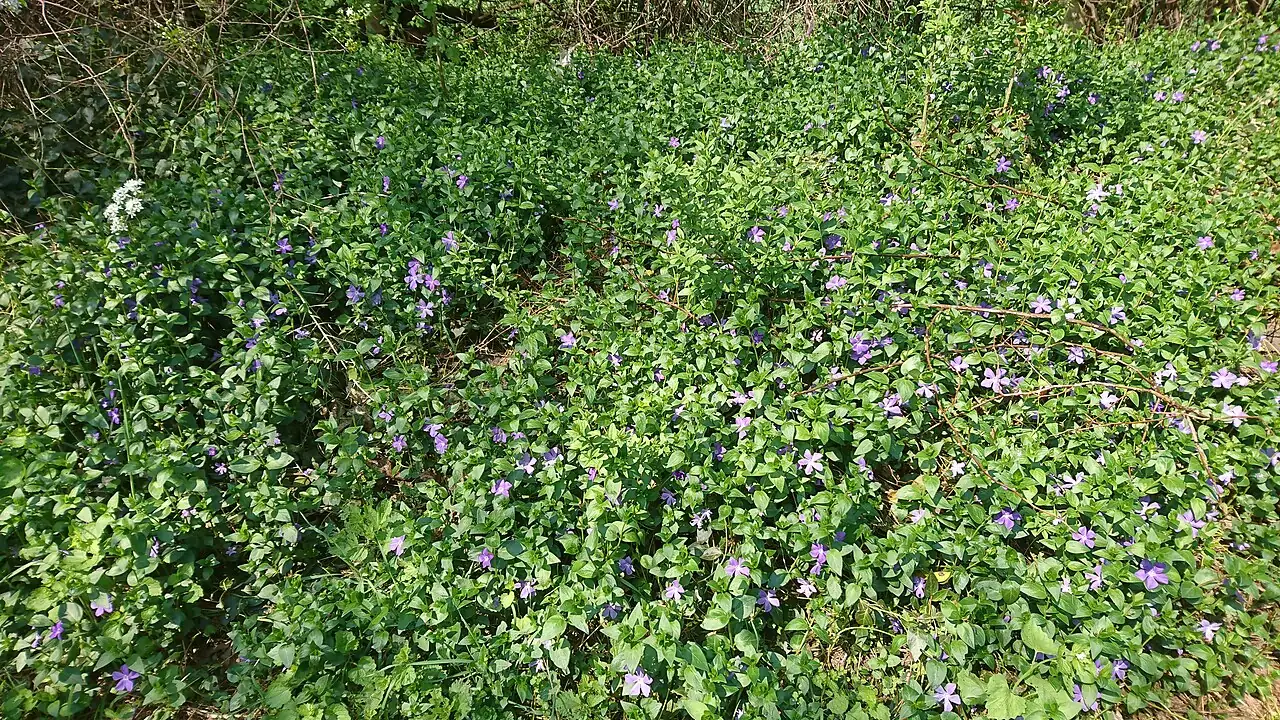
- Size: Typically 30–45 cm (12–18 in) tall; spreads widely as a creeping groundcover.
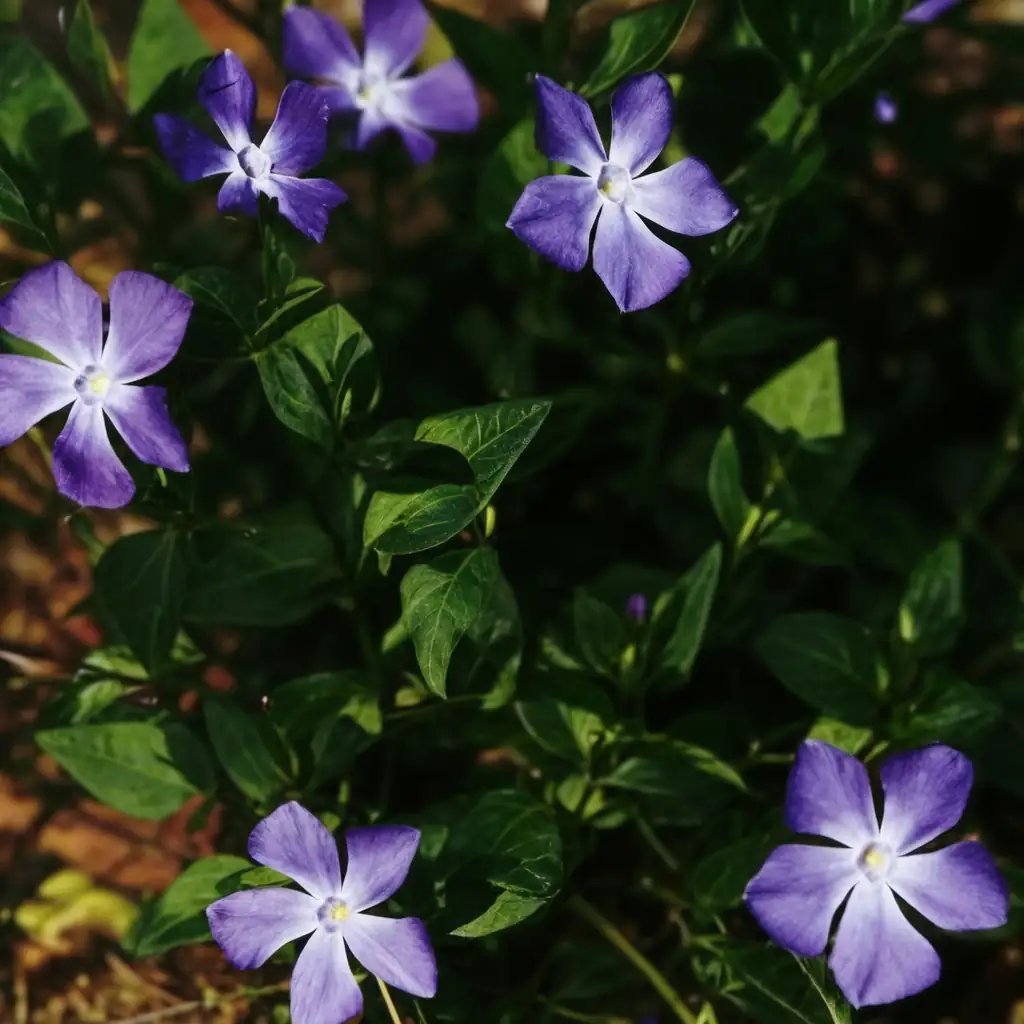
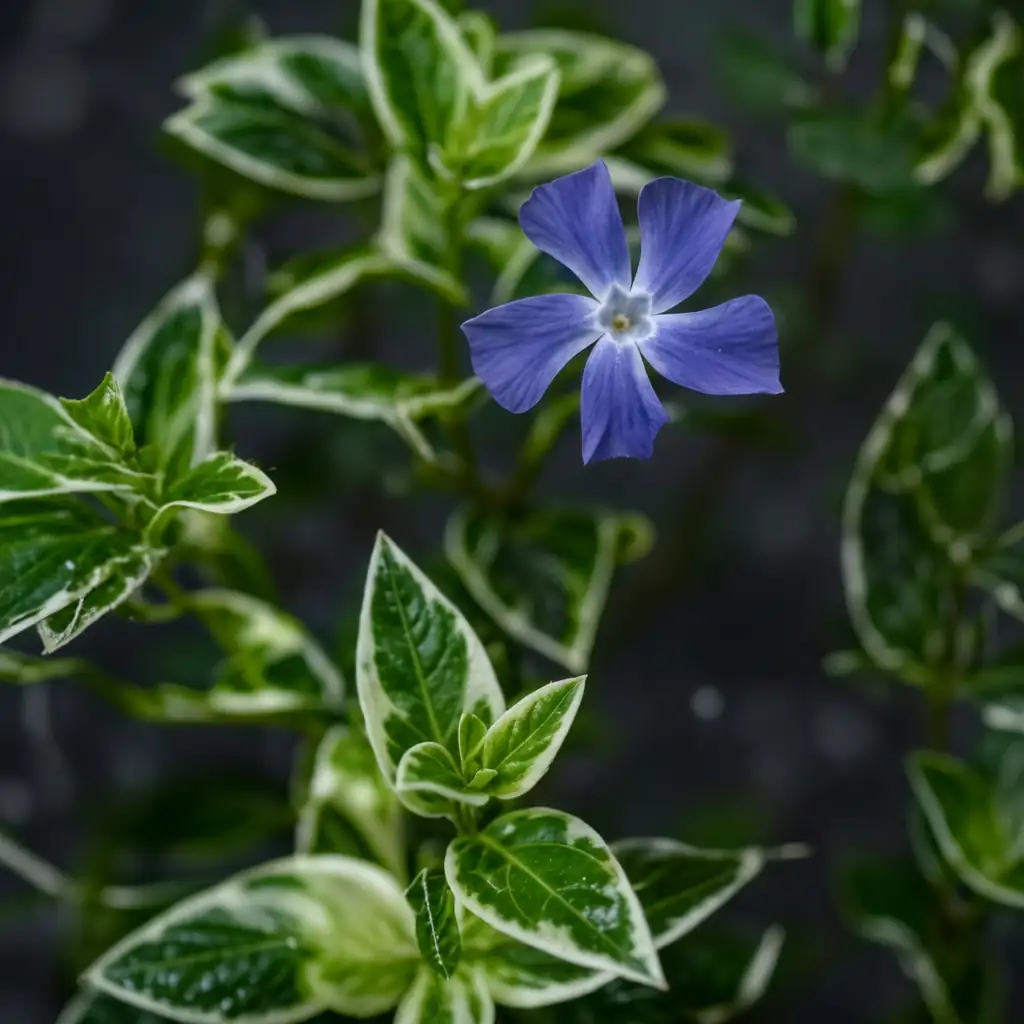
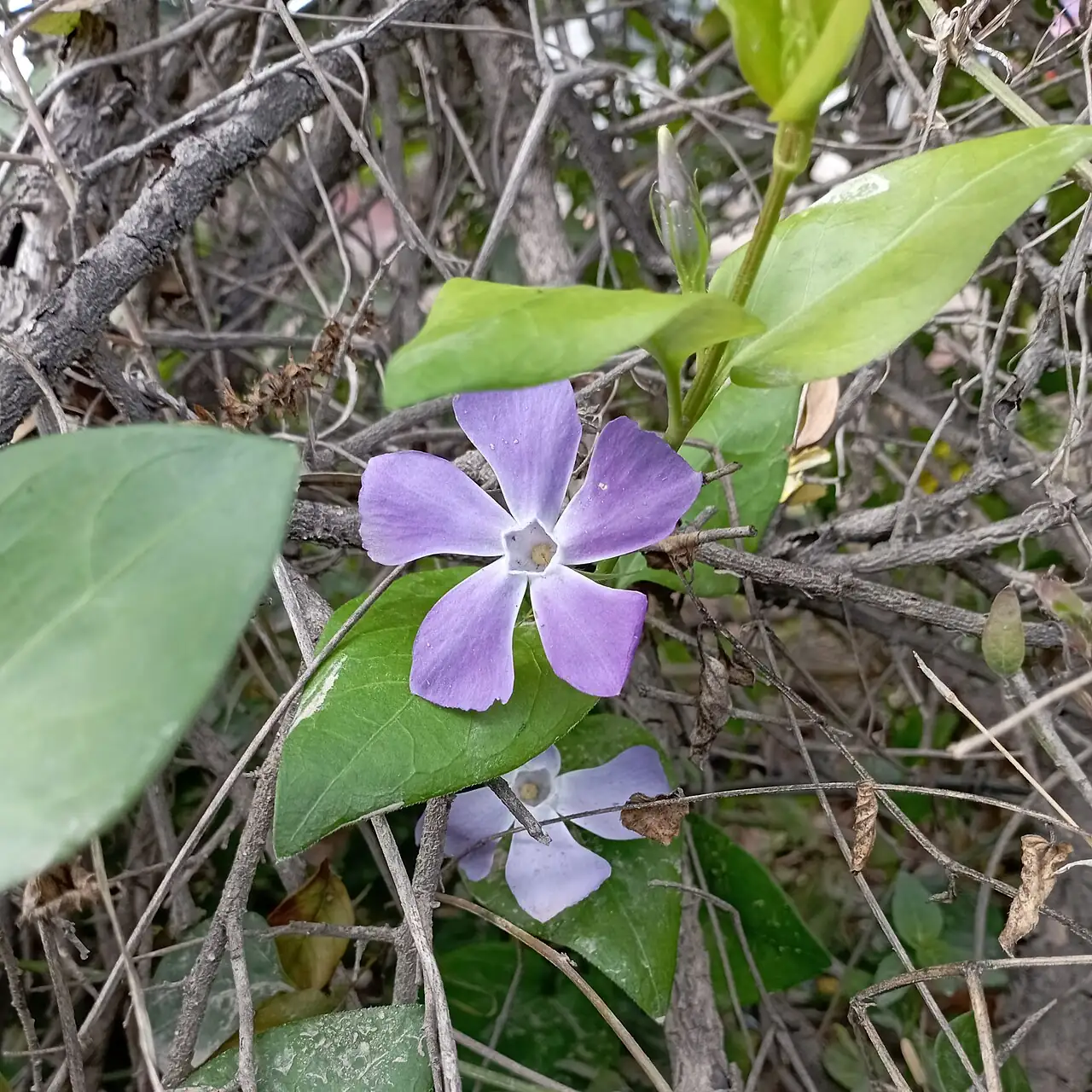
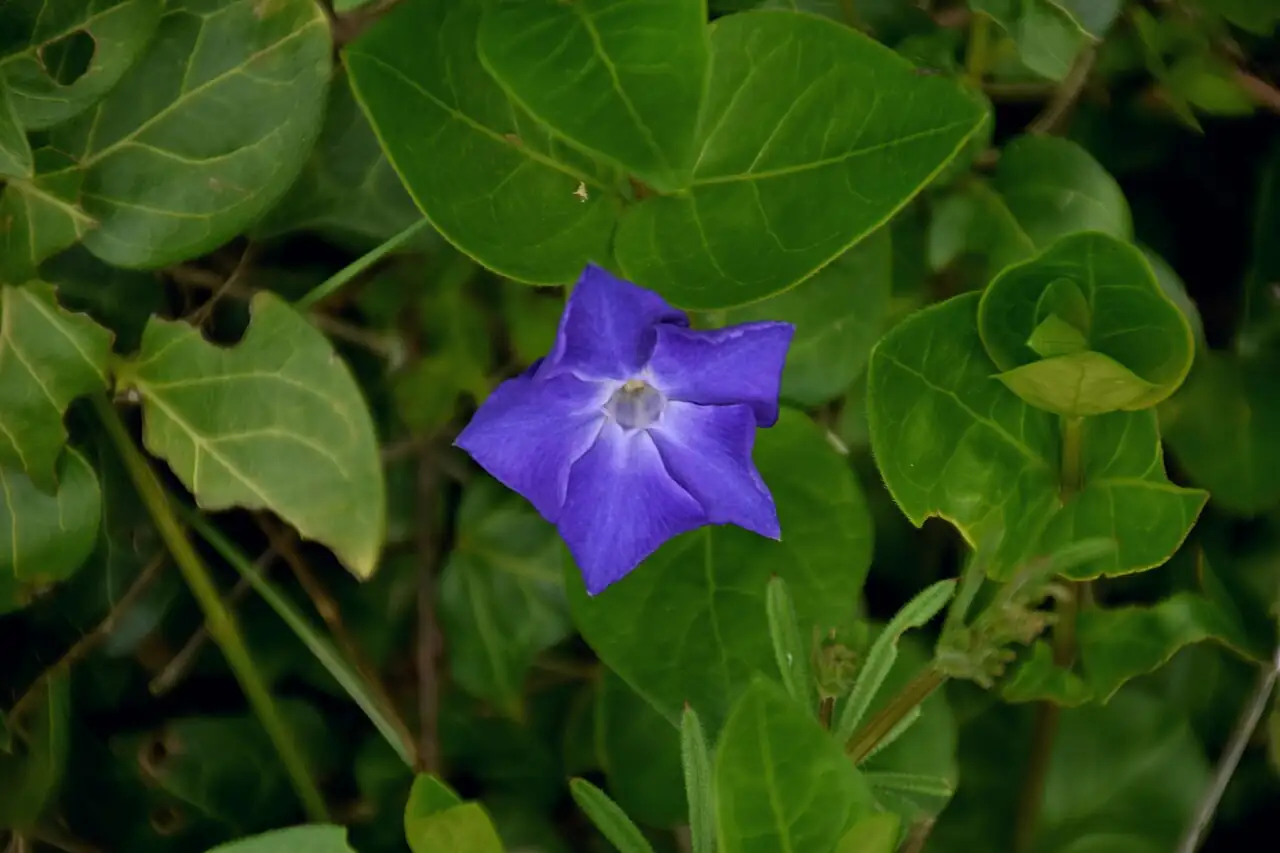
- Foliage: Leaves are opposite and oval with pointed tips, usually glossy green. Leaf margins and petioles may be softly hairy, giving some plants a faintly fuzzy feel up close.
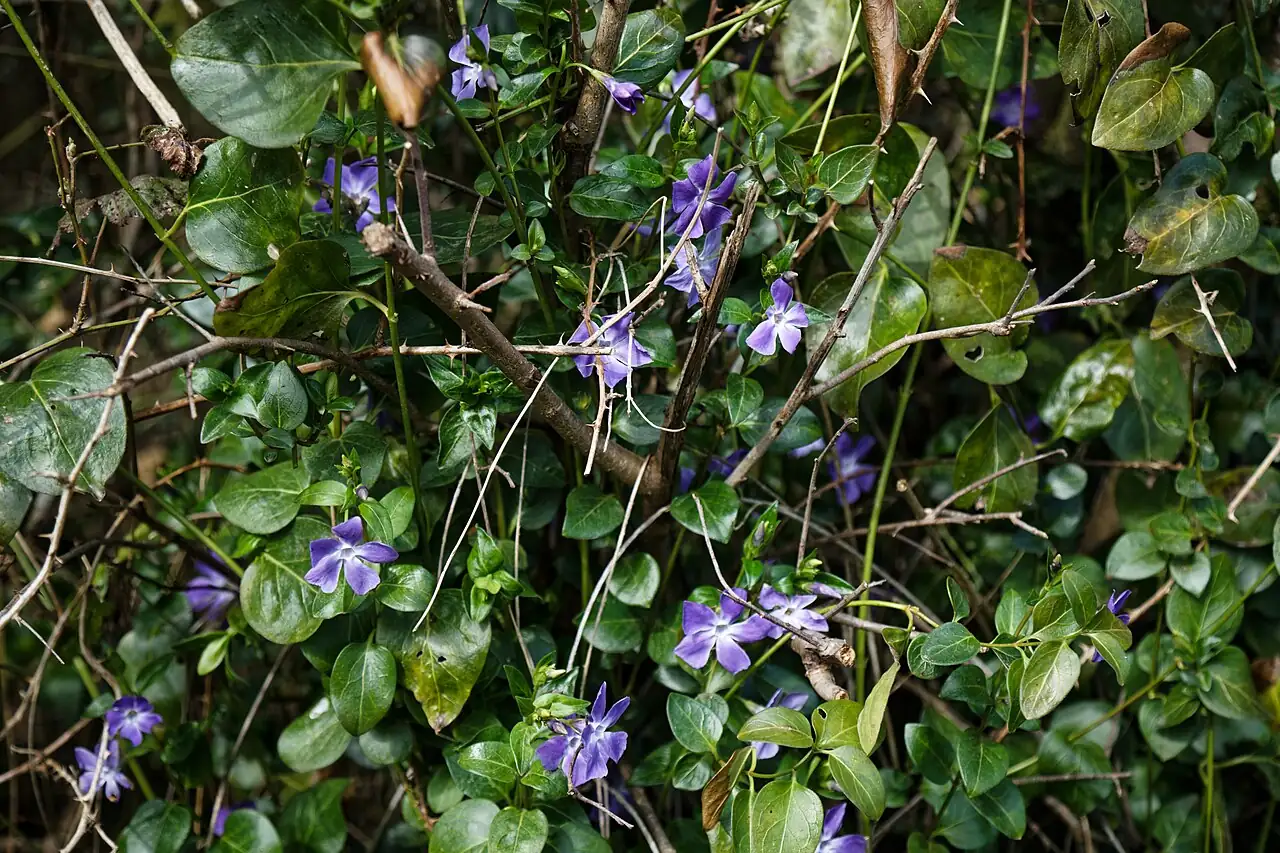
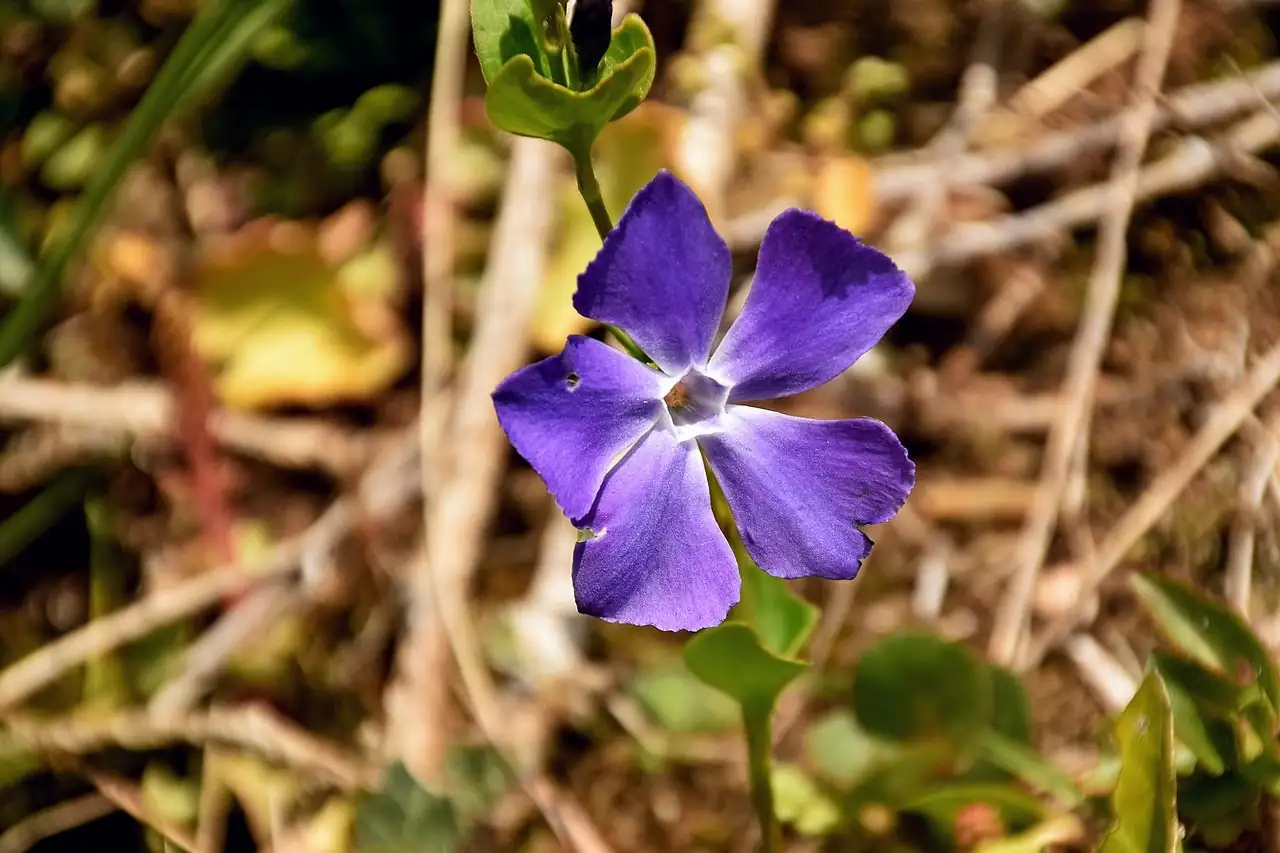
- Flower: Flowers are solitary or in pairs in the leaf axils, usually violet-blue to pale lavender. Each bloom has a narrow tube topped by a flat, pinwheel-like face (salverform corolla) with five lobes.
- Flowering Season: Spring, mainly March–April (may continue sporadically afterward in mild climates).
- Growth Habit: Evergreen, trailing, mat-forming subshrub. Non-flowering stems creep along the ground and root wherever they touch; flowering shoots tend to stand a bit more upright.
Environment
Sunlight
Partial shade to dappled shade; can take more sun in cooler climates as long as the soil stays evenly moist.
Temperature
Prefers mild conditions; best growth around 15–25°C (59–77°F). Protect from severe frost and prolonged freezes.
Humidity
Does well in average to moderately humid conditions; prefers consistent moisture over hot, dry air and drought.
Soil
Adaptable, but happiest in moist, well-drained soil enriched with organic matter; tolerates a range of pH as long as drainage is good.
Placement
Best used as a shade-tolerant groundcover under trees/shrubs, along woodland borders, on banks for erosion control, and beside paths. Also works well in containers or hanging baskets where the stems can trail.
Hardiness
Generally hardy in USDA Zones 7–9 (approx. -17 to -1°C / 1 to 30°F), with local variation; may need winter protection in colder areas.
Care Guide
Difficulty
Easy and adaptable once established. The two main “chores” are keeping it from wandering too far and protecting it from harsh winter cold where freezes are prolonged.
Buying Guide
Pick plants with firm, green stems and glossy leaves. Avoid pots with blackened or mushy stems (possible rot) or obvious pest infestations. For a neater start, choose compact plants rather than ones with long, tangled runners.
Watering
Water regularly while it’s establishing so the soil stays evenly moist. After that, water when the top 2–5 cm (1–2 in) dries out, and avoid soggy soil. Plants grown in brighter sun or hot weather will need more frequent watering.
Fertilization
In spring, give a light top-dress of compost or use a balanced slow-release fertilizer. Go easy—too much feeding (especially nitrogen) can push lots of leafy growth at the expense of flowers and make it feel weedy.
Pruning
Trim or shear right after the main spring bloom to encourage thicker growth and keep edges tidy. In early spring, remove any winter-damaged or dead stems.
Propagation
Very simple: take stem cuttings, or use layering by pinning a trailing stem to the soil until it roots, then cut it free and replant. You can also divide and replant rooted sections.
Repotting
In containers, repot every 1–2 years in spring into fresh mix, or root-prune and refresh the top layer. Always use pots with drainage holes to reduce the risk of rot.
📅 Seasonal Care Calendar
Spring: feed lightly; enjoy flowering; trim/shaping after bloom. Summer: watch soil moisture and trim runners. Autumn: ease off feeding and check for unwanted spread. Winter: protect container plants from hard freezes; clean up damaged growth in late winter/early spring.
Pests, Diseases & Safety
Common Pests & Diseases
Usually low-maintenance. Aphids and spider mites can appear during hot, dry spells; slugs and snails may nibble tender growth. Poor drainage can lead to root or stem rot—improving drainage is often the best fix.
Toxicity
Toxic if ingested (contains alkaloids). Keep away from children and pets that chew plants; ingestion may cause gastrointestinal upset and other symptoms.
Culture & Symbolism
Symbolism: Often linked with enduring affection and remembrance—fitting for a plant that stays green year-round in many climates.
History & Legends: A long-time favorite in European gardens as a dependable evergreen groundcover. In suitable climates it can escape cultivation and become naturalized.
Uses: Mostly ornamental: shade groundcover, woodland-garden texture, and seasonal flower color. It’s also useful for stabilizing soil on banks where its rooting stems help knit the surface together.
FAQ
Is greater periwinkle invasive?
It can be, especially in mild, moist regions where it roots along the stems and spreads quickly. Keep it contained with edging, regular trimming, and avoid planting near natural areas where it might escape.
Why is my periwinkle flowering less?
Common causes include too much shade, heavy nitrogen feeding, or pruning at the wrong time. Aim for brighter dappled light, feed lightly, and prune just after the main spring bloom.
Fun Facts
- It can root wherever its stems touch the soil—one reason it forms such dense, living carpets.
- The main bloom show is in spring, but mild weather can coax scattered flowers later on.
- Its glossy leaves and pinwheel flowers make it a staple “woodland garden” look.


