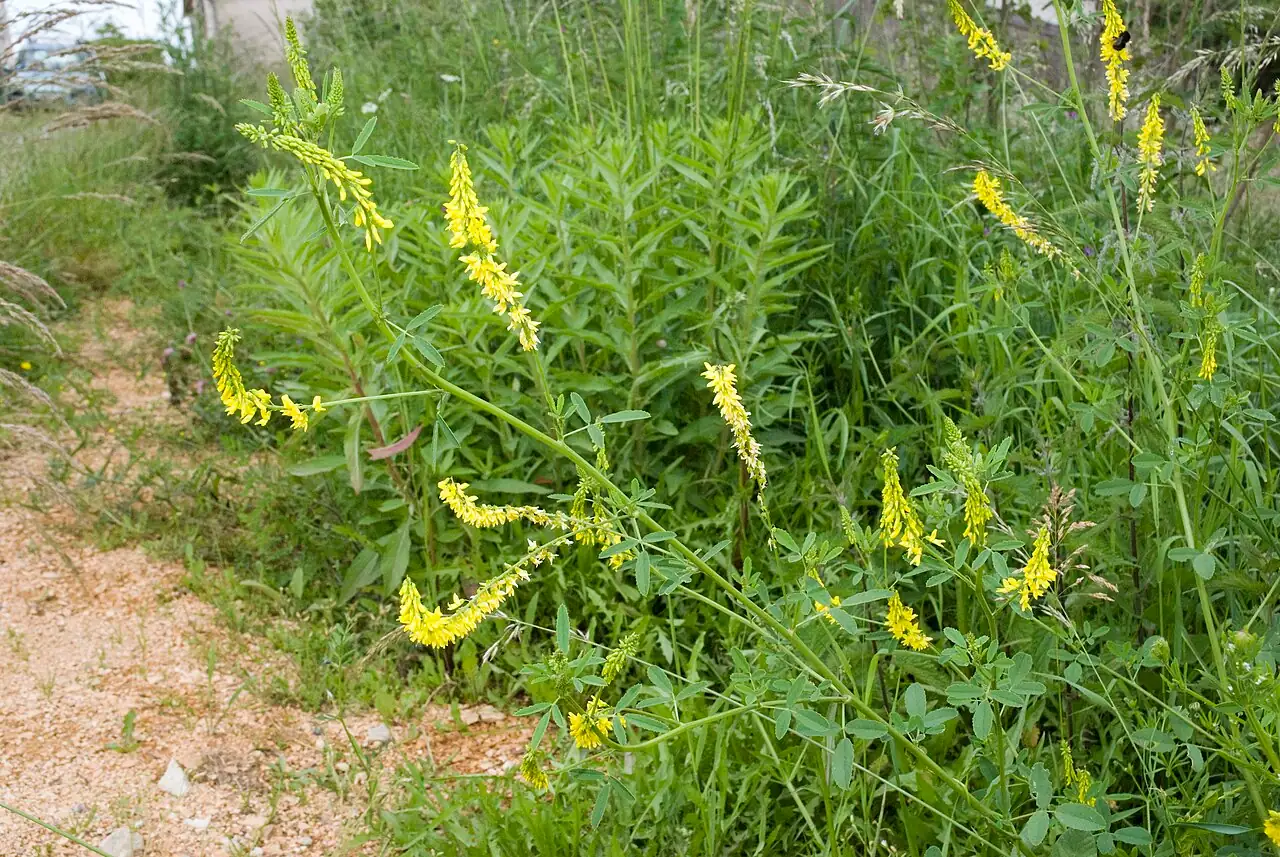
Plant Features
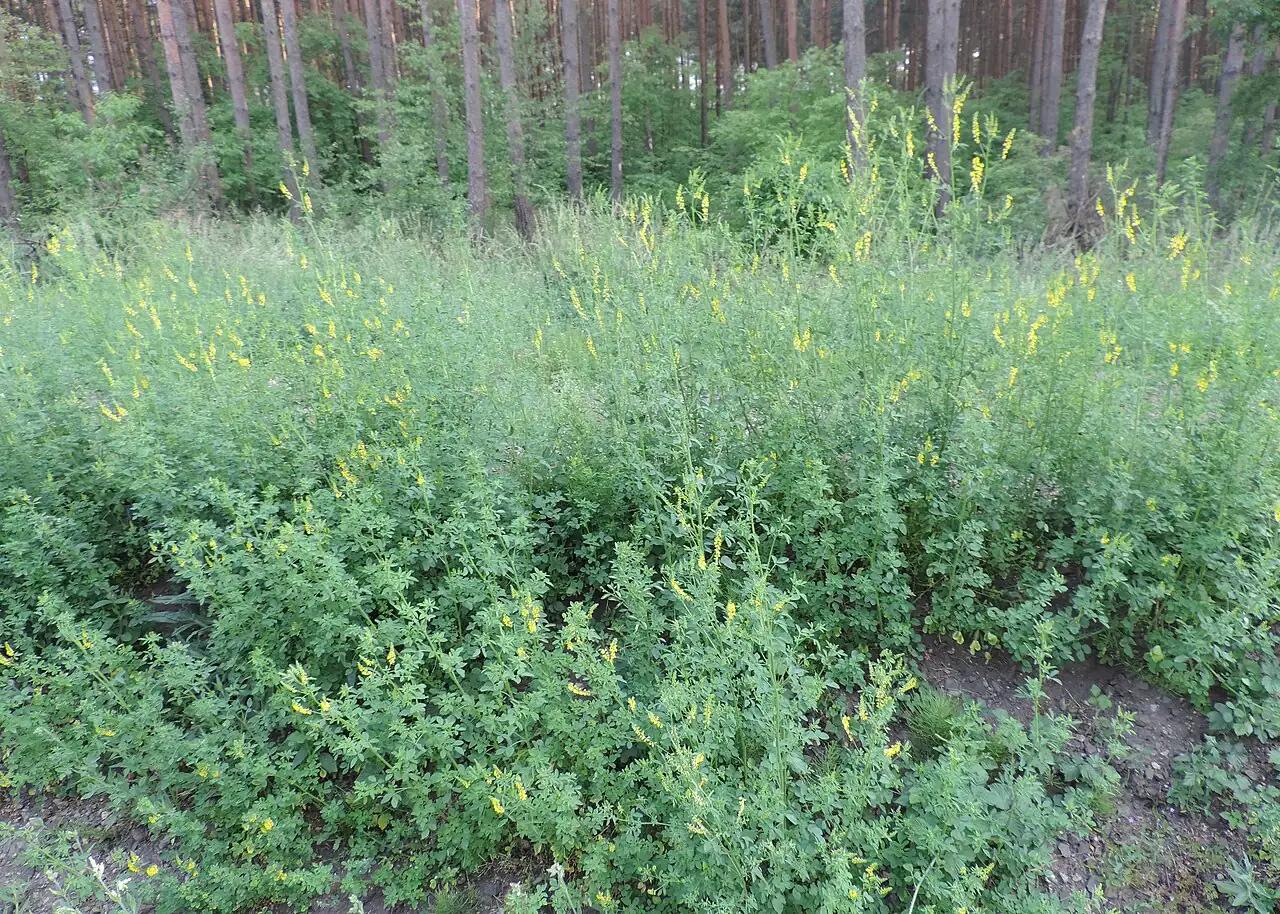
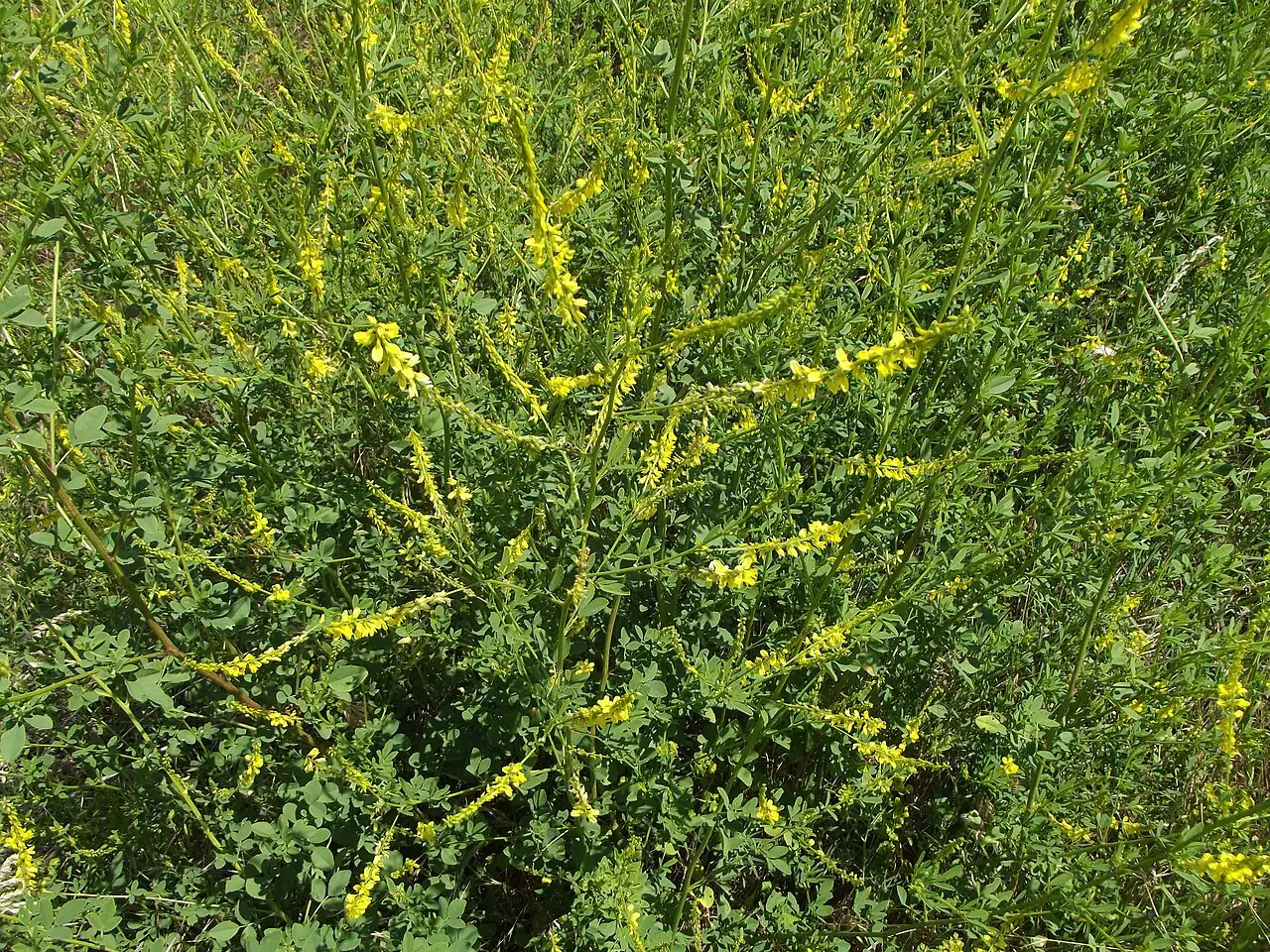
- Size: Typically 40–100 cm (16–39 in) tall, often forming a bushy clump due to branching.
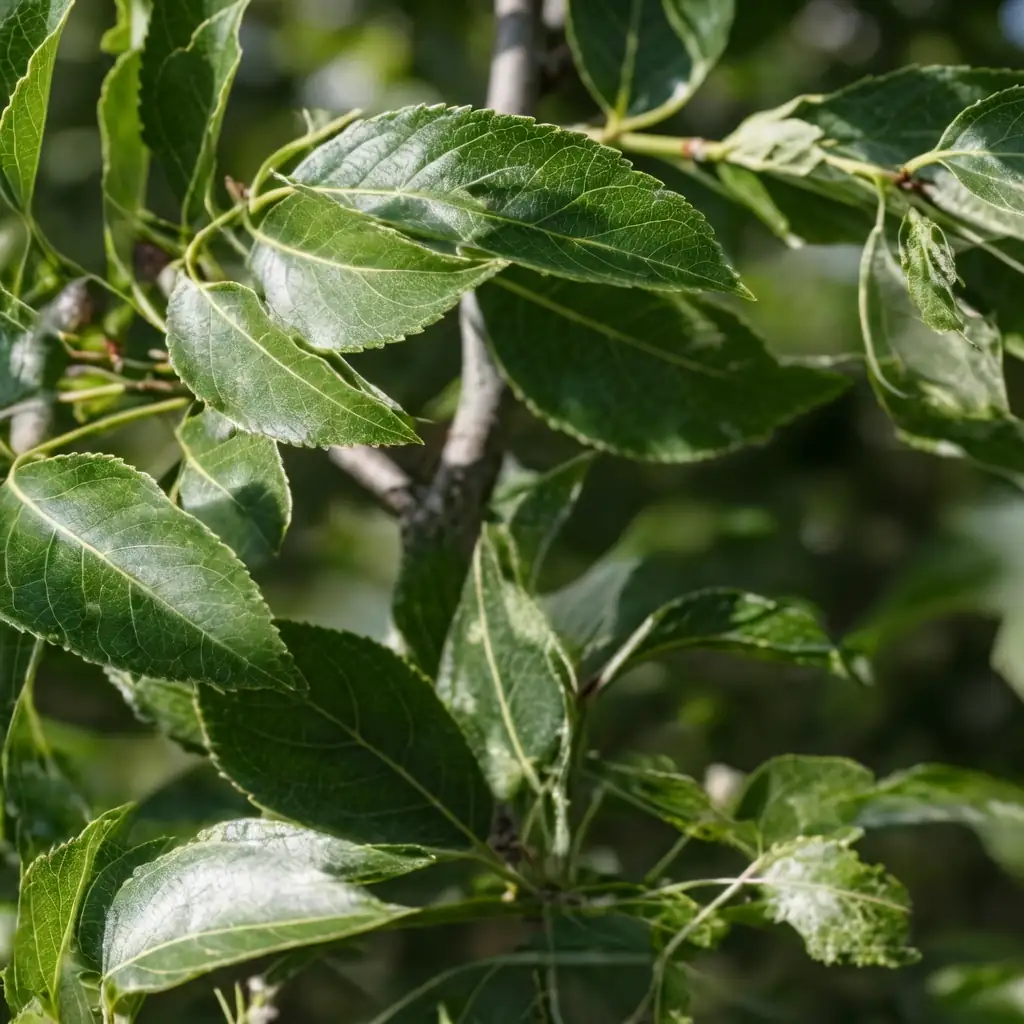
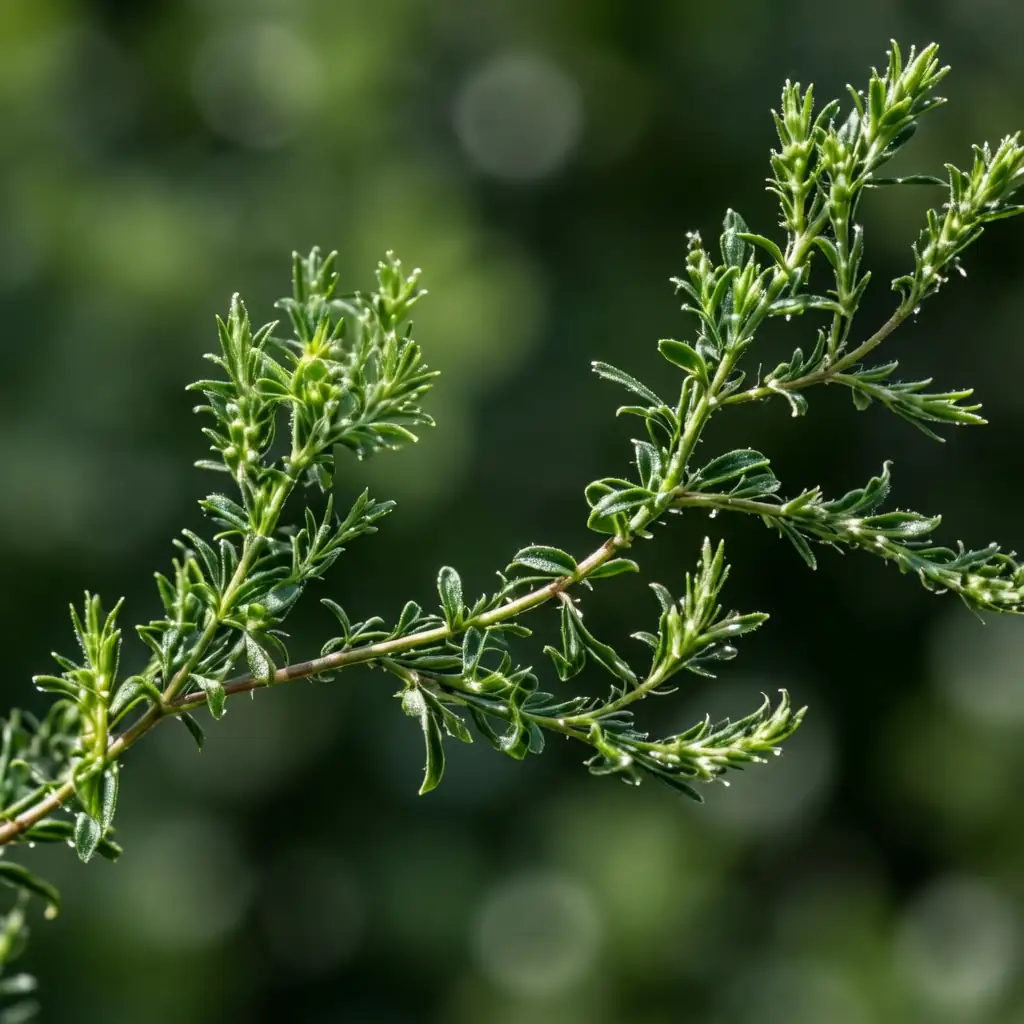
- Foliage: Trifoliate (three-part) leaves with a slightly pinnate overall look; leaflets are medium green and usually toothed toward the tip.
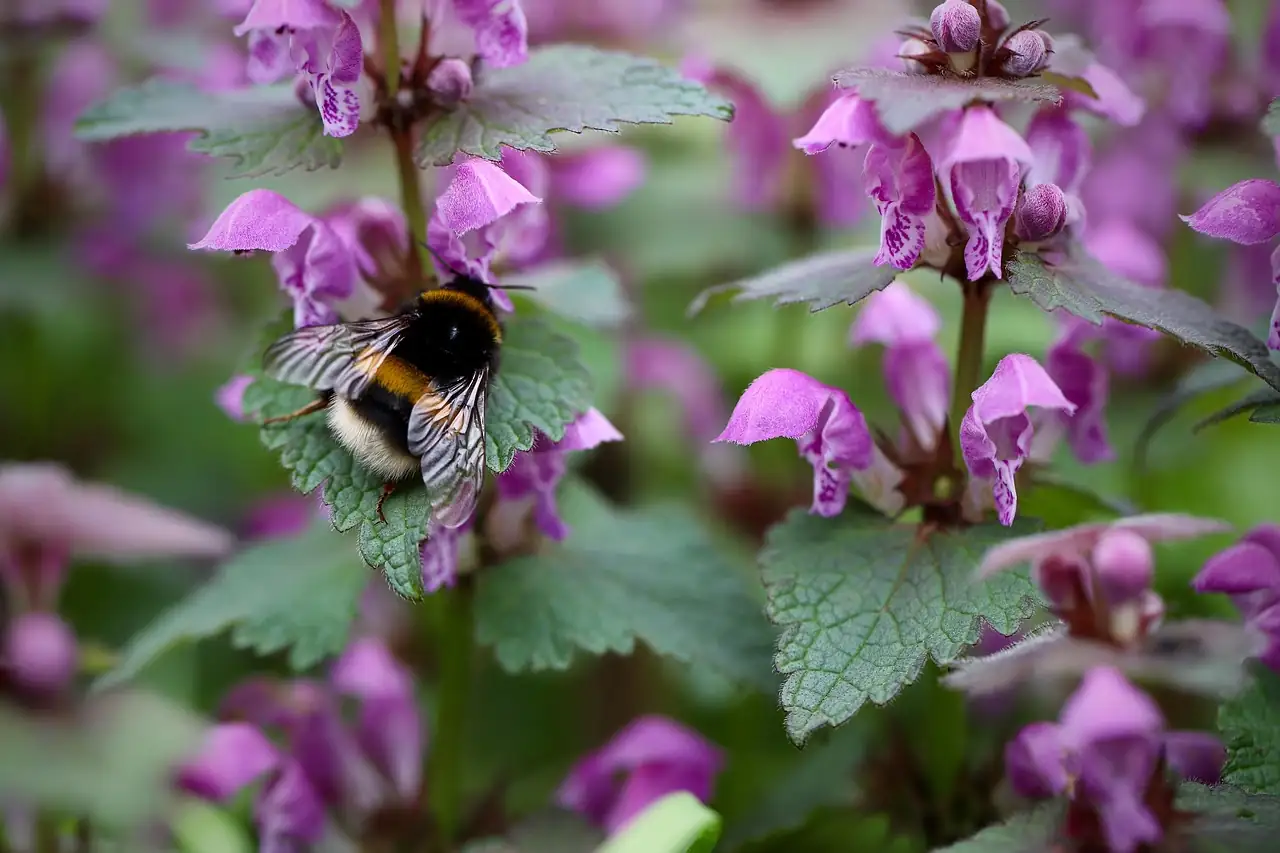
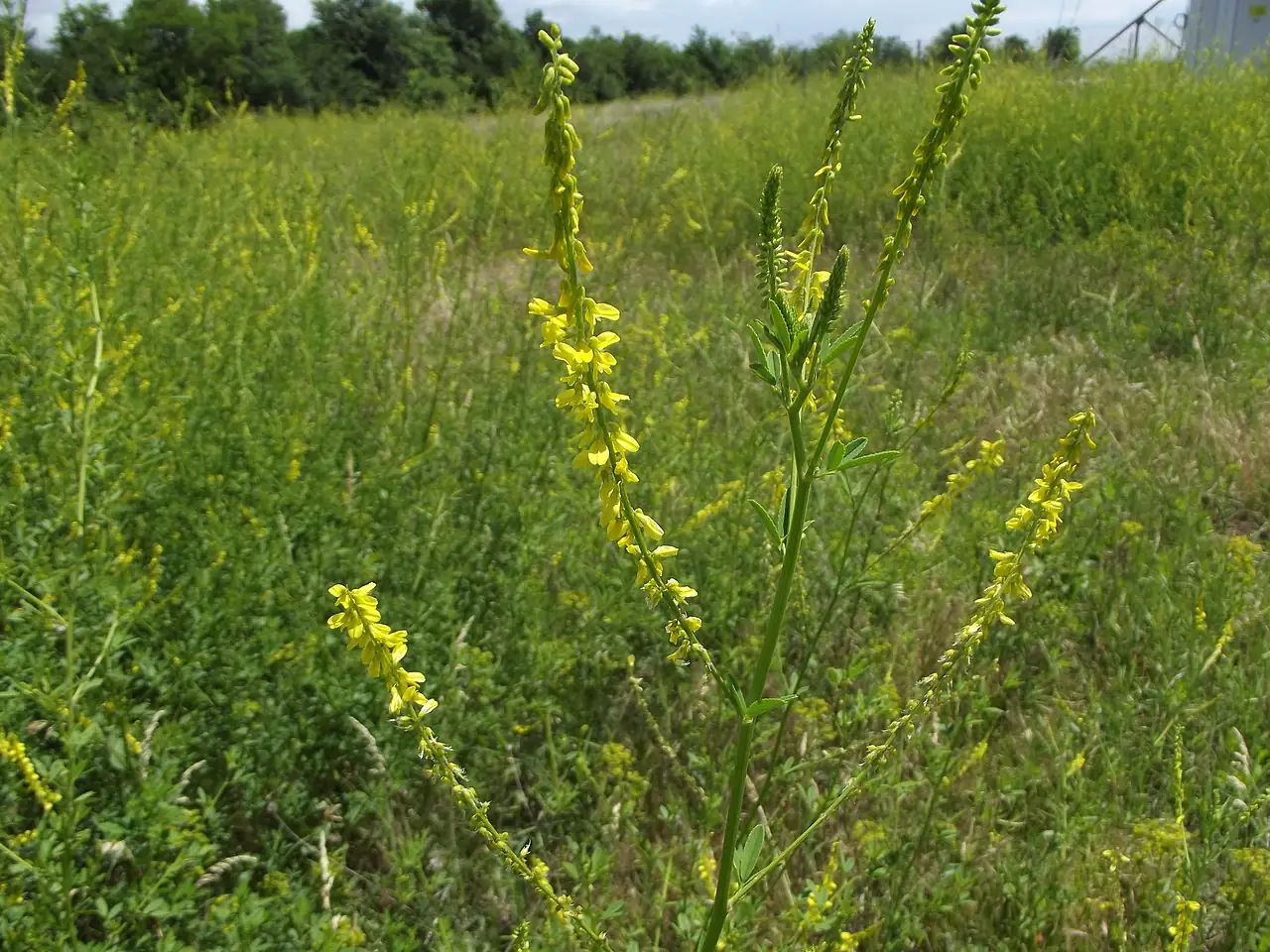
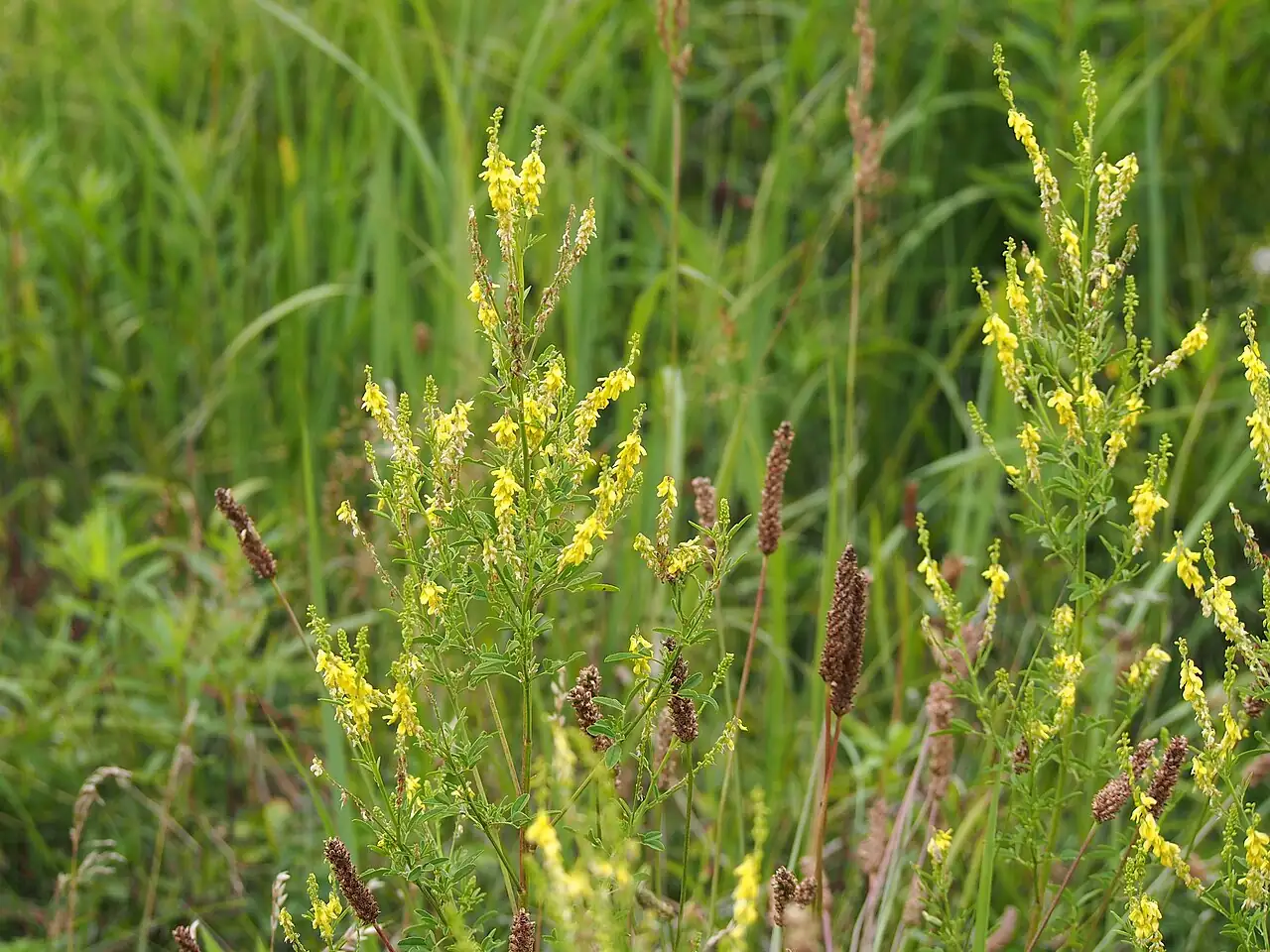
- Flower: Small yellow, pea-like flowers held in narrow axillary racemes; often lightly fragrant and loved by pollinators.
- Flowering Season: May–September (May–Sep)
- Growth Habit: Biennial herb with upright, sturdy stems and many branches; can look clump-forming and shrubby for an herb.
Environment
Sunlight
Full sun to light shade (best flowering in full sun).
Temperature
Prefers cool to warm growing conditions; roughly 10–30°C (50–86°F).
Humidity
Adaptable; does well in average outdoor humidity as long as air circulation is good.
Soil
Highly adaptable; tolerates alkaline soils and poorer ground. Best in well-drained loam or sandy soil; avoid waterlogged sites.
Placement
Best in open ground such as slopes, riverbanks, roadsides, sandy grassland, field margins, and woodland edges; also useful in restoration plantings and pasture/green-manure mixes.
Hardiness
Cold-hardy in many temperate regions; approximately USDA Zone 3–9.
Care Guide
Difficulty
Easy outdoors once established; vigorous growth in suitable sites.
Buying Guide
Choose seed or young plants from reputable suppliers. For sowing, use fresh, viable seed and avoid batches with many broken or discolored seeds.
Watering
Water regularly to establish. Keep soil evenly moist during germination; once rooted, water mainly during prolonged drought and let the top layer dry between waterings.
Fertilization
Usually unnecessary because it fixes nitrogen. If plants struggle in extremely poor soil, give a light, balanced feed early on; avoid high-nitrogen fertilizers.
Pruning
Cut back after flowering to keep it tidy and reduce self-seeding. Removing spent flower spikes helps limit pod and seed production.
Propagation
Primarily by seed. To improve germination, lightly scarify the seed coat and/or soak seeds for 12–24 hours before sowing.
Repotting
Not typically a long-term container plant; if started in pots, transplant to the ground while young to minimize root disturbance.
📅 Seasonal Care Calendar
Spring: sow or transplant; keep evenly moist until established. Summer: minimal care; watch for drought stress and manage self-seeding if desired. Autumn: either allow seed to mature for natural reseeding or cut back to prevent spreading.
Pests, Diseases & Safety
Common Pests & Diseases
Generally hardy. May see aphids, leaf spots, or powdery mildew in crowded or humid conditions; improve airflow and avoid frequent overhead watering if issues develop.
Toxicity
Important forage caution: spoiled or moldy sweet clover can produce dicoumarol, which may cause bleeding disorders in livestock. As a general safety practice, keep plant material away from pets and animals unless you’re intentionally managing it as properly cured forage.
Culture & Symbolism
Uses: Widely grown as a forage and green-manure legume. Its nitrogen-fixing root nodules help boost soil fertility, while the root system can improve soil structure and help stabilize slopes and reduce erosion.
Fun Facts
- Like many legumes, it partners with nitrogen-fixing bacteria in root nodules—essentially making its own fertilizer for the soil.
- It’s a classic multi-purpose plant: forage, green manure, and a soil stabilizer on disturbed ground.
- While it flowers from May to September (May–Sep), seed pods often follow, commonly developing from June to October (Jun–Oct).
- It’s frequently found along roadsides, riverbanks, sandy grasslands, field margins, and woodland edges.