

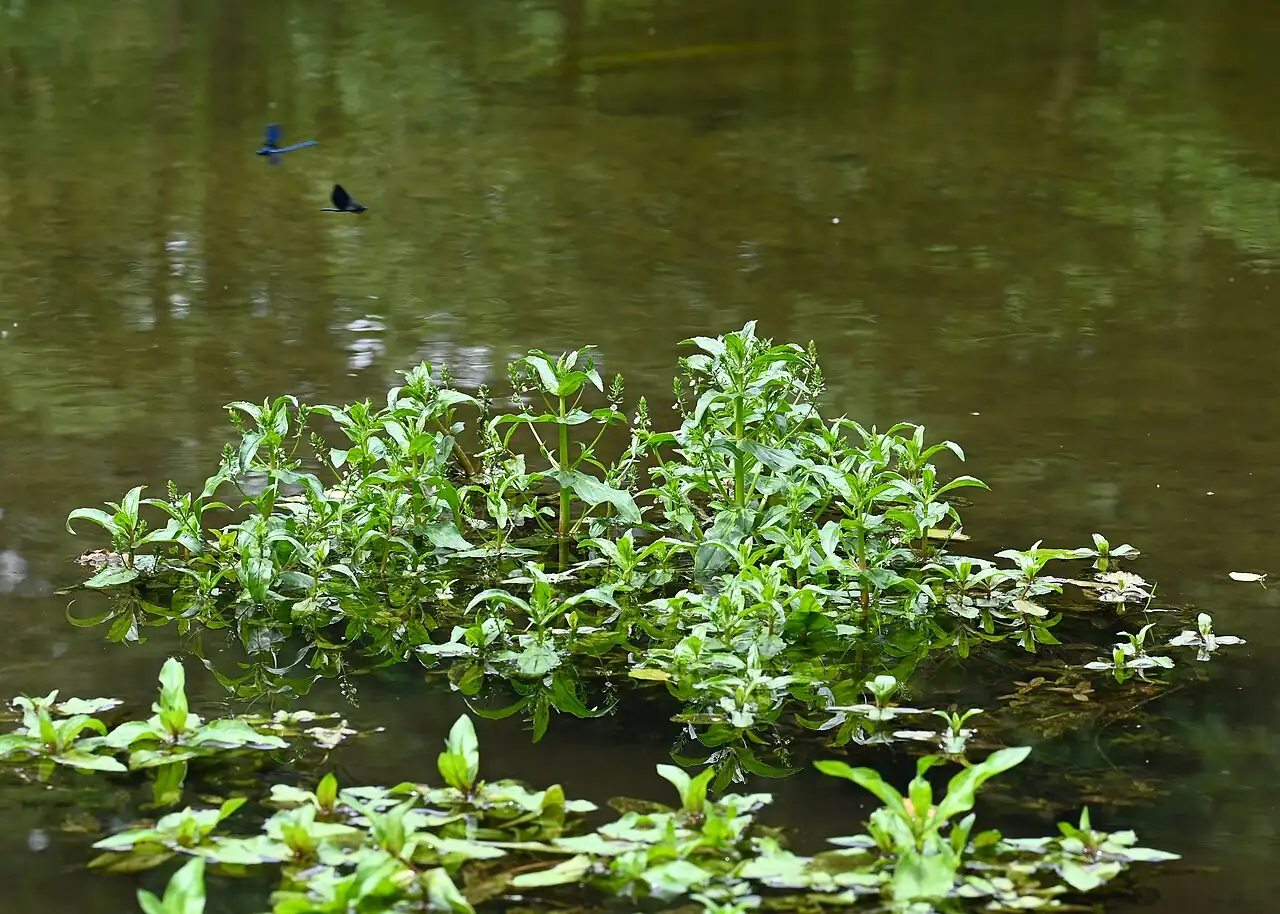
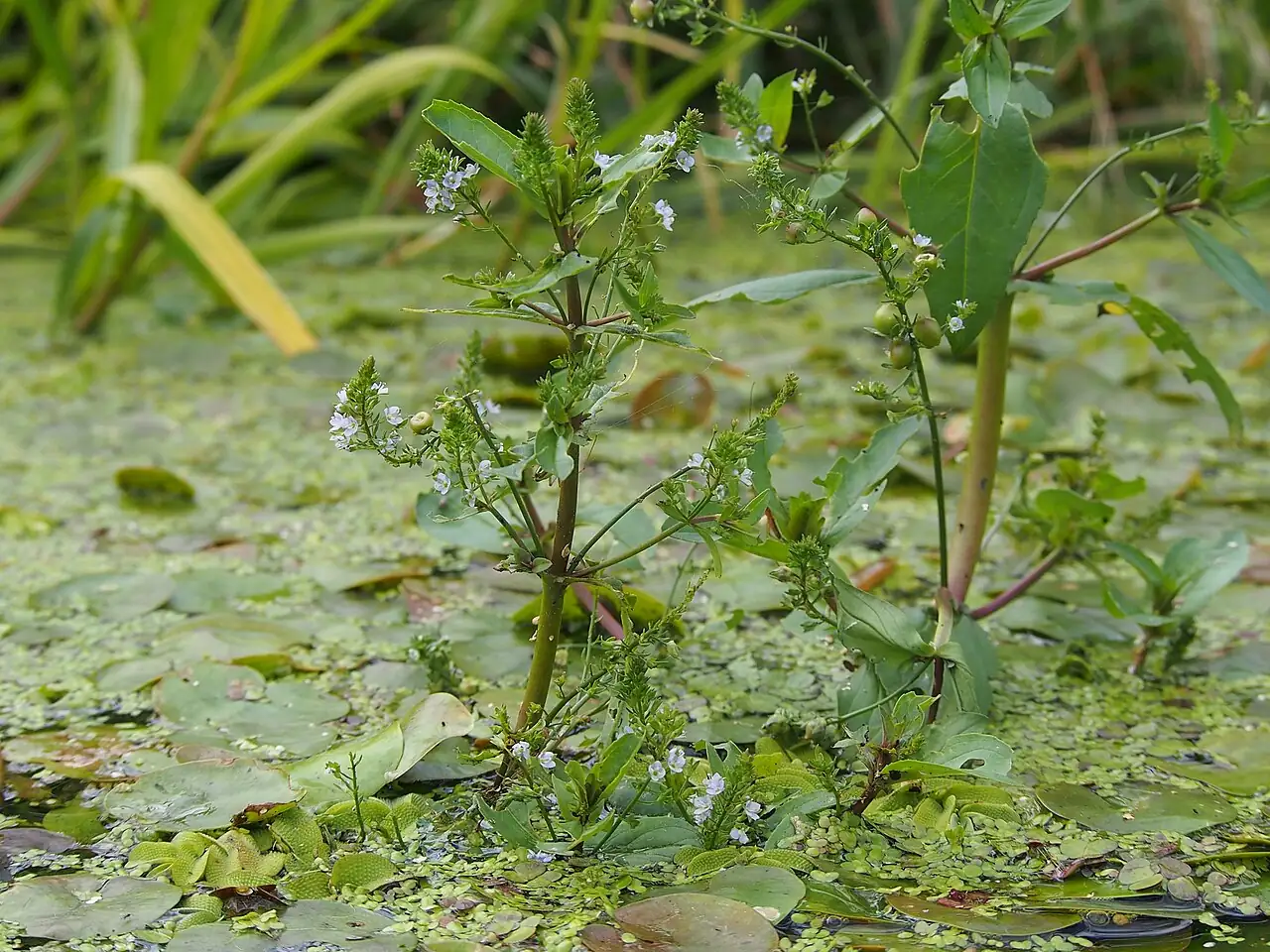
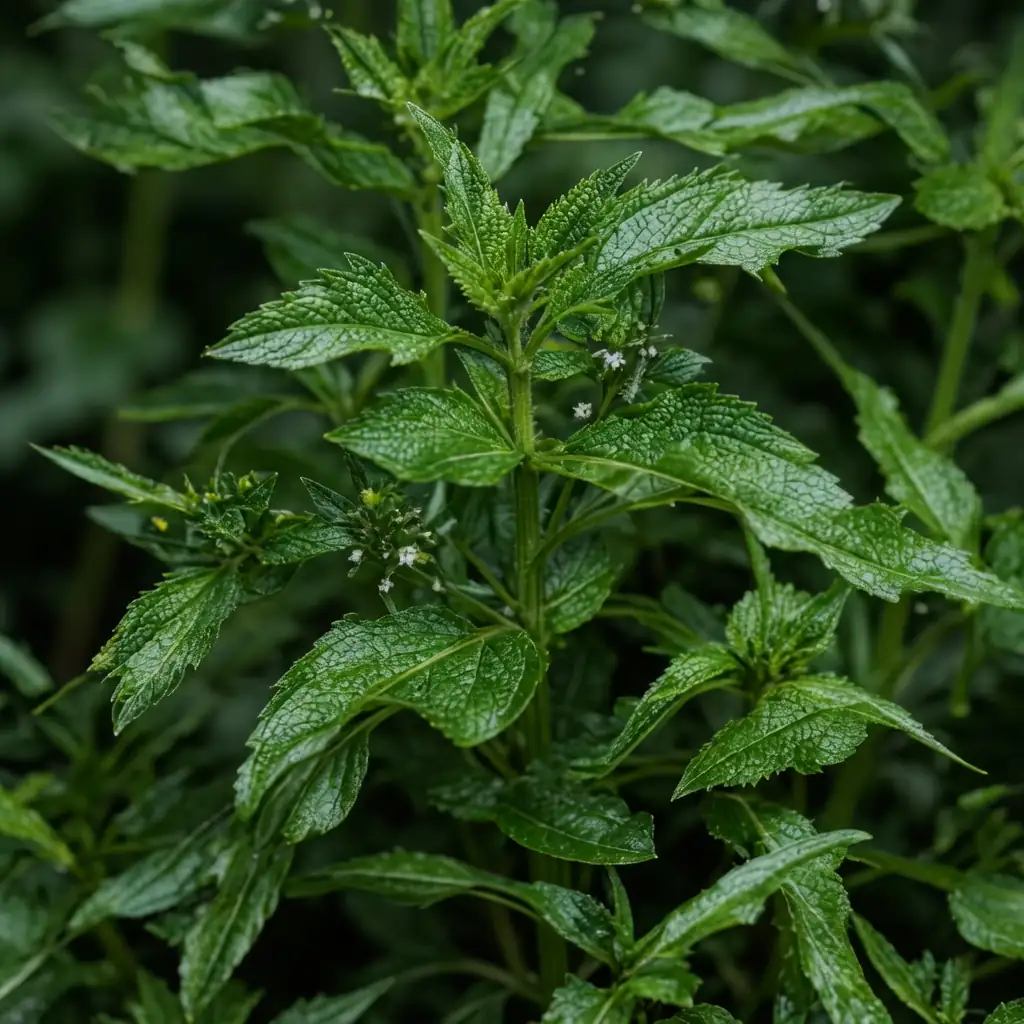
Plant Features
- Size:10–100 cm (4–39 in) tall; spread varies with site conditions and water availability.
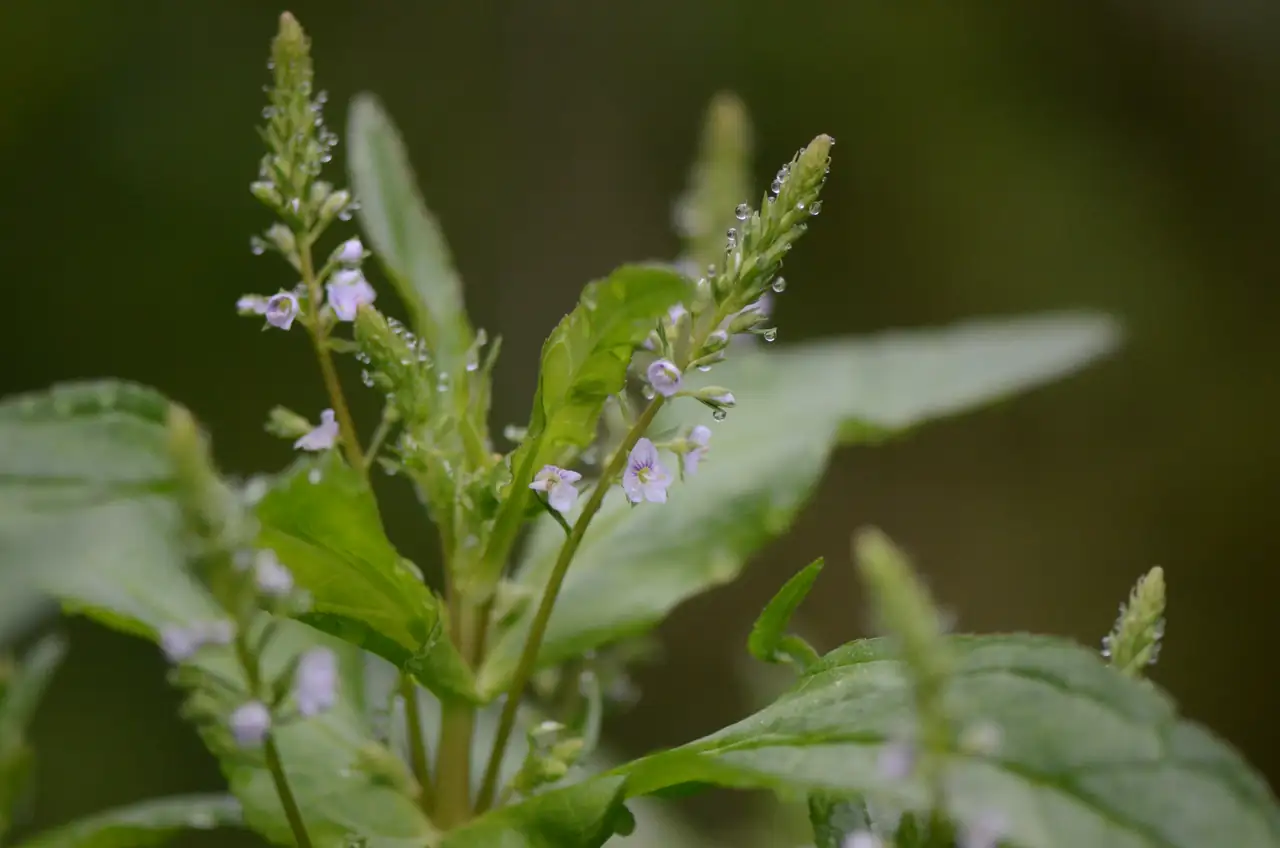
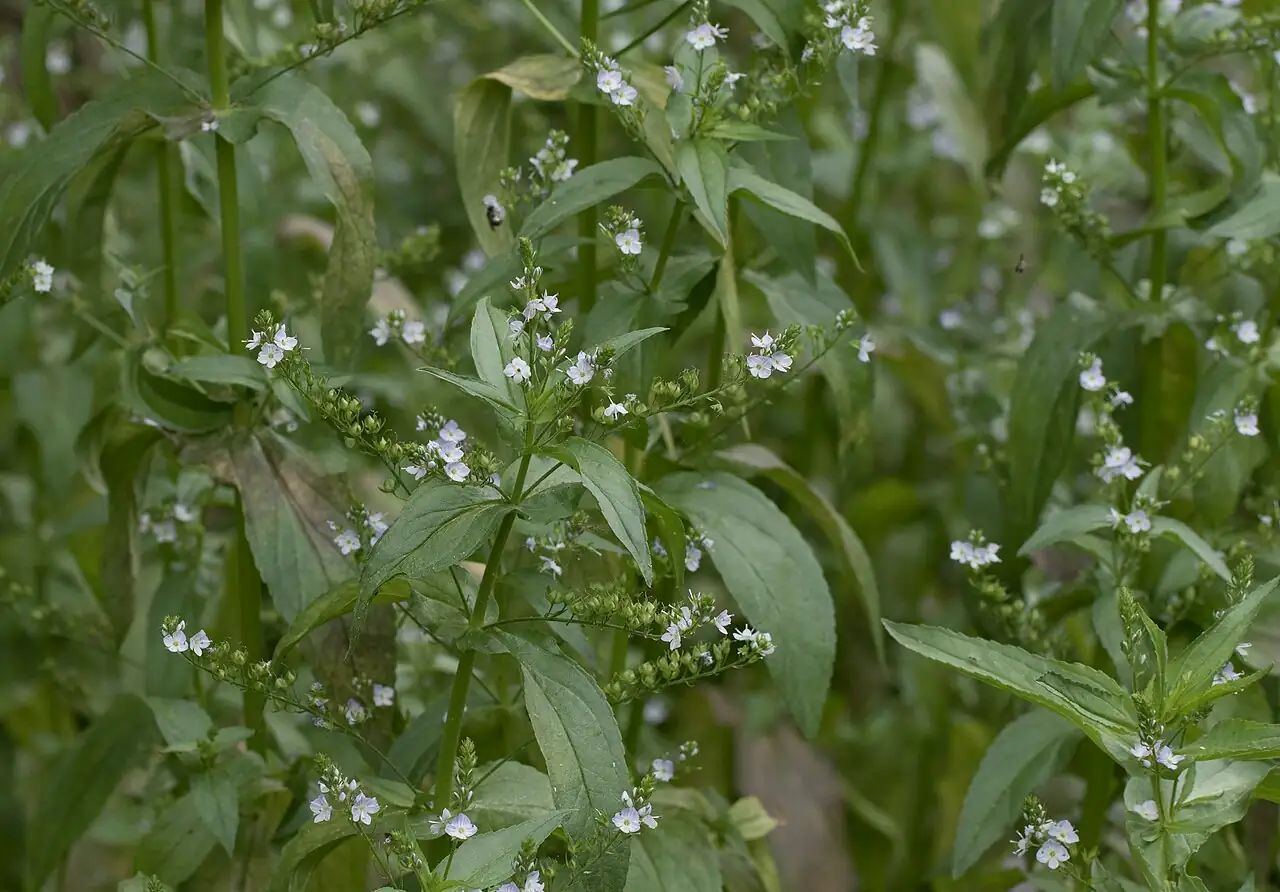
- Foliage: Leaves are typically stalkless (sessile). Toward the top of the stem, leaves may become partly stem-clasping. Plants are usually hairless overall, though occasional glandular hairs can appear on parts of the flower stalks and fruit.
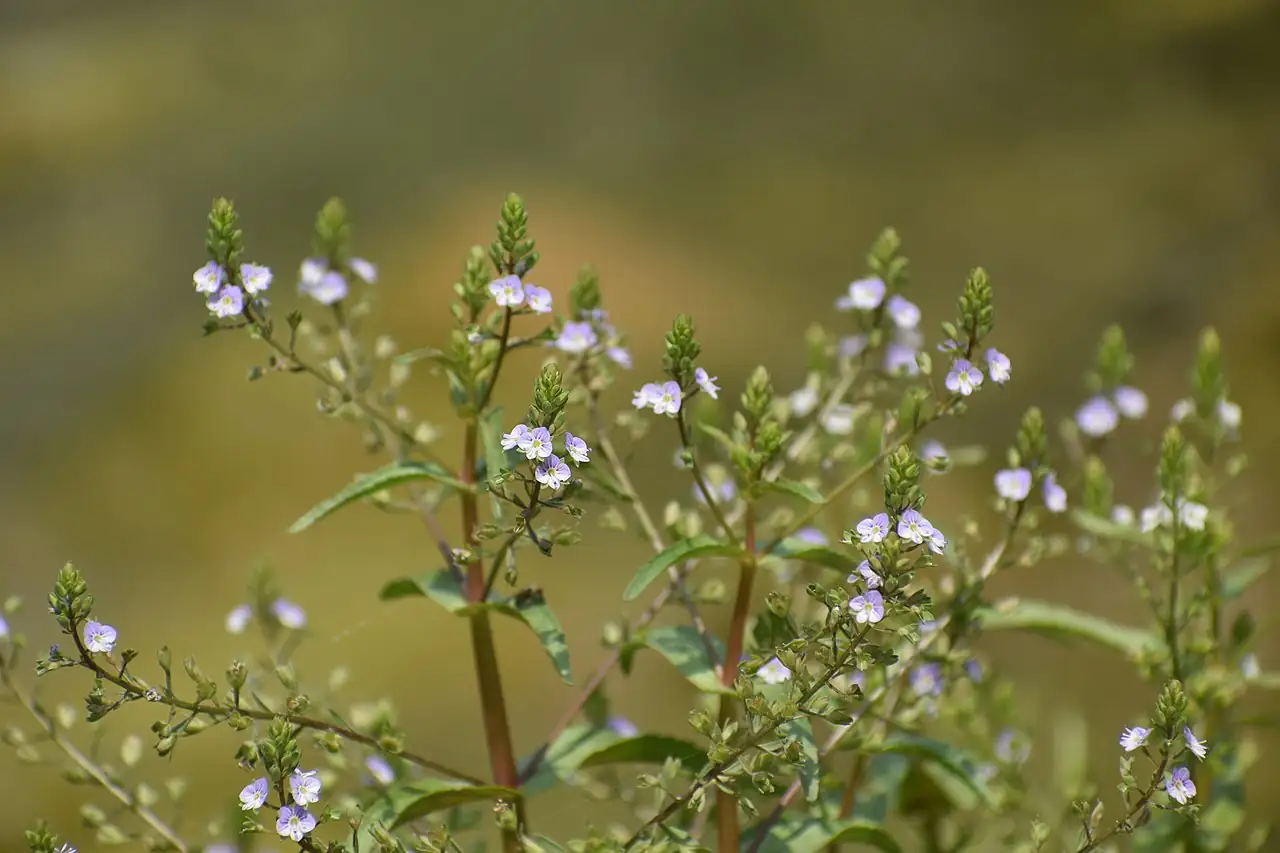
- Flower: Produces many small flowers on elongated racemes that often extend beyond the leaves. After flowering, it develops nearly round seed capsules.
- Flowering Season: April–September
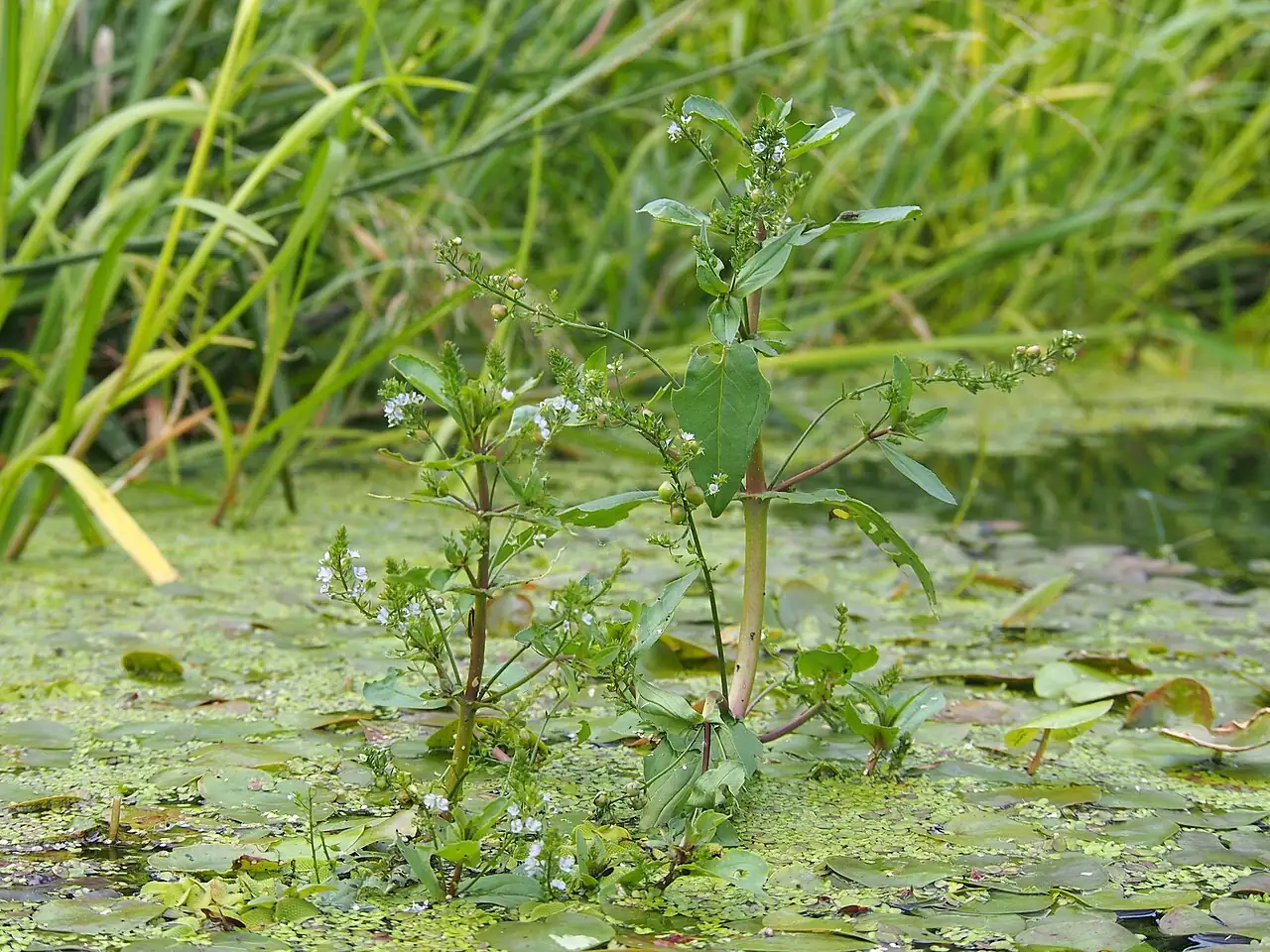
- Growth Habit: Perennial (sometimes behaving as an annual) wetland herb with upright stems or stems leaning from the base; adapted to saturated soil and shallow water.
Environment
Sunlight
Partial shade to full sun. Handles sun well if the root zone stays constantly wet; in hot climates it often looks best with some afternoon shade or generally cooler conditions.
Temperature
Best growth in cool to mild conditions, about 10–25°C (50–77°F).
Humidity
Prefers high humidity and constant moisture; naturally thrives in marshy ground and along waterways.
Soil
Moist to waterlogged soil; tolerates shallow standing water. Humus-rich loam or silty soil is ideal as long as it stays consistently wet.
Placement
Pond edges, stream banks, wetland gardens, rain gardens, ditches, and moist woodland margins; useful as a naturalistic summer groundcover where soil stays saturated.
Hardiness
Cold-hardy; commonly occurs/grown in USDA Zones 4–9 (approx.).
Care Guide
Difficulty
Easy—so long as you meet its one big requirement: constant moisture (or even shallow water). It struggles quickly if allowed to dry out.
Buying Guide
Pick plants with fresh green shoots and no wilting. Avoid pots with dry rootballs—water speedwell declines fast once the root zone dries.
Watering
Keep soil continuously wet. For containers, stand the pot in 2–5 cm (0.8–2 in) of water during active growth, and never let the root zone dry out.
Fertilization
Often unnecessary in fertile wet soils. If growth is weak, feed lightly in spring with a balanced fertilizer at 1/4 strength. Avoid heavy feeding in pond settings to reduce the risk of algae blooms.
Pruning
Trim after flowering or whenever stems get lanky. Remove spent stems to encourage fresh growth and to limit self-seeding if you want it contained.
Propagation
Easy by division in spring, or by soft stem cuttings rooted in water or saturated media. Can also be grown from seed; may self-seed readily in suitable wet habitats.
Repotting
Repot in spring as growth resumes. Use a heavy, moisture-retentive mix and a stable container to prevent tipping when placed in shallow water.
📅 Seasonal Care Calendar
Spring: divide/repot; restart steady moisture. Summer: maintain consistently wet conditions; trim as needed. Autumn: cut back and manage seedlings if it spreads. Winter: keep crowns damp; if grown in pots, protect containers from freezing solid all the way through.
Pests, Diseases & Safety
Common Pests & Diseases
Generally trouble-free. In still, stagnant conditions you may see aphids on tender growth or occasional leaf spot. Improve airflow/water movement, remove affected material, and rinse off aphids as needed.
Toxicity
Not commonly listed as toxic to people or pets. If you plan to taste it as a foraged green, only harvest from clean, uncontaminated water and confirm identification carefully.
Culture & Symbolism
Symbolism: More appreciated for its fresh, natural wetland look than for formal symbolism, but it’s often loosely associated with clean water and thriving waterways.
History & Legends: A familiar wild plant along waterways across its range, most often mentioned in wetland plant lists and occasional local foraging traditions rather than famous legends.
Uses: Ornamental for pond edges, wetland gardens, rain gardens, and moist woodland margins; helps create a soft, naturalistic groundcover effect in consistently wet areas. Young shoots have been eaten as a wild vegetable in some regions (only from unpolluted sites).
FAQ
Can water speedwell grow in a pot?
Yes. Use a heavy, moisture-retentive mix in a stable container and keep it constantly wet—ideally with the pot standing in 2–5 cm (0.8–2 in) of water.
Does it need shade?
It can grow in full sun if its roots never dry out, but it often appreciates partial shade and cooler conditions—especially in warm or hot climates.
Fun Facts
- Usually a perennial, but it can behave like an annual depending on conditions.
- The plant is typically hairless, with occasional glandular hairs on parts of the flowering structures and fruit.
- Its favorite habitats—ditches, marshes, stream edges—are all places where the soil stays saturated for long periods.
- In some areas, the young shoots have been used as a wild edible green (only when harvested safely from clean water).


