Plant Features
- Size: Typically 35–50 cm (14–20 in) tall; forms a clump that can gradually broaden into a low, ferny patch in consistently moist shade.
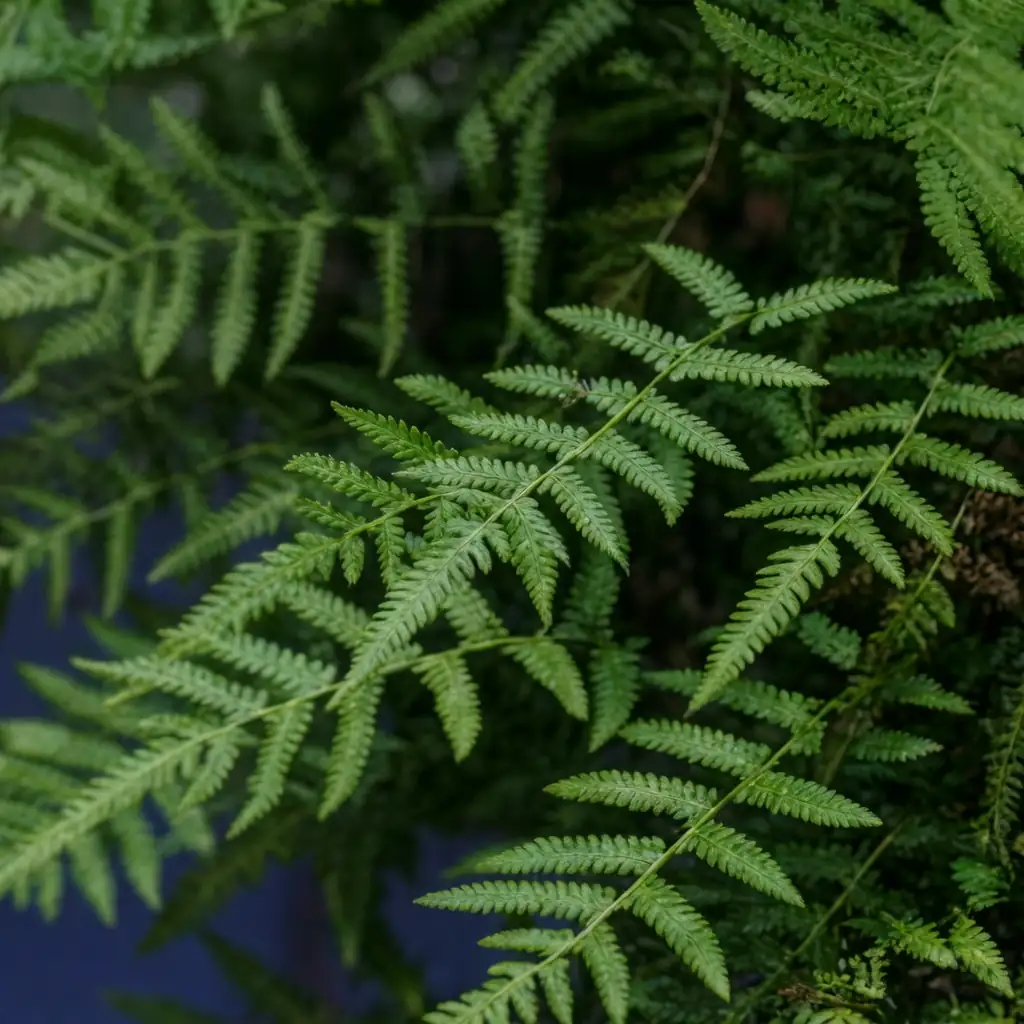
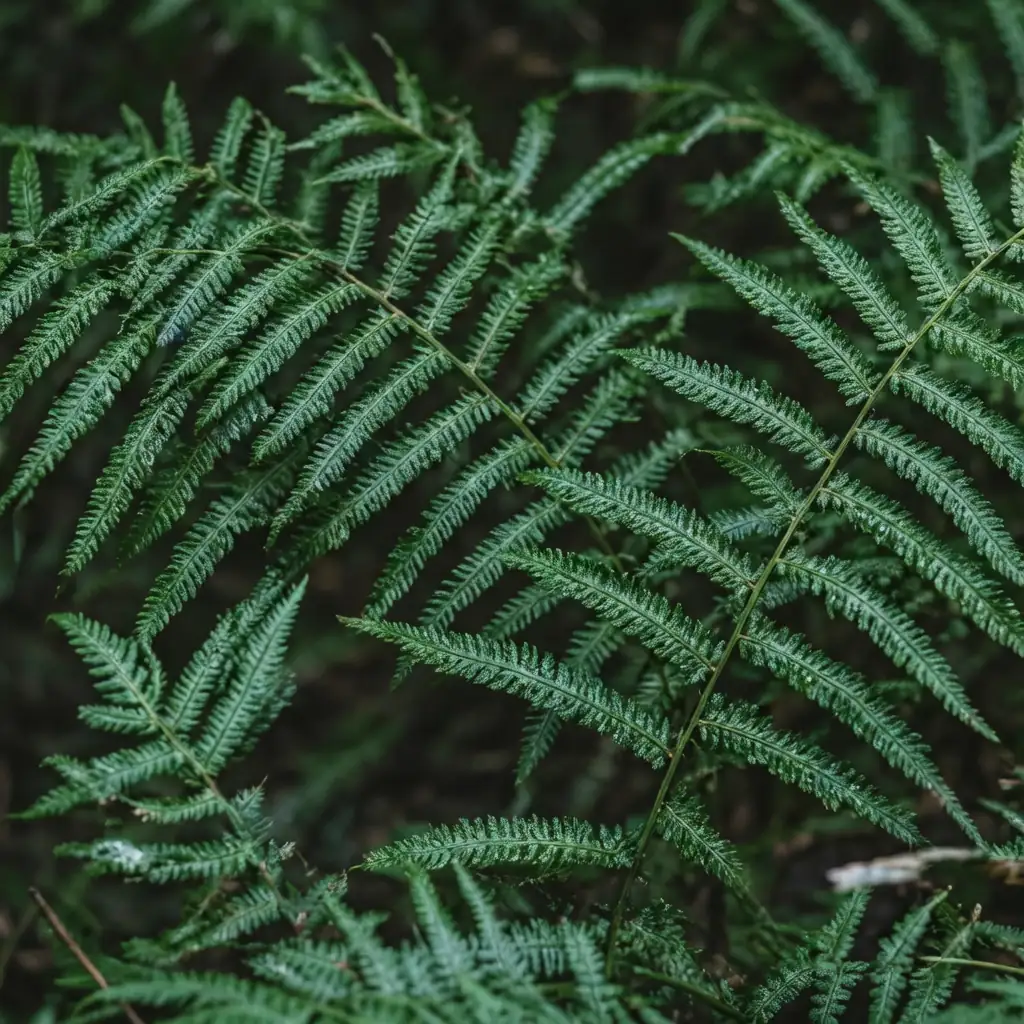
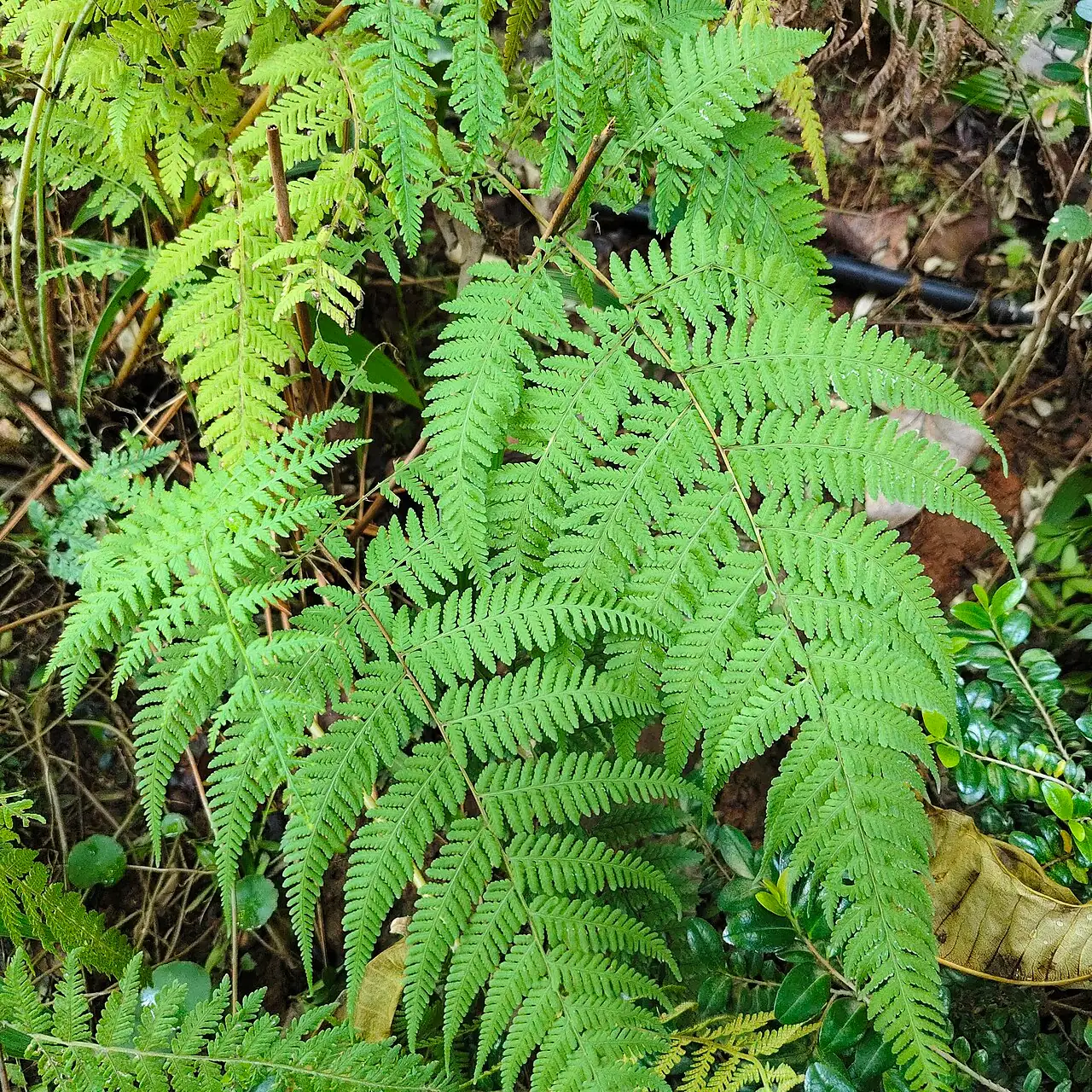
- Foliage: Herbaceous, lance-shaped fronds that are finely divided (twice-pinnate and deeply cut), typically with about 15 pairs of pinnae. Pinnae may sit flat or angle slightly upward. Fronds can appear almost stalkless, with veins clearly visible for a crisp, textured look.
- Flower: Non-flowering fern. Reproduces by spores; sori sit on both sides of the frond segments and are rounded to kidney-shaped, covered with a wrinkled indusium. The sori may look golden and bead-like—especially near the upper parts of lateral veins—giving the plant its distinctive “starry” underside.
- Flowering Season: Not applicable (fern; produces spores rather than flowers).
- Growth Habit: Perennial, clump-forming woodland fern; a natural choice for shaded groundcover or the front of a moist, shady border.
Environment
Sunlight
Shade to dappled shade; bright indirect light indoors. Avoid harsh, direct sun, which can scorch fronds.
Temperature
Prefers warm conditions, about 15–28°C (59–82°F). Protect from frost and prolonged cold; bring container plants under cover in cool weather.
Humidity
Enjoys consistently humid air and a moist setting; around 50–80% humidity suits it well, especially indoors or in dry climates.
Soil
Moist, humus-rich, well-drained soil (woodland-style mixes are ideal). Keep evenly moist but not waterlogged; good drainage helps prevent crown/root rot.
Placement
Shaded garden beds, woodland edges, and damp borders; also works in a sheltered, humid patio corner or a bright-shade indoor spot away from heaters and hot sun.
Hardiness
Not frost-hardy; best for warm-temperate to subtropical climates or grown in protected conditions. (USDA zone depends on local provenance and winter lows; treat as frost-sensitive.)
Care Guide
Difficulty
Easy to moderate: very cooperative in shade with steady moisture, but it declines quickly if allowed to dry out, baked in sun, or kept in persistently soggy soil.
Buying Guide
Pick plants with fresh, green fronds and no crispy edges. Avoid pots that are bone-dry or sour-smelling (often a sign of chronic drought or poor drainage). Flip a frond and check undersides for common pests before buying.
Watering
Keep soil consistently moist. Water when the top 1–2 cm (0.4–0.8 in) feels slightly dry, then water thoroughly and let excess drain. Don’t let the pot fully dry out, and don’t leave it sitting in water—steady moisture plus drainage is the sweet spot.
Fertilization
Feed lightly in spring and summer with a balanced fertilizer diluted to 1/4–1/2 strength every 4–6 weeks. Fern roots are sensitive—heavy feeding can scorch them and lead to weak, floppy growth.
Pruning
No shaping needed. Simply snip yellowing, damaged, or tired fronds off at the base. A gentle tidy in late winter/early spring helps make room for fresh new fronds.
Propagation
Division in spring is the most reliable method: split a healthy clump into sections with roots attached and pot up immediately. Spore propagation is possible but slow and more technical.
Repotting
Repot every 1–2 years in spring, or when the clump looks crowded. Move up about 2–5 cm (1–2 in) in pot width and refresh with a humus-rich, airy mix.
📅 Seasonal Care Calendar
Spring–summer: maintain even moisture, raise humidity as needed, and feed lightly. Autumn: reduce feeding; keep evenly moist. Winter: protect from cold drafts/frost; water less often but never allow a full dry-out.
Pests, Diseases & Safety
Common Pests & Diseases
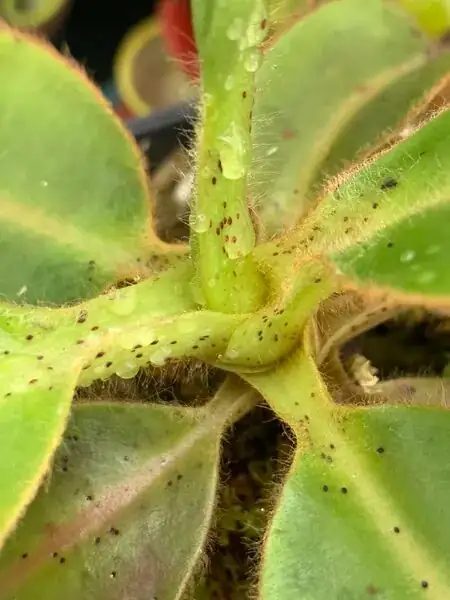
Can attract scale, mealybugs, aphids, and spider mites—especially indoors when air is dry. Poor drainage and waterlogged conditions may cause root/crown rot. Prevent issues with airy soil, consistent (not excessive) watering, good airflow, and higher humidity; treat pests with insecticidal soap or horticultural oil when needed.
Toxicity
No well-documented toxicity for this species in common horticultural references. Still, it’s wise to discourage chewing and keep plants out of reach of pets/children, as individual sensitivities can vary.
Culture & Symbolism
Symbolism: Like many ferns, it’s linked with quiet resilience, gentle renewal, and the soothing mood of shaded forests—made extra charming by its little “gold-star” sori.
History & Legends: The Venus-inspired common name points to its bright, golden, star-like sori on the fronds—an unusually showy spore display for a woodland fern.
Uses: Mainly ornamental: a lush shaded groundcover for woodland gardens, damp borders, and naturalistic plantings; also a pleasing foliage plant for bright, indirect indoor light when humidity is adequate.
FAQ
Why are the fronds turning brown at the edges?
Usually it’s a moisture-and-light issue: dry air, underwatering, or too much direct sun. Move it into shade/bright indirect light, raise humidity, and keep the soil evenly moist (moist, not soggy).
Does it flower?
No—this is a fern. Instead of flowers, it produces spores in sori on the underside of the fronds. On Venus fern, those sori can look strikingly golden and bead-like.
Fun Facts
- The golden, bead-like sori can look like tiny stars scattered along the frond veins—one reason it stands out among common garden ferns.
- Its sori are rounded to kidney-shaped and can show a fine net-like surface pattern when viewed closely.
- In the wild, it’s commonly found in southern China in mixed woodland, forest edges on slopes, and other consistently damp habitats.