

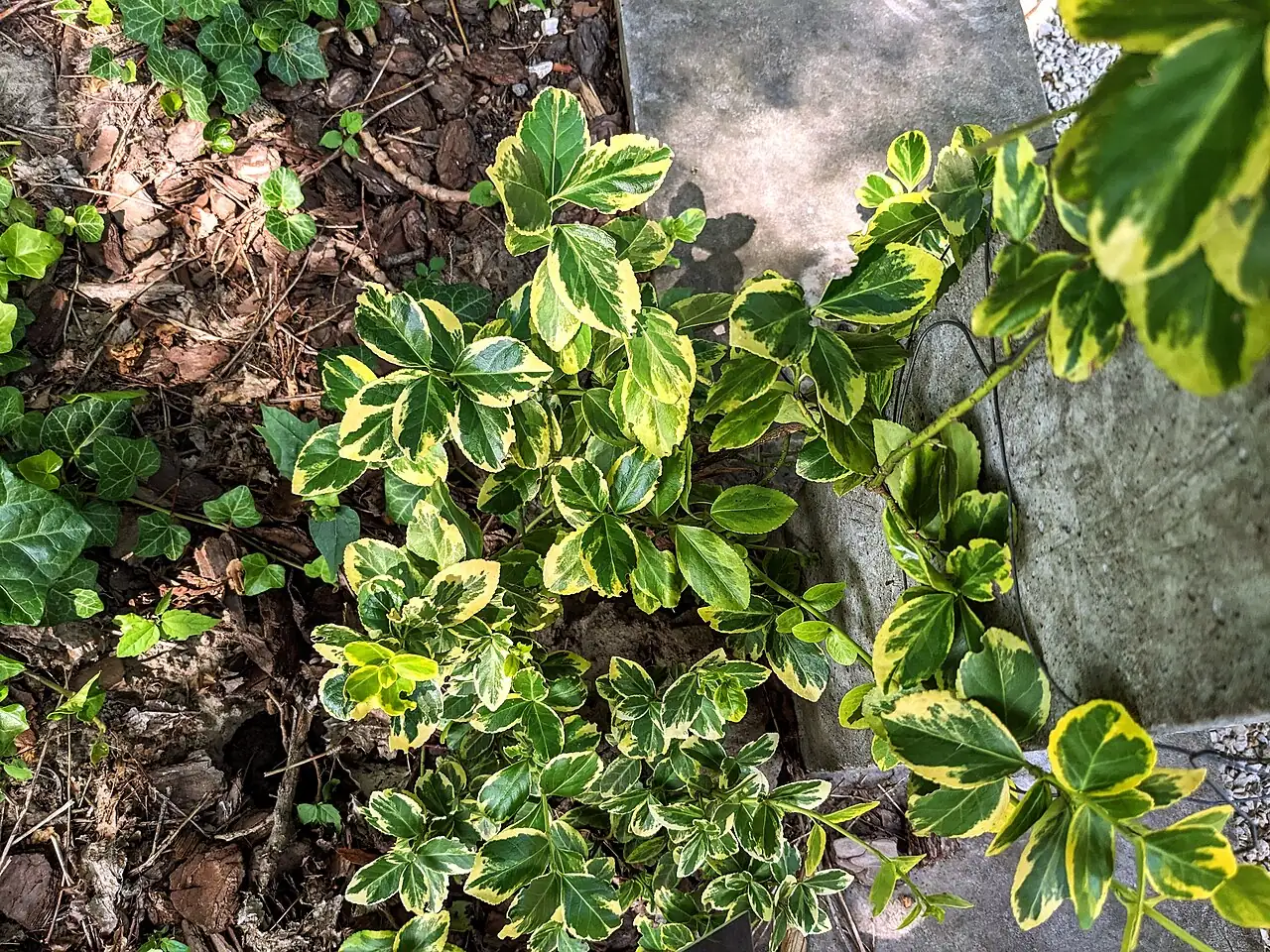
Plant Features
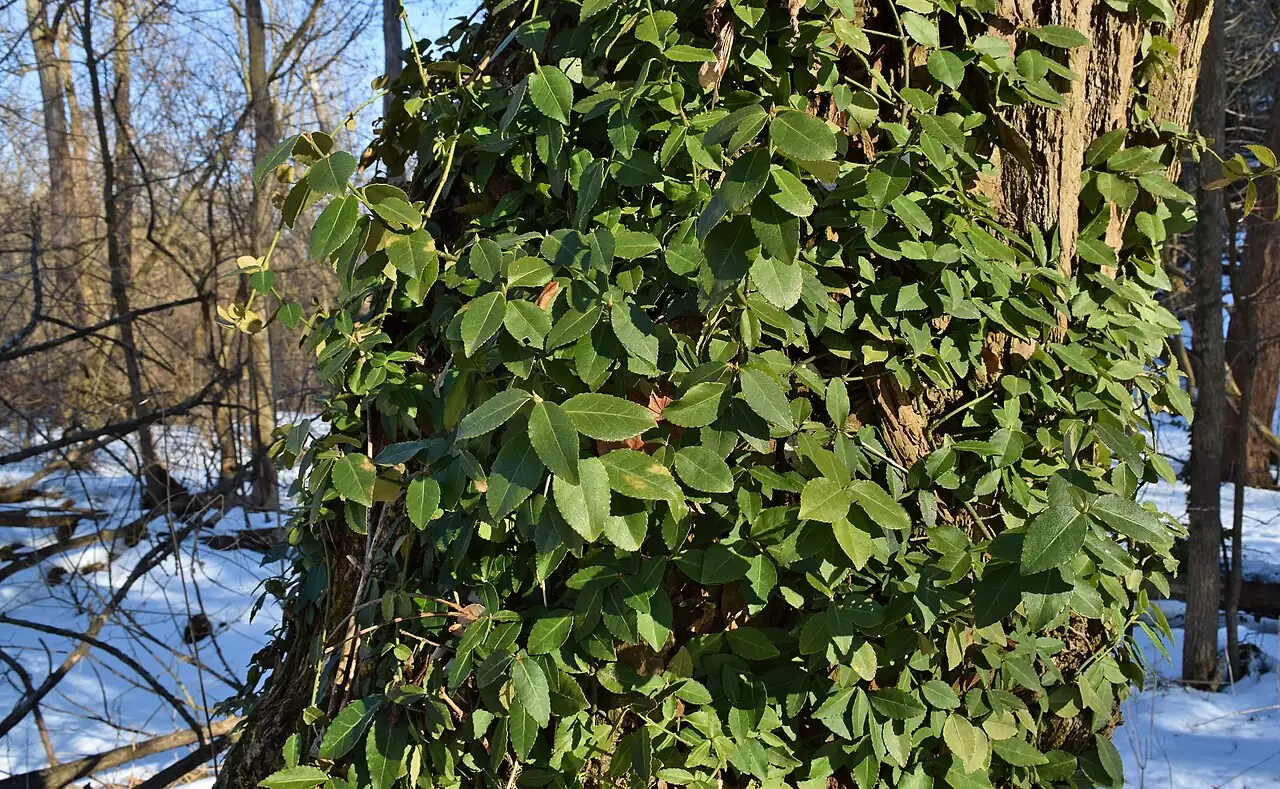
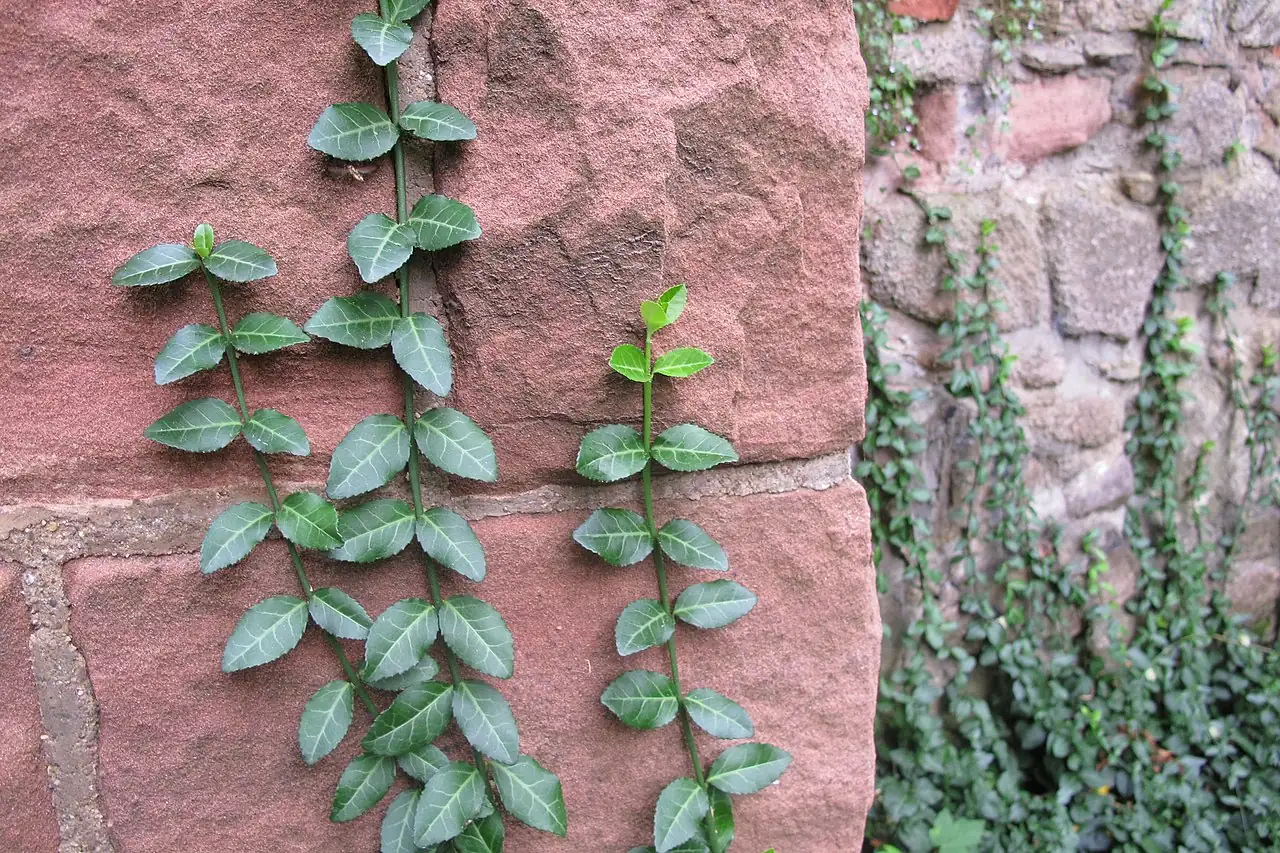
- Size: Evergreen, trailing to climbing shrub/vine; typically 30–60 cm (12–24 in) tall as a groundcover, and can climb about 3–6 m (10–20 ft) with support.
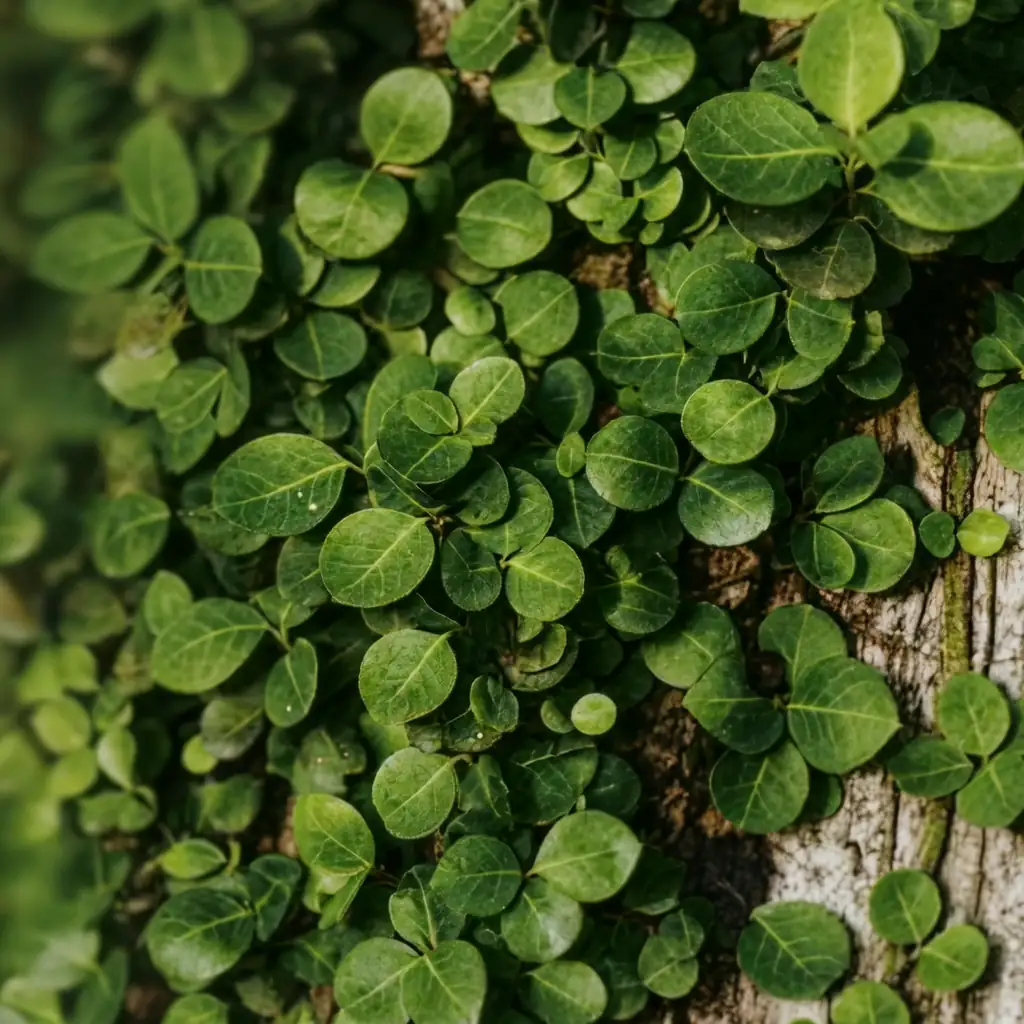
- Foliage: Leaves are leathery, glossy, and usually elliptic to oblong (sometimes obovate), with fine shallow teeth that can be easy to miss. Depending on cultivar and conditions, foliage may stay rich green or shift to reddish/bronzy tones in autumn and winter; in dry, poor soils leaves may become thicker and more yellow-green.
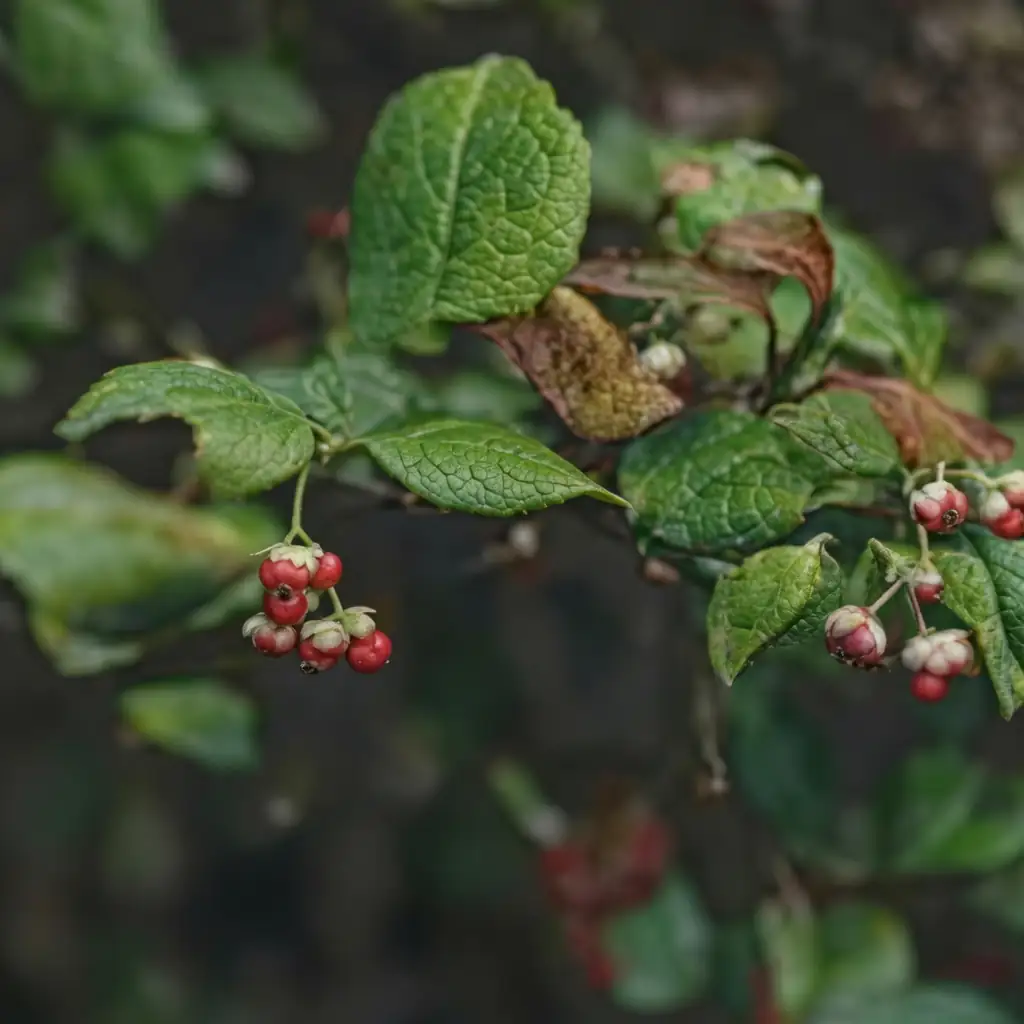
- Flower: Produces small, greenish-white flowers in clustered cymes; they’re subtle rather than showy. If allowed to mature (and not constantly clipped), plants may set pink capsule fruits that split open to reveal seeds with bright orange arils.
- Flowering Season: Early to mid-summer (around June); fruiting in autumn (around October).
- Growth Habit: Creeping, mat-forming groundcover or scrambling/climbing plant that can root along its stems. It may develop more aerial roots in harsher, drier sites, helping it cling to surfaces.
Environment
Sunlight
Full sun to full shade. It tolerates deep shade well, but brighter light/part sun often gives denser growth and stronger foliage color (including variegation and winter tones).
Temperature
Prefers mild to warm growing conditions; a comfortable growth range is about 10–27°C (50–81°F). Once established, it tolerates winter cold well for an evergreen shrub.
Humidity
Adaptable, but looks most lush in evenly moist, moderately humid or sheltered conditions. Avoid prolonged bone-dry periods for best foliage quality.
Soil
Highly adaptable in most well-drained soils. Performs best in moderately fertile, moisture-retentive yet well-draining soil; also tolerates poorer, rocky sites.
Placement
Great as groundcover under trees, on banks/slopes, or as a wall/trellis cover; also works well in pots and mixed containers (add support if you want it to climb).
Hardiness
USDA Zone 5–9 (approximately -29 to -1°C / -20 to 30°F depending on exposure and cultivar).
Care Guide
Difficulty
Easy—very forgiving and adaptable, with strong shade tolerance and good cold hardiness once established.
Buying Guide
Look for plants with dense, evenly colored foliage and no signs of euonymus scale (check stems and the undersides of leaves). For variegated cultivars, choose plants with stable variegation and prune out any all-green shoots if you see them (unless you want the plant to revert greener).
Watering
Water regularly while establishing, keeping the soil evenly moist but never soggy. After establishment it’s moderately drought-tolerant, but long dry spells can lead to thicker, yellow-green leaves and more aerial rooting. Container-grown plants dry out faster and need more consistent watering.
Fertilization
Feed lightly in spring with a balanced slow-release fertilizer, or top-dress with compost. Avoid heavy nitrogen, which can push soft growth and reduce attractive winter coloration.
Pruning
Shear or trim in spring or after the main flush to control spread and keep a dense mat. On variegated types, promptly remove reverted all-green shoots by cutting back to a variegated stem.
Propagation
Very easy from semi-ripe cuttings in summer, hardwood cuttings in winter, or by layering/pegging stems down to root.
Repotting
Repot every 2–3 years, or refresh the top 5–8 cm (2–3 in) of potting mix yearly. Use a well-draining mix and a pot with drainage holes.
📅 Seasonal Care Calendar
Evergreen year-round. Flowers typically appear around June, with fruits maturing around October. In autumn and winter, many forms develop red or bronzy foliage tones, especially under cooler conditions.
Pests, Diseases & Safety
Common Pests & Diseases
Watch for euonymus scale (the most notorious), aphids, spider mites, and powdery mildew. Keep good airflow, avoid over-fertilizing with nitrogen, and treat scale early with horticultural oil or other appropriate controls.
Toxicity
Toxic if eaten. Leaves and especially fruits can cause gastrointestinal upset in humans and pets—keep away from children and animals that like to chew plants.
Culture & Symbolism
Symbolism: Often linked with persistence and resilience, thanks to its ability to stay green and keep growing through shade, pruning, and tough conditions.
History & Legends: A long-cultivated East Asian euonymus that became a garden staple as an evergreen groundcover and wall-climber. Many ornamental cultivars were selected for bold variegation and winter color.
Uses: Ornamental evergreen for groundcover, slope stabilization, and covering walls/trellises; also used in pots and mixed plantings to add year-round structure and greenery.
FAQ
Can wintercreeper grow in shade?
Yes—shade tolerance is one of its best features. In full shade it may grow a bit looser, while brighter light often improves density and can intensify variegation and winter coloring.
Why are my leaves turning yellow-green and getting thicker?
This is commonly a response to dry, nutrient-poor, or exposed conditions. Water more consistently during dry spells and improve the soil with compost—while still keeping drainage good.
How do I keep variegated wintercreeper from turning solid green?
Prune out any all-green reverted shoots as soon as they appear, cutting back to a clearly variegated stem so the patterned growth stays dominant.
Fun Facts
- It can act like two different plants: a ground-hugging carpet with no support, or a climber once it finds a wall, fence, or tree.
- Many cultivars stay evergreen but develop red or bronzy tones when temperatures drop.
- In harsh, dry spots it may produce thicker leaves and more aerial roots—handy adaptations for clinging and survival.


