Plant Features
- Size: Typically 1–7 m (3–23 ft) tall; occasionally up to about 23 m (75 ft) in exceptional specimens.
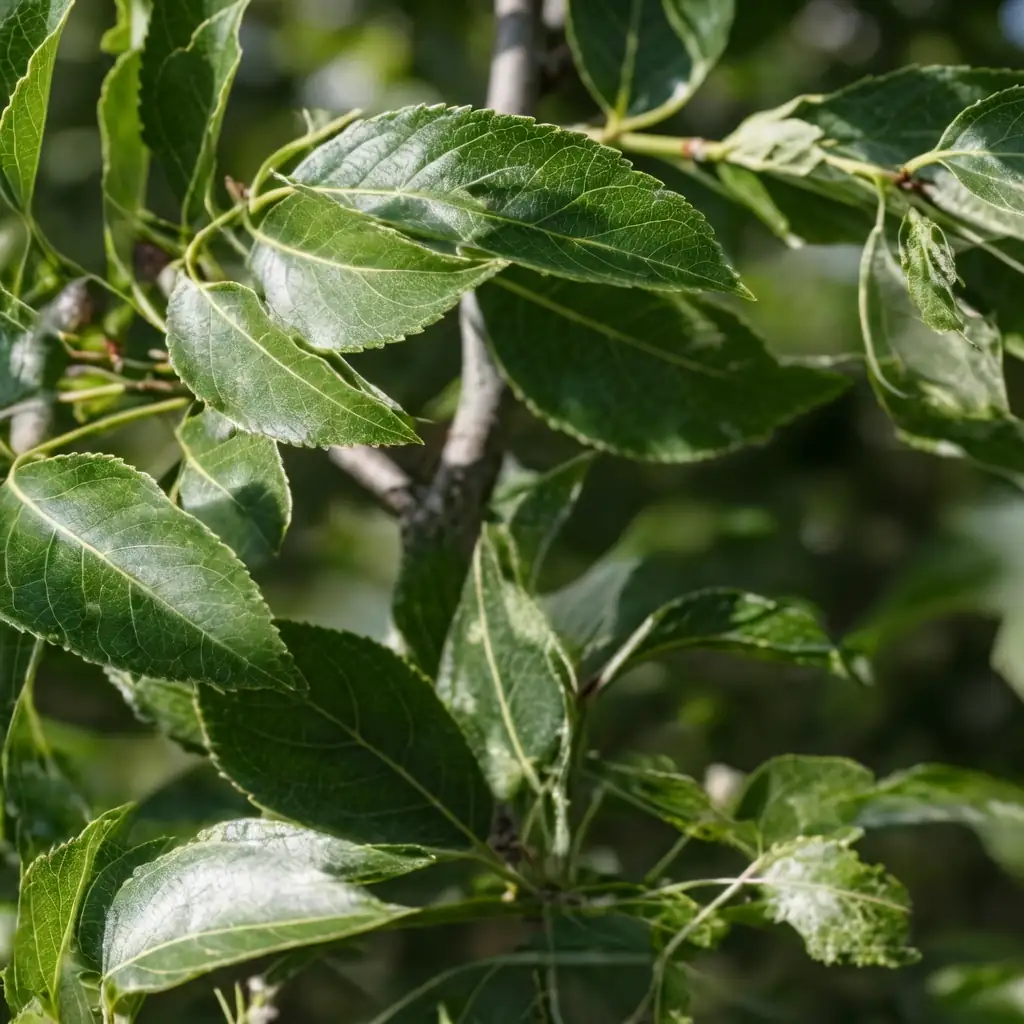
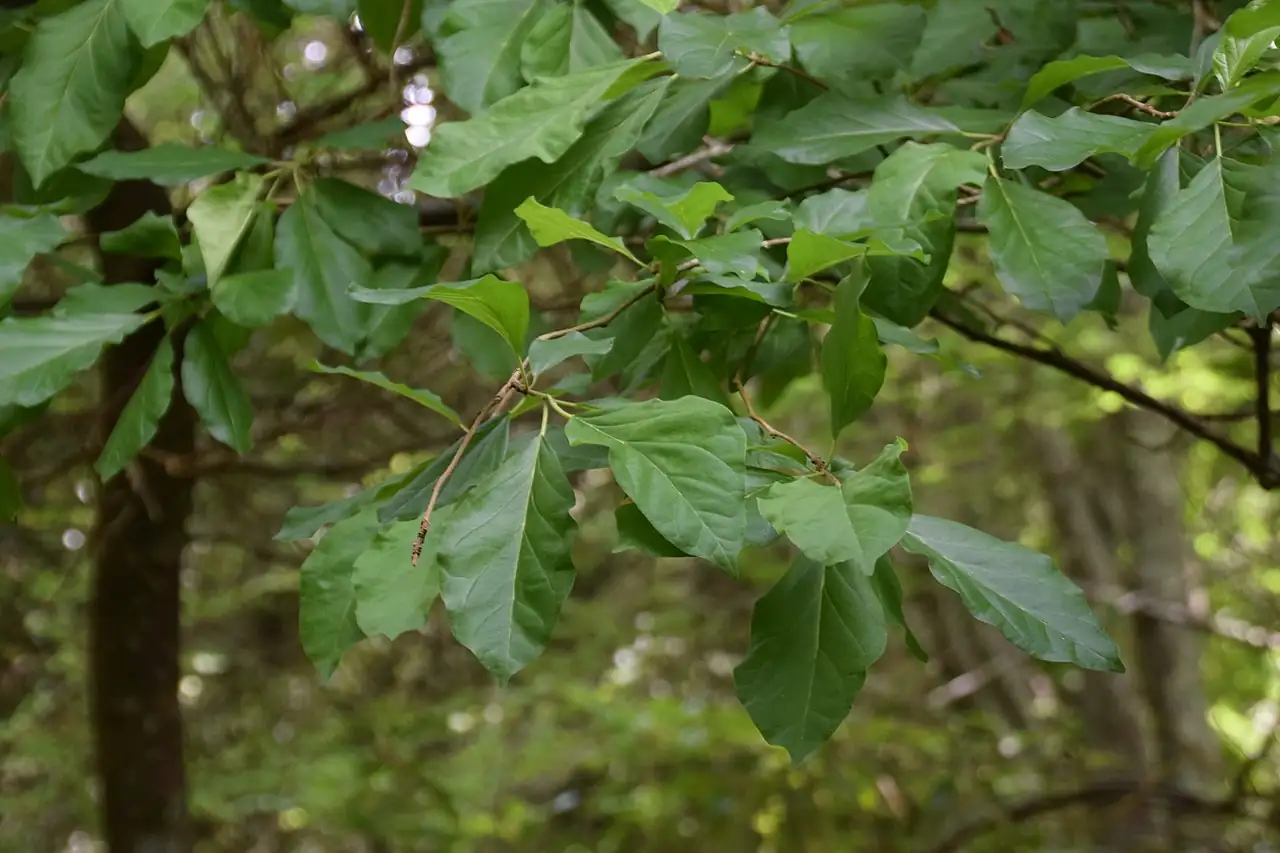
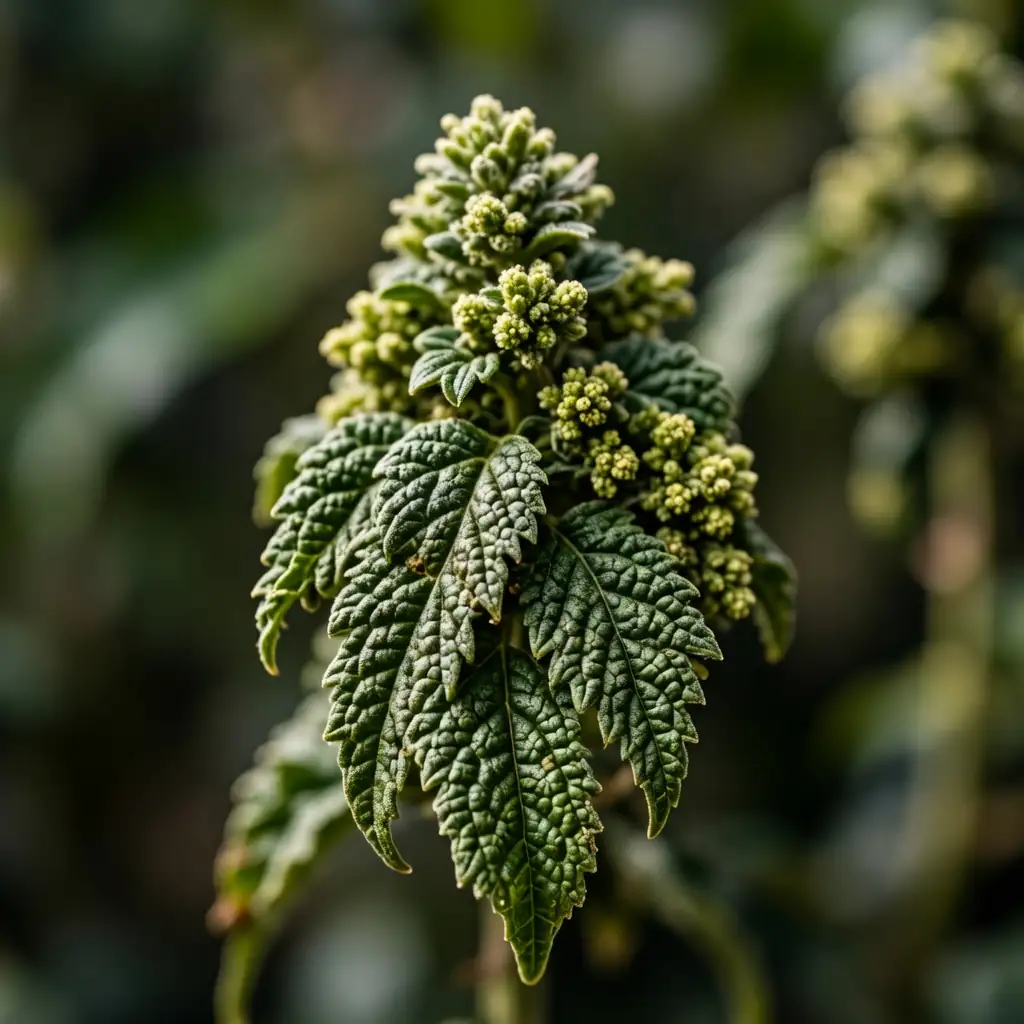
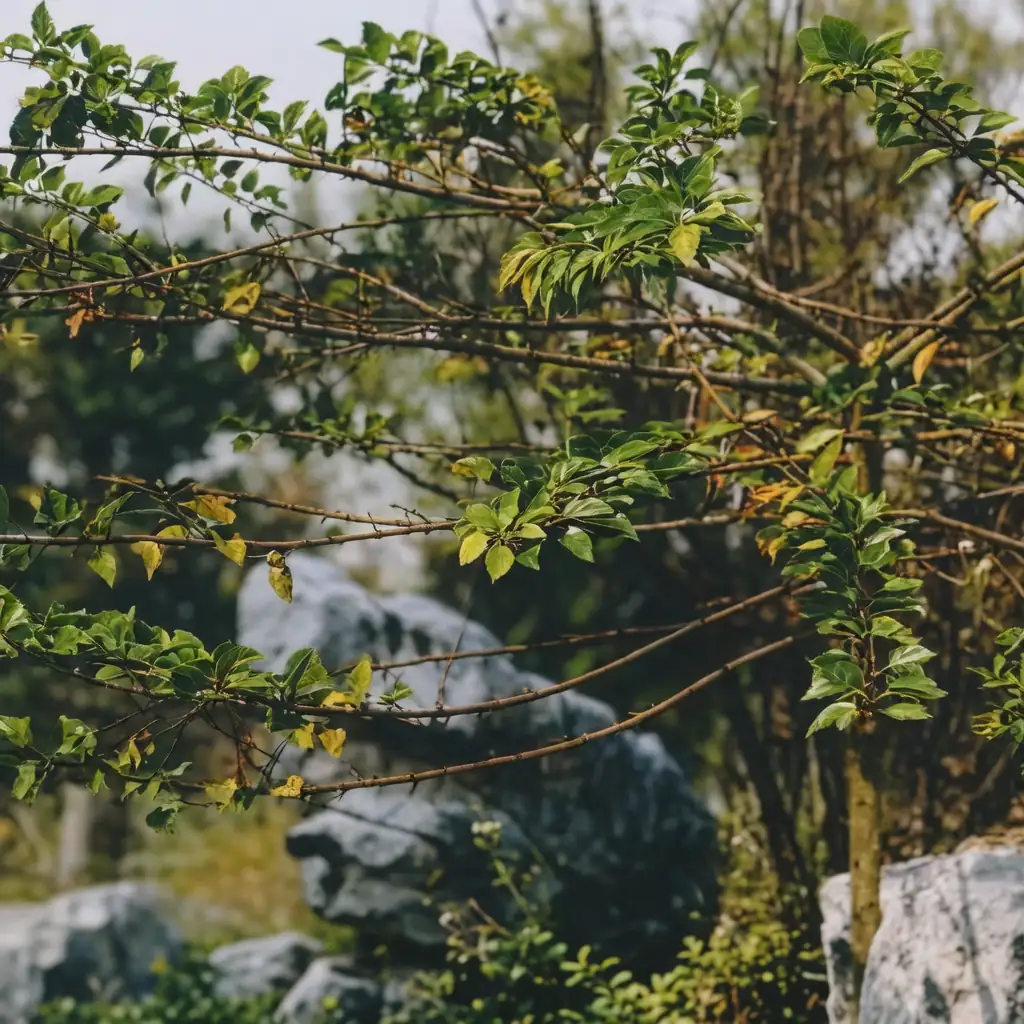
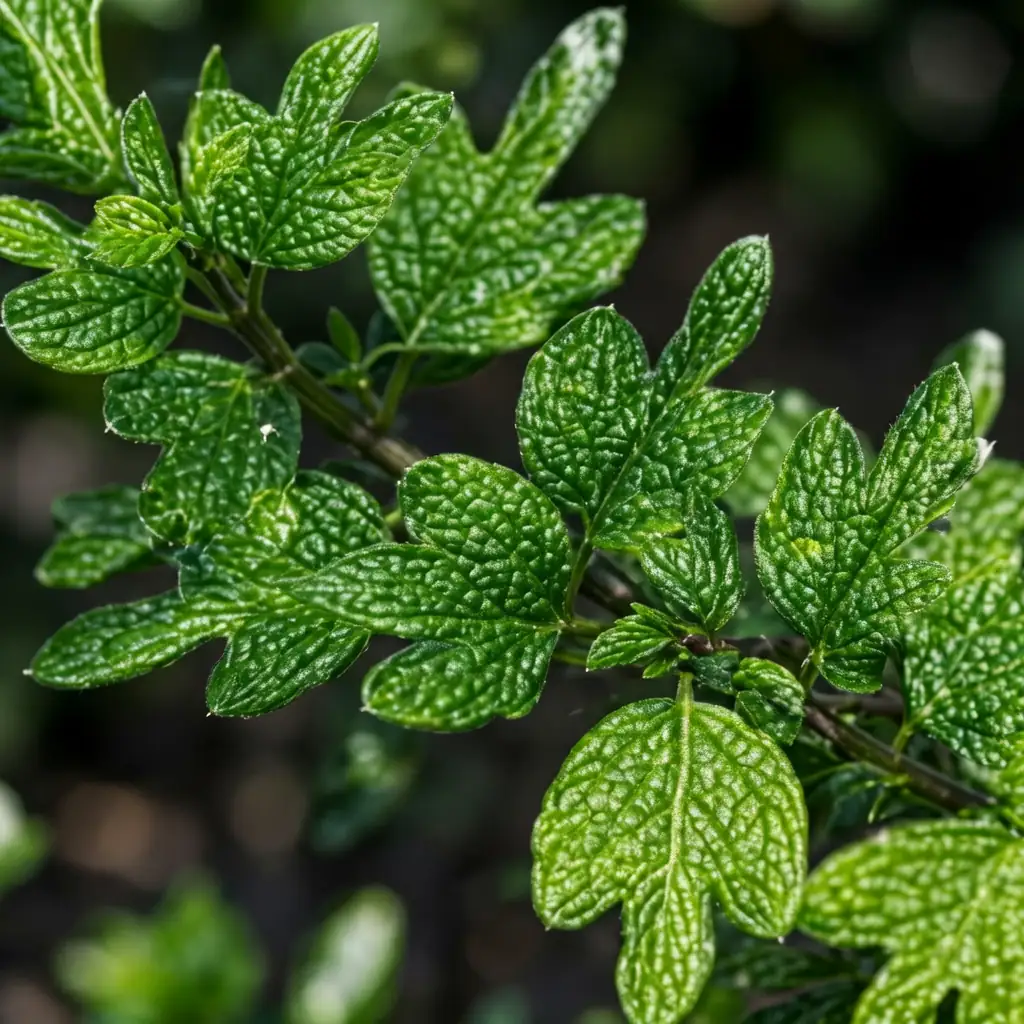
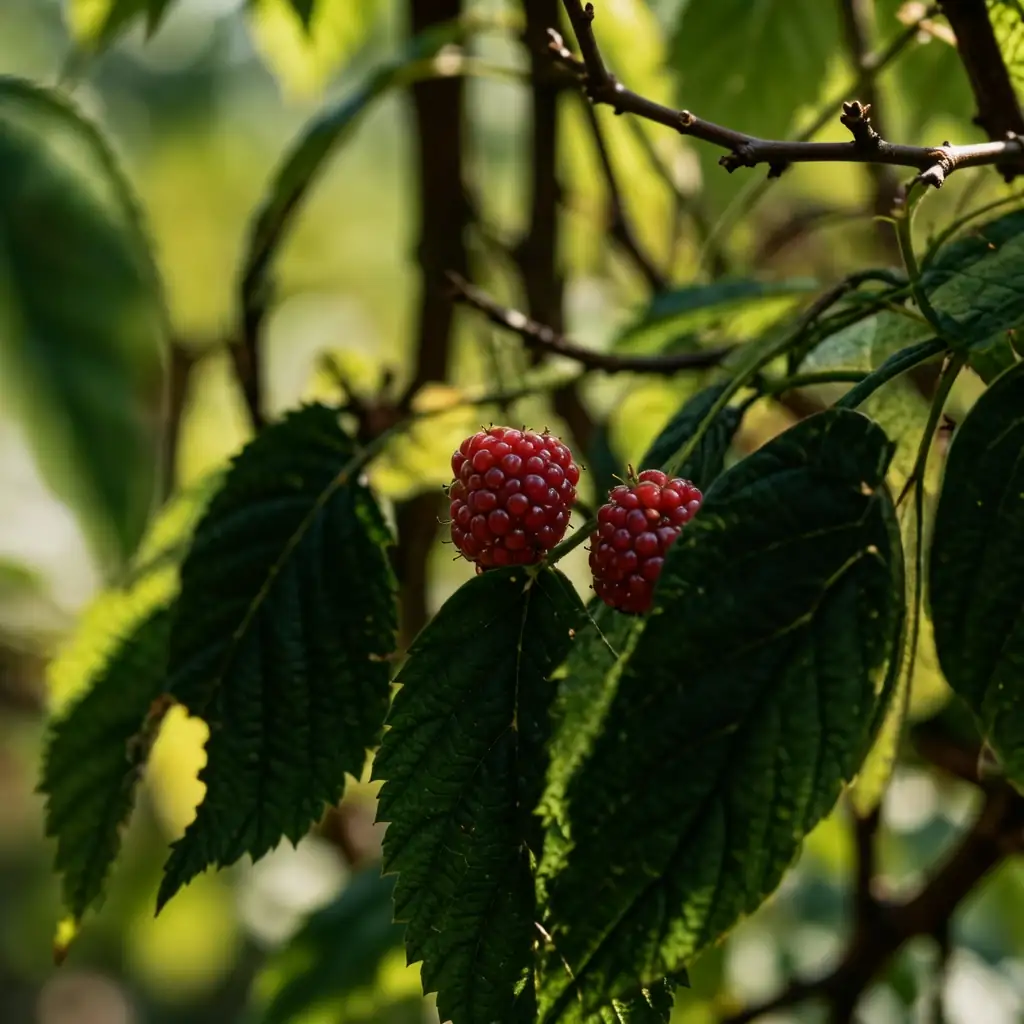
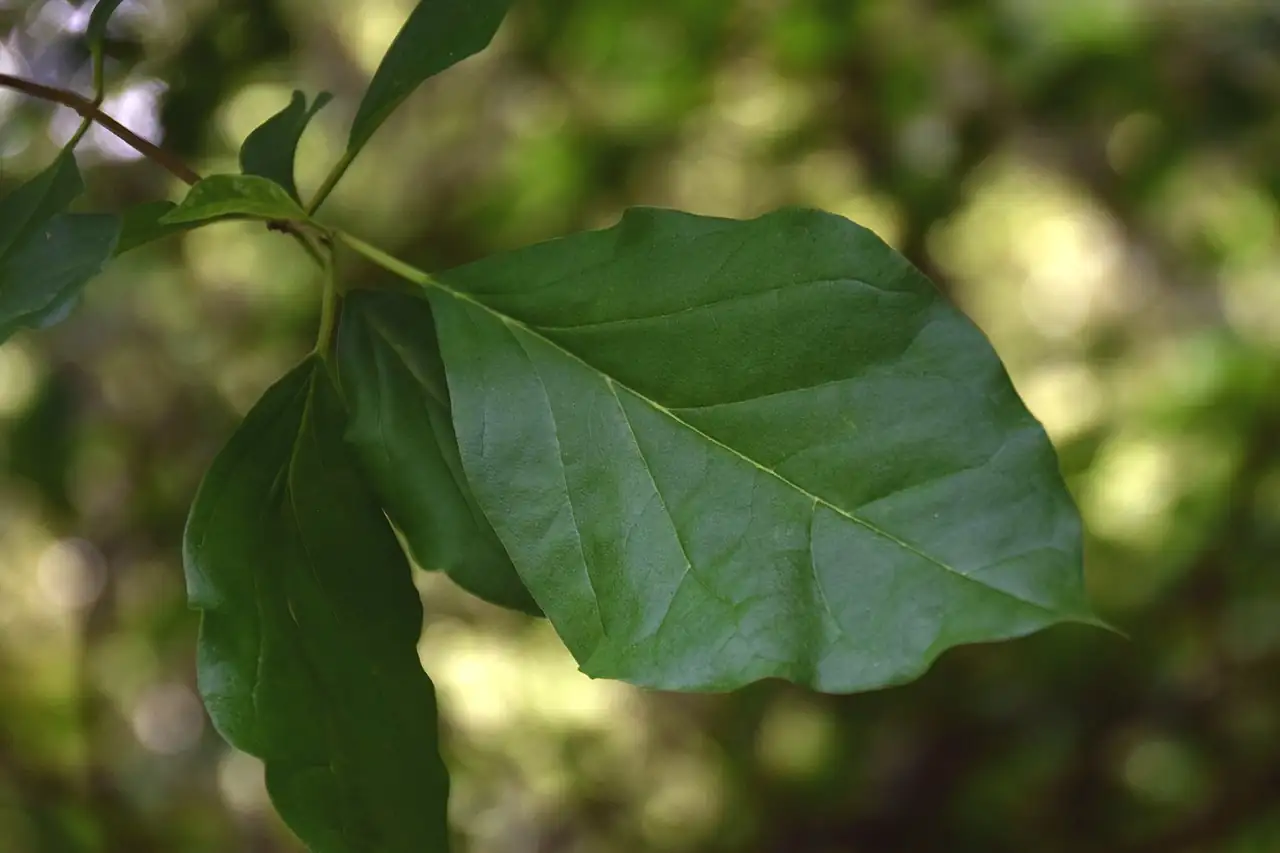
- Foliage: Leaves are ovate to rhomboid-ovate and can be variably shaped—sometimes distinctly 3-lobed. They’re deep green on top with paler, grayish undersides. Twigs are ridged and armed with sharp thorns about 5–20 mm (0.2–0.8 in) long. Winter buds are reddish-brown, and the bark is gray-brown.
- Flower: Flowers are small and borne in rounded, head-like clusters. The fruit that follows is a nearly spherical, fleshy multiple fruit that ripens to a bright orange-red.
- Flowering Season: May–June
- Growth Habit: Deciduous shrub or small tree that often develops a dense, thorny branching framework—especially effective when trained or clipped as a hedge.
Environment
Sunlight
Full sun to partial shade; it will grow in lighter shade, but fruiting is best with brighter light and more sun.
Temperature
Cold-hardy once established; generally tolerates winter lows around -20 to -25°C (-4 to -13°F), though hardiness can vary by provenance and local conditions.
Humidity
Adaptable; performs well in average outdoor humidity and tolerates relatively dry air once established.
Soil
Very tolerant of poor and dry soils, but does best in well-drained loam or sandy loam. Avoid persistently waterlogged ground to prevent root problems.
Placement
Outdoors in open ground—sunny slopes, woodland edges, or along property lines. Particularly well-suited to barrier/defensive hedging due to its thorns.
Hardiness
USDA Zone 5–9 (approx.).
Care Guide
Difficulty
Easy and very adaptable. Once rooted in, it copes with cold, drought, and lean soils, and it’s flexible about sun (though fruiting improves with more light).
Buying Guide
Pick plants with healthy, plump buds and clean, unscarred bark. Avoid specimens that are severely pot-bound. If you’re buying specifically for fruit, ask whether the selection fruits reliably in your region and whether a pollination partner is recommended locally.
Watering
Water regularly through the first growing season to help it establish a deep root system. After that, it’s fairly drought-tolerant—water mainly during extended dry spells. Between deep waterings, let the top few centimeters of soil (about 1–2 in) dry out.
Fertilization
Usually minimal. If growth is weak, feed lightly in spring with a balanced slow-release fertilizer at label rates. Avoid heavy feeding, which can encourage soft, overly vigorous (and very thorny) growth.
Pruning
Prune in late winter to early spring to shape the plant, remove crossing or congested branches, and control hedge density. Wear sturdy gloves and protective clothing—thorns are sharp.
Propagation
Propagation is commonly done by seed (clean seed and provide cold stratification) or by semi-hardwood cuttings taken in summer. Grafting is also used in cultivation.
Repotting
Most often grown in-ground. If kept in a container, repot every 2–3 years in spring into a slightly larger pot with a free-draining mix.
📅 Seasonal Care Calendar
Spring: do any structural pruning before budbreak; apply light fertilizer only if needed. Summer: water during prolonged heat or drought; take semi-hardwood cuttings. Autumn: harvest fruit once it turns orange-red and begins to soften. Winter: minimal care; in very cold, windy sites, protect young plants until established.
Pests, Diseases & Safety
Common Pests & Diseases
Generally quite trouble-free. On stressed plants, watch for aphids, scale insects, and spider mites. Root issues are most likely in poorly drained soils—good drainage, airflow, and avoiding waterlogging are the best preventatives.
Toxicity
Not known to be toxic, and ripe fruits are edible. The main hazard is mechanical: sharp thorns can puncture skin, so site it thoughtfully and handle with care—especially around play areas and paths.
Culture & Symbolism
Symbolism: Often linked with resilience and protection—hardy growth and thorny branches make it a natural symbol of toughness and boundaries.
History & Legends: Across parts of East Asia, Che tree has a practical, everyday history: planted as hedging, valued for useful wood, and referenced in regional folk traditions for the root bark.
Uses: Barrier/hedge planting; edible fruit (fresh or fermented); wood for furniture and craftwork; traditional use of the root bark in folk medicine.
FAQ
When does it flower?
Usually May–June.
When does it fruit?
Often June–July, depending on local climate and seasonal warmth.
How tall does it usually grow?
Most commonly 1–7 m (3–23 ft), though rare specimens can reach about 23 m (75 ft) in exceptional conditions.
Where does it grow naturally?
It’s native to East Asia—especially China and the Korean Peninsula—and is also found in Japan, often in sunny hillsides and woodland edges.
What conditions can it tolerate?
Once established it tolerates cold winters, drought, and poorer soils, and it grows in full sun to partial shade (with better fruiting in stronger light).
What are its main uses in gardens?
It’s widely used as a dense, thorny hedge or barrier plant, and as a fruiting ornamental for its orange-red edible fruits.
Fun Facts
- The fruit ripens to a vivid orange-red and can be enjoyed fresh or fermented.
- It’s a classic “living fence” plant: dense branching plus sharp thorns make it naturally protective.
- Young twigs often carry thorns about 5–20 mm (0.2–0.8 in) long.
- Although usually shrub-sized, it can occasionally grow into a much larger tree than most people expect.
- It’s in Moraceae—the mulberry family—alongside mulberries and figs.