

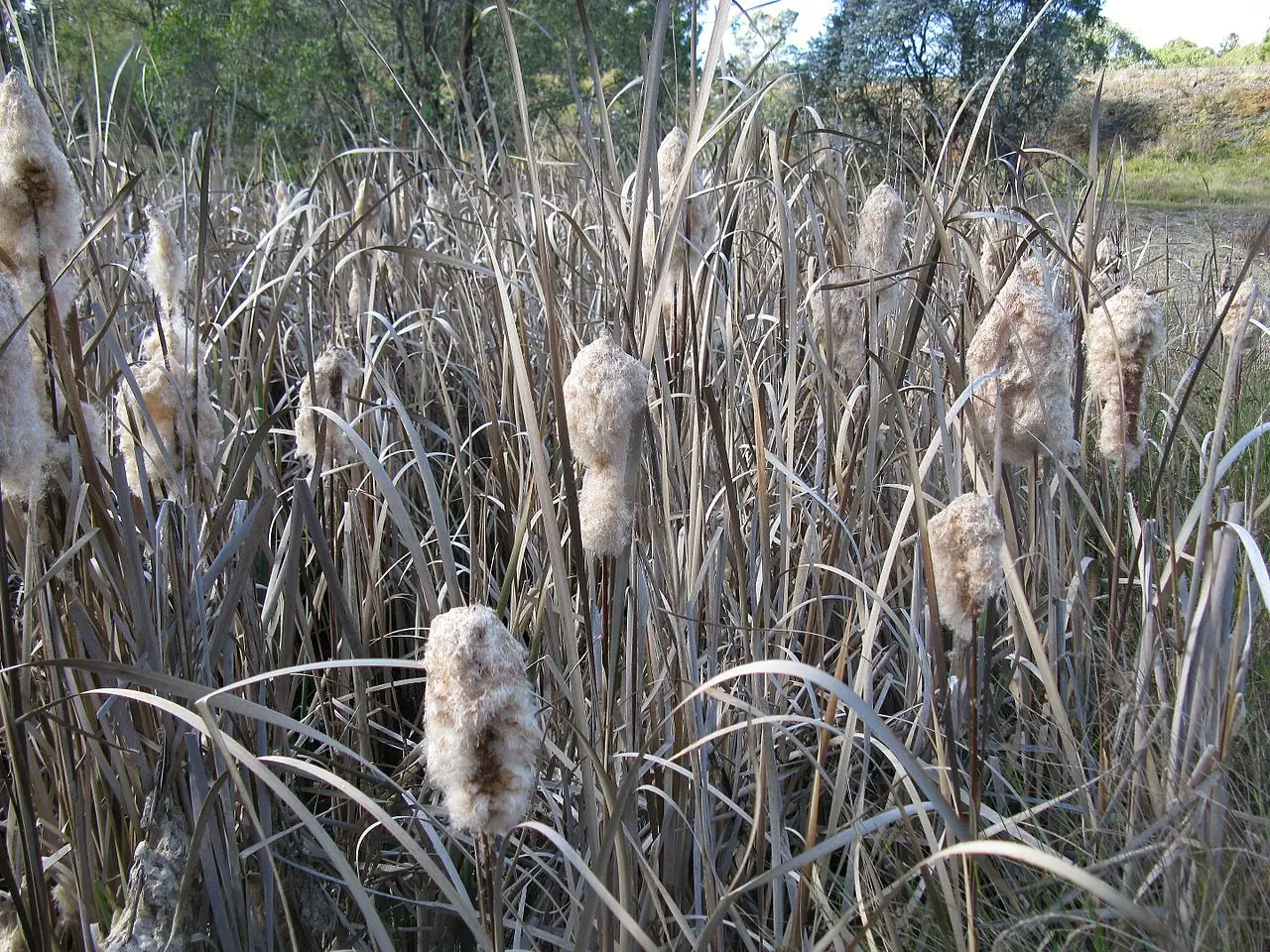
Plant Features
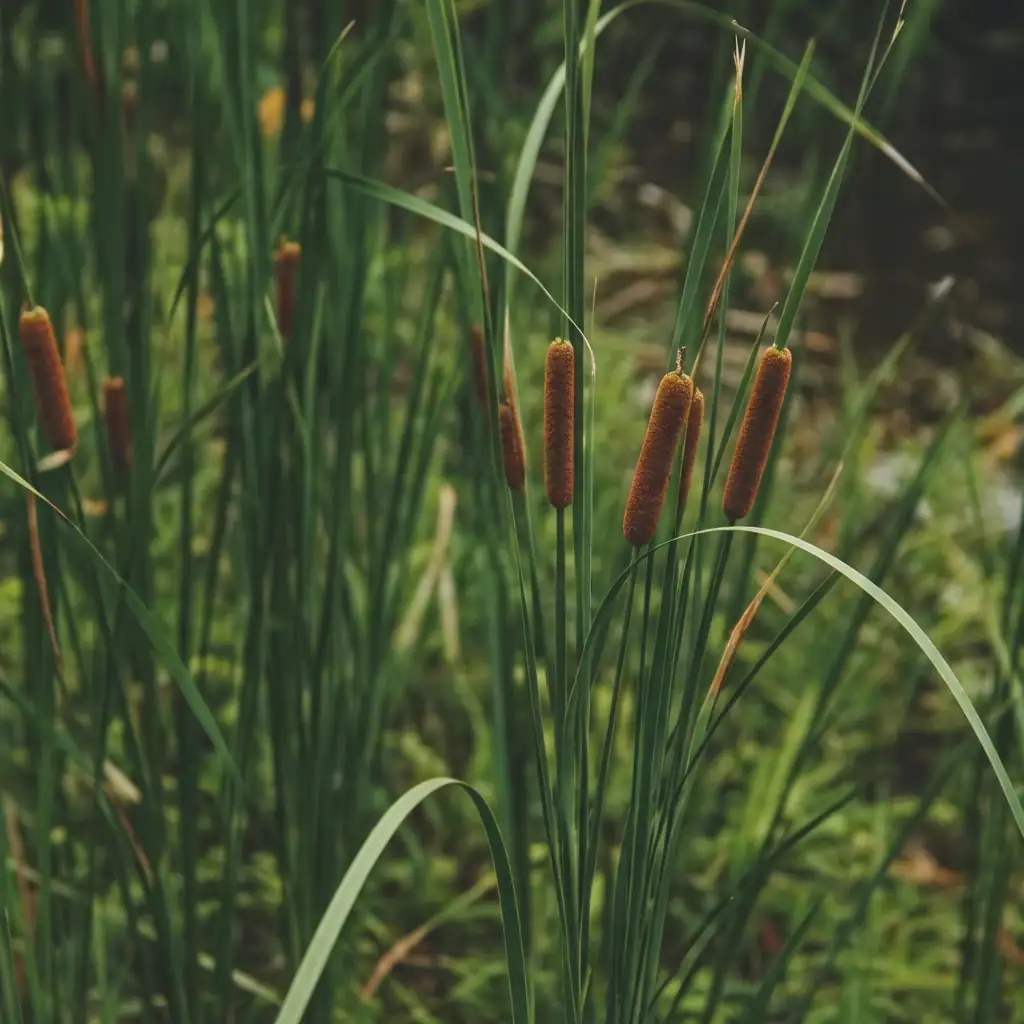
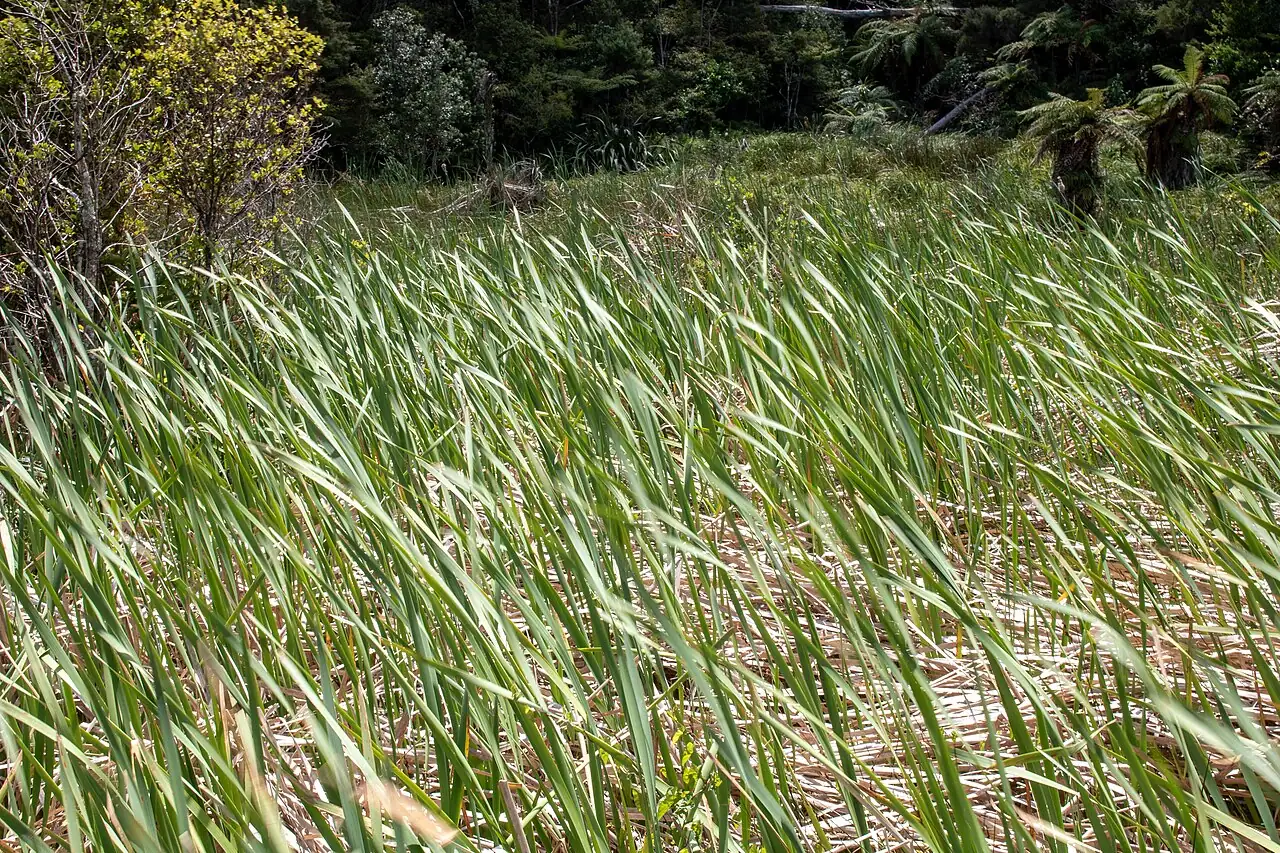
- Size: Up to about 2 m (6.6 ft) tall; forms spreading clumps via thick rhizomes.
- Foliage: Leaves are long, narrow, smooth, and strap-like, with sheathing bases that clasp the stem, creating a clean, architectural vertical look along the water’s edge.
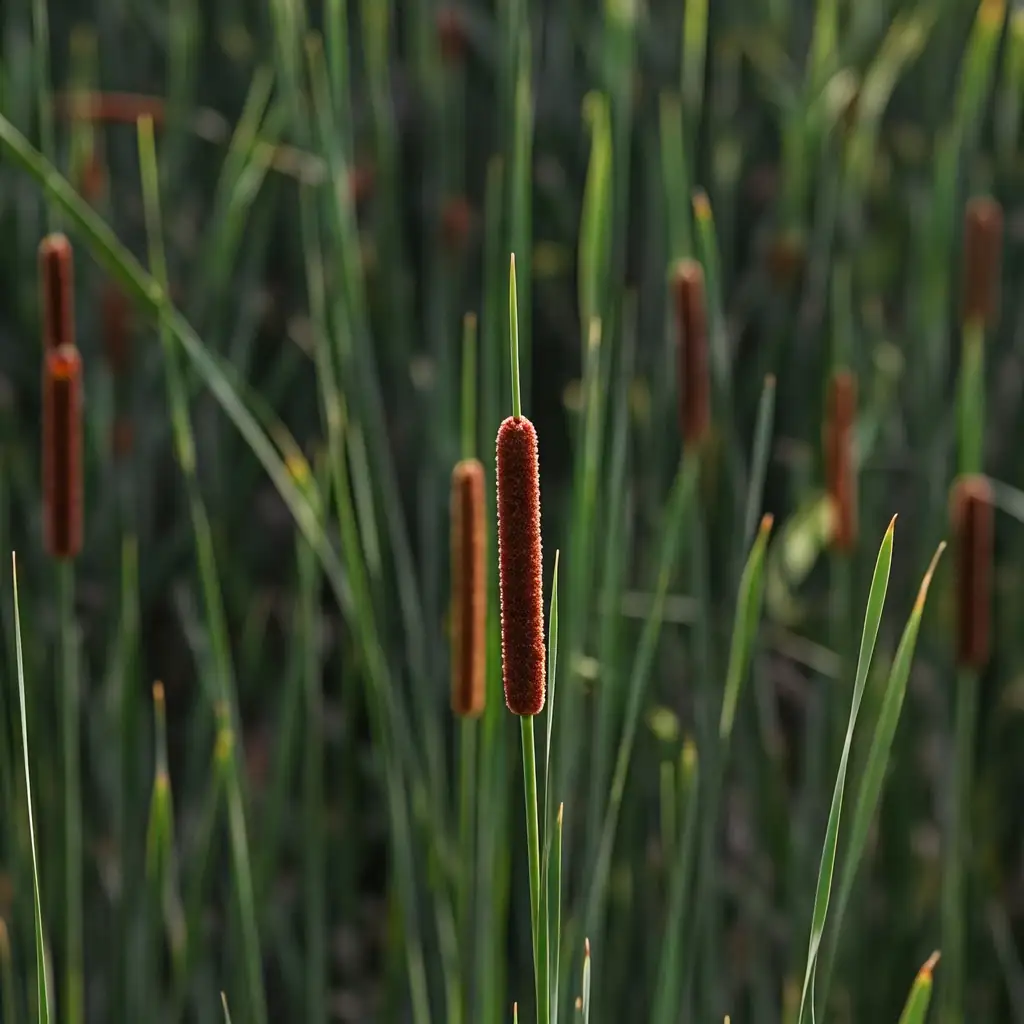
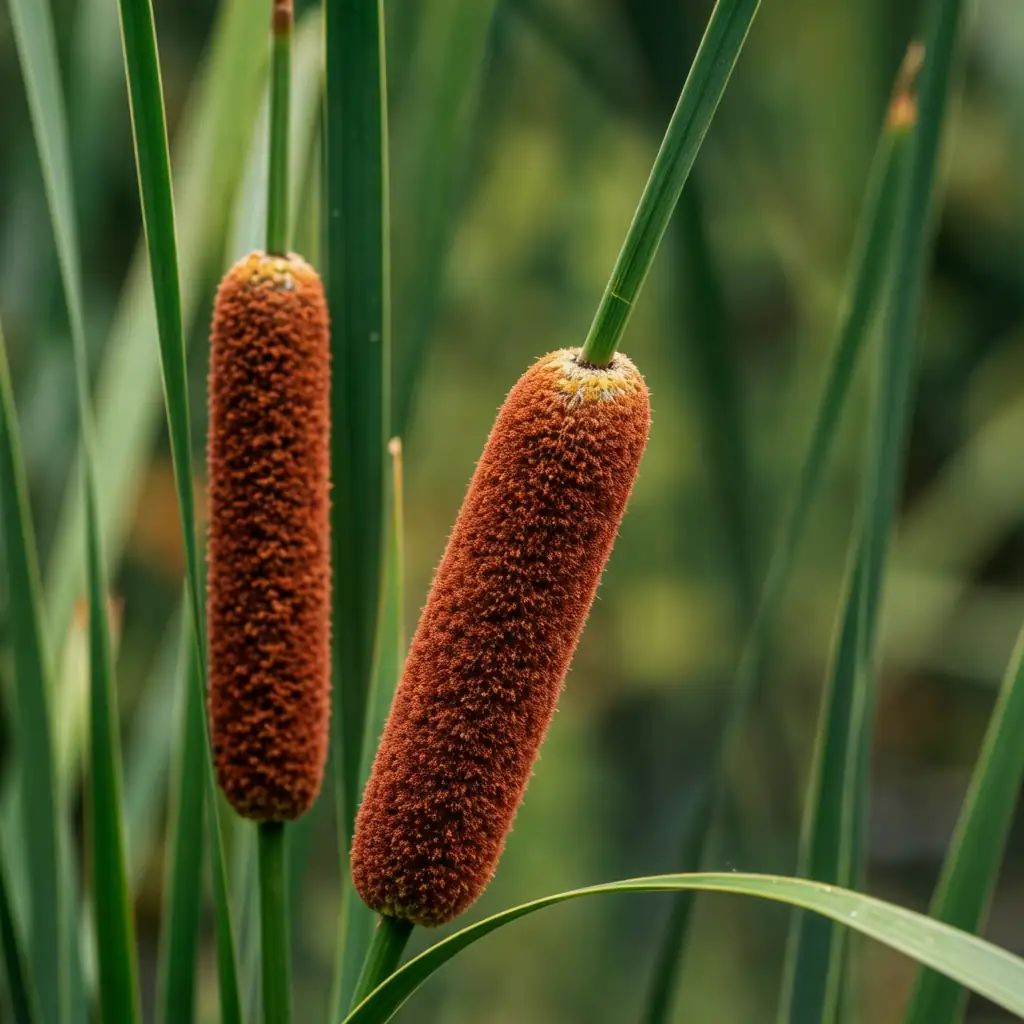
- Flower: Produces dense cylindrical spikes: a dark brown female section (usually longer) with a shorter male section above—together creating the classic cattail silhouette. Spent spikes can later release fluffy seed.
- Flowering Season: May–August
- Growth Habit: Upright, clump-forming perennial aquatic/wetland herb that spreads steadily via stout underground rhizomes.
Environment
Sunlight
Full sun is best for strong growth and better flowering; tolerates light shade but may be less vigorous.
Temperature
Cold tolerant; generally grows well in cool to warm conditions around 10–30°C (50–86°F).
Humidity
Not humidity-dependent; the key is consistently wet conditions—saturated soil or shallow standing water.
Soil
Deep, fertile, moisture-retentive soil or silty mud; can also grow directly in shallow water with roots submerged.
Placement
Pond margins, ditches, rain gardens, and shallow shelves of water features—ideally where it can spread safely without overwhelming smaller aquatic plants.
Hardiness
Commonly grown in USDA Zones 4–10 (local performance can vary).
Care Guide
Difficulty
Easy when sited correctly. The main challenge is vigor: it can spread quickly via rhizomes, so containment or regular division is smart for small ponds.
Buying Guide
Pick plants with firm, healthy rhizomes and fresh green leaves. Avoid sour-smelling pots or black, mushy rhizomes (a sign of rot). For compact water features, plant in a large aquatic basket to help limit spread.
Watering
Keep constantly wet. Grow in saturated soil or shallow water and never let containers dry out. In ponds, place the crown at the waterline or only slightly submerged (very deep water usually reduces vigor).
Fertilization
Often unnecessary in established ponds. For container plants that look weak, top-dress lightly in spring with an aquatic-plant fertilizer. Avoid heavy feeding—it can encourage excessive growth and contribute to algae.
Pruning
Remove yellowing leaves anytime. Cut back dead foliage and old/spent spikes in late fall or late winter for a tidy look and to reduce fluffy self-seeding.
Propagation
Divide rhizomes in spring to early summer. Replant pieces with at least one growth point and keep them consistently wet until established. Seed propagation is possible but usually less practical for gardeners.
Repotting
In baskets/containers, divide and repot every 1–2 years to prevent overcrowding and to control size.
📅 Seasonal Care Calendar
May–August: flowering and seed development. Spring to early summer: best time to divide and replant. Late fall or late winter: cut back old growth and tidy up before new shoots emerge.
Pests, Diseases & Safety
Common Pests & Diseases
Generally trouble-free. Aphids may appear on tender new growth, and leaf spotting can show up in stagnant or poor-quality water. Removing dead material and keeping water conditions healthy helps prevent most issues.
Toxicity
Not known to be poisonous to people or pets. As a general precaution, discourage pets from chewing large amounts of any aquatic plant, and be mindful of local waterways—escaped plants can affect habitat and water quality.
Culture & Symbolism
Symbolism: Often linked with wetlands, resilience, and shelter—because it thrives in waterlogged places and provides protective habitat for wildlife.
History & Legends: Cattails have been familiar, easily recognized plants across East Asian wetlands for centuries, valued for their distinctive brown spikes and their ecological role in marshes and pond edges.
Uses: Popular in naturalistic water gardens for bold vertical structure and a “marsh” look. The distinctive brown spikes are also widely used as cut and dried floral material.
FAQ
Will it take over my pond?
It can, especially in nutrient-rich shallow water. Contain it in an aquatic basket/liner, divide it regularly, and avoid planting it in very small ponds unless you can manage its spread.
How deep can it grow in water?
It does best in shallow water at the edges. Keep the crown near the waterline or only slightly submerged; deeper water usually reduces growth and flowering.
Fun Facts
- That classic brown “cattail” is actually two tightly packed parts: a shorter male section on top and a longer female section below.
- In good conditions it can reach about 2 m (6.6 ft), creating instant height and drama at pond edges.
- Its thick rhizomes help stabilize muddy banks and allow it to form large stands over time.
- Designers love it for strong vertical texture—and for dried arrangements using the spikes.


