Plant Features
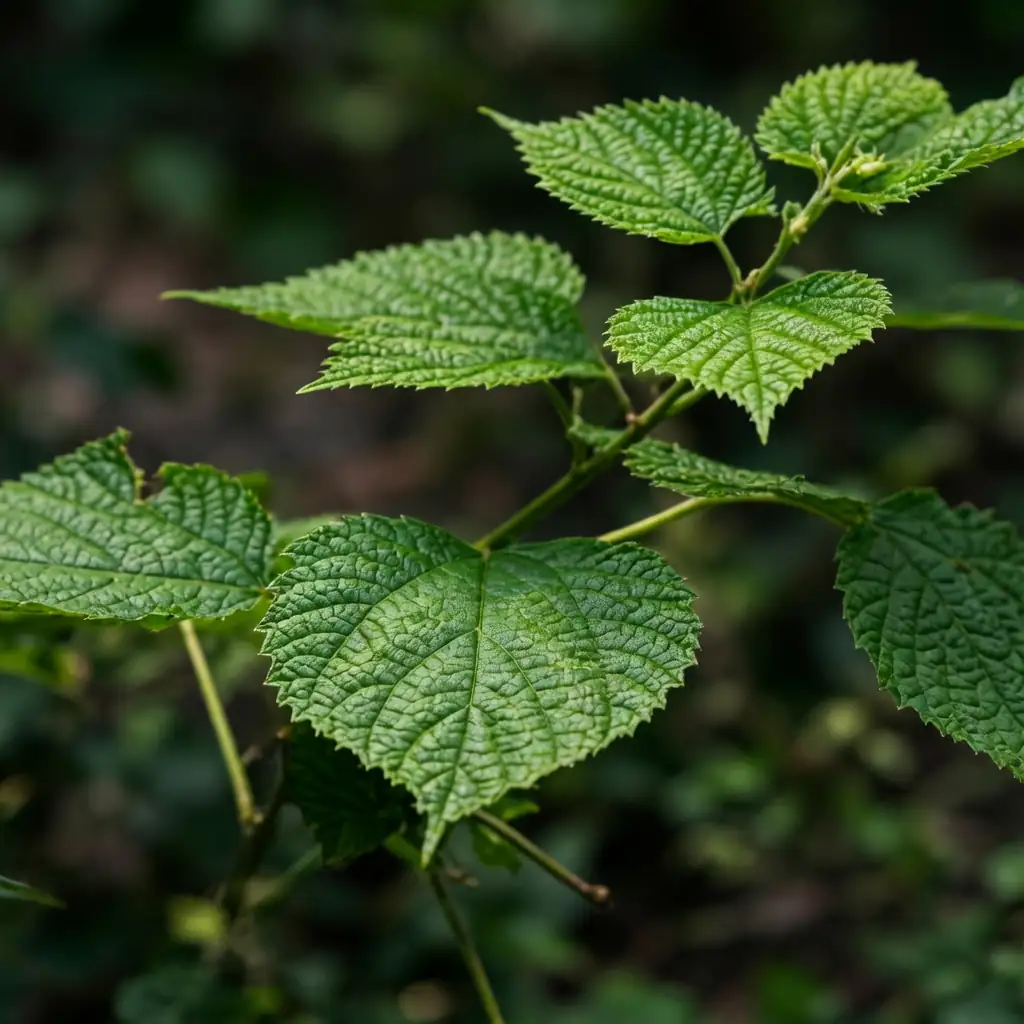
- Size: Typically 0.5–1.5 m (1.6–4.9 ft) tall; often forms a bushy clump.
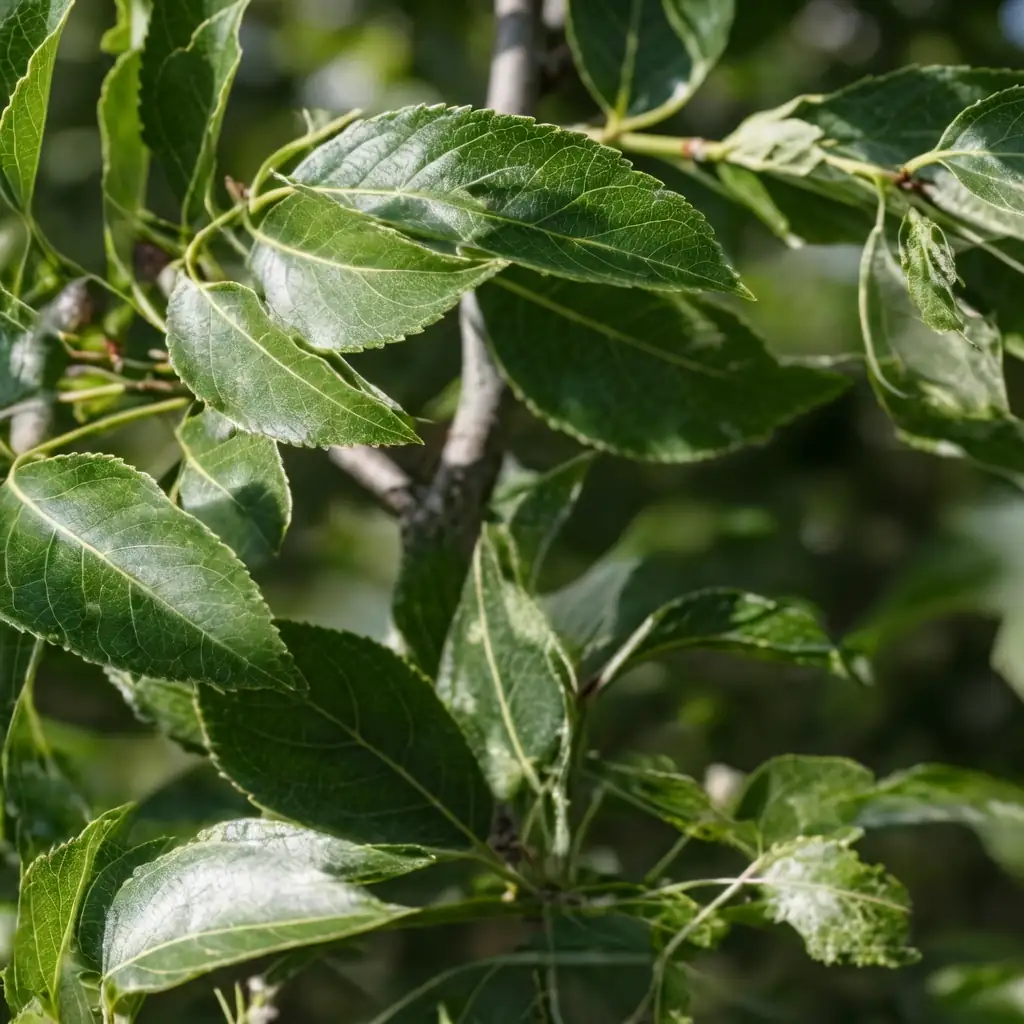
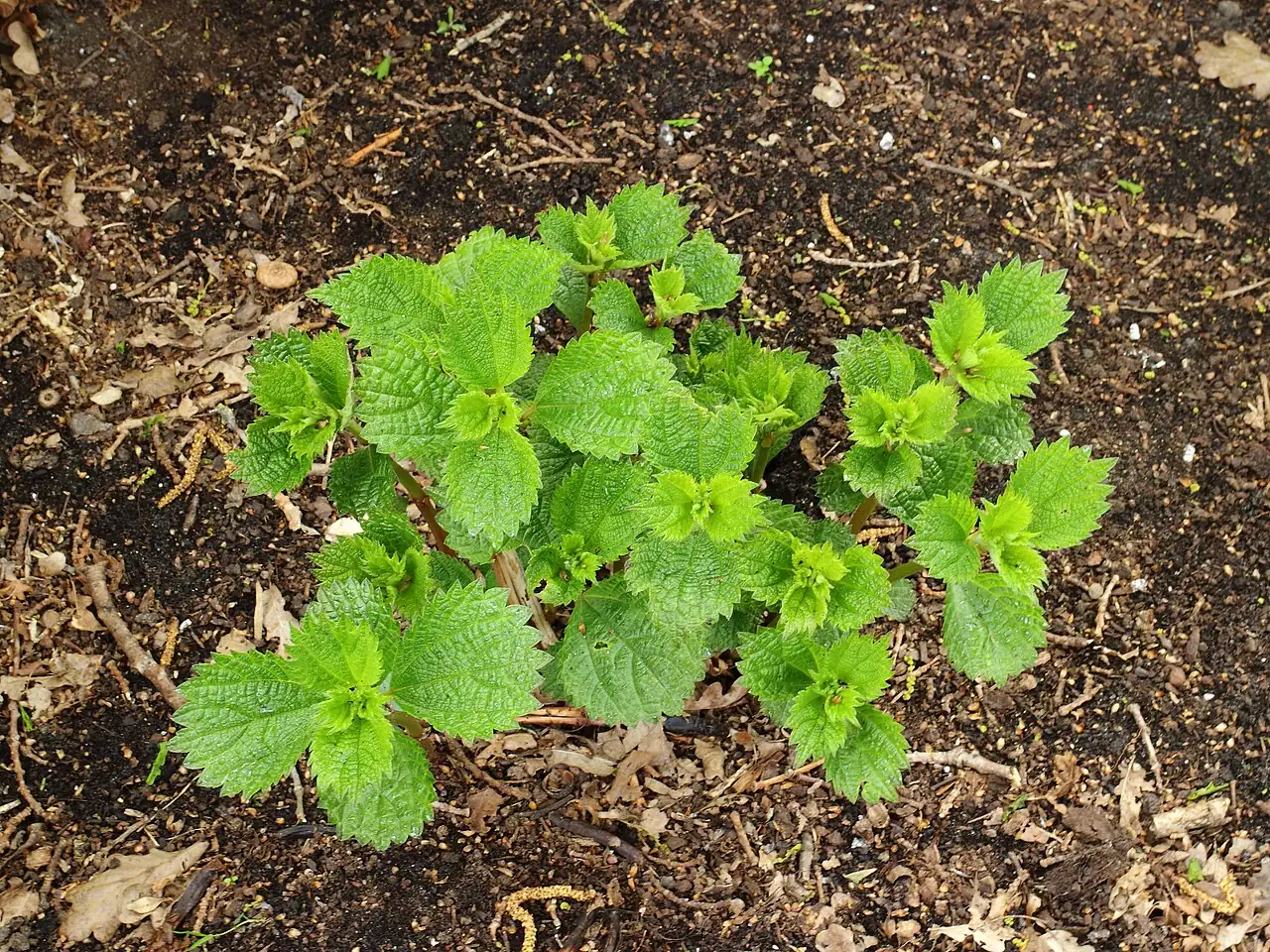
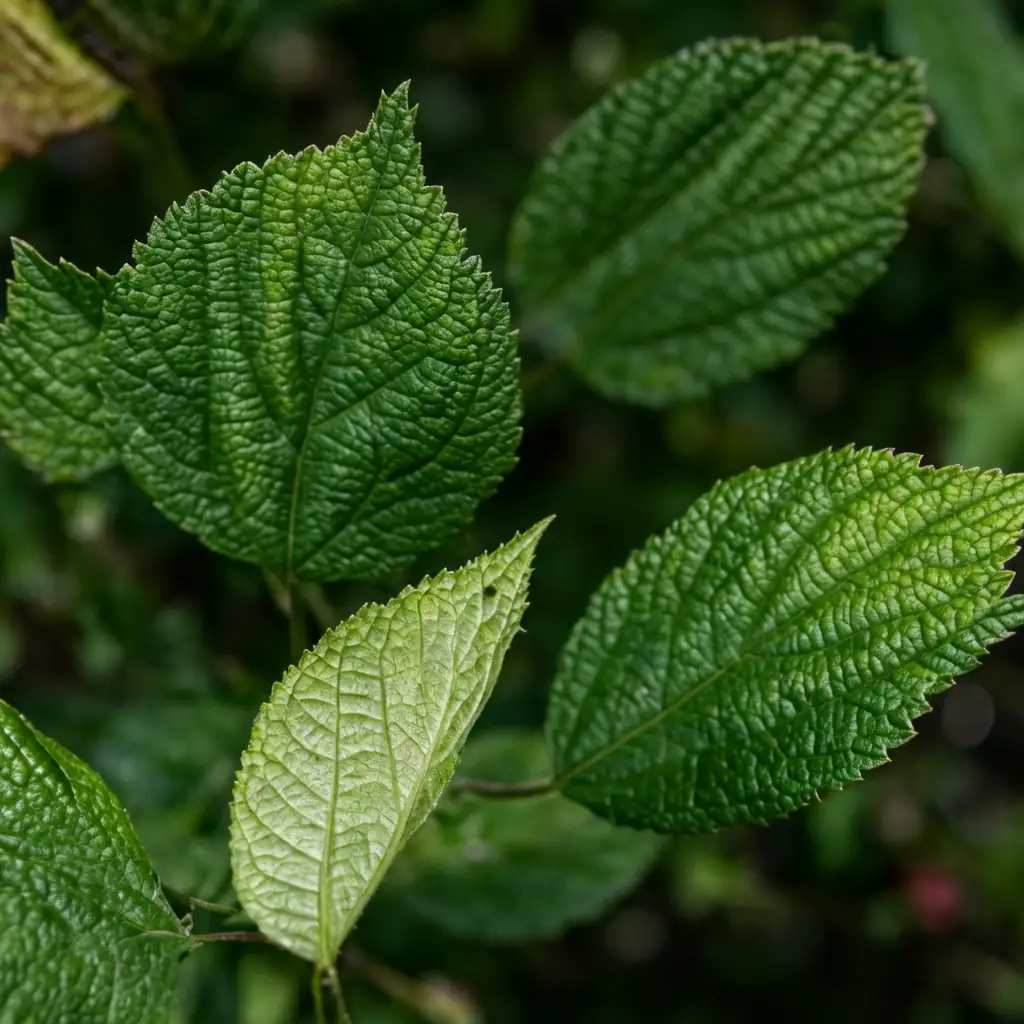
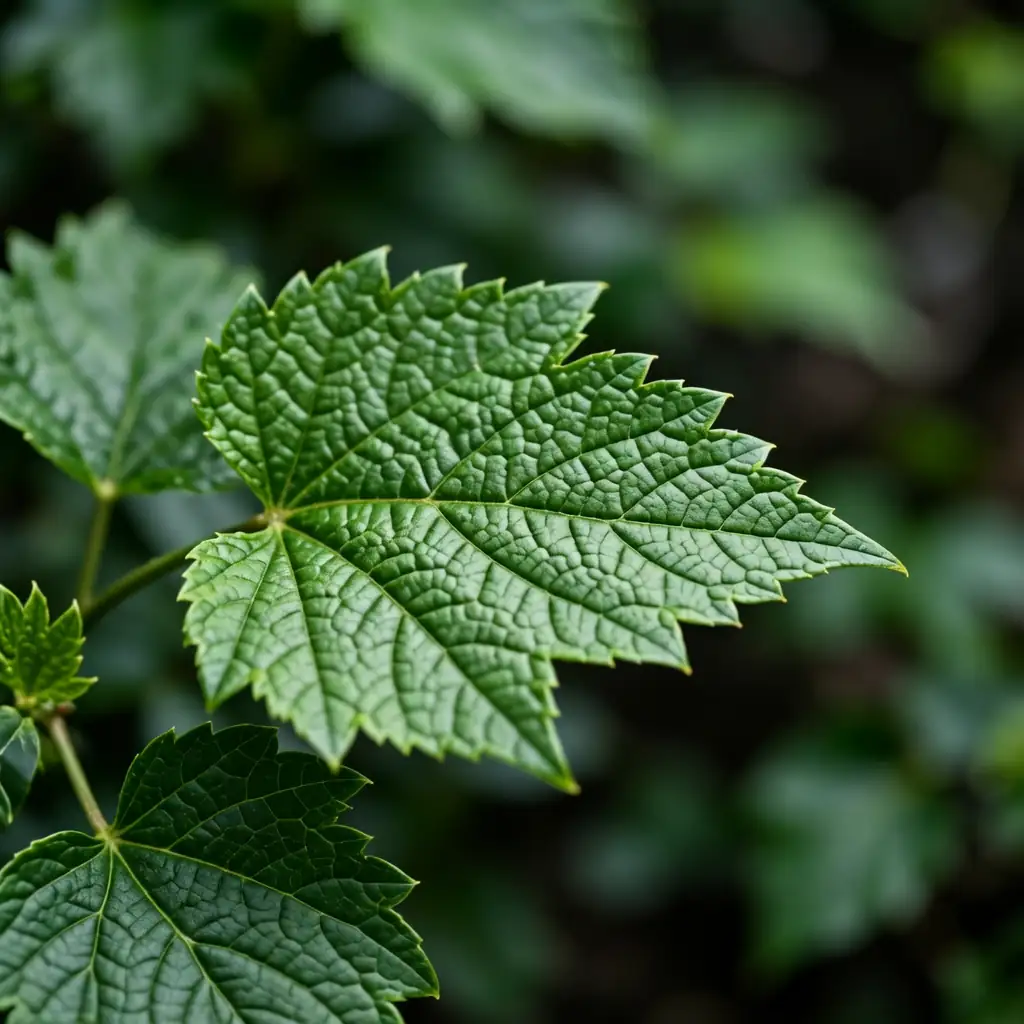
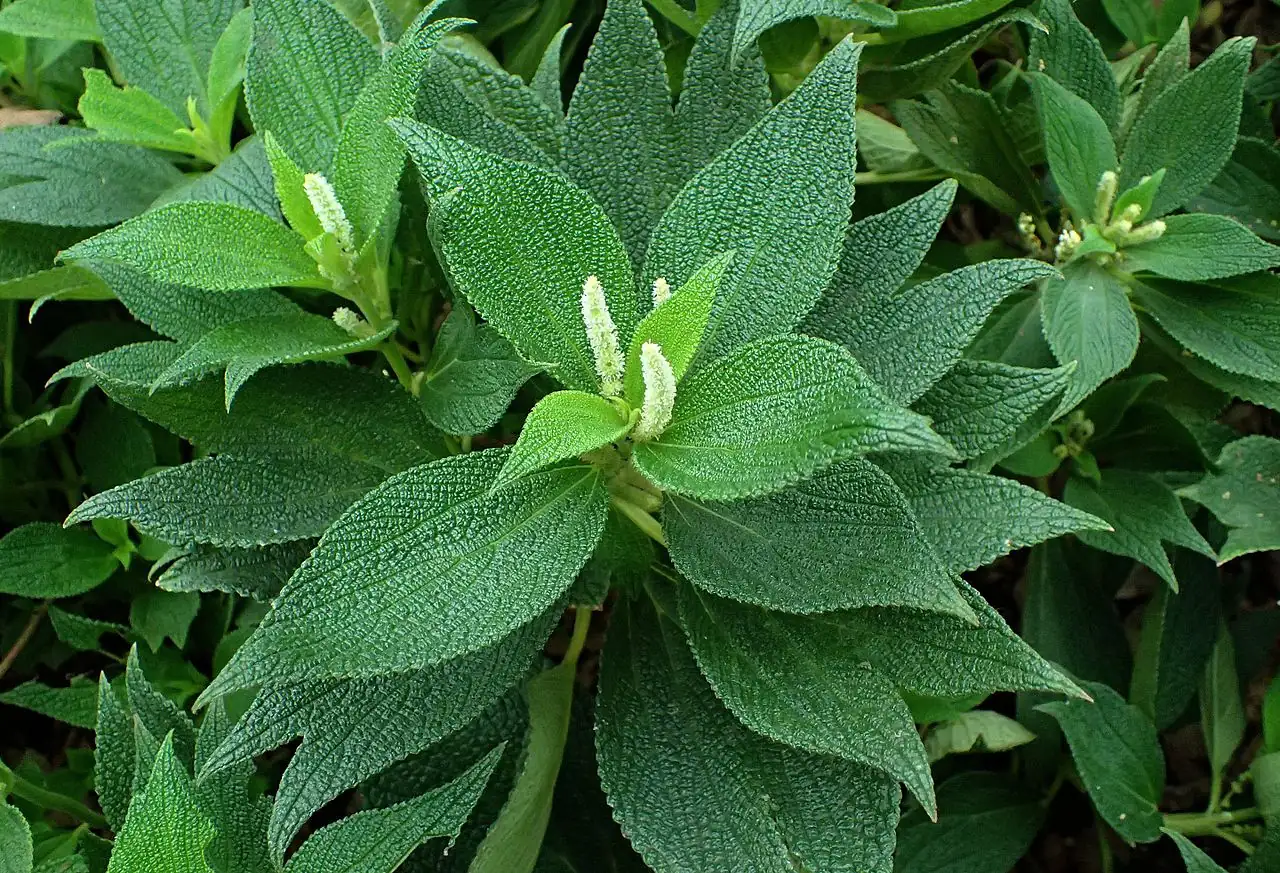
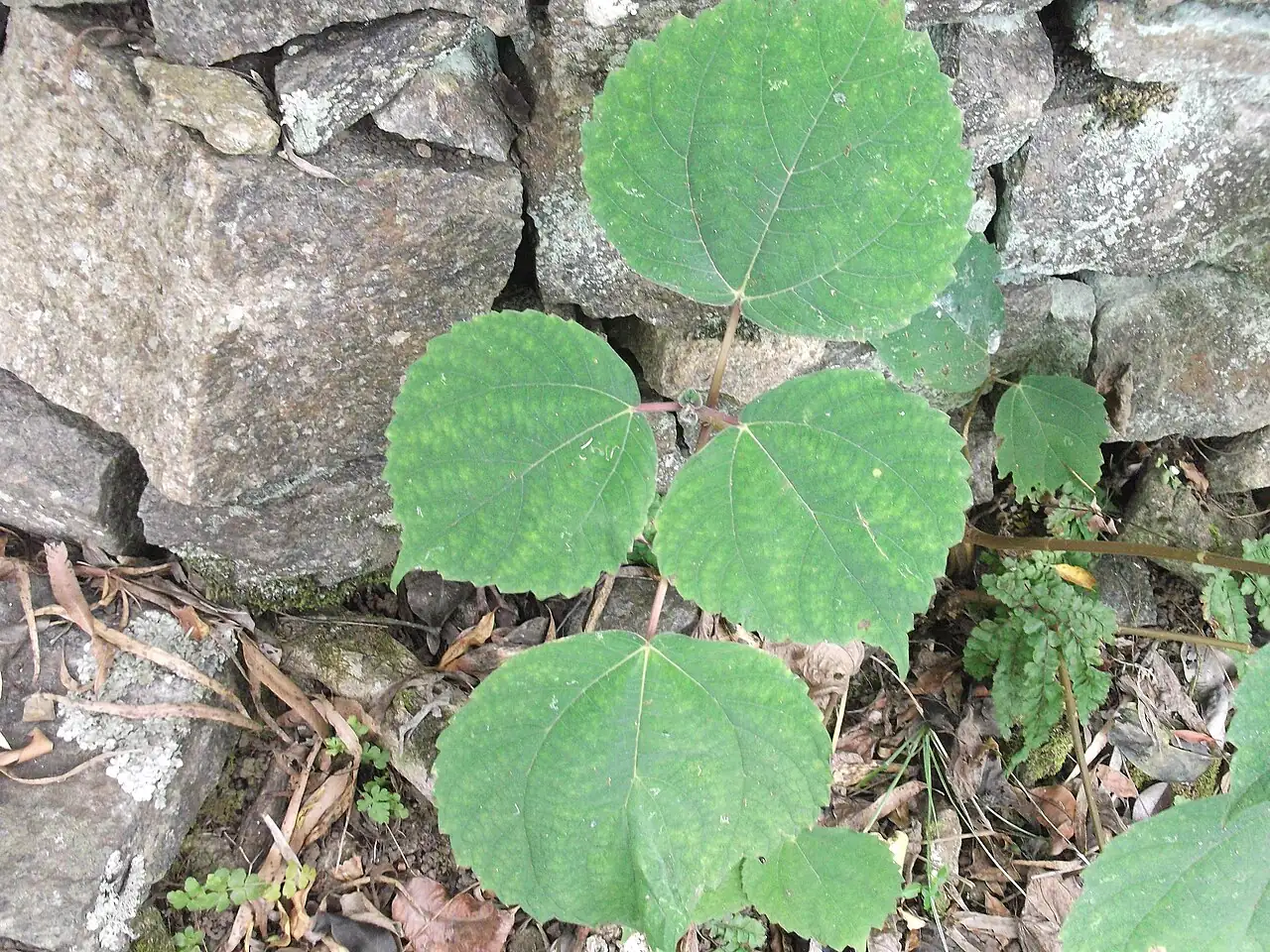
- Foliage: Leaves are alternate and herbaceous, usually round-ovate with toothed margins above the leaf base. The upper surface feels slightly rough with sparse short hairs, while the underside is densely covered in a snow-white, felted (woolly) layer—an excellent identification feature. About three pairs of lateral veins are often noticeable. Stipules are narrow, awl- to lance-shaped, and hairy on the back.
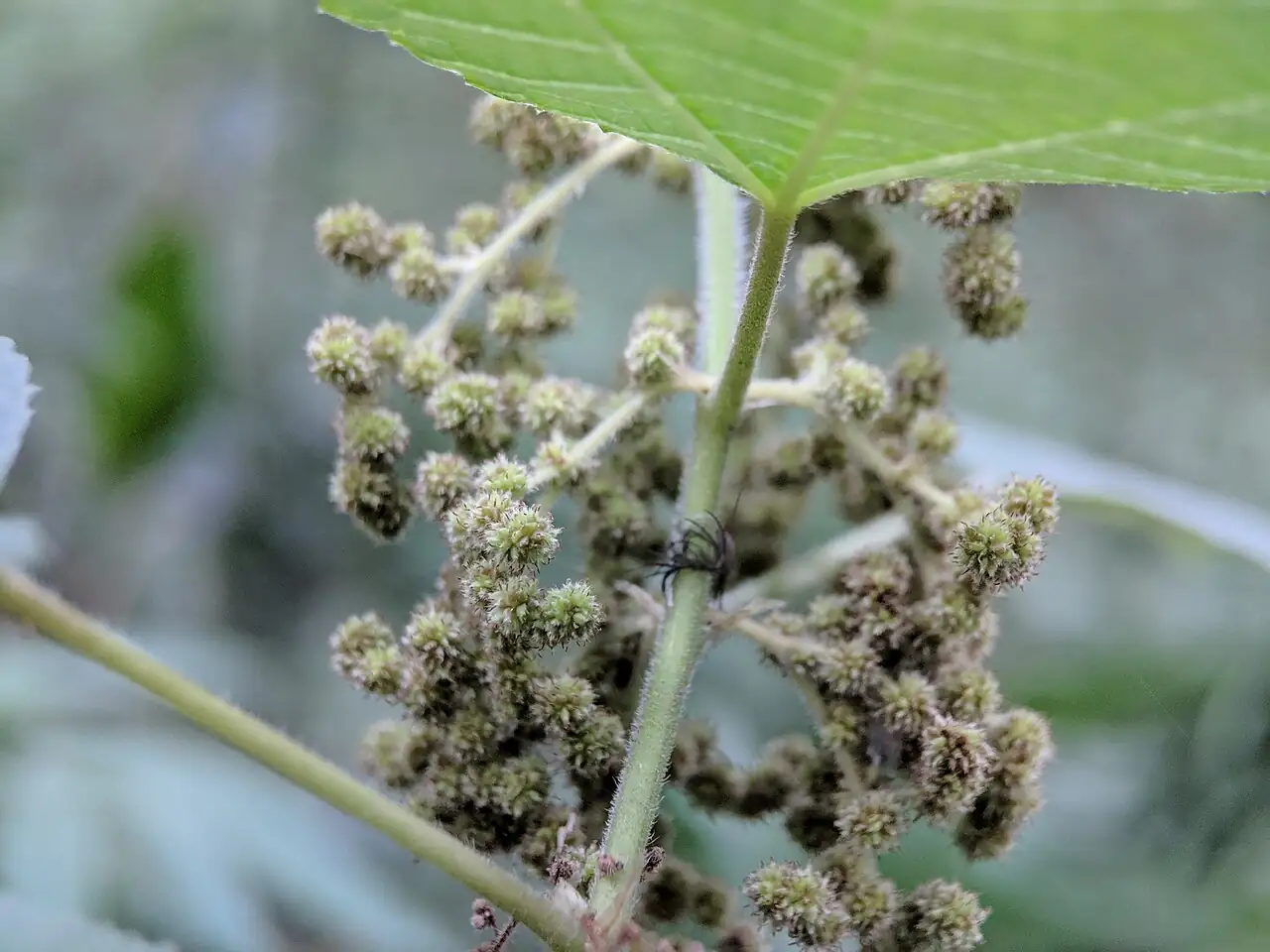
- Flower: Flowers are small and inconspicuous, borne in axillary panicles. Fruit is a smooth, nearly spherical achene that narrows abruptly at the base into a slender stalk.
- Flowering Season: May–August (May–August)
- Growth Habit: Perennial subshrub to shrub; clump-forming, vigorous, and readily resprouts from the base after cutting.
Environment
Sunlight
Full sun to light shade; strongest growth usually comes with bright light. In some climates it’s described as having a short-day tendency for flowering.
Temperature
Warm-season grower; best growth around 20–30°C (68–86°F). Protect from hard frost; growth slows noticeably in cool weather.
Humidity
Prefers moderate to high humidity, but can handle average outdoor humidity as long as the soil doesn’t dry out repeatedly.
Soil
Deep, fertile, loose soil with plenty of organic matter; sandy loam to clay loam works well. Likes moisture-retentive soil, but still needs good drainage (avoid long-term waterlogging).
Placement
Best outdoors in fields or large garden beds—especially on flats, gentle slopes, hillsides, or alluvial plains. Also suitable for soil-stabilizing/erosion-control plantings where it has room to spread.
Hardiness
Frost-sensitive overall; most often grown in warm-temperate to subtropical regions. Commonly treated as roughly USDA Zone 8–11 (10–12) depending on cultivar and winter protection.
Care Guide
Difficulty
Moderate outdoors—generally easy once established in warmth and fertile soil. Performs best with space, steady moisture, and regular feeding (especially if grown for fiber).
Buying Guide
Pick vigorous plants with multiple healthy shoots, good leaf color, and no obvious pest damage (aphids/mites) or spotting. For fiber production, choose named or locally proven cultivars suited to your area and avoid weak, pot-bound starts.
Watering
Water regularly during active growth to keep soil evenly moist but not soggy. In hot weather, deep watering is better than frequent shallow splashes. Reduce watering in cooler seasons when growth slows.
Fertilization
A heavy feeder. Work in compost or well-rotted manure before planting. During the growing season, apply a balanced fertilizer about every 4–6 weeks, or use a slow-release product following the label.
Pruning
Cut back old, damaged, or leggy stems to encourage fresh shoots. In fiber systems, stems are cut/harvested periodically; in gardens, trim to maintain a neat clump and prevent sprawling.
Propagation
Easily propagated by division of clumps, root cuttings, or stem cuttings. Division in spring is especially reliable; keep new divisions consistently moist until well rooted.
Repotting
Not ideal as a long-term container plant. If potted, use a large container and refresh the mix annually or repot once roots fill the pot; planting in the ground gives the best growth and yield.
📅 Seasonal Care Calendar
Flowering: May–August (May–August). Fruiting: August–October (Aug–Oct). Keep water and nutrients steady through the warm growing season; taper both as temperatures drop and growth slows.
Pests, Diseases & Safety
Common Pests & Diseases
Usually resilient. Watch for aphids, spider mites (especially in hot, dry conditions), and leaf-spot diseases when foliage stays wet and air circulation is poor. Improve airflow, avoid overhead watering late in the day, and use targeted controls if outbreaks become serious.
Toxicity
Not generally considered toxic; leaves have been used as animal fodder. However, the hairy foliage may irritate sensitive skin—gloves are a good idea if you’re prone to itching or rash.
Culture & Symbolism
Uses: A major bast-fiber crop: stems are processed (degummed) to extract strong fibers used for textiles and paper, and sometimes for packing/caulking. The leafy growth can be used as protein-rich fodder. Thanks to dense top growth and a robust root system, it’s also planted for erosion control and soil-and-water conservation. In some local contexts, stems may be used in traditional processing such as alcohol fermentation or sugar-related uses.
Fun Facts
- Flip a leaf over—ramie’s bright white, felted underside is one of the fastest field ID clues.
- Ramie is a true bast-fiber plant: the useful fibers come from the stem bark, not from seeds or leaves.
- It resprouts strongly from the base after cutting, which is why it can be harvested repeatedly in warm seasons.
- Its extensive root system can help stabilize soil, making it useful in erosion-control plantings.