Plant Features
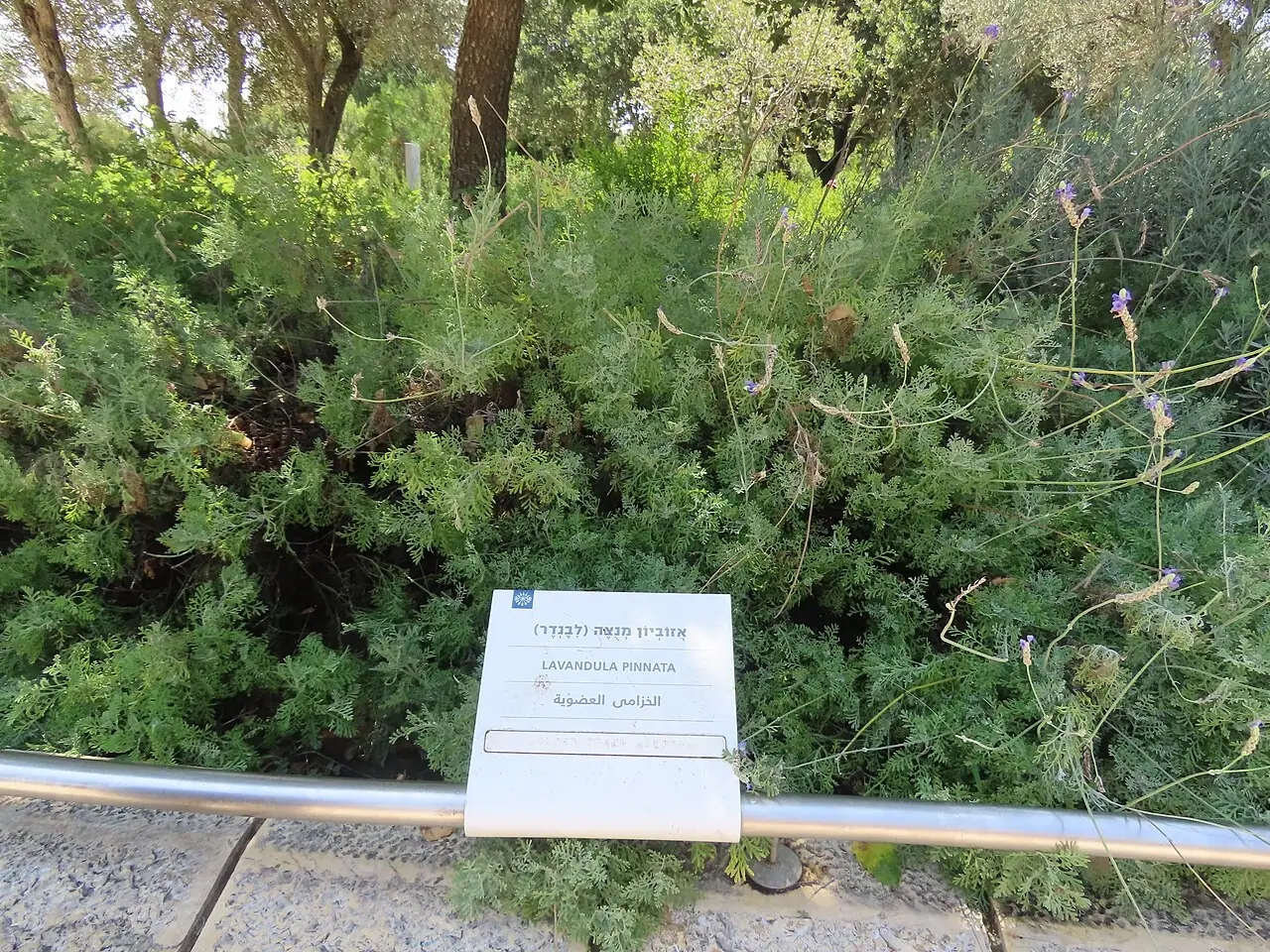
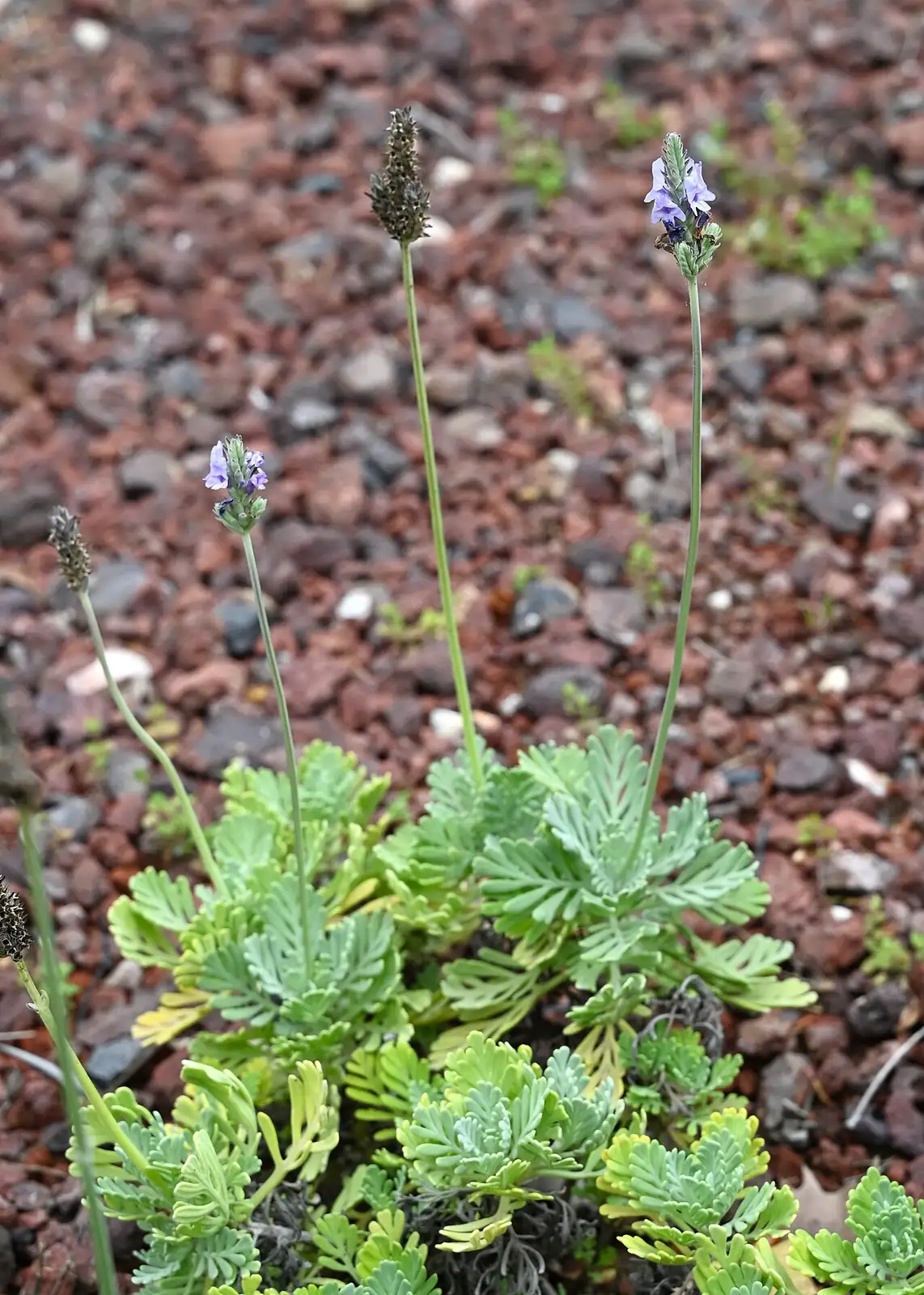
- Size: Typically 30–100 cm (12–39 in) tall; forms an open, spreading shrub.
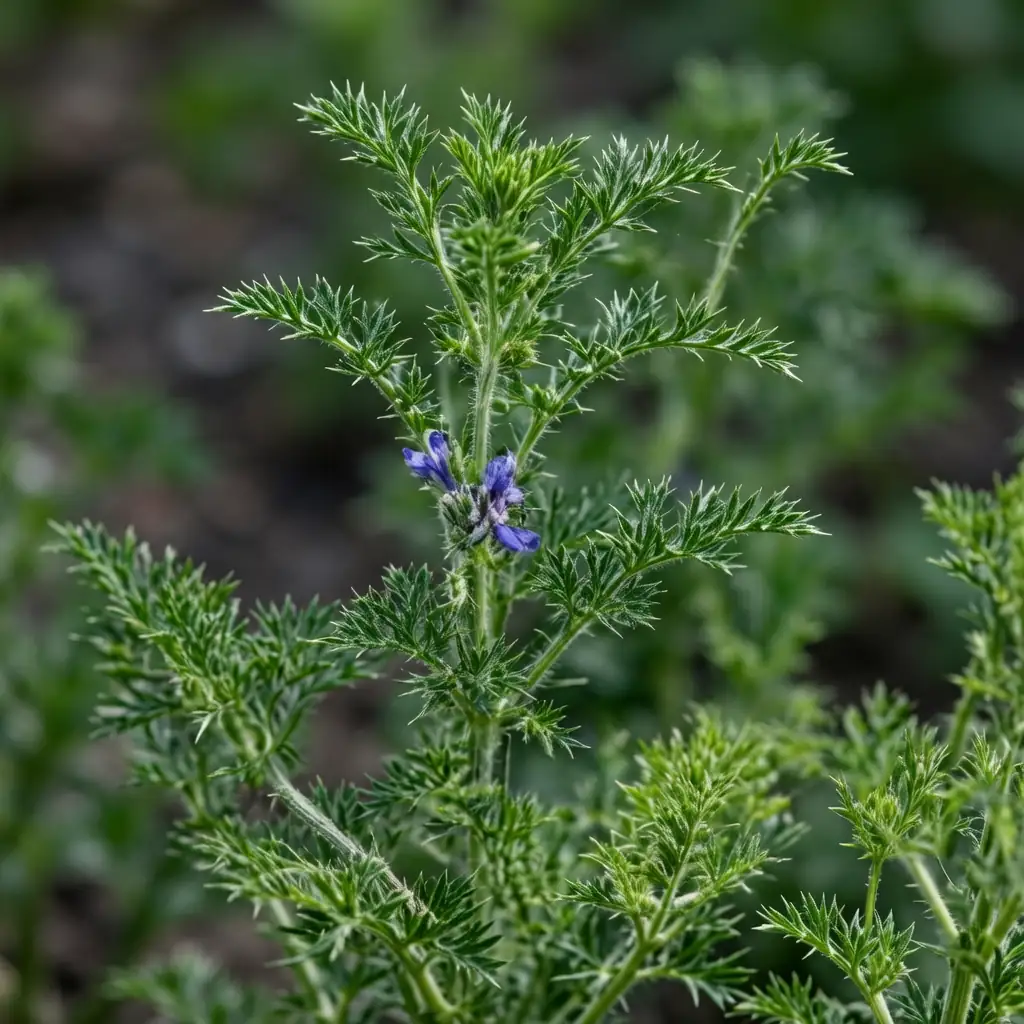
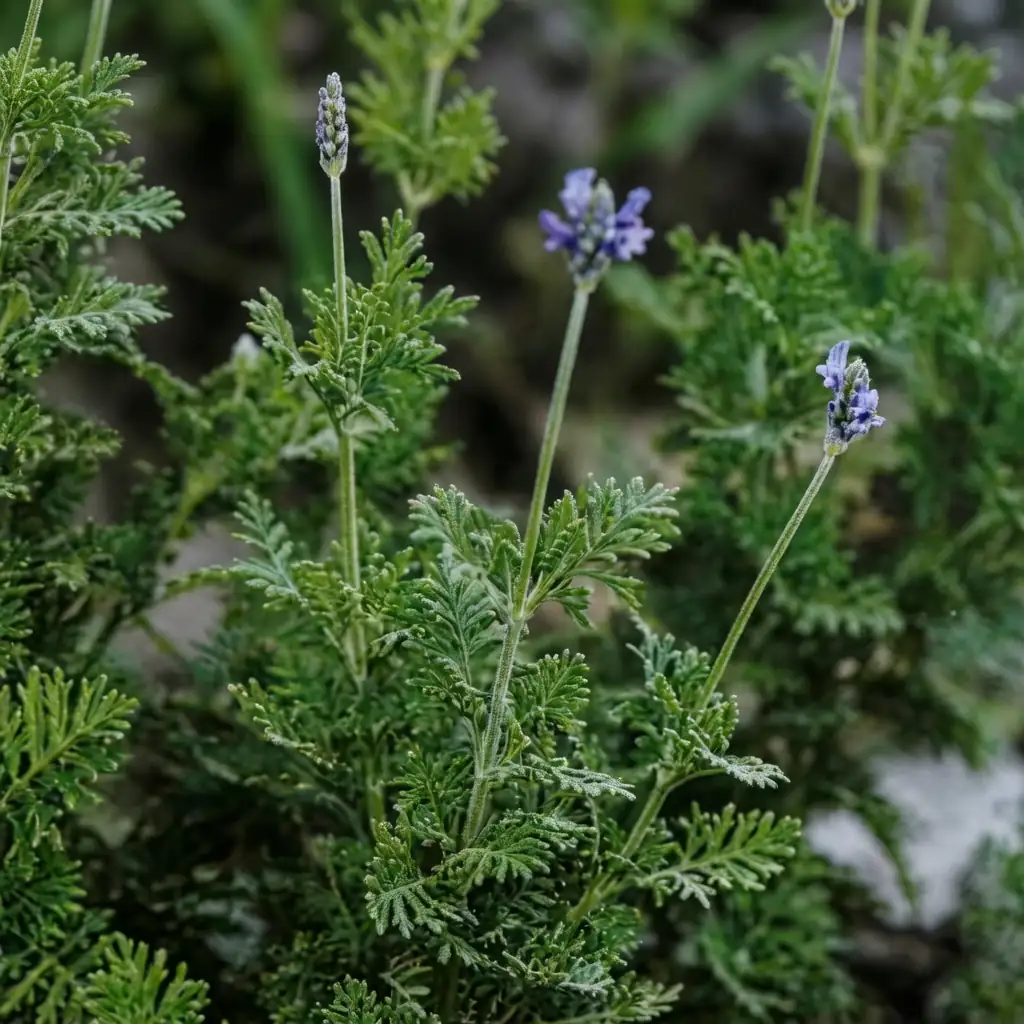
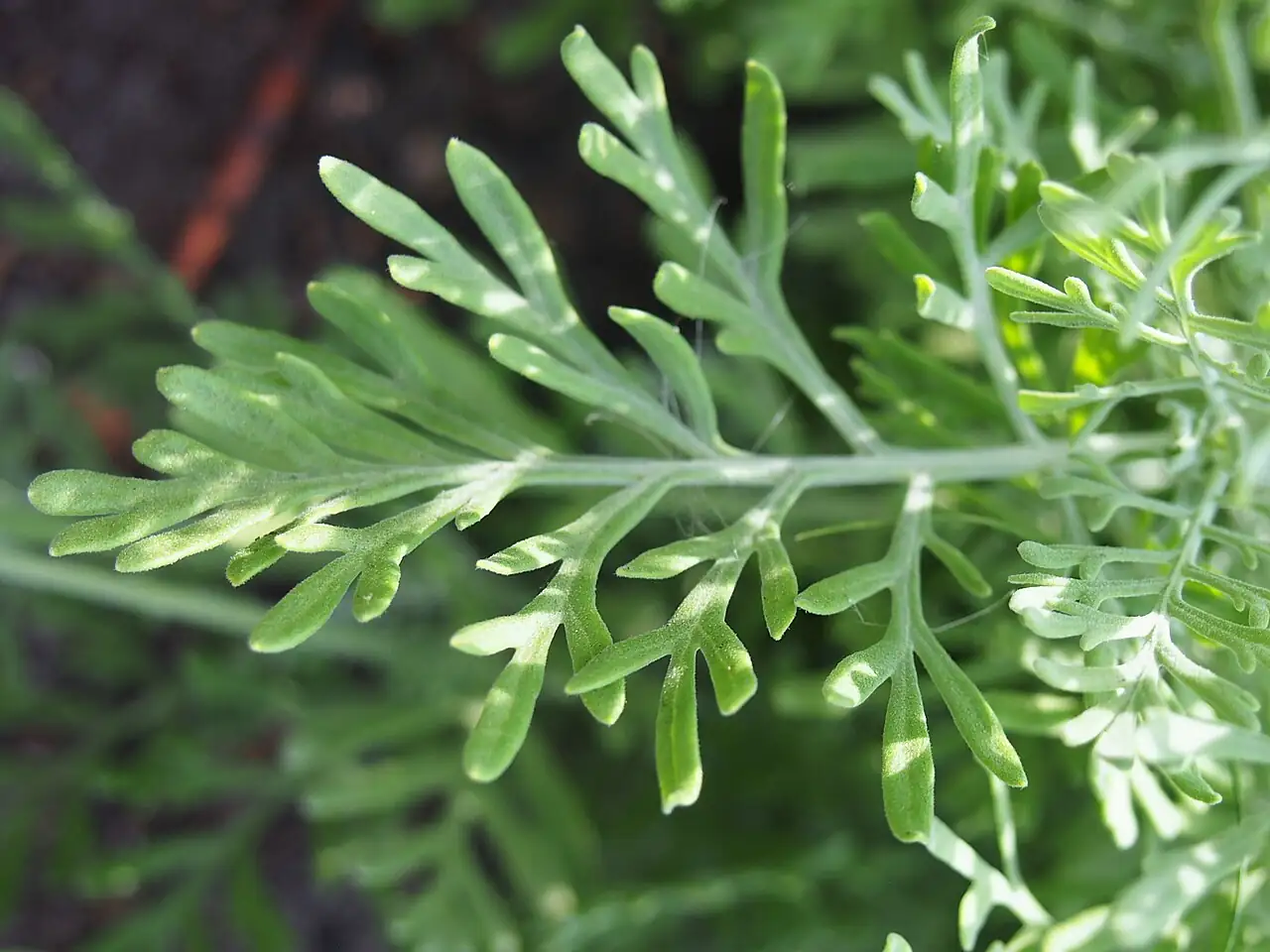
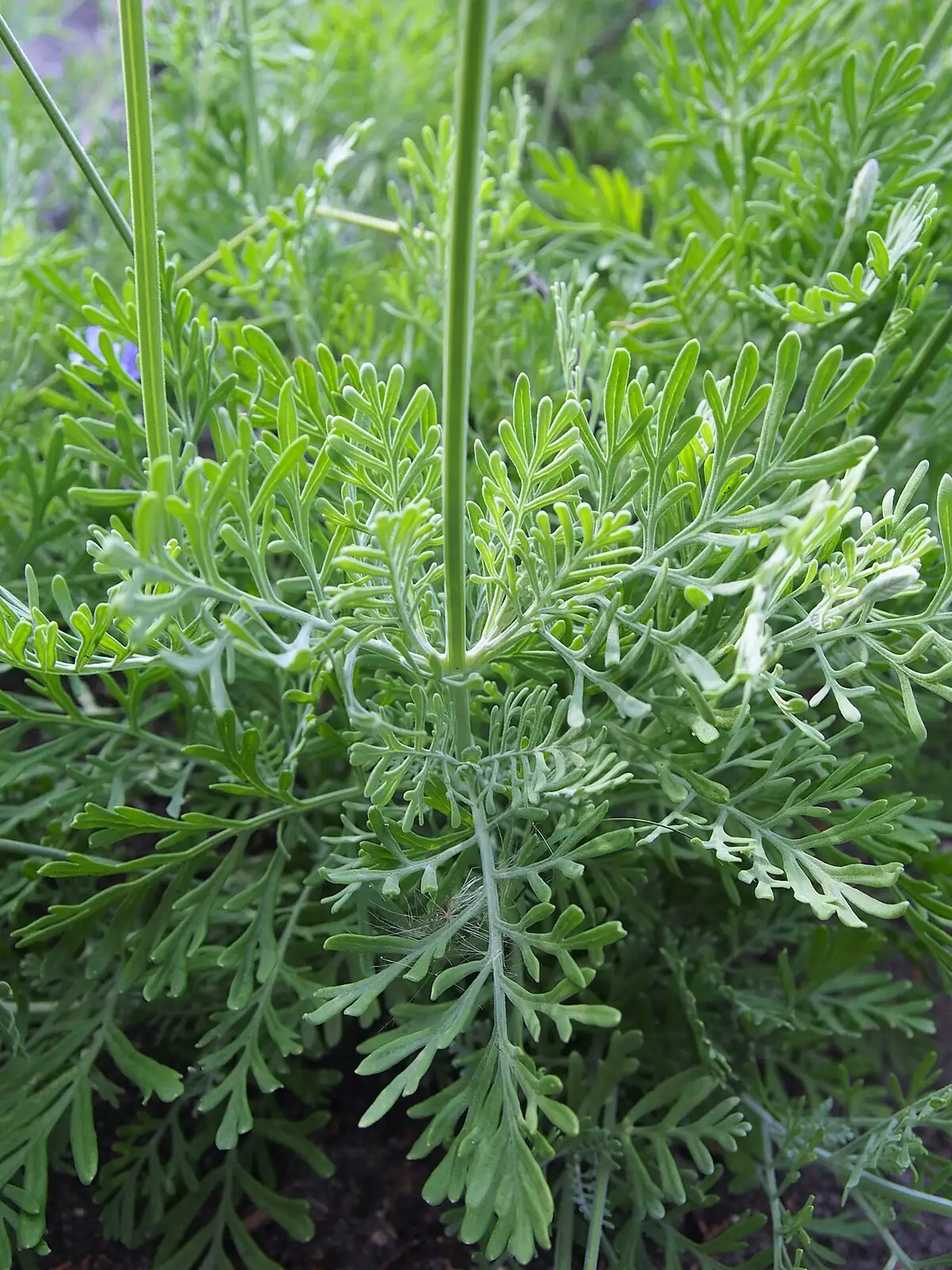
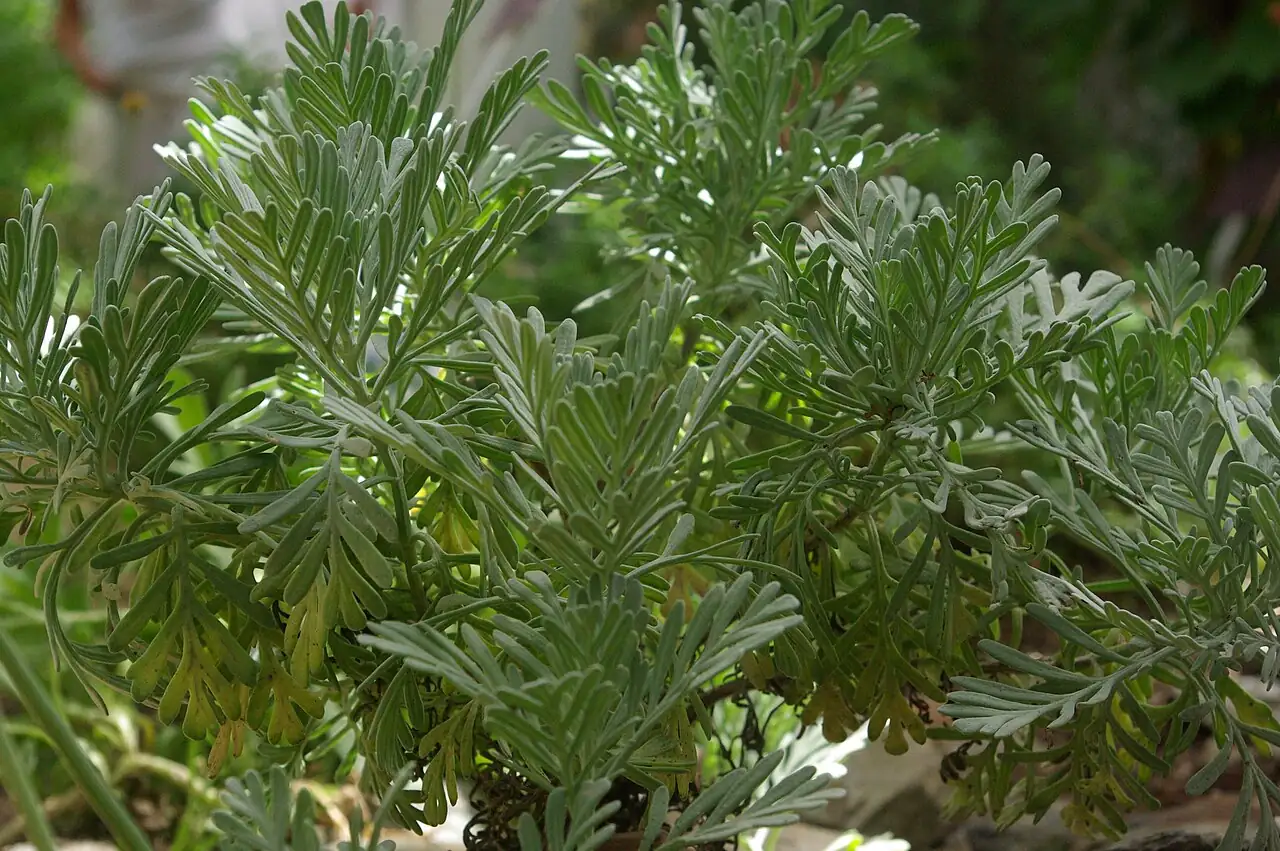
- Foliage: Opposite, highly aromatic leaves that are deeply cut into narrow segments, creating a light, ferny, feathery texture and a distinctive look compared with many other lavenders.
- Flower: Deep purple, tubular flowers with a clear two-lipped form and darker veining/markings; pleasantly scented and held above the foliage on stems typical of lavenders.
- Flowering Season: Often blooms for much of the year in mild climates; main flowering typically from November to May–June, with flowering sometimes pausing during very hot summer periods.
- Growth Habit: Small, open, spreading shrub; semi-evergreen to evergreen in frost-free climates.
Environment
Sunlight
Full sun for best growth and flowering; in very hot summers, light afternoon shade can reduce heat stress.
Temperature
Grows best around 15–25°C (59–77°F). Tolerates heat but dislikes hard frost; avoid prolonged temperatures below about -2 to 0°C (28–32°F).
Humidity
Low to moderate humidity with good airflow is ideal; persistent high humidity increases the risk of fungal problems.
Soil
Very well-drained soil is essential—sandy or gritty mixes work best. Avoid heavy clay and waterlogged conditions to prevent crown/root rot.
Placement
Sunny borders, Mediterranean-style beds, and mixed plantings; also excellent in containers kept bright, airy, and free-draining.
Hardiness
Typically USDA Zone 9–11; not reliably hardy in cold, wet winters.
Care Guide
Difficulty
Moderate—straightforward in warm, sunny, dry conditions, but can be tricky in humid climates or heavy soils where rot is a common issue.
Buying Guide
Pick compact, bushy plants with healthy, strongly scented foliage. Avoid plants with blackened stems, sour-smelling soggy compost, or dieback at the base (often signs of poor drainage or rot).
Watering
Water deeply, then let the soil/potting mix partly dry before watering again. Once established in the ground, water sparingly. In pots, ensure excellent drainage and never leave the container standing in water—overwatering is one of the fastest ways to lose lavender.
Fertilization
Feed lightly. In spring, use a small amount of compost or a balanced, low-nitrogen fertilizer. Too much nitrogen makes lush, soft growth with fewer flowers and can increase rot risk.
Pruning
After a main flush of flowers, lightly trim to shape and remove spent flower stems. Don’t cut back hard into old, leafless wood—leave some green growth so the plant can reliably reshoot.
Propagation
Best from cuttings: softwood cuttings in spring or semi-ripe cuttings in late summer to early autumn. Root in a gritty, free-draining medium with bright light and gentle humidity (moist, not wet).
Repotting
Repot every 1–2 years in spring into a slightly larger pot with a fast-draining, gritty mix. Use pots with drainage holes and consider adding extra mineral grit for better aeration.
📅 Seasonal Care Calendar
Spring: light feeding, refresh top dressing (grit/mulch), and begin light shaping. Summer: reduce watering, provide afternoon shade during extreme heat, and expect possible flowering pauses. Autumn–winter (mild climates): peak flowering; keep on the dry side while maintaining strong light and airflow.
Pests, Diseases & Safety
Common Pests & Diseases
Aphids may appear on tender new growth; spider mites can show up in hot, dry spells. The biggest risk is root/crown rot in poorly drained soil or overwatered pots. In humid, low-airflow conditions, fungal leaf issues can occur—improve ventilation and avoid wetting foliage late in the day.
Toxicity
Generally low toxicity. However, the aromatic oils may irritate sensitive skin. Keep concentrated essential oils and large ingestions away from children and pets; if a pet chews a significant amount and seems unwell, contact a veterinarian.
Culture & Symbolism
Symbolism: Like many lavenders, it’s linked with calm, relaxation, freshness, and a “clean” feeling—perfect for soothing, fragrant gardens.
History & Legends: A distinctive Canary Islands lavender that’s become a favorite worldwide thanks to its fern-like foliage and its ability to flower for long periods in mild climates.
Uses: Mainly grown as an ornamental for borders and containers, especially in Mediterranean-style and drought-tolerant plantings; also valued for its garden fragrance from both leaves and flowers.
FAQ
Why did my fernleaf lavender stop flowering in summer?
In very hot weather it often takes a natural rest and pauses blooming. Give it full sun with a bit of afternoon shade during heatwaves, avoid overwatering, and flowering usually resumes when temperatures cool.
Can I grow Lavandula pinnata indoors?
Only if you can provide very strong light (the sunniest window or dedicated grow lights) plus excellent airflow. Outdoors in full sun is usually easier and results in sturdier growth and better flowering.
Fun Facts
- It’s native to the Canary Islands but is now grown worldwide.
- In mild climates it can bloom for extended periods, often peaking in the cool season.
- Heatwaves can temporarily pause flowering as the plant rests.
- Both the leaves and flowers are noticeably fragrant.
- Its fern-like, finely divided leaves make it instantly recognizable among lavenders.