Plant Features
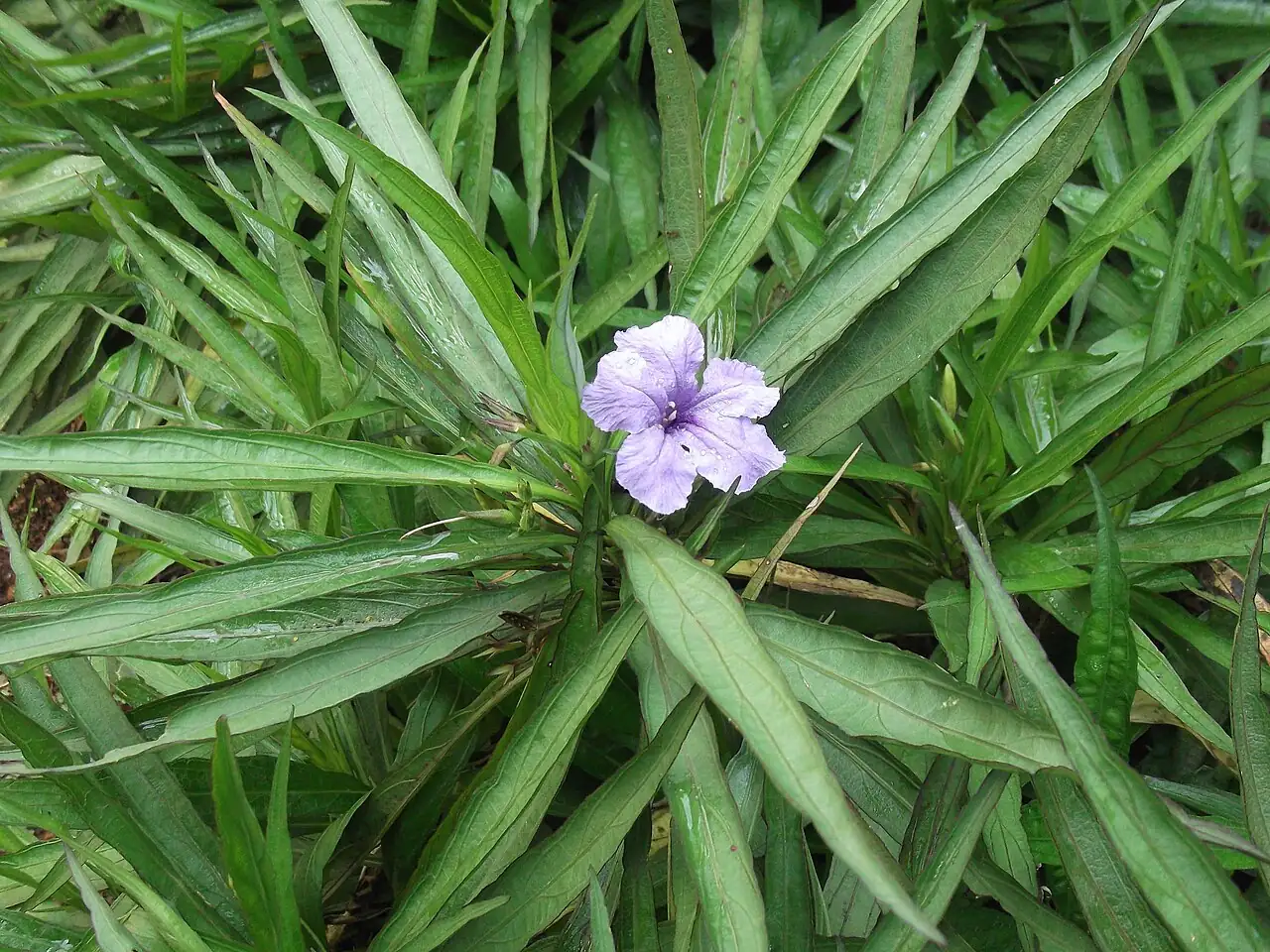
- Size: Typically 20–60 cm (8–24 in) tall and clump-forming; spreads gradually over time.
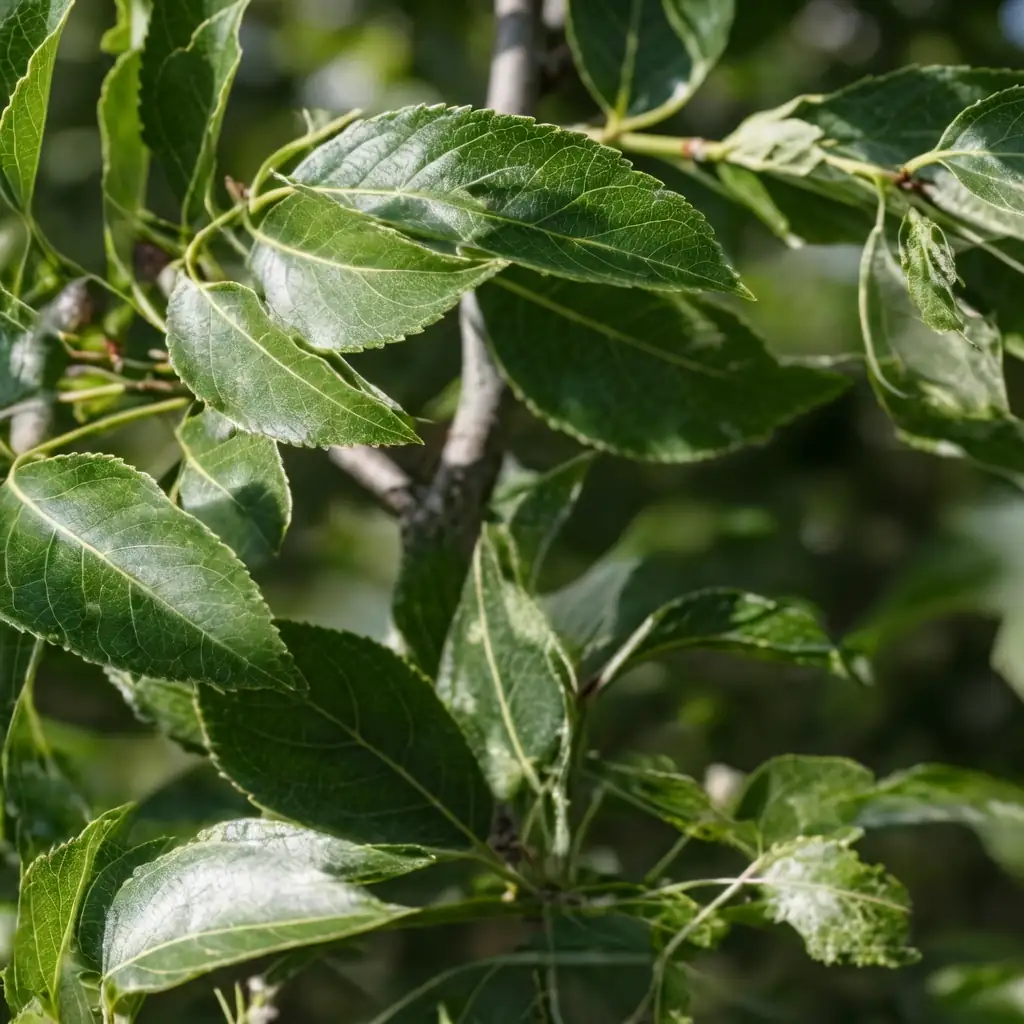
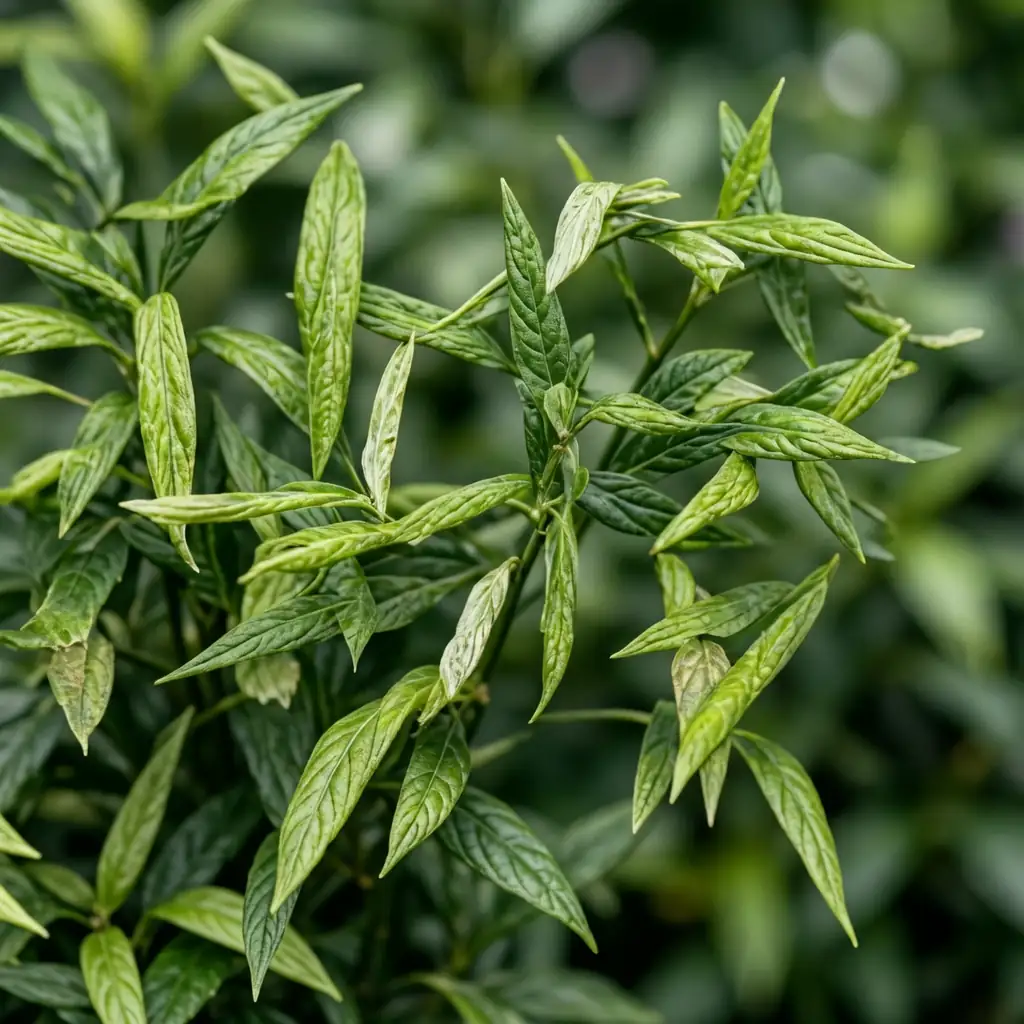
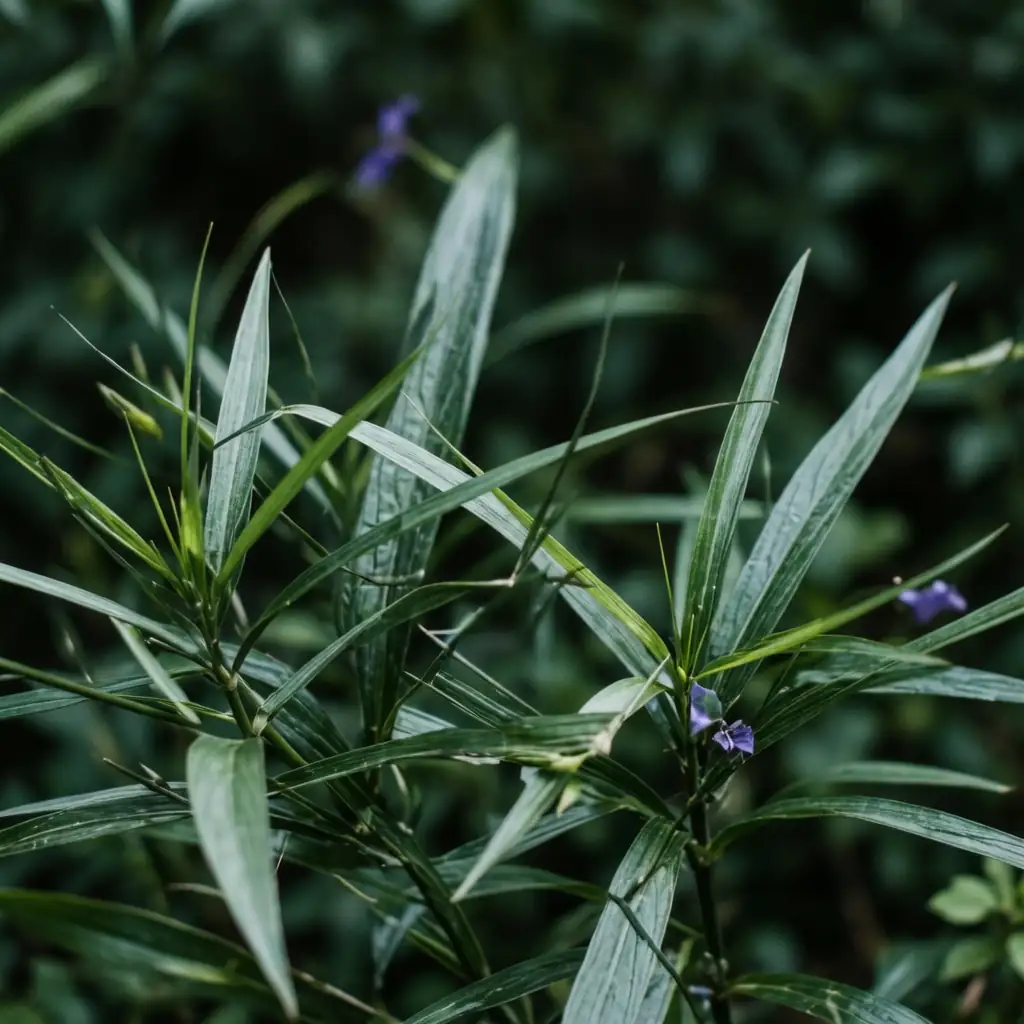
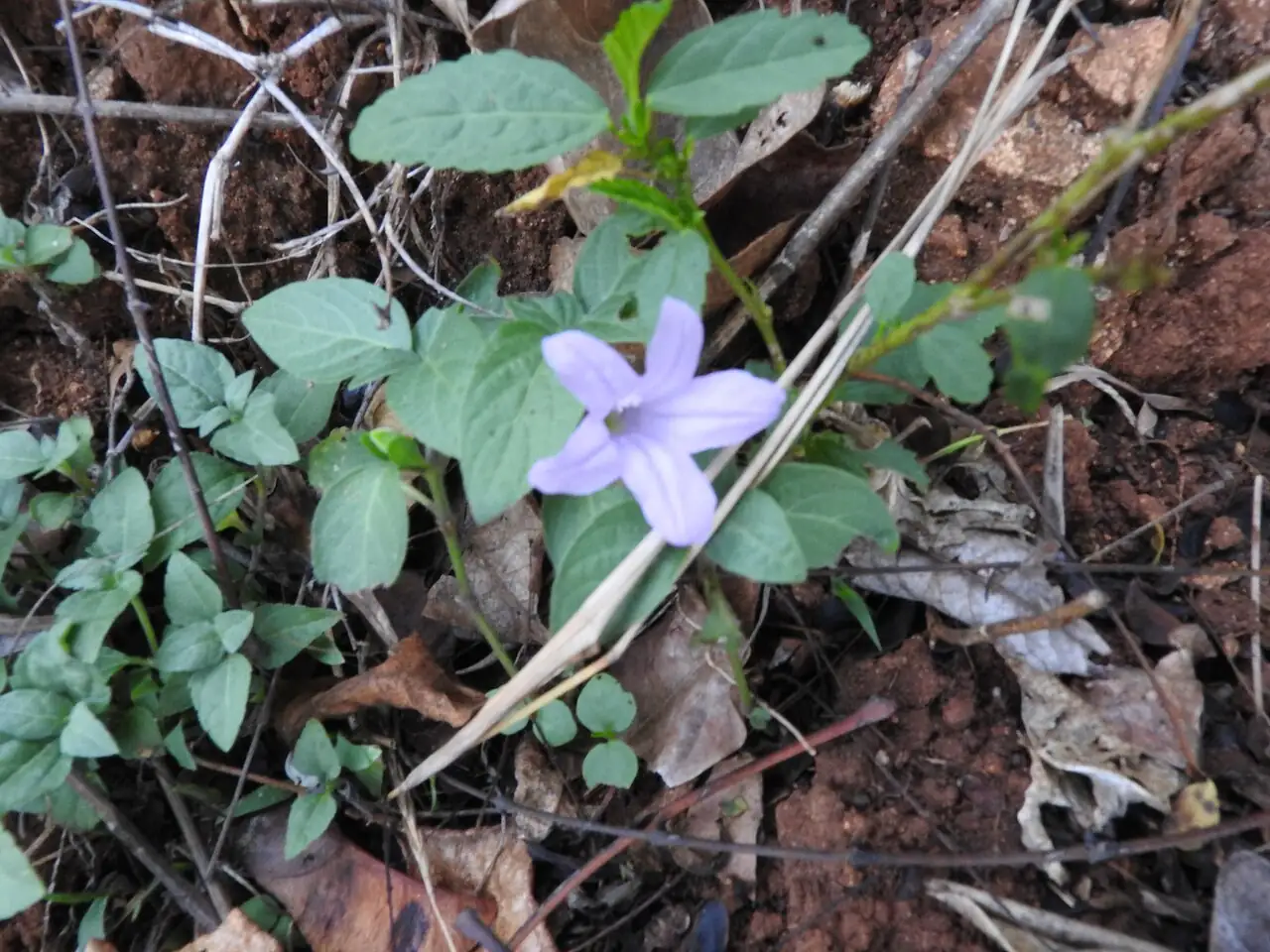
- Foliage: Leaves are opposite, simple, and narrow lance-shaped. Foliage is deep green; new growth and leaf stalks may show a purplish-red tint.
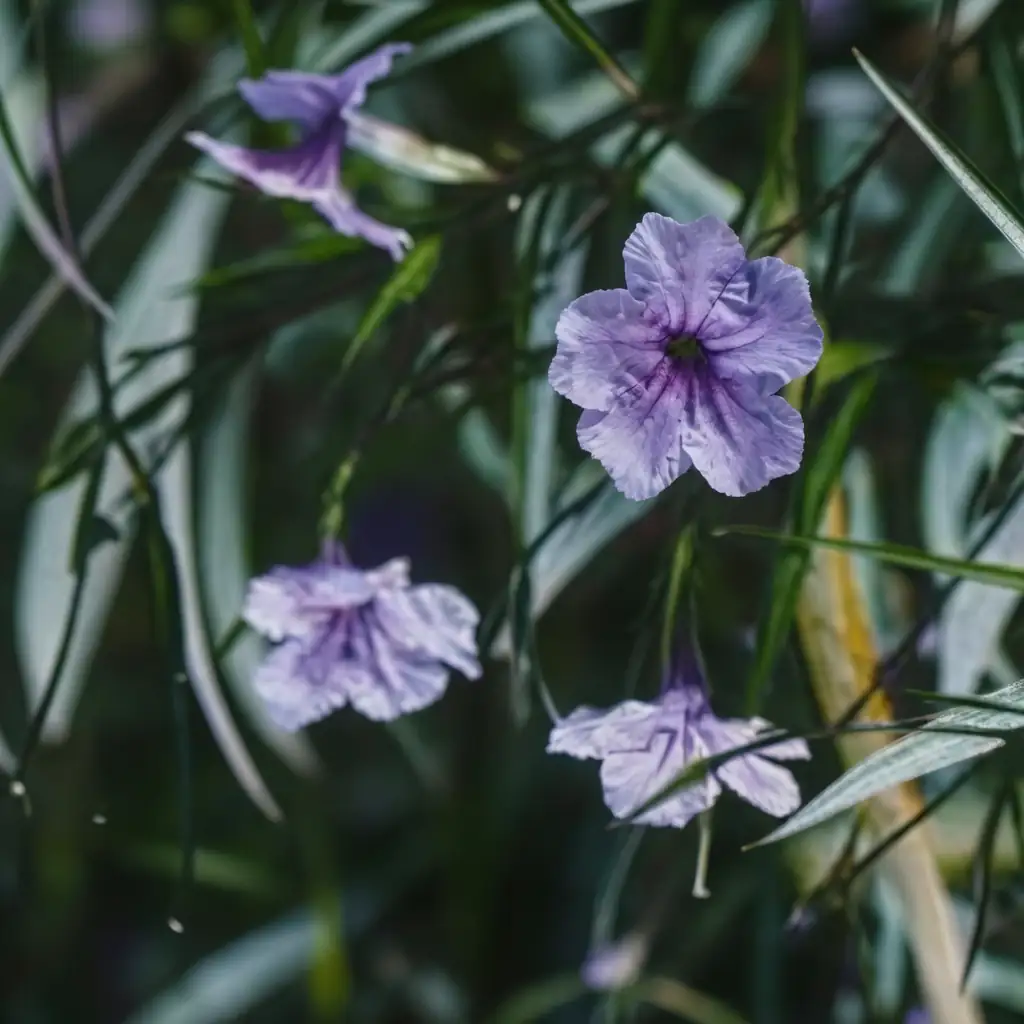
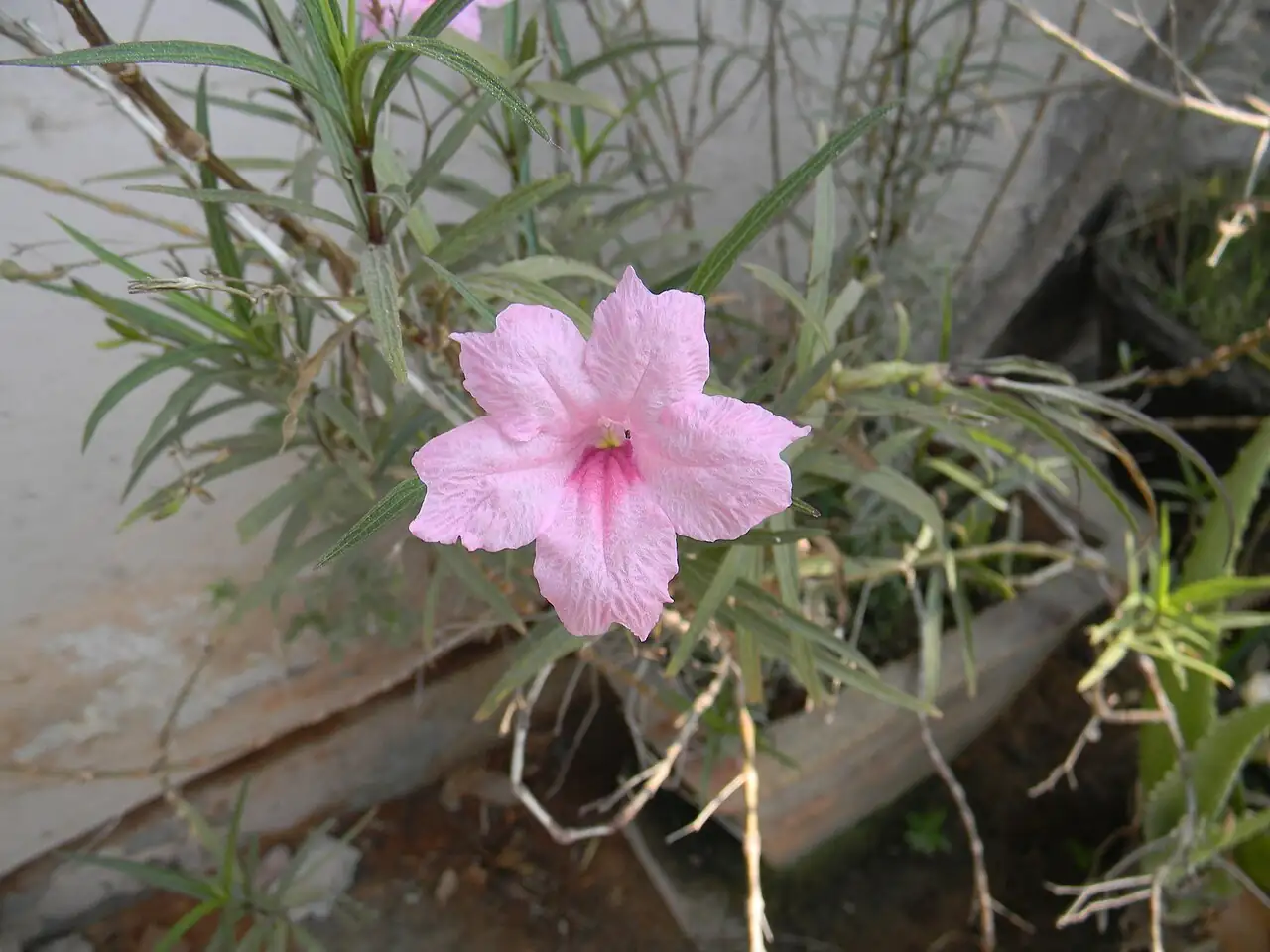
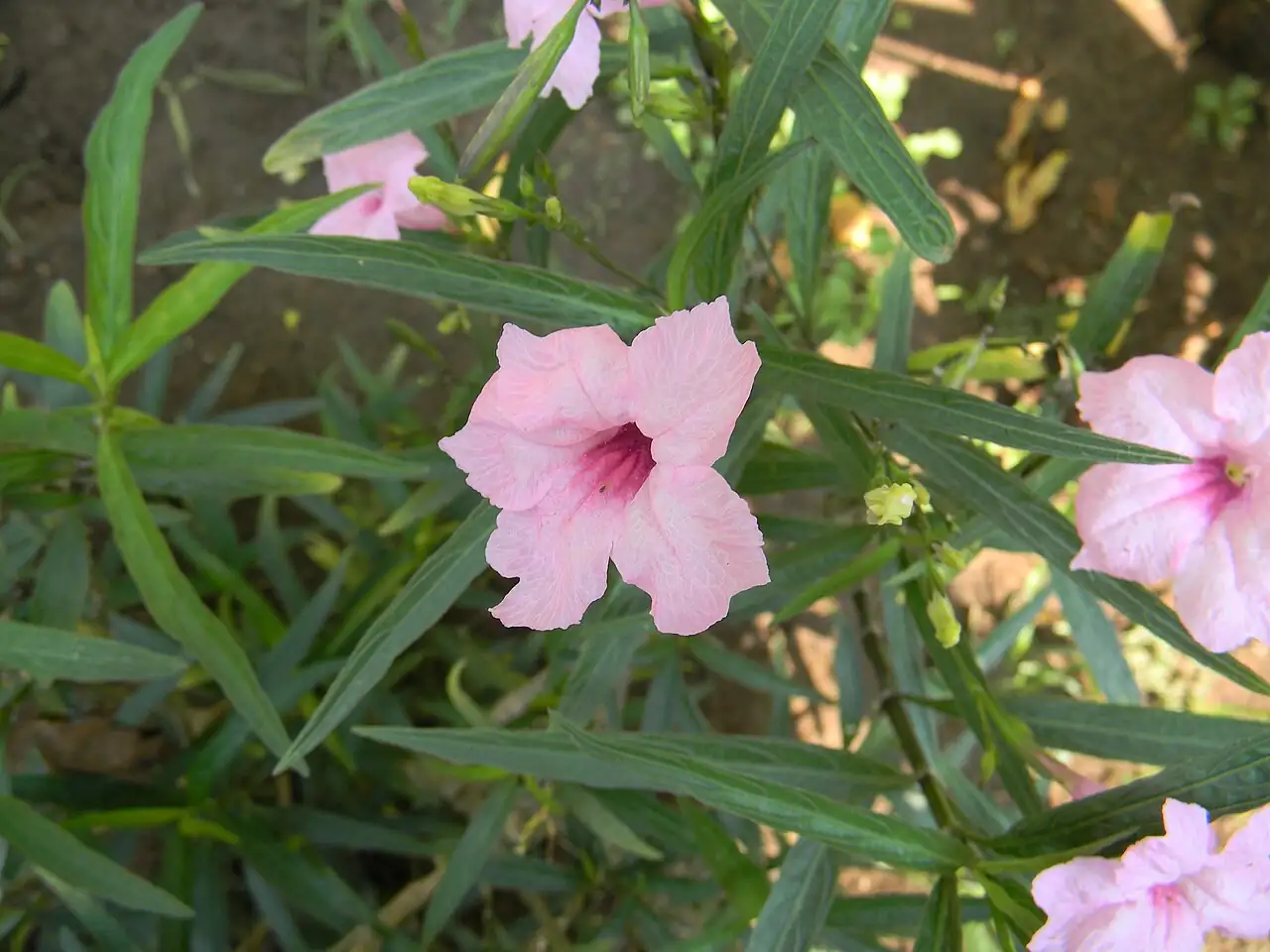
- Flower: Flowers are axillary, funnel- to trumpet-shaped with 5 lobes and subtle radial striping; the edges can look lightly wavy. Most commonly blue to violet, with occasional pink or white forms. After flowering, elongated capsules form and split when ripe, releasing very fine, powder-like seeds.
- Flowering Season: March–October (spring through fall; exceptionally long blooming).
- Growth Habit: Clump-forming herbaceous perennial; resilient and adaptable for bedding, borders, mass plantings, rock gardens, and container growing.
Environment
Sunlight
Full sun to partial shade (best flowering in brighter light).
Temperature
Prefers warmth; best growth at 22–30°C (72–86°F).
Humidity
Adaptable—tolerates dry periods as well as humid/wetter conditions once established.
Soil
Very adaptable; tolerates low-fertility soils and mildly saline/alkaline conditions, as long as drainage is reasonable. Avoid constantly waterlogged potting mixes.
Placement
Great for sunny borders, mass plantings, and containers; especially effective in rock gardens or along walls/stonework where heat and poorer soils challenge other plants.
Hardiness
Usually grown outdoors in warm climates; roughly USDA Zone 9–11. Frost tender to lightly frost tolerant depending on exposure and local conditions.
Care Guide
Difficulty
Easy—an adaptable, forgiving plant that performs well with basic care.
Buying Guide
Choose plants with firm, upright stems and clean, deep-green leaves. Avoid pots with sour-smelling, waterlogged soil, or plants showing heavy spotting, sticky residue, or visible pests.
Watering
Water regularly while establishing. After that, water when the top 2–5 cm (1–2 in) of soil dries. It’s drought tolerant, but blooms best with steadier moisture. It can handle occasional wet spells, but avoid constantly soggy soil—especially in pots.
Fertilization
Light feeder. In containers, use a balanced fertilizer at half strength every 4–6 weeks during active growth, or apply a slow-release product per label. In garden beds, a light spring feeding is usually sufficient.
Pruning
Pinch or trim to encourage branching and more flowers. If clumps get leggy, shear back by about one-third to one-half, or roughly 10–30 cm (4–12 in) depending on plant size, to freshen growth and extend blooming.
Propagation
Softwood cuttings in warm weather, division of clumps, or seed. Seed capsules split when mature and may self-sow.
Repotting
Repot every 1–2 years, or when roots circle the pot. Move up about 2–5 cm (1–2 in) in pot diameter and refresh the mix to maintain vigor.
📅 Seasonal Care Calendar
Spring: cut back and feed lightly; resume regular watering. Summer: trim/deadhead to keep tidy and blooming; water during heat waves. Fall: reduce feeding; continue light shaping if needed. Winter (cool climates): protect from frost or overwinter indoors in bright light.
Pests, Diseases & Safety
Common Pests & Diseases
Usually trouble-free. Watch for aphids, spider mites, and whiteflies on stressed or container plants. Root rot can occur in poorly drained, constantly wet soil.
Toxicity
No widely accepted evidence of significant toxicity is commonly cited for this species; however, chewing or ingesting ornamental plants may still cause mild stomach upset. Keep away from pets and children prone to nibbling.
Culture & Symbolism
Uses: Primarily ornamental—valued for long-season color in beds, borders, mass plantings, and containers. Especially useful for rock gardens and other challenging sites thanks to its tolerance of drought, brief wet periods, low fertility, and mildly saline/alkaline soils; looks great paired with stone, walls, and masonry features.
FAQ
Does Mexican petunia need full sun?
It blooms best in full sun, but it also grows well in partial shade. In very hot climates, a bit of afternoon shade can help leaves look fresher.
How can I keep it blooming for a long time?
Give it bright light, water during extended dry spells, and trim back leggy growth. Light, regular feeding is most helpful for plants grown in pots.
Fun Facts
- It is native to Mexico and naturally occurs in moist, lightly shaded hillsides, open woodland, and forest edges.
- It can flower for months—often from March to October.
- The blooms may show delicate radial striping; blue-violet is most common, but pink and white forms occur.
- Ripe seed pods split open and release very fine seeds, which can lead to self-sowing.
- It’s prized for handling drought, periodic wetness, poor soils, and mildly saline/alkaline conditions.