

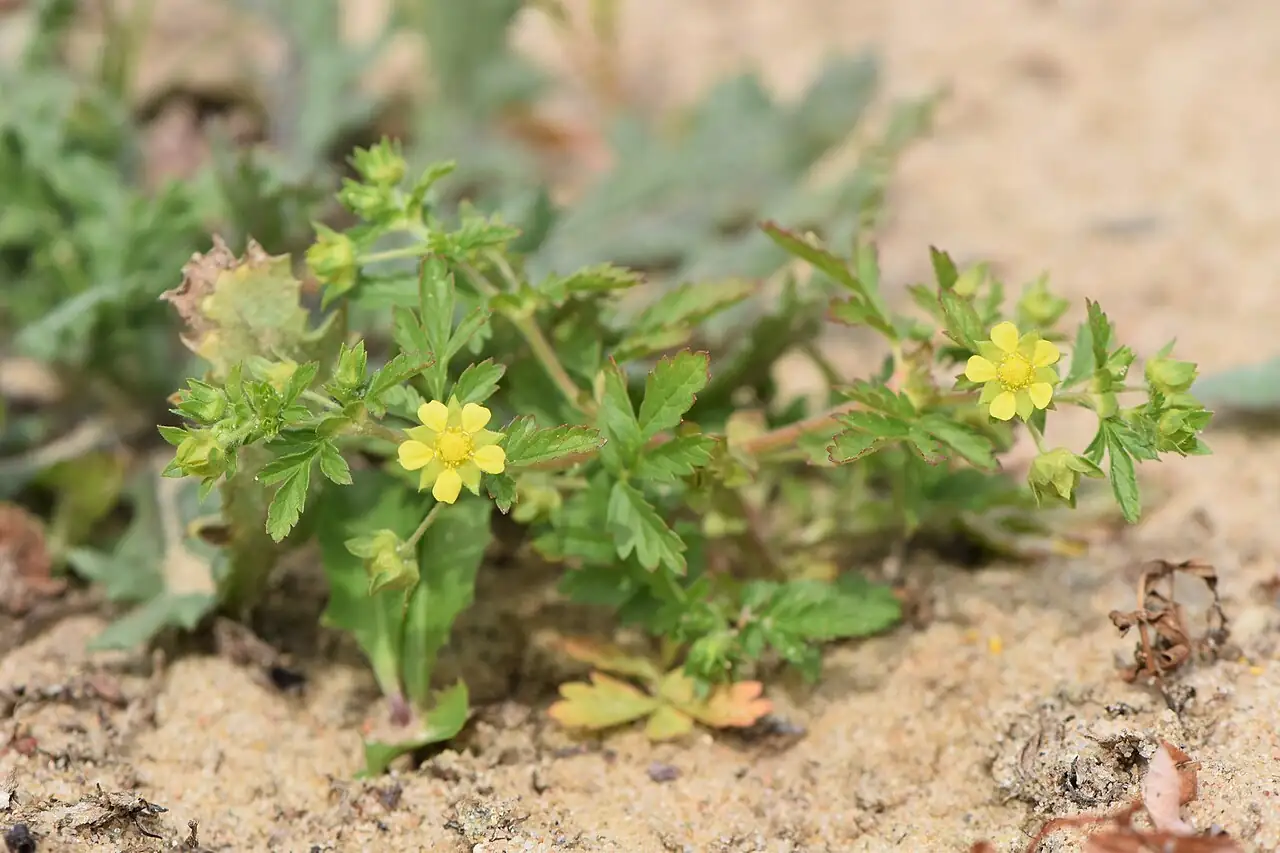
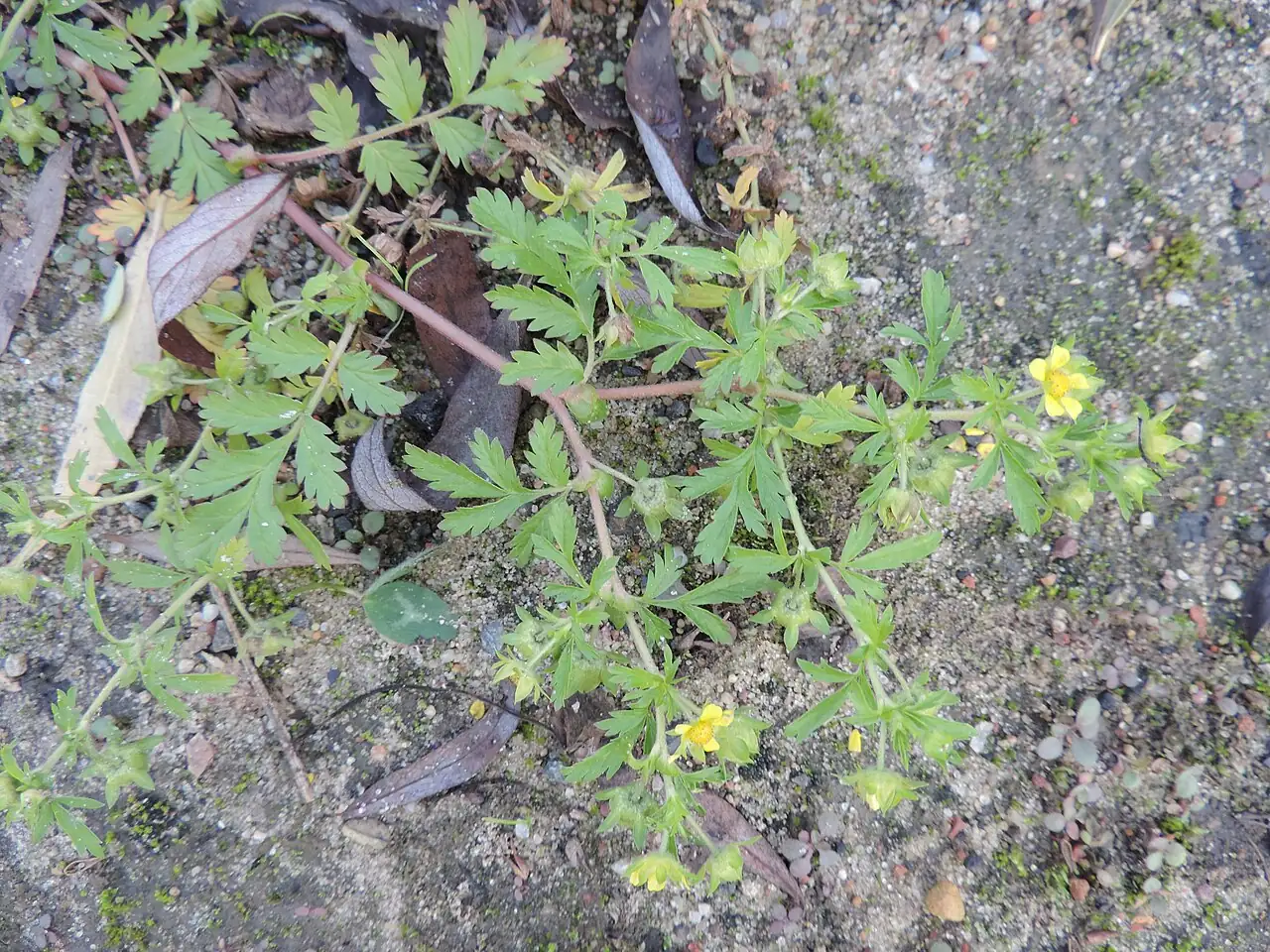
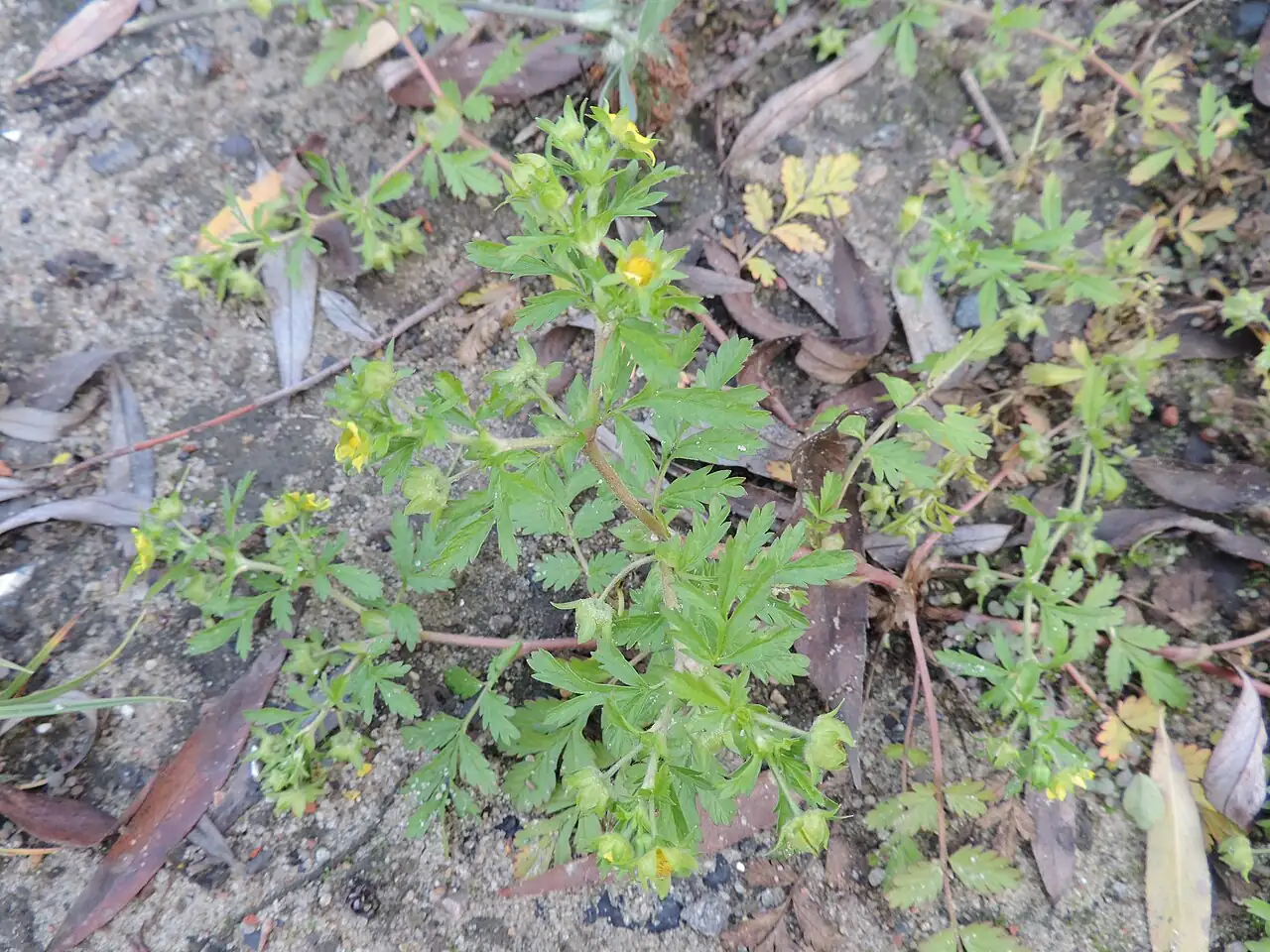
Plant Features
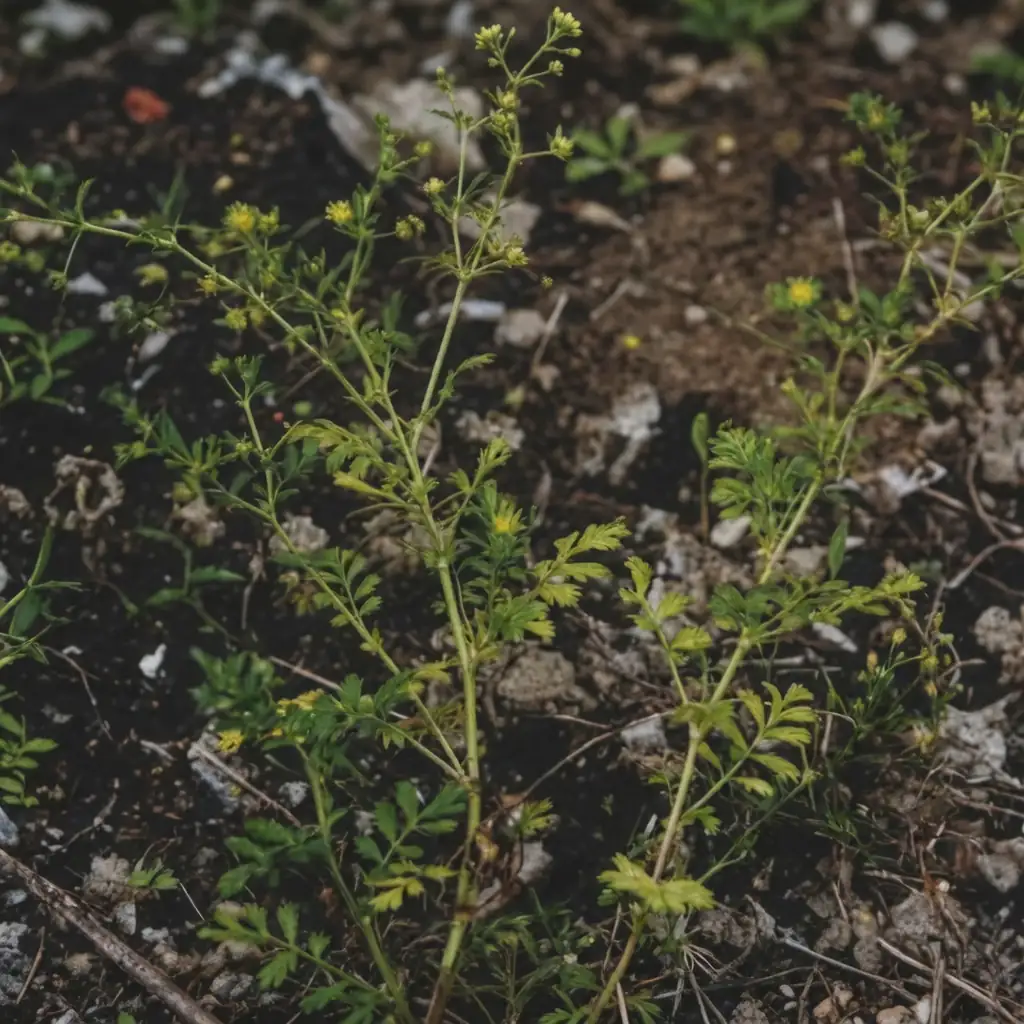
- Size: Typically 20–70 cm (8–28 in) tall; stems often ascending to upright.
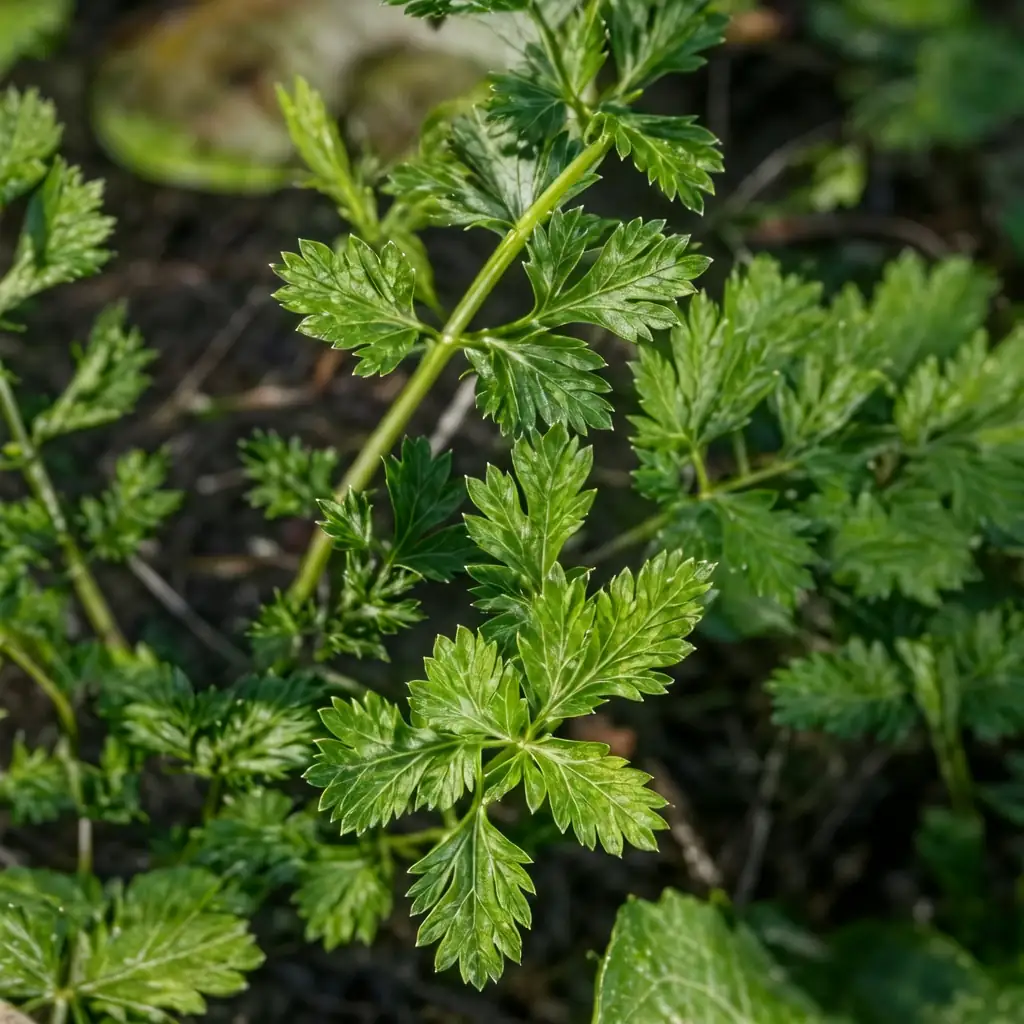
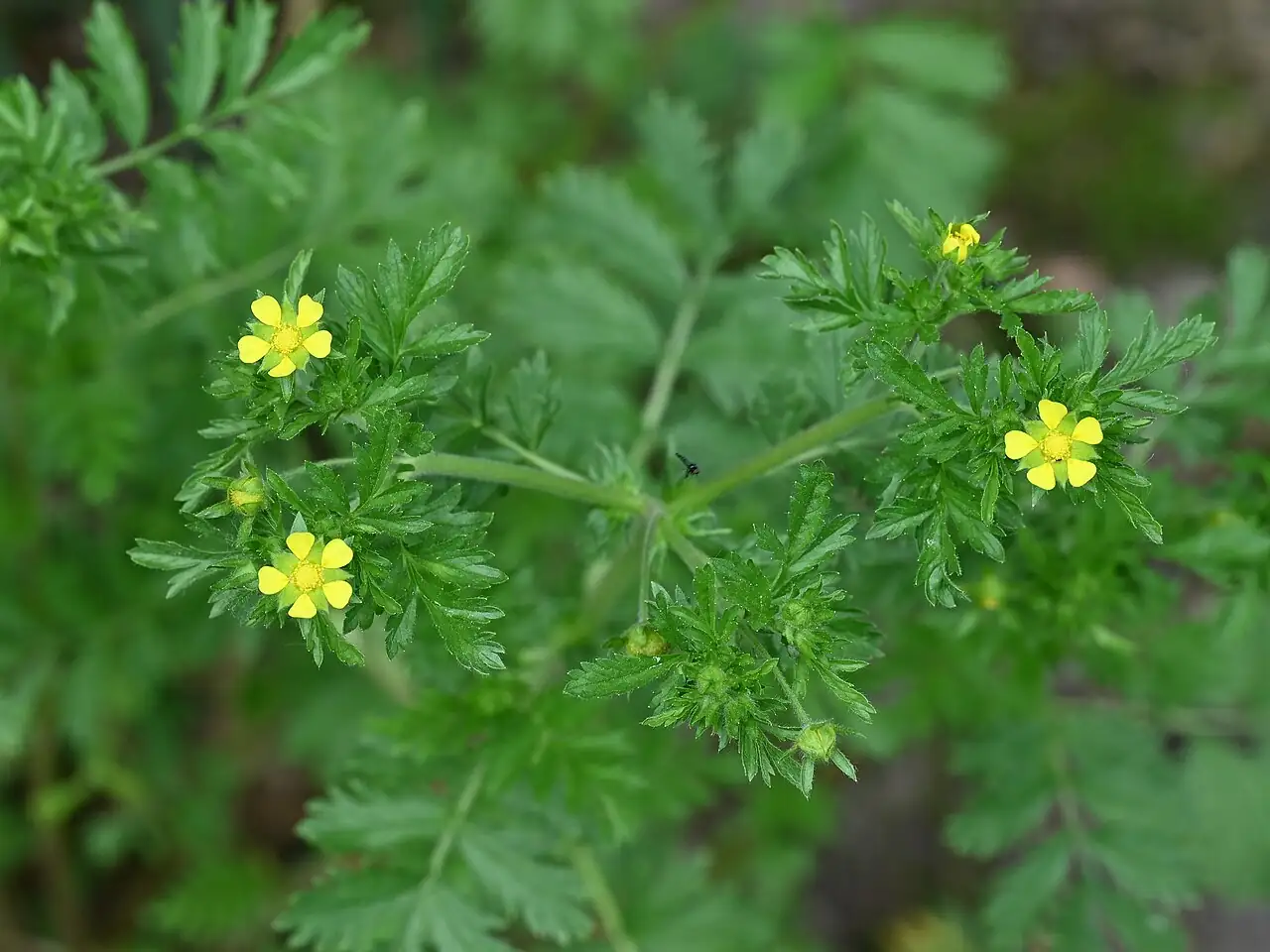
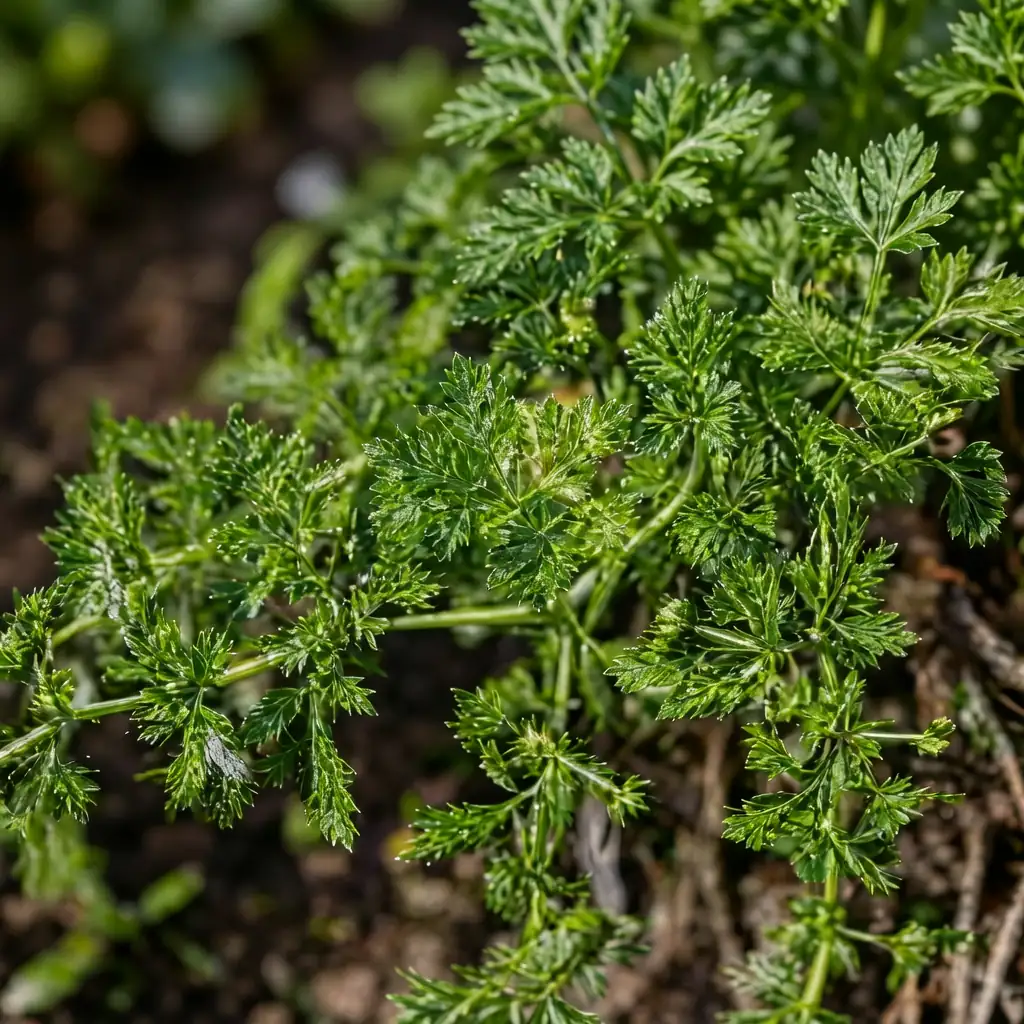
- Foliage: Leaves are pinnate (feather-like) compound with herbaceous green leaflets; leaflet margins are sharply toothed to deeply cut.
- Flower: Small yellow flowers are borne in loose, flat-topped clusters. Petals are broad obovate with a slightly notched tip and are a little longer than the sepals. Fruits develop as dark brown, wrinkled achenes.
- Flowering Season: April–October
- Growth Habit: A tough, hardy perennial herb with a stout cylindrical root that may become slightly woody; flowering stems are erect or ascending.
Environment
Sunlight
Full sun to partial shade; brightest light usually gives the best flowering.
Temperature
Cool to warm temperate conditions; around 10–25°C (50–77°F) during active growth suits it well.
Humidity
Adaptable; handles average humidity and periodic dampness as long as the planting site drains reasonably well.
Soil
Adaptable, commonly thriving in sandy or loamy soils on disturbed ground and in seasonally moist habitats (field edges, wasteland, sandy riverbanks, meadows, damp slopes). Best in well-drained soil that stays evenly moist rather than constantly soggy.
Placement
Outdoors in naturalistic plantings, meadow edges, rain-garden margins, or along paths and field borders; also suitable for pots in a sunny to lightly shaded spot with good drainage.
Hardiness
Cold-hardy in temperate regions; approximately USDA Zone 4–8 (generally fine where winters drop below freezing).
Care Guide
Difficulty
Easy—an adaptable wildflower that copes with a range of soils and conditions once established.
Buying Guide
Look for plants with fresh green foliage and no signs of rot. If buying seed, double-check the label for the correct scientific name (Potentilla supina), since cinquefoils can be easily mixed up.
Watering
Water regularly while establishing, keeping the soil lightly moist. After it settles in, water mainly during prolonged dry spells. Avoid persistently waterlogged soil—especially in containers—since that can trigger rot.
Fertilization
Usually not needed in the ground. For container plants that look weak, feed lightly in spring with a balanced fertilizer at half strength.
Pruning
Deadhead or lightly trim after flowering to keep it tidy and to reduce unwanted self-seeding. Remove damaged or tired stems as needed.
Propagation
Most commonly by seed (often the easiest). Can also be divided in spring or early fall once clumps are large enough.
Repotting
If grown in a pot, repot every 1–2 years in spring into a fresh, free-draining mix; make sure drainage holes stay open.
📅 Seasonal Care Calendar
Spring: sow seed or divide; keep evenly moist while establishing. Summer: water during drought; trim if it sprawls. Autumn: either let some seed set or cut back for neatness. Winter: generally dormant with minimal care needed.
Pests, Diseases & Safety
Common Pests & Diseases
Generally trouble-free. In overly wet, stagnant conditions it can develop root/crown rot. Occasional aphids or leaf spot may appear—improve airflow and avoid overwatering.
Toxicity
No well-documented toxicity to people or pets. Still, avoid eating wild plants unless identification is certain and the site is clean and pesticide-free.
Culture & Symbolism
Symbolism: A nice symbol of resilience and adaptability—this plant doesn’t mind change and often thrives where others struggle.
History & Legends: While not famous for a single widely known legend, it has a practical folk-history in parts of its range, where tannin-rich roots and herbaceous cinquefoils were valued in local traditions.
Uses: Tannin-rich roots have been used for tannin extraction. The whole plant has been used in traditional herbal contexts. Young shoots have been eaten in some areas and may also be used as livestock (including pig) fodder.
FAQ
What family and genus does it belong to?
It belongs to the rose family (Rosaceae) and the genus Potentilla.
What other common names is it known by?
It’s also known as Supine Cinquefoil; regional common names can vary.
When does it flower?
Often from April to October (April–October), depending on local conditions.
How tall does it grow?
Typically about 20–70 cm (8–28 in) tall.
Where does it grow naturally?
It’s widespread in China and also found in the Russian Far East, Japan, and the Korean Peninsula—often in field margins, wasteland, sandy riverbanks, meadows, and damp slopes.
What is it used for?
Historically, its tannin-rich roots were used for tannin extraction; the plant appears in traditional herbal use, and young shoots have been eaten or used as livestock fodder in some regions.
Fun Facts
- Its roots are notably rich in tannins, which is why it was historically useful for tannin extraction.
- It can flower for a surprisingly long season—often April through October.
- It’s a habitat generalist, happy in disturbed ground as well as seasonally wet places like riverbanks and damp meadows.
- In some regions, the young shoots have been used as a wild edible or as fodder.


