

Plant Features
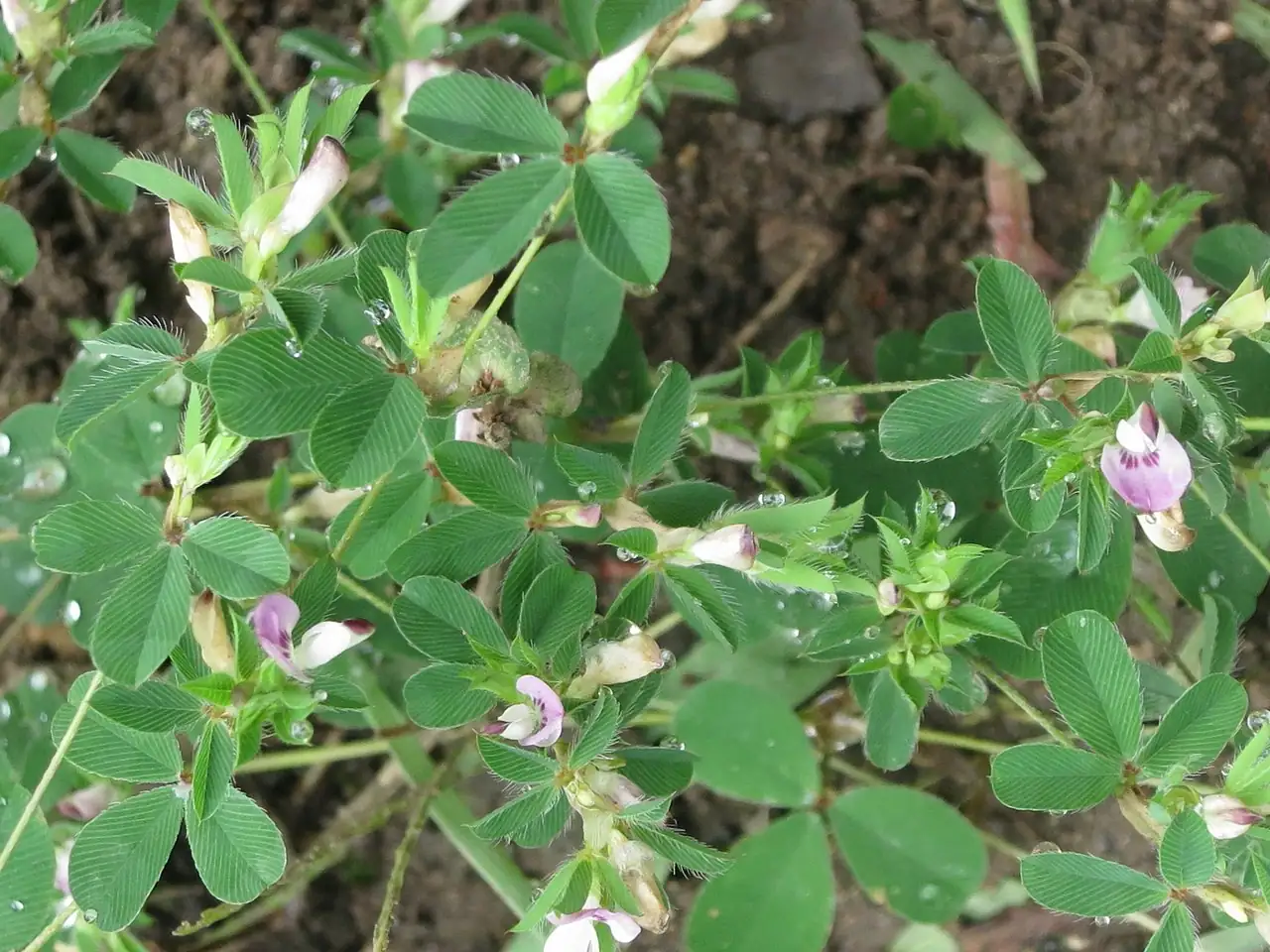
- Size: Up to about 15 cm (6 in) tall; typically forms a low, spreading mat.
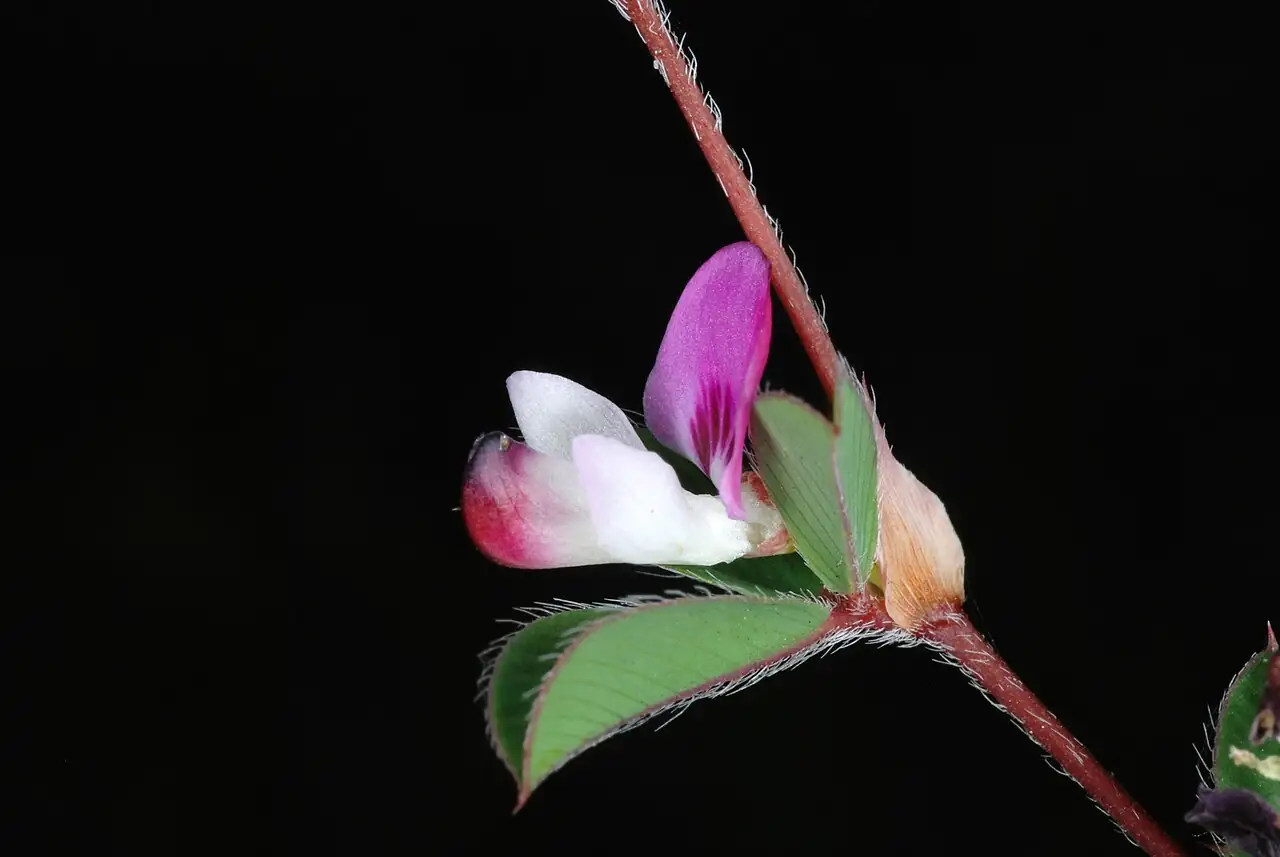
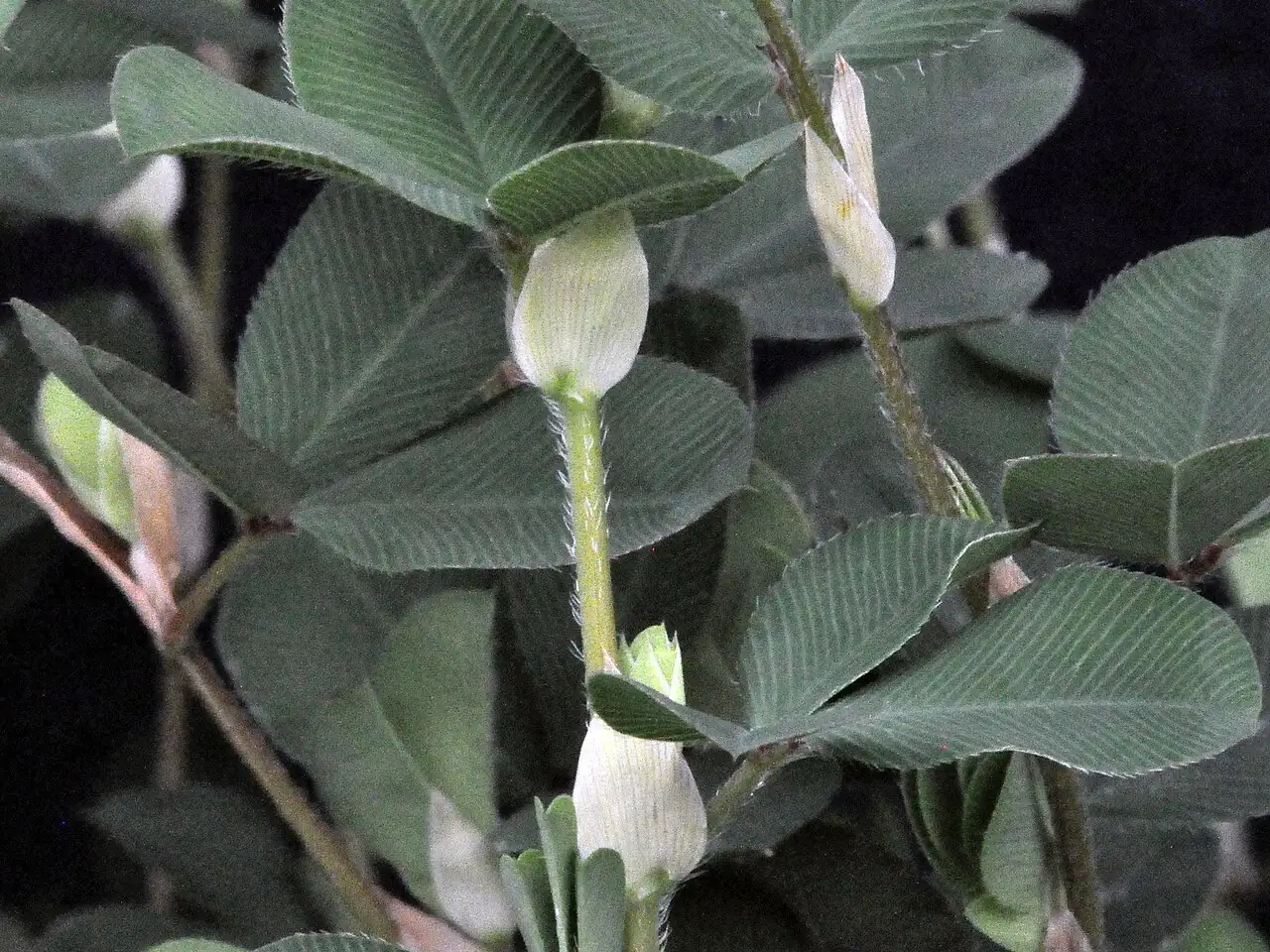
- Foliage: Stems are prostrate and much-branched. Leaves are trifoliate with short petioles; stipules are egg-shaped. Leaflets are papery, obovate to broadly obovate (sometimes wedge-shaped), and show many fine, closely spaced lateral veins for a delicate, textured look.
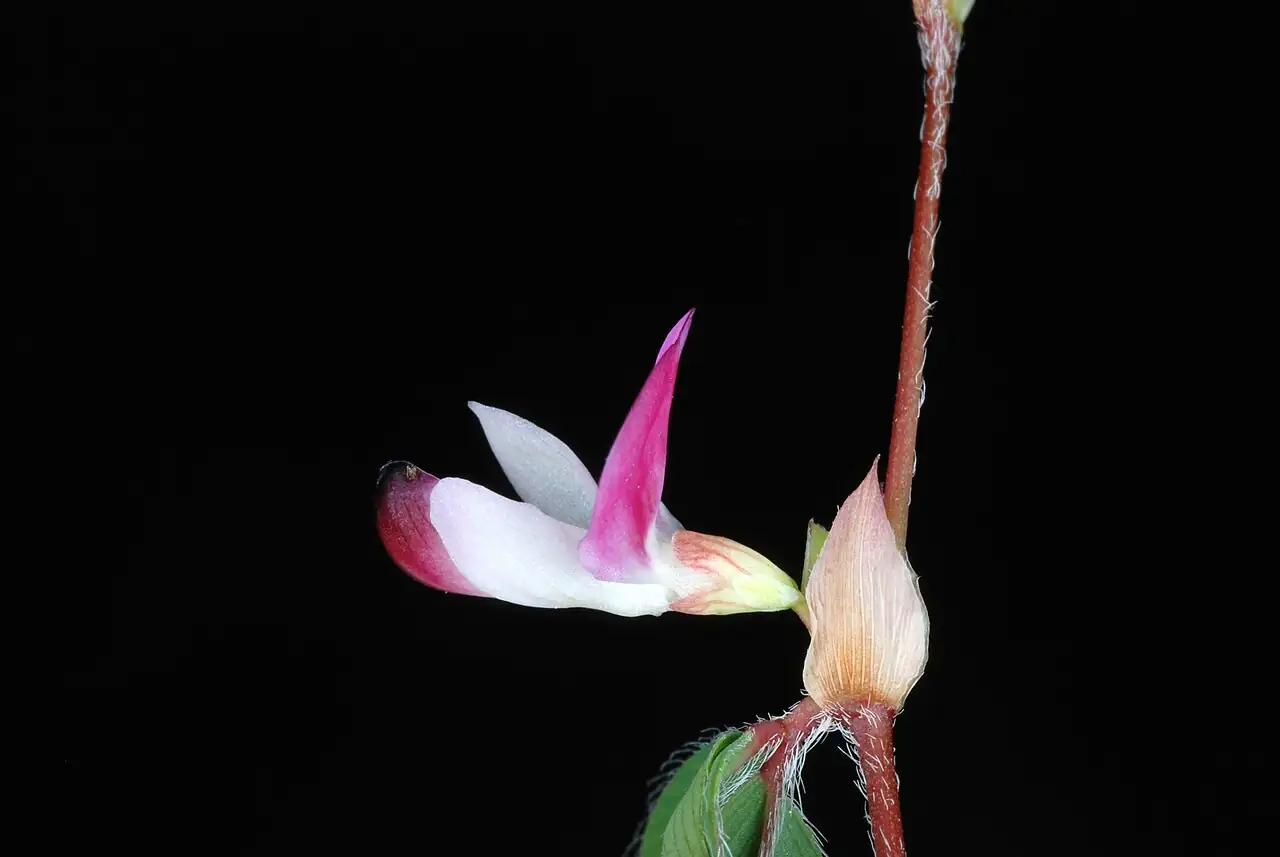
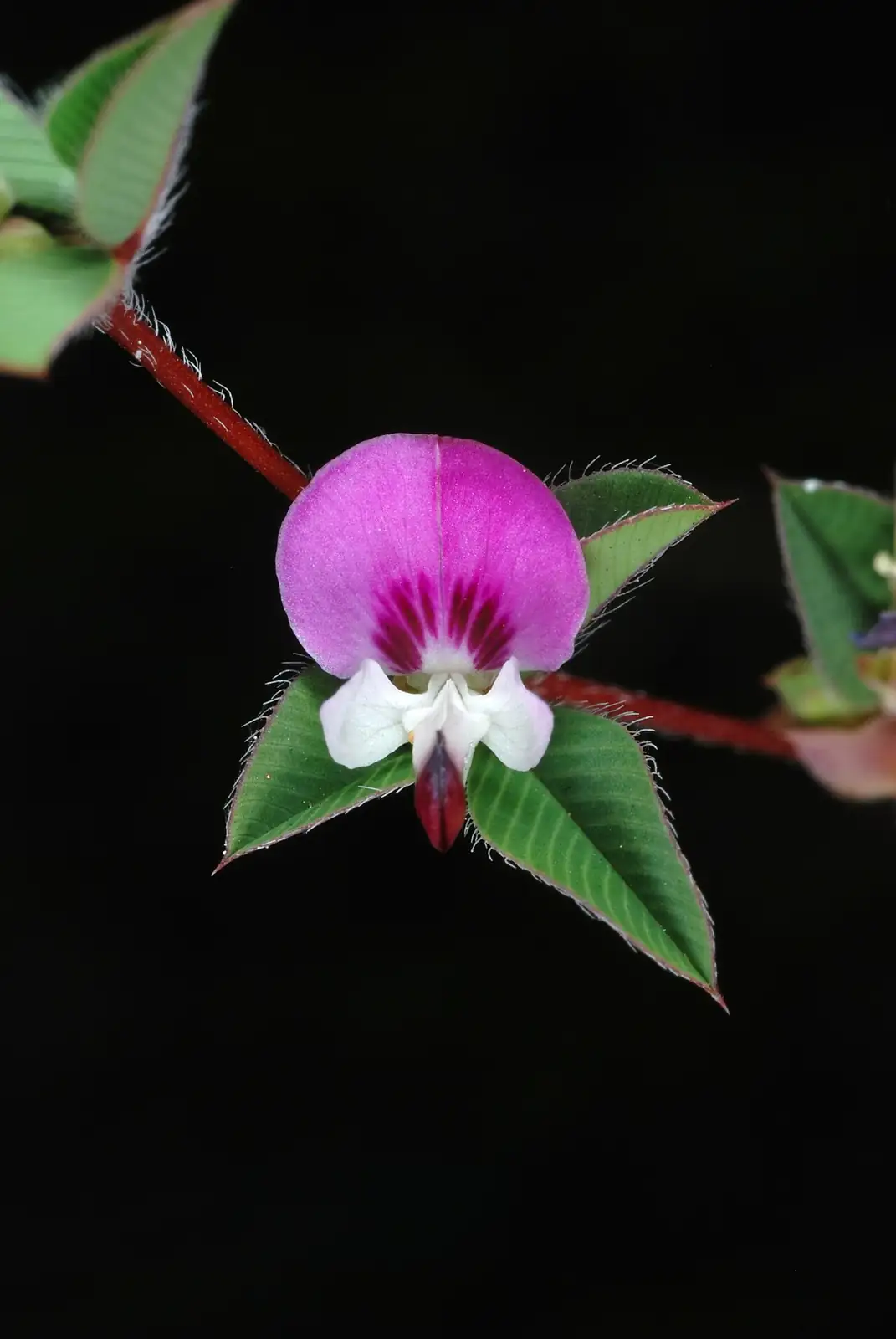
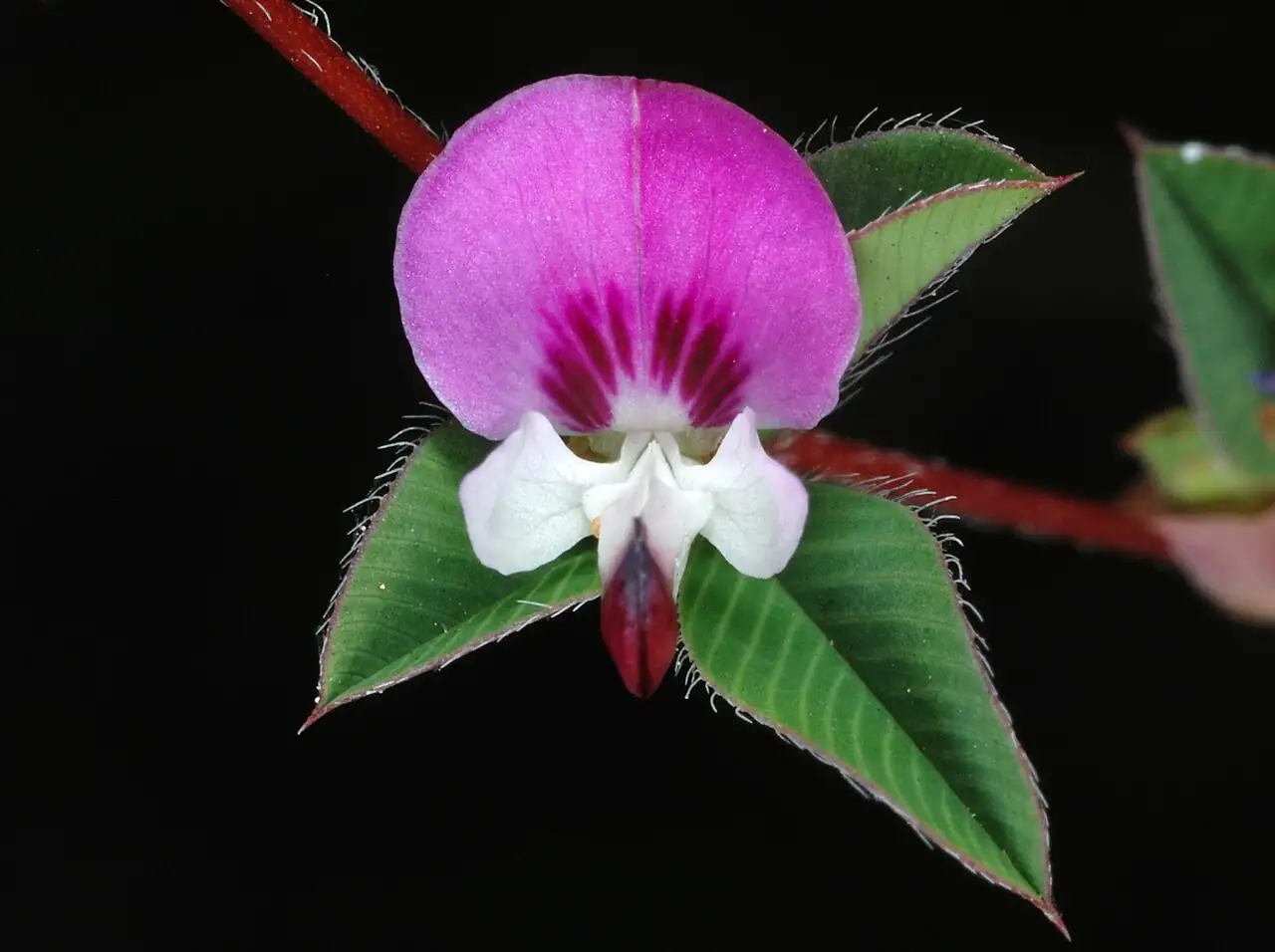
- Flower: Small flowers are borne in the leaf axils; the upper part of the corolla is often dark purplish. Fruit is a slightly asymmetrical pod, elliptic to egg-shaped.
- Flowering Season: July–August (Jul–Aug)
- Growth Habit: Annual herb with prostrate, freely branching stems; often self-seeds and forms patches.
Environment
Sunlight
Full sun to light shade; best flowering and denser growth in full sun.
Temperature
Cool-temperate to warm-temperate conditions; typical growth in about 10–30°C (50–86°F).
Humidity
Adaptable; does well in average outdoor humidity as long as there’s decent airflow and the soil isn’t staying wet.
Soil
Free-draining soil is essential. Tolerates sandy, lean soils and can grow on stabilized or semi-stabilized dunes; avoid waterlogged or heavy, poorly drained ground.
Placement
Naturalistic plantings, wildflower/roadside edges, open grassland-style beds, and erosion-prone sandy sites where a low, informal groundcover is welcome.
Hardiness
Cold-tolerant as an annual; persists through winter mainly as seed. Suitable for temperate climates (approximately USDA Zone 4–9 as an annual, depending on local conditions).
Care Guide
Difficulty
Easy. Vigorous in the right spot and often self-seeding once established, especially in open, well-drained soils.
Buying Guide
Look for correctly labeled seed or starts of Kummerowia stipulacea. Choose weed-free material, and avoid mixed seed blends if you want a more uniform, predictable stand.
Watering
Water to establish, keeping the top layer of soil lightly moist. After rooting in, water only during prolonged drought. Don’t let it sit in soggy soil—good drainage matters more than frequent watering.
Fertilization
Usually unnecessary. As a legume it can fix nitrogen via root bacteria; if growth is weak, use a light, balanced fertilizer at a low rate rather than heavy nitrogen feeding.
Pruning
Not required. Light shearing after flowering can tidy plants and reduce reseeding; remove spent plants at season’s end if you want stricter containment.
Propagation
Primarily by seed; readily self-seeds in open, well-drained conditions. Seeds can be collected as pods mature.
Repotting
Most often grown in the ground. If grown in containers, refresh the mix and re-sow annually; use a gritty, free-draining potting mix.
📅 Seasonal Care Calendar
Spring: sow after the risk of hard frost; keep evenly moist until established. Summer (Jul–Aug): main flowering; water only in extended dry spells. Late summer–autumn (Aug–Oct): pods mature; collect seed for re-sowing or deadhead to reduce spread.
Pests, Diseases & Safety
Common Pests & Diseases
Generally trouble-free. In damp, crowded conditions it may develop foliar spotting or powdery mildew—space plants, improve airflow, and avoid overwatering. Aphids can appear on tender growth when plants are stressed.
Toxicity
No well-documented toxicity to people or pets in typical horticultural use; generally regarded as non-toxic. As with many wild legumes, avoid allowing people or animals to consume large quantities without local guidance (especially for livestock).
Culture & Symbolism
Symbolism: Often linked with resilience and adaptability—this little plant can thrive where many others struggle, especially in sunny, sandy, well-drained ground.
History & Legends: More of a practical wild/forage-associated legume than a plant surrounded by well-known ornamental folklore; it’s appreciated for its hardiness and usefulness rather than legend.
Uses: Naturalistic groundcover for open sites, especially sandy or erosion-prone areas; also used as a forage/fodder plant in some regions. Its fine-textured foliage and small summer flowers suit meadow-style or “wild edge” plantings better than formal beds.
FAQ
Does it spread easily?
Yes. It often self-seeds and can form patches in open, well-drained soil. Deadhead or remove pods if you want to limit spread.
What soil is best?
Free-draining soil is key. It shines in sandy or lean ground and dislikes waterlogged conditions.
Fun Facts
- It can grow in tough places such as roadsides, slopes, grasslands, and even stabilized sand dunes—so long as drainage is good.
- Flowering is usually July–August (Jul–Aug), with seed pods commonly maturing from August–October (Aug–Oct).
- Even at only about 15 cm (6 in) tall, its prostrate, branching stems can cover ground surprisingly well.
- As a legume, it can enrich poor soils over time by partnering with nitrogen-fixing root bacteria.
- It’s often more at home in naturalistic, meadow-like plantings than in highly manicured ornamental gardens.


