Plant Features
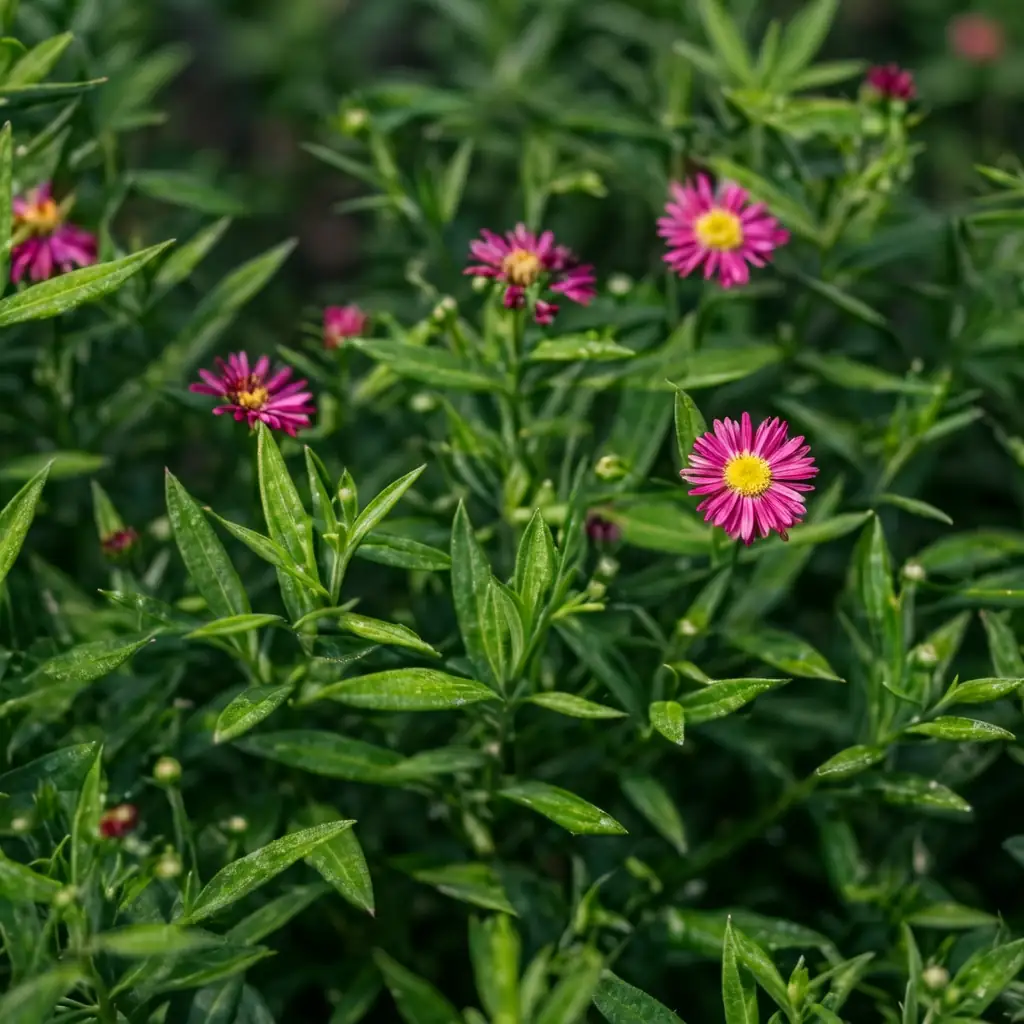
- Size: Typically 50–100 cm (20–39 in) tall; spread about 30–60 cm (12–24 in), depending on cultivar and growing conditions.
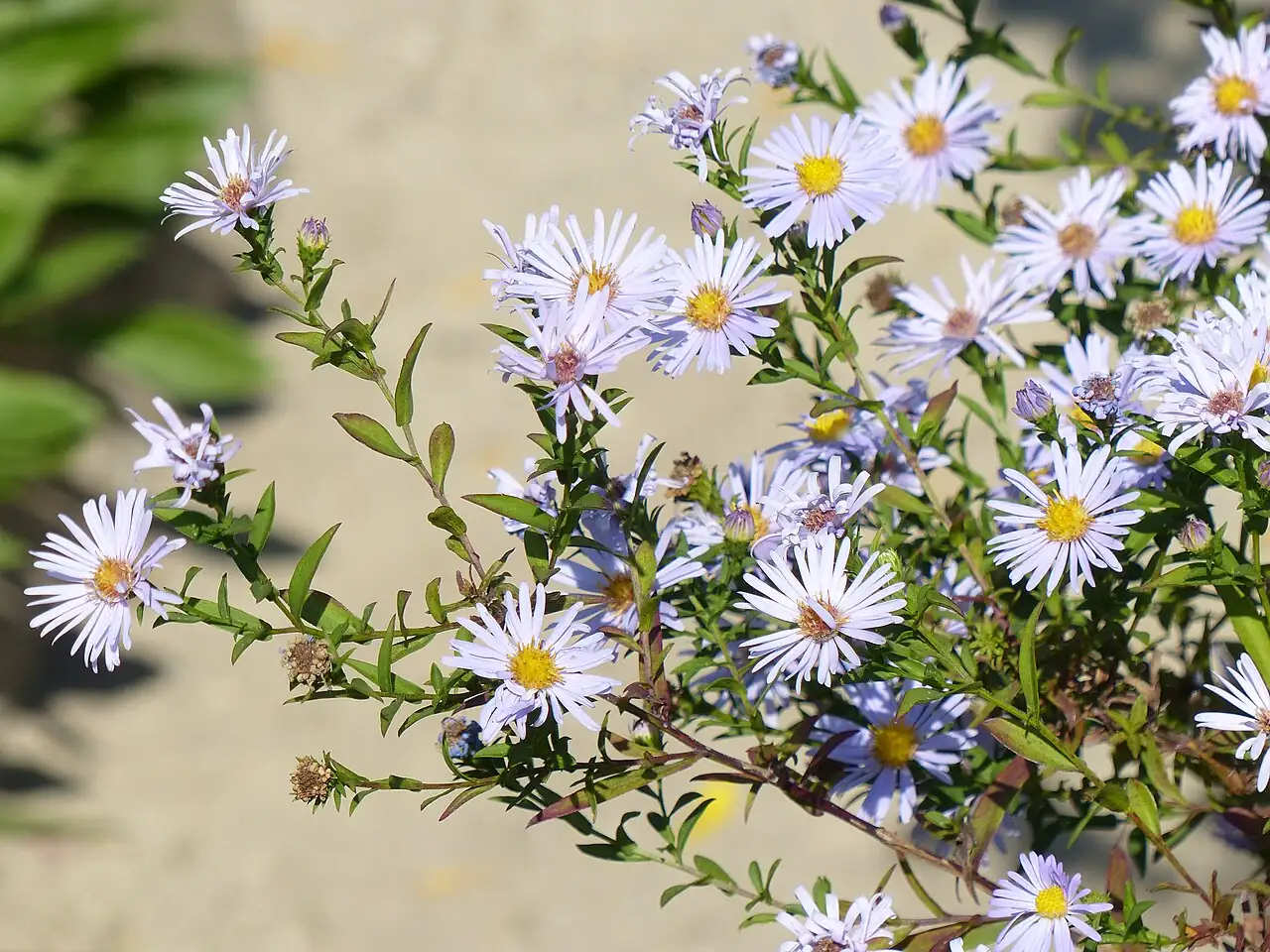
- Foliage: Upright stems carry narrow lance-shaped to linear-lanceolate leaves. Both stems and foliage are notably rough-hairy, giving the plant a slightly coarse texture up close.
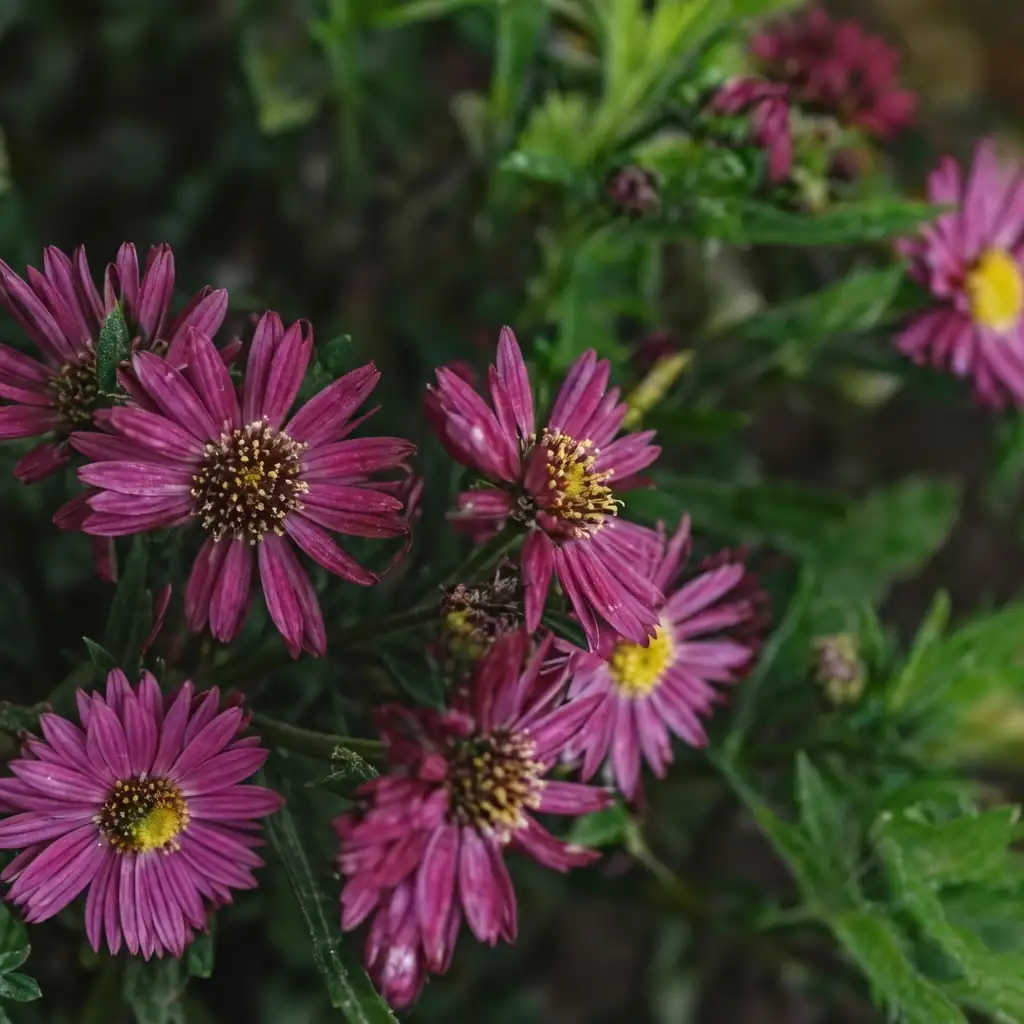
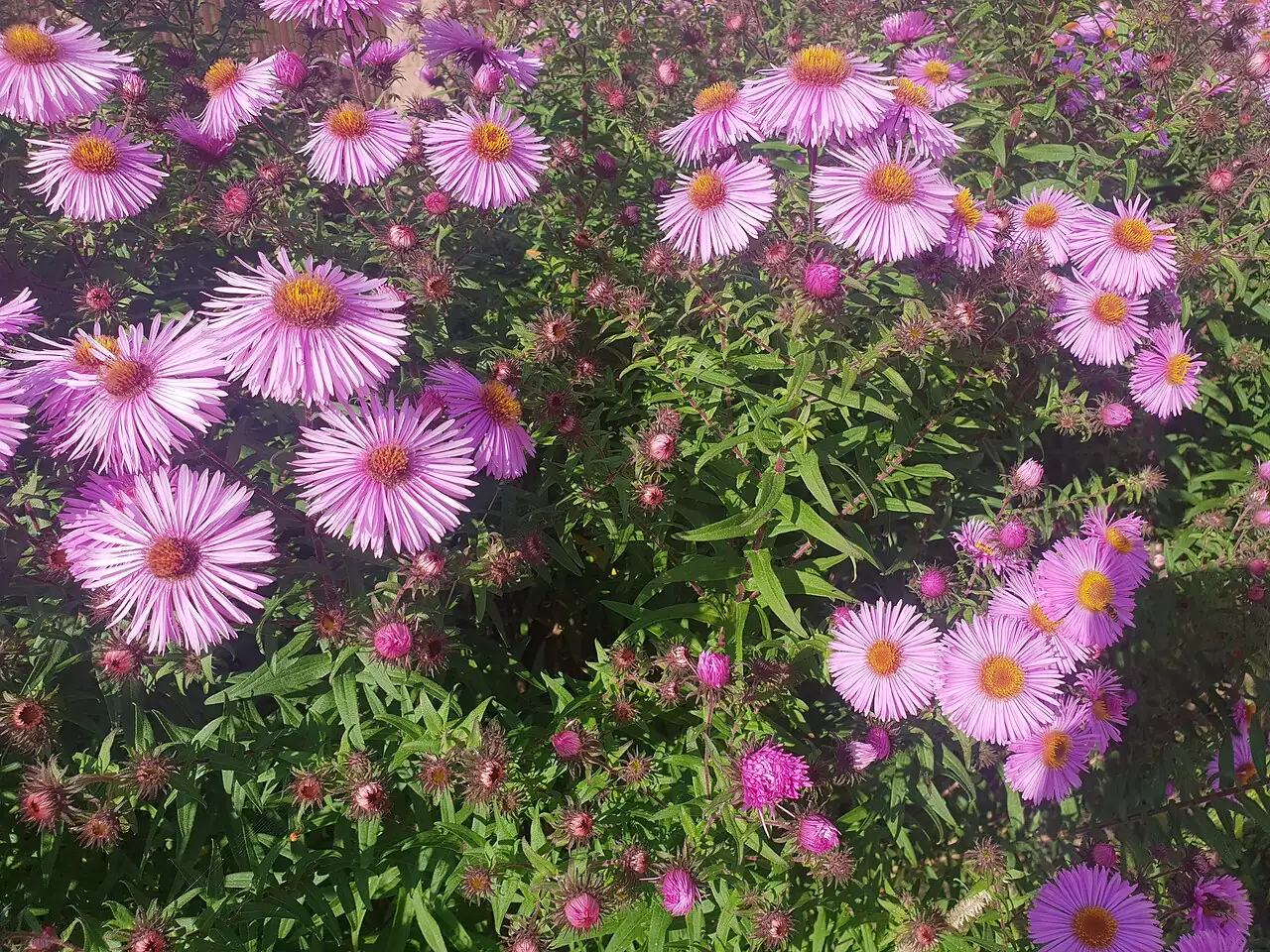
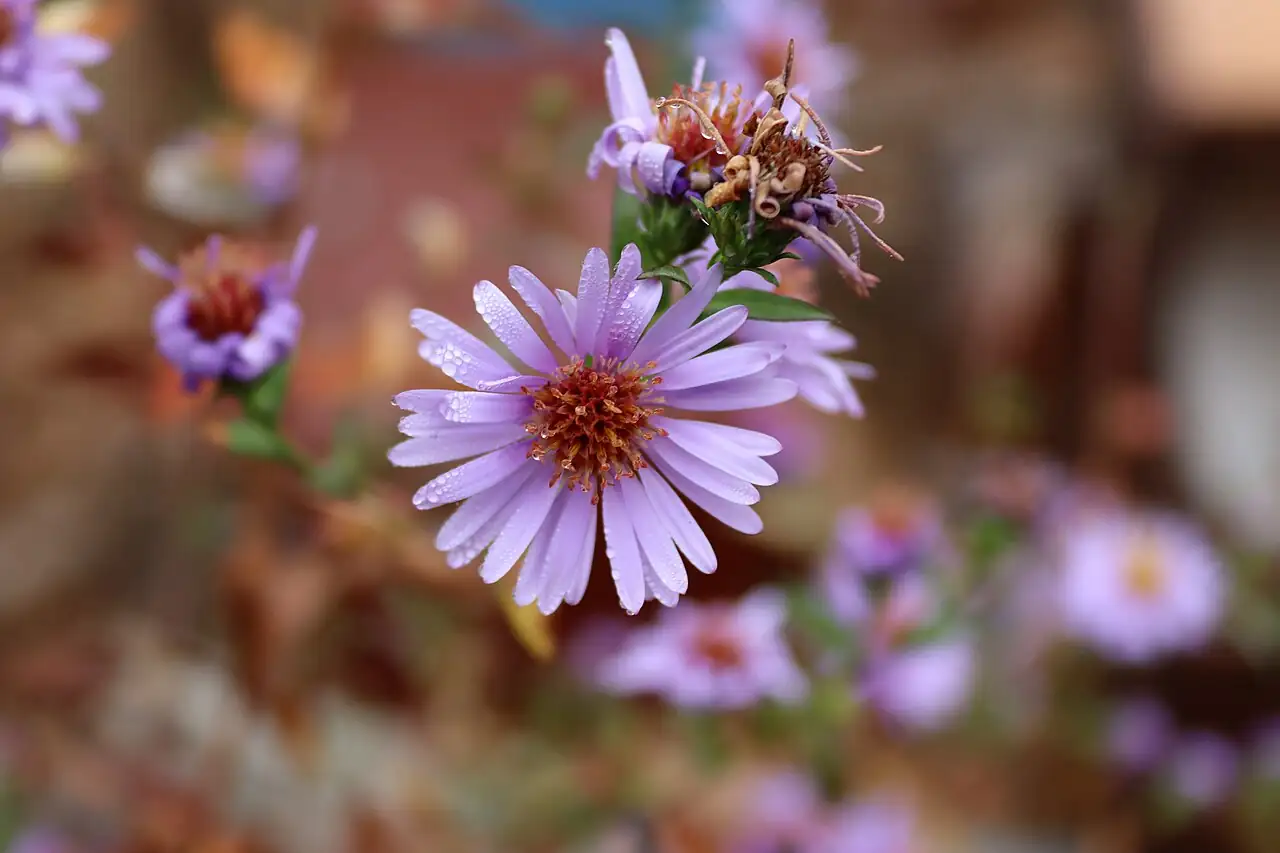
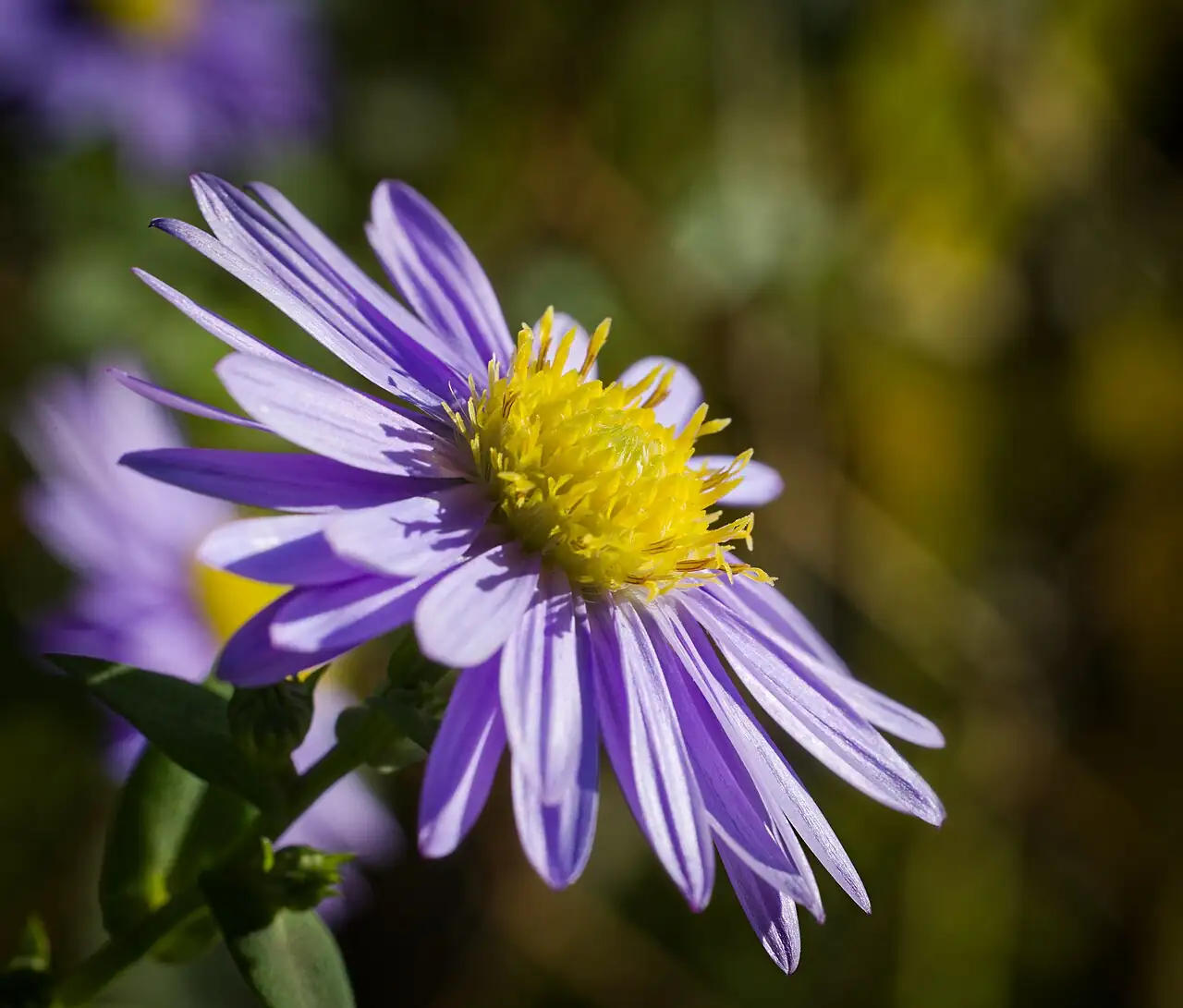
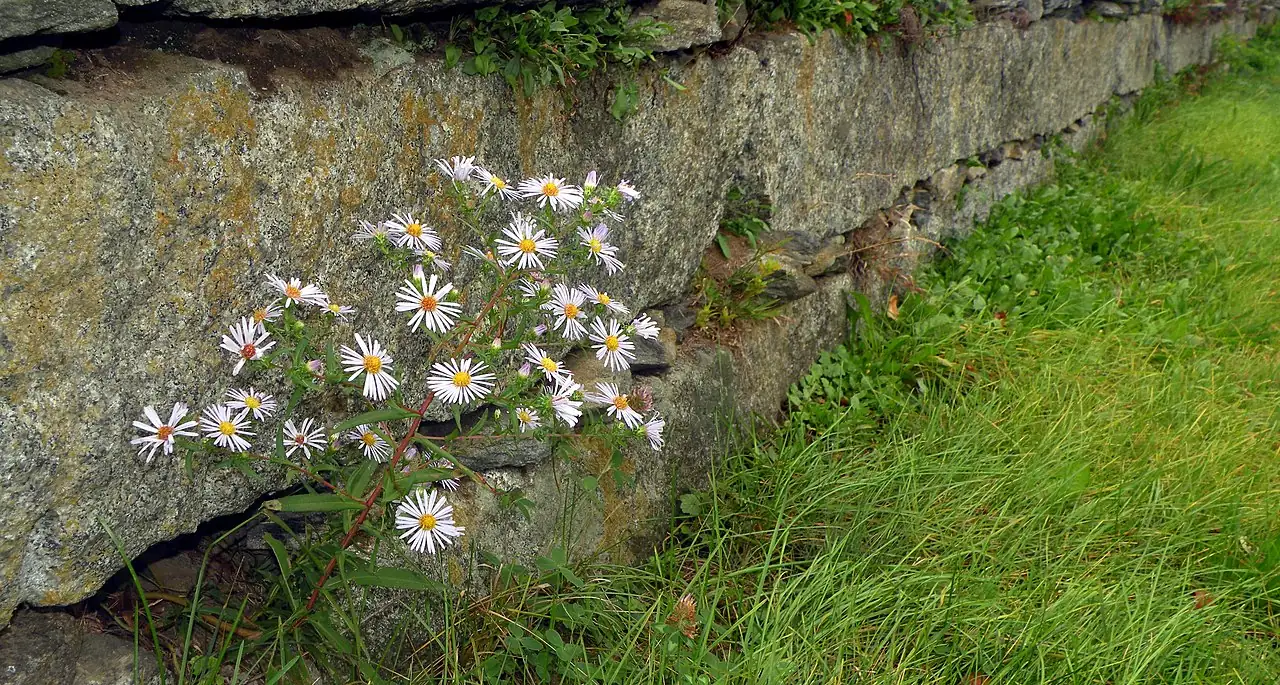
- Flower: Produces many small daisy-like flowerheads in branched clusters. Petal-like rays are commonly purple to pale blue-purple (sometimes white) surrounding a cheerful yellow center, creating a soft, misty look when plants are in full bloom.
- Flowering Season: August–October (late summer to autumn)
- Growth Habit: Herbaceous, upright, clump-forming perennial that gradually enlarges over time and can become tall and floriferous by late season.
Environment
Sunlight
Full sun to light shade; full sun gives the strongest stems and best flowering.
Temperature
Cold-hardy and adaptable; grows best around 10–25°C (50–77°F) and tolerates winter cold when dormant.
Humidity
Prefers evenly moist conditions with good airflow; avoid still, overly humid corners where mildew is encouraged.
Soil
Adaptable, but happiest in fertile, well-drained soil that stays evenly moist. Avoid waterlogged ground, especially in winter.
Placement
Borders, mass plantings, public bedding, cottage gardens, cutting gardens, and large containers.
Hardiness
USDA Zone 4–8 (approx.).
Care Guide
Difficulty
Easy—very adaptable and beginner-friendly as long as it gets decent sun, consistent moisture, and airflow.
Buying Guide
Choose sturdy plants with multiple healthy basal shoots and clean green leaves. Avoid plants with heavy powdery mildew, obvious pests, severe flopping from low light, or pots packed with circling roots. If buying in bloom, pick plants with a mix of open flowers and plenty of buds so the display lasts longer.
Watering
Water regularly after planting until established. During active growth, keep soil lightly and evenly moist; let the top 2–5 cm (1–2 in) dry slightly between waterings. Mature plants can handle short dry spells, but drought often reduces bloom quality and quantity.
Fertilization
In spring, top-dress with compost or use a balanced slow-release fertilizer. If needed, feed lightly every 4–6 weeks from spring into early summer. Avoid heavy feeding late in the season—too much nitrogen can encourage lush, floppy growth.
Pruning
Pinch or cut stems back by about 5–10 cm (2–4 in) in late spring to early summer to promote branching, a fuller shape, and less lodging. Deadhead to keep plants tidy. Cut stems back to ground level after flowering or in early spring.
Propagation
Divide clumps in spring or early autumn; dividing every 2–3 years helps keep plants vigorous and reduces crowding. Softwood cuttings taken in late spring to early summer also root readily.
Repotting
For container plants, repot in spring into fresh, well-draining mix and a pot with drainage holes. Divide and refresh congested plants (often every 1–2 years) to prevent a tired, woody center.
📅 Seasonal Care Calendar
Spring: plant/divide, add compost or slow-release feed, pinch to encourage branching. Summer: water during dry spells; stake taller cultivars if needed; keep airflow good. Late summer–autumn: enjoy peak bloom; deadhead if desired. Winter: cut back after frost (or leave stems for winter interest), and mulch in colder areas.
Pests, Diseases & Safety
Common Pests & Diseases
Most common issue is powdery mildew, especially in crowded plantings or poor airflow. Also watch for aphids, spider mites, and occasional leaf spots. Space plants well, water at the soil line (not over the leaves), remove badly infected foliage, and consider mildew-resistant cultivars. Use insecticidal soap for aphids/mites if needed.
Toxicity
Not generally considered toxic to people or pets. However, sensitive individuals may get mild skin irritation from sap or the plant’s rough hairs; it’s still best to discourage pets from chewing ornamental plants.
Culture & Symbolism
Symbolism: A classic symbol of autumn—often tied to remembrance, lasting affection, and the feeling of the garden’s “second spring” as the season turns.
History & Legends: Long valued as a dependable late-season garden bloomer. Many modern cultivars come from breeding within the New York aster group, selected for richer colors, sturdier habits, and improved disease resistance. The nickname “Michaelmas daisy” reflects its traditional flowering season around Michaelmas (late September) in older garden culture.
Uses: Ideal for borders, beds, mass plantings, and public landscapes; excellent in cutting gardens and large containers thanks to its abundant, long-lasting sprays of flowers.
FAQ
Why is my New York aster flopping over?
It often happens when plants get too much shade, too much nitrogen, or grow very tall without support. Give full sun, avoid heavy late feeding, pinch back in late spring, and stake taller cultivars.
How do I reduce powdery mildew?
Grow in full sun with good airflow, avoid overhead watering, thin crowded clumps, and remove badly affected leaves. Mildew-resistant cultivars are worth seeking out if mildew is a recurring problem.
When should I divide it?
Divide in spring as new growth begins, or in early autumn after flowering. Division every 2–3 years keeps flowering strong and prevents overcrowding.
Fun Facts
- Despite the Chinese common name suggesting a European connection, Symphyotrichum novi-belgii is native to eastern North America.
- It’s a signature late-season nectar source—especially valuable for pollinators when many summer flowers are fading.
- The plant’s stems and leaves are characteristically rough-hairy, a handy ID clue when you brush past it.
- Bloom time often peaks from August to October, making it a go-to for extending color into autumn.