

Plant Features
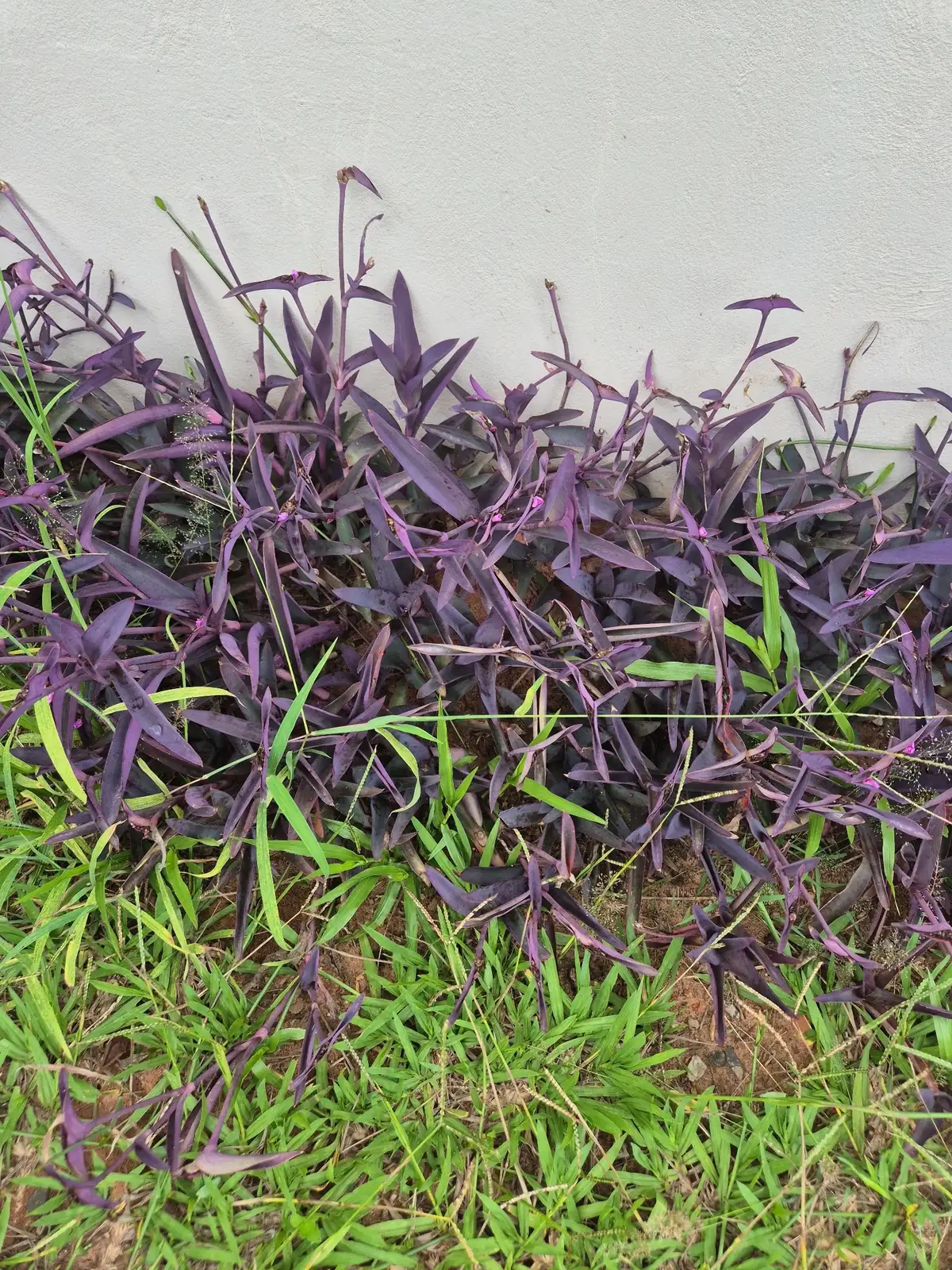
- Size: Typically 20–50 cm (8–20 in) tall; spreads by trailing stems and can form mats about 30–60+ cm (12–24+ in) wide in a season.
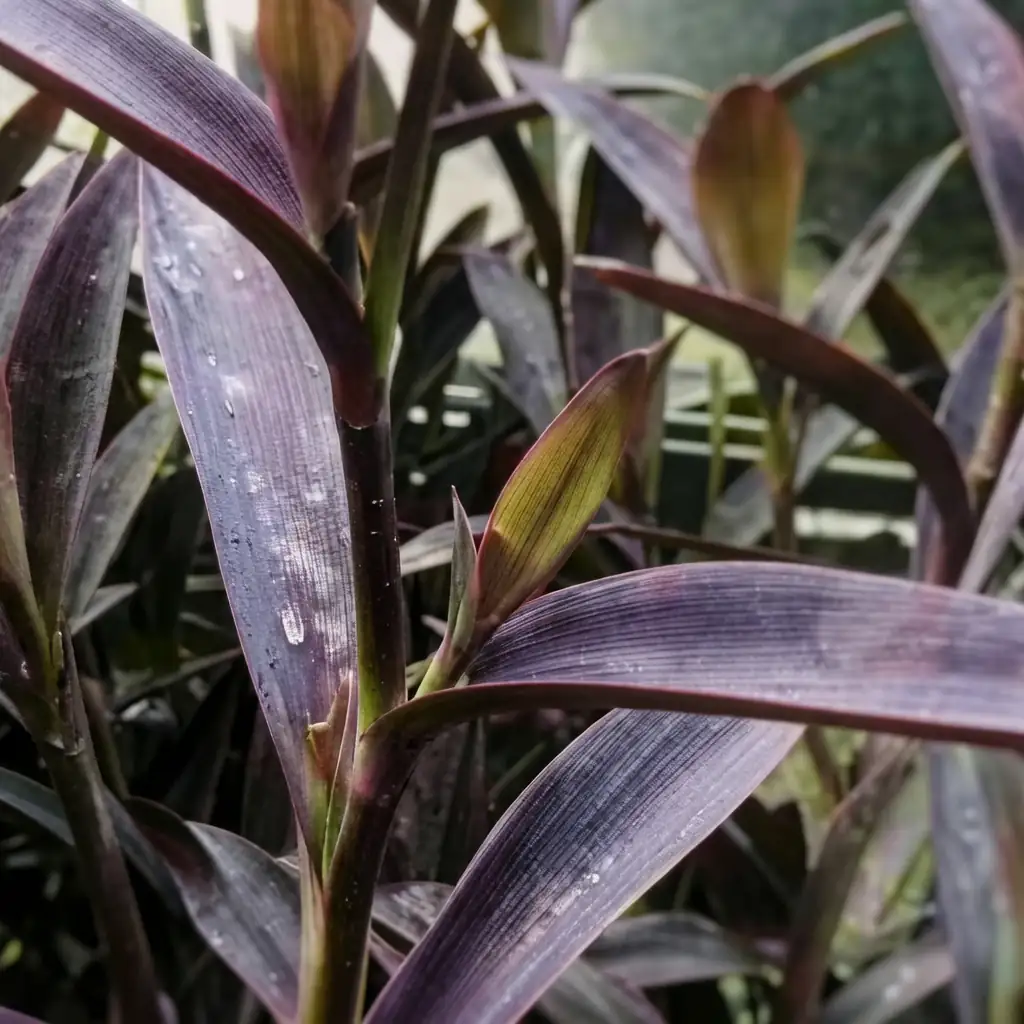
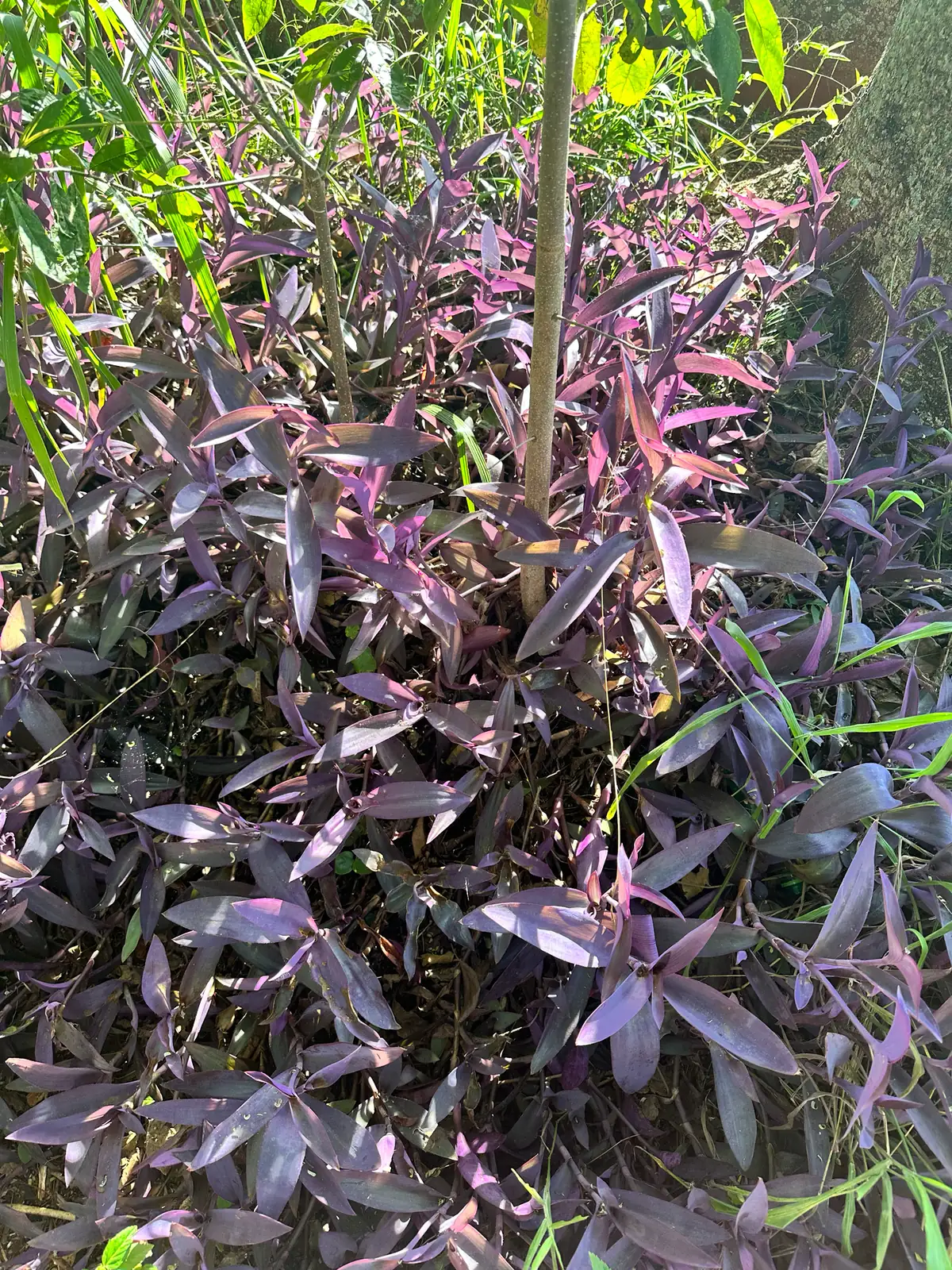
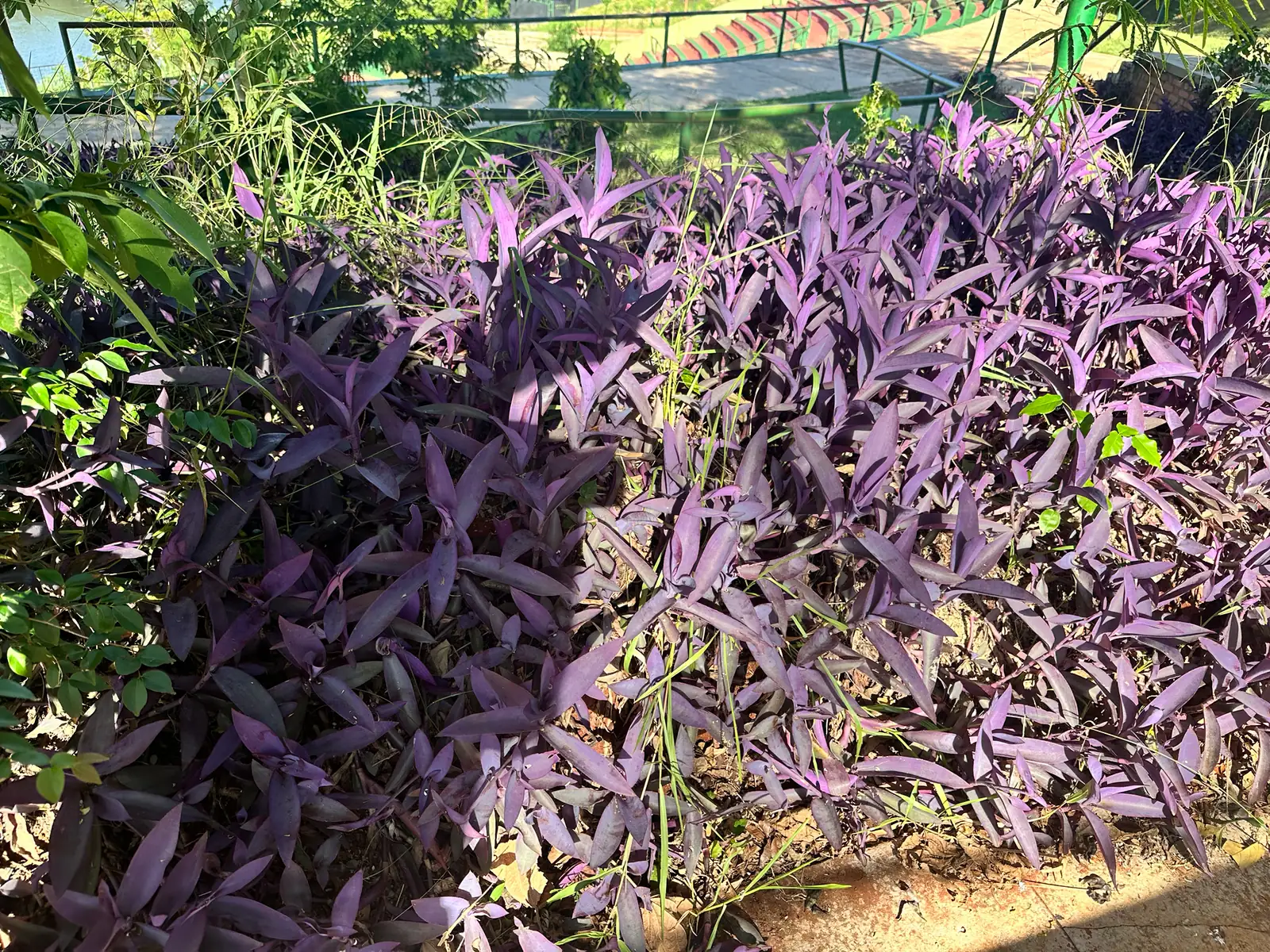
- Foliage: Slender, branched stems that are slightly succulent and often a bit fuzzy; they trail/creep and readily root at the nodes. Leaves are clasping, broad-lanceolate and pointed, usually a saturated purple to purple-green. The color deepens in brighter light and tends to look greener and more stretched in shade.
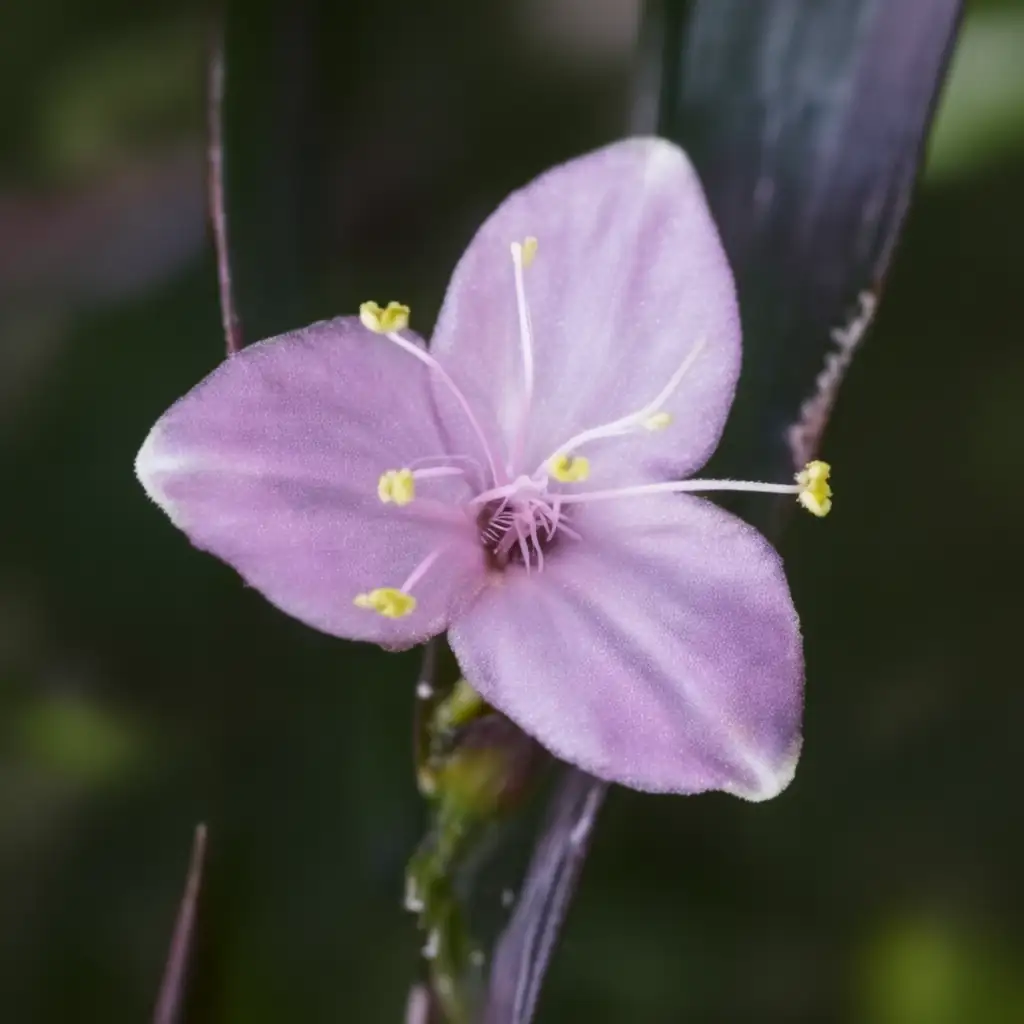
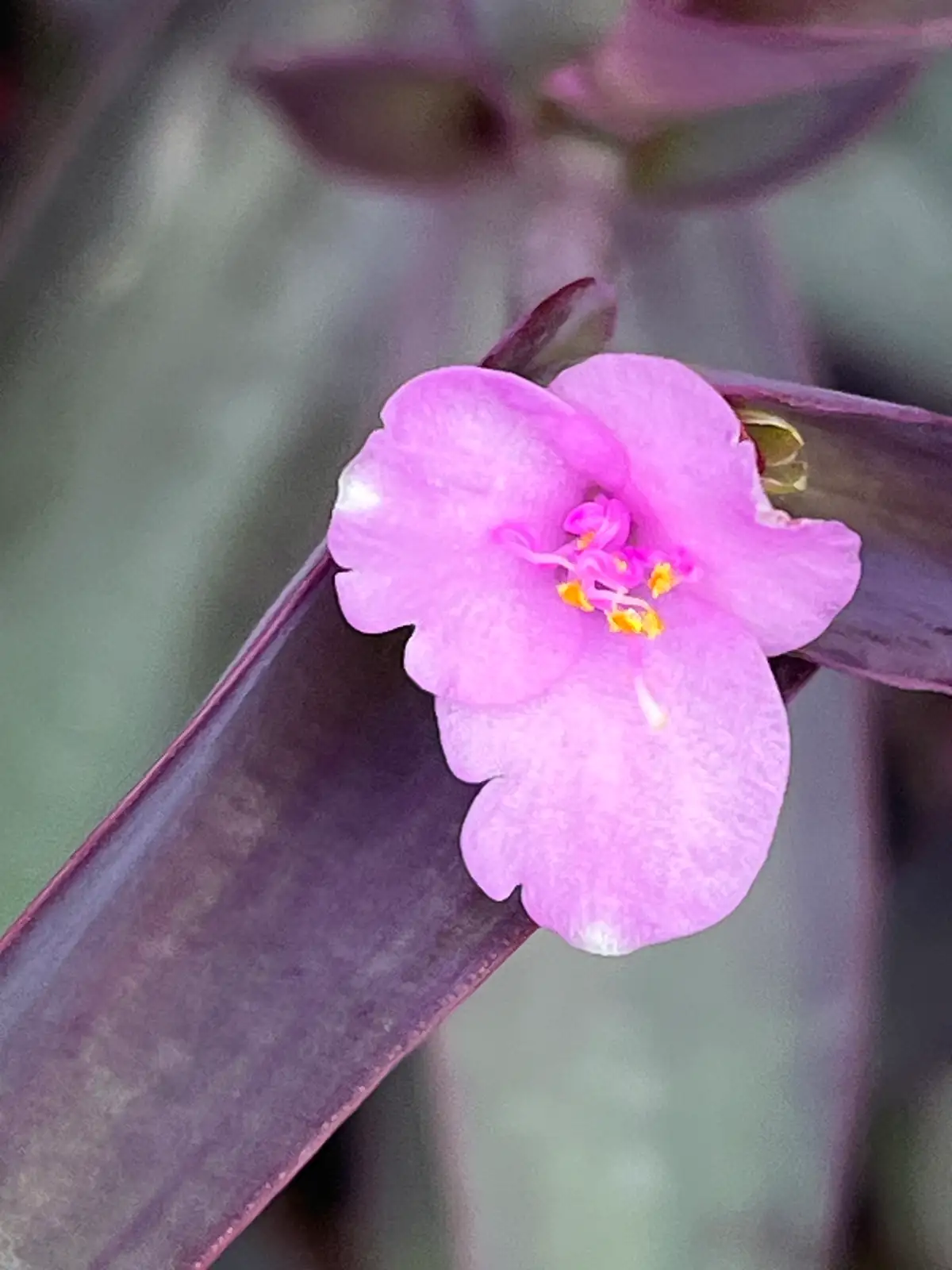
- Flower: Small, three-petaled flowers (pink to purple) held near the shoot tips, often appearing in small clusters from leafy bracts.
- Flowering Season: June–September (summer into early fall)
- Growth Habit: Tender perennial; evergreen in warm climates. Trailing to creeping habit that cascades from containers and forms mat-like groundcover; spreads easily by rooting at nodes.
Environment
Sunlight
Full sun to partial shade. For the richest purple foliage, give more sun/very bright light; lower light typically leads to greener leaves and leggier growth.
Temperature
Grows best around 18–30°C (64–86°F). Frost-tender; top growth is damaged around 0°C (32°F), so protect from freezes.
Humidity
Average indoor humidity works well; tolerates drier air once established (watch for spider mites in very hot/dry conditions).
Soil
Well-draining potting mix or sandy/loamy soil; avoid heavy, waterlogged media to prevent rot.
Placement
Outdoors: sunny beds, borders, and groundcover in warm regions. Indoors: a bright window, hanging basket, or shelf where stems can trail.
Hardiness
USDA Zone 7–11 (most reliably evergreen in Zones 10–11). In colder climates it’s often grown as an annual or kept as a houseplant over winter.
Care Guide
Difficulty
Easy. Fast-growing and forgiving; strong light plus occasional pinching keeps it compact and intensely colored.
Buying Guide
Pick plants with firm purple stems, dense leaves, and healthy nodes. Avoid sour-smelling, soggy soil (rot risk) and plants that are very bare or stretched (sign of low light).
Watering
Water thoroughly, then let the top 2–5 cm (1–2 in) dry before watering again. Reduce watering in winter or low light. Don’t leave the pot sitting in water.
Fertilization
During spring–summer, feed lightly with a balanced liquid fertilizer at 1/4–1/2 strength every 4–6 weeks. Little to none in fall–winter.
Pruning
Pinch or trim stems anytime to encourage branching and a fuller look. Remove leggy or winter-damaged growth; cut back harder if you want to refresh the plant.
Propagation
Extremely easy from stem cuttings. Take 8–15 cm (3–6 in) cuttings, remove lower leaves, and root in water or directly in a moist, well-draining mix—nodes root quickly. Also spreads naturally by layering when stems touch soil.
Repotting
Repot in spring every 1–2 years, or refresh the top layer of mix. Many growers restart plants from cuttings periodically to keep them looking lush and tidy.
📅 Seasonal Care Calendar
Spring: increase light, prune/pinch, start cuttings, begin light feeding. Summer: water as needed, pinch for fullness, enjoy flowers. Fall: reduce feeding, take cuttings before cold weather. Winter: keep bright and drier; protect from frost outdoors.
Pests, Diseases & Safety
Common Pests & Diseases
Can attract spider mites (especially in hot, dry air), mealybugs, and aphids on tender new growth. Overwatering commonly leads to stem/root rot. Improve airflow, keep soil from staying soggy, and treat pests with insecticidal soap or horticultural oil if needed.
Toxicity
Sap may irritate skin (contact dermatitis in sensitive people). Mildly irritating if pets chew it—possible drooling, vomiting, and mouth irritation—so keep away from cats and dogs that like to nibble.
Culture & Symbolism
Symbolism: Often linked with resilience and enduring affection—fitting for a plant that bounces back quickly and roots wherever it touches down.
History & Legends: A Mexican native that became globally popular through gardening and houseplant culture, prized for its intense purple foliage and near-effortless propagation.
Uses: Ornamental groundcover in warm climates; widely used in pots and hanging baskets, and as a bright-window indoor foliage plant in colder regions.
FAQ
Why are my leaves turning green instead of purple?
It’s almost always low light. Move it to brighter conditions (several hours of sun outdoors, or very bright indirect light indoors) and pinch back leggy stems so new growth comes in darker and denser.
Can I grow purple heart outdoors year-round?
Only where winters are mild. It’s frost-tender; in freezing climates grow it as an annual, bring pots indoors before frost, or overwinter it by taking cuttings.
How do I make it fuller and less leggy?
Give stronger light and pinch/trim regularly. You can also replant rooted cuttings back into the same pot to quickly bulk it up.
Fun Facts
- Stronger light typically makes the foliage a deeper purple; shade often produces greener leaves and longer internodes.
- Because stems root at the nodes, it can spread quickly and form a mat-like groundcover outdoors.
- It often flowers in summer with small, three-petaled pink-to-purple blooms.
- Many people keep it looking ‘perfect’ by restarting fresh plants from cuttings every so often—it’s that easy.


