Plant Features
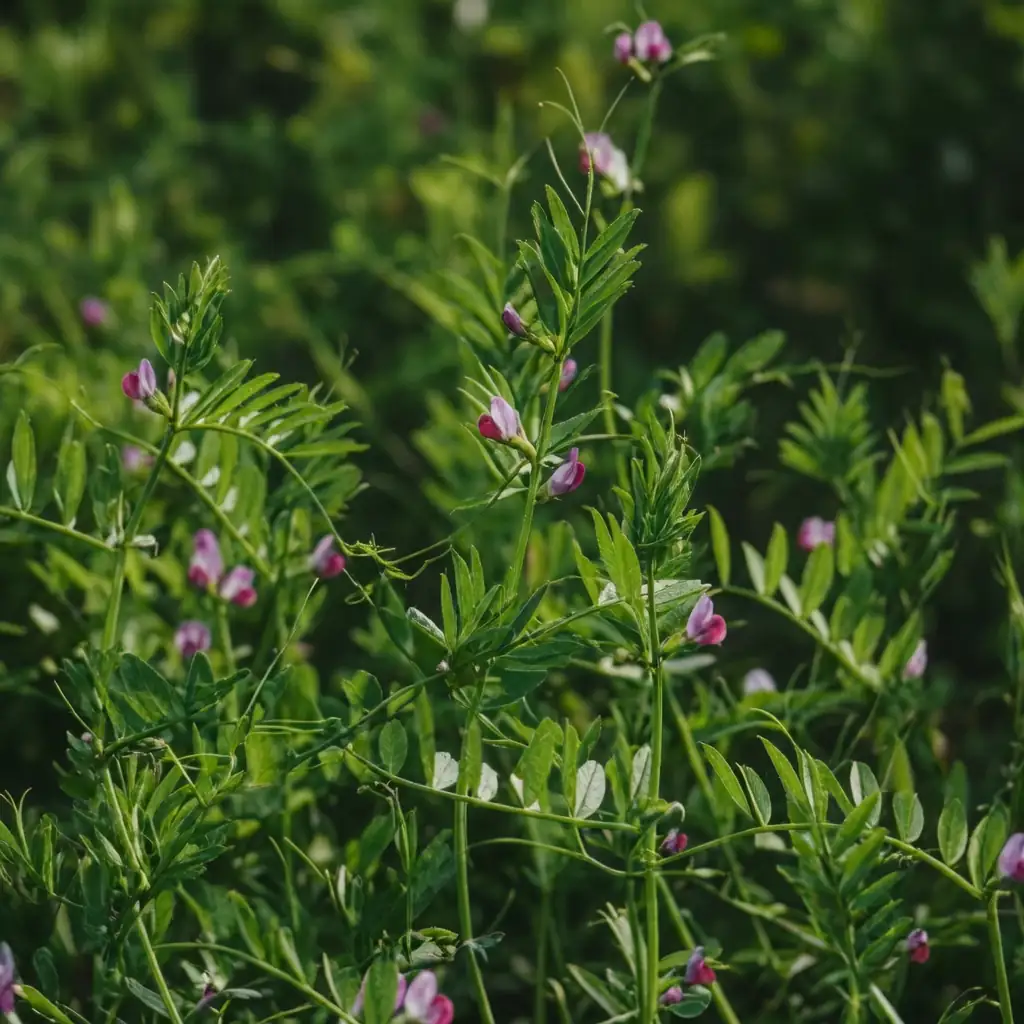
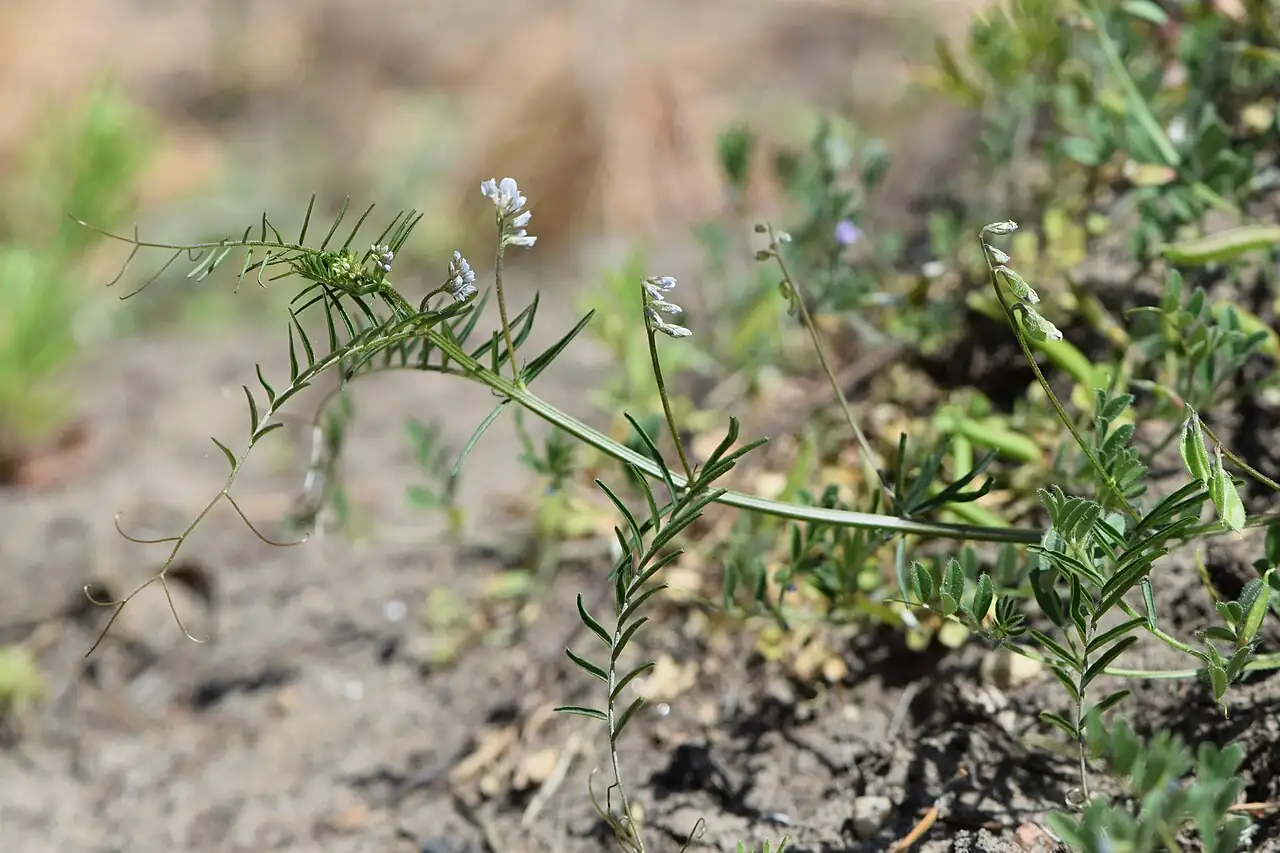
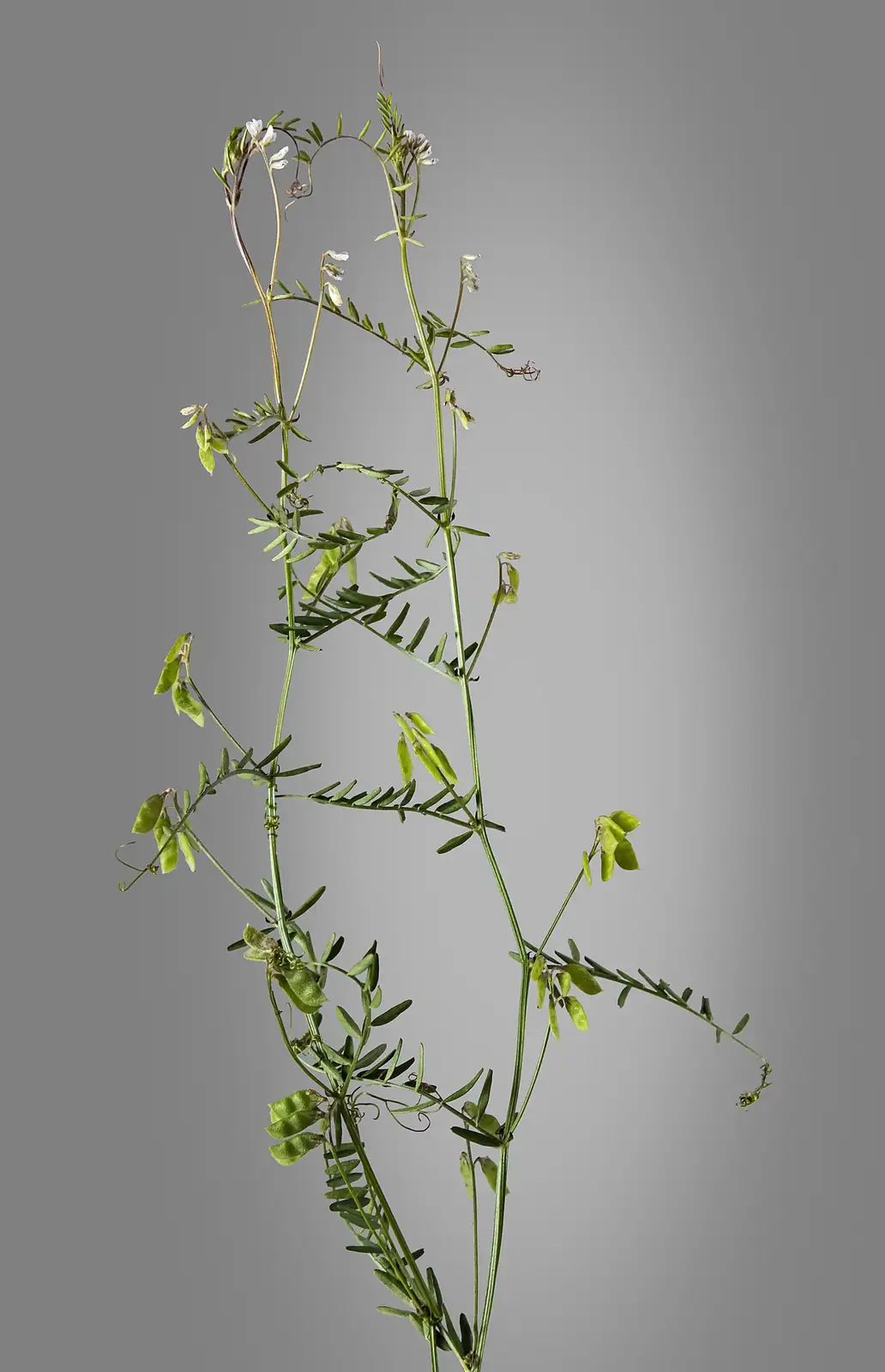
- Size:15–120 cm (6–47 in) tall, typically scrambling through surrounding vegetation rather than standing upright.
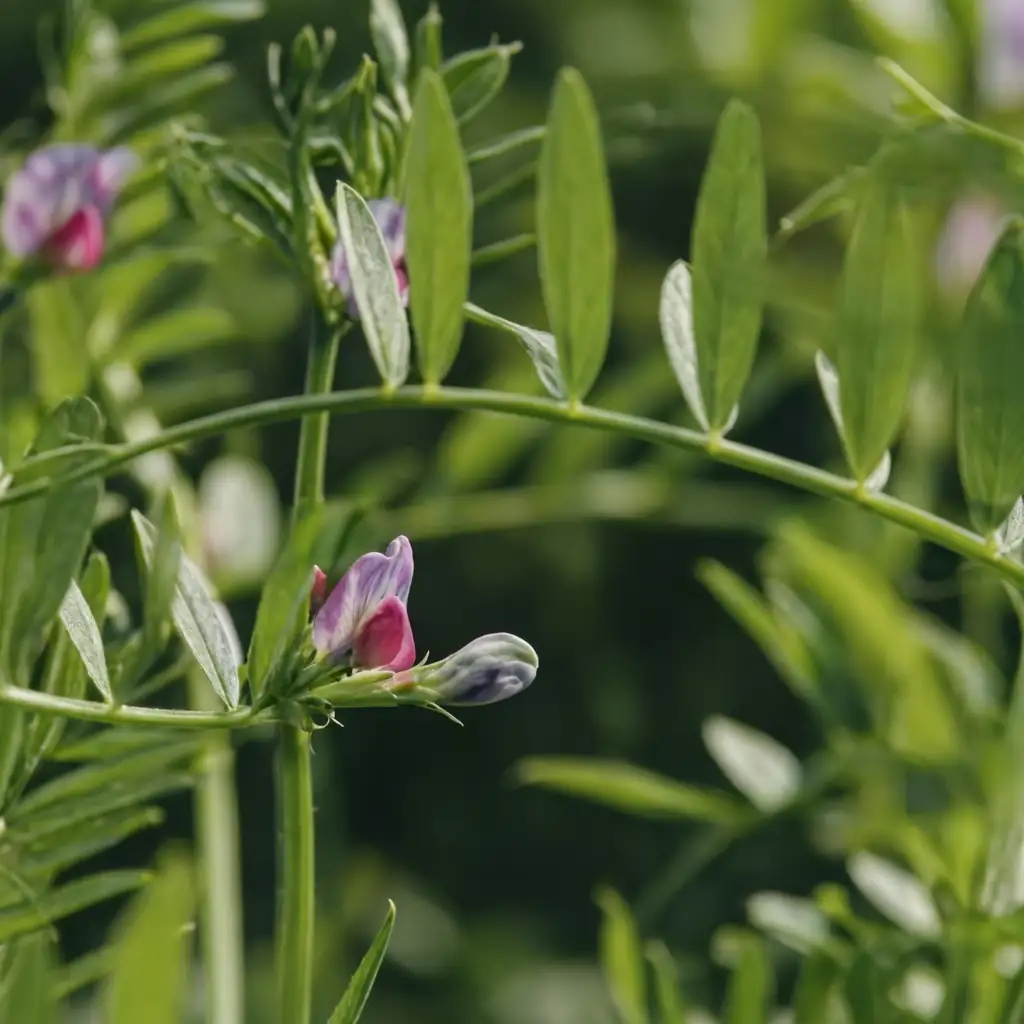
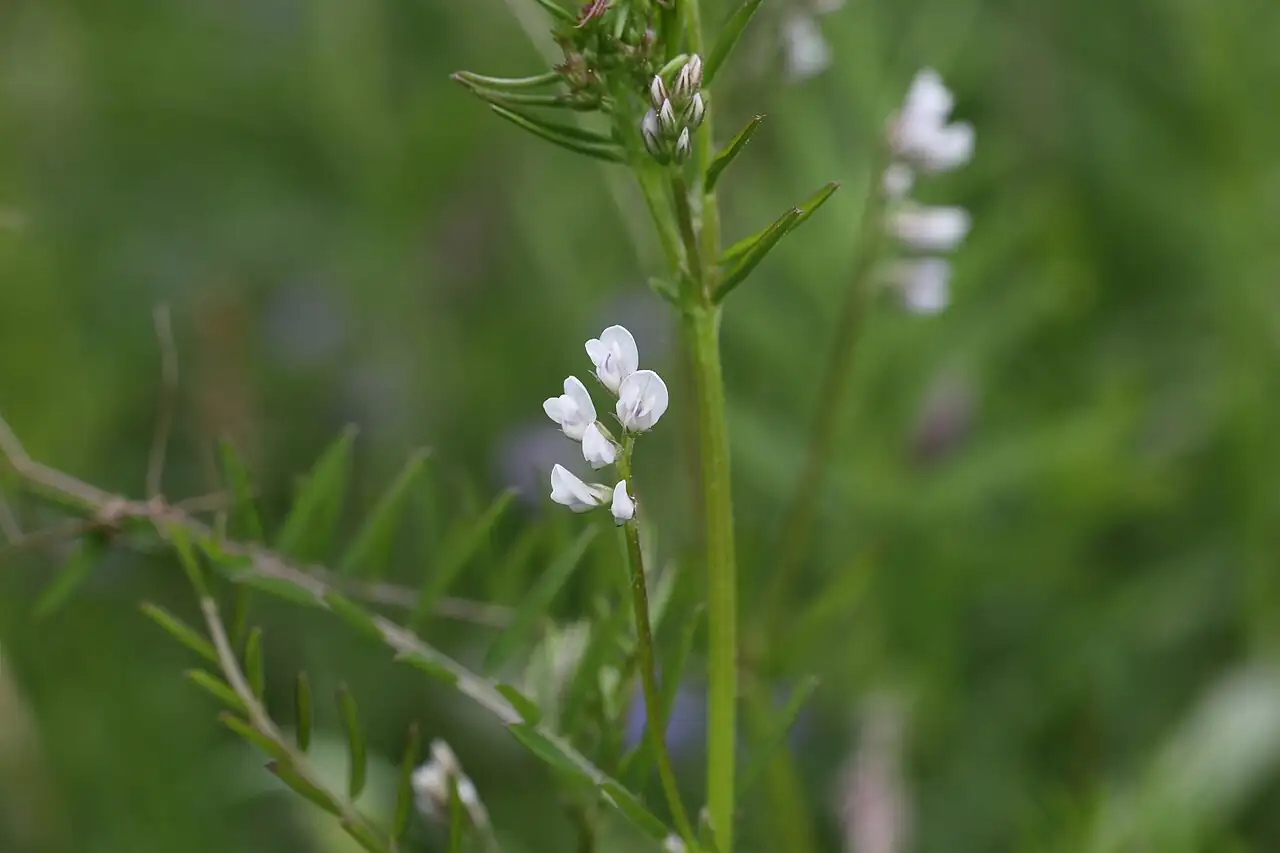
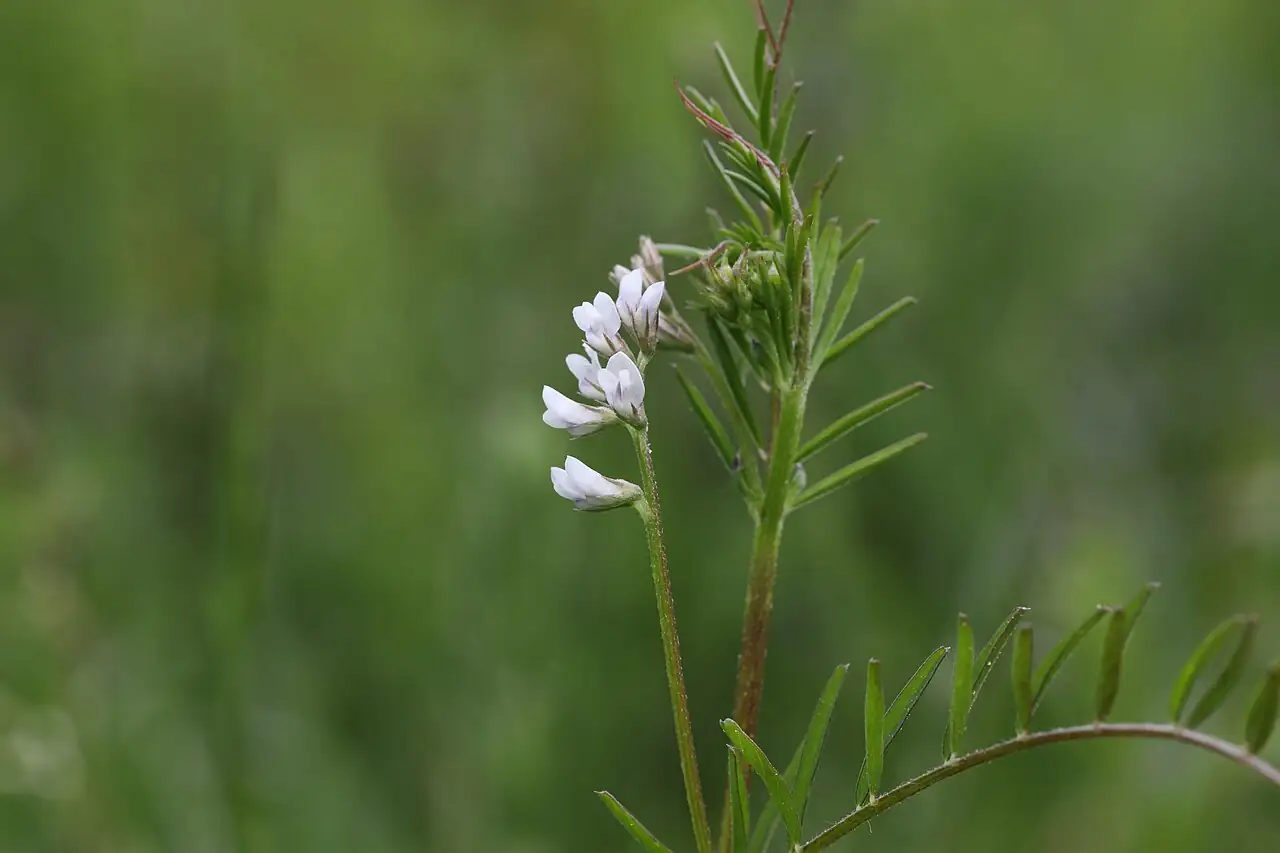
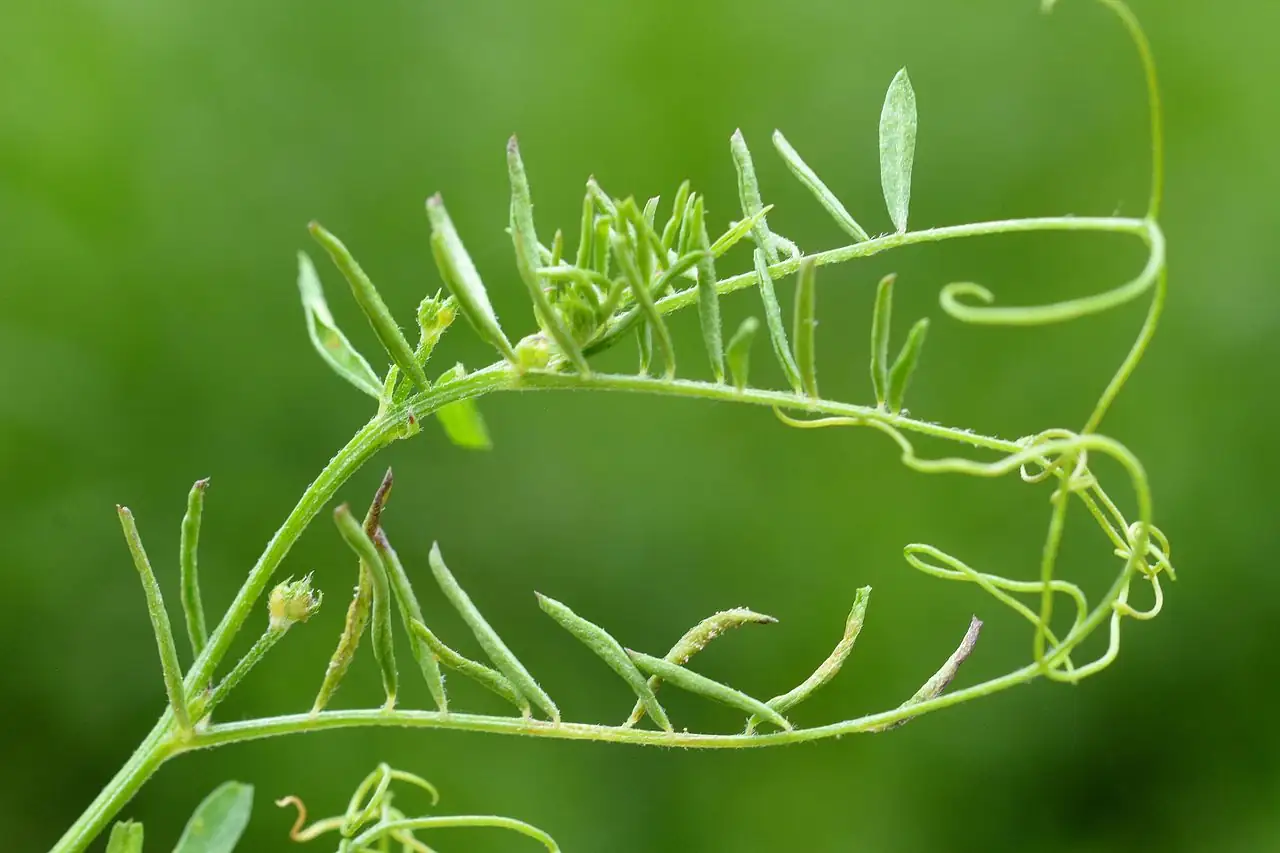
- Foliage: Slender, softly angled stems with pinnate leaves bearing about 4–8 pairs of narrow, linear leaflets. The leaf tip often becomes a small tendril that helps the plant latch onto nearby grasses and herbs.
- Flower: Tiny, pea-like flowers carried in short axillary clusters (often 2–5 blooms per cluster). Flower color ranges from whitish to pale lilac/pale purple. After flowering it sets flat, somewhat rectangular-to-rounded pods with conspicuous brown bristly hairs.
- Flowering Season: February–July (Feb–Jul), depending on climate.
- Growth Habit: Climbing or trailing (scrambling) annual herb.
Environment
Sunlight
Full sun to partial shade; flowers best with brighter light.
Temperature
Cool-season, hardy annual; grows well around 5–25°C (41–77°F) and can tolerate light frost once established.
Humidity
Flexible; does well in moderate humidity with good airflow, but handles drier conditions after it roots in.
Soil
Adaptable to many soil types; happiest in well-drained loam or sandy loam. Avoid persistently waterlogged ground.
Placement
Best outdoors—naturalistic corners, meadow edges, field margins, roadsides, and wildlife-friendly areas; not typically suited to indoor culture.
Hardiness
Frost-tolerant annual widely established in temperate regions; roughly USDA Zone 4–9 (often behaving as a winter/spring annual depending on local conditions).
Care Guide
Difficulty
Easy (outdoors). Often self-sows and needs minimal attention once established.
Buying Guide
If buying seed, verify the scientific name (Vicia hirsuta). In areas where it’s listed as a weed or invasive, avoid intentional planting and follow local guidance.
Watering
Water to establish, keeping soil lightly moist at first. After vigorous growth begins, water mainly during prolonged drought; avoid soggy conditions.
Fertilization
Usually unnecessary. As a legume, it can fix nitrogen with the right soil bacteria; heavy nitrogen fertilizer tends to produce lush leaves with fewer flowers.
Pruning
Not required. If it sprawls into plants you want to protect, trim or pull it. Remove before pods mature if you want to limit self-seeding.
Propagation
By seed. Commonly self-sows. For controlled sowing, scatter seed in autumn or early spring and lightly cover with soil.
Repotting
Not applicable in the ground. If grown in containers, use a relatively deep pot and refresh the potting mix each season since it is an annual.
📅 Seasonal Care Calendar
Autumn–early spring: sow seed or allow self-sown seedlings to establish. Spring: strong growth and peak flowering. Late spring–summer: pods form; remove plants before seed set to prevent spread.
Pests, Diseases & Safety
Common Pests & Diseases
Usually trouble-free. Possible issues include aphids, pea weevils/seed beetles, and powdery mildew when growth is crowded or airflow is poor. Improve spacing/airflow and avoid excess nitrogen to reduce problems.
Toxicity
Not generally considered poisonous, but vetches may cause digestive upset if eaten in quantity and can be problematic for pets or livestock in certain situations. Only forage if you are fully confident in identification and local food-safety guidance.
Culture & Symbolism
Symbolism: Often linked with resilience and adaptability—an understated plant that thrives where the ground is disturbed and conditions are less than perfect.
History & Legends: A familiar volunteer in traditional agricultural landscapes across its wide range. It’s appreciated for ecological benefits like nitrogen-fixing and supporting insects, yet it can also be viewed as a weed where it self-seeds freely.
Uses: Primarily a wild legume that contributes to soil fertility and offers nectar/pollen for insects. In some regions, very young shoots have been eaten as an early-season wild green (with careful identification).
FAQ
Is Hairy Vetchling the same as Hairy Vetch?
No. Hairy vetchling is Vicia hirsuta, typically with smaller flowers and very bristly pods. “Hairy vetch” usually refers to Vicia villosa, a larger species commonly grown as a cover crop.
Will it take over my garden?
It can self-seed readily if it’s happy. If you don’t want volunteers next year, pull or cut plants before the pods mature and drop seed.
Fun Facts
- The species epithet “hirsuta” means “hairy,” a perfect description of its bristly seed pods.
- Like many legumes, it can work with soil bacteria to fix nitrogen, helping it succeed in low-fertility ground.
- It’s a classic “scrambler,” using nearby plants for support rather than building a strong upright stem of its own.
- It has naturalized far beyond its original home range and is now a common field-edge plant in many temperate regions.