Plant Features
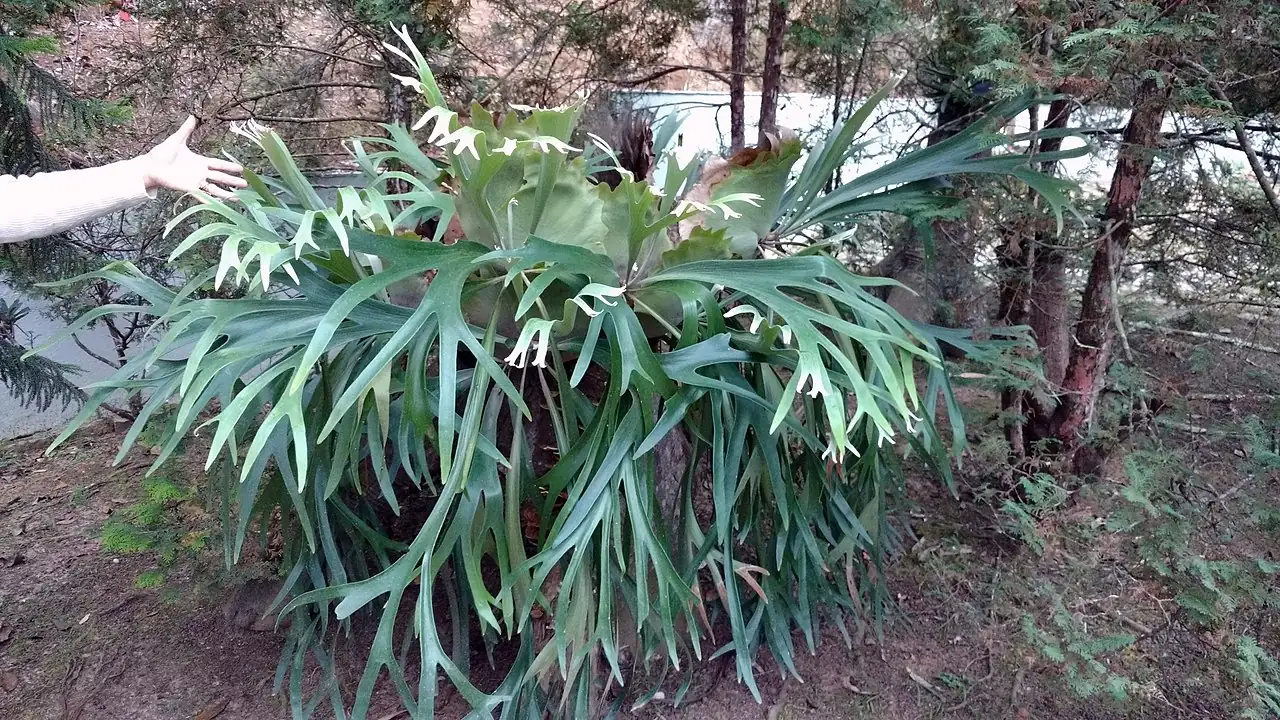
- Size: Typically about 30 cm (12 in) tall with a spread up to 90 cm (35 in) in cultivation, depending on mounting and age.
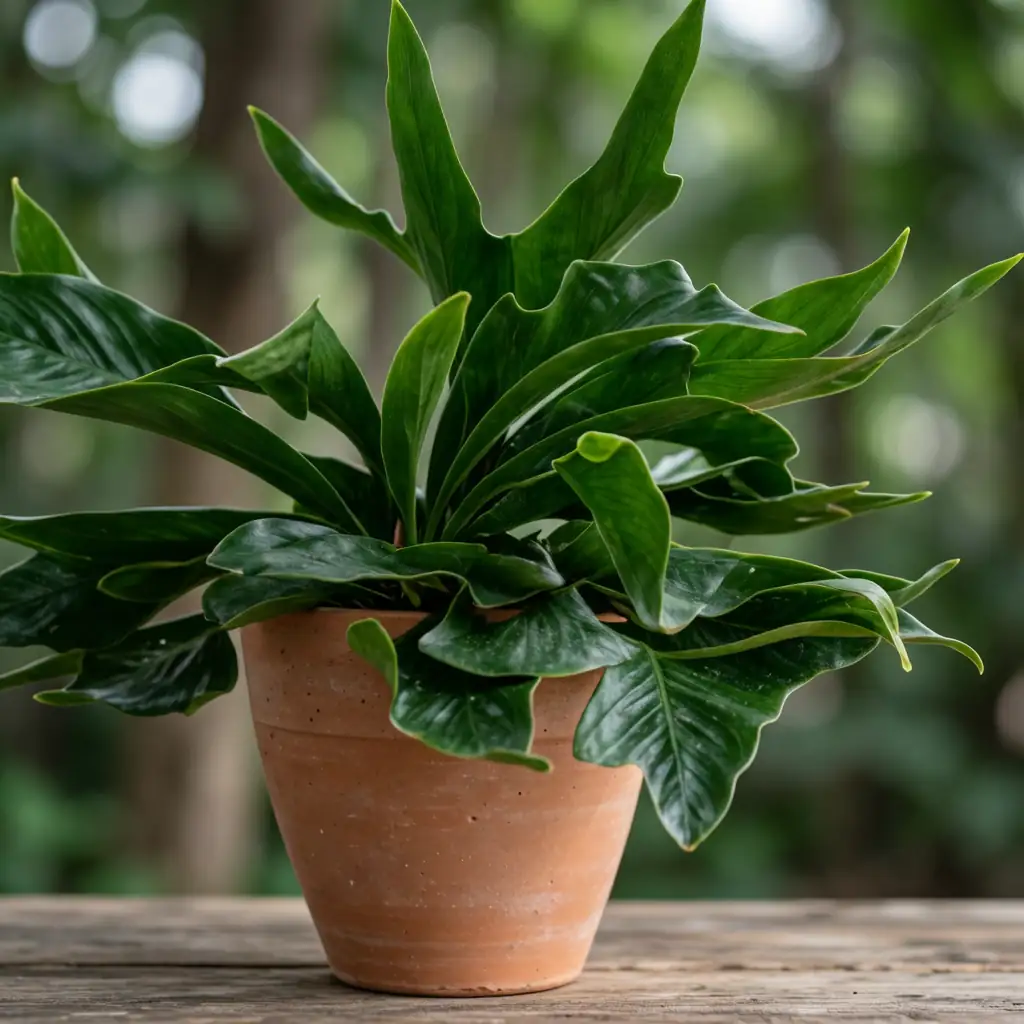
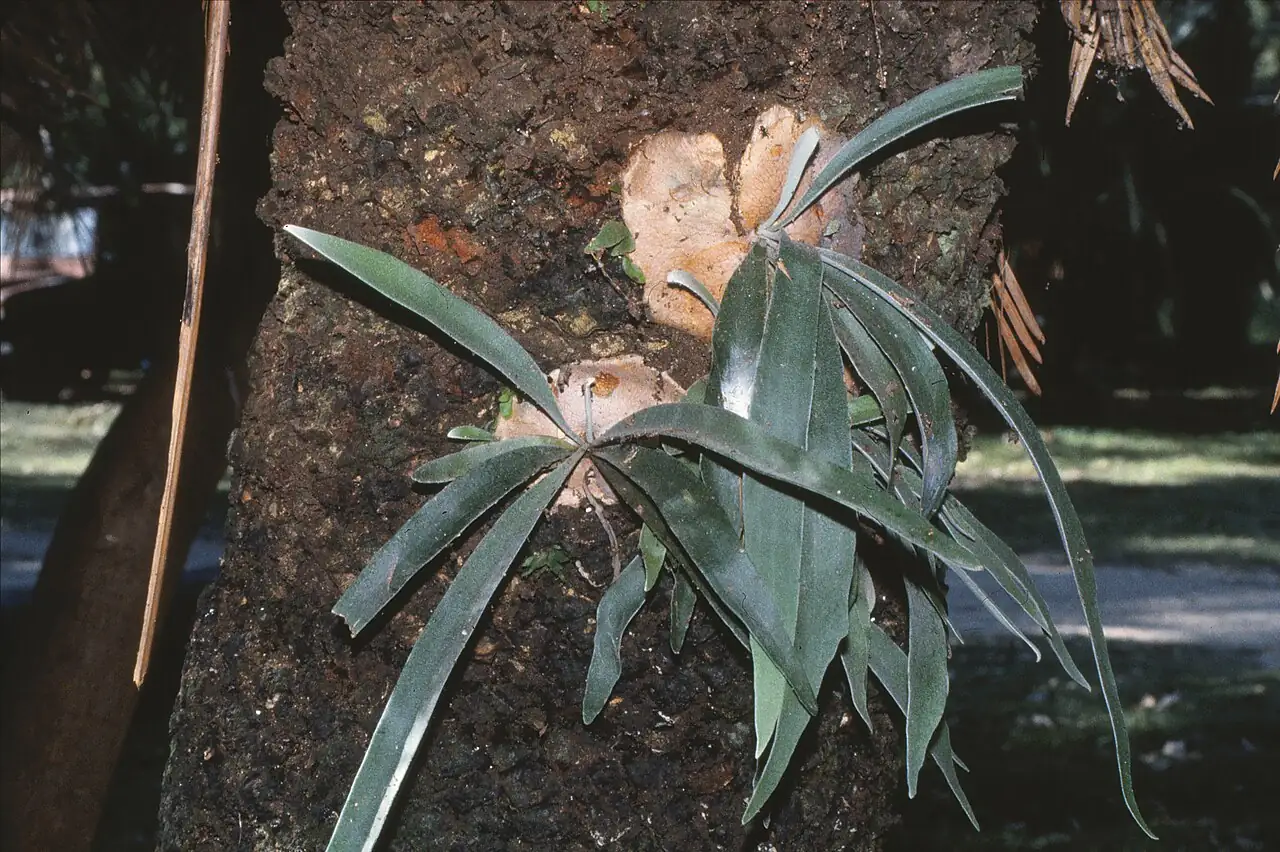
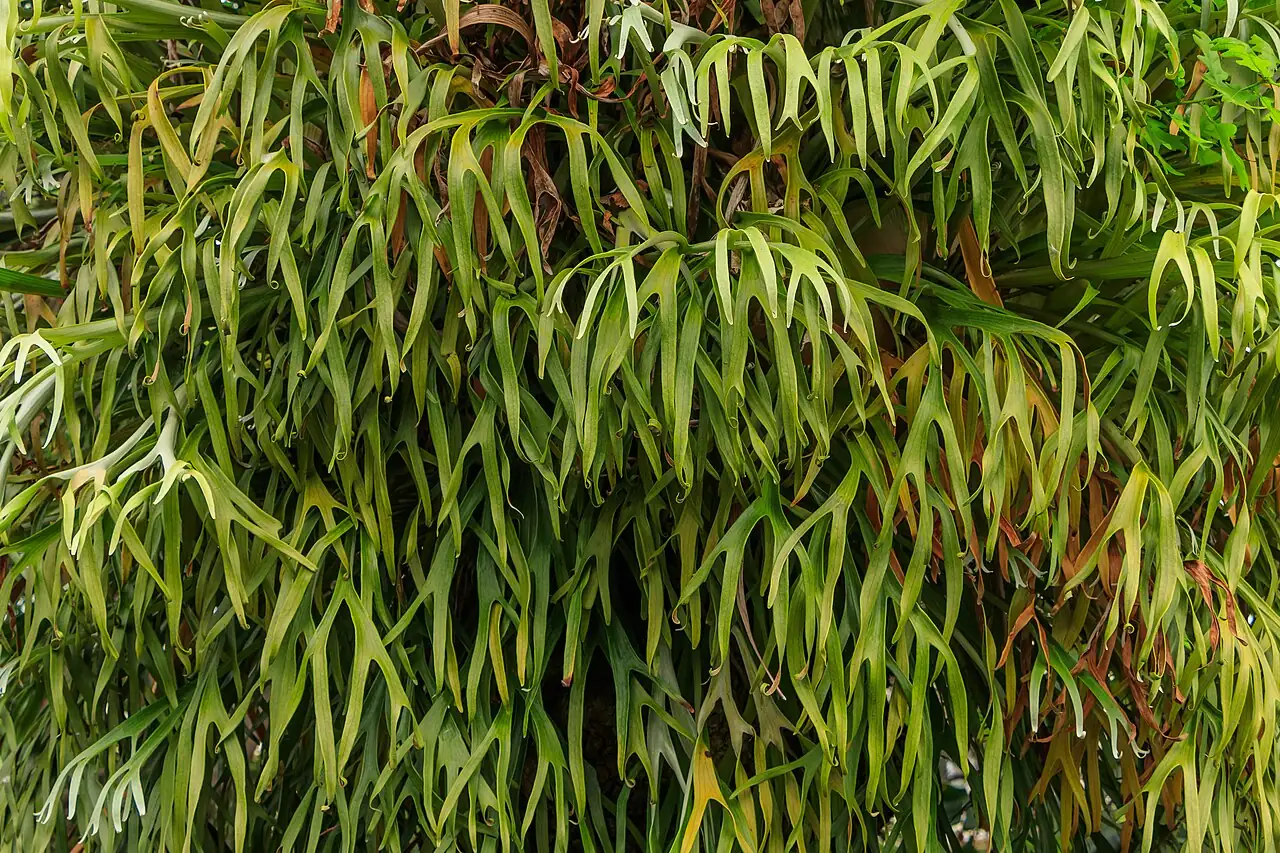
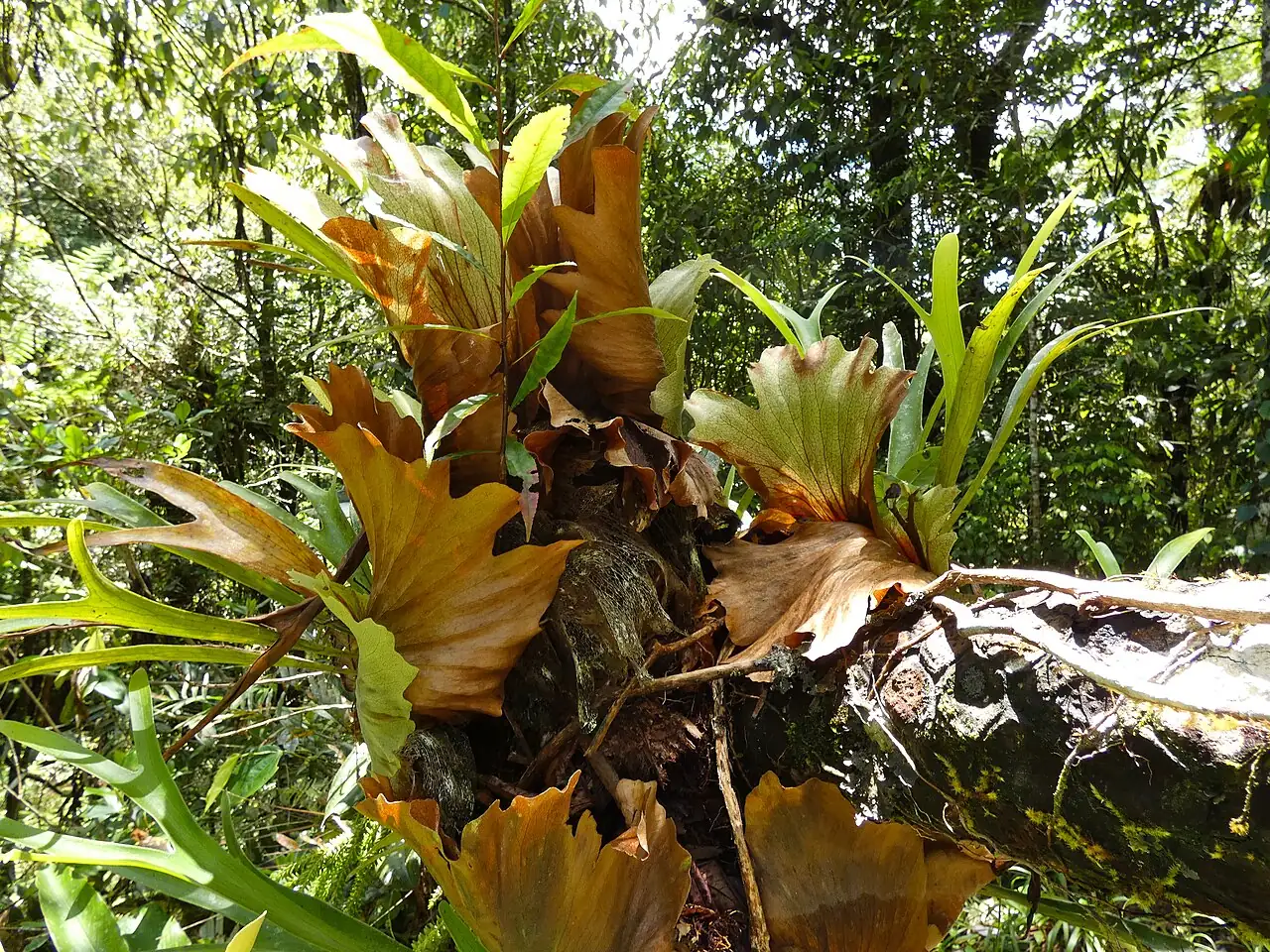
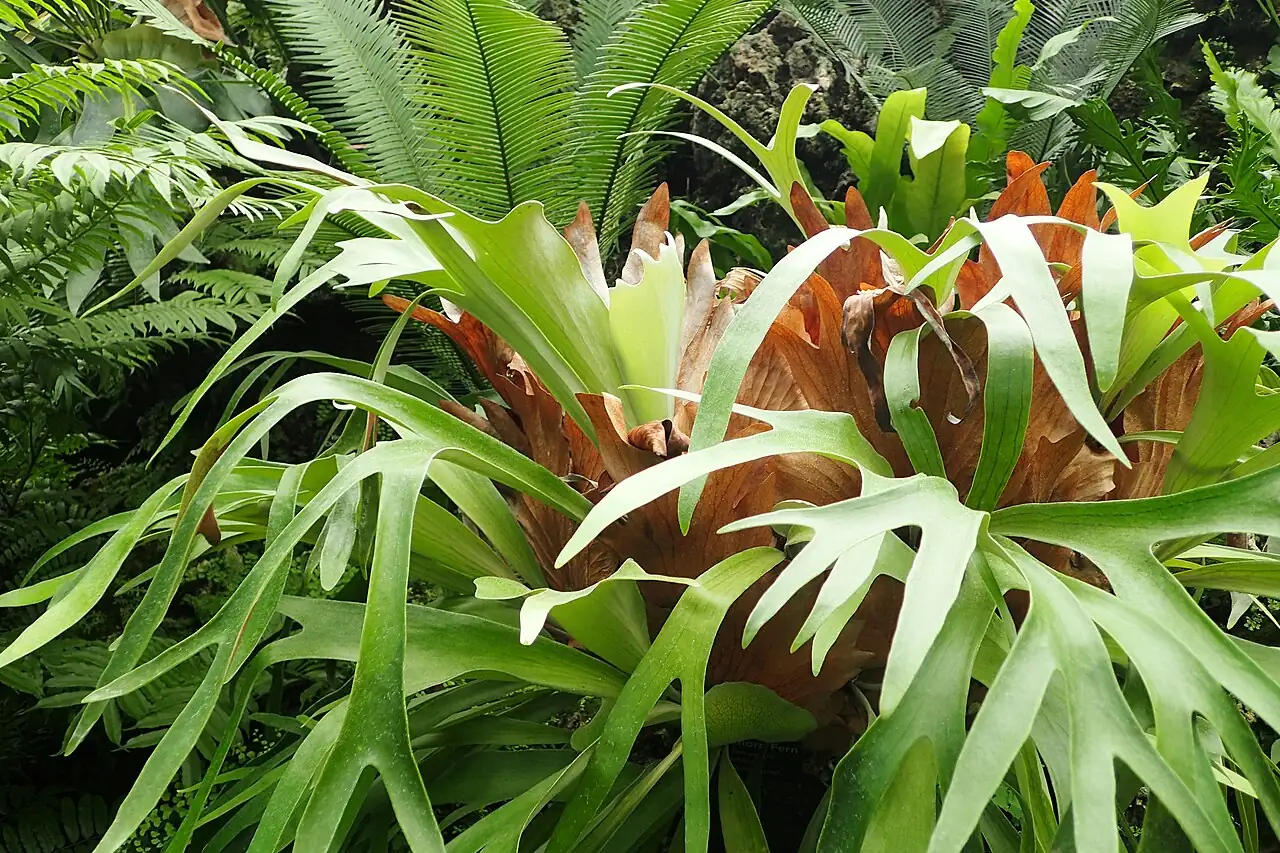
- Foliage: Produces two distinct frond types: (1) basal shield fronds that are round, flattened, and sit tight against the base; they begin green and gradually turn tan-brown and papery with age (a normal protective layer). (2) Fertile fronds that grow out from the shield, fork repeatedly, and create the classic staghorn/antler silhouette; these fronds bear spores.
- Flower: No flowers (fern; reproduces by spores).
- Flowering Season: Not applicable (fern).
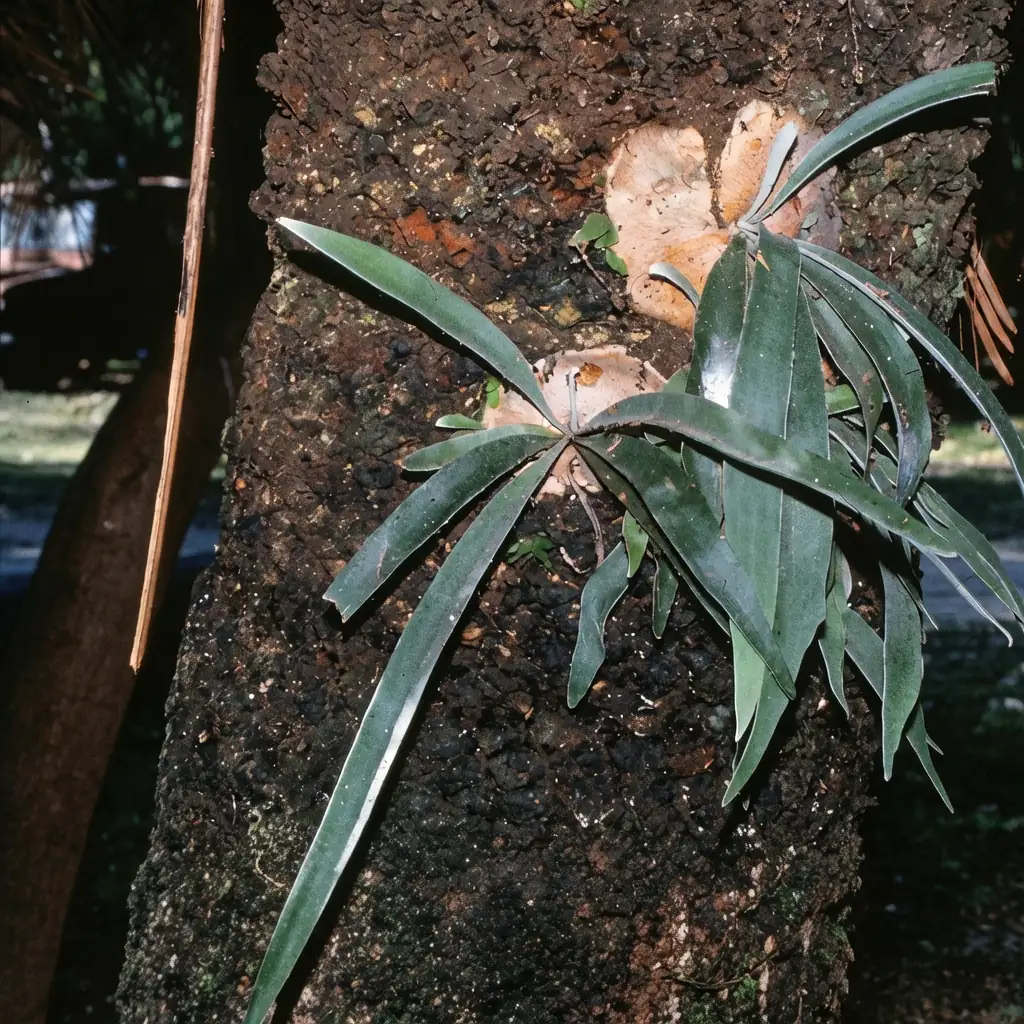
- Growth Habit: Epiphytic fern that clings and grows outward from a central base; commonly grown mounted on boards, on slabs with sphagnum, or in hanging baskets with an airy epiphyte mix.
Environment
Sunlight
Bright, indirect light is ideal; tolerates light shade. Avoid harsh direct sun, especially midday, which can scorch fronds.
Temperature
Best at 10–24°C (50–75°F). Protect from cold drafts and keep above about 10°C (50°F).
Humidity
Prefers high humidity; aim for 60%+ when possible. Bathrooms and other naturally humid rooms suit it well.
Soil
Use an open, fast-draining epiphyte medium such as orchid bark mix, often blended with sphagnum moss and/or perlite. Avoid dense, water-retentive potting soil.
Placement
Indoors near a bright window with filtered light, or in a bright bathroom for extra humidity; works beautifully mounted on a board or grown in a hanging basket with good airflow.
Hardiness
USDA Zone 10–12; not frost-tolerant and should be protected from temperatures below 10°C (50°F).
Care Guide
Difficulty
Moderate to difficult: it’s not fussy about “feeding,” but it does require consistently good humidity, airflow, and careful watering—especially around the basal shield fronds, which can rot if kept wet.
Buying Guide
Look for firm, healthy green fertile fronds and intact shield fronds. Avoid plants with black, mushy patches (signs of rot) or obvious heavy infestations. Some browning on older shield fronds is normal aging, not a problem.
Watering
Spring to early fall: keep the medium evenly moist but never soggy. If shield fronds cover the surface, bottom-water by standing the pot in water for about 15 minutes, then drain well—avoid soaking or letting water sit against the shield fronds. Winter: water sparingly, only when the surface dries. For humidity, mist in the morning and/or use a pebble tray (pot kept above the waterline) or a humidifier.
Fertilization
Spring to early fall: feed monthly with a balanced liquid fertilizer at diluted strength. Reduce or pause feeding in winter when growth slows.
Pruning
Do not remove healthy shield fronds even when brown—they act like armor and help the plant manage moisture. Remove only tissue that is fully dead, damaged, or clearly rotting, using clean tools.
Propagation
Most often propagated by dividing offsets (“pups”) once they’re big enough to have their own shield fronds and roots. Spore propagation is possible but slow and usually done by experienced growers.
Repotting
Young plants can be potted in a medium container about 12.5–15 cm (5–6 in), or grown mounted/in a hanging basket. Repot every 2–3 years in spring or when crowded, keeping the crown above the medium and avoiding burying the shield fronds.
📅 Seasonal Care Calendar
Spring to early fall: keep evenly moist; mist mornings; maintain high humidity; fertilize monthly; bottom-water for ~15 minutes if shield fronds cover the surface (don’t soak them). Winter: water lightly only when the surface dries; reduce feeding. Repot every 2–3 years in spring.
Pests, Diseases & Safety
Common Pests & Diseases
Common issues include scale insects, mealybugs, and spider mites (often worse in dry air). Rot can develop if water sits against the shield fronds or if airflow is poor. Improve ventilation and humidity balance, use an airy epiphyte mix, and treat pests with insecticidal soap or horticultural oil.
Toxicity
Generally considered non-toxic to people and pets, though chewing may cause mild stomach upset. It’s still best kept out of reach of persistent nibblers.
Culture & Symbolism
Symbolism: Often linked with strength, resilience, and a bold, wild beauty—its antler-like fronds make it feel like a little piece of rainforest artistry.
History & Legends: Staghorn ferns are classic epiphytes: in nature they cling to tree trunks and branches, which is why growers traditionally mount them on wooden slabs or display them in hanging baskets to mimic their natural lifestyle.
Uses: Primarily ornamental. A favorite statement plant for interiors, especially humid spaces like bathrooms, and a popular choice for mounting as living wall art.
FAQ
Why are the round basal (shield) fronds turning brown?
Most of the time it’s normal aging. Shield fronds turn tan-brown and papery as they mature, helping protect the plant and collect moisture. Only remove areas that are black, mushy, or foul-smelling, which suggests rot.
Can I grow a staghorn fern in regular potting soil?
It’s better not to. Platycerium bifurcatum is an epiphyte and needs a very airy, fast-draining mix like orchid bark (often with sphagnum/perlite). Dense soil stays wet too long and greatly increases rot risk.
Fun Facts
- It makes two specialized fronds: shield fronds for protection and moisture capture, and fertile fronds that carry spores.
- A well-grown mounted staghorn fern can live for many years and eventually becomes an impressive wall-hanging specimen.