Plant Features
- Size: Typically up to about 1.5 m tall × 0.75 m wide (5 ft tall × 2.5 ft wide) in indoor containers; can grow much larger outdoors in suitable warm climates.
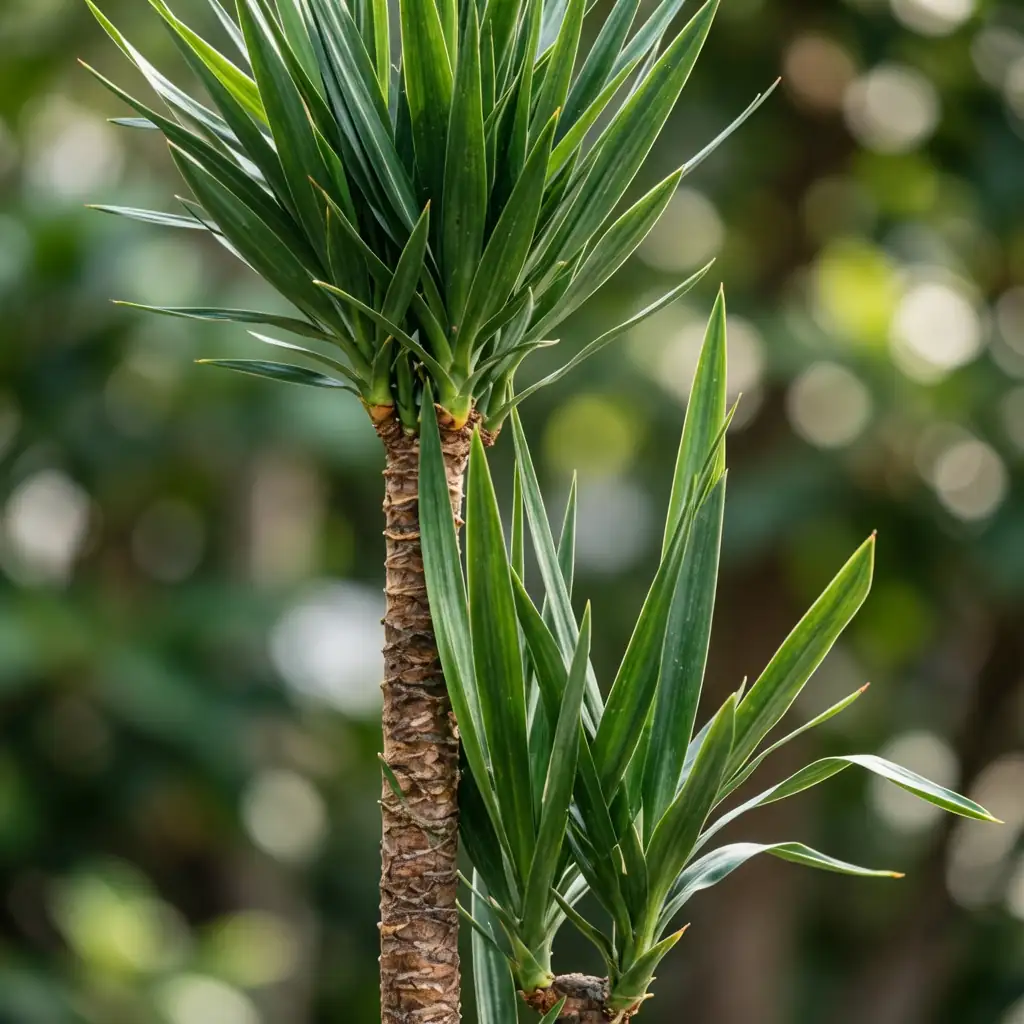
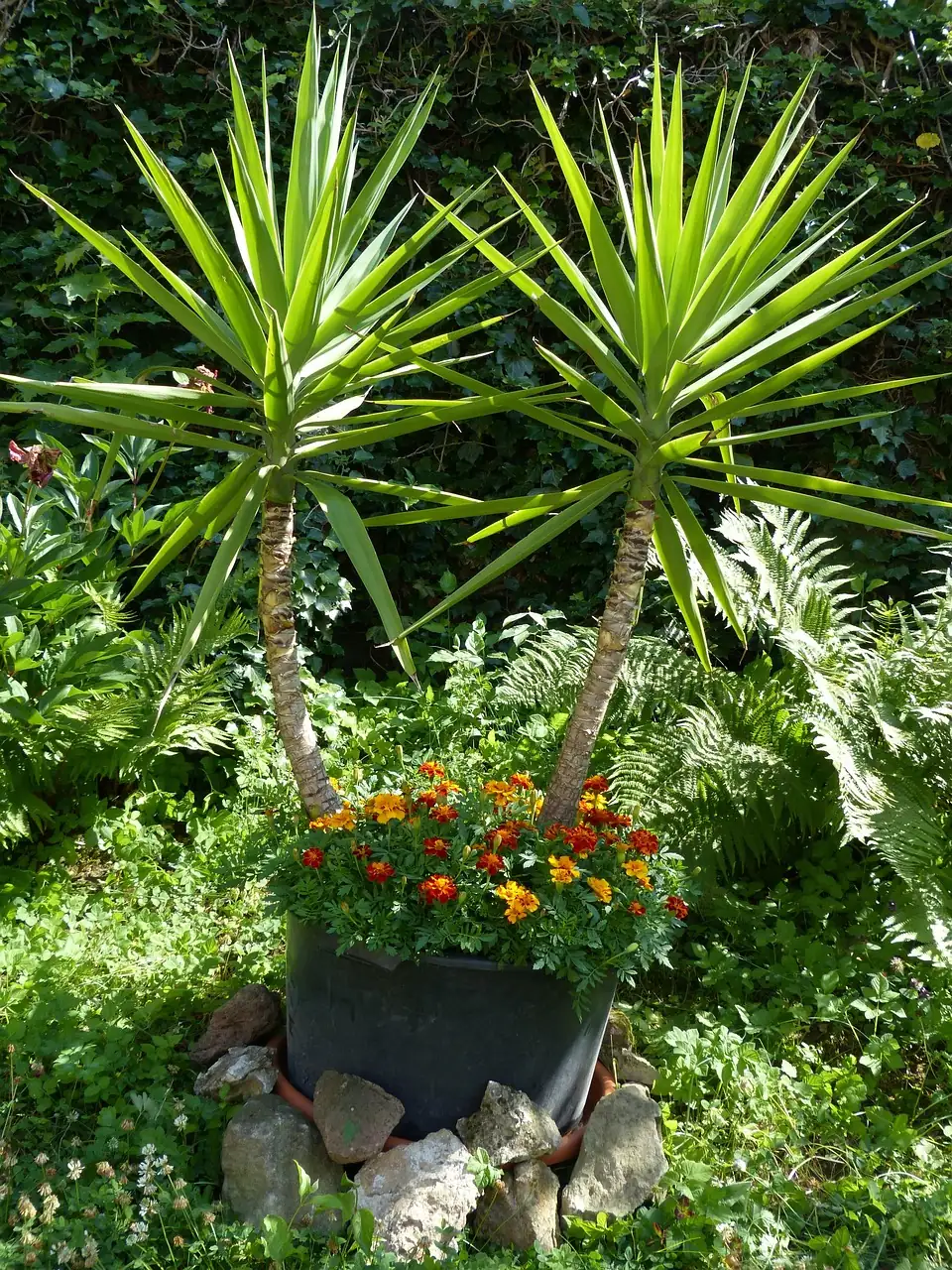
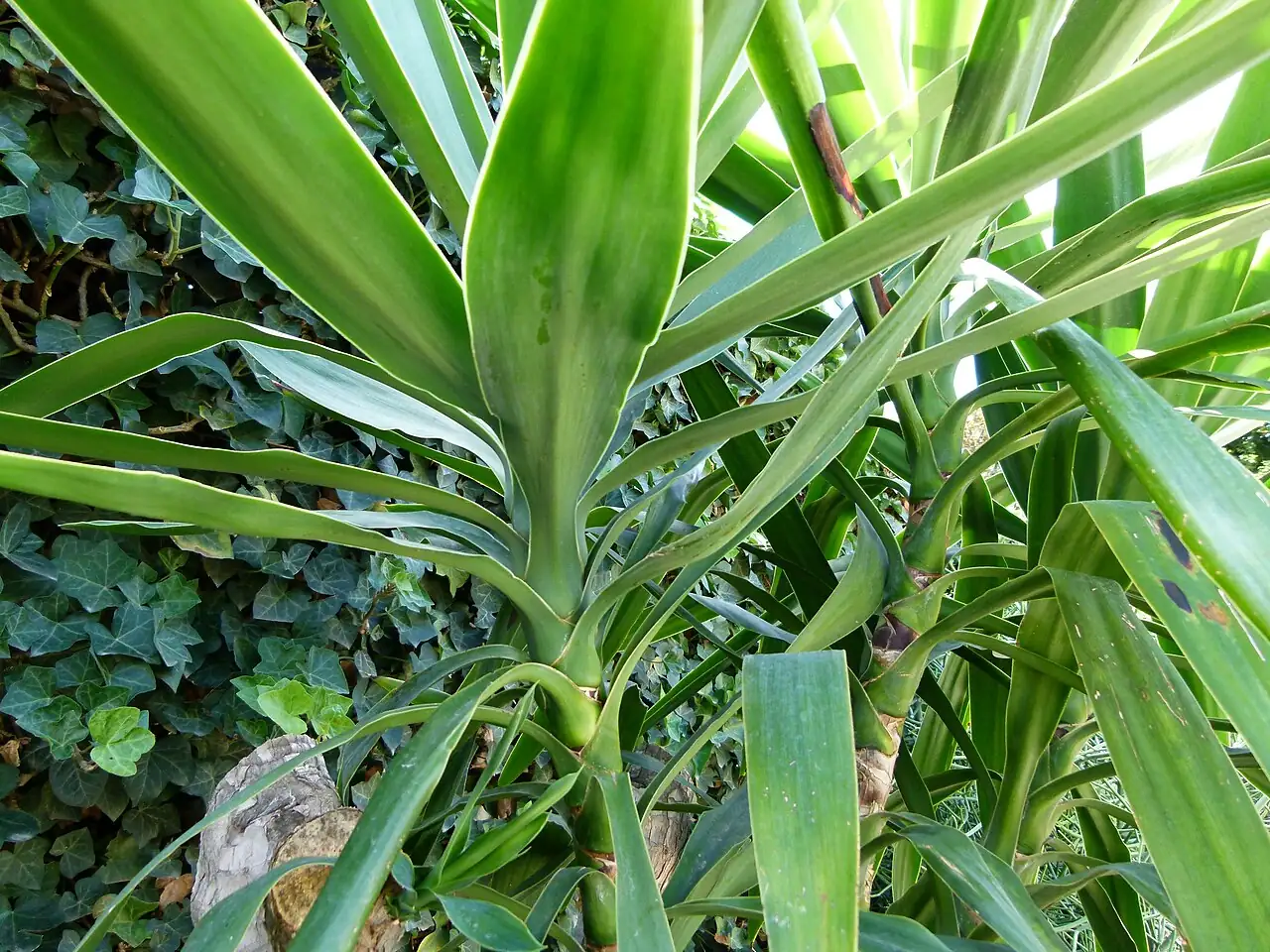
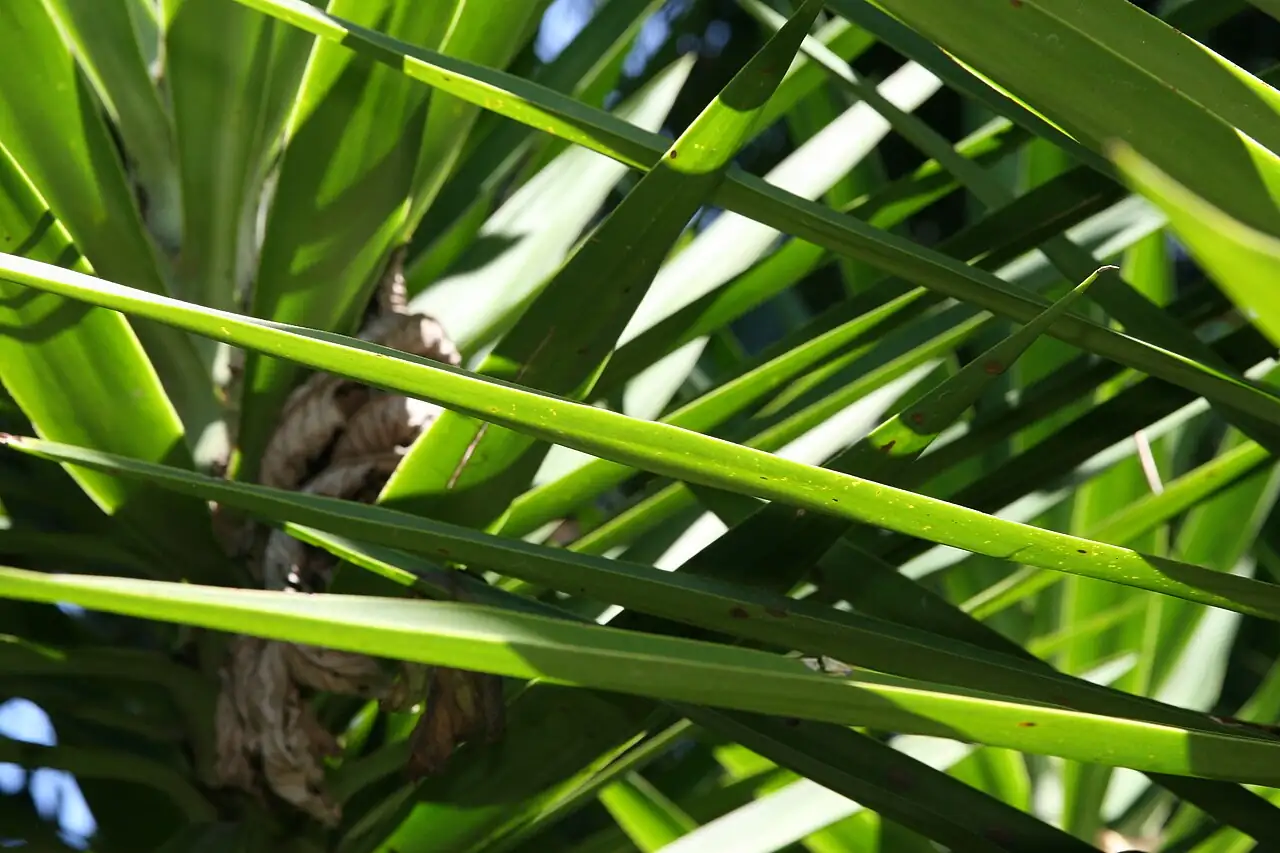
- Foliage: Stiff, narrow, sword-shaped leaves held in rosettes at the tips of woody canes/trunks, giving the plant a strong, sculptural silhouette. Although called “spineless,” the leaves can still be firm with pointed tips.
- Flower: On mature plants (especially outdoors), it can produce large, upright clusters of creamy white, bell-shaped flowers. Flowering is uncommon indoors.
- Flowering Season: Typically summer (varies with climate and plant maturity).
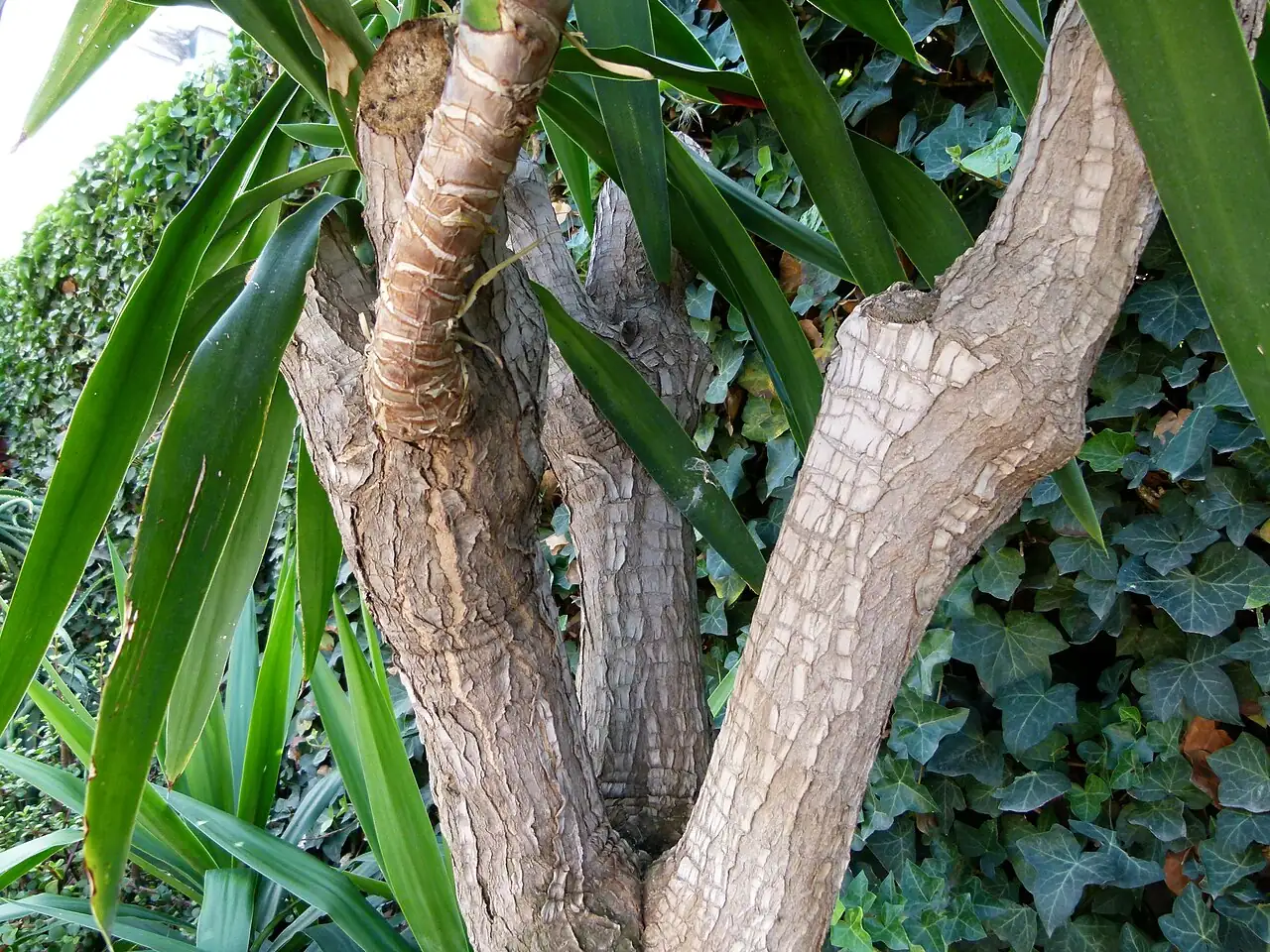
- Growth Habit: Upright, evergreen, cane-forming plant that develops a palm-like trunk with age; rosettes form at the top and new shoots can sprout after pruning.
Environment
Sunlight
Full sun to very bright light. Indoors, it does best near a south- or west-facing window; it also tolerates bright indirect light. If moving it into stronger sun, acclimate gradually to prevent scorch.
Temperature
10–27°C (50–81°F). Protect from frost and cold drafts.
Humidity
Low to average indoor humidity; no special humidity measures needed.
Soil
Fast-draining potting mix. A practical blend is 2 parts potting mix to 1 part coarse sand or perlite (by volume). Always use a pot with drainage holes to reduce rot risk.
Placement
A very bright room, sunroom, or right beside a sunny window; also works well on a sunny balcony/patio during warm seasons.
Hardiness
USDA Zone 10–11; not frost-hardy.
Care Guide
Difficulty
Easy—especially if you prioritize light and avoid overwatering. The most common cause of decline is staying too wet in a poorly draining mix.
Buying Guide
Pick a plant with firm, sturdy canes and clean leaves. Avoid soft or squishy bases, sour-smelling soil, or a plant that wobbles in the pot (possible root problems). Inspect leaf axils for mealybugs and scale.
Watering
Spring to autumn: water when the surface of the potting mix has dried. Winter: water roughly once a month, keeping the mix drier overall. Empty any saucer after watering and never let roots sit in water.
Fertilization
Spring to autumn: feed monthly with a balanced liquid fertilizer at 1/2 strength. Stop feeding in winter.
Pruning
To control height, cut back the trunk/cane in spring to the desired level. New shoots typically sprout from below the cut. Use clean tools and allow the cut surface to dry.
Propagation
Usually propagated from cane cuttings or offsets. Let cut pieces callus, then root in a fast-draining medium with warmth and bright light.
Repotting
Repot every 2–3 years, or earlier if rootbound, moving to a slightly larger pot with fresh, free-draining mix.
📅 Seasonal Care Calendar
Spring–autumn: water when the surface dries; feed monthly at 1/2 strength. Winter: water about once monthly and keep drier; no fertilizer. Spring: prune canes to manage height; repot every 2–3 years.
Pests, Diseases & Safety
Common Pests & Diseases
Common issues include spider mites (often in hot, very dry rooms), mealybugs, and scale. Root rot occurs with frequent watering or poorly draining soil. Improve light and drainage, and treat pests with horticultural soap or oil as needed.
Toxicity
Toxic if eaten. Contains saponins that may cause drooling, vomiting, and gastrointestinal upset in pets and people—keep out of reach of children and animals.
Culture & Symbolism
Symbolism: Often linked with resilience and endurance thanks to its ability to cope with sun, heat, and dry indoor air.
History & Legends: Popular as a “yucca cane” houseplant since the late 20th century, prized for its modern, sculptural look and its toughness indoors.
Uses: Primarily grown as an ornamental foliage plant for bright interiors, patios, and warm-climate gardens; valued as a low-maintenance architectural accent.
FAQ
Is the whole plant toxic?
Yes—if eaten it can cause gastrointestinal upset. Keep it away from pets and small children.
What temperature range does it prefer?
About 10–27°C (50–81°F). Avoid frost and prolonged cold, especially near drafty windows in winter.
What light does it need?
Full sun to very bright light is ideal. Indoors, give it your brightest spot; it can tolerate bright indirect light but grows best with more sun.
When and how should I water it?
Water after the surface of the mix dries in spring through autumn. In winter, reduce to about once a month and keep it on the dry side.
How should I fertilize it?
Feed monthly in spring through autumn with a balanced liquid fertilizer at 1/2 strength; don’t fertilize in winter.
How often should I repot?
Every 2–3 years, or sooner if the roots have filled the pot.
Fun Facts
- Despite the name “spineless,” the leaf tips can still be stiff and pointy—give it a little space in narrow hallways.
- It rarely flowers indoors, but mature outdoor plants can send up dramatic, tall flower spikes.
- It’s commonly sold as Yucca gigantea, a horticultural synonym for the same species.