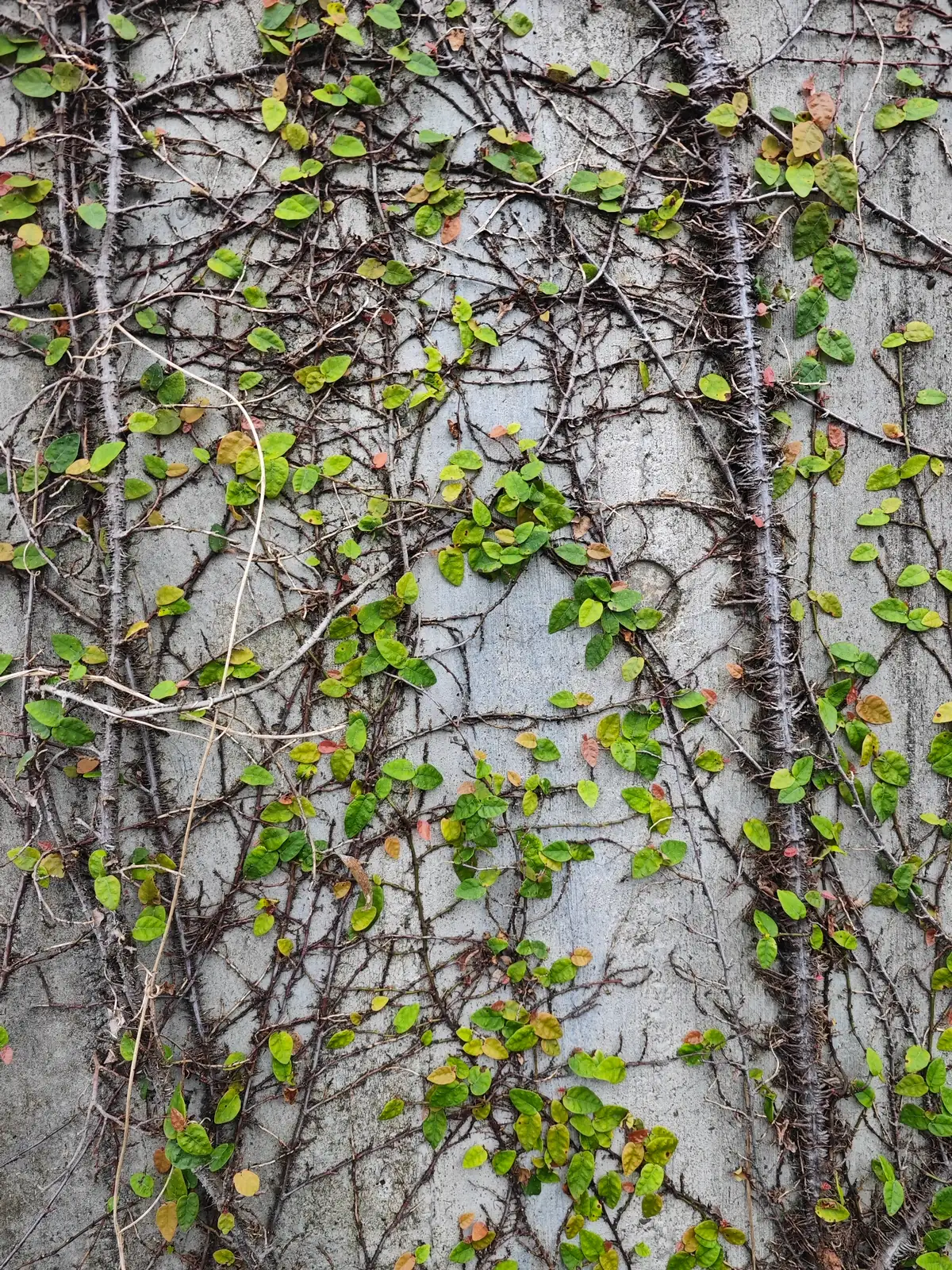
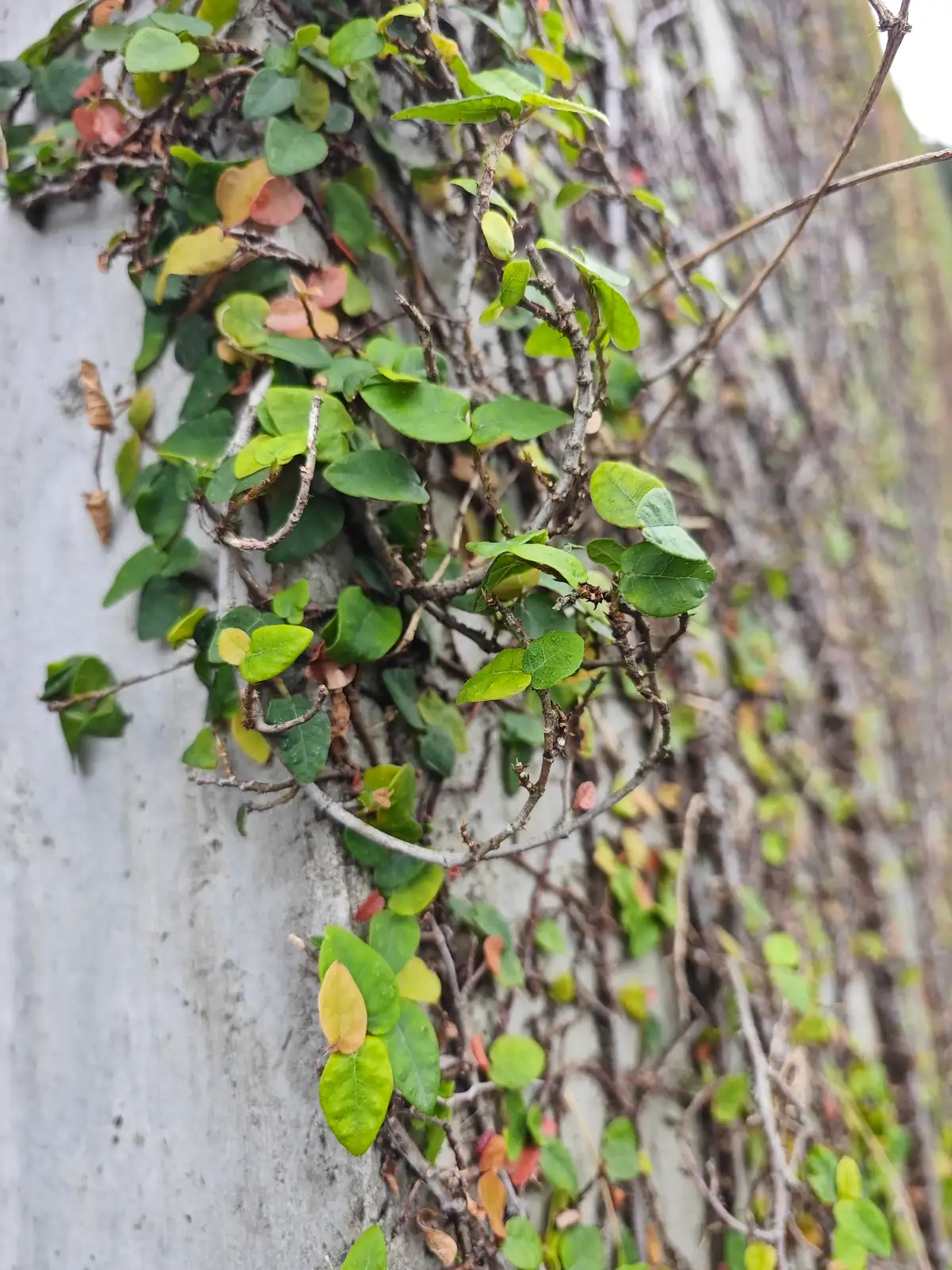
Plant Features
- Size: Up to about 90 × 90 cm (35 × 35 in) when trained or allowed to trail.
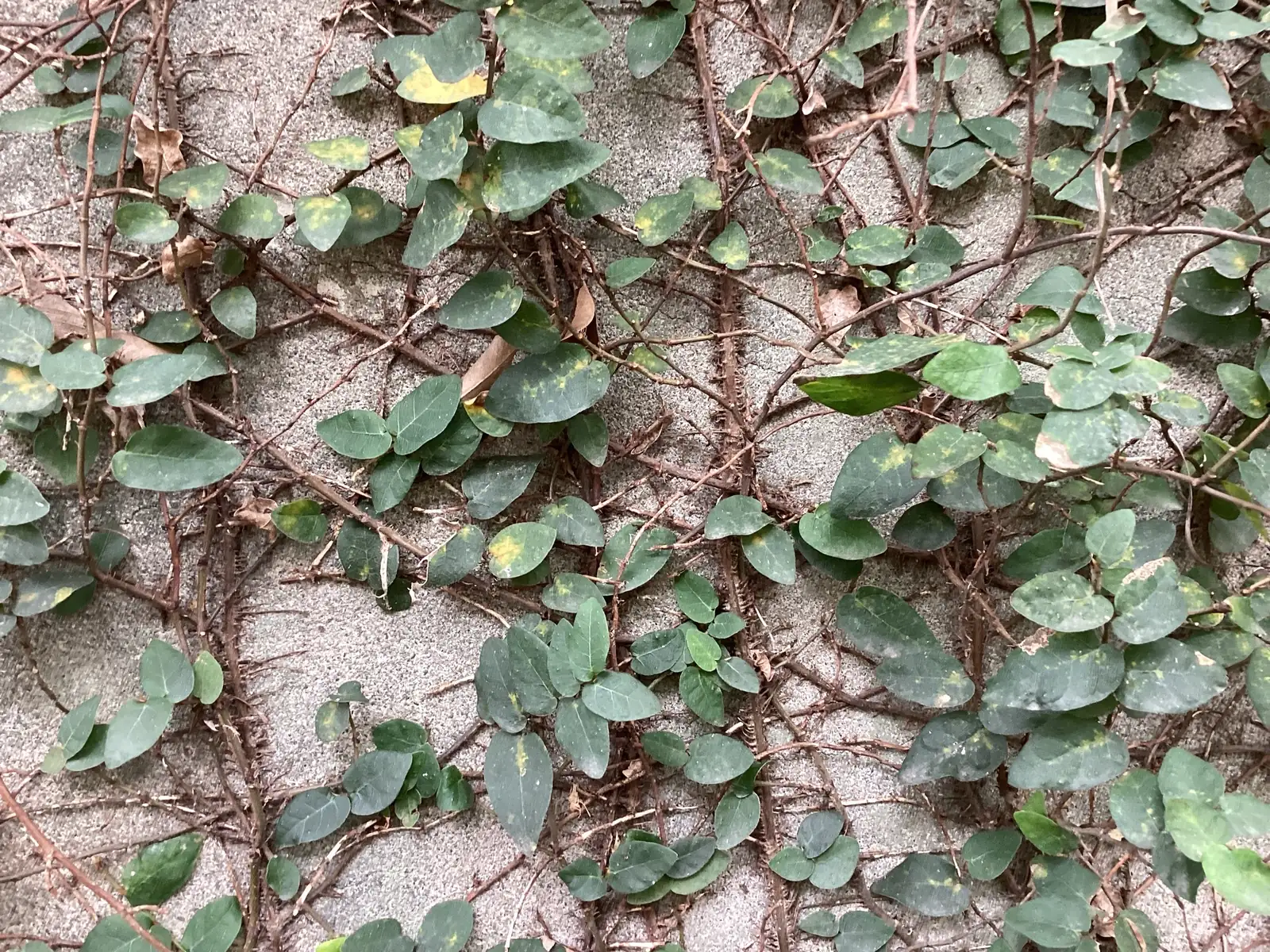
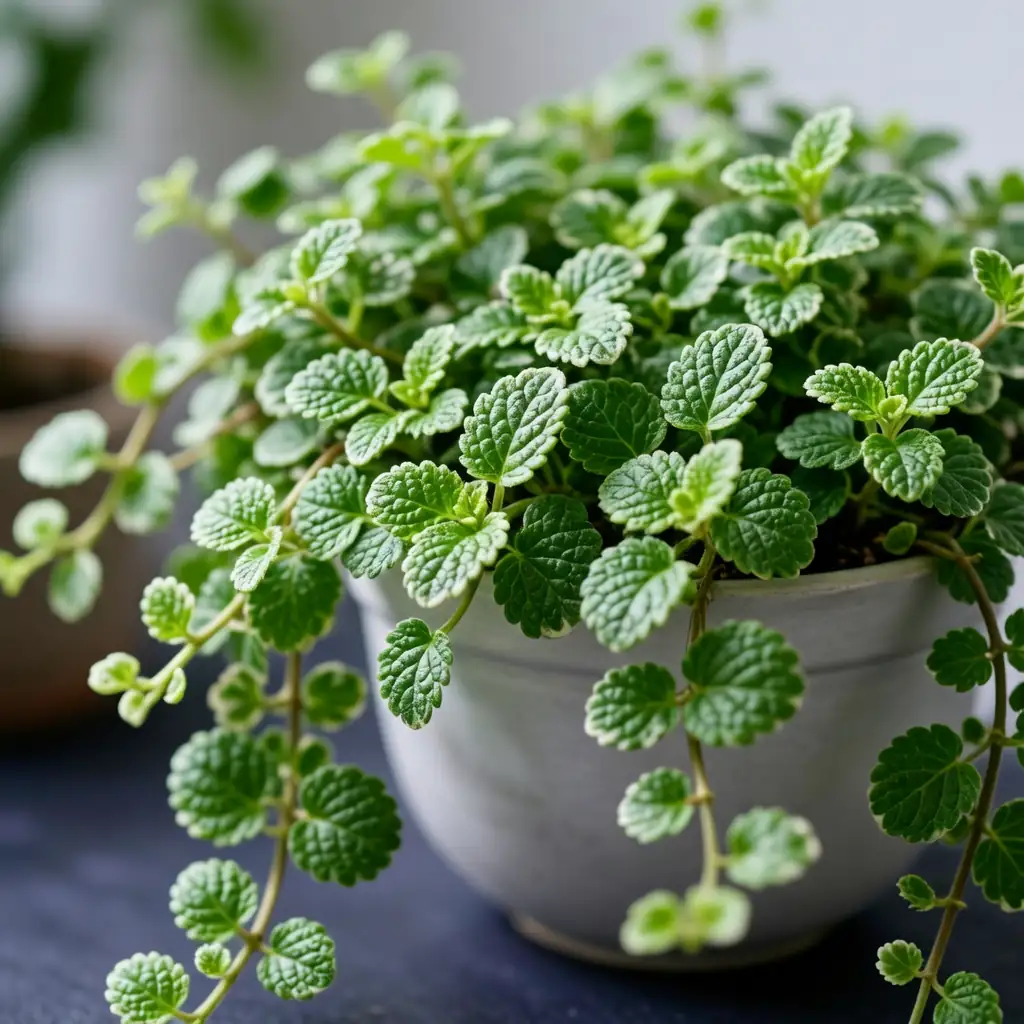
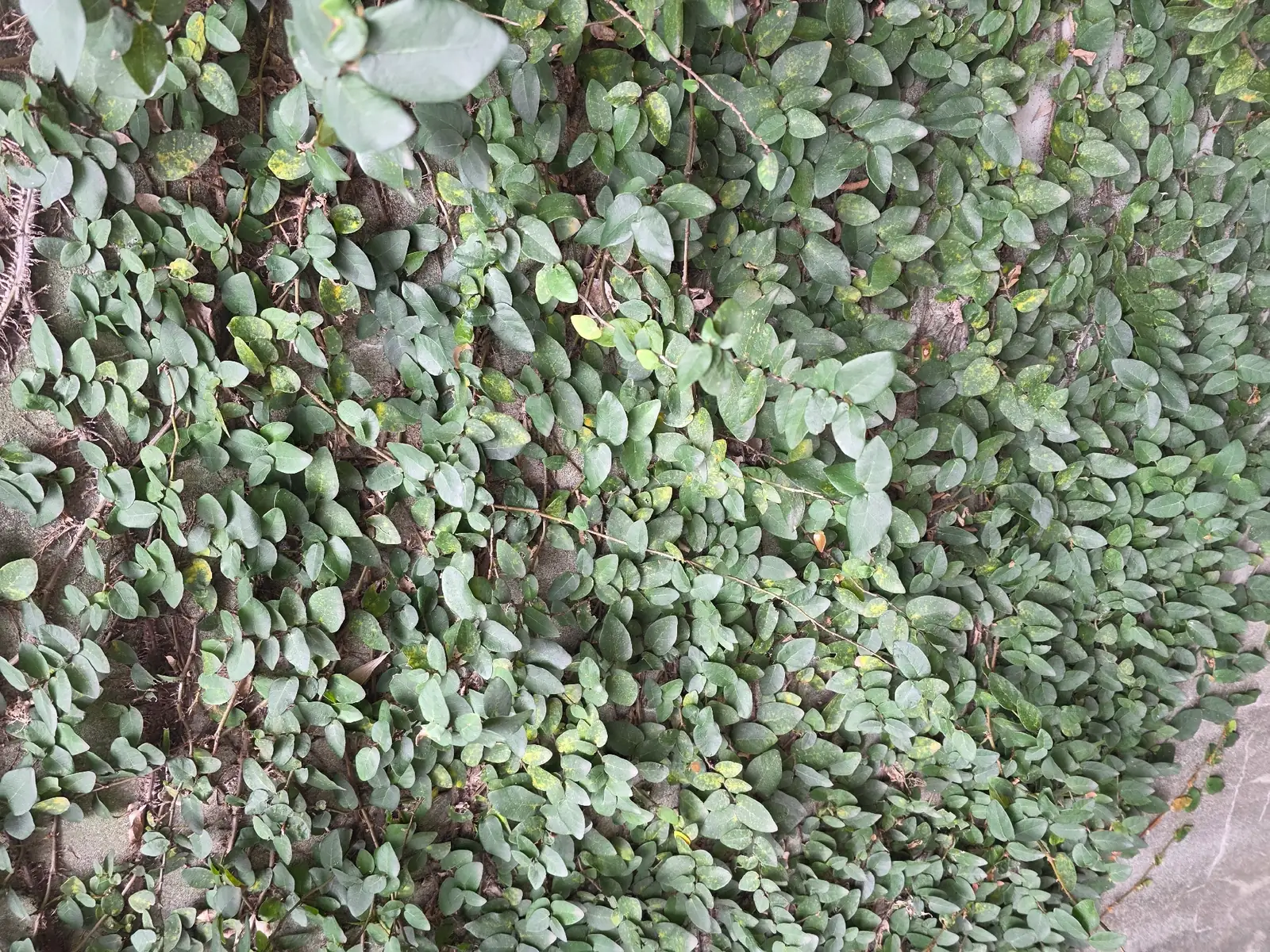
- Foliage: Small, rounded juvenile leaves with crisp creamy-white margins; when allowed to grow densely it forms a fine, even, “mat-like” texture.
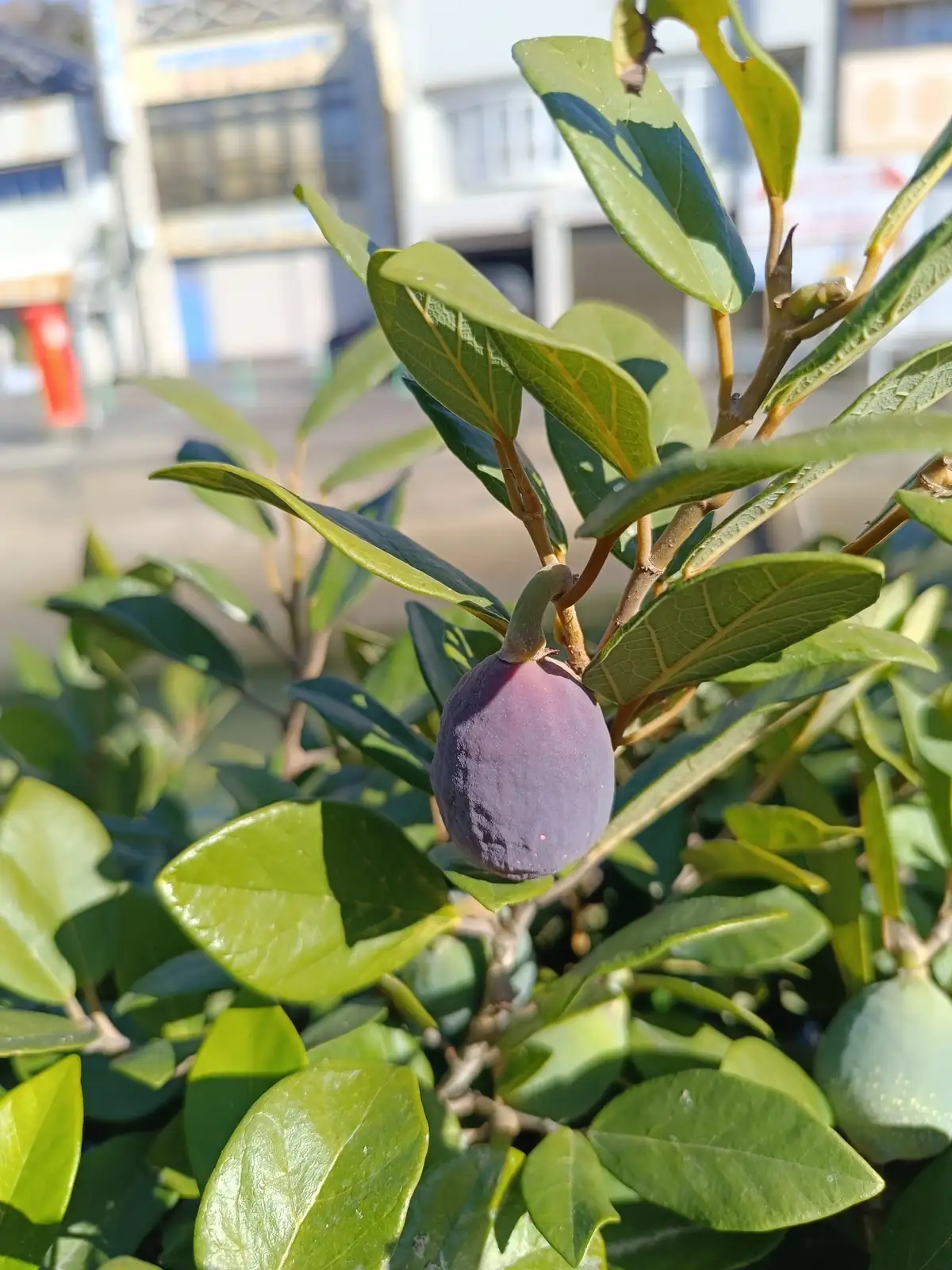
- Flower: Inconspicuous fig-type flowers hidden inside a tiny syconium (fig structure). Rare indoors and not showy.
- Flowering Season: Rare/irregular indoors.
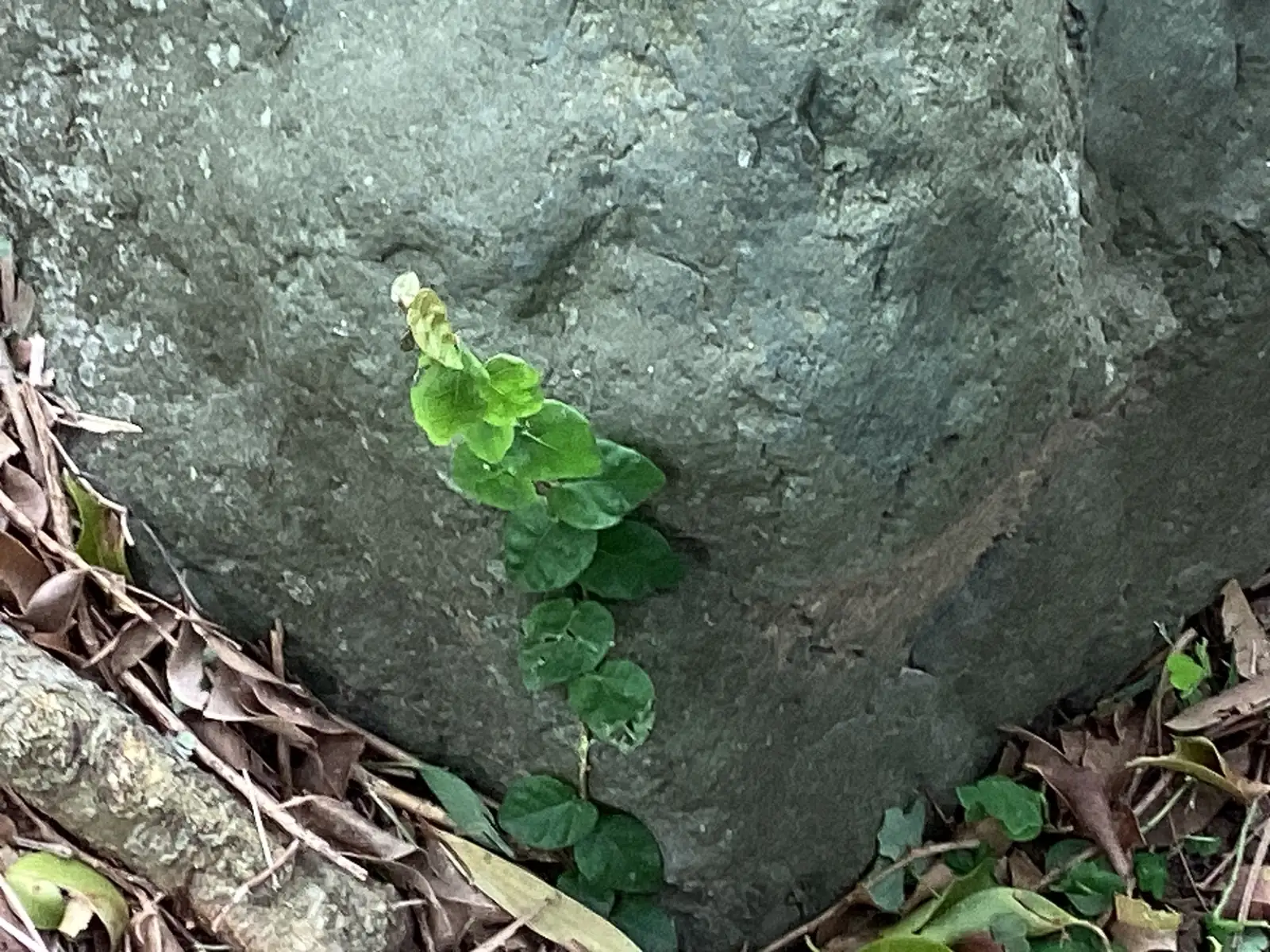
- Growth Habit: Compact trailing/climbing vine; cascades from hanging baskets and containers, or can be trained to climb a small trellis or frame.
Environment
Sunlight
Bright, filtered light to partial shade; avoid harsh midday sun. Brighter indirect light helps keep the variegation crisp.
Temperature
13–24°C (55–75°F). Protect from cold drafts; avoid temperatures below about 10°C (50°F).
Humidity
Average indoor humidity is usually fine; appreciates occasional misting during hot, dry periods.
Soil
Loose, well-draining potting mix with good aeration. Keep evenly moist but never waterlogged to reduce root-rot risk.
Placement
Great in hanging baskets, as a spiller/edging plant around larger specimens, or trained up a small trellis. Often happiest in a 10–20 cm (4–8 in) pot.
Hardiness
Not frost-hardy; outdoors year-round only in warm climates (roughly USDA Zone 10–11).
Care Guide
Difficulty
Easy; the main challenge is not letting it dry out completely.
Buying Guide
Look for dense, well-branched growth and clean, sharp variegation. Avoid plants with dry/brittle leaves, blackened stems, or potting mix that smells sour or stays soggy.
Watering
Keep the mix consistently moist. If watering is irregular, leaves may dry and turn crispy quickly. In winter, let the top layer dry slightly more than in other seasons, but don’t let the rootball fully dry out. During very hot summer spells, misting about every 1–2 days can help reduce stress.
Fertilization
Spring and summer: feed monthly with a balanced liquid fertilizer at label strength (or half-strength if growth becomes soft/leggy).
Pruning
Pinch shoot tips to encourage branching and a fuller shape. If stems get thin or leggy, cut back harder—new shoots will emerge from nodes below the cut for a denser look.
Propagation
Very easy from stem cuttings. Take healthy tip cuttings, remove lower leaves, and root in water or in a moist propagation mix in warm conditions.
Repotting
Repot every 2 years in spring, or sooner if root-bound. Refresh into a well-draining mix; typical container size is 10–20 cm (4–8 in) depending on how you want it to trail.
📅 Seasonal Care Calendar
Spring: repot (about every 2 years) and begin monthly feeding. Summer: keep evenly moist; mist every 1–2 days during hot spells; continue feeding monthly. Winter: water a bit less than in warm months but don’t allow complete dry-out.
Pests, Diseases & Safety
Common Pests & Diseases
Can attract spider mites, scale, and mealybugs—especially when indoor air is dry. Overwatering or poorly drained soil can cause root rot. Improve airflow, avoid soggy mix, and treat pests with insecticidal soap or horticultural oil.
Toxicity
Toxic sap (milky latex). Can irritate skin and eyes and may cause stomach upset if chewed by pets or children. Wear gloves for heavy pruning, keep out of reach, and wash hands after handling.
Culture & Symbolism
Symbolism: Often linked with resilience and gentle persistence—its habit of creeping, clinging, and steadily covering surfaces feels quietly determined.
History & Legends: A cultivated, variegated selection of Ficus pumila, grown mainly as an ornamental houseplant and container vine for its neat, decorative foliage.
Uses: Ornamental foliage plant for hanging baskets, trailing over container edges as a living border, or training up small trellises/frames for a tidy green-and-cream wall of texture.
FAQ
Why are the leaves drying and turning crispy?
This plant shows drought stress fast. Water more consistently so the mix stays evenly moist, move it away from hot sun/heat blasts, and consider light misting during hot, dry periods.
Can it grow in low light?
It can tolerate lower light, but growth slows and the variegation often fades. For best color and compact growth, give bright, indirect light.
How do I make it fuller?
Pinch the growing tips regularly and prune back leggy stems. It will branch from nodes below the cut, filling in over time.
Fun Facts
- Creeping fig often has different leaf shapes at different life stages; indoor container plants usually keep the small, juvenile leaves.
- Its “flowers” are hidden inside a fig-like structure called a syconium—so indoors you’ll almost never notice blooming.