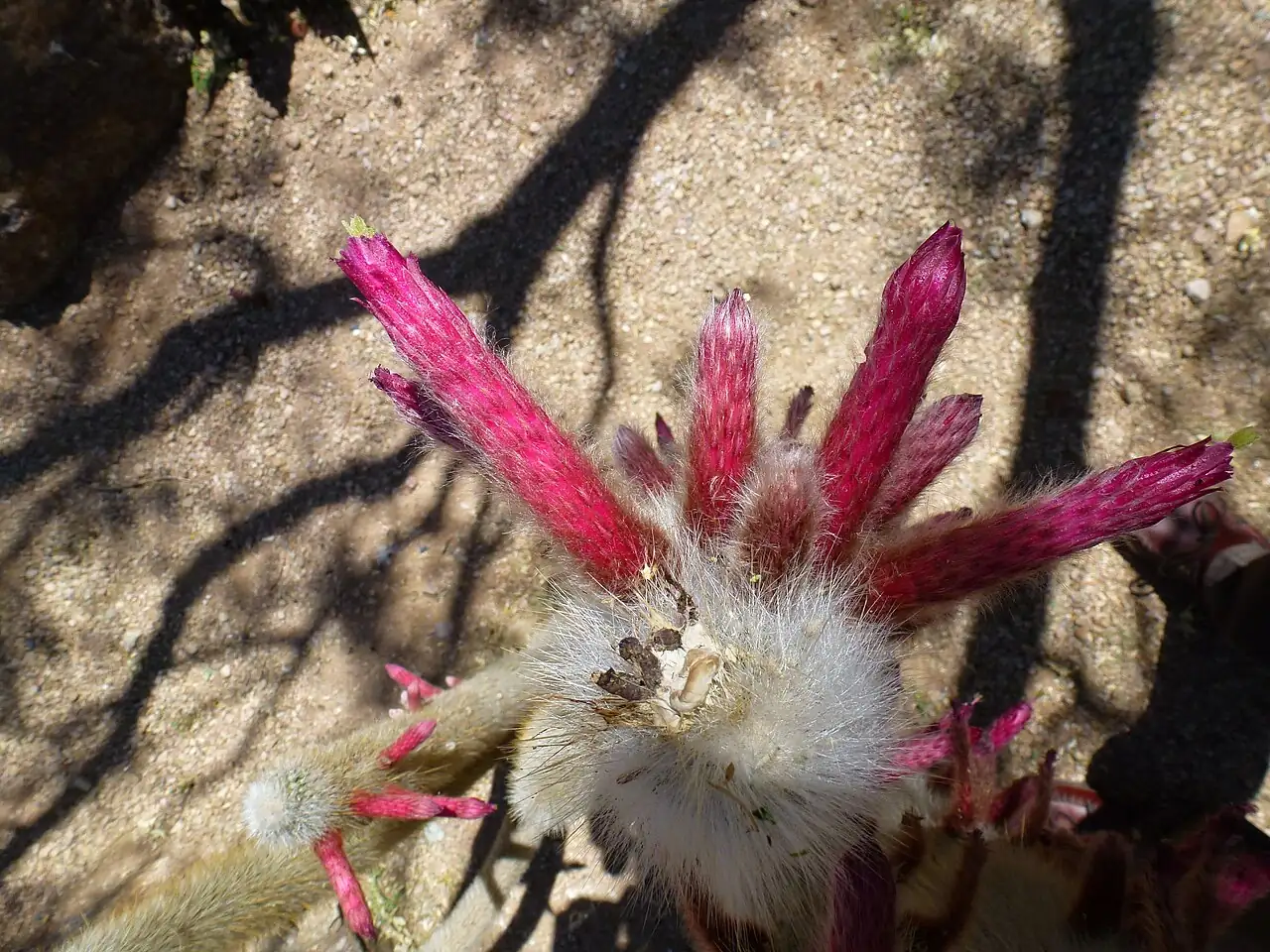
Plant Features
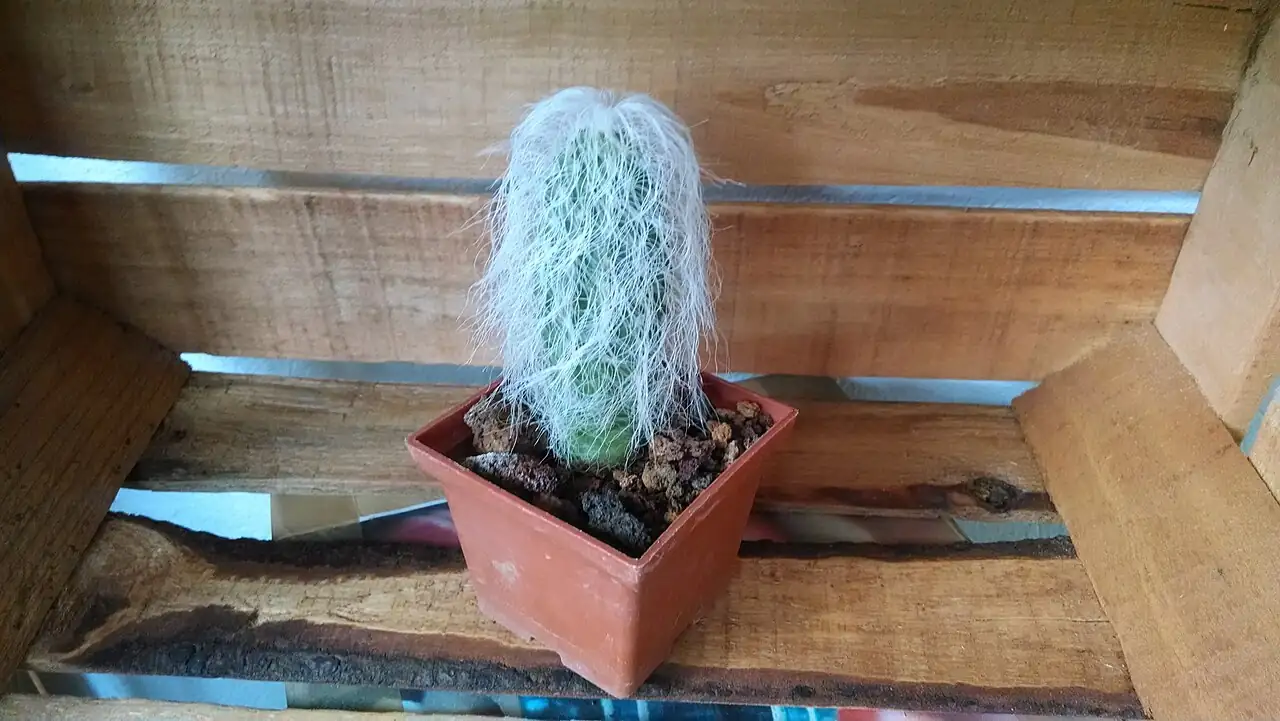
- Size: Typically up to 45 cm (18 in) tall × 15 cm (6 in) wide in containers; columnar and often clump-forming with age.
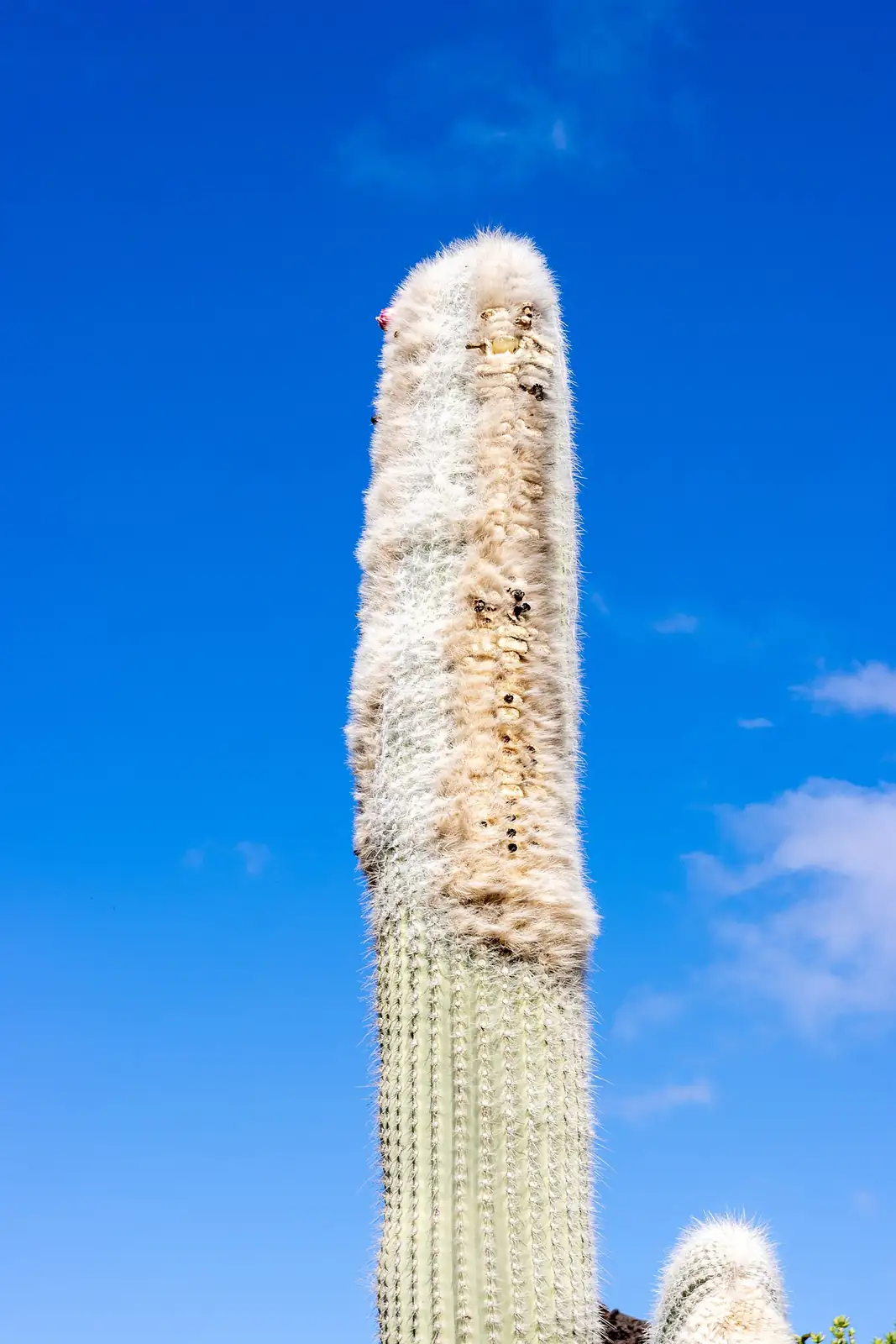
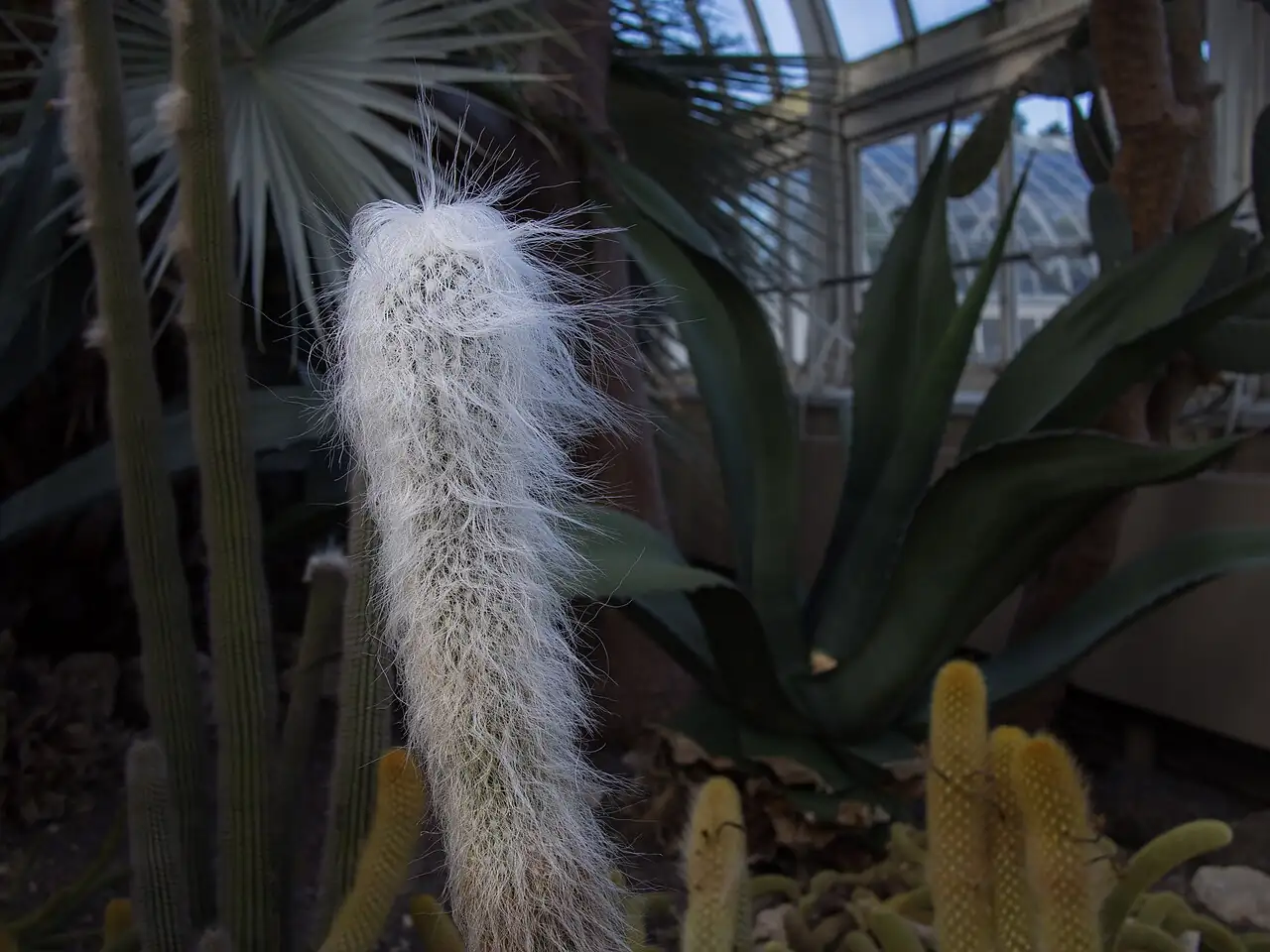
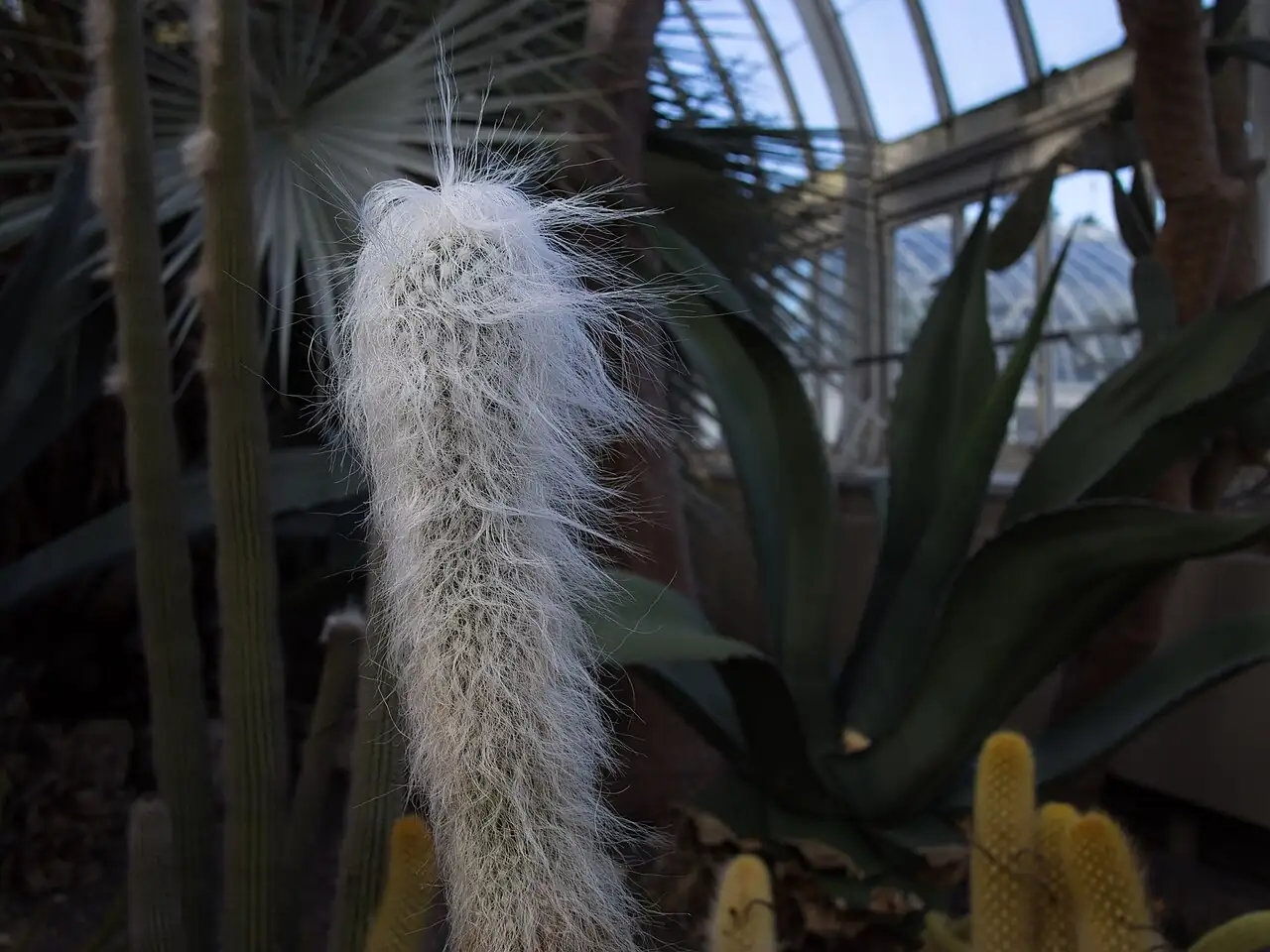
- Foliage: No true leaves. Upright, green, column-like stems are densely covered in strong spines and a cloak of fine white wool that creates the distinctive “old man” appearance.
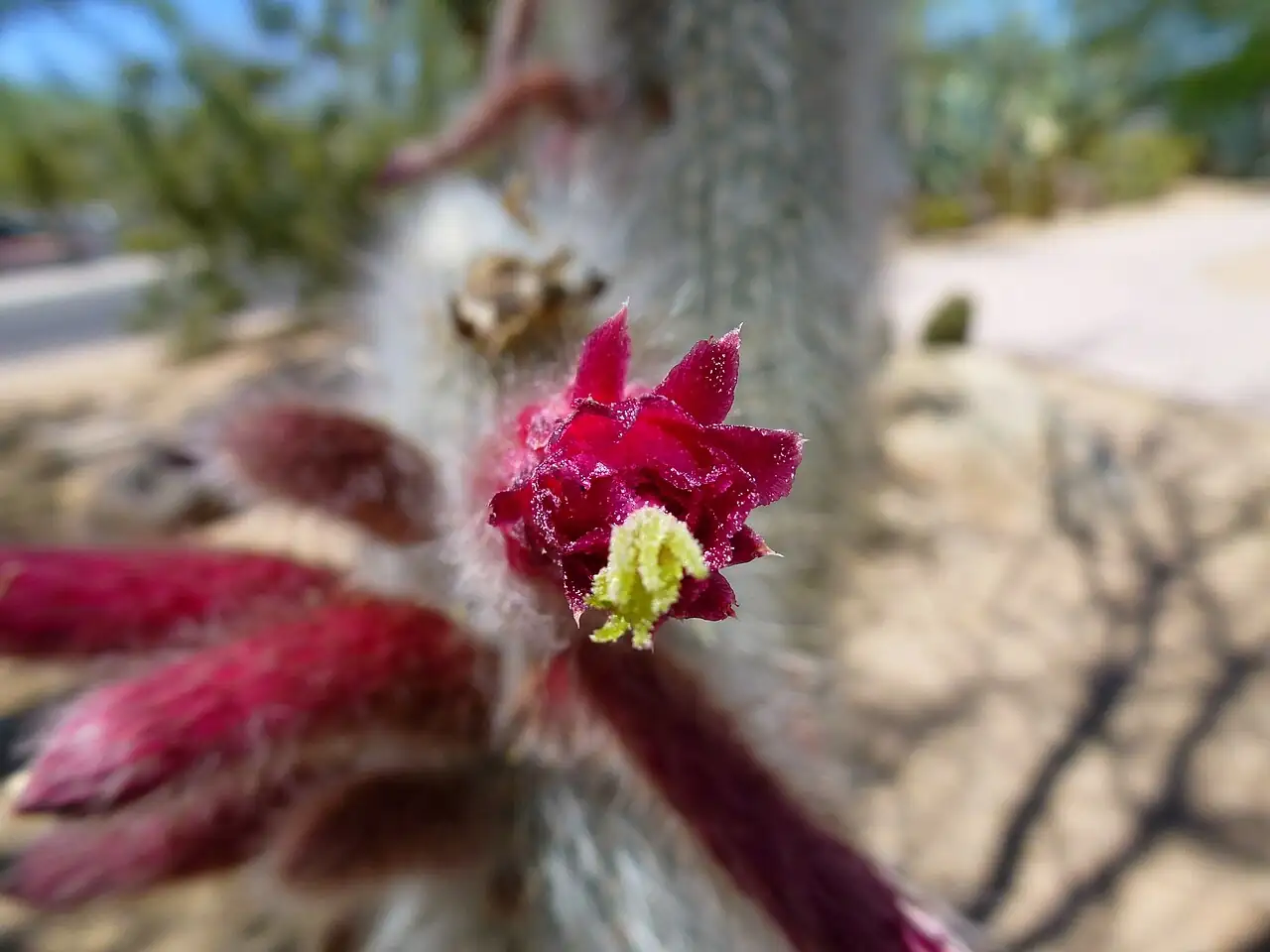
- Flower: Mature plants may produce vivid yellow flowers in warm weather, arising from a woolly crown near the stem tips.
- Flowering Season: Summer
- Growth Habit: Upright, columnar; may form clumps/offsets over time.
Environment
Sunlight
Full sun to very bright light. In extremely hot summers, provide bright light with a bit of midday shade to prevent scorching.
Temperature
Best around 10–30°C (50–86°F). Keep cooler and much drier in winter to support dormancy and reduce rot risk.
Humidity
Low humidity; prefers dry air and good ventilation.
Soil
Very fast-draining cactus mix. A gritty blend works well, such as 3 parts potting soil : 1 part coarse sand : 1 part perlite (3:1:1). A gravel layer at the pot base can further improve drainage.
Placement
Bright sunny window, greenhouse, or a sheltered balcony. Avoid harsh midday sun during extreme heat; in winter, move to a bright but cooler spot.
Hardiness
Not frost hardy; keep above about 10°C (50°F). Performs best with a cool, dry winter rest.
Care Guide
Difficulty
Easy—provided it gets strong light, sits in a fast-draining mix, and is kept especially dry in winter.
Buying Guide
Pick a plant with firm stems and clean, dry wool. Avoid any blackened, mushy, or soft areas (especially at the base), and avoid pots that stay wet—both can signal rot.
Watering
Spring to autumn: water only after the top 2 cm (0.8 in) of mix dries. Winter (dormant): keep mostly dry, giving only about 1–2 very light waterings for the entire season.
Fertilization
Spring through late summer: feed with a cactus fertilizer about every 6–8 weeks.
Pruning
Usually unnecessary. If you remove dead offsets, use protective gloves/tools and let cut surfaces dry and callus before any watering.
Propagation
Most often by offsets (when available). Separate an offset, let the cut end dry and callus for several days, then set into a dry gritty mix. Begin light watering only after roots form.
Repotting
Repot carefully (thick gloves recommended). Choose a pot about 7.5–15 cm (3–6 in) depending on plant size, using a very free-draining cactus mix (or the 3:1:1 blend) and optionally a gravel base layer. Repot young plants yearly; mature plants about every 2 years.
📅 Seasonal Care Calendar
Spring–autumn: water only after the top 2 cm (0.8 in) dries; fertilize every 6–8 weeks. Summer: keep very bright, but shield from extreme midday sun/heat. Winter: keep bright, cooler, and almost completely dry—water only 1–2 times total.
Pests, Diseases & Safety
Common Pests & Diseases
May attract mealybugs (including root mealybugs), scale, and spider mites—especially indoors with dry air. Overwatering commonly leads to root or stem rot. Treat pests with insecticidal soap or an appropriate horticultural oil, and improve airflow while letting the soil dry properly to prevent rot.
Toxicity
Not known to be poisonous, but the spines can cause painful punctures. Keep out of reach of children and pets and handle with thick gloves, folded paper, or tongs.
Culture & Symbolism
Symbolism: Often seen as a symbol of resilience and endurance—thriving where conditions are dry, sunny, and tough.
History & Legends: Long prized as an ornamental for its unmistakable woolly look. When it finally flowers, it’s usually a sign the plant is mature and has been grown in excellent light and conditions for years.
Uses: Primarily an ornamental container cactus for sunny windowsills, greenhouses, and desert-style plant displays.
FAQ
Why isn’t it a “golden ball” when it grows up?
Young plants can look more rounded, but Cephalocereus senilis naturally becomes a columnar cactus with age, growing upright stems rather than staying spherical.
Why does it need so little water in winter?
It rests in winter. Keeping it bright, cool, and mostly dry helps prevent rot and supports stronger growth when warmth returns.
Fun Facts
- That famous white “hair” helps shade the stem from intense sun and reduces moisture loss in its native arid habitat.
- Blooms are more likely on mature plants grown in very bright light—flowers are basically a badge of great long-term care.