Plant Features
- Size: Typically 10–30 cm (4–12 in) tall; clumps can spread 30–60 cm (12–24 in) wide over time.
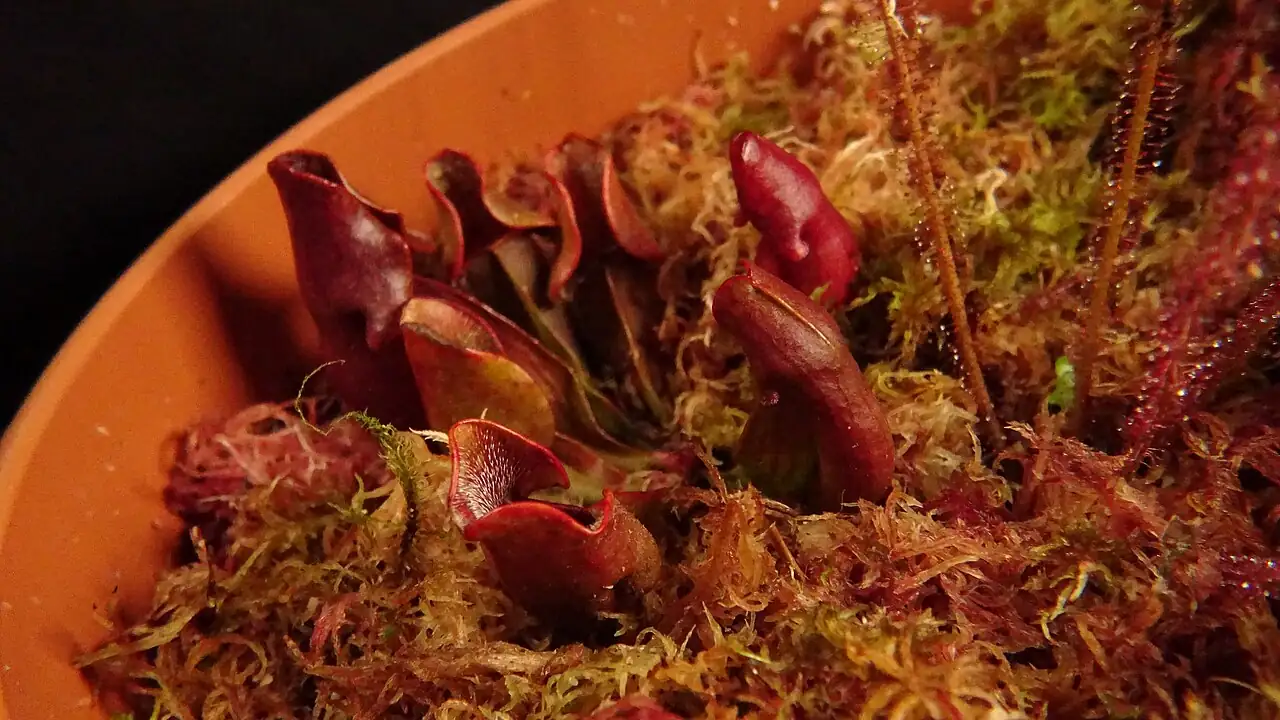
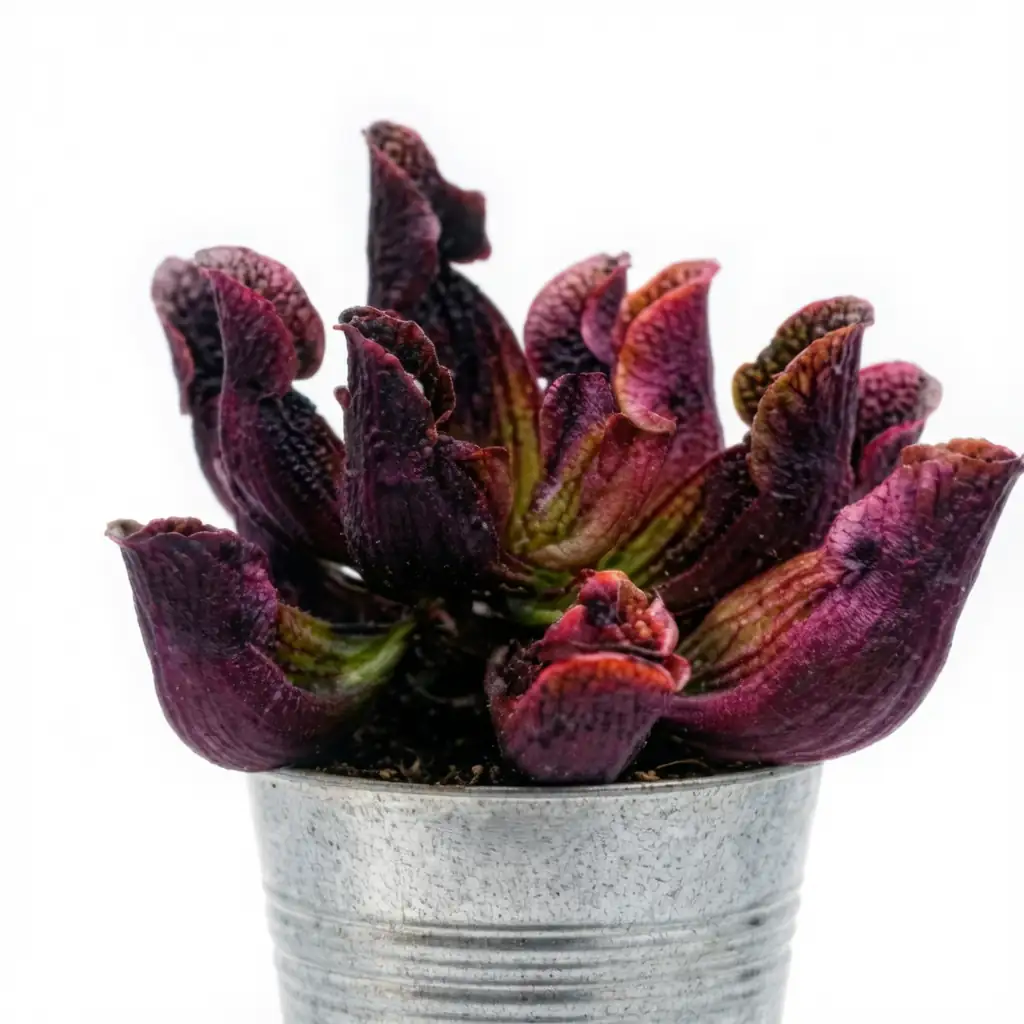
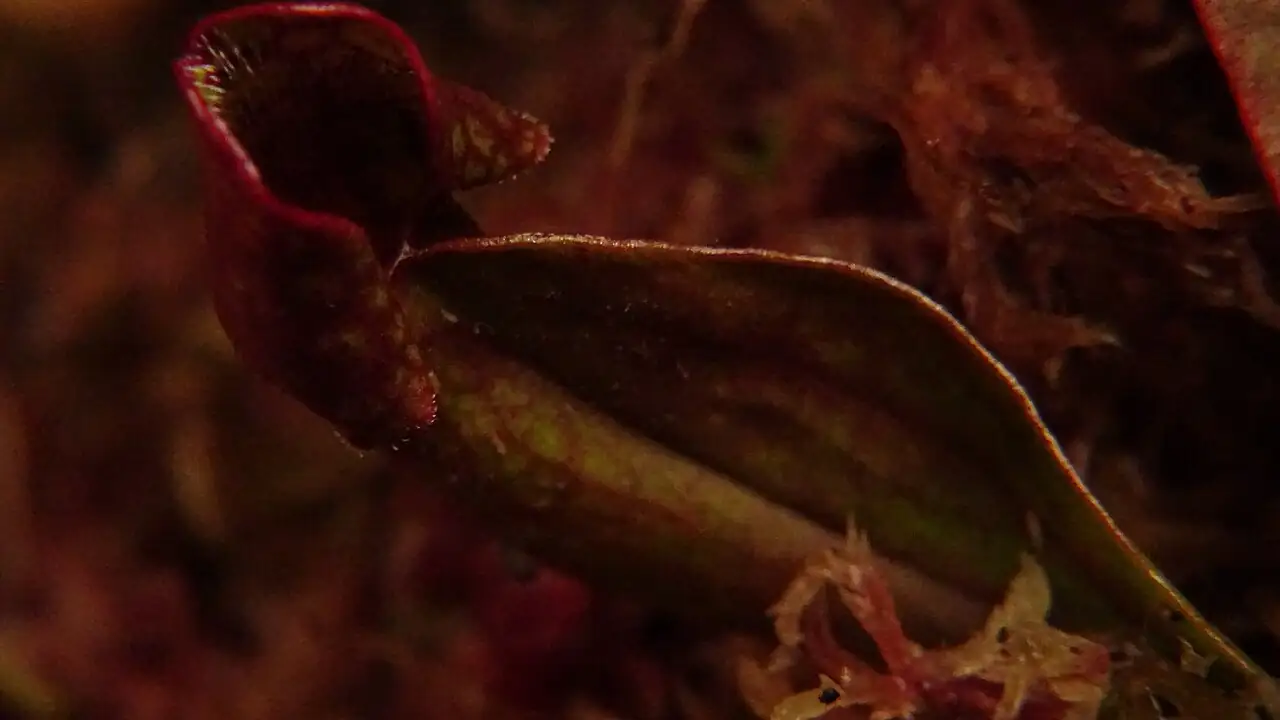
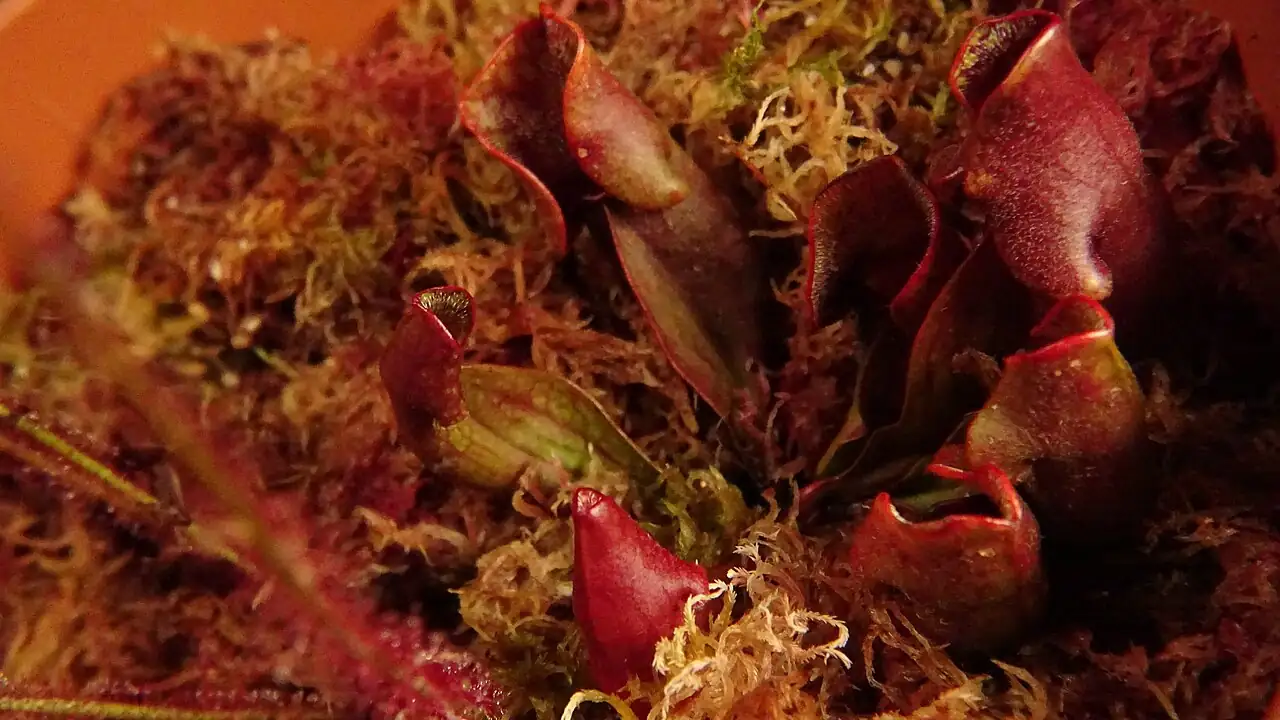
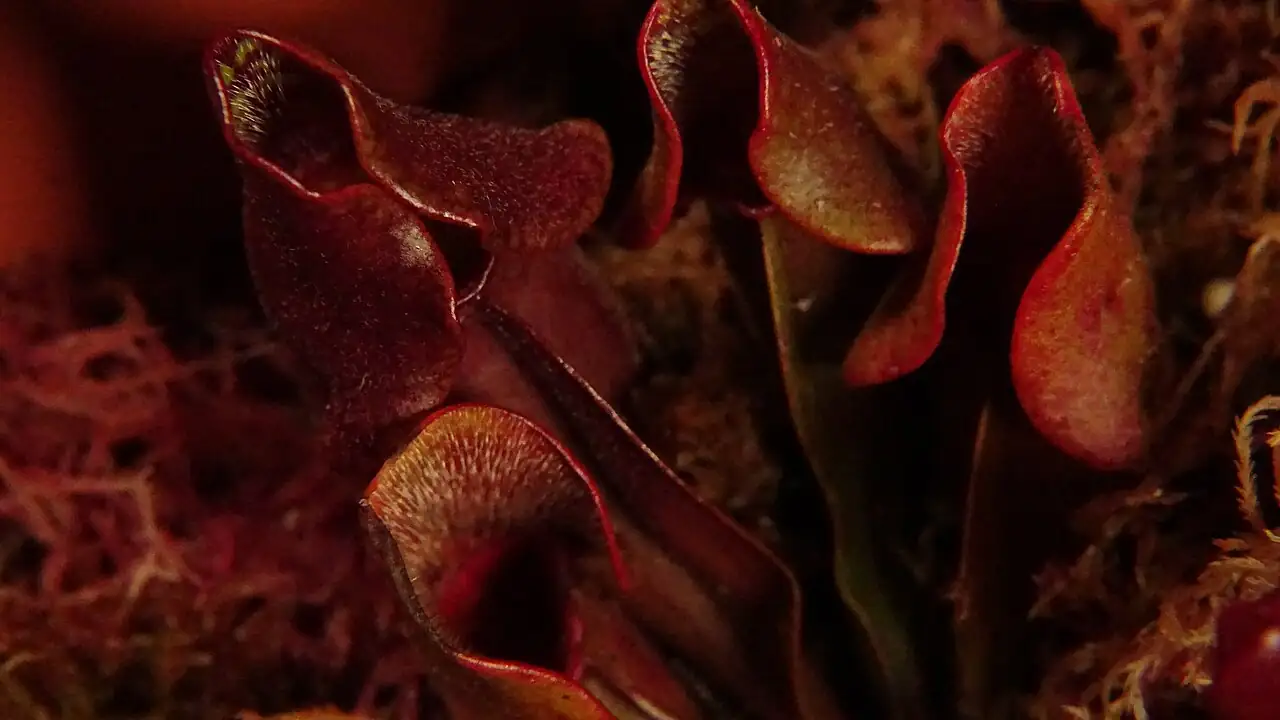
- Foliage: Short, stout, ground-hugging pitchers arranged in a rosette. Pitchers are often green to deep wine-red/burgundy with pronounced veining; they commonly hold rainwater and function as insect traps, luring prey in and supporting digestion over time.
- Flower: Nodding, solitary flowers held above the pitchers; usually deep maroon to reddish-purple, sometimes rosy pink depending on form and conditions.
- Flowering Season: Spring (typically April–June / 4–6).
- Growth Habit: Clump-forming, rosette-like perennial that slowly spreads via rhizomes.
Environment
Sunlight
Full sun to bright light is best—aim for 6–8+ hours of direct sun. It tolerates light partial shade, but strongest growth and best coloration come with more sun.
Temperature
Grows best in cool to mild conditions during the season, roughly 10–27°C (50–81°F). Requires winter dormancy and, once established, can tolerate prolonged freezing.
Humidity
Moderate to high humidity is helpful, but keeping the root zone constantly moist is more important than high ambient humidity.
Soil
Nutrient-poor, acidic, water-retentive bog medium such as sphagnum peat moss mixed with perlite and/or silica sand. Avoid regular potting soil, compost, or anything fertilized.
Placement
Outdoor bog garden, patio bog pot, or a sunny balcony spot where the pot can be kept consistently wet.
Hardiness
USDA Zone 3–7 (about -40 to -12°C / -40 to 10°F).
Care Guide
Difficulty
Moderate: very straightforward when given full sun, mineral-free water, and true bog soil, but it declines quickly in rich mixes or with mineral-heavy tap water.
Buying Guide
Look for firm pitchers, a healthy crown/rhizome, and no sour or rotting smell. Avoid plants sold in standard potting mix—choose specimens labeled for bog/carnivorous growing media.
Watering
Keep constantly wet during the growing season using rainwater, distilled water, or reverse-osmosis water. The tray method works well: sit the pot in 1–5 cm (0.4–2 in) of water and top up as needed. Never allow it to dry out, and avoid mineral-rich tap water.
Fertilization
Do not fertilize the soil. It feeds itself by catching insects. If grown indoors with little prey, very occasional and extremely light foliar feeding with a carnivorous-plant-appropriate product may be used, but it’s usually unnecessary outdoors.
Pruning
In late winter to early spring, remove dead/blackened pitchers to tidy the plant and reduce mold risk. Leave green, functional pitchers intact.
Propagation
Divide rhizomes in early spring for the easiest, fastest results. Seeds are possible but slow; they typically need cold stratification for about 4–8 weeks at 1–5°C (34–41°F).
Repotting
Repot or divide every 2–3 years in early spring into fresh bog mix. Use plastic or glazed pots; avoid unglazed terracotta, which can leach minerals into the medium.
📅 Seasonal Care Calendar
Spring: clean up old pitchers, repot/divide, restart tray watering. Summer: provide strong sun and constant moisture; prevent overheating in small dark pots. Autumn: growth slows naturally—keep wet. Winter: provide outdoor cold dormancy; keep the medium damp (not bone-dry) and protect containers from repeated freeze–thaw if needed.
Pests, Diseases & Safety
Common Pests & Diseases
Aphids may appear on flower stalks; spider mites can show up during hot, dry spells. Rhizome rot can occur if the medium becomes stagnant/anaerobic. Treat pests with insecticidal soap (avoid oil-based sprays in strong sun), and address rot by refreshing the medium and improving air flow.
Toxicity
Generally considered non-toxic to people and pets, though eating plant material may cause mild stomach upset. The pitchers trap insects but are not dangerous to animals.
Culture & Symbolism
Symbolism: Often linked with resilience and adaptability—thriving where many plants struggle, in acidic, nutrient-poor bogs.
History & Legends: A classic and much-studied North American carnivorous plant, famous not only for trapping insects but also for the tiny “in-pitcher” community of microbes and small organisms that help break down prey.
Uses: Mostly grown as an ornamental and educational plant for outdoor bog gardens and patio containers.
FAQ
Can I grow a purple pitcher plant in a normal houseplant potting mix?
No—regular potting soil is too nutrient-rich and can damage the plant. Use a low-nutrient, acidic bog mix such as sphagnum peat with perlite and/or silica sand.
Does it need winter dormancy?
Yes. As a temperate species, Sarracenia purpurea needs a cold winter rest; skipping dormancy weakens it over time.
What water should I use?
Rainwater, distilled water, or reverse-osmosis water is best. Avoid tap water unless it’s confirmed very low in dissolved minerals.
Fun Facts
- Its pitchers often fill with rainwater, creating a miniature ecosystem where microbes and small larvae help process captured prey.
- Bright light paired with cool nights can intensify the pitchers’ deep burgundy coloration.