

Plant Features
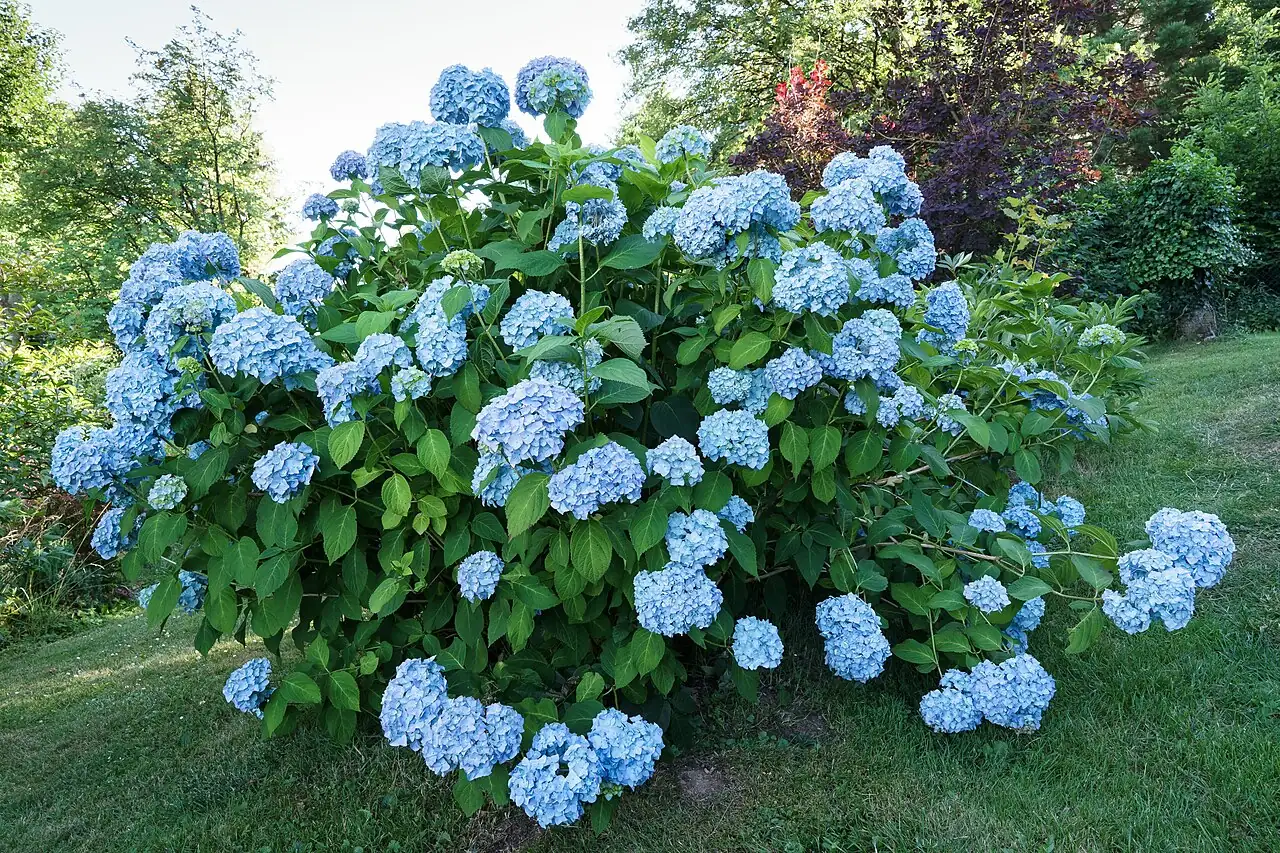
- Size: Typically about 1 m × 1 m (3.3 ft × 3.3 ft) as a compact shrub; can be larger outdoors depending on cultivar and pruning.
- Foliage: Broad, apple-green deciduous leaves that give the plant a lush, fresh look through the growing season.
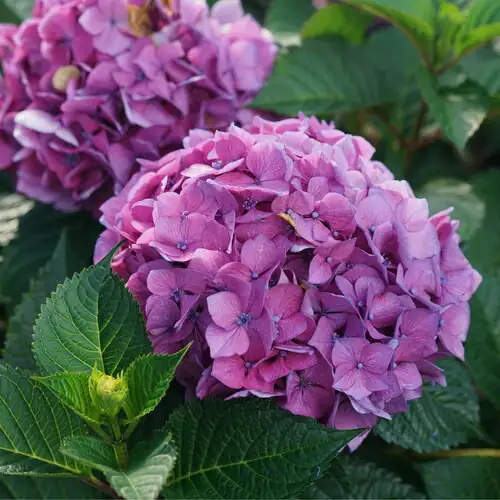
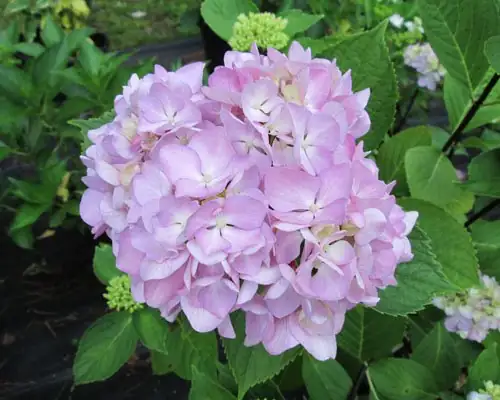
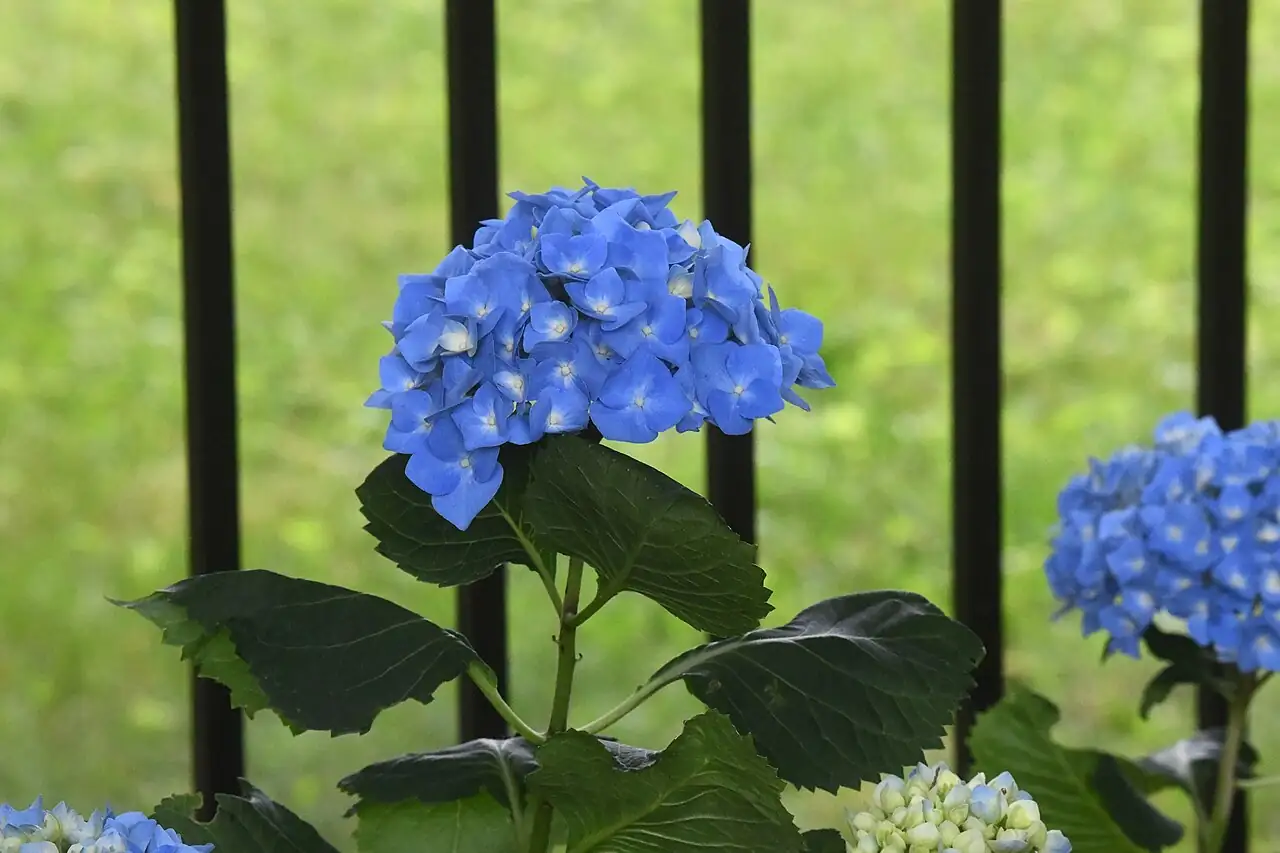
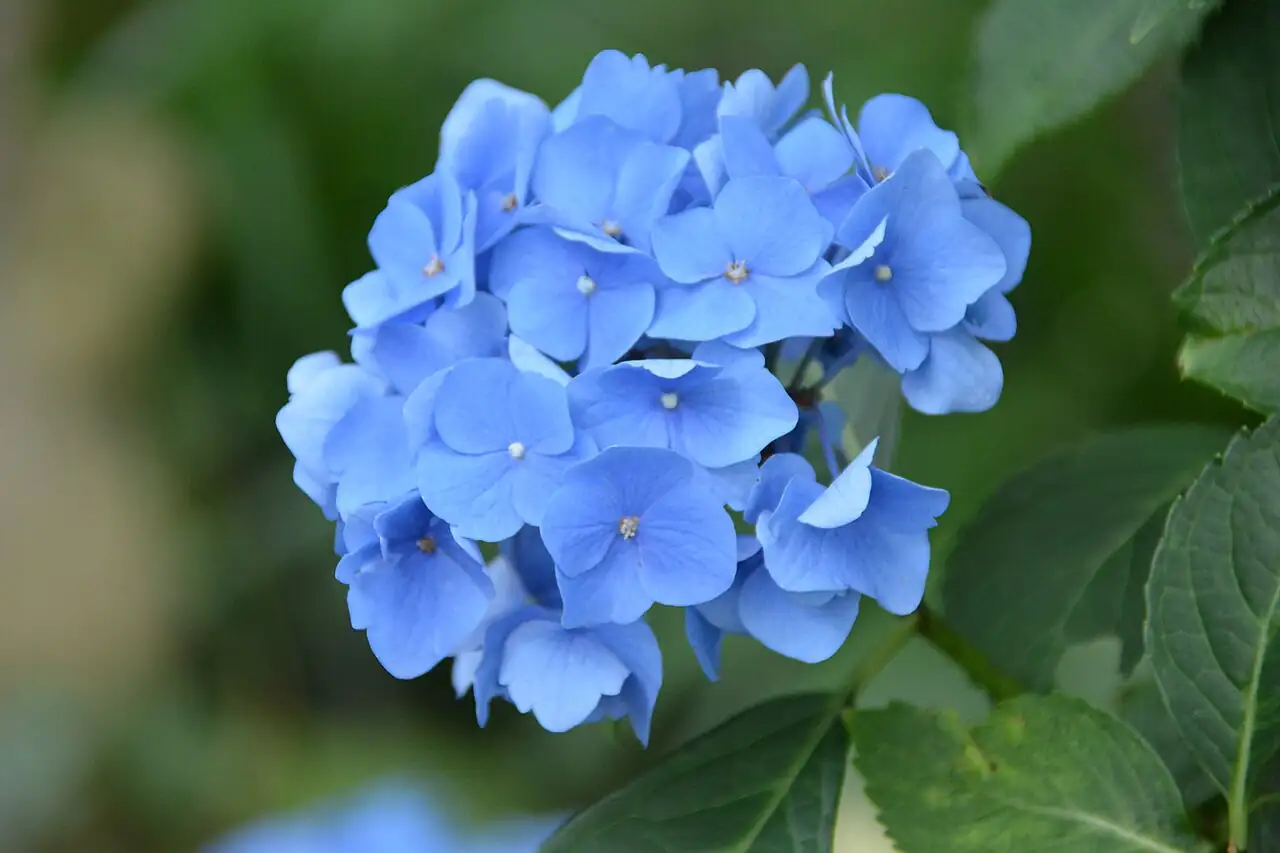
- Flower: Large, showy flower heads in summer. Bloom color varies by cultivar and soil chemistry—often ranging from pink to blue (blue is encouraged by acidic conditions and aluminum availability).
- Flowering Season: Summer
- Growth Habit: Deciduous, woody shrub with a bushy habit.
Environment
Sunlight
Partial sun to partial shade. Indoors, give bright light near a window but avoid harsh midday sun through glass.
Temperature
Grows best around 10–21°C (50–70°F). Many established garden plants can tolerate winter cold to about -10°C (14°F) with some protection, though this varies by cultivar and exposure.
Humidity
Moderate humidity; avoid prolonged very dry indoor air.
Soil
Moisture-retentive but well-drained soil or potting mix. For blue-flowering forms, use an acidic ericaceous/azalea-type mix; for other colors, a high-quality loam-based potting mix works well.
Placement
A bright room with partial sun/bright indirect light (for example, a sunlit hallway). In winter, move to a cool, sheltered place like a shed or garage. After 1–2 years, transplant to a garden bed or a large outdoor patio container for best long-term performance.
Hardiness
Generally suited to USDA Zones 6–9 (cultivar dependent); protect from hard frosts and drying winter winds.
Care Guide
Difficulty
Easy—especially as a seasonal or short-term indoor plant. Long-term indoor culture is usually not ideal; it typically thrives once moved outdoors.
Buying Guide
Pick a plant with firm, green leaves and sturdy stems. Avoid wilted foliage, blackened buds, or waterlogged compost. If you want blue flowers, choose a cultivar sold as blue and be ready to maintain acidic conditions.
Watering
Spring through autumn: keep the mix evenly moist but never waterlogged. Blue-flowering forms do best with rainwater or distilled water to help maintain acidity. Winter: water sparingly—aim for the mix to be just barely moist.
Fertilization
Spring and summer: feed every 2 weeks with a balanced liquid fertilizer at half strength (follow label directions). Reduce or stop feeding in autumn and winter.
Pruning
Light pruning in early spring to shape and remove dead or weak growth. Avoid heavy pruning if you want maximum flowers, since many cultivars bloom on older wood (last season’s growth).
Propagation
Most commonly by softwood cuttings in late spring to summer; layering is also used outdoors.
Repotting
If grown in a pot, repot as needed. For blue forms, use an ericaceous/azalea mix and a 20–25 cm (8–10 in) pot; other colors can use a loam-based potting mix in a similar size. After 1–2 years, move to a large outdoor container or plant in the garden.
📅 Seasonal Care Calendar
Spring–autumn: keep evenly moist. Spring–summer: feed every 2 weeks with half-strength balanced liquid fertilizer. Early spring: light pruning. Winter: keep just barely moist and overwinter in a cool, sheltered place (shed/garage), then return to brighter conditions in spring. After 1–2 years: transplant outdoors (garden bed or large patio pot).
Pests, Diseases & Safety
Common Pests & Diseases
Common issues include aphids, spider mites (especially indoors), scale insects, and powdery mildew. Support plant health with good airflow, steady moisture (not drought-stress), and prompt treatment such as insecticidal soap for soft-bodied pests.
Toxicity
Toxic if eaten. All parts can cause illness if ingested; keep away from children and pets.
Culture & Symbolism
Symbolism: Often linked with gratitude, heartfelt emotion, and abundance—interpretations can shift by culture and flower color.
History & Legends: Native to Japan and cultivated worldwide. It’s famous for blooms that can change color depending on soil acidity and aluminum availability.
Uses: Primarily ornamental—popular in gardens, patio containers, and as a gift plant for short-term indoor display before moving outdoors.
FAQ
Is bigleaf hydrangea toxic?
Yes. All parts are considered toxic if ingested, so keep it away from children and pets.
Is it suitable as a long-term houseplant?
Not ideal long-term indoors. It can look great indoors for a season or a couple of years, but it usually performs best outdoors in a patio container or in the garden.
How should I water it?
Keep the potting mix evenly moist from spring through autumn. In winter, water less and keep it just barely moist.
How do I fertilize it?
Feed every 2 weeks in spring and summer with a balanced liquid fertilizer at half strength, then reduce or stop feeding in autumn and winter.
Do blue-flowering plants need special care?
Yes. Use an acidic (ericaceous/azalea) potting mix and, when possible, water with rainwater or distilled water to help maintain blue coloration.
Fun Facts
- Flower color can shift from pink to blue depending on soil pH and aluminum availability.
- Many cultivars form next year’s flower buds on older wood, so heavy pruning can mean fewer blooms.
- Often sold as a gift plant for indoor display, but it’s naturally an outdoor shrub.


