

Plant Features
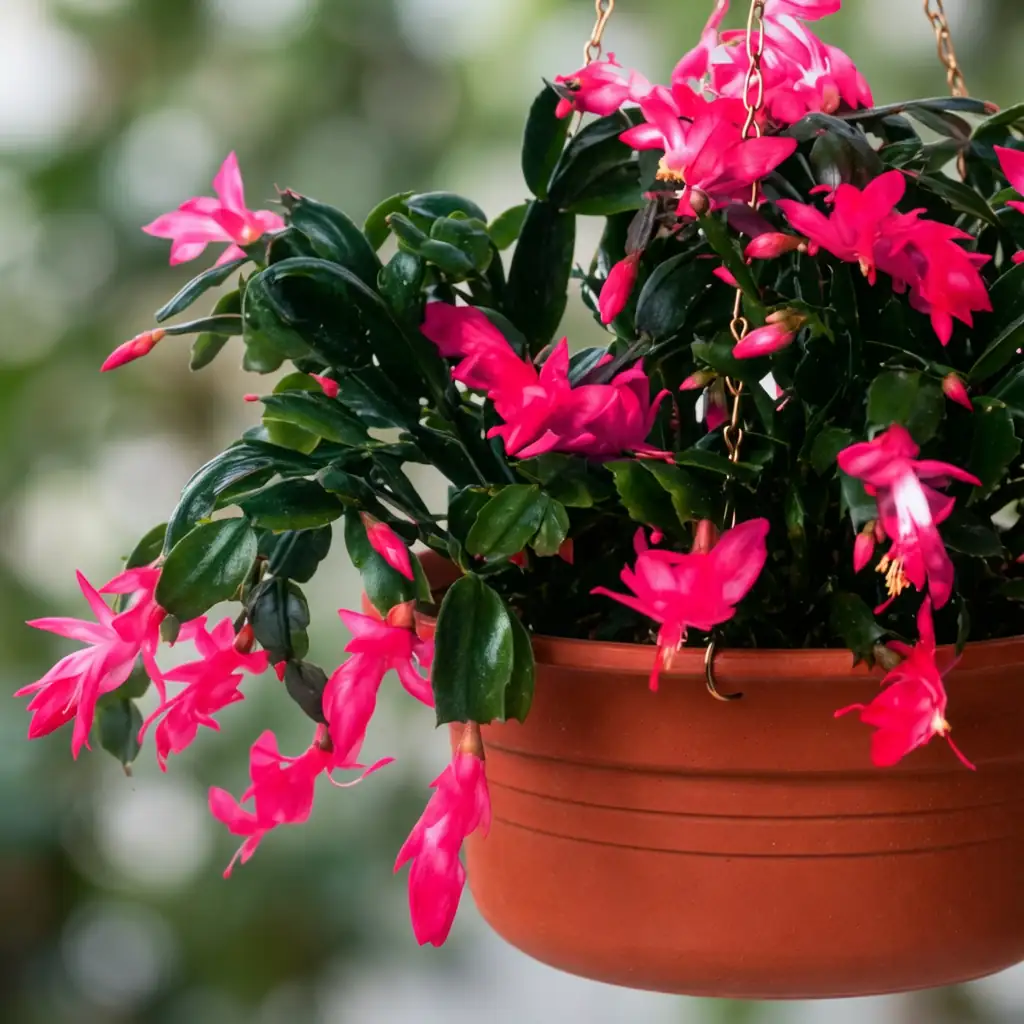
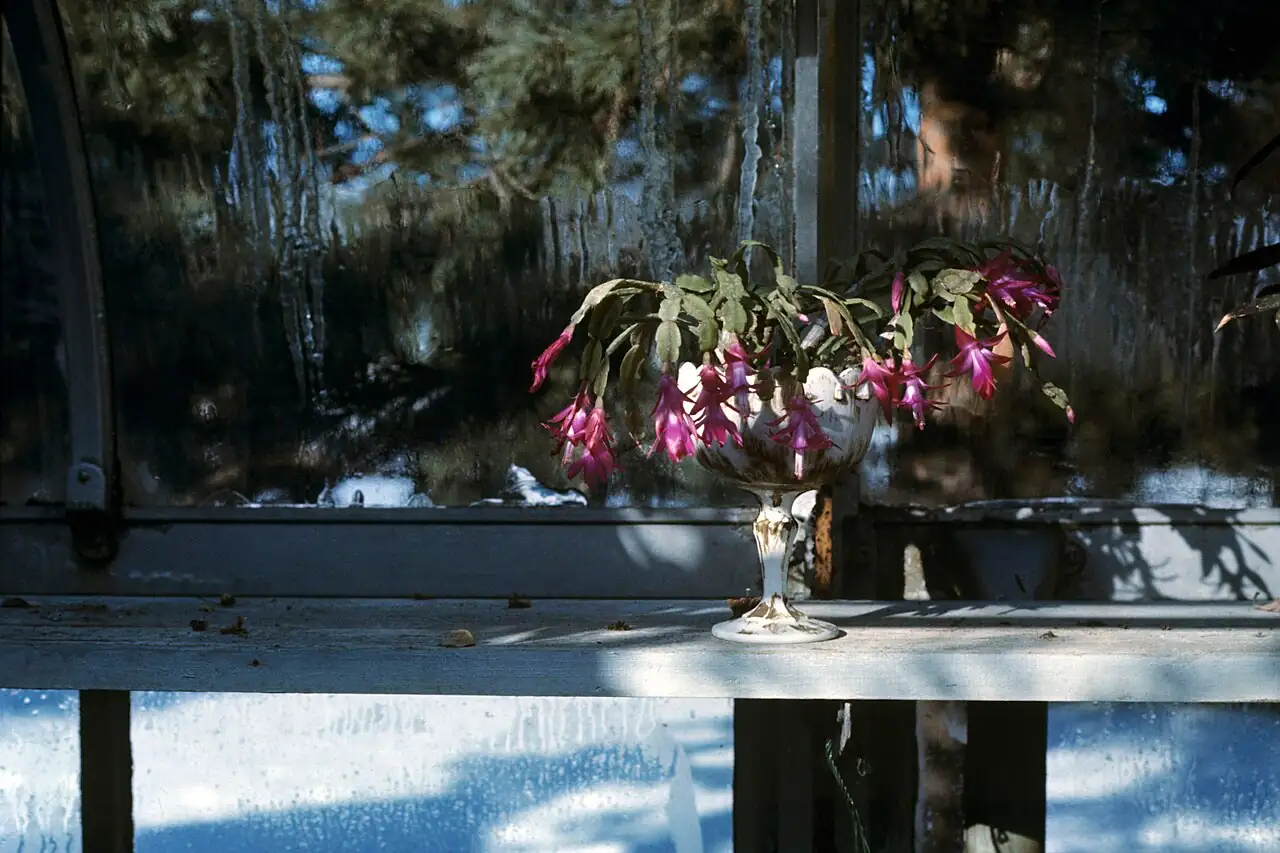
- Size: Typically about 45 × 45 cm (18 × 18 in) when grown in a pot, with arching to trailing stems that spill over the rim.
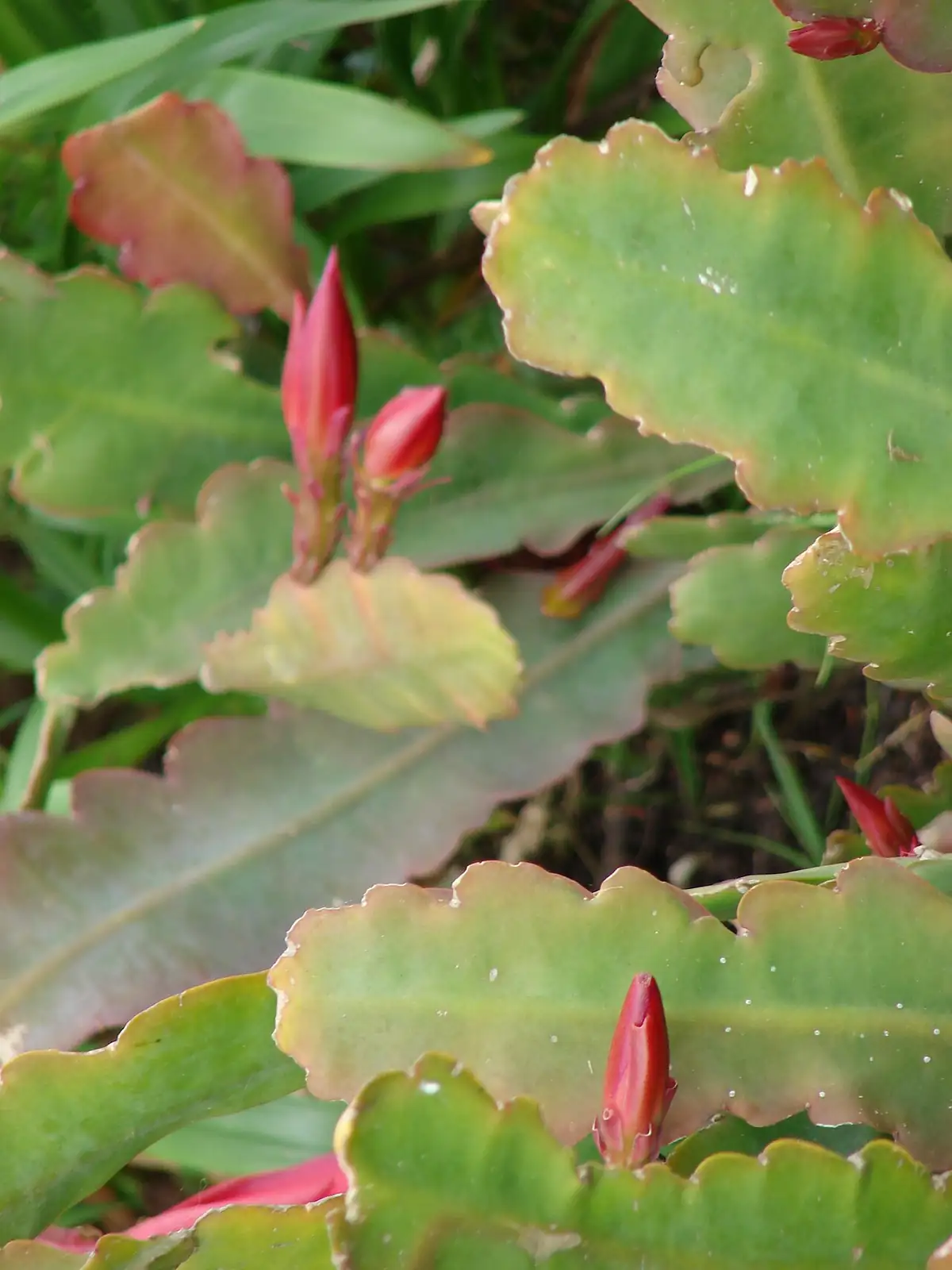
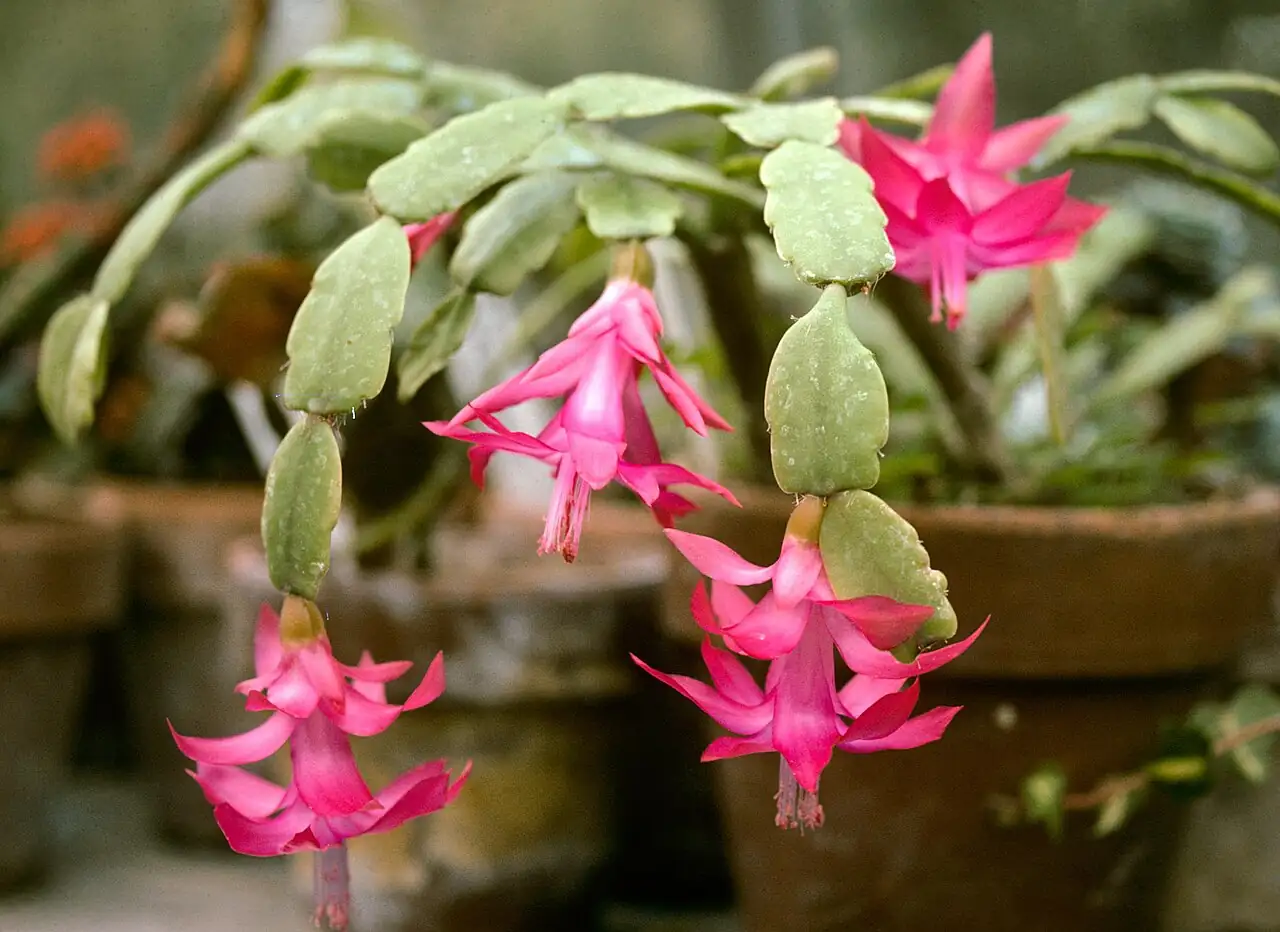
- Foliage: Instead of true leaves, it has flattened, jointed, leaf-like green stem segments that stay attractive year-round and create a draping, fountain-like shape in pots and hanging baskets.
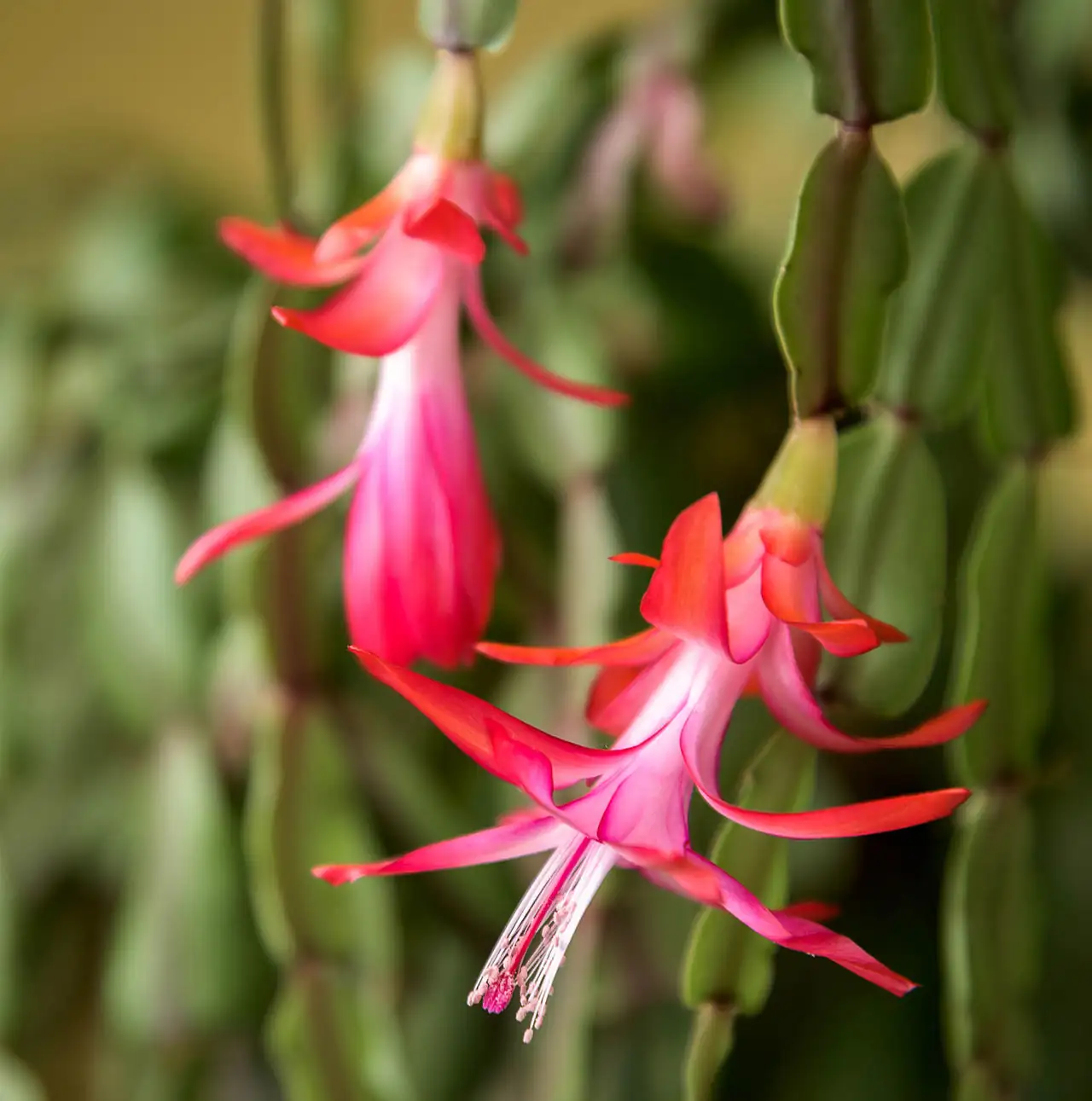
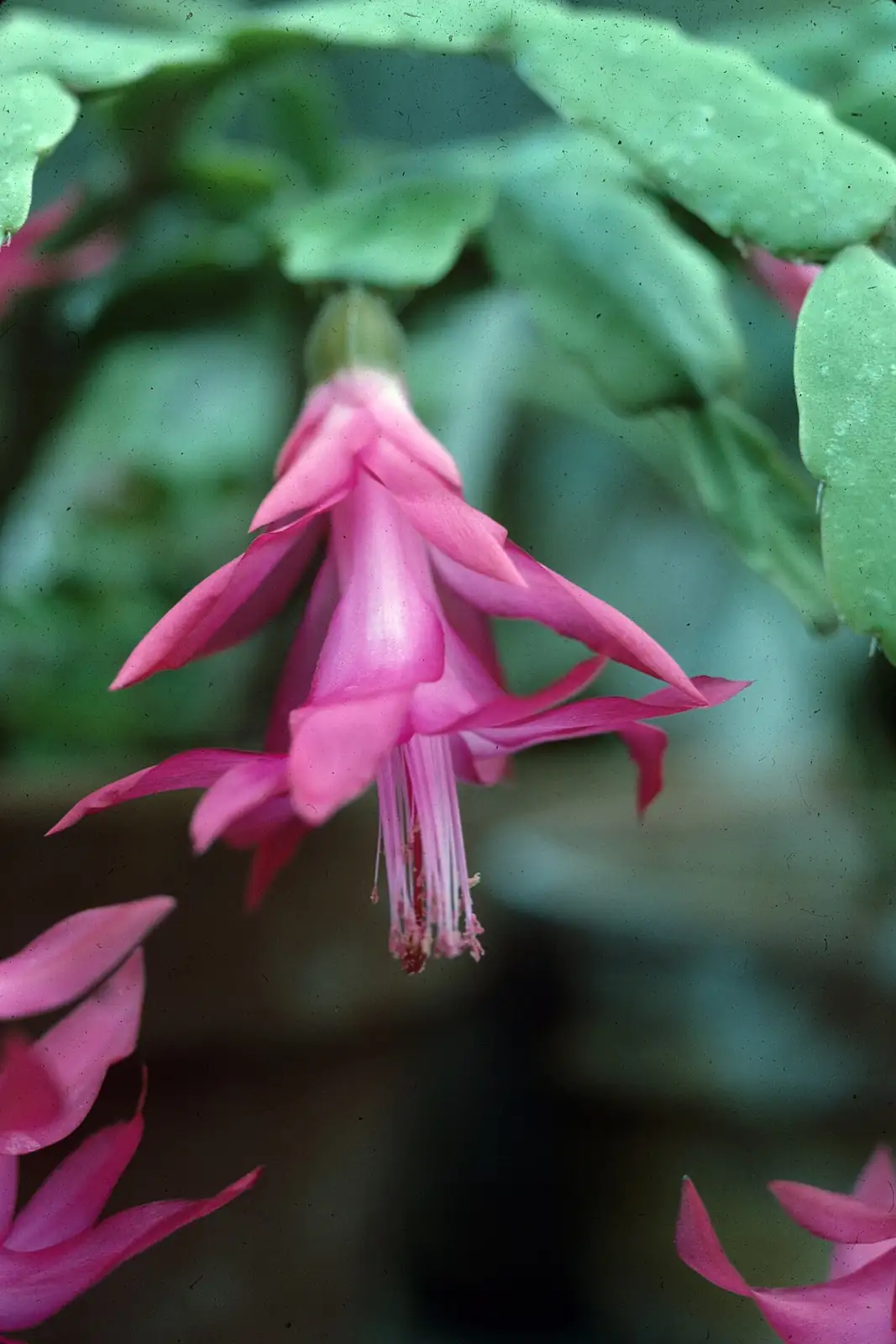
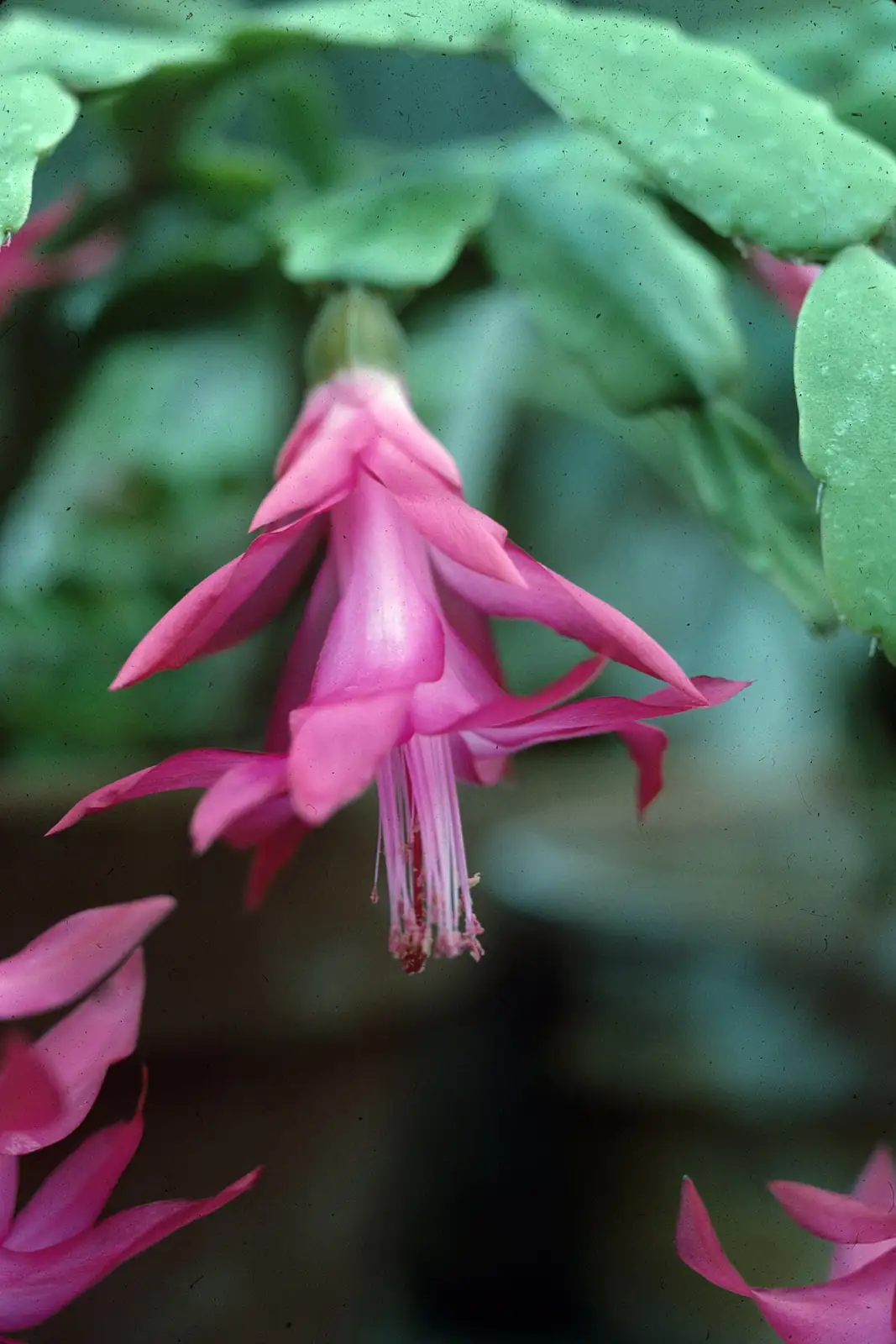
- Flower: Showy tubular-to-funnel-shaped blooms in vivid pink tones, produced at the tips of the stem segments. Flowers are especially eye-catching indoors during the darker months.
- Flowering Season: Late fall to winter, often around Christmas (timing varies with cultivar and growing conditions).
- Growth Habit: Trailing to arching, with segmented stems; naturally suited to spilling over containers.
Environment
Sunlight
Bright, indirect light is ideal; gentle morning sun is usually fine. Avoid harsh midday sun, which can scorch segments—think “bright shade” like a lightly shaded window.
Temperature
Best growth around 12–27°C (54–81°F). To encourage bud set, cooler nights around 10–15°C (50–59°F) can help in late fall.
Humidity
Moderate humidity; appreciates extra humidity in dry indoor air (especially during winter heating).
Soil
Fast-draining, airy mix suited to epiphytic cacti. Use an epiphyte/cactus mix, or make your own blend: potting soil + leaf mold/compost + grit at about 3:1:1 for a light, well-aerated medium.
Placement
Great in a small pot with excellent drainage. Give it a cooler, brighter spot after flowering for its rest period; keep it warmer with bright indirect light during the main growing season.
Hardiness
USDA Zone 10–12; not frost-tolerant and should be kept above about 10°C (50°F).
Care Guide
Difficulty
Easy—especially when you prioritize drainage, avoid waterlogging, and provide a short rest after flowering.
Buying Guide
Pick plants with firm, plump, evenly green segments and no shriveling. If you’re buying for holiday bloom, choose one with visible buds. Avoid plants sitting in soggy soil or showing blackened, mushy segment bases (possible rot).
Watering
Aim for even moisture, not wet feet: water thoroughly, then let the top layer dry slightly before watering again. After blooming in late winter, reduce watering for a few weeks to give the plant a rest. In late fall into early winter, reduce watering again until buds appear, then return to more regular watering. If your home is dry, boost humidity by misting with distilled/rainwater or placing the pot on a tray of damp pebbles.
Fertilization
Mid-spring to early autumn: feed about once a month with a balanced liquid fertilizer (use label rate, or half-strength if growth becomes soft). Pause feeding during the rest and bloom period.
Pruning
Right after flowering, pinch or gently twist off 1–2 segments from the tips to encourage branching—more branches usually mean more future flowers.
Propagation
Easy from stem cuttings: twist off a piece with 2–3 segments, let the cut end dry for 1–2 days, then place into a lightly moist, airy mix to root. Warm temperatures and bright indirect light help it root faster.
Repotting
Repot in early spring only if it’s rootbound, moving up just one pot size. A slightly snug pot often improves flowering. Use an airy cactus/epiphyte mix (or the 3:1:1 potting soil, leaf mold/compost, grit blend).
📅 Seasonal Care Calendar
Late fall–early winter: reduce watering and provide cooler nights to help buds set; once buds appear, don’t move the plant. Winter (bloom): keep evenly moist and avoid extremes. After late-winter flowering: reduce watering for several weeks (rest). Mid-spring–early autumn: resume regular watering and fertilize monthly. Early spring: repot if needed. Maintain moderate humidity year-round.
Pests, Diseases & Safety
Common Pests & Diseases
Mealybugs and scale can appear on stems; fungus gnats often show up when soil stays too wet. Root rot is the main serious problem—prevent it with a free-draining mix and by letting the surface dry slightly between waterings. Treat pests with insecticidal soap or horticultural oil and improve airflow and watering habits.
Toxicity
Generally considered non-toxic to people. For cats and dogs, it’s widely reported as low-toxicity, but nibbling may cause mild stomach upset (vomiting/diarrhea), so keep it away from persistent chewers.
Culture & Symbolism
Symbolism: A classic symbol of holiday cheer and warmth—also linked with resilience and long-lasting friendship, since a well-cared-for plant can bloom faithfully for decades.
History & Legends: Holiday cacti come from Brazil’s humid Atlantic Forest, where their relatives grow as epiphytes on trees rather than in desert sand. Over time, Schlumbergera species and hybrids—often sold under the catch-all name “Christmas cactus”—became popular winter-flowering houseplants in Europe and North America.
Uses: Ornamental indoor plant, especially valued for winter flowering and its elegant trailing form in pots and hanging baskets.
FAQ
Why won’t my Christmas cactus bloom?
It usually needs a bud-setting phase in late fall: bright indirect light, slightly reduced watering, and cooler nights around 10–15°C (50–59°F). Avoid heavy fertilizing late in the season, and once buds form, don’t move the plant—sudden changes can trigger bud drop.
Should I treat it like a desert cactus?
Not really. It’s a tropical epiphytic cactus—so it prefers bright shade, higher humidity, and more consistent moisture than desert cacti, while still needing excellent drainage.
Fun Facts
- It’s a cactus from humid forests, not a desert—its wild relatives often grow on tree branches in Brazil.
- Keeping it slightly pot-bound often encourages better flowering.
- Bud drop is commonly triggered by sudden temperature swings, drought, overwatering, or moving the plant once buds appear.


