Plant Features
- Size: Up to about 90 × 45 cm (35 × 18 in), depending on cultivar and growing conditions.
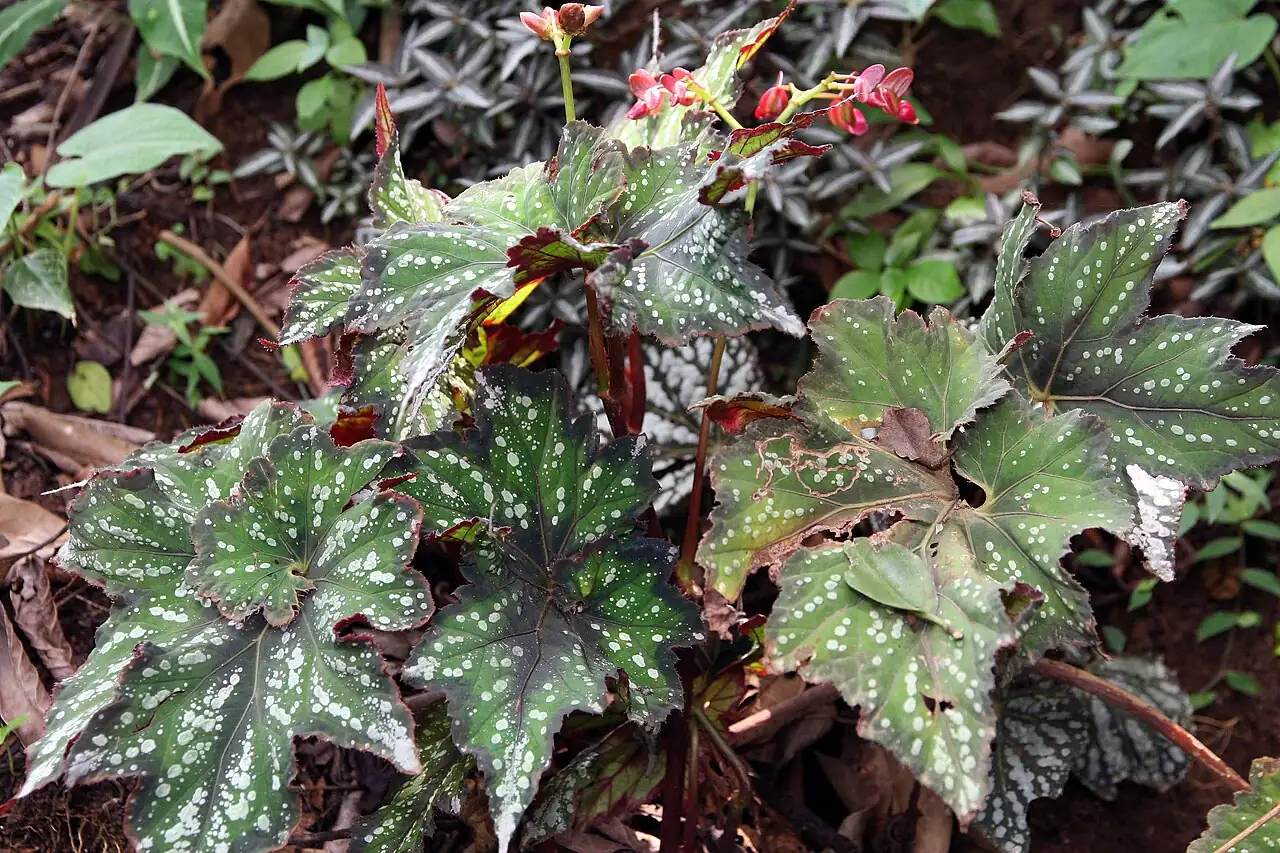
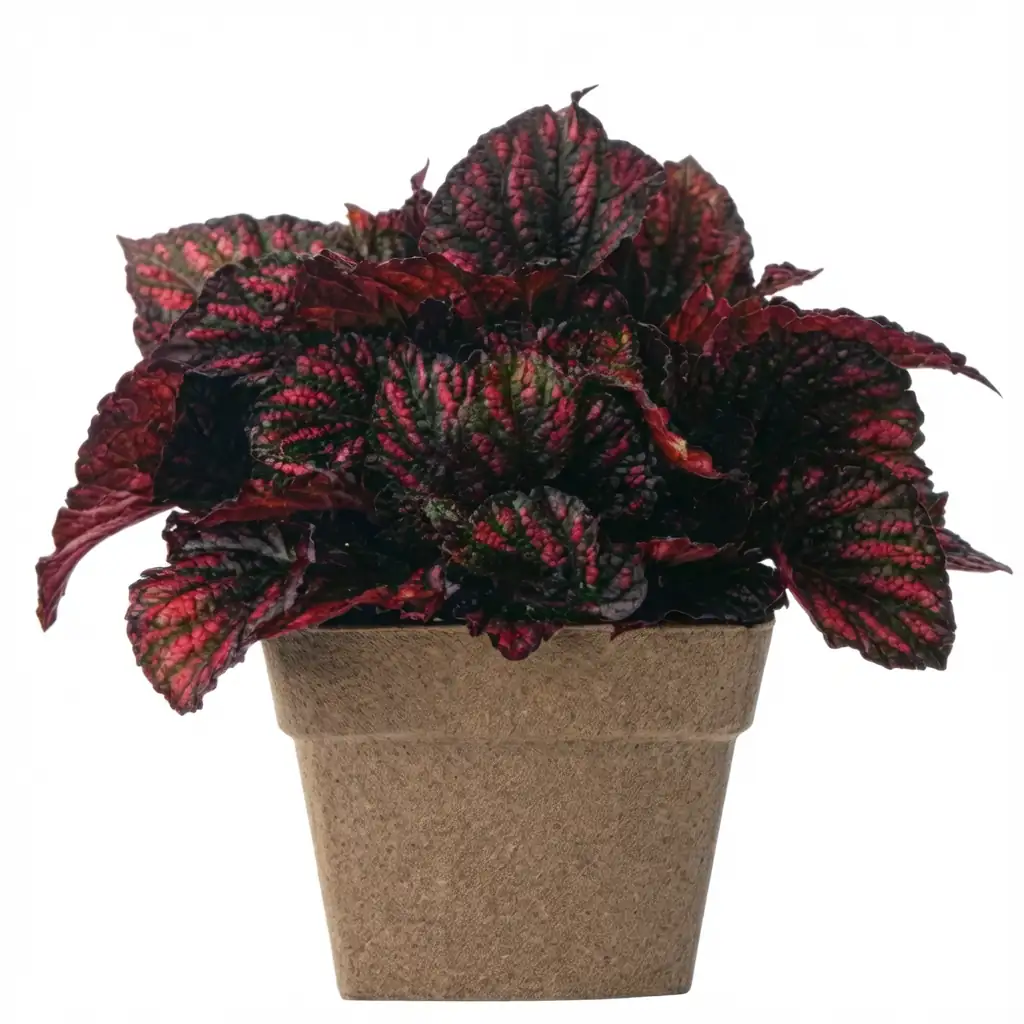
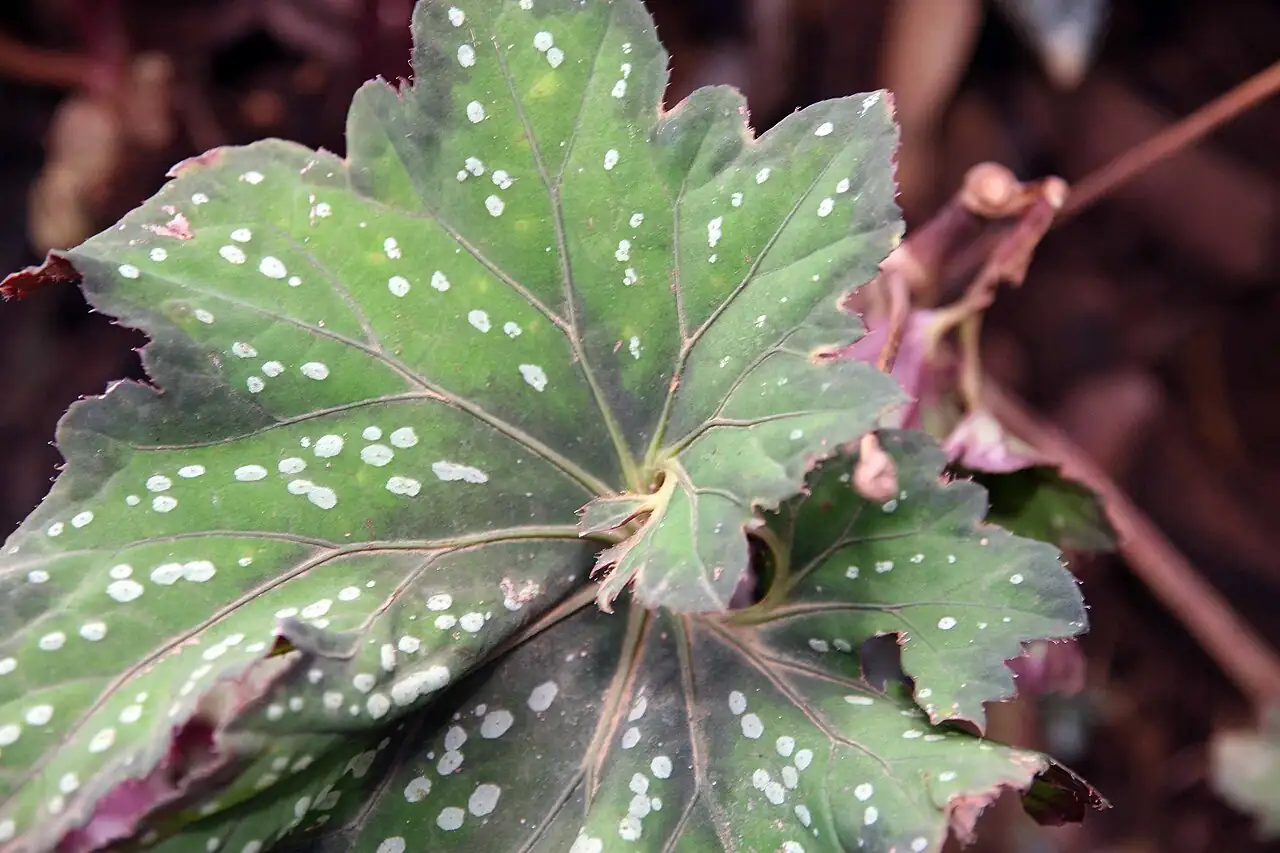
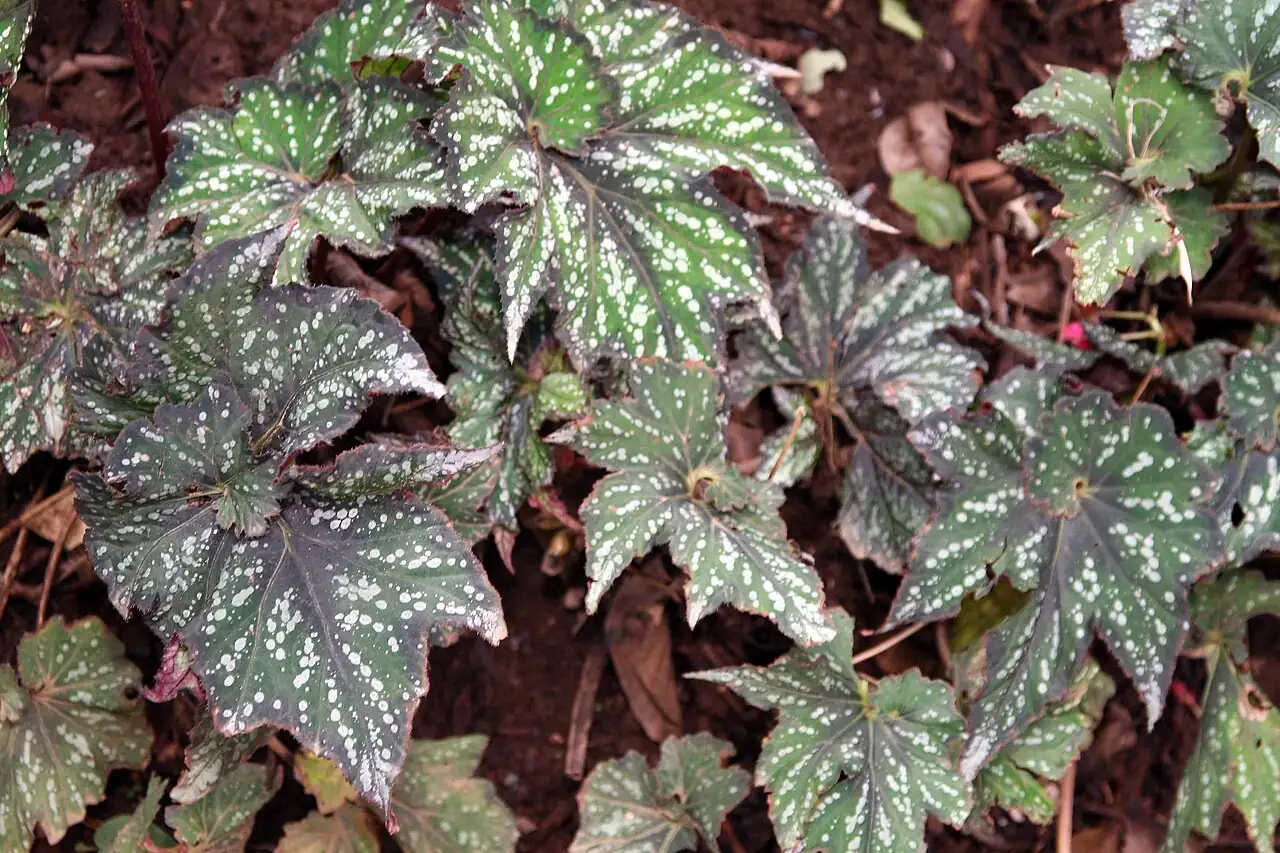
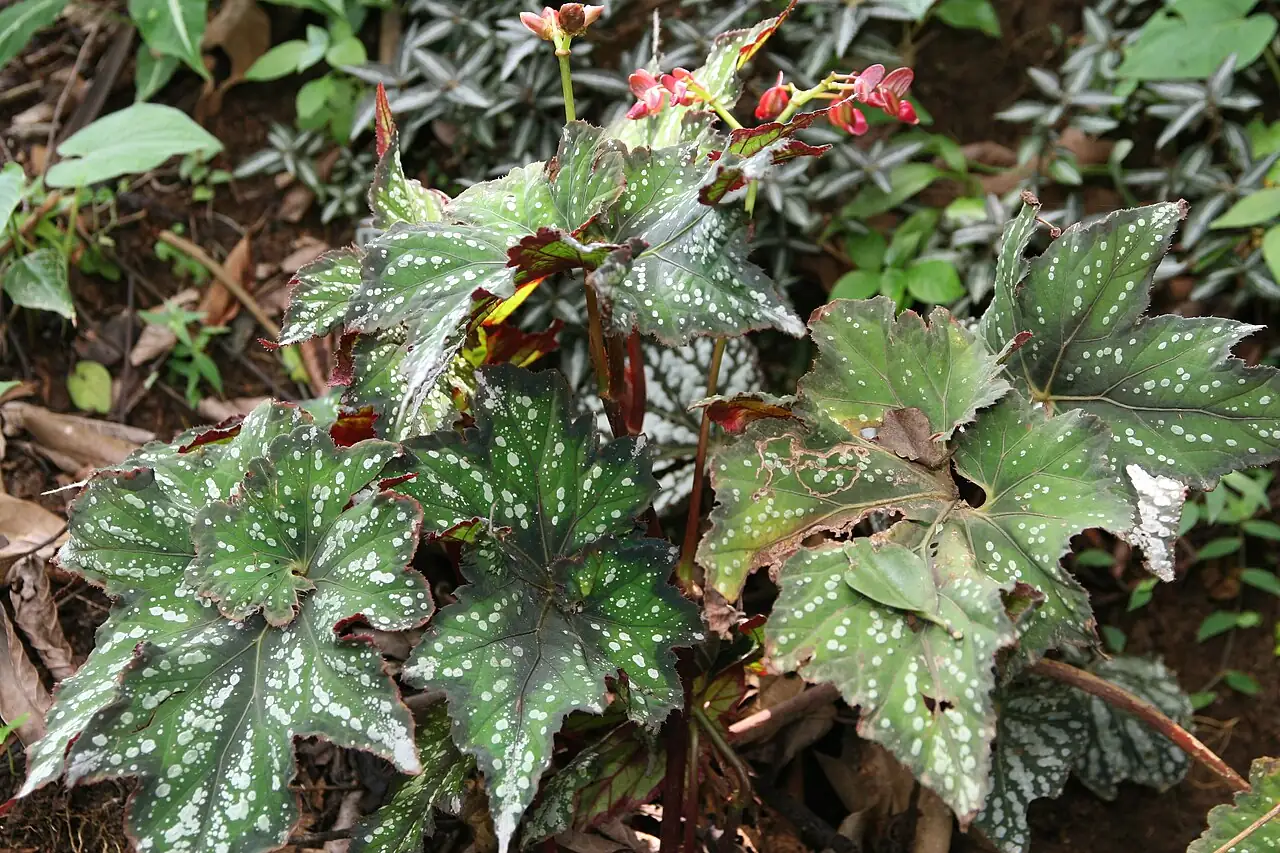
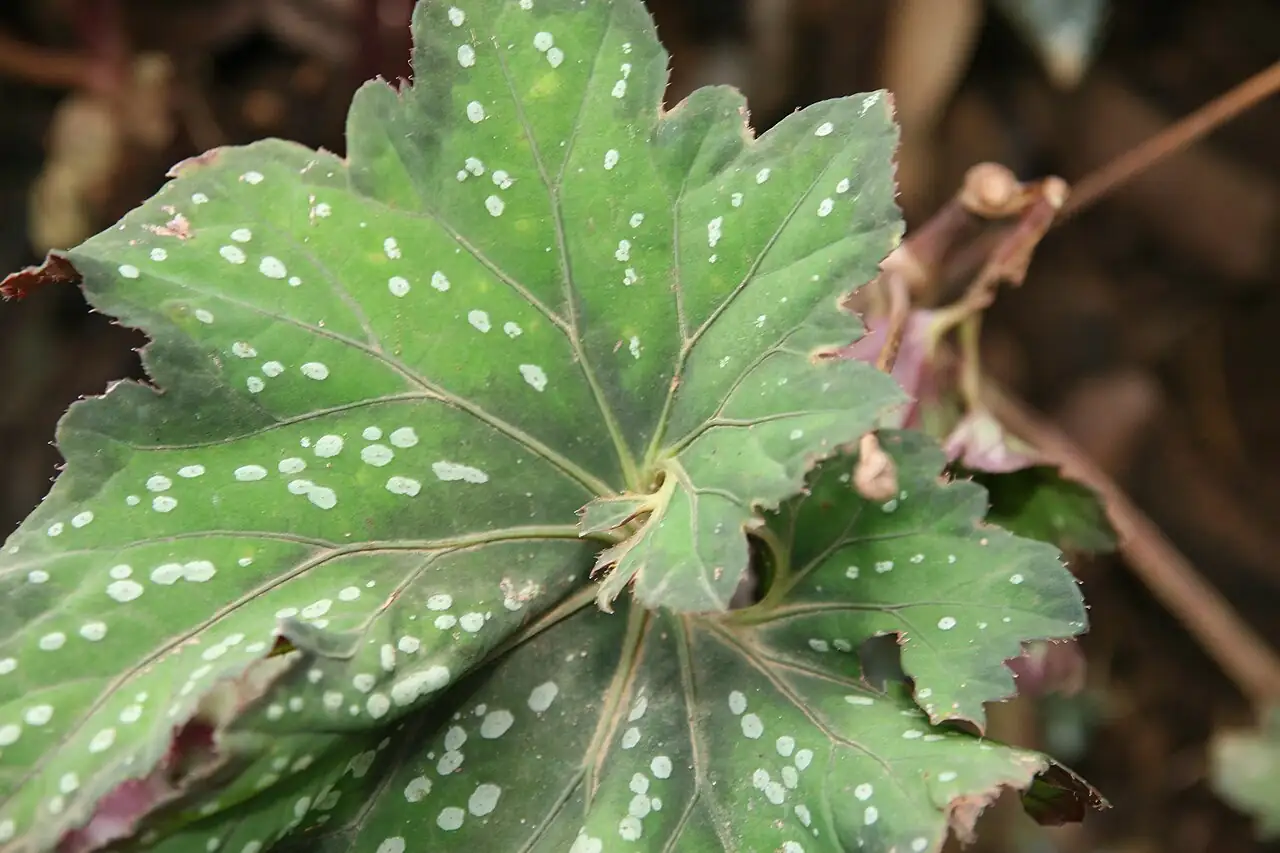
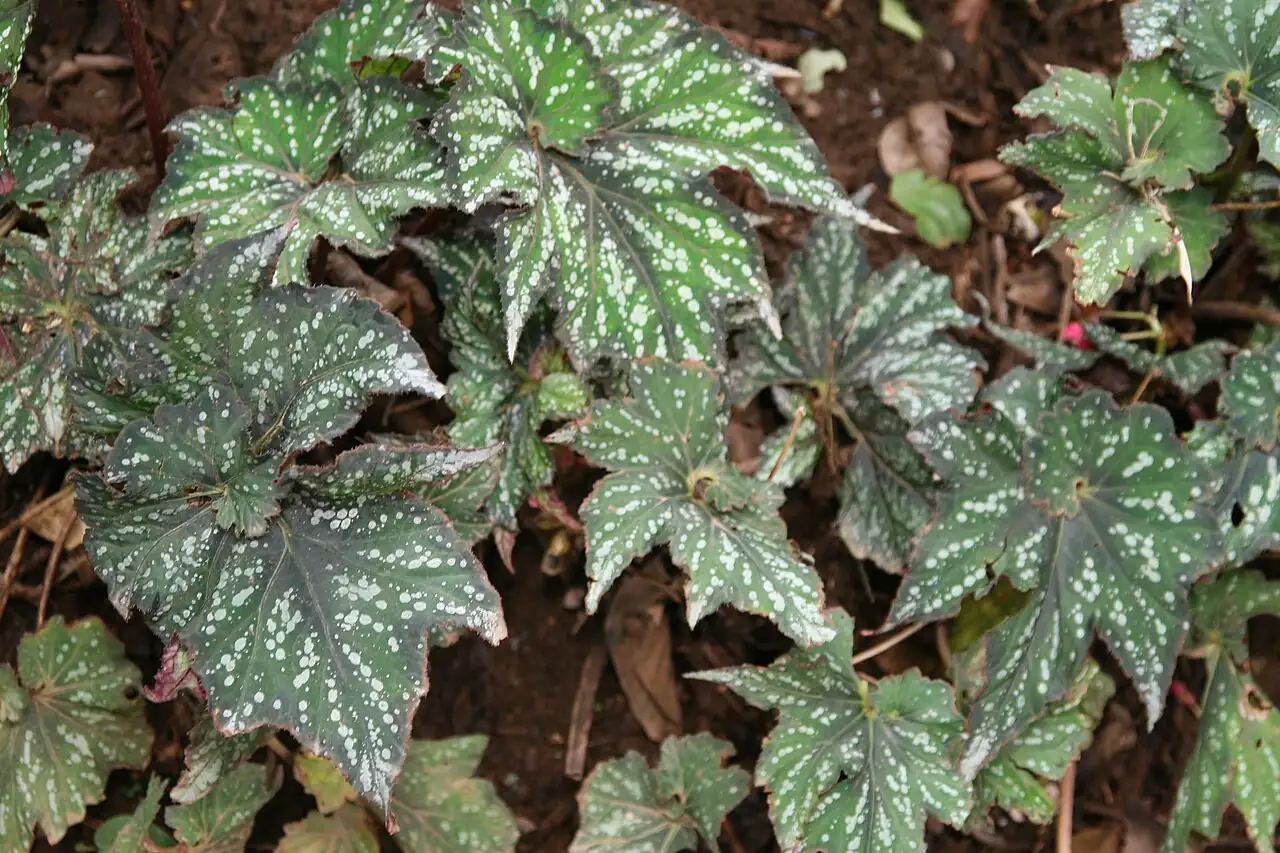
- Foliage: Highly decorative leaves with bold patterns and variable shapes; colors can include green, silver, pink, red, purple, and near-black tones, often highlighted by contrasting veins and margins with a subtle metallic look in many varieties.
- Flower: Small, elegant flowers; grown mainly for foliage rather than blooms.
- Flowering Season: Typically intermittent; often late winter to spring indoors (varies by cultivar and conditions).
- Growth Habit: Usually compact to mounding, forming a lush clump of foliage from a rhizomatous base.
Environment
Sunlight
Bright, indirect light or partial shade; avoid harsh midday sun that can scorch or fade the leaves.
Temperature
15–22°C (59–72°F); keep away from cold drafts and hot, dry heat from vents or radiators.
Humidity
Moderate to high humidity, ideally 50–70%—raise humidity around the plant with a pebble tray or humidifier, while still ensuring gentle airflow.
Soil
A loose, well-aerated, moisture-retentive but free-draining potting mix; amend with perlite and/or fine bark to improve drainage and oxygen around roots.
Placement
Near an east- or north-facing window, or set back from a bright south/west window. In winter, keep it away from heaters; use a humidity tray without letting the pot sit in water.
Hardiness
Frost-tender; outdoors only in USDA Zone 10–11. Commonly grown as an indoor plant elsewhere.
Care Guide
Difficulty
Easy to moderate: straightforward once you balance three things—steady moisture (not soggy), higher humidity, and decent airflow. Avoid consistently wet soil and avoid wetting the leaves.
Buying Guide
Choose plants with firm rhizomes/stems, crisp leaves, and no mushy areas, spotting, mildew, or pest residue. Avoid limp foliage or a sour-smelling pot, which can hint at overwatering.
Watering
Spring through autumn: keep the mix evenly moist but never waterlogged. Winter: water less, letting the surface layer dry before watering again. Water the soil directly; avoid misting or splashing the leaves, which can trigger spotting and fungal problems.
Fertilization
Late spring to early autumn: feed every 2 weeks with a higher-nitrogen fertilizer to support lush leaf growth. If your plant is flowering and you want to encourage blooms, switch to a higher-potassium feed once buds appear and continue until flowering finishes.
Pruning
Remove damaged, aging, or crowded leaves at the base to improve airflow and keep the plant looking fresh.
Propagation
Commonly propagated by rhizome division or leaf cuttings (a classic begonia trick).
Repotting
Repot in spring when rootbound, moving only to a slightly larger pot. Oversized pots stay wet longer and can increase rot risk.
📅 Seasonal Care Calendar
Spring–autumn: bright indirect light, steady moisture, and feeding every 2 weeks. Winter: water less (when the surface dries), keep warm, boost humidity gently, and keep away from heaters. Repot in spring if the plant is crowded or rootbound.
Pests, Diseases & Safety
Common Pests & Diseases
Common indoor pests include mealybugs, spider mites, thrips, and fungus gnats. Diseases and disorders include powdery mildew, botrytis, and leaf spotting—often linked to wet foliage, stagnant air, or overwatering. Improve airflow, avoid misting, and adjust watering so the top layer dries slightly between waterings in winter.
Toxicity
Toxic if ingested. Begonias contain irritating compounds (especially in underground parts) and may cause mouth and gastrointestinal irritation in people and pets; keep away from cats, dogs, and small children.
Culture & Symbolism
Symbolism: Often linked with individuality and elegance—each plant’s leaf pattern feels one-of-a-kind.
History & Legends: Introduced to cultivation from northeastern India in the 19th century, Begonia rex became a foundational parent for many modern fancy-leaf begonia hybrids.
Uses: Primarily ornamental, valued for dramatic, colorful foliage and used as an eye-catching accent in indoor plant collections.
Fun Facts
- Rex begonias helped spark the boom of modern “fancy-leaf” begonia breeding—many cultivars trace their lineage back to Begonia rex.
- They love humid air, but hate wet leaves—raising humidity around the plant works better than spraying the foliage.