Plant Features
- Size: Typically 5–20 cm (2–8 in) tall and 5–20 cm (2–8 in) wide, depending on species and maturity.
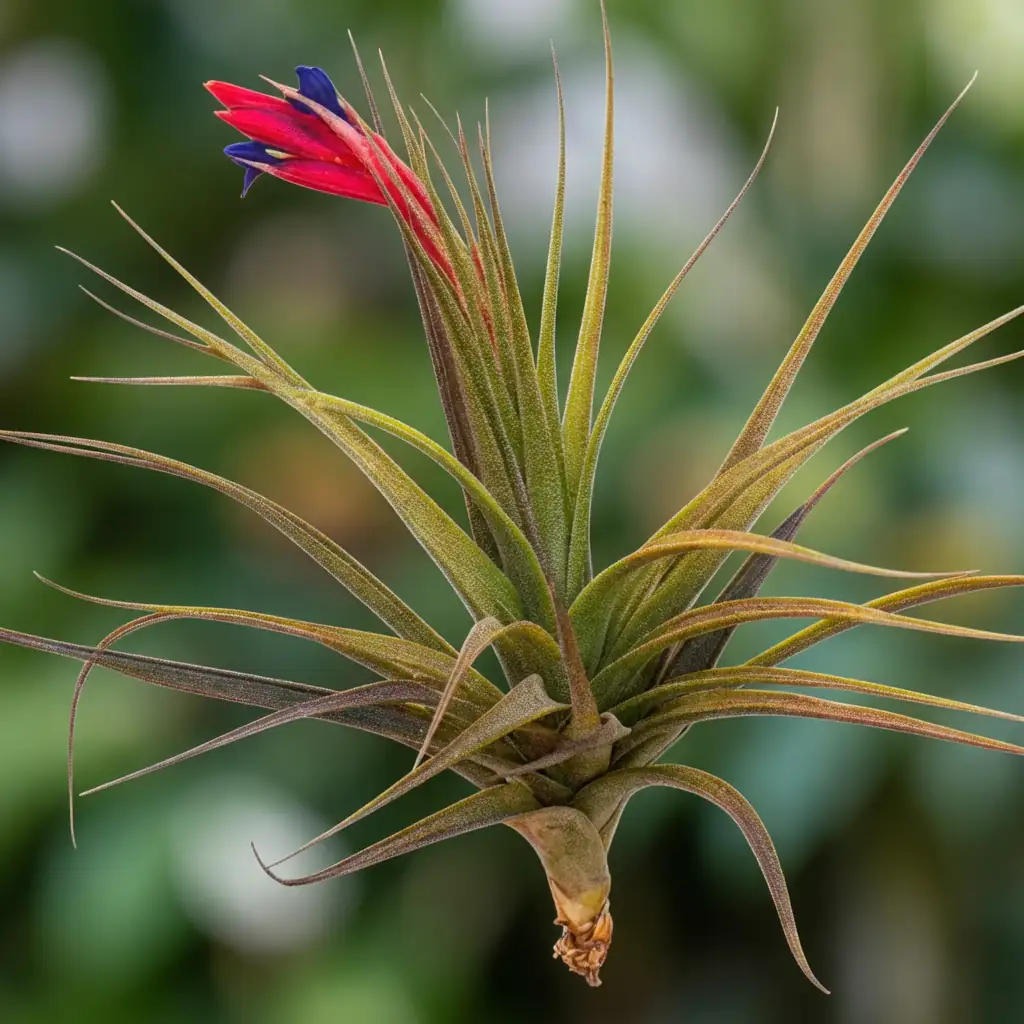
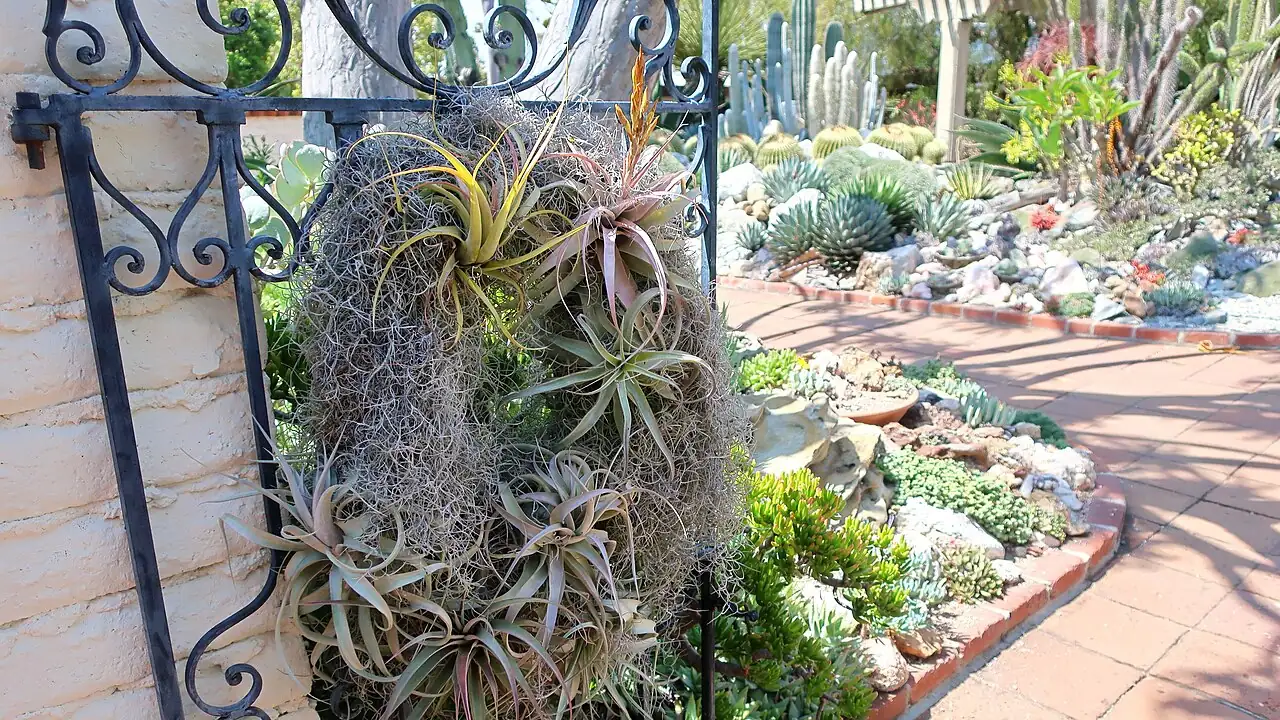
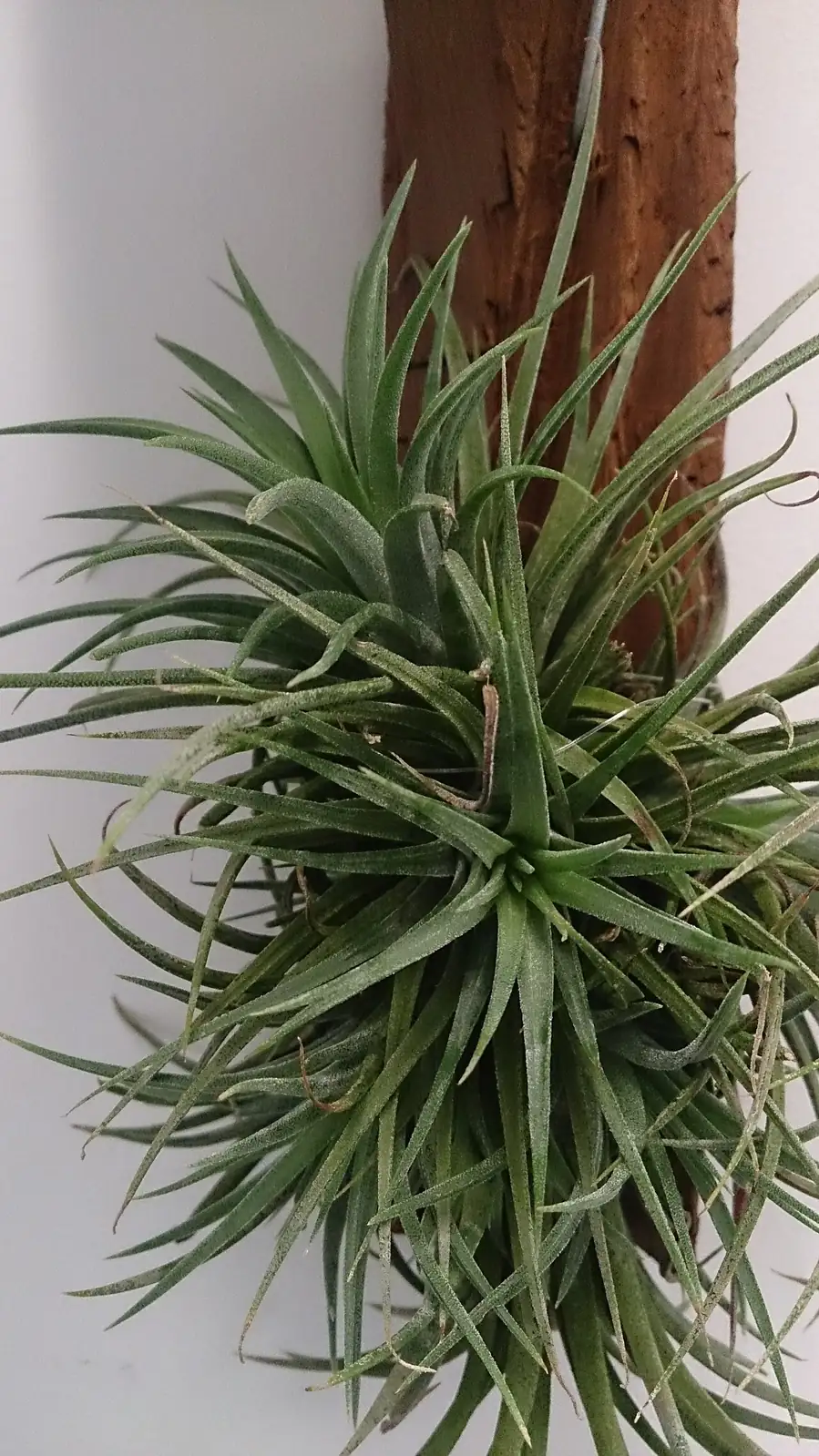
- Foliage: Forms a dense rosette or clump of stiff, narrow green leaves that feel firm and slightly leathery; many species develop a silvery cast from leaf scales (trichomes).
- Flower: Produces showy flowers in pink-to-purple bicolors, often emerging from within the leaf clump; many species also display colorful bracts that extend the “bloom show.”
- Flowering Season: Often once per year (timing varies by species and growing conditions).
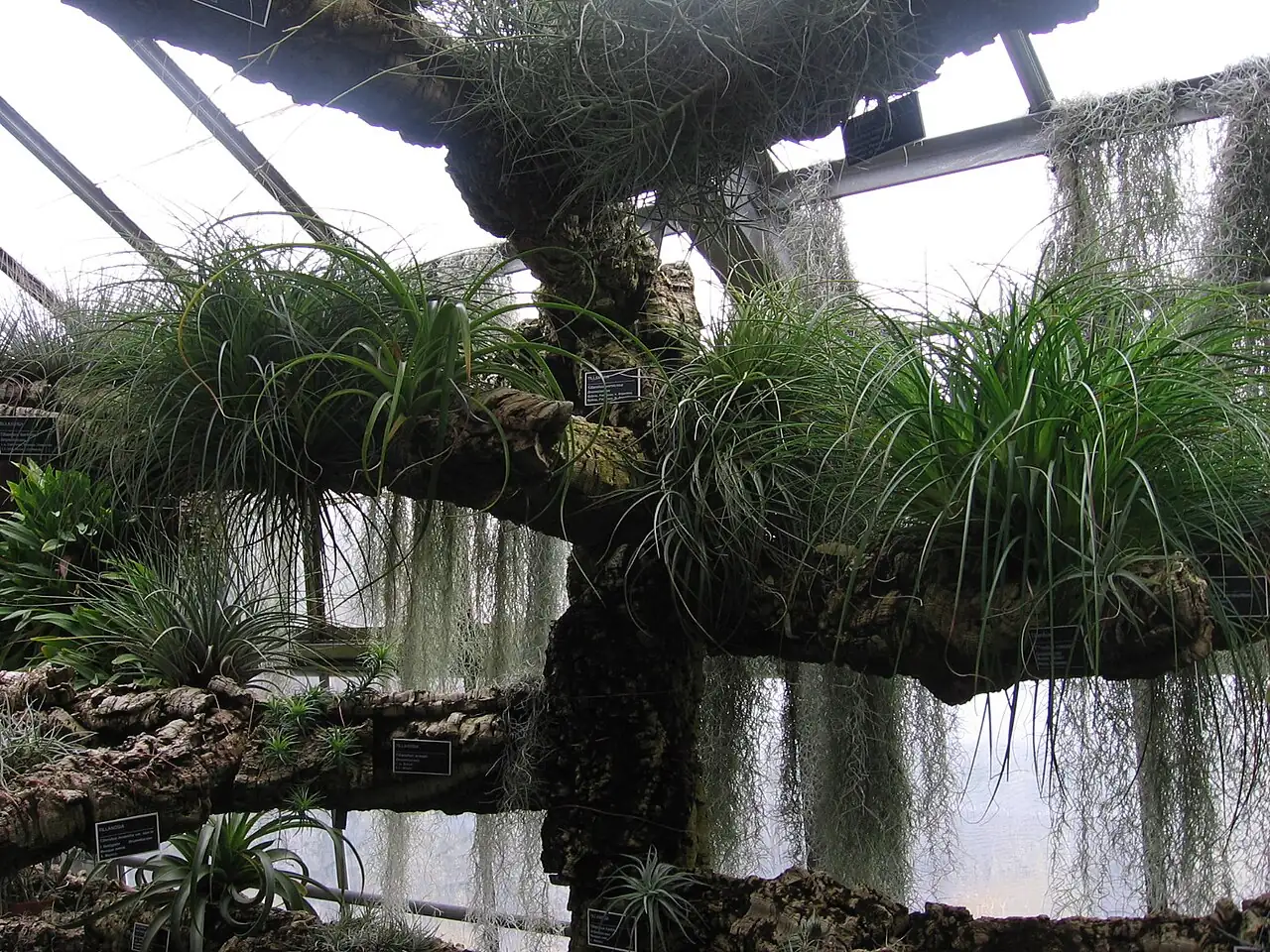
- Growth Habit: Epiphytic and clump-forming: grows attached to bark, wood, rock, or mounted displays rather than rooted in soil.
Environment
Sunlight
Bright, indirect light is ideal; gentle morning sun is usually fine. Avoid harsh midday sun (especially behind glass), which can scorch leaves.
Temperature
Ideal 15–30°C (59–86°F). Protect from cold; avoid temperatures below 10°C (50°F).
Humidity
Moderate to high humidity, about 40–70%, paired with strong air circulation to prevent rot.
Soil
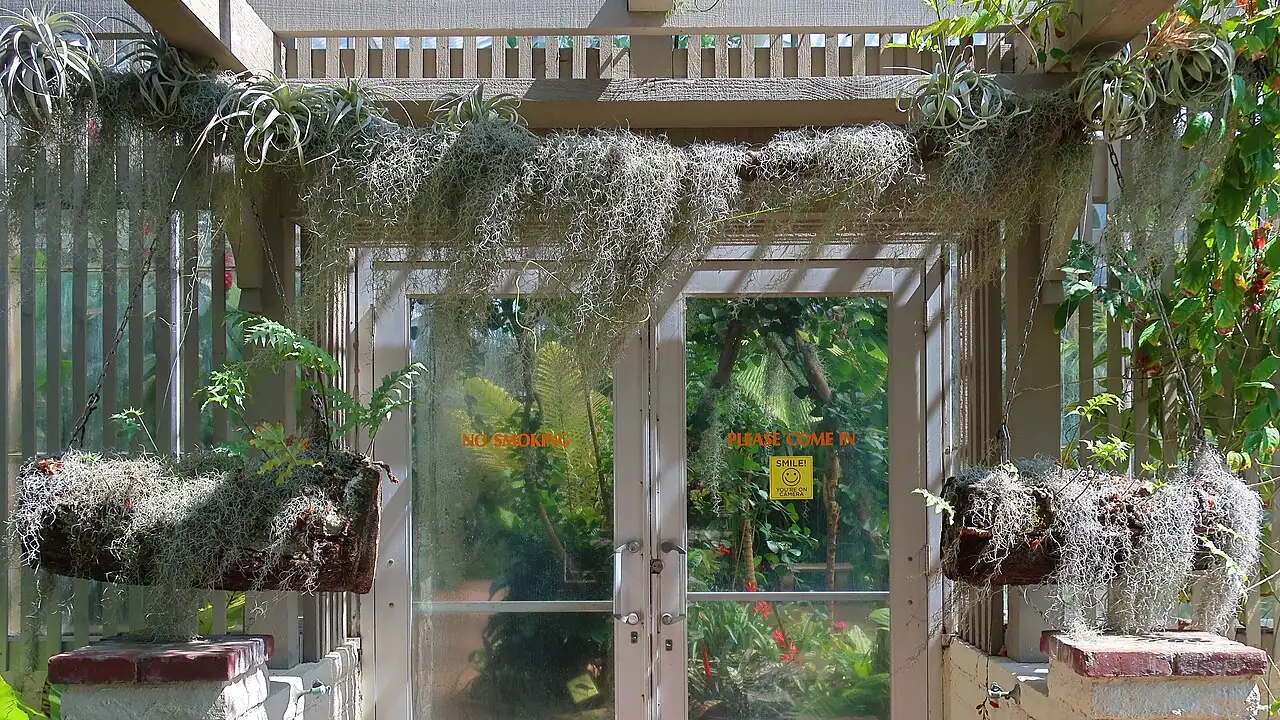
No soil needed. Best displayed mounted on cork/wood, in a wire frame, or set on decorative stones—always with airflow around the base and crown.
Placement
Indoors near a bright window, in a greenhouse, or in a well-ventilated bathroom with strong light; outdoors only in warm, humid, frost-free climates in filtered light.
Hardiness
Generally USDA Zone 10–12; not frost tolerant and should be kept above 10°C (50°F).
Care Guide
Difficulty
Easy to moderate: very manageable once you balance regular moisture with quick drying, bright light, and excellent airflow.
Buying Guide
Pick plants with firm leaves and a clean, dry base. Avoid any specimen with a soft, blackened base, a mushy feel, or water that seems to stay trapped in the rosette.
Watering
Soak in clean water for 15–30 minutes about 1–2 times per week in warm/bright conditions. In cooler or darker seasons, reduce to every 10–14 days. After soaking, shake off excess water thoroughly and dry the plant upside down or on its side so water doesn’t sit in the crown (a common cause of rot).
Fertilization
Feed lightly during active growth with a bromeliad/air-plant fertilizer at 1/4 strength every 2–4 weeks (or about monthly). Avoid heavy fertilizing, which can lead to weak, overly soft growth.
Pruning
Remove spent flower stalks and dead or damaged leaves by gently pulling or snipping close to the base. Avoid cutting into healthy tissue.
Propagation
By offsets (“pups”). Separate pups when they reach about 1/3–1/2 the size of the parent, or leave them attached to form a fuller clump.
Repotting
Not applicable in the traditional sense. Remount or redesign the display as the plant grows, and avoid anything that restricts airflow or buries the base.
📅 Seasonal Care Calendar
Spring–summer: brighter light, more frequent soaking, light feeding, and strong airflow. Autumn–winter: reduce watering, keep above 10°C (50°F), and maximize light to maintain vigor and support future blooming.
Pests, Diseases & Safety
Common Pests & Diseases
May get scale, mealybugs, or spider mites. The most common serious issue is rot caused by water trapped in the crown and poor ventilation—ensure fast drying after watering and increase airflow.
Toxicity
Generally considered non-toxic to people and pets, though it isn’t meant to be eaten; chewing may cause mild stomach upset.
Culture & Symbolism
Symbolism: Often linked with independence, resilience, and “living lightly,” thanks to its soil-free lifestyle.
History & Legends: Tillandsia are epiphytic bromeliads native to the Americas and have long fascinated growers for their ability to live on trees and rocks, gathering moisture and nutrients from rain, dust, and organic debris.
Uses: Primarily ornamental—popular for mounted displays, driftwood arrangements, wire sculptures, and open (well-ventilated) terrariums as modern décor accents.
FAQ
Do air plants really live on air only?
Not quite. They don’t need soil, but they still need water, light, and nutrients. They absorb moisture and minerals mainly through leaf surfaces and tiny scales called trichomes.
Why is my air plant rotting at the base?
Most often it’s from water staying trapped in the crown or not enough airflow. After soaking, shake off water thoroughly and let it dry quickly in a breezy spot; don’t leave it sitting in water.
How can I encourage blooming?
Give bright indirect light, warm temperatures, consistent soak-and-dry watering, and gentle feeding during the growing season. Bloom timing depends on species and maturity.
Fun Facts
- Many Tillandsia look silvery because dense trichomes help capture moisture and reflect strong sun.
- After flowering, the mother plant often slowly declines while producing pups that carry the clump forward.
- Because they don’t need soil, air plants are favorites for creative displays on wood, stone, shells, and wire forms.