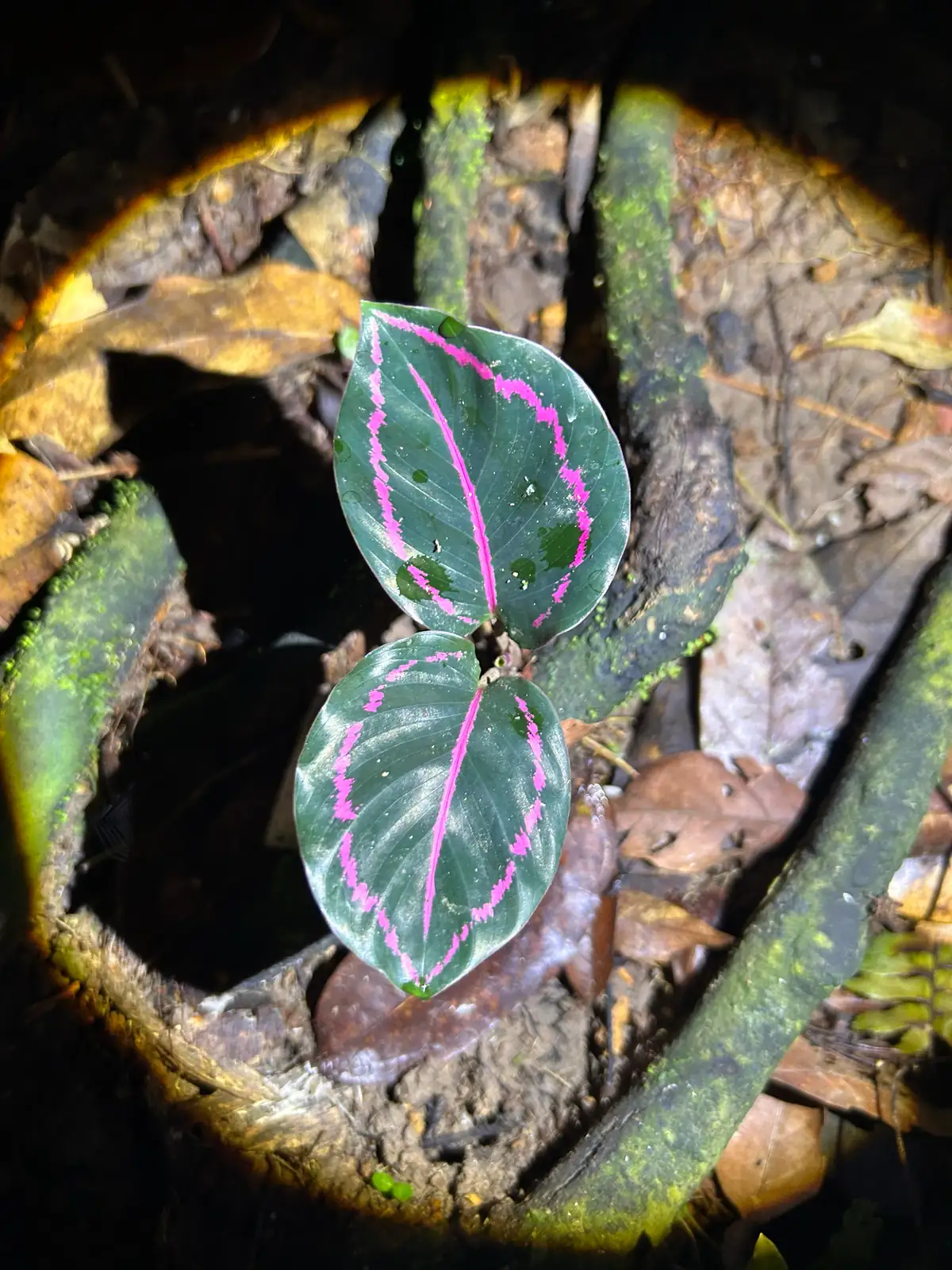
Plant Features
- Size: Typically about 45 cm (18 in) tall with a spread around 60 cm (24 in).
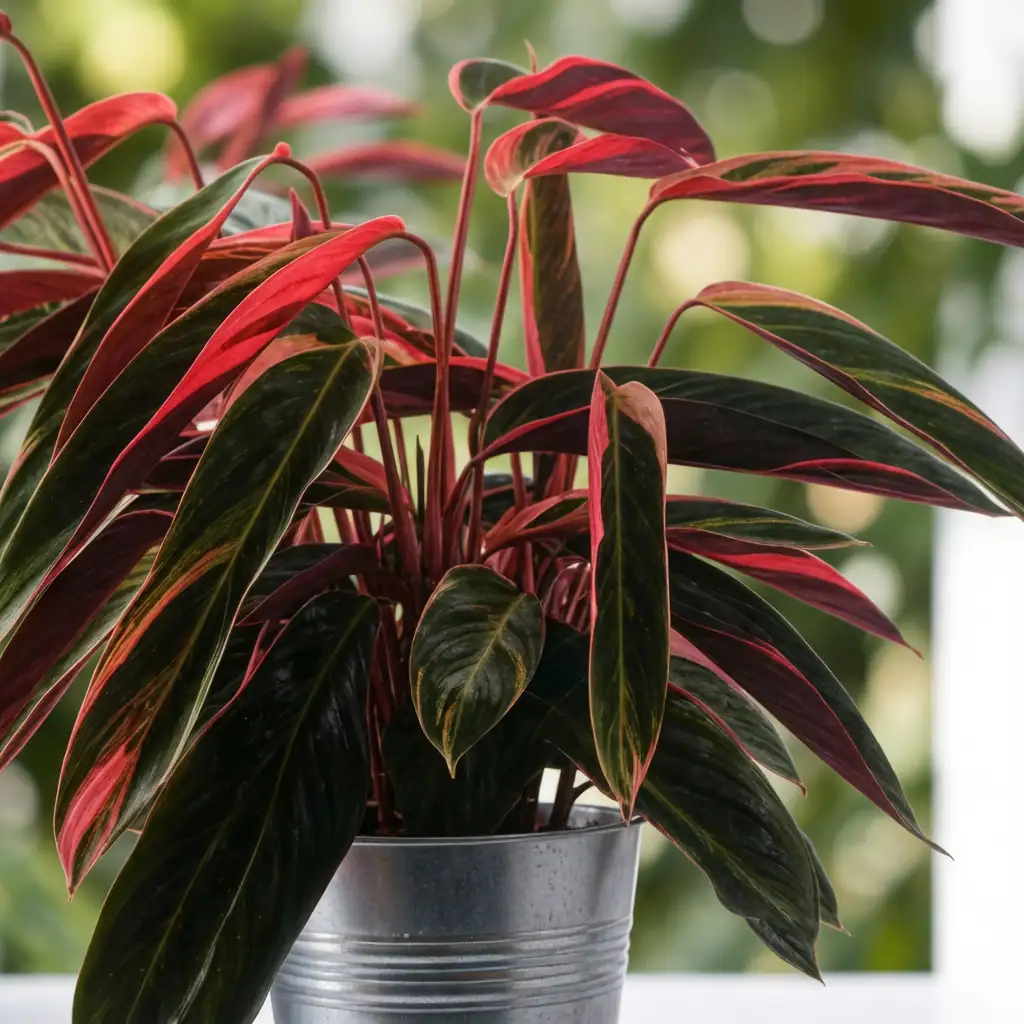
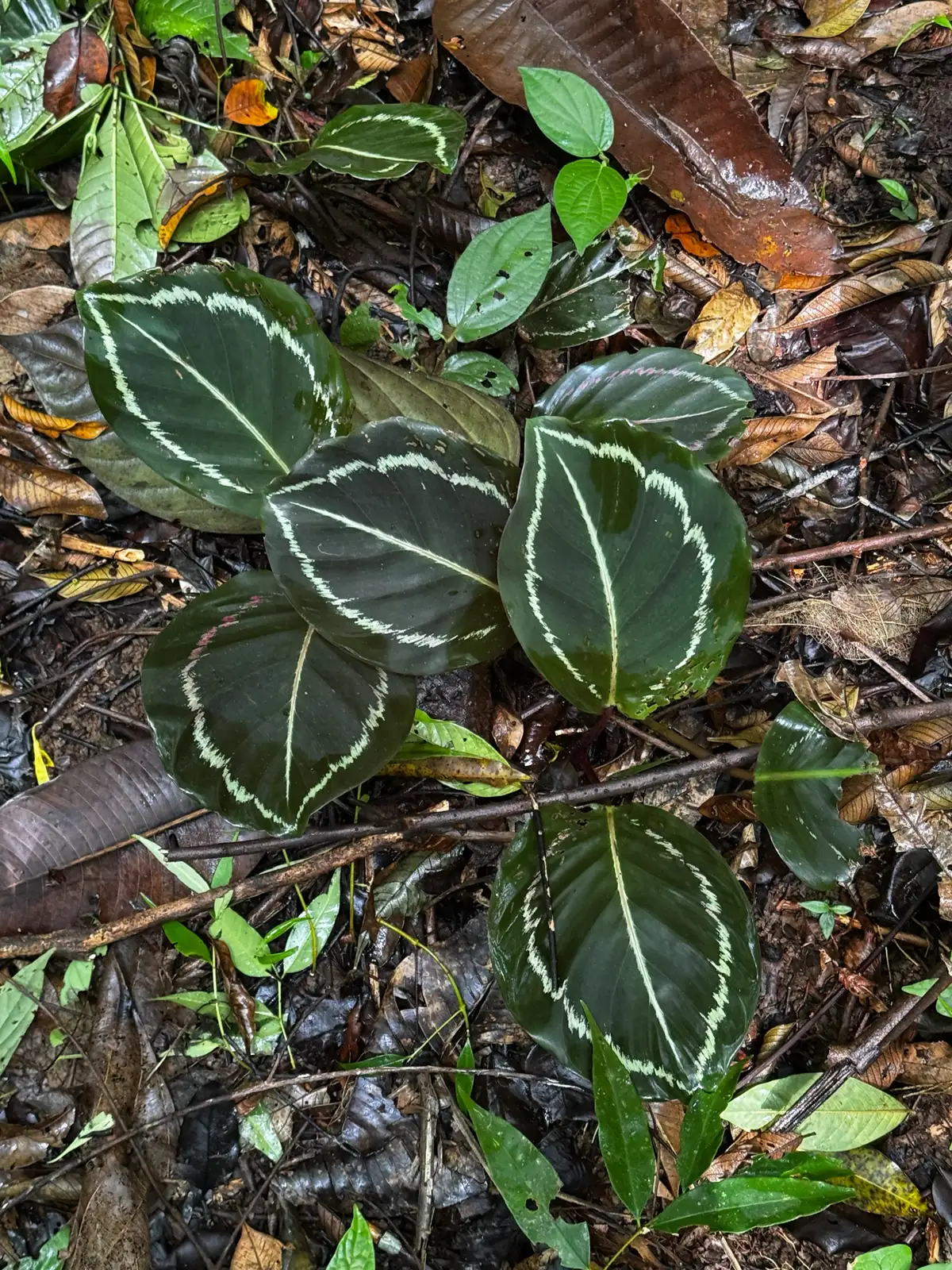
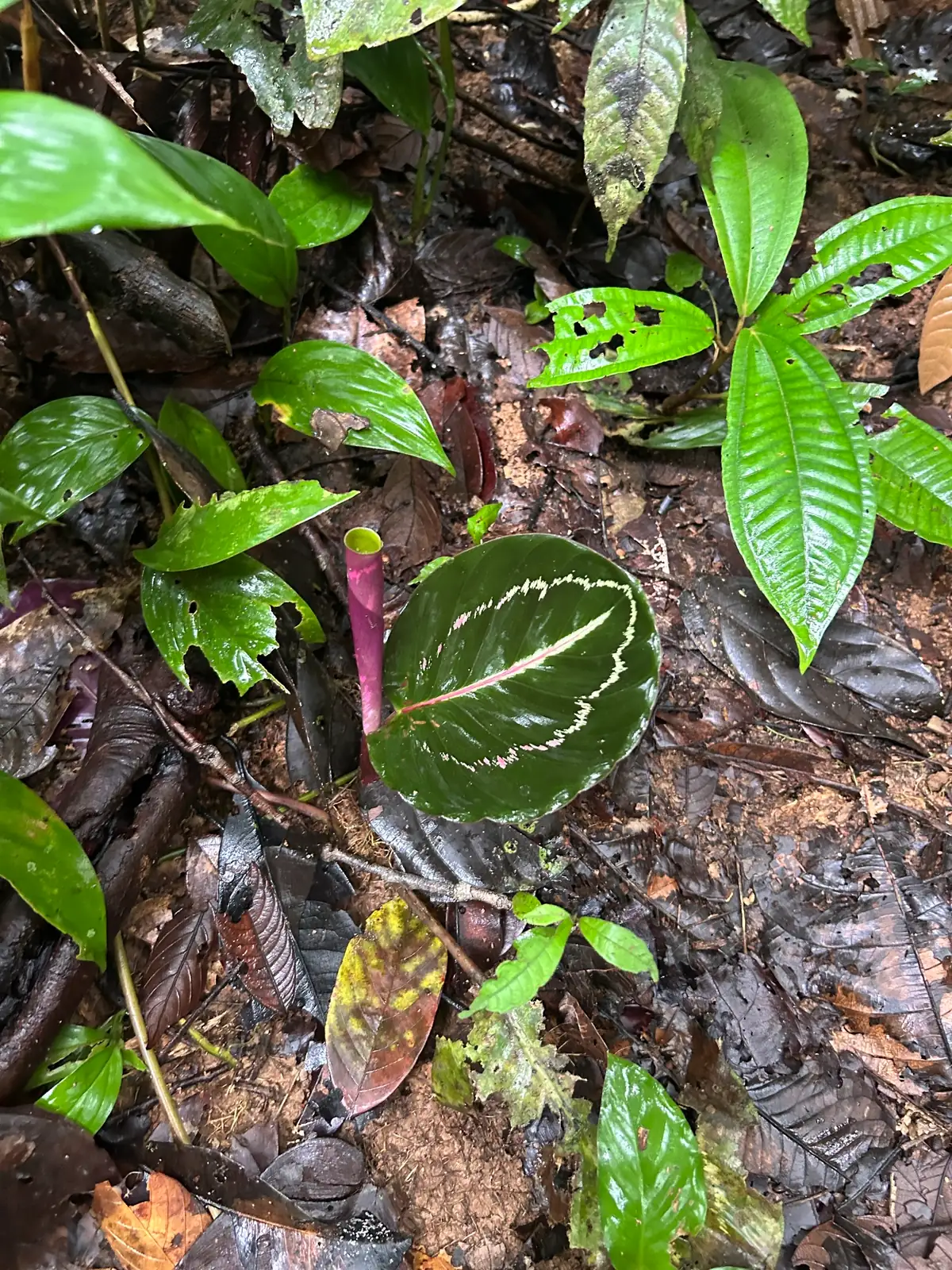
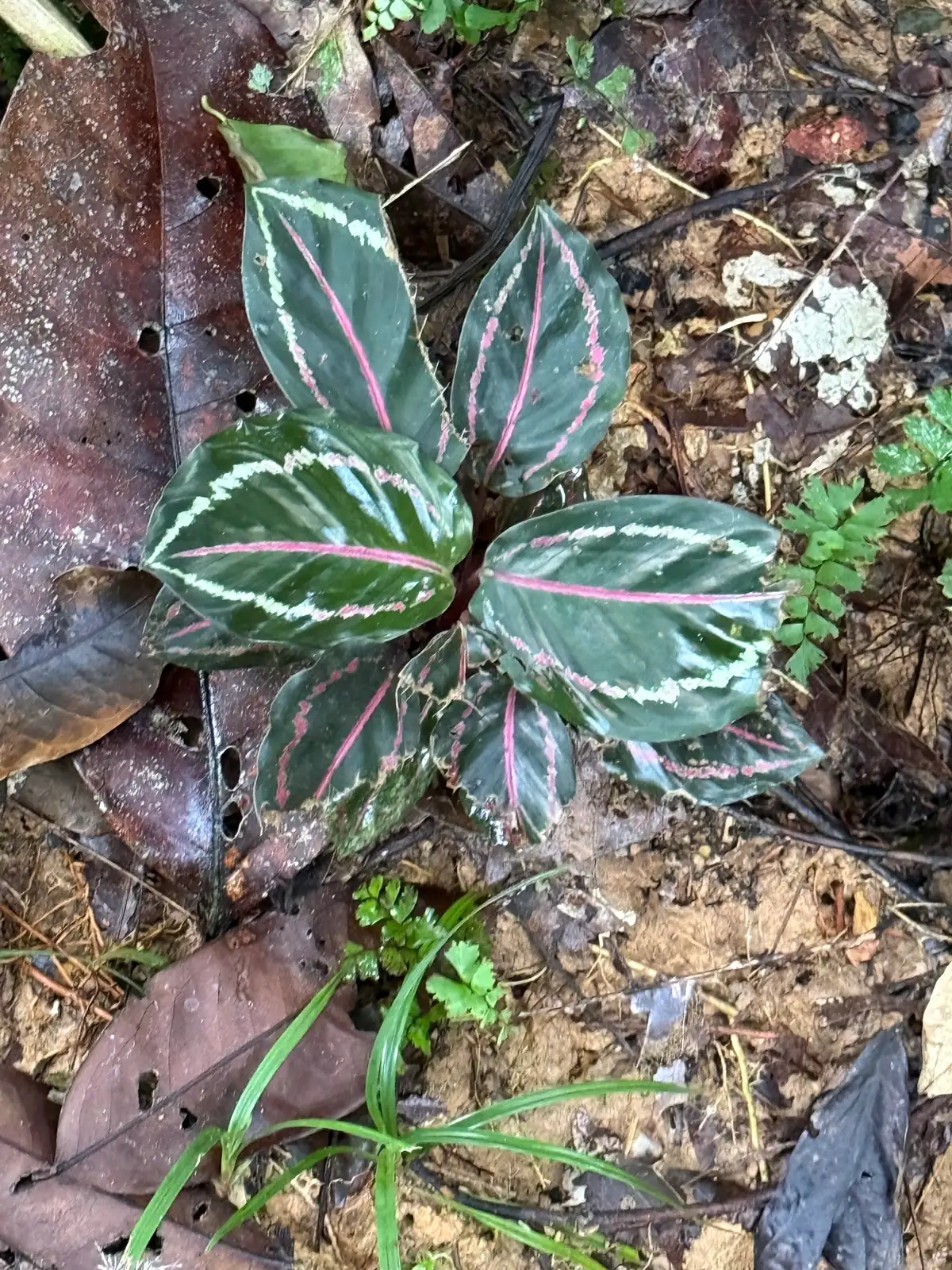
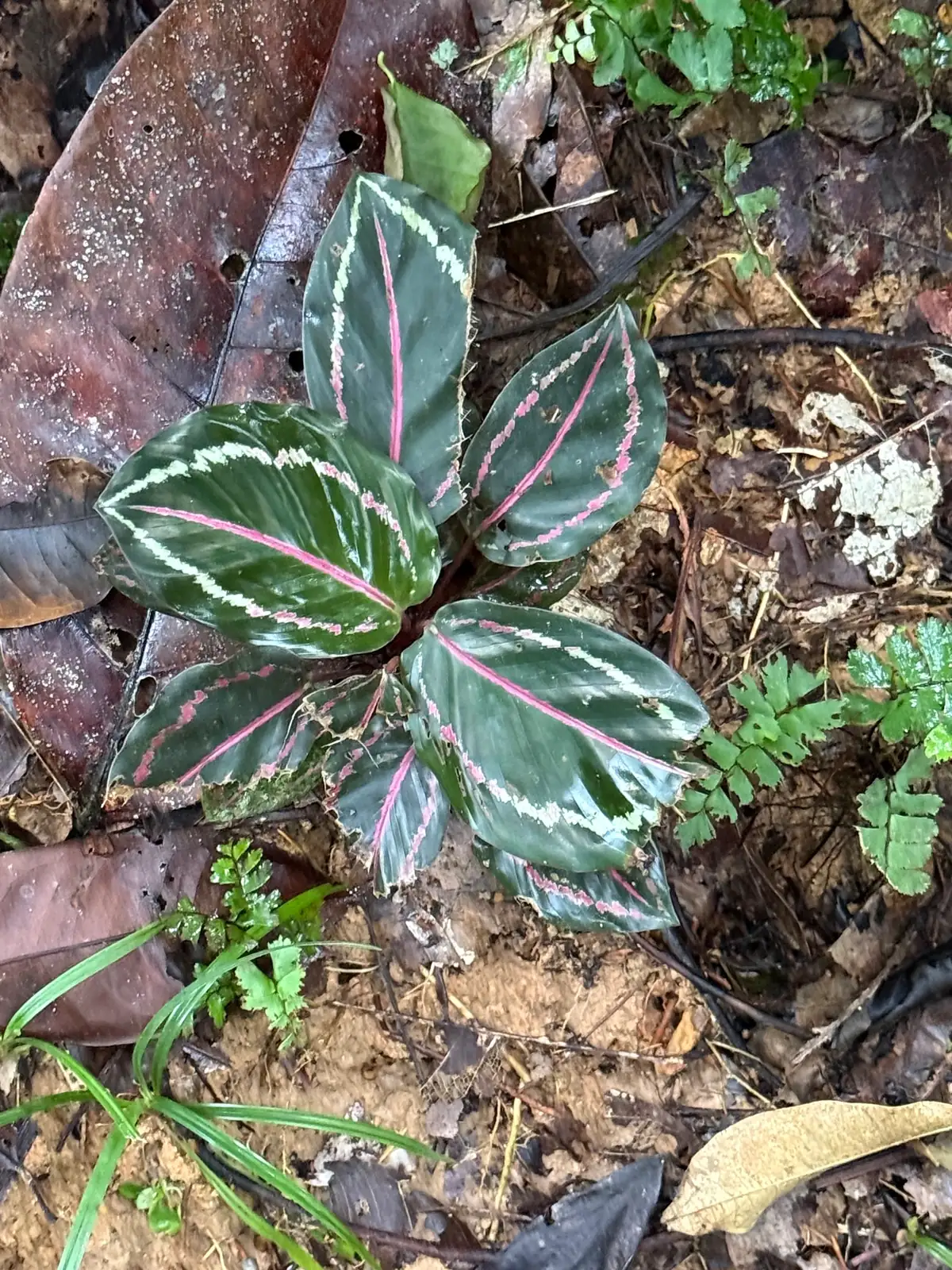
- Foliage: Broad, lance- to oval-shaped leaves with dramatic blocks of pink to rosy-red over green, often with lighter creamy areas. Leaves arch and fan outward, creating a full, layered clump.
- Flower: Flowers are uncommon indoors and not considered ornamental; if produced, they are small and inconspicuous compared with the foliage.
- Flowering Season: Irregular indoors; not a reliable bloomer as a houseplant.
- Growth Habit: Clump-forming and upright from the base, with leaves that arch and spread outward; benefits from a bit of breathing room so the foliage can be displayed.
Environment
Sunlight
Bright, indirect light to light shade; avoid harsh direct sun. Keep away from drafts and strong airflow from vents.
Temperature
Prefers 15–24°C (59–75°F); avoid prolonged exposure below about 13°C (55°F).
Humidity
High humidity is ideal (about 60%+). A humidifier works best; pebble trays can help. Mist only if it helps without leaving foliage constantly wet.
Soil
Moisture-retentive yet free-draining. Use a quality houseplant mix and lighten it with airy components such as fine bark and/or perlite and/or coco coir to prevent sogginess while staying evenly moist.
Placement
Indoors in a bright spot out of direct sun, away from heaters/AC vents. Bathrooms and kitchens often suit it thanks to higher humidity. Often looks and grows nicely in a shallow container with excellent drainage; for smaller plants, a pot around 12.5–15 cm (5–6 in) is commonly suitable.
Hardiness
Not frost tolerant; outdoors year-round only in very warm climates (about USDA Zone 11–12).
Care Guide
Difficulty
Easy to moderate: generally straightforward when kept warm, evenly moist, and humid. Leaf-edge browning is the usual complaint when air is dry or watering is inconsistent.
Buying Guide
Pick a plant with firm, upright leaves and strong, even coloration. Avoid widespread crispy edges, heavy yellowing, or obvious pest signs (especially spider mites, mealybugs, or scale on the undersides). Check for sour smells or persistently soggy potting mix, which can hint at root trouble.
Watering
Spring through summer: keep the potting mix evenly moist but never waterlogged. Winter: water less often, allowing the top 2–3 cm (1 in) to dry slightly before watering again. Use room-temperature water; if your tap water is hard/mineral-heavy, filtered water or rainwater can help reduce leaf-tip burn.
Fertilization
From spring to late autumn, feed every 2 weeks with a balanced liquid fertilizer at half strength. In winter, pause feeding or reduce it significantly.
Pruning
Remove yellowing or damaged leaves by cutting the stalk at the base. Brown tips can be trimmed for appearance—follow the natural shape of the leaf for a clean look.
Propagation
Division is the most reliable method. During repotting, split a healthy clump so each division has roots and several leaves, then pot up and keep warm and humid until it re-establishes.
Repotting
Repot every 2–3 years (or sooner if rootbound), ideally in spring. Shallow pots can suit its spreading habit as long as drainage is excellent; a 12.5–15 cm (5–6 in) pot is often sufficient for compact plants.
📅 Seasonal Care Calendar
Spring–summer: maintain even moisture, warmth, and higher humidity; feed regularly. Autumn: continue feeding until late in the season. Winter: reduce watering and stop or greatly reduce fertilizer. Repot/divide every 2–3 years, ideally in spring.
Pests, Diseases & Safety
Common Pests & Diseases
Spider mites are common when humidity is low; also watch for mealybugs and scale. Raise humidity, wipe leaves regularly, and treat early with insecticidal soap or horticultural oil. Overwatering or poor drainage can cause root rot—use an airy mix, ensure drainage holes, and never let the pot sit in water.
Toxicity
Generally regarded as non-toxic to cats and dogs (often listed as pet-safe). However, chewing any plant can still cause mild stomach upset in sensitive pets or people.
Culture & Symbolism
Symbolism: Often linked with calm, renewal, and “living art,” thanks to its painterly foliage and gentle daily leaf movement.
History & Legends: It’s still widely sold as a Calathea, but many popular “calatheas” were reclassified botanically into the genus Goeppertia—so both names are common in the houseplant world.
Uses: Primarily grown as an ornamental foliage houseplant for colorful, dramatic leaves that brighten indoor spaces.
FAQ
Why are the leaf edges turning brown?
Most often it’s low humidity, inconsistent watering, or mineral-heavy water. Aim for ~60%+ humidity (a humidifier helps most), keep the mix evenly moist, and try filtered or rainwater if your tap water is hard.
Can it take direct sun?
No—direct sun can scorch and fade the foliage. Give bright, indirect light or light shade instead.
How often should I repot it?
Usually every 2–3 years, ideally in spring, or sooner if it becomes tightly rootbound.
Fun Facts
- Like many prayer plants, the leaves can subtly shift position between day and night (nyctinasty).
- It’s commonly labeled “Calathea,” but the currently accepted genus for this group is Goeppertia.